Preakness Race

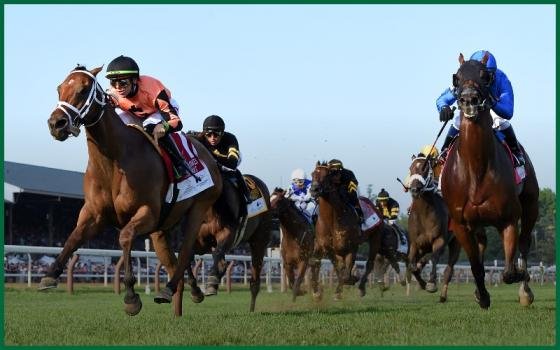
Two years before the Kentucky Derby was run for the first time, Pimlico introduced its new stakes race for three-year-olds, the Preakness, during its first spring race meet in 1873.

Then Maryland governor Oden Bowie named the then mile and one-half (2.41 km) race in honor of the colt Preakness from Milton Holbrook Sanford's Preakness Stud in Preakness, Wayne Township, New Jersey, who won the Dinner Party Stakes on the day Pimlico opened (October 25, 1870). The New Jersey name was said to have come from the Native American name Pra-qua-les ("Quail Woods") for the area. After Preakness won the Dinner Party Stakes, his jockey, Billy Hayward, untied a silk bag of gold coins that hung from a wire stretched across the track from the judges' stand. This was the supposed way that the "wire" at the finish line was introduced and how the awarding of "purse" money came to be.


Sir Barton, winner in 1919

The first Preakness, held on May 27, 1873, drew seven starters. John Chamberlain's three-year-old, Survivor, collected the $2,050 winning purse by galloping home easily by 10 lengths. This was the largest margin of victory until 2004, when Smarty Jones won by 11 1/2 lengths.[8]
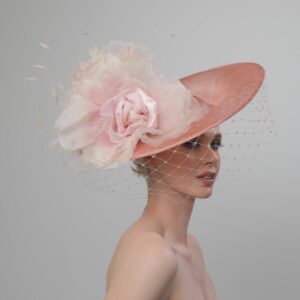
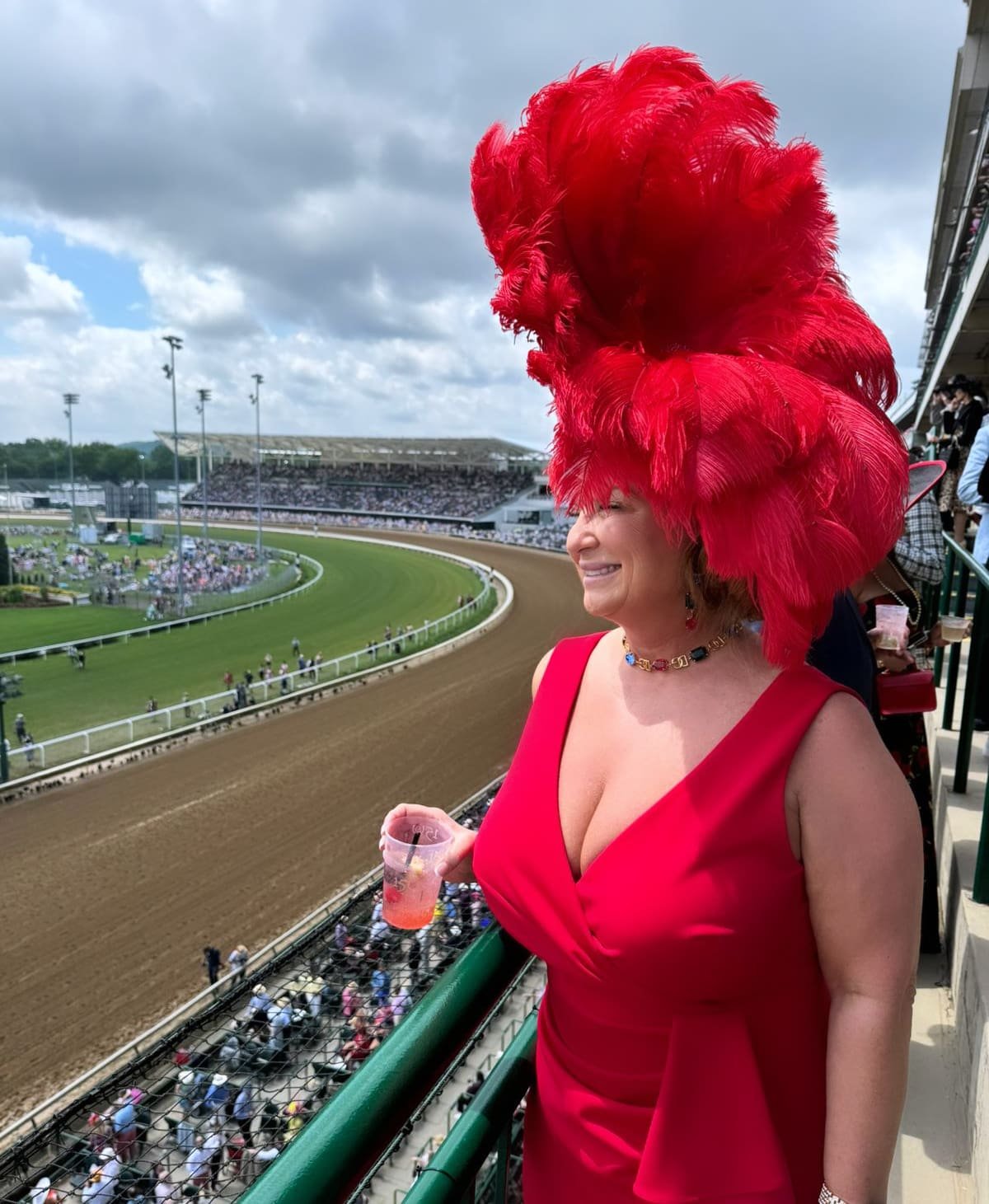
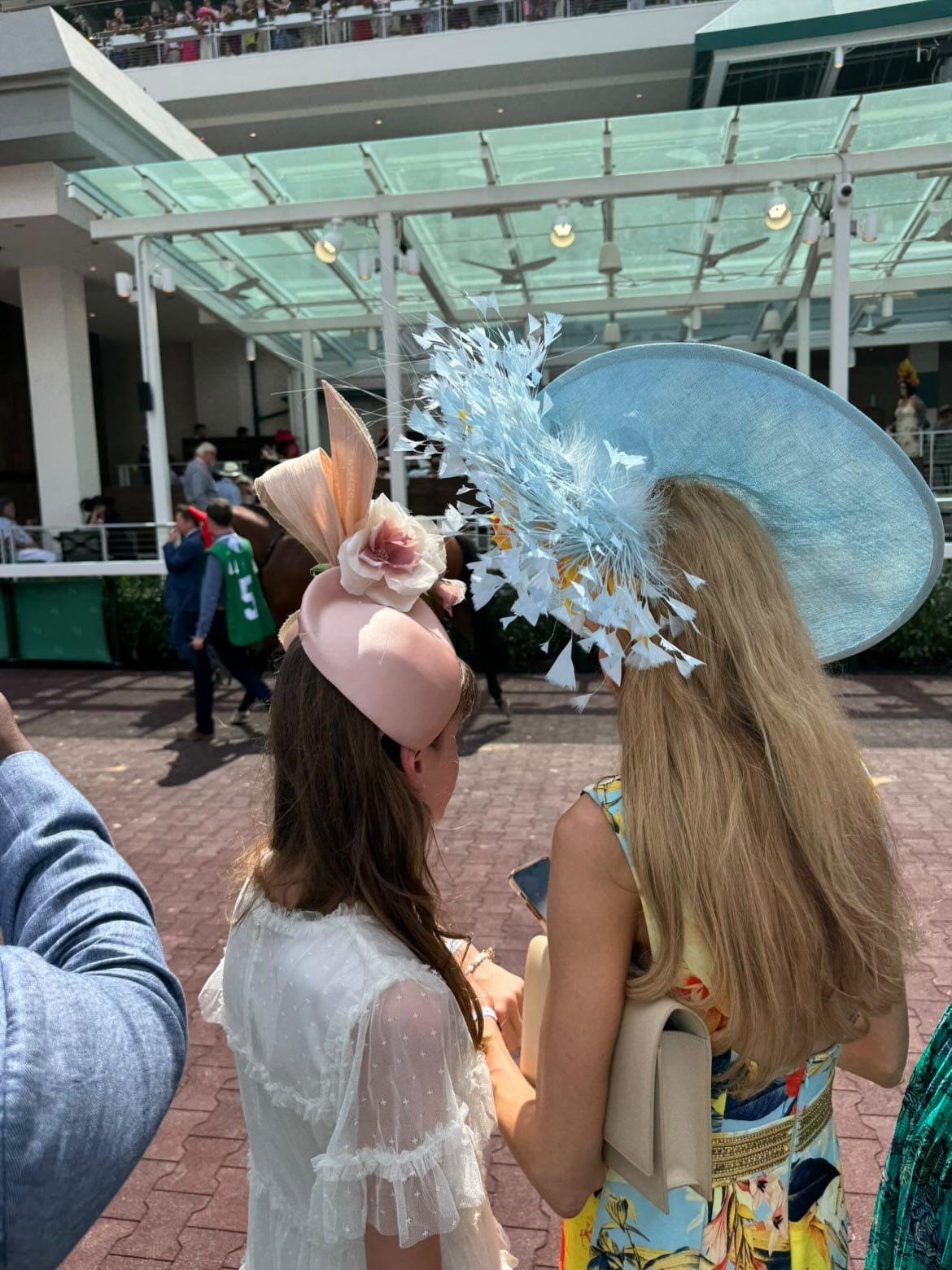
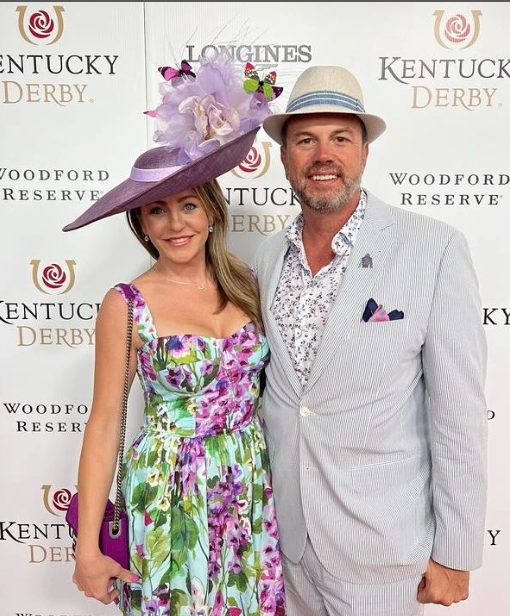
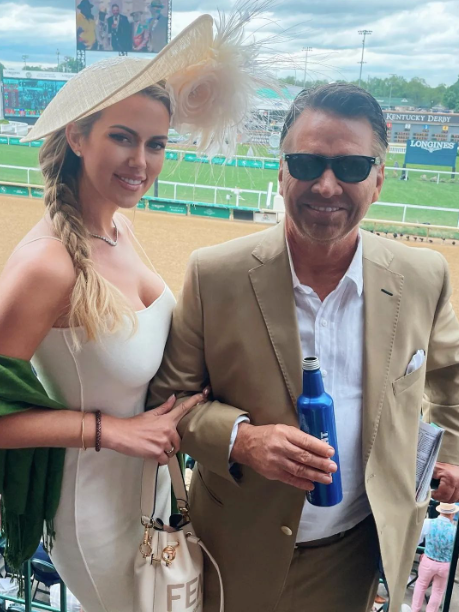
Kentucky Derby, 2024

Kentucky Derby, 2024

"I've worked with Holly and Carolina for several years." Arturo takes particular pride in continuing a tradition of grace and sophistication.

"It is amazing to see the self-confidence radiate from these young angels."

We are happy to be part of the Kentucky Derby's 150th anniversary.

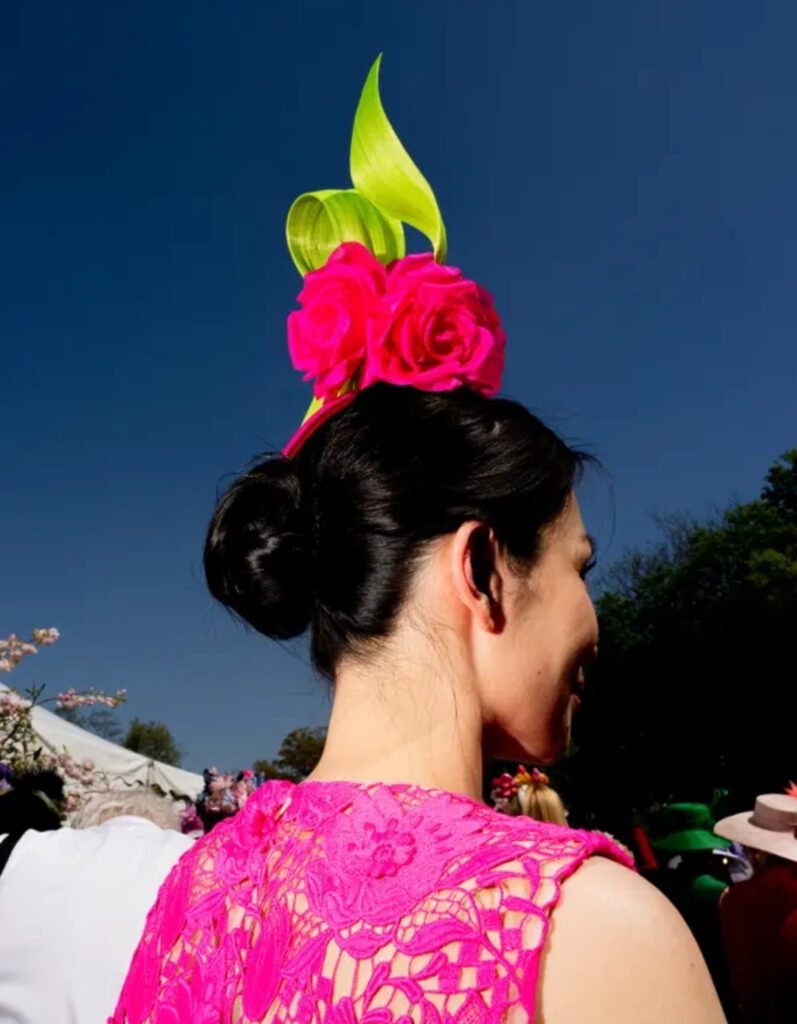
Arturo's hats were spotted everywhere at this thrilling event.

Arturo is also helping develop a sense of pride and heritage.

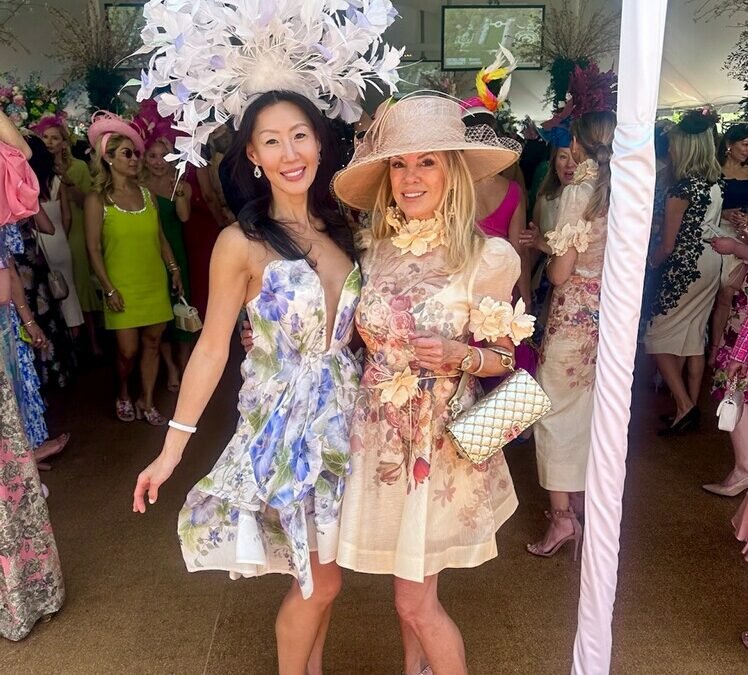
Central Park Attendees at the Annual Frederick Law Olmsted Awards.

Central Park Attendees at the Annual Frederick Law Olmsted Awards.

The procession that entered the 42nd annual Frederick Law Olmsted Awards Luncheon at the Conservatory Garden — or the hat luncheon, as it is colloquially known — donned frocks in shades of pink, orange, lavender, ice blue and Kelly green — enough colors to rival the eggs in an Easter basket.

The New York Times Style Section

"The luncheon is an annual occasion that serves as a trumpet song of spring in the city and a fund-raiser for the Central Park Conservancy. This year, over 1,000 guests, including philanthropists, designers, members of the Central Park Conservancy and overall lovers of Central Park, raised over $4.6 million for the preservation and upkeep of Manhattan’s green jewel.

“It’s a big celebration for Central Park and the people who really love and care for the park,” said Betsy Smith, the president and chief executive of the Central Park Conservancy.

This year’s event, which honored Diane Schaub, the Central Park Conservancy’s curator of gardens, along with the Conservancy’s garden staff, took nine months to plan, according to Ms. Smith. It is the biggest fund-raiser for the park, and the money raised will go toward operating costs for the park, including landscaping and park maintenance."

2024-2025 Racing Schedule

2024-2025 Racing Schedule

This season's races are going to one of the biggest celebrations around.

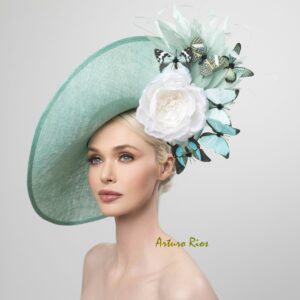
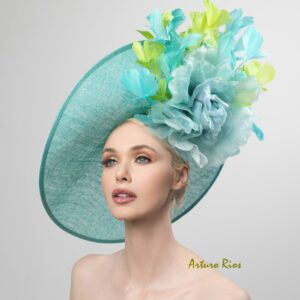
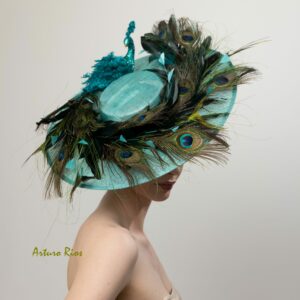
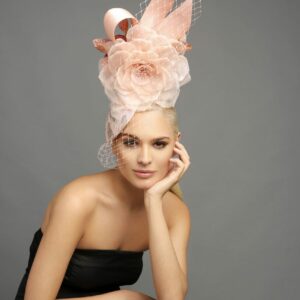
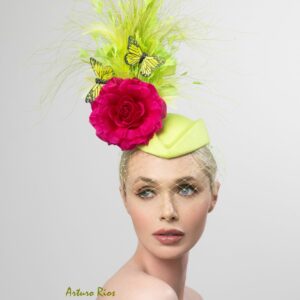
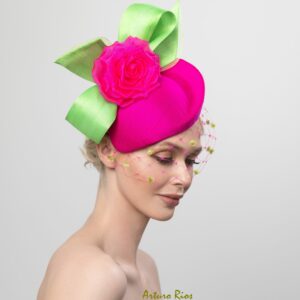
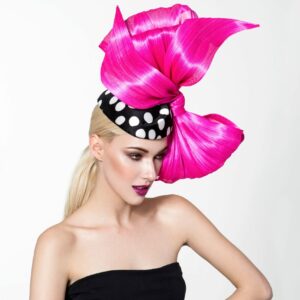
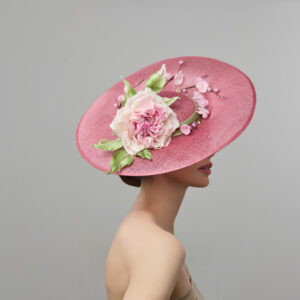
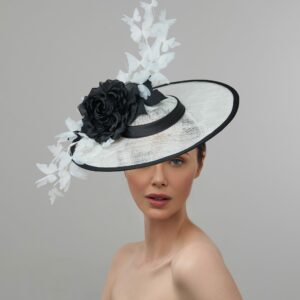
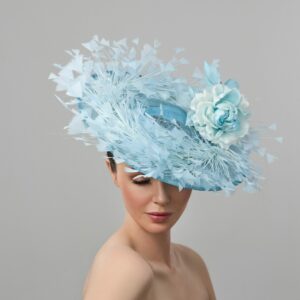
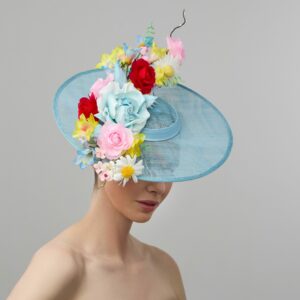
We're excited to let you look your best (and win a few awards yourself). Each race has a distinct feel and we've captured those with a wide variety of derby hats, fascinators and choice of elegant, fun and even formal pieces.

International Race Schedule

2024 Mar 15 Cheltenham Gold Cup  Cheltenham racecourse, Evesham Road, Cheltenham
2024 Mar ? Dubai World Cup  Meydan Racecourse, Dubai, UAE
2024 Apr 13 Grand National Aintree Racecourse in Liverpool
2024 May 4 Kentucky Derby Louisville, Kentucky, US
2024 May 18 Preakness Stakes Pimlico Race Course in Baltimore, Maryland, USA
2024 June 8 Belmont Stakes Belmont Park‎, ‎Elmont, New York‎, USA
2023 June 22 Ascot Gold Cup Ascot Racecourse, Berkshire, England
2024 Nov ? Breeders Cup USA
2024 Nov 5 Melbourne Cup Victoria, Australia
2025
2025 Nov 4 Melbourne Cup Victoria, Australia
2026 Nov 3 Melbourne Cup Victoria, Australia
Courtesy: Topendsports.com

Previous Derby Events

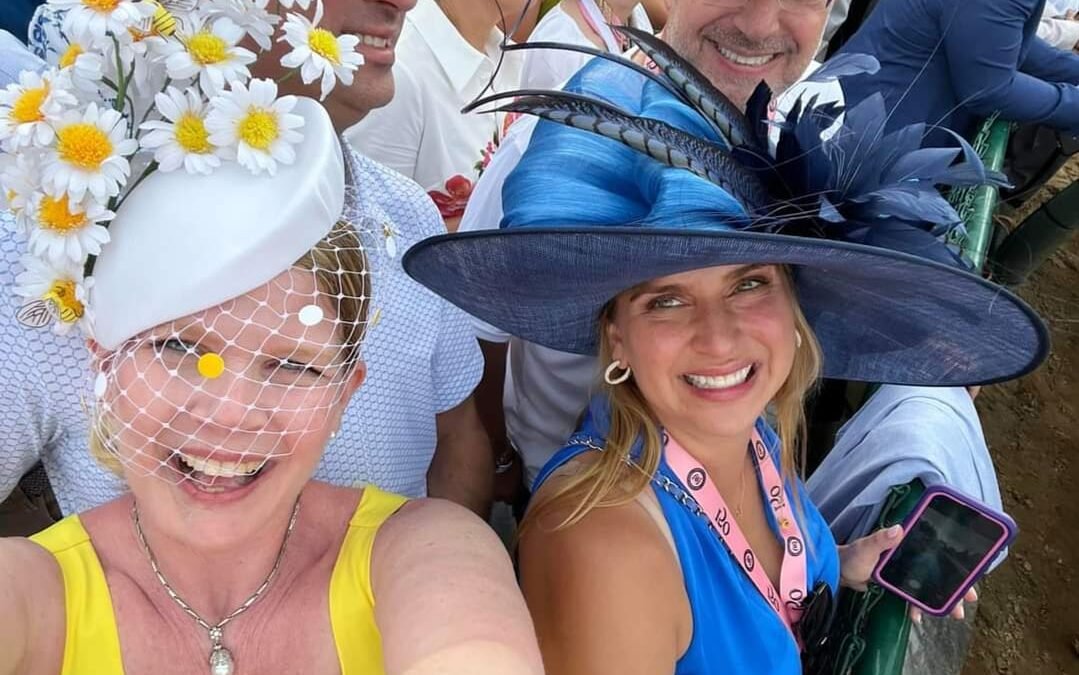
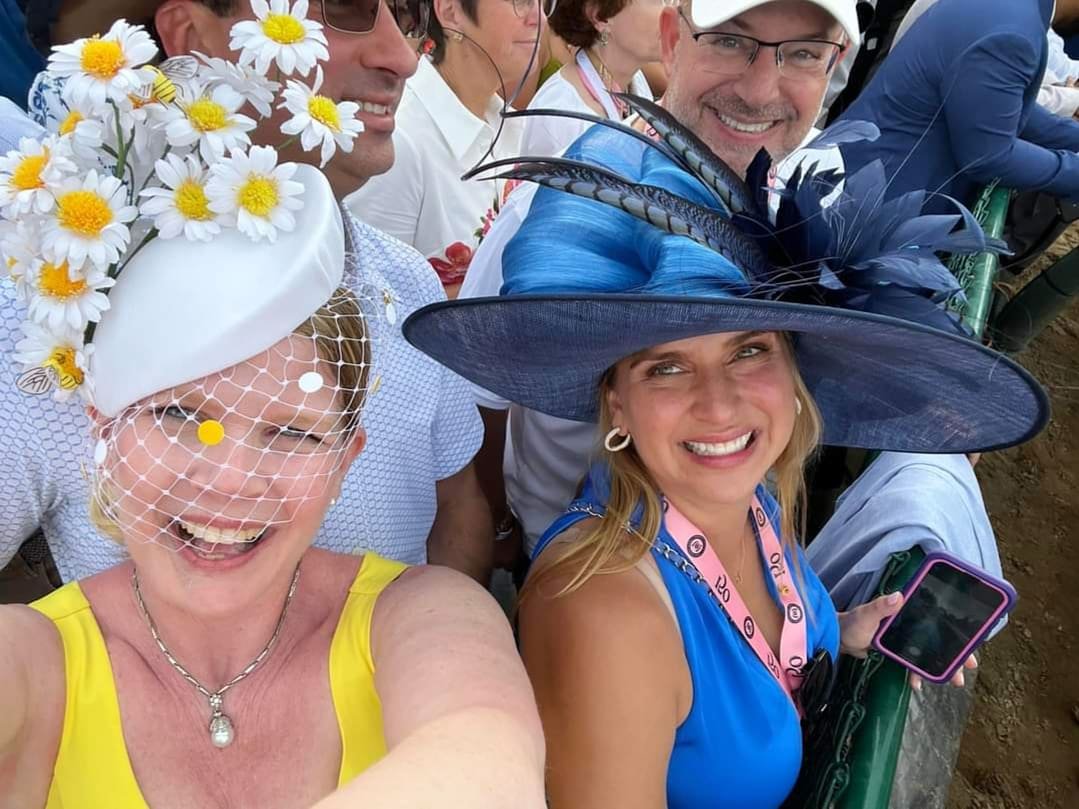
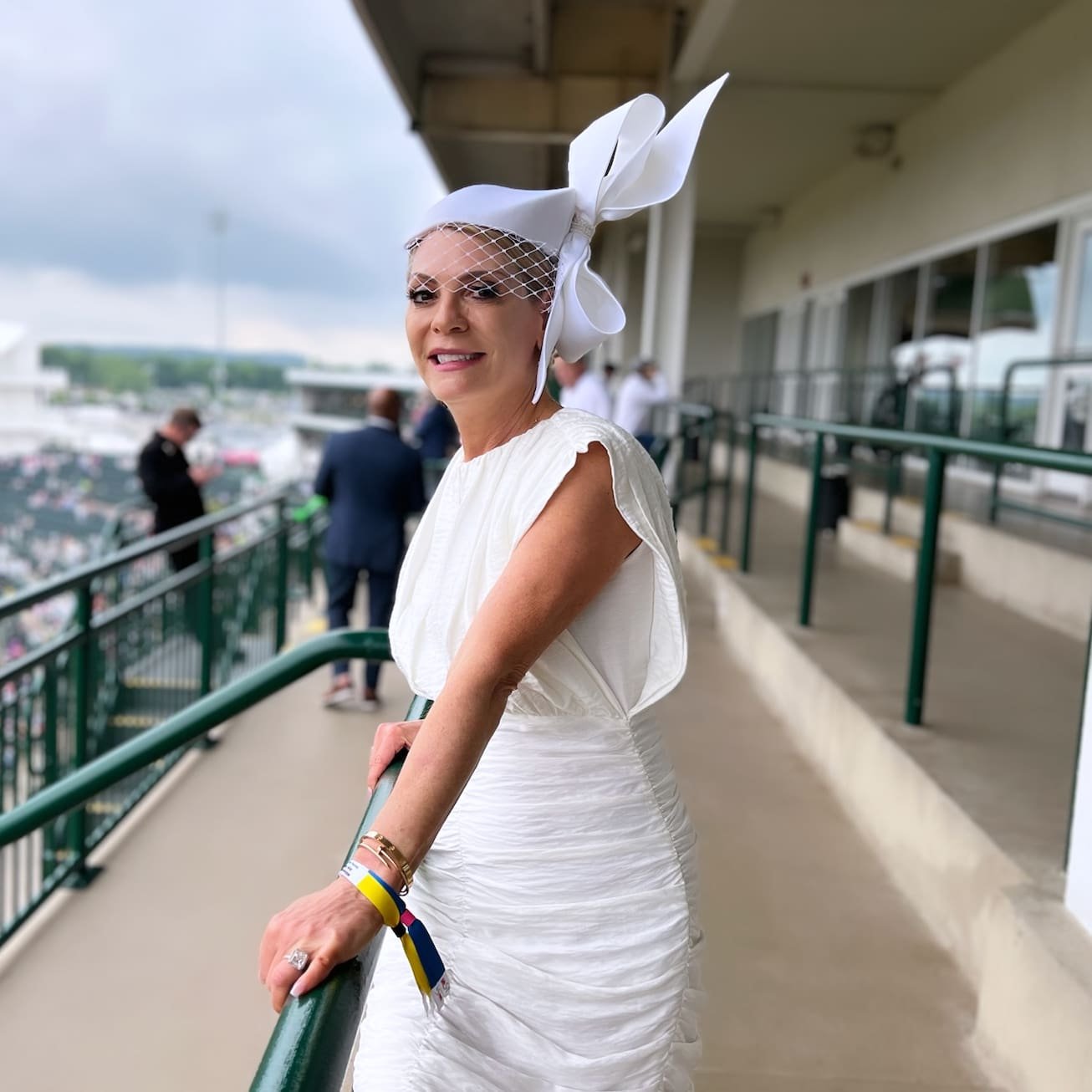
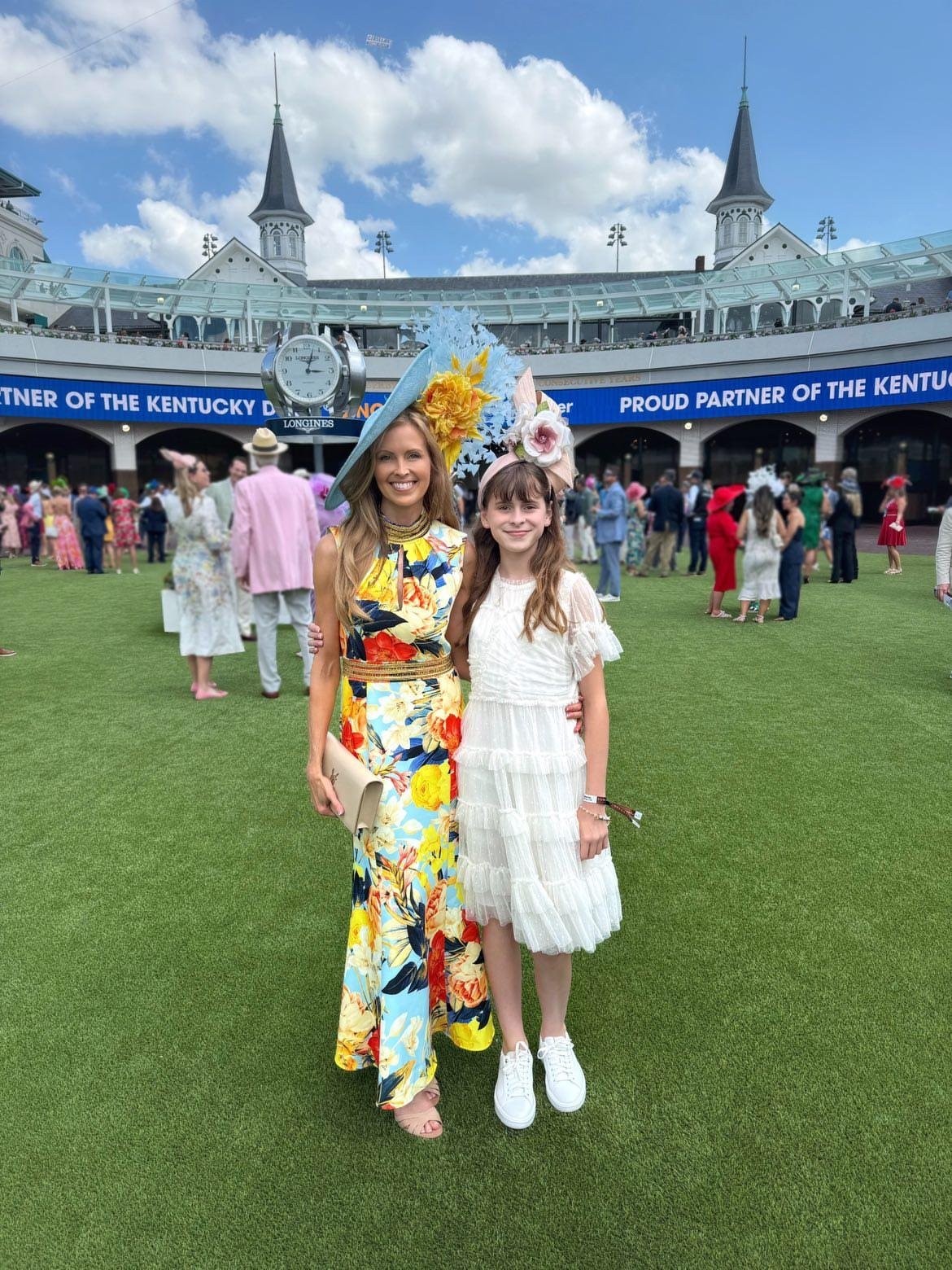
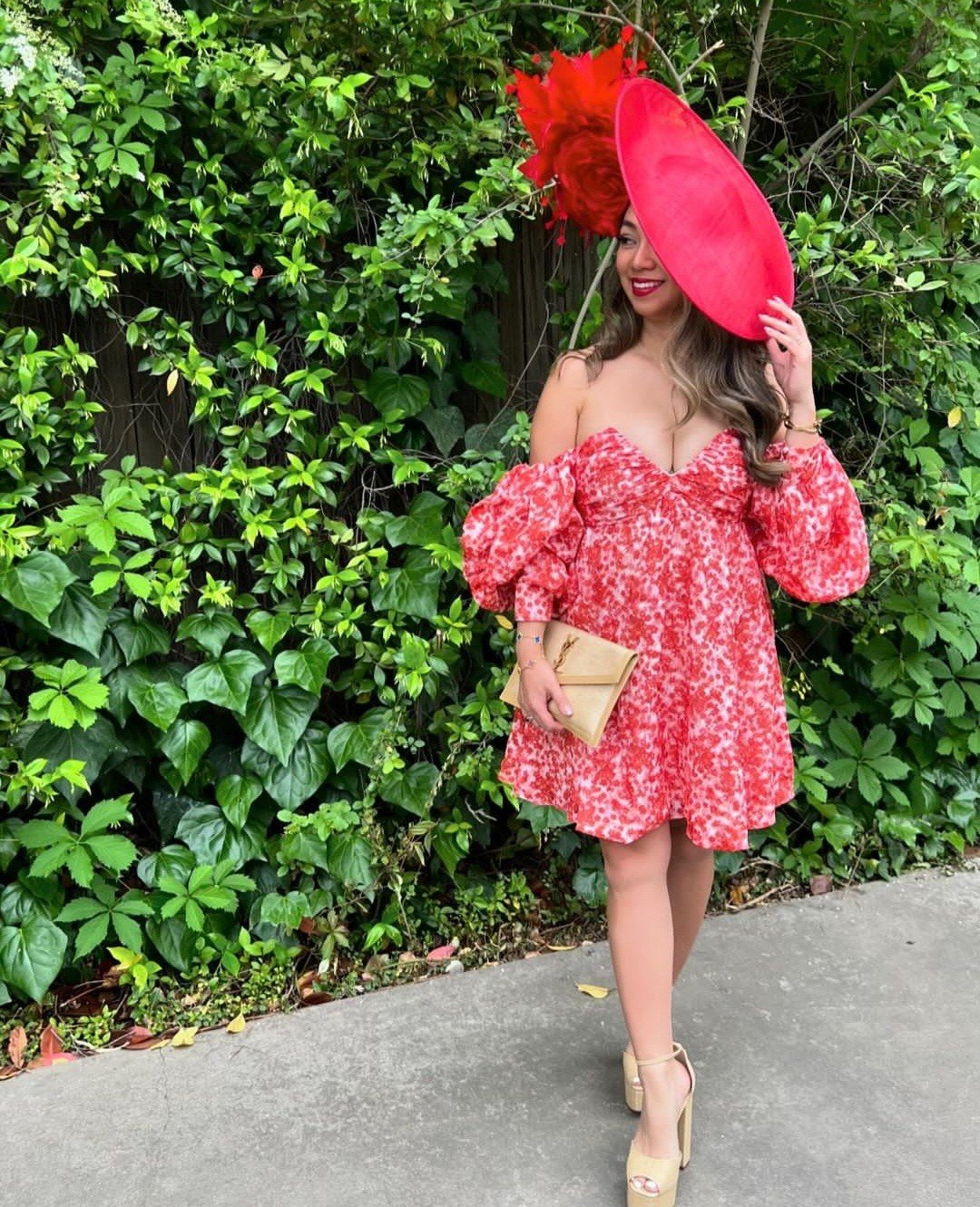
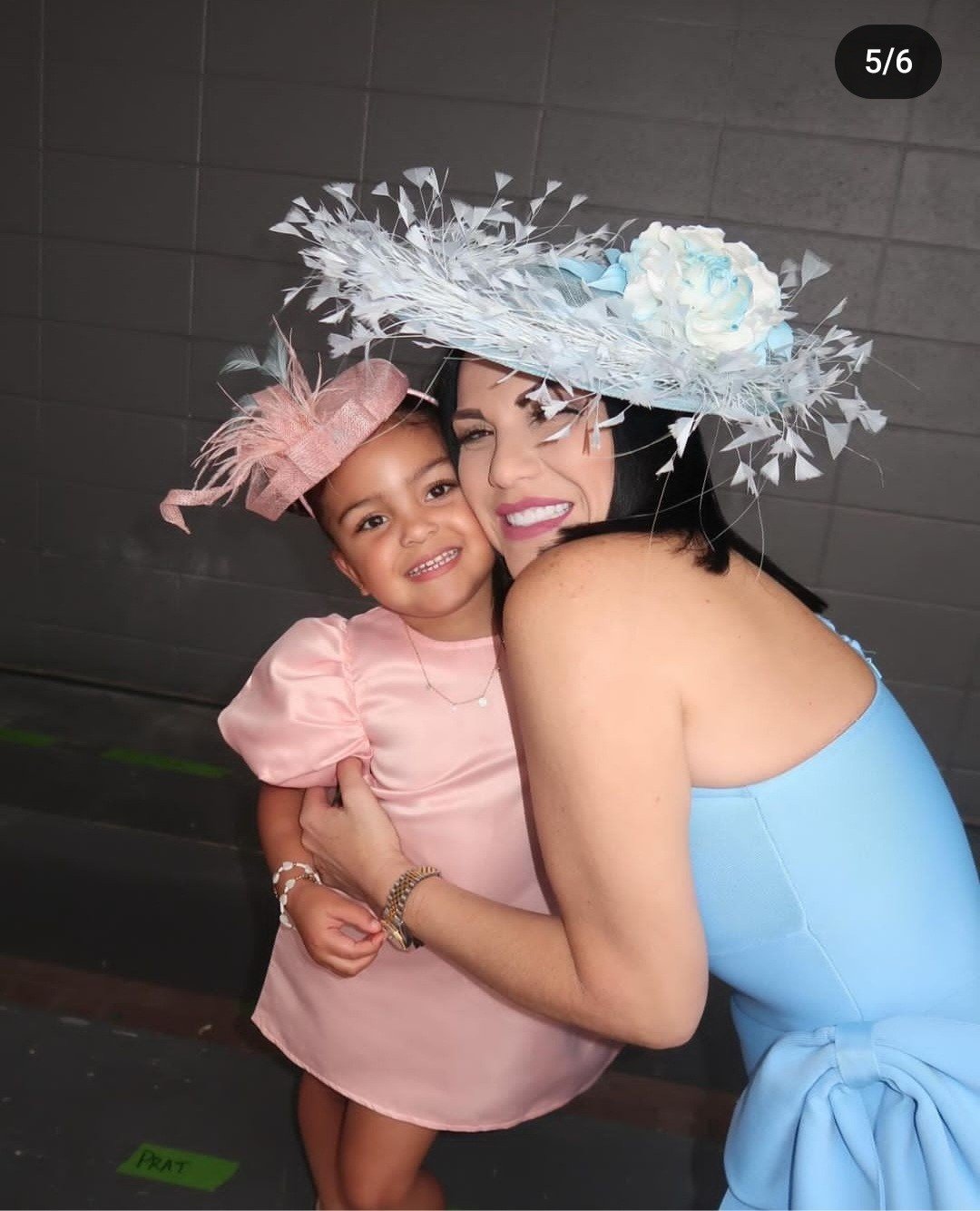
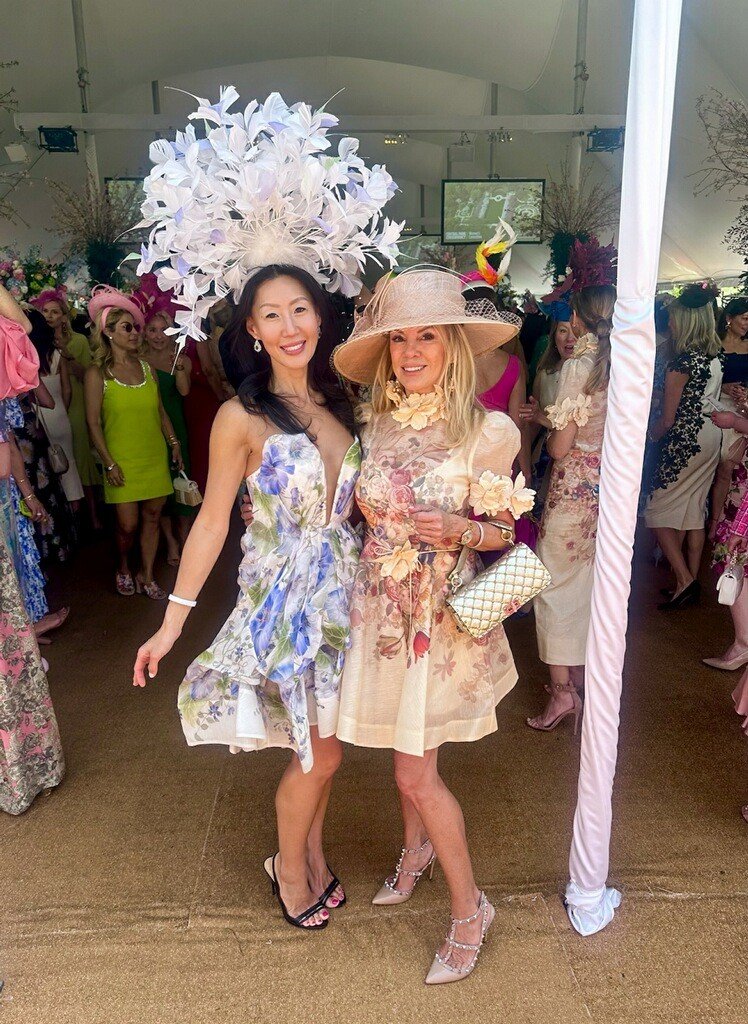
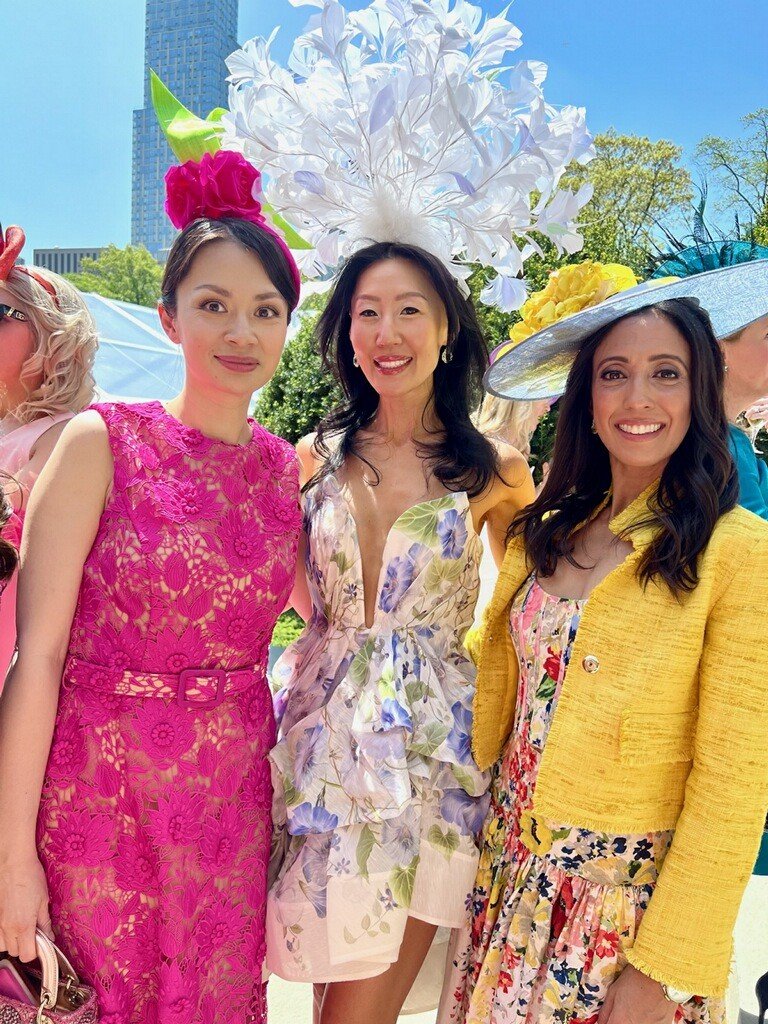
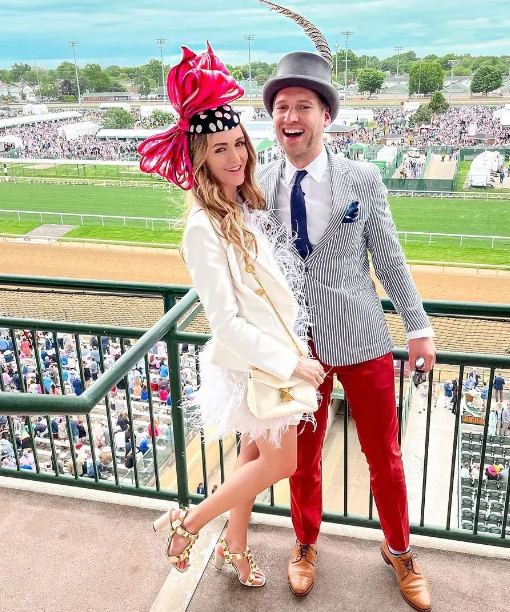
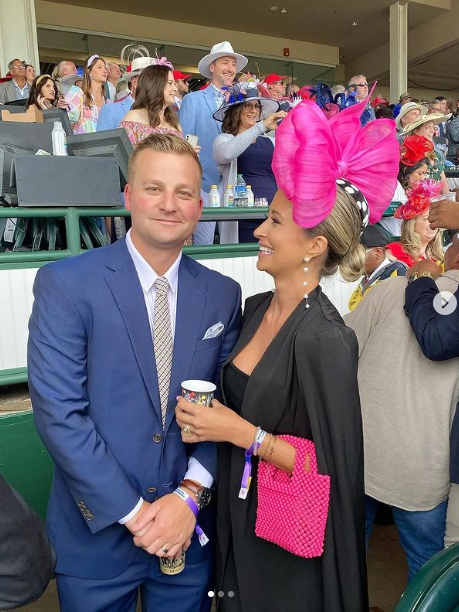
We love helping our clients look their best at all races. Here are a few pics of previous clients at racing events.

Glossary of Millinery Terms

Glossary of Millinery Terms

Millinery is the manufacture and craft of making hats and headwear. A milliner historically would also produce everything from shirts, cloaks and shifts, to caps and neckerchiefs for both men and women, as well as designing and trimming their headgear. The term dates to the Middle Ages, when a Milener reffered to someone from Milan — the home of the fashion and textiles trade. Millinery has evolved throughout history, but remains popular with a range of different events and uniforms. More often than not, hats can indicate social status, from a cowboy’s Stetson to a gentleman’s top hat, or the cocktail fascinators worn by ladies at the races.

-Source

Abacá

Abacá (Spanish) (/ɑːbəˈkɑː/ ah-bə-KAH; Filipino: Abaka [ɐbɐˈka]), Musa textilis, is a species of banana endemic to the Philippines. The plant grows to 13–22 feet (4.0–6.7 m), and averages about 12 feet (3.7 m). The plant, also known as Manila hemp, has great economic importance, being harvested for its fiber, also called Manila hemp, extracted from the leaf-stems.

read more >

Sinamay

Sinamay is widely used for blocking hats and trims, but it wasn’t introduced to the millinery world until the 1990s. It is woven in the Philippines, from the stalks of the abaca tree. Abaca fibers are very strong and long-lasting. For ease of blocking, sinamay is often pre-stiffened during manufacturing. Plus, since it is a natural material, it holds dye very well.

read more >

Fascinator

A fascinator is a formal headpiece, a style of millinery. Since the 1990s, the term has referred to a type of formal headwear worn as an alternative to the hat; it is usually a large decorative design attached to a band or clip. In contrast to a hat, its function is purely ornamental: it covers very little of the head and offers little or no protection from the weather. An intermediate form, incorporating a more substantial base to resemble a hat, is sometimes called a hatinator.

read more >

Paillette

(pælˈjɛt; French paˈjɛt)

a small, shiny ornament, as a metal disk, used in decorating women's dresses, etc.; spangle

Word origin

Fr, dim. of paille, straw: see pallet2

read more >