
The Sustainable Sourcing of Feathers
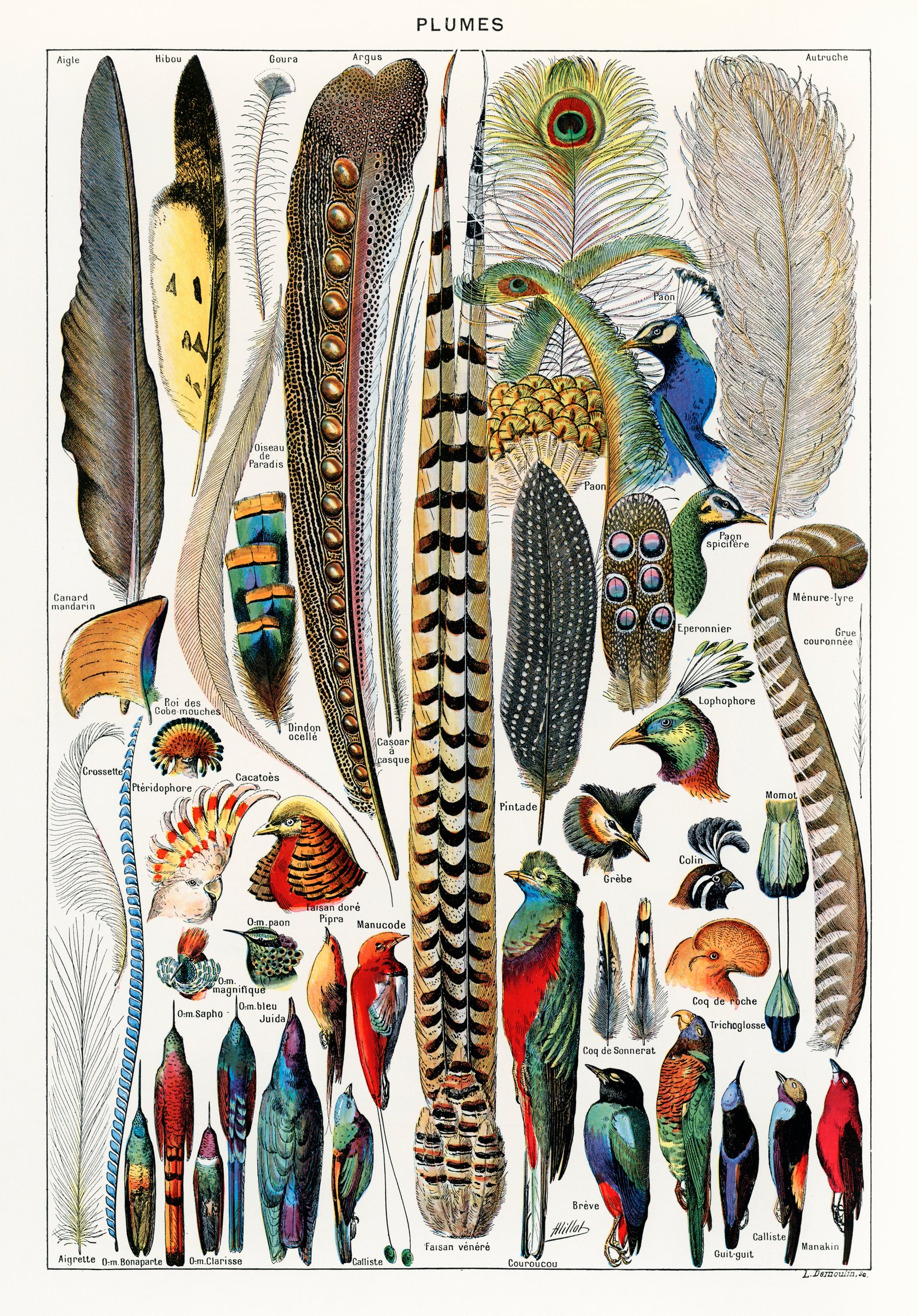
Plumes - Feathers (1900) by Adolphe Millot (1857-1921), a collection of different plume types.
The use of feathers in millinery has a long history.
In 1896 the American socialite and amateur naturalist Harriet Hemenway and her cousin Minna Hall led a boycott of feathered hats which attracted 900 participants.The action led to the formation of the National Audubon Society and passage of the Weeks-McLean Law (the Migratory Bird Act), which outlawed market hunting and the interstate transport of birds.
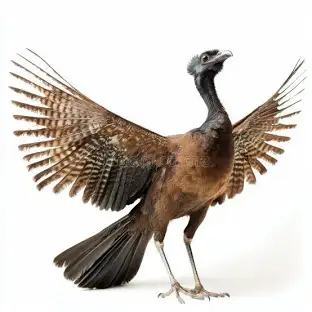
the Lyrebird

the Egret
Egrets were almost extinct in the 1900s, hunted for their graceful, long, white feathers. Today, the bird is protected and their numbers have rebounded. Unfortunately, the Lyre bird in Australia did not meet a similar outcome and is still dangerously close to extinction.
All birds naturally shed their feathers about once a year. This is the preferred method of collection as it causes no stress on bird populations and is by far the most humane sourcing of exotic feathers. We work with local US farmers who raise white peacocks and collect the molted feathers. Exotic feathers from around the world are all purchased through permitted brokers who are fully compliant with domestic and international laws and conventions.
The ethics of down feathers are controversial, with some sourcing practices being inhumane, but ethically sourced and certified down is available. You can identify ethical down by looking for certifications like the Responsible Down Standard (RDS) or Global Traceable Down Standard (GTDS), which ensure no live-plucking or force-feeding occurs and that animals are not harmed. Alternatively, you can choose products with recycled or pre-loved down, which avoids new animal welfare issues entirely.
Showing 1–3 of 22 resultsSorted by latest



Further reading:
Migratory Bird Treaty Act of 1918
American Federation of Aviculture
Feather Folio (a fantastic artist)
Museums Victoria (Australia)

Read about this outstanding organization, founded in 1905.