PREVIEW: 2025-2026 COLLECTION

PREVIEW: 2025-2026 COLLECTION

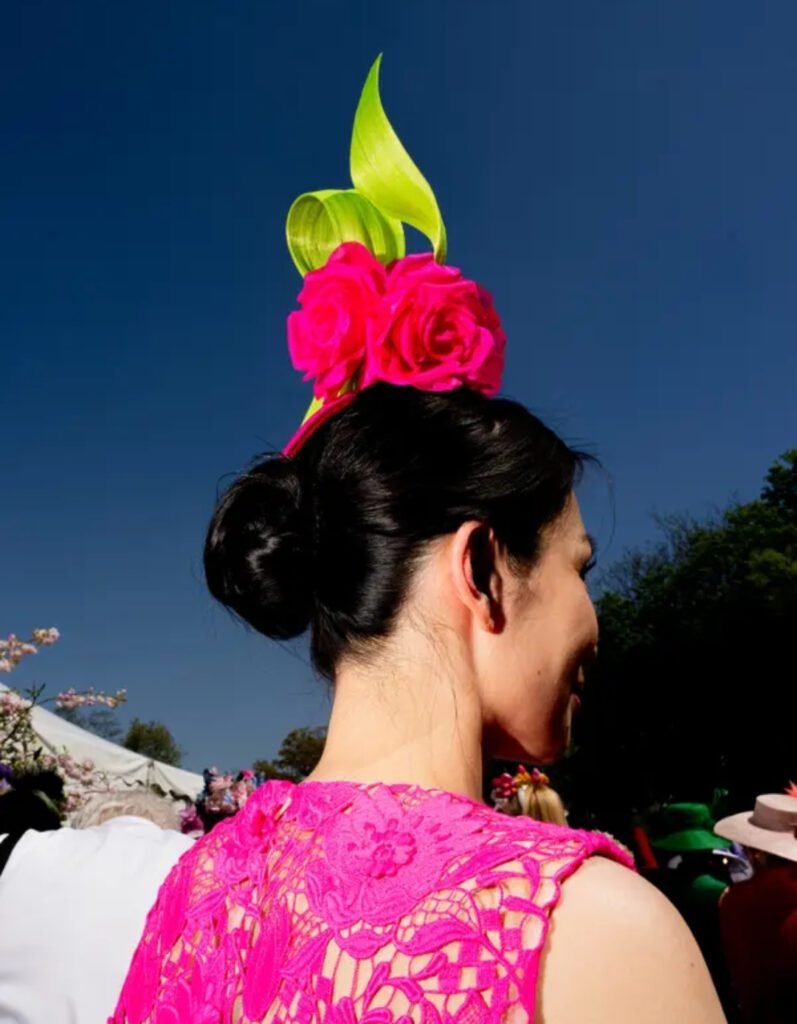
Arturo Rios continues to evolves as an artist. His new collection continues to explore new palletes, reimagine classic forms and creatively present a modern form of millinery for 2025.
ABOUT HAT BLOCKS

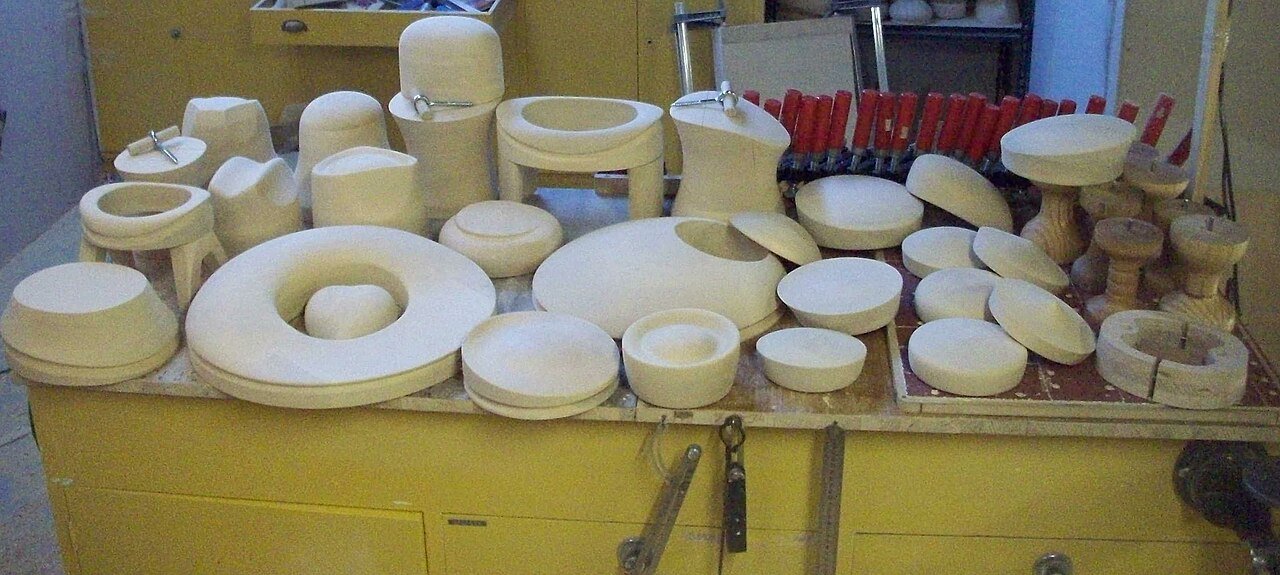
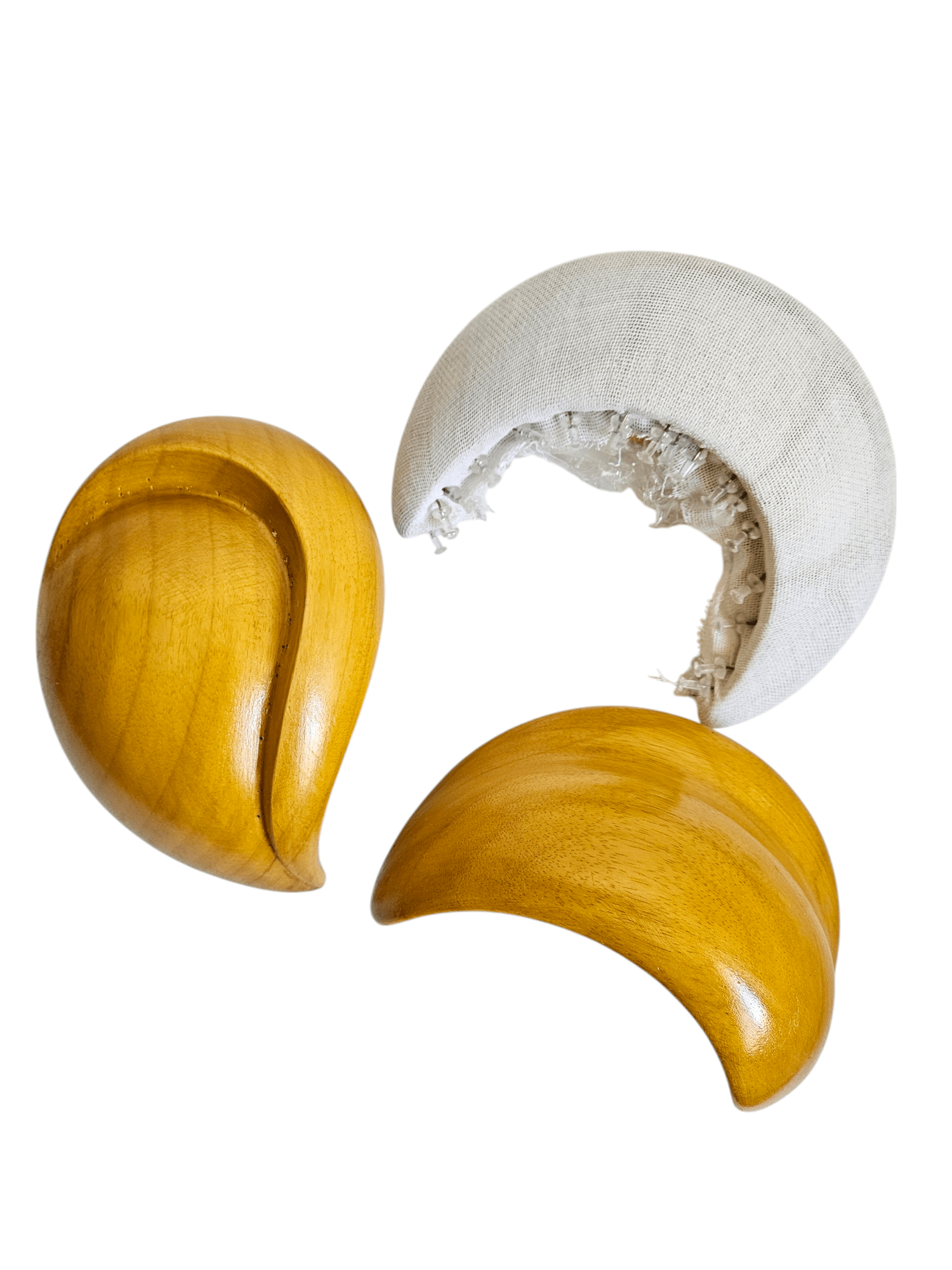
A hat block, also known as a hat form or bashing block, is a wooden block carved into the shape of a hat by a craftsman known as a block shaper. It is used by hat makers and milliners to produce a hat. Today there are only a handful of block shapers left. In the United Kingdom, hat block making has been listed as an endangered craft by the Heritage Crafts Association, with three remaining hat block making businesses still in operation as of 2022.

EXCLUSIVE FORMS

Arturo has commisioned a series of custom hat blocks. These hand carved wooden blocks serve to mold the hat's material to retain its specific shape.

"I've created blocks specifically to reimagine two classic forms: the Pillbox and the asymmetrical Saucer or Disc form," Arturo says.

"The Pillbox Hat form is an eduring classic and serves as the base for so many great interpretations."

"Of course, the Asymmetrical Saucer form is an annual favorite at the Kentucky Derby and other events. They are wonderfully extravagant and eye-catching."

HANDMADE SILK FLOWERS

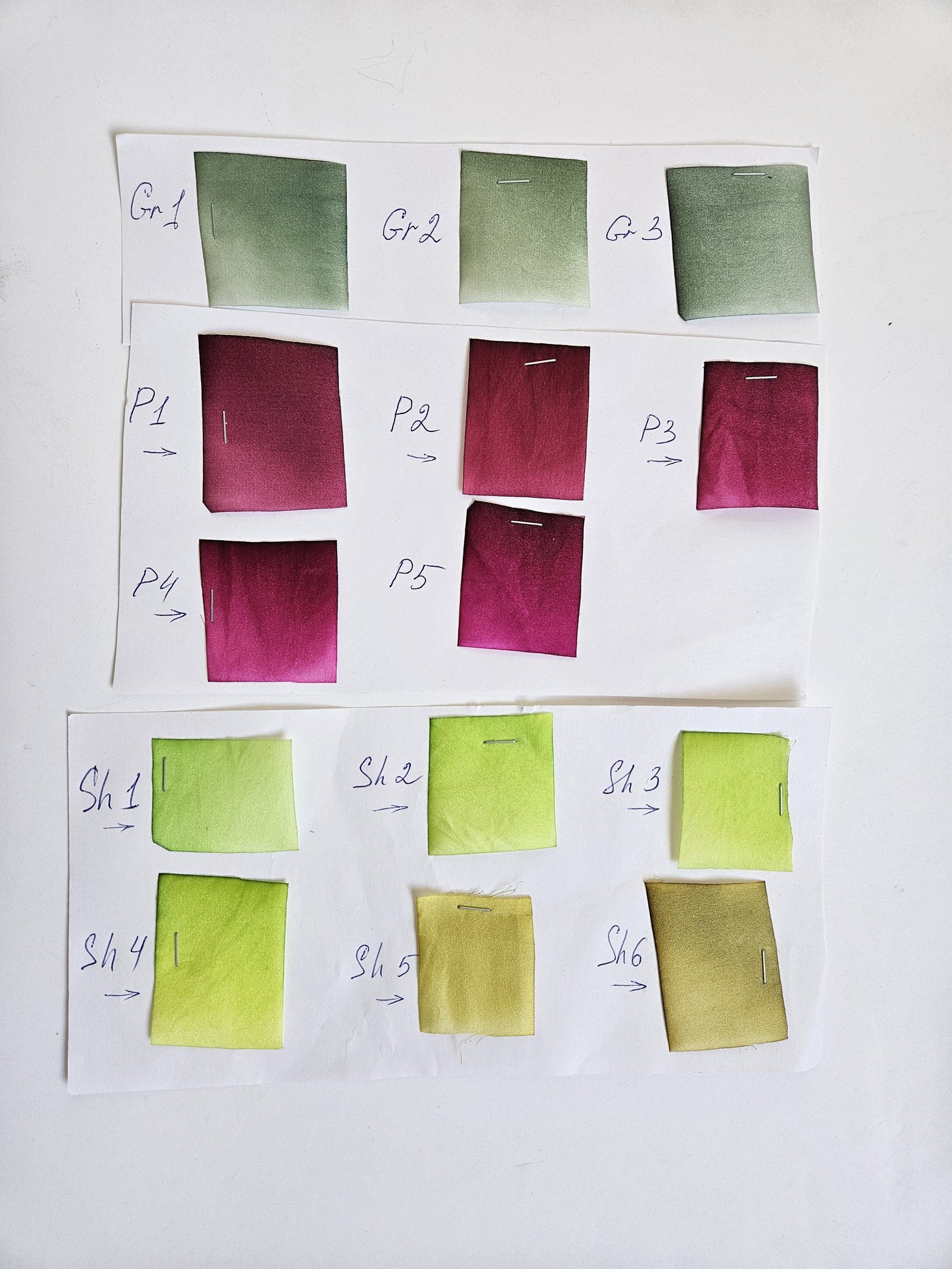
Arturo works directly with incredible artists in Eastern Europe who create our unique designs and colors for the upcoming collection.

All flowers are hand-dyed petal-by-petal to match the silk fabrics that cover the hats' base forms
read more about our silk flowers and how they're made >

FRESH PALETTES

This season puts forth a refined and distinguished pallete that expands on Arturo's playful use of color.
"I'm continually fascinated by flowers and draw my inspiration from the unlimited range of colors that nature creates."

Stay in the know:

Stay up to date and be alerted when we add more items to this collection. Sign up to the right.

[forminator_form id="11266"]
Techniques: Silk Flowers

Techniques: Silk Flowers

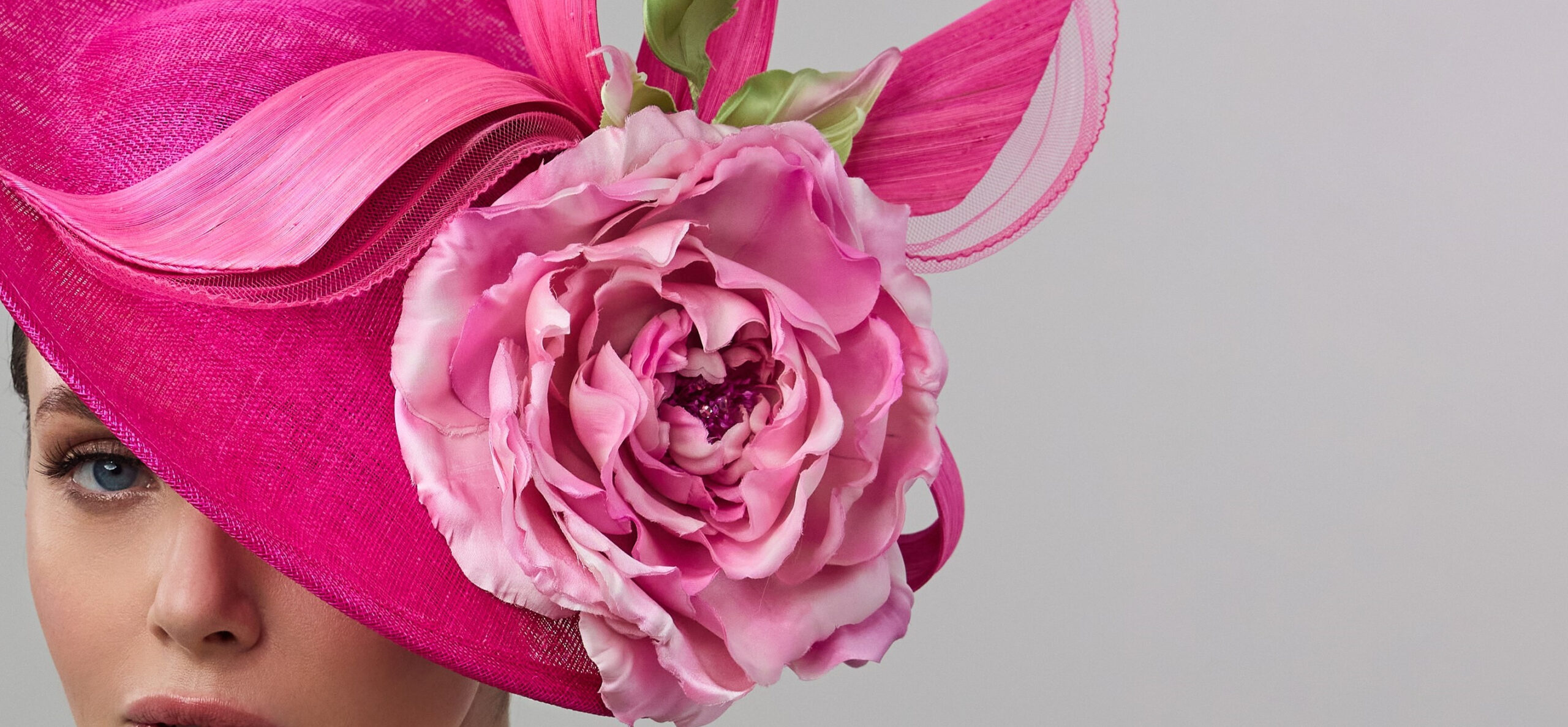
A signature touch of an AR hat is the use of handmade silk flowers created by fellow artists.

These flowers are created by individual artisans in Eastern Europe and are complex, intricate creations. Using centuries-old crafts, these flowers add a distinctive style to Arturo's collections.

Below, we've included a look at how some of the most recent flowers were created:

We think an educated client (never a "customer") is preferred. Arturo also believes in being generous with his knowkledge as others have been generous with theirs to him.

This article is part of our series that explores and celebrates different aspects of millinery. Arturo Rios has created new techniques, forms and modes of constructing the world's finest hats and he wants to share and open the discussion with you.

We welcome everyone to discover how millinery is expanding, changing and evolving. Let us know your thoughts!


Classic Forms

Millinery has a long history. In this series of posts, we delve deeper into the specifics of each type of hat. Pillboxes, fascinator and derby hats are just the beginning. And Arturo wants to assist in your discovery!

Techniques

Hat-making has it's own vocabulary; definitions, terms, slang. We're here to talk about the components that make great hats.

Colors

Arturo has a unique sense of flowers. He also uses his deep understanding of how colors work and how they influence us.

Our Newest Featured Headdress

Our Newest Featured Headdress

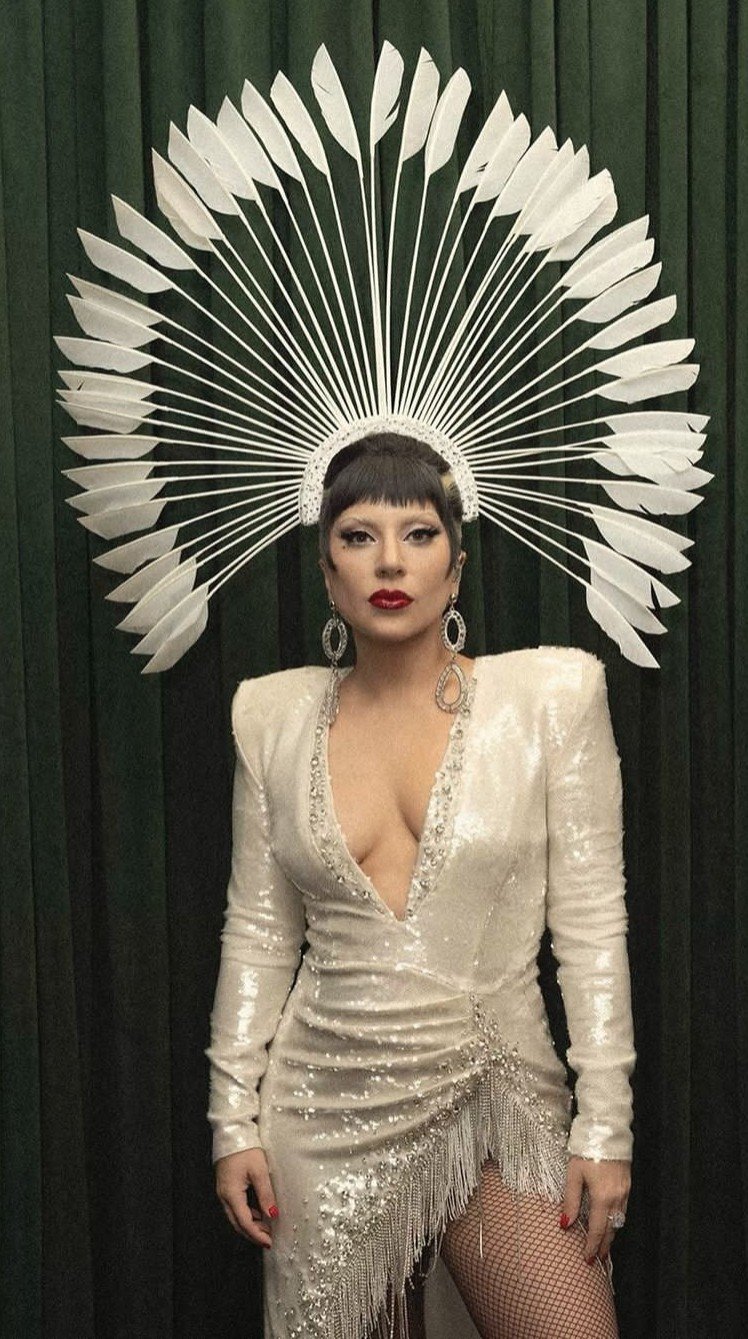
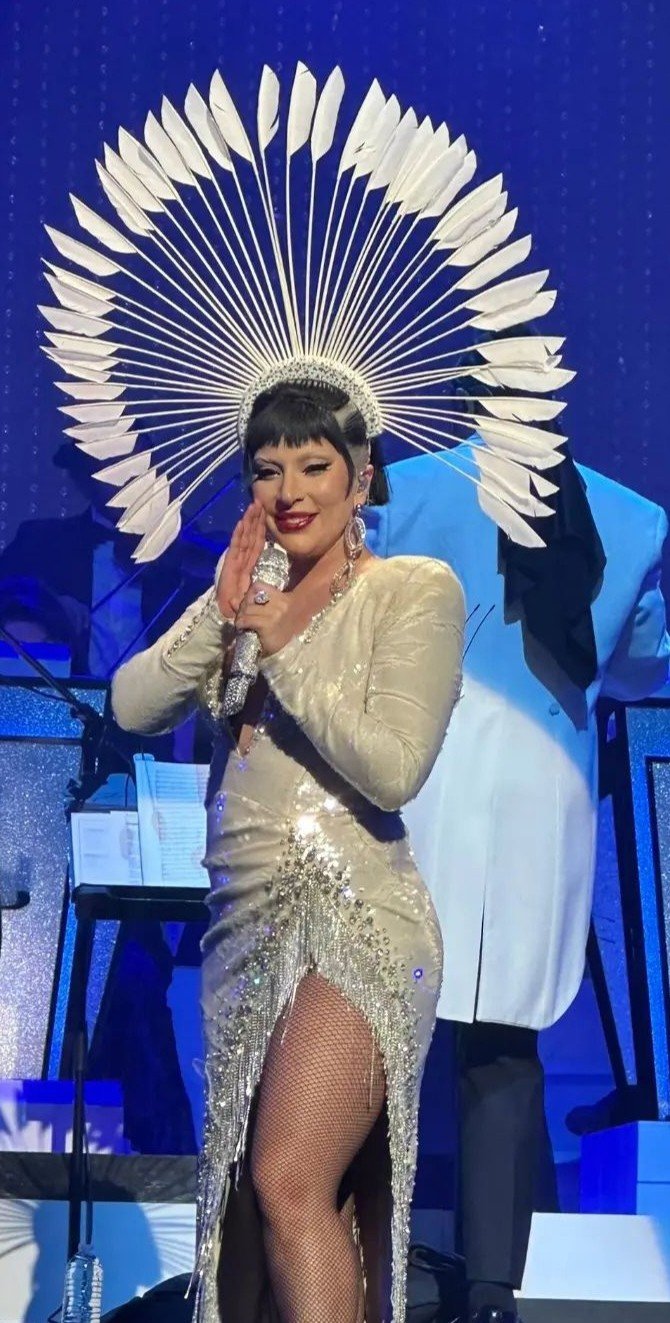
Custom-made headdress made of turkey feathers and Swarovski crystals.
Read more about Arturo's growing list of celebrity clientele here.

Lady Gaga's current Las Vegas residency is called "Jazz & Piano". It's a stripped-down, intimate show where she performs jazz standards and reimagined versions of her hits. The residency runs at Dolby Live at Park MGM through July 6, 2024.

This is actually her fourth residency in Las Vegas. Her first residency, "Lady Gaga Enigma + Jazz & Piano", ran from December 2018 to November 2019 and featured two distinct shows: Enigma, a high-energy, theatrical show with her biggest hits; and Jazz & Piano, a more stripped-down show with jazz standards and reimagined versions of her songs.

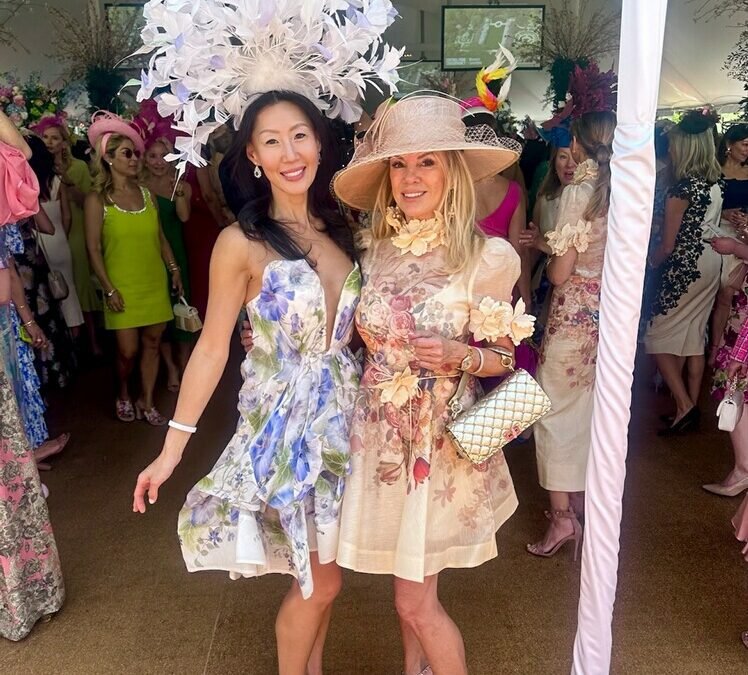
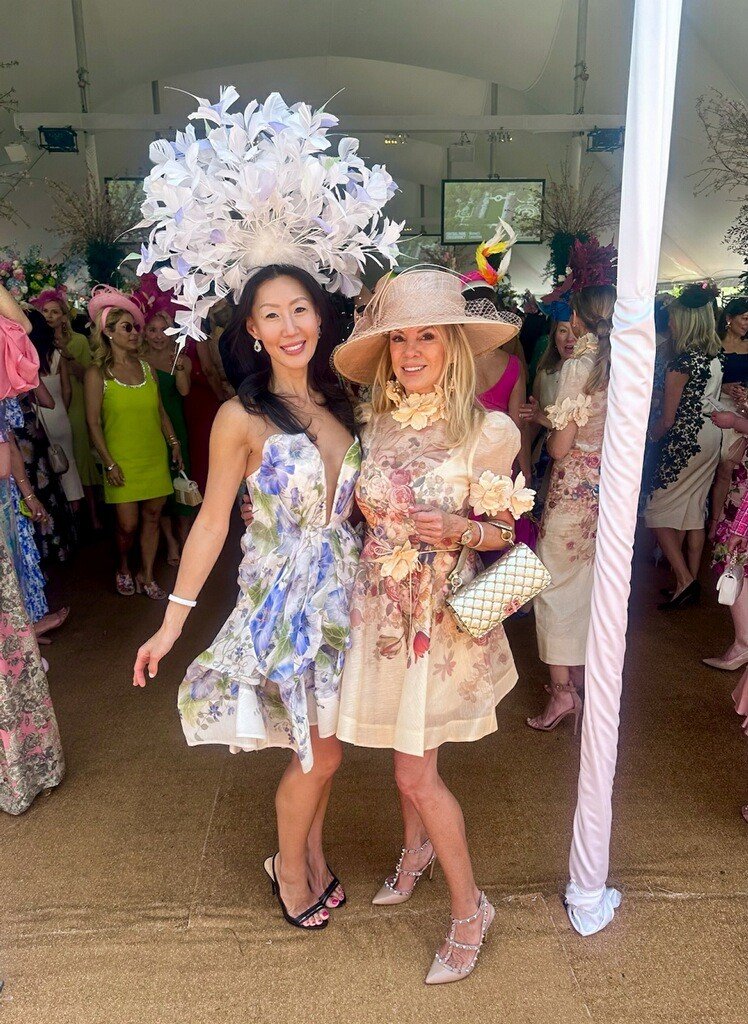
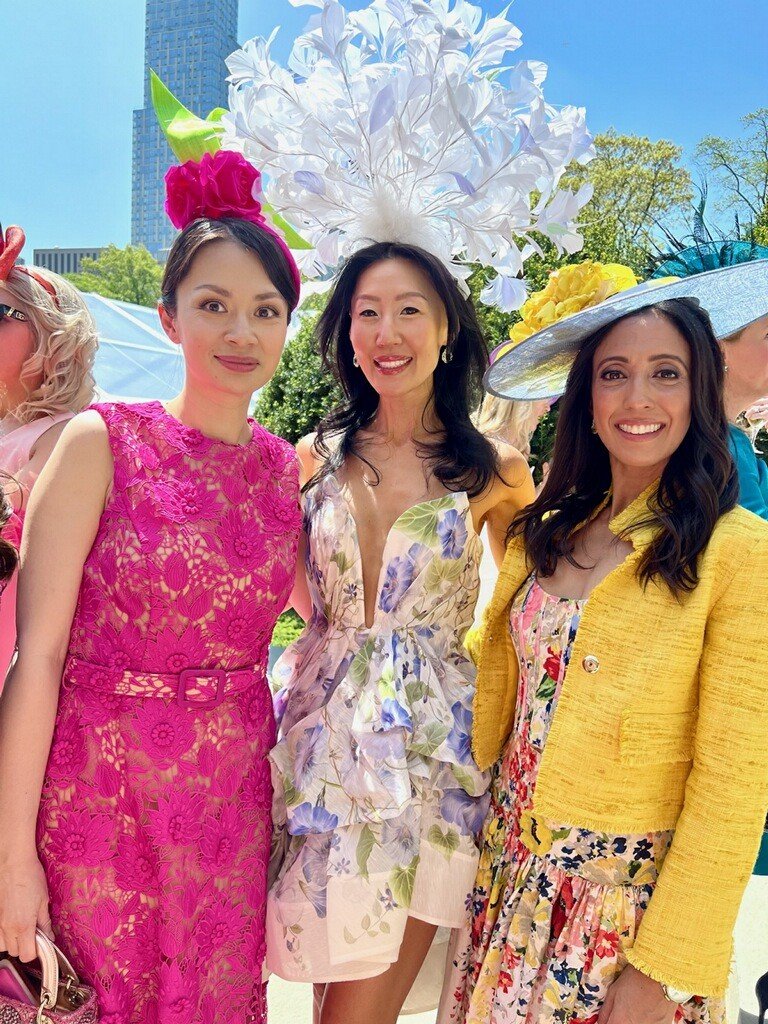
Central Park Attendees at the Annual Frederick Law Olmsted Awards.

Central Park Attendees at the Annual Frederick Law Olmsted Awards.

The procession that entered the 42nd annual Frederick Law Olmsted Awards Luncheon at the Conservatory Garden — or the hat luncheon, as it is colloquially known — donned frocks in shades of pink, orange, lavender, ice blue and Kelly green — enough colors to rival the eggs in an Easter basket.

The New York Times Style Section

"The luncheon is an annual occasion that serves as a trumpet song of spring in the city and a fund-raiser for the Central Park Conservancy. This year, over 1,000 guests, including philanthropists, designers, members of the Central Park Conservancy and overall lovers of Central Park, raised over $4.6 million for the preservation and upkeep of Manhattan’s green jewel.

“It’s a big celebration for Central Park and the people who really love and care for the park,” said Betsy Smith, the president and chief executive of the Central Park Conservancy.

This year’s event, which honored Diane Schaub, the Central Park Conservancy’s curator of gardens, along with the Conservancy’s garden staff, took nine months to plan, according to Ms. Smith. It is the biggest fund-raiser for the park, and the money raised will go toward operating costs for the park, including landscaping and park maintenance."

Glossary of Millinery Terms

Glossary of Millinery Terms

Millinery is the manufacture and craft of making hats and headwear. A milliner historically would also produce everything from shirts, cloaks and shifts, to caps and neckerchiefs for both men and women, as well as designing and trimming their headgear. The term dates to the Middle Ages, when a Milener reffered to someone from Milan — the home of the fashion and textiles trade. Millinery has evolved throughout history, but remains popular with a range of different events and uniforms. More often than not, hats can indicate social status, from a cowboy’s Stetson to a gentleman’s top hat, or the cocktail fascinators worn by ladies at the races.

-Source

Abacá

Abacá (Spanish) (/ɑːbəˈkɑː/ ah-bə-KAHFilipino: Abaka [ɐbɐˈka]), Musa textilis, is a species of banana endemic to the Philippines. The plant grows to 13–22 feet (4.0–6.7 m), and averages about 12 feet (3.7 m). The plant, also known as Manila hemp, has great economic importance, being harvested for its fiber, also called Manila hemp, extracted from the leaf-stems.

read more >

Sinamay

Sinamay is widely used for blocking hats and trims, but it wasn’t introduced to the millinery world until the 1990s. It is woven in the Philippines, from the stalks of the abaca tree. Abaca fibers are very strong and long-lasting. For ease of blocking, sinamay is often pre-stiffened during manufacturing. Plus, since it is a natural material, it holds dye very well.

read more >

Fascinator

A fascinator is a formal headpiece, a style of millinery. Since the 1990s, the term has referred to a type of formal headwear worn as an alternative to the hat; it is usually a large decorative design attached to a band or clip. In contrast to a hat, its function is purely ornamental: it covers very little of the head and offers little or no protection from the weather. An intermediate form, incorporating a more substantial base to resemble a hat, is sometimes called a hatinator.

read more >

Paillette

(pælˈjɛt; French paˈjɛt)

a small, shiny ornament, as a metal disk, used in decorating women's dresses, etc.; spangle

Word origin

Fr, dim. of paille, straw: see pallet2

read more >