Peacock Feathers

Peacock Feathers

Nature & Craft · Couture Millinery

The Pale Plume

White Peacock Feathers, and the Long History Behind a Rare Feather

Of all the materials that pass through a milliner's hands, few carry as much history — or as much myth — as the peacock feather. And of all peacock feathers, none is rarer or stranger than the white one: the plume of a leucistic bird, stripped of color but not of form. Before it ever reaches a hat block, that feather has already traveled through centuries of royal courts, religious symbolism, and superstition. Understanding that history is part of understanding why it still commands a room today.

A Feather Long Before It Was a Trend

The peacock feather has never been just decoration. In Hindu tradition, it is inseparable from Krishna, who is depicted wearing a peacock crown — the feather standing in for beauty, protection, and divine grace. In ancient Greek and Roman mythology, the "eyes" on the feather were said to be the hundred eyes of the giant Argus, placed there by the goddess Hera, linking the feather forever to watchfulness and immortality.

By the Byzantine and Persian courts, peacock feathers had become a shorthand for royalty itself — woven into thrones, fans, and ceremonial dress. Centuries later, in Qing dynasty China, an actual peacock feather affixed to a mandarin's hat denoted rank and imperial favor, awarded rather than purchased. A feather, in other words, has rarely just been a feather. It has been a rank, a blessing, a warning, and a crown.

Curiously, the feather also picked up a reputation for bad luck in parts of Victorian Britain — theatre folklore in particular held that the "eye" pattern invited misfortune onstage, a superstition some performers still observe today. That tension between glamour and omen is part of what makes the feather such rich material for a milliner: it has always meant more than one thing at once.

The White Exception

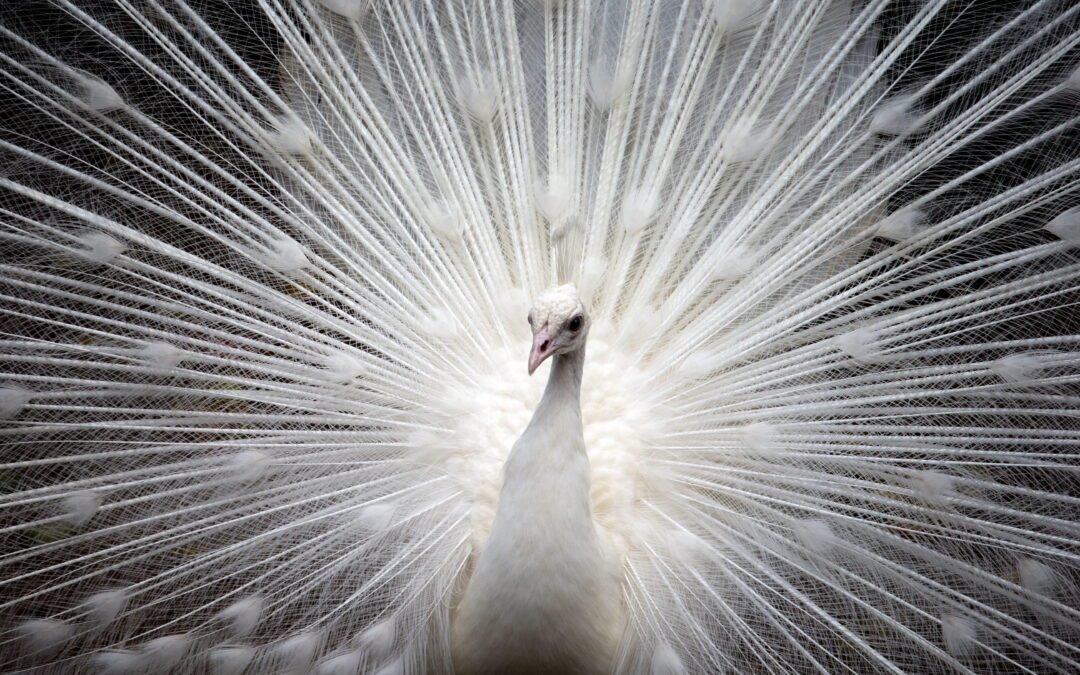
Set against that long, colorful history, the white peacock feather is something else entirely: an anomaly the bird itself didn't choose. Leucism — a genetic condition that suppresses pigment while leaving the feather's underlying structure intact — produces a bird rendered almost entirely in white, eyes and all, with the famous "eye" motif still faintly visible in the weave of the plume when the light catches it right.

Because true leucistic peafowl are uncommon, white plumes have historically carried their own mystique — often associated with purity, transcendence, and the otherworldly in a way standard iridescent feathers, for all their color, never quite achieved. Where a traditional peacock feather says opulence, a white one says something closer to reverence.

In the Milliner's Hands

For a couture milliner, the appeal of the white plume is structural as much as symbolic. Strip away the iridescence, and what remains has to work on shape alone — the curl of the frond, the architecture of the eye rendered in tone rather than color. That makes it a favorite for bridal work and for monochrome or minimalist pieces, where a feather needs to read as elegant rather than showy.

Milliners will curl, trim, or strip the barbs down to the quill depending on the effect they're after: a single dramatic sword feather swept off a brim for drama, or a cluster of softer wisps worked into the crown for texture. Set against black felt or veiling, a white plume becomes a study in restraint — proof that a feather doesn't need color to command attention.

Responsible Sourcing, By Design

None of that history or craft matters much if the material behind it comes at the expense of the bird. Ethical feather sourcing means collecting only molted feathers — those a peacock has naturally shed, rather than plucked — a practice that lets the plumage be gathered without harm to the animal at all.

A note on our sourcing: every feather used in our millinery, including the pale plumes featured in this collection, is collected only when molted — never plucked. It's a slower, more selective way to work, but it means the material's history and the bird's welfare aren't in conflict.

Read more about this

Why the Pale Plume Still Matters

A white peacock feather asks a milliner to trust form over flash — the same instinct that has made monochrome millinery endure through every trend cycle. It arrives already carrying centuries of meaning: crown, blessing, omen, rarity. What a milliner adds is simply the setting. The feather has been doing the rest of the work for a very long time.

Techniques & Materials: Crystals & Gems

Techniques & Materials: Crystals & Gems

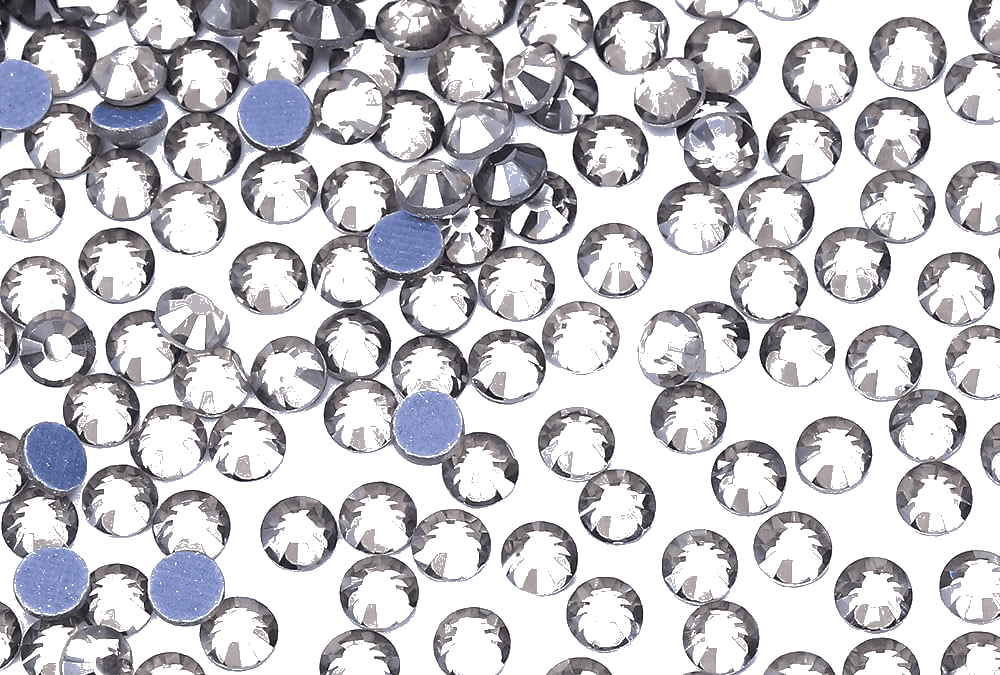
Crystals and gems have long been admired for their beauty and unique properties. While most people might think of them as adornments for jewelry, they have found their way into the world of fashion, particularly in hat making.

From glittering gemstones to enchanting crystals, these stunning materials add a touch of elegance, personality, and even a hint of mystique to headwear.

Ancient Civilizations and Gemology

The history of crystals and gems can be traced back to ancient civilizations, where people believed these stones held power and significance beyond mere aesthetics. Egyptians adorned their headdresses with lapis lazuli and turquoise, while Romans flaunted their wealth with intricate crystal embellishments. These societies understood that wrapping one's head in sparkling stones was not just a fashion statement; it was a symbol of status and spirituality.

Crystals in Historical Headwear

Throughout history, hats have served as more than just protection from the elements; they’ve been symbols of power, authority, and style. From the Renaissance-era plumed hats bedecked with jewels to the ornate headpieces of royal ceremonies, using crystals in headwear has always been a way to elevate one’s look.

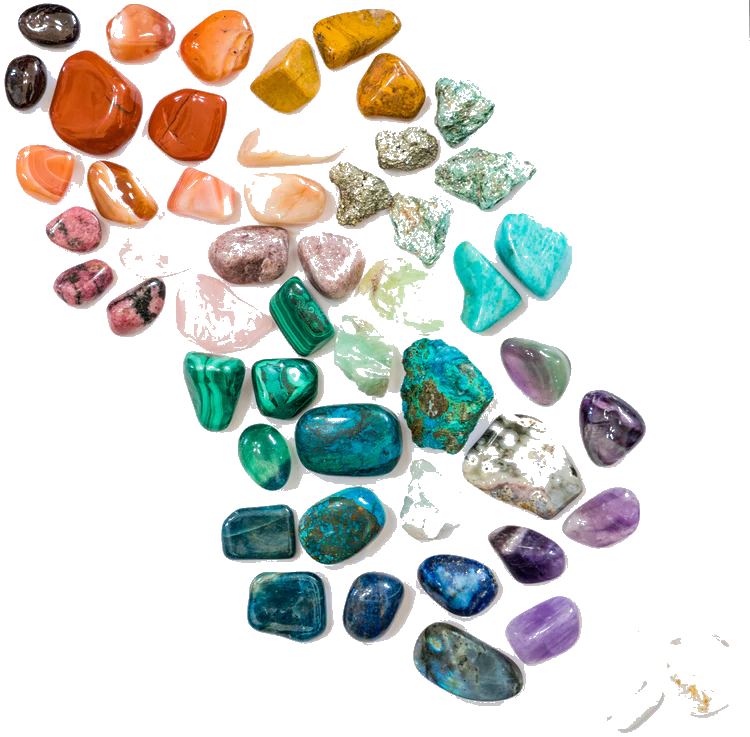
When it comes to hat design, not all crystals and gems are created equal. Popular choices include amethyst for its calming properties, rose quartz for love and compassion, and clear quartz for clarity and amplification. Each crystal adds a unique flair and vibe to your hat, allowing wearers to express themselves and channel specific energies.

Metaphysical Properties of Crystals

Crystals are not just shiny rocks; they carry a wealth of metaphysical properties that can add a little extra magic to your hat. For instance, amethyst is said to promote calm and clarity—perfect for those high-pressure moments when you need to look chic without stressing out. Meanwhile, rose quartz is the go-to for love vibes, so if your hat is adorned with it, you're essentially saying, "I’m a lovable trendsetter!" Each crystal has its own unique vibe, making your hat not just a fashion statement, but a personal talisman.

Design Considerations and Aesthetics

When incorporating crystals into hat design, Arturo keeps aesthetics in mind. Consider the overall theme, color palette, and the hat’s purpose. A beach hat adorned with shells and aquamarine crystals may call for a different design approach than a formal felt hat embellished with dark, luxurious gemstones. 

Arturo works with each client to find the best crystals & gemstones tailored to each AR hat.

Millinery, Feminism and an Interview with a Doyenne

Millinery, Feminism and an Interview with a Doyenne

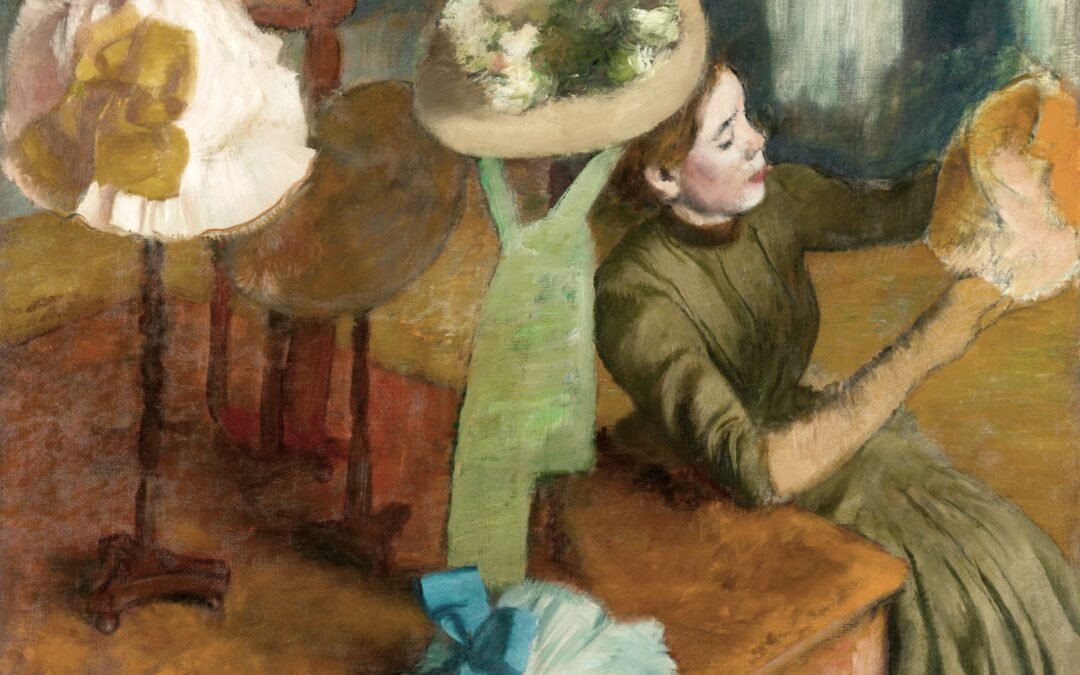
The Millinery Shop, Edgar Degas created between 1879 and 1886. It is one in a series of 27 paintings by Degas about millinery.

Pre World War II

We sat down with a veteran milliner Irene Arroyo from California Millinery Supply and talked about millinery from her decades-long career supplying the best of haute couture designers. Her insights are both detailed and expansive.

"Millinery almost disappeared entirely after WWII. Formal dress for social occassions disappeared overnight. " Ms. Arroyo says. "Before, you wouldn't dare come Downtown without being dressed."

This is a deep understanding of millinery from a professional. And what she has to say about Feminism still rings true.

"It was a throwing off of all decorative devices."

Few people know millinery and its power as well as our vendor.

There is a "millinery resurgence," though. We can see it at special events, awards shows, music videos and on celebrities. Arturo has worked with some of the most prominent celebrities and socialites to prepare them for a grand entrance.

How We Appear

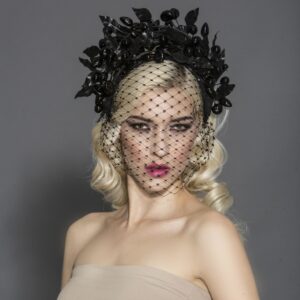
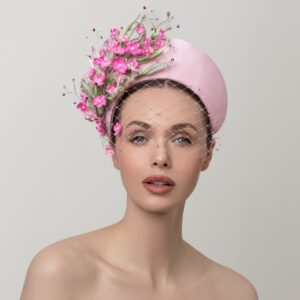
Millinery is not an isolated art form. It conveys more than style. It announces your grace and beauty. Wearing an Arturo Rios hat assures that you can walk into any venue and be the center of attention with grace and elegance.

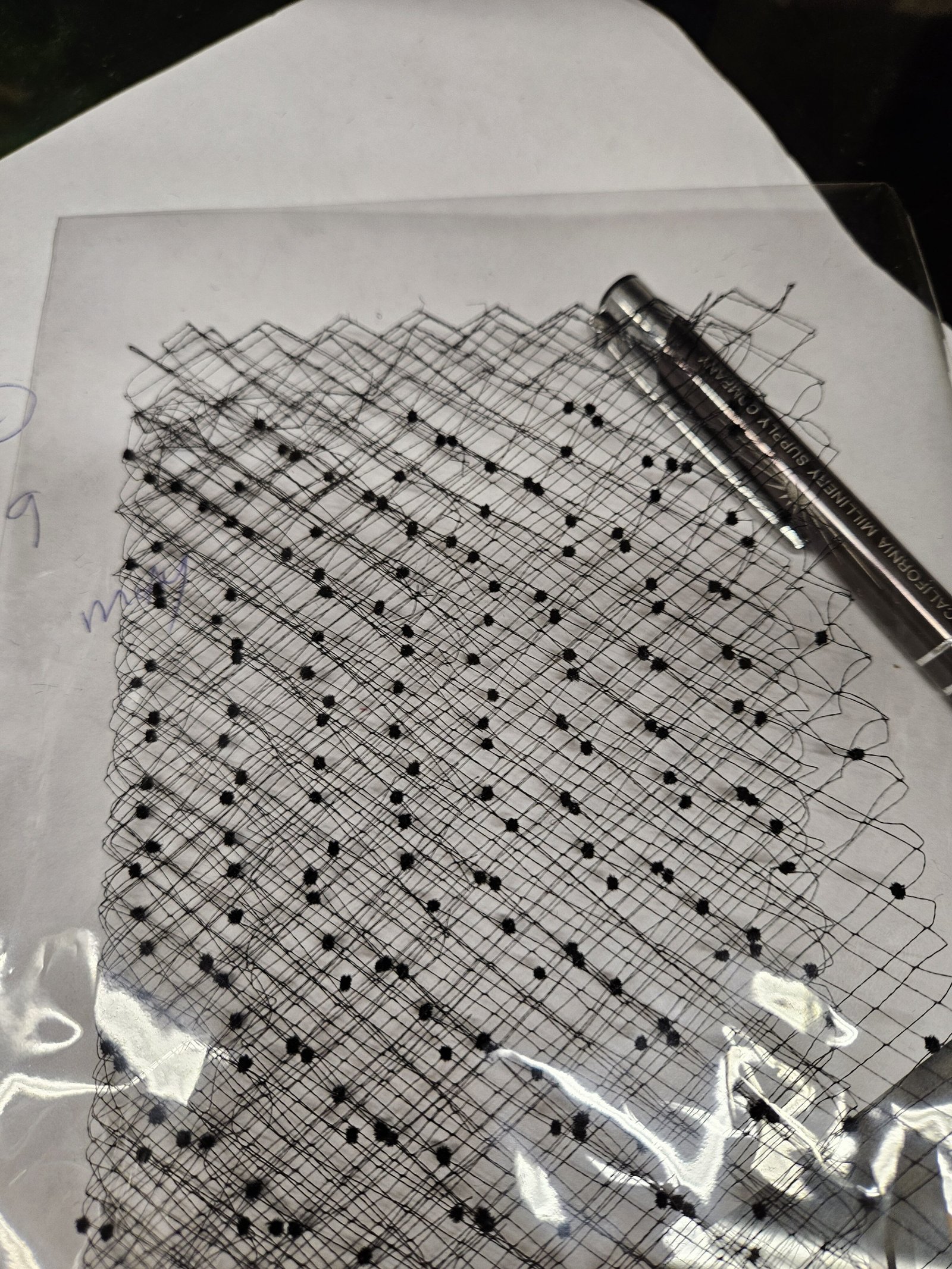
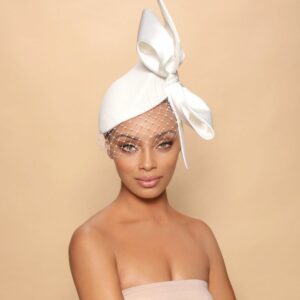
We've selected the finest silk veils that exist. We're excited about this new collection. It offers bold, new ways to distinguish your personal grace and beauty with confidence. We'll make an announcement to our clients as soon as we finish the details and photo shoot.

We welcome your feedback, ideas and comments. Stay tuned!

Details Matter 

There is a little known millinery adornment: millinery berries.

They offer a wonderful focal point and enhance any haute couture ensemble. They shine, playfully. Joyously and distinguish a haute couture hat from others.

Millinery berries are constructed of aged,  spun cotton with hollow cores. They are coated in a deep lacquer which offers a dazzling impression.

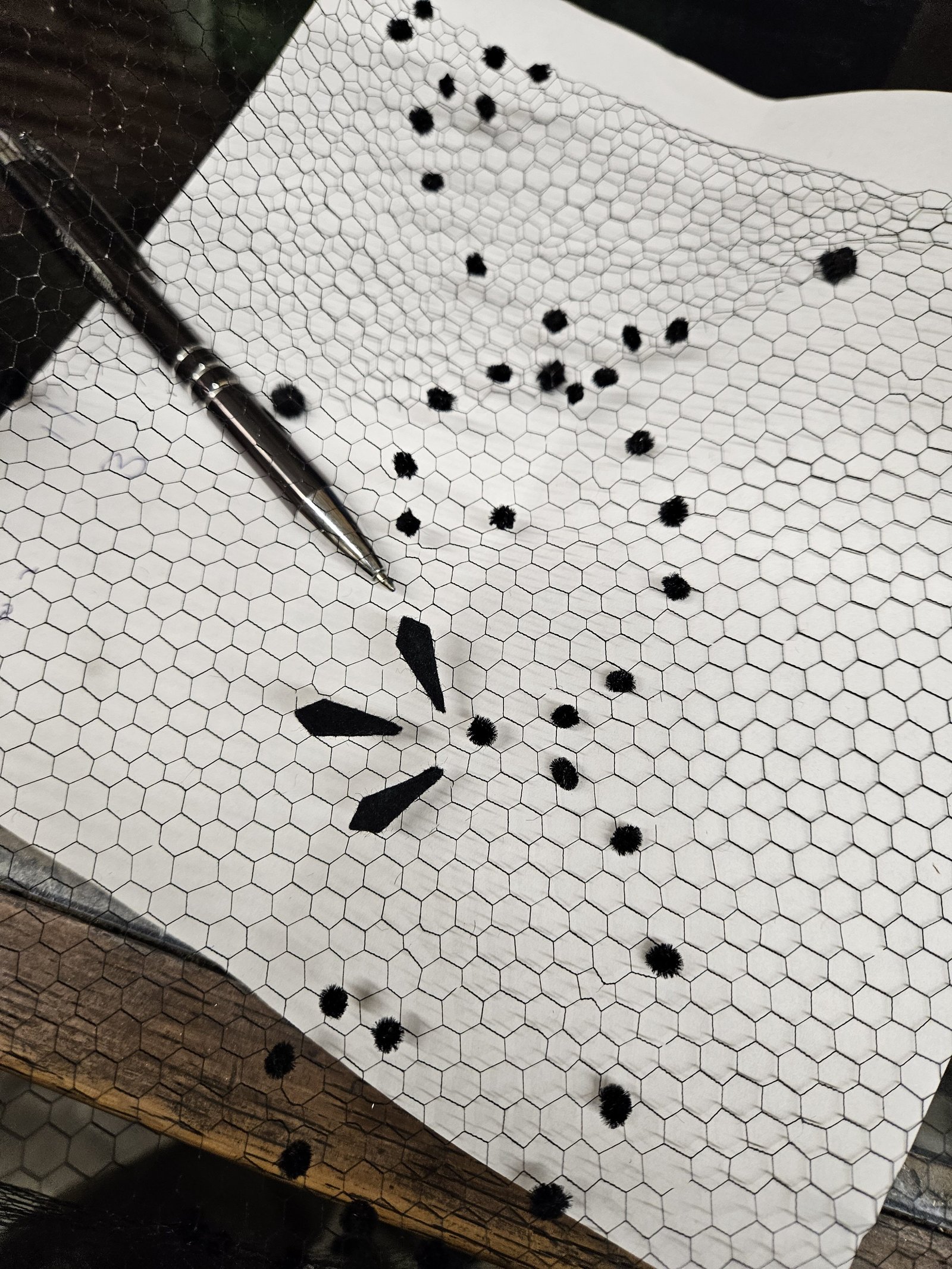
The chenille velvet dots used on the veils are placed individually, which is a very detailed and delicate process.


We think an educated client (never a "customer") is preferred. Arturo also believes in being generous with his knowkledge as others have been generous with theirs to him.

This article is part of our series that explores and celebrates different aspects of millinery. Arturo Rios has created new techniques, forms and modes of constructing the world's finest hats and he wants to share and open the discussion with you.

We welcome everyone to discover how millinery is expanding, changing and evolving. Let us know your thoughts!


Classic Forms

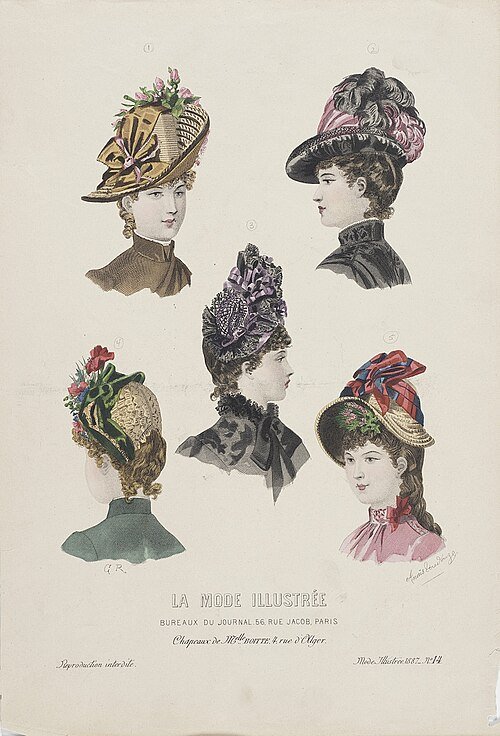
Millinery has a long history. In this series of posts, we delve deeper into the specifics of each type of hat. Pillboxes, fascinator and derby hats are just the beginning. And Arturo wants to assist in your discovery!

Techniques

Hat-making has it's own vocabulary; definitions, terms, slang. We're here to talk about the components that make great hats.

Colors

Arturo has a unique sense of flowers. He also uses his deep understanding of how colors work and how they influence us.

Details: The Essential Bow

Details: The Essential Bow

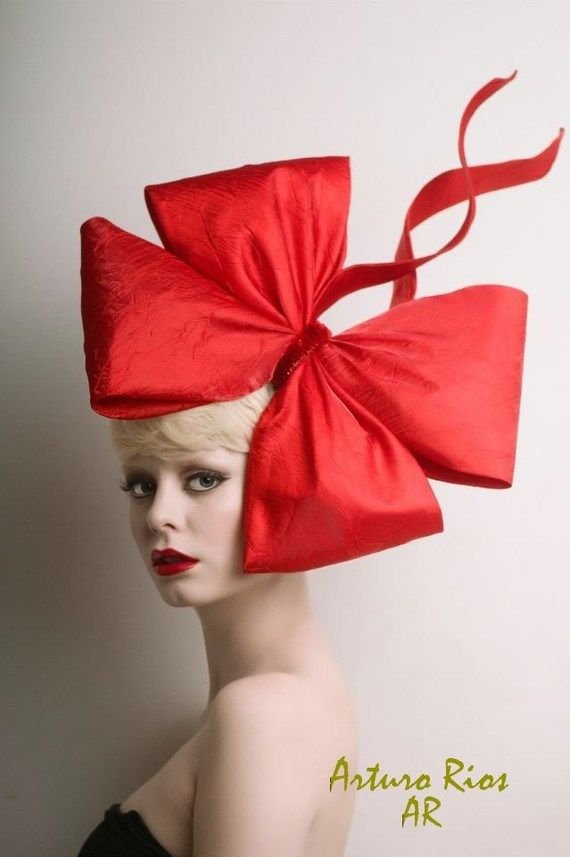
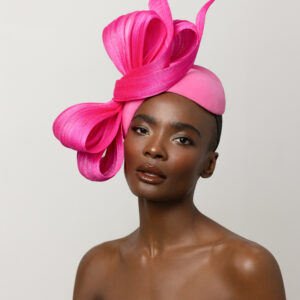
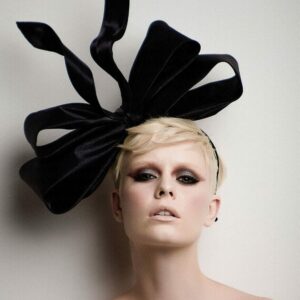
Bows have long been a quintessential element of millinery, serving not only as decorative accents but also as powerful symbols of style and individuality. From their historical roots in hat design to their modern interpretations, bows are part of a rich mix of cultural significance and aesthetic appeal.

Evolution Through the Ages

The bow’s origins can be traced back to ancient civilizations where decorative knots were used to secure headgear. From the floppy styles of the medieval ages to the tailored elegance of the Renaissance, various cultures adopted bows to enhance their hats' aesthetic charm.

By the 18th century, bows became de rigeur in millinery, reflecting the opulence and class-consciousness of the time. They were often grand and extravagant, made from luxurious fabrics and adorned with gems, real and artificial as well as animals, plants and ephemera. 

In the 20th century, the bow transformed from show-stopping frills to subtle embellishments, thanks in part to the rise of chic minimalism and refined production methods.

Classic Bow Styles

Classic bow styles are the tried-and-true staples that have stood the test of time! From the delicate, understated ribbon bows to the voluminous floppy bows often seen on wide-brimmed hats, these styles evoke a sense of nostalgia. Classic bows are often defined by their symmetry and elegance, making them the perfect complement to traditional millinery designs.

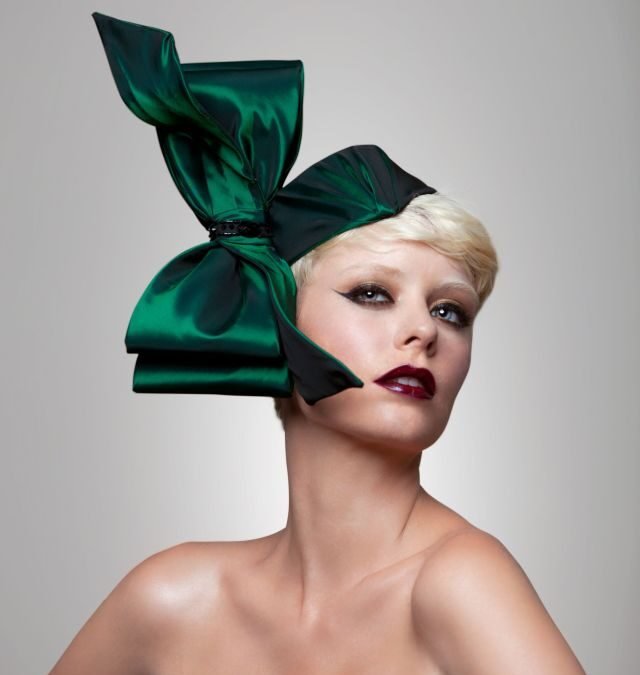
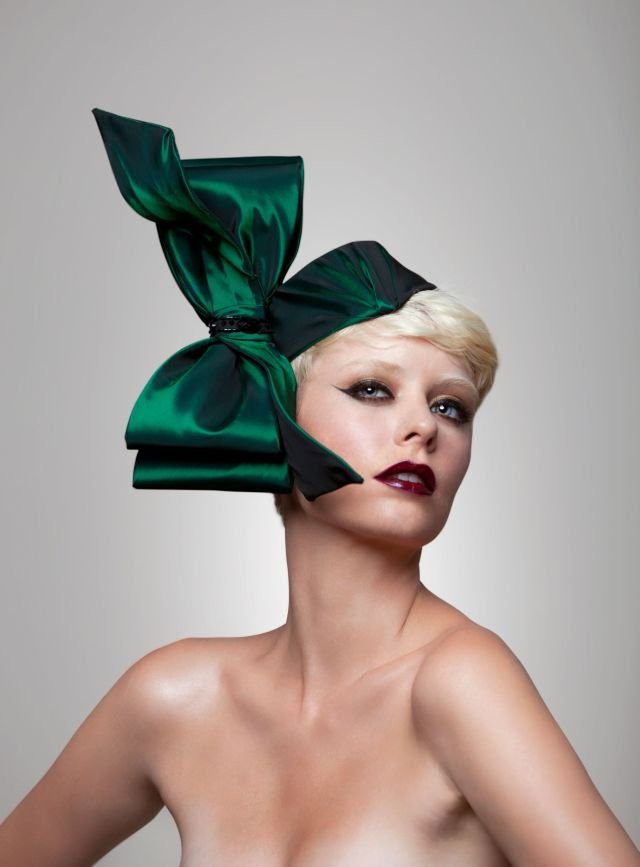
Modern bow designs take a bold turn, with styles that range from oversized statement pieces to asymmetrical, quirky interpretations. Designers play with forms, often opting for unconventional knots or layering techniques that create eye-catching silhouettes. 

Arturo plays with both classic bow styles and reimagined forms in his hat collections. His most recent bows are constructed to play with the ideas of proportion with many details for specific occasions.

“The bow itself can become a fascinator if it is made with new proportions in mind. How it works with the other details of the hat is when I have my most fun as a designer.” 

Materials

“Knowing how to manipulate the fabric is the key, Arturo adds that “what foundation or fusing is used to keep them in shape is important to the over-all design. Crystal-silk, satins and taffetas give well-made bows a luxuriously shiny look. They are opulent. Stiff silk abaca is important in millinery designs as well to assure that the hat can maintain its form in different  environments.”

Color and Pattern Choices

Bows are not just about shape; they’re a canvas used to display the designer’s creativity. 

Arturo uses his vast palettes of spring-time pastels, saturated winter colors and playful patterns to place the hat at the  center of attention. 

The color a​nd pattern choices can transform an ordinary hat into an extraordinary accessory. Bright and bold hues scream for attention, while pastel tones offer a subtle elegance. Patterns—floral, polka dot, or geometric—bring an added layer of interest, allowing wearers to express their personality through every tie and knot.

Proportions and Placement

The magic of a bow lies in the proportions and placement! A well-placed bow can accentuate a hat's silhouette, draw eyes to the face, and add visual interest. Larger bows can be a statement of confidence, while smaller bows may convey a touch of whimsy. Where you place the bow—at the back, off to one side, or front and center—can change the entire hat's dynamic

Bows have the unique ability to serve as focal points in any outfit. A striking bow can turn a simple hat into a conversation starter, drawing attention and compliments. Whether it’s the anchor of a bridal ensemble or a playful splash on a casual look, bows have a flair for standing out. They harmonize with other elements of fashion, creating balance while asserting their own stylish power.

Bows in Different Cultures

Bows are universal symbols of charm, appearing in various cultures with unique meanings. In Japan, the “furoshiki” bow wraps gifts with elegance, while in Western cultures, the bow often represents femininity and grace. Different materials and styles of bows can signify different things, showcasing how this simple knot transcends borders and embodies culture.

In many cultures, ceremonial hats adorned with bows carry profound significance. From graduation caps to wedding veils, bows often represent milestones and celebrations. They serve as visual markers of important life events, showcasing individuals' achievements and transitions. 

Influence of Fashion Icons

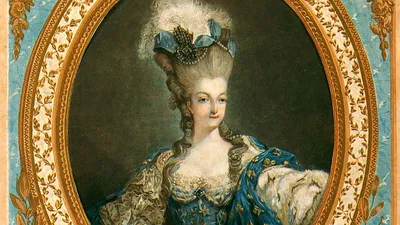
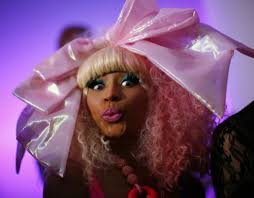
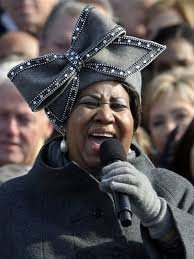
Throughout history, influential figures have made bows synonymous with their personal style. Marie Antoinette’s extravagant hairstyles adorned with oversized bows echoes the excesses of the royal court. Audrey Hepburn’s iconic pillbox hat framed in Breakfast at Tiffany’s shows how these notable personalities showcased how a bow can elevate a hat from mundane to magnificent. Recent bow-centric moments include Aretha Franklin at the Obama inauguration, Jackie Kennedy, Lady Gaga, Nicki Minaj and a plethora of the world’s finest fashion magazines featuring them in most publications.   Fashion icons have long embraced the bow, turning it into a statement piece rather than just a decorative afterthought. Think of the likes of Kate Middleton and Lady Gaga—each has wielded the bow like a magician with a wand, making it the star of the show on everything from fascinators to wide-brimmed hats.

Seasonal Celebrations

From Easter bonnets to holiday parties, bows are the ultimate festive accessory. They have the power to elevate seasonal hats to a whole new level of celebration. Whether it's a cheerful pastel bow for spring or a glitzy bow for winter festivities, they’re the cherry on top of any seasonal ensemble.

Custom Designs for Individual Clients

Arturo is a master milliner, and he depends on input from his clients. You are never a customer, always a client who takes part in the creation of your personal hat masterpiece. Tell Arturo your ideas of how bows might elevate your new AR hat.

We think an educated client (never a "customer") is preferred. Arturo also believes in being generous with his knowkledge as others have been generous with theirs to him.

This article is part of our series that explores and celebrates different aspects of millinery. Arturo Rios has created new techniques, forms and modes of constructing the world's finest hats and he wants to share and open the discussion with you.

We welcome everyone to discover how millinery is expanding, changing and evolving. Let us know your thoughts!


Classic Forms

Millinery has a long history. In this series of posts, we delve deeper into the specifics of each type of hat. Pillboxes, fascinator and derby hats are just the beginning. And Arturo wants to assist in your discovery!

Techniques

Hat-making has it's own vocabulary; definitions, terms, slang. We're here to talk about the components that make great hats.

Colors

Arturo has a unique sense of flowers. He also uses his deep understanding of how colors work and how they influence us.

Techniques & Materials: Buckram

Techniques & Materials: Buckram

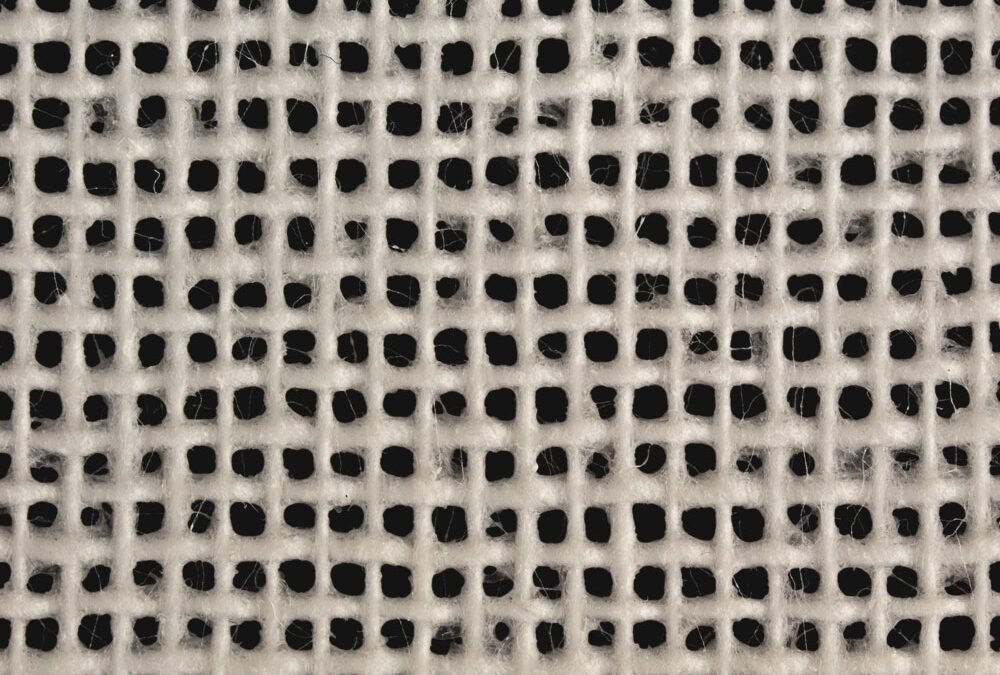
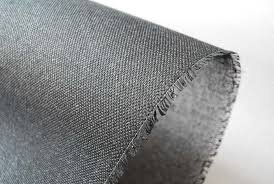
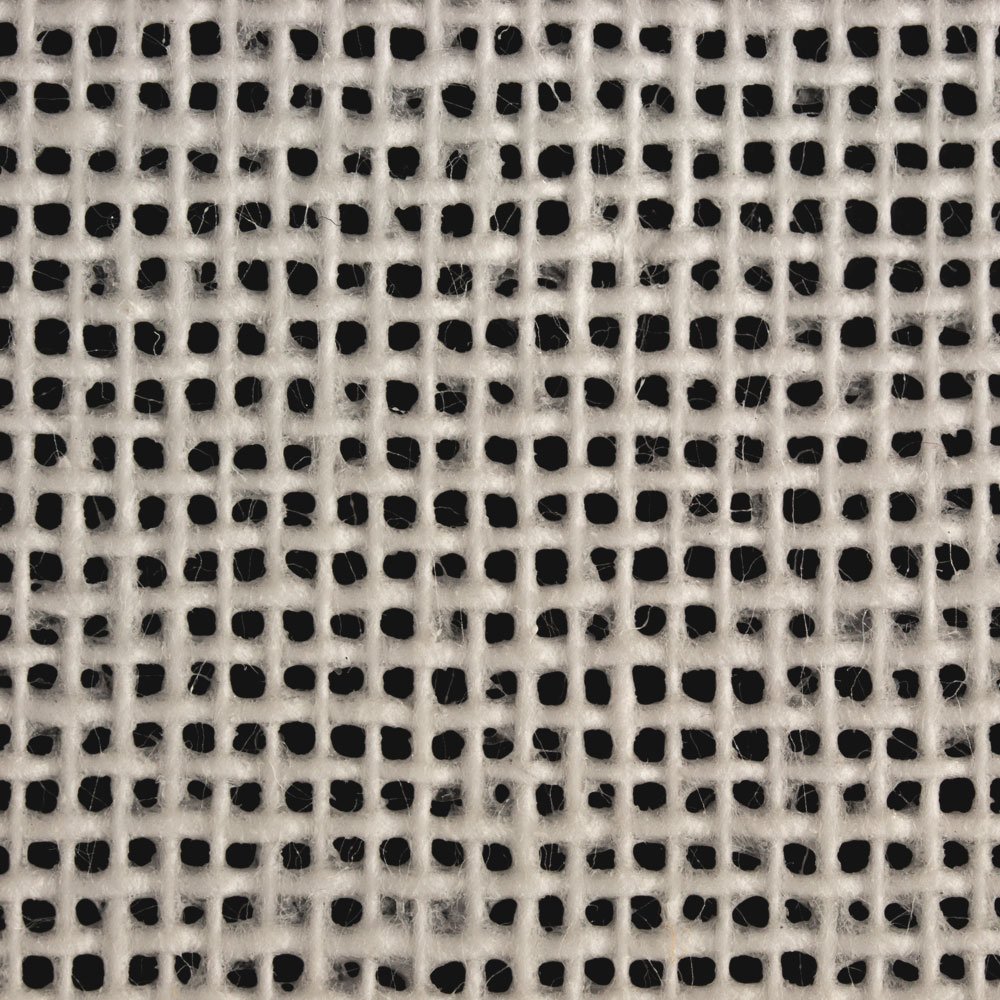
Buckram is a stiff cotton, or occasionally, linen or horse-hair cloth with a plain, usually loose, weave, produced in various weights similar to muslin and other plain-weave fabrics. The fabric is soaked in a sizing agent such as wheat-starch paste, glue (such as PVA glue), or pyroxylin (gelatinized nitrocellulose, developed around 1910), then dried. When re-hydrated or warmed, it can be shaped to create durable firm fabric for book covers, hats, and elements of clothing.

A shortage of buckram, a stiff, sized fabric used in millinery, bookbinding, and theatrical costumes, is impacting various industries. The shortage is attributed to the discontinuation of buckram manufacturing in some regions and the closure of machinery used in its production. This has led to increased prices and difficulty sourcing the material.

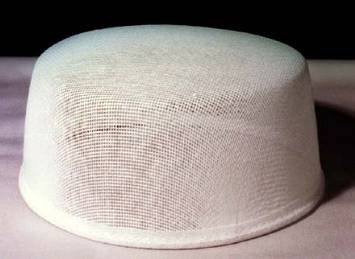
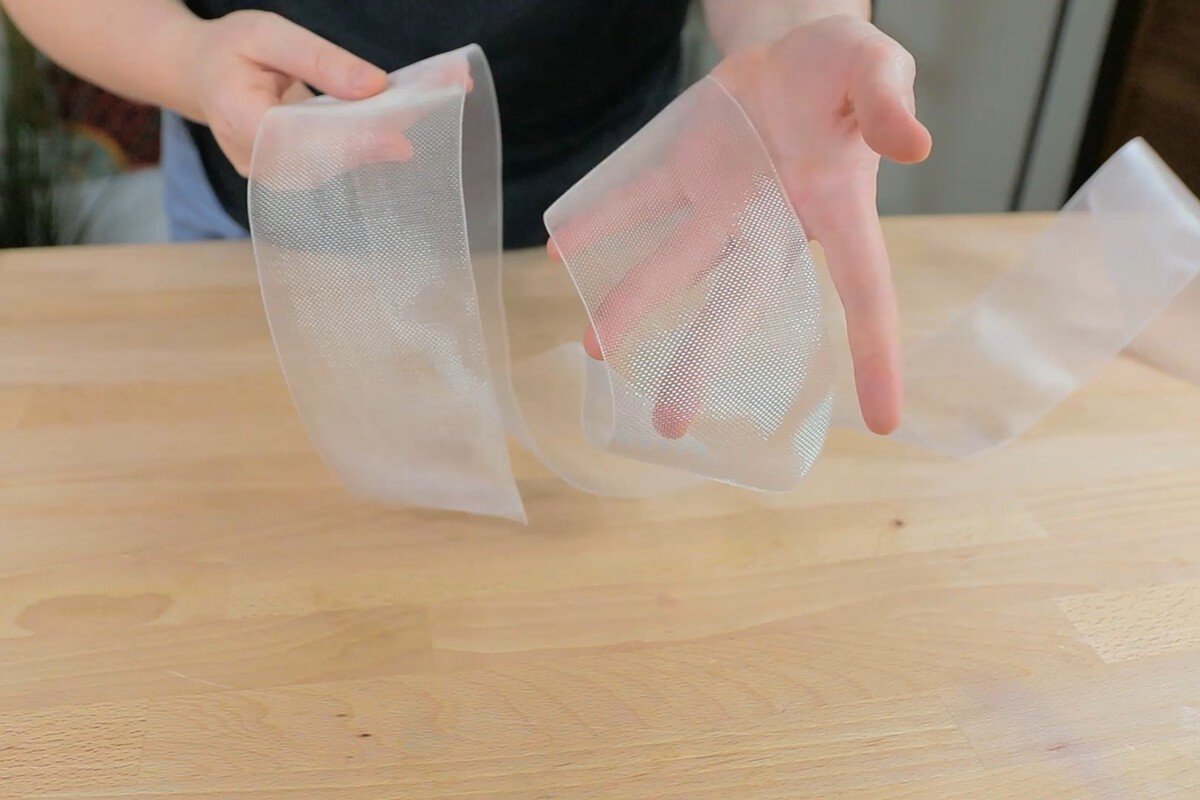
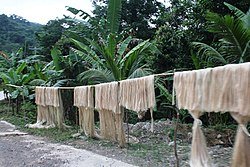
Sinamay is widely used for blocking hats and trims, but it wasn’t introduced to the millinery world until the 1990s. It is woven in the Philippines, from the stalks of the abaca tree. Abacá fibers are very strong and long-lasting. For ease of blocking, sinamay is often pre-stiffened during manufacturing. Plus, since it is a natural material, it holds dye very well.

We use a material called Buckram for some of our fascinator bases. Buckram is a stiff fabric made of cotton or lined with starch and glue. Buckram was created in the early 1900’s and has been used since then. Many fascinator shapes and hats have been created using this material. But it’s becoming impossible to source.

Buckram was made in the US and China, among other markets. Both markets have ceased production, owing to supply chain disruptions, soaring demand, and production challenges that have combined to create a perfect storm, leading to significant shortages that are felt by manufacturers, artisans, and consumers alike.

The remaining rolls around the world are the last ones available. Now sinamay is working as a substitute, but we double the layers to make it as strong as the buckram.

Buckram production is heavily reliant on numerous components, from raw materials to transportation. COVID-19 left a big logistical mess in its wake, with shipping delays and factory closures creating a bottleneck that even the most patient person would struggle to navigate.

In the fashion and upholstery realms, the buckram shortage is causing a sartorial snag. Designers rely on this fabric to give hats and garments their structure, and without it, they might have to rethink their entire collection.

Abacá (Musa textilis), or "Manila Hemp," is a strong, versatile fiber from a banana-related plant native to the Philippines, used to make high-strength ropes, textiles, and specialized papers like tea bags and banknotes. The fiber is extracted from the leaf stalks, then processed into fine strands that are prized for their mechanical strength, resistance to saltwater, and long fiber length.

We think an educated client (never a "customer") is preferred. Arturo also believes in being generous with his knowkledge as others have been generous with theirs to him.

This article is part of our series that explores and celebrates different aspects of millinery. Arturo Rios has created new techniques, forms and modes of constructing the world's finest hats and he wants to share and open the discussion with you.

We welcome everyone to discover how millinery is expanding, changing and evolving. Let us know your thoughts!


Classic Forms

Millinery has a long history. In this series of posts, we delve deeper into the specifics of each type of hat. Pillboxes, fascinator and derby hats are just the beginning. And Arturo wants to assist in your discovery!

Techniques

Hat-making has it's own vocabulary; definitions, terms, slang. We're here to talk about the components that make great hats.

Colors

Arturo has a unique sense of flowers. He also uses his deep understanding of how colors work and how they influence us.