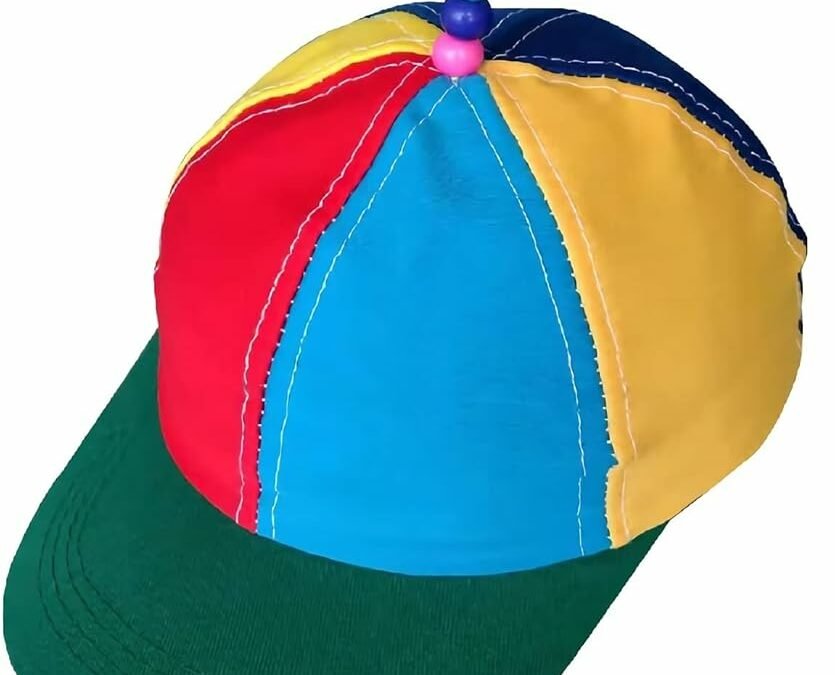
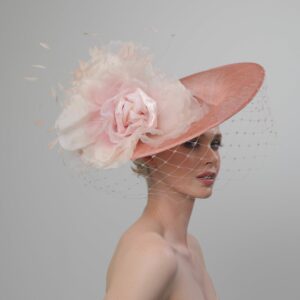
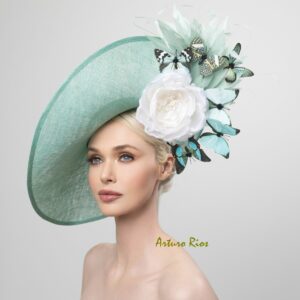
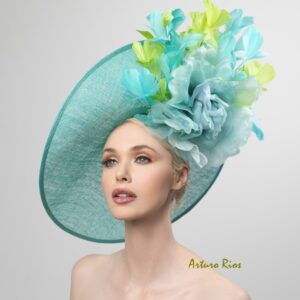
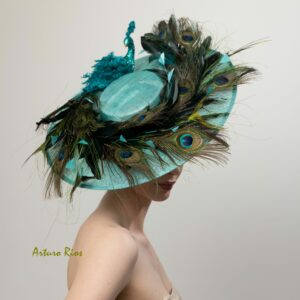
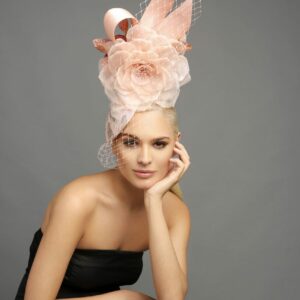
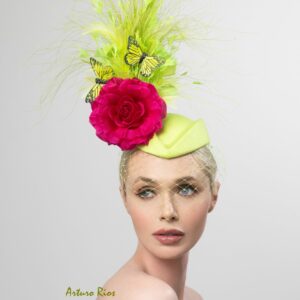
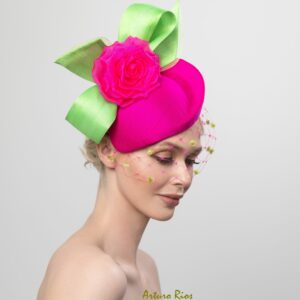
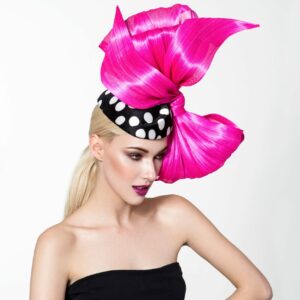
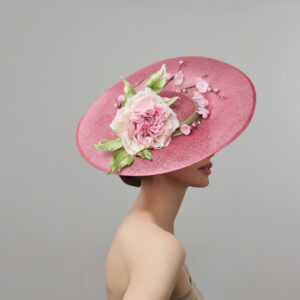
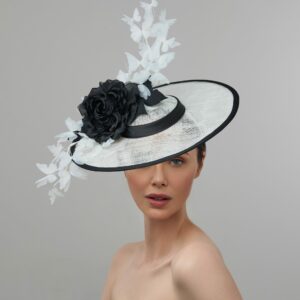
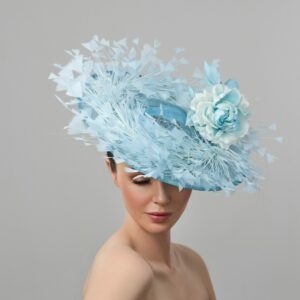
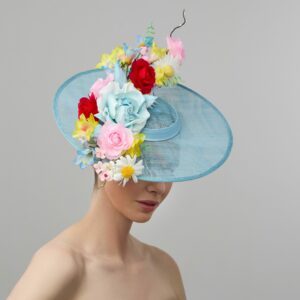
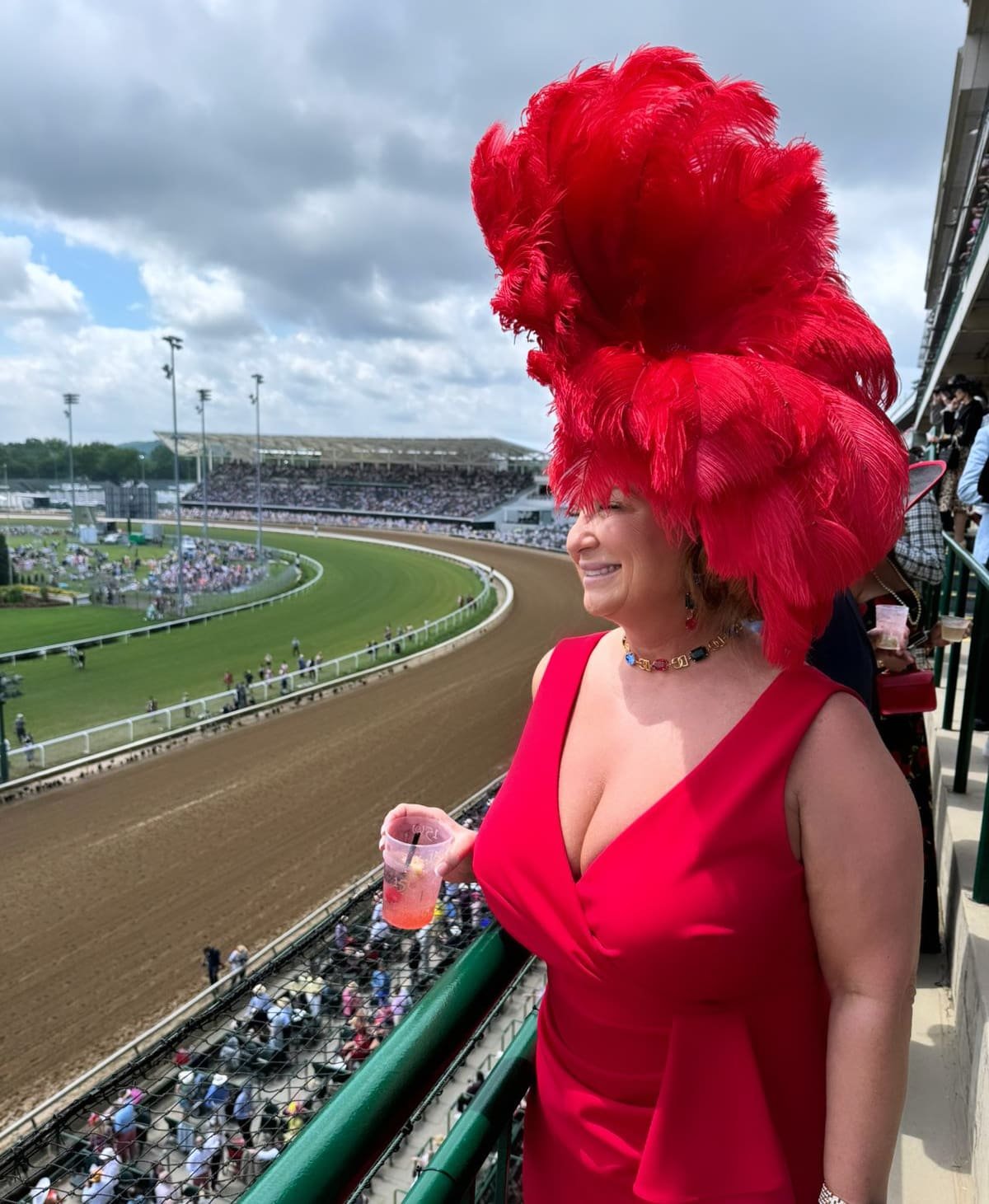
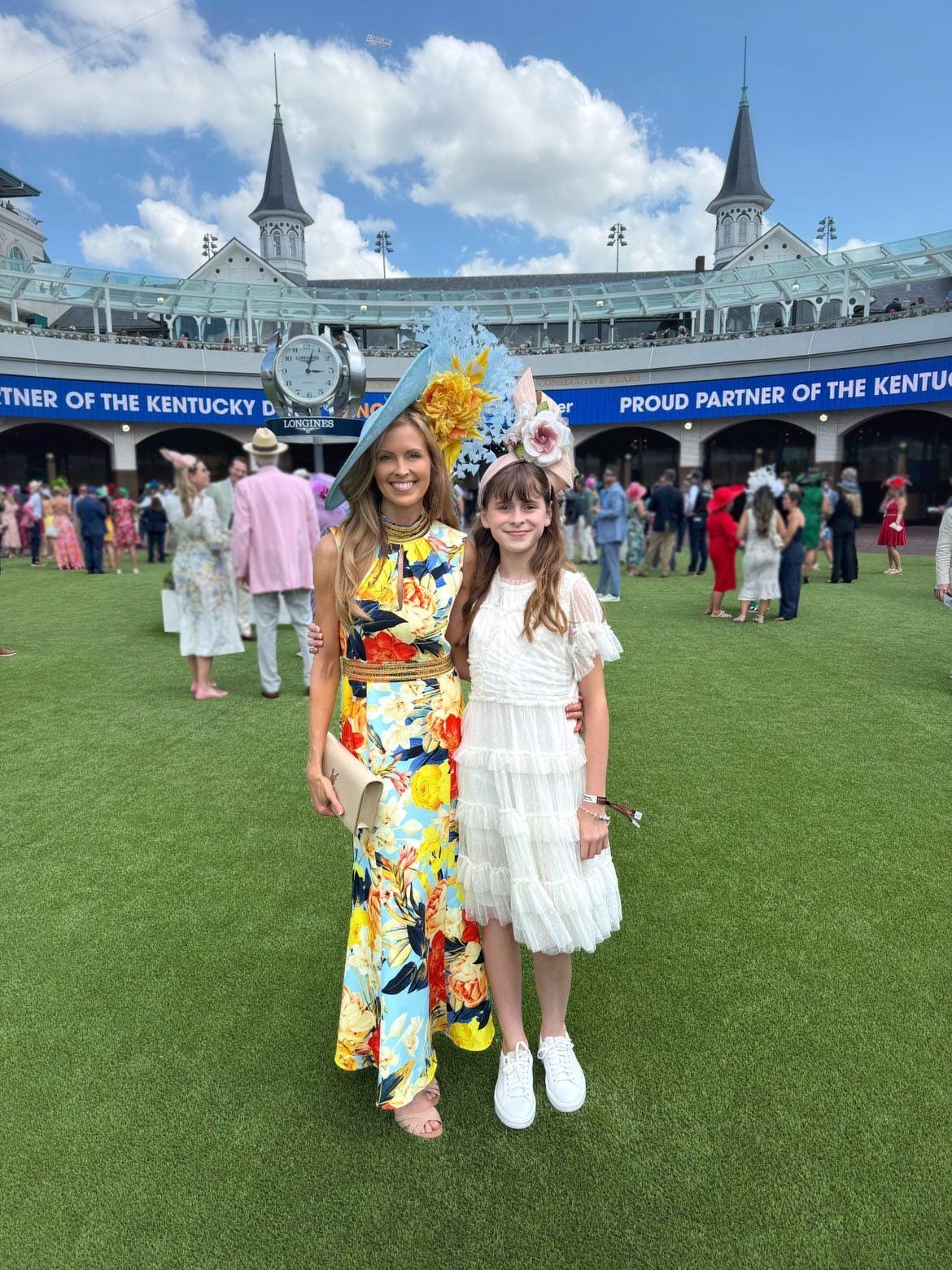
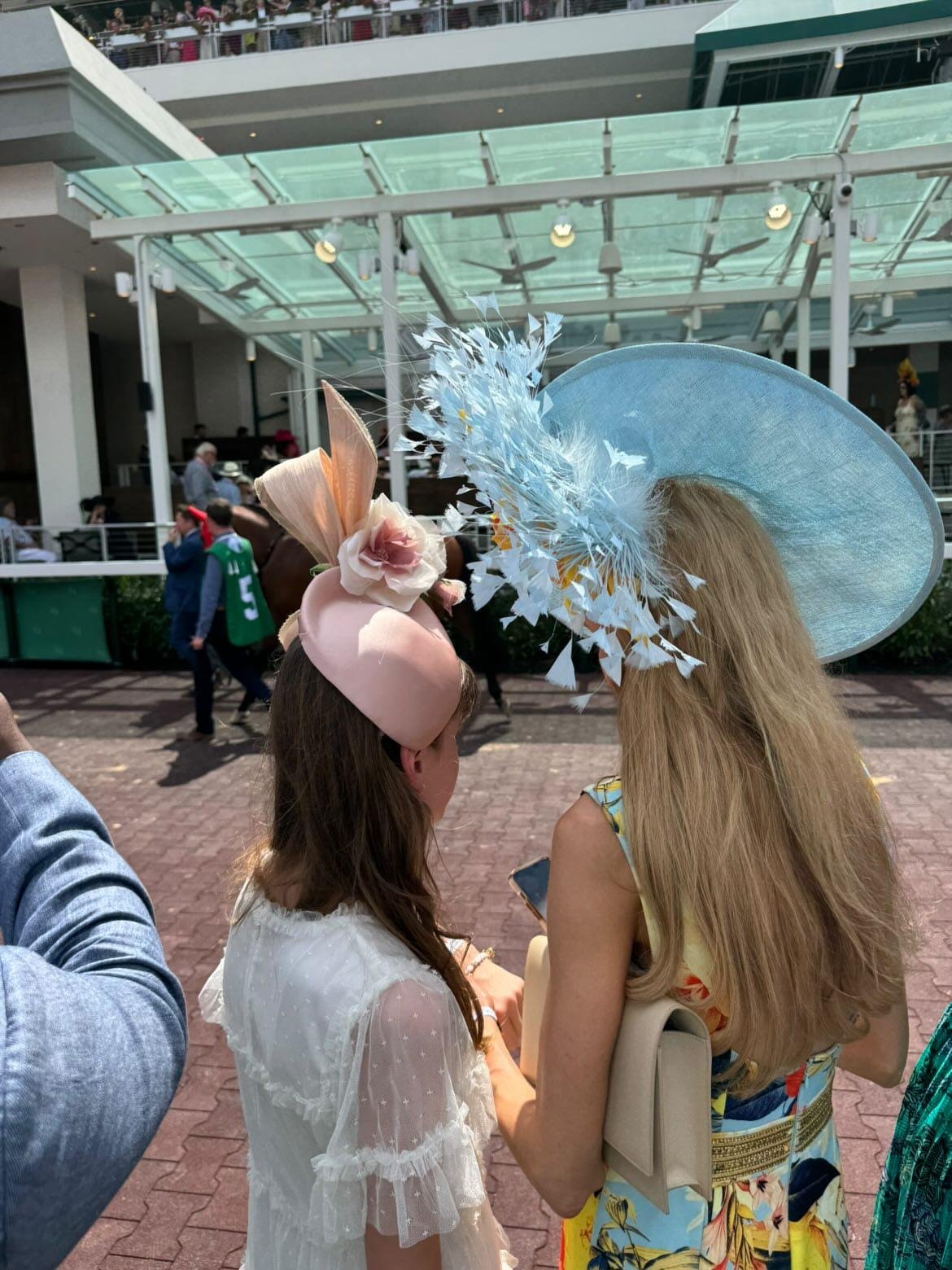
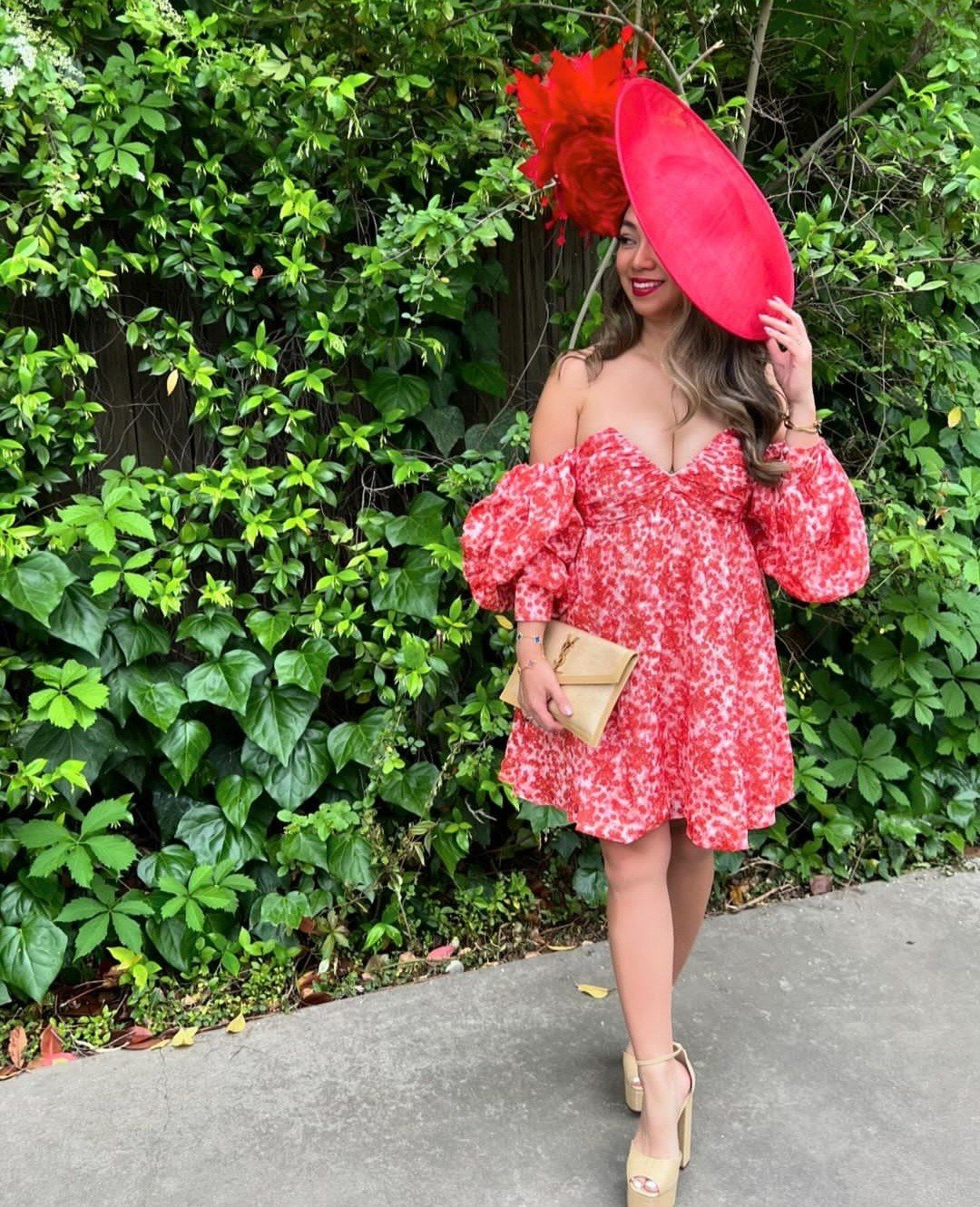
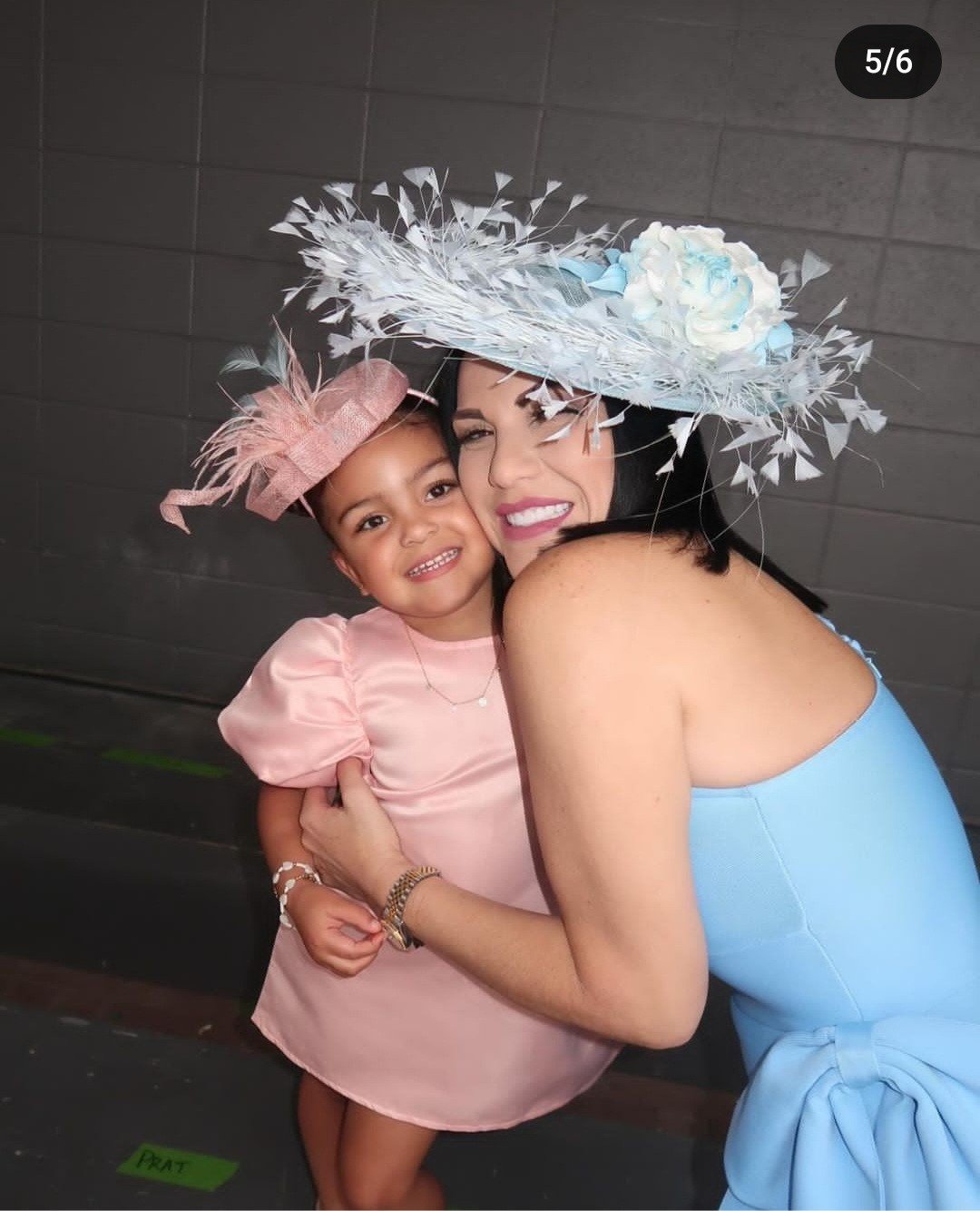
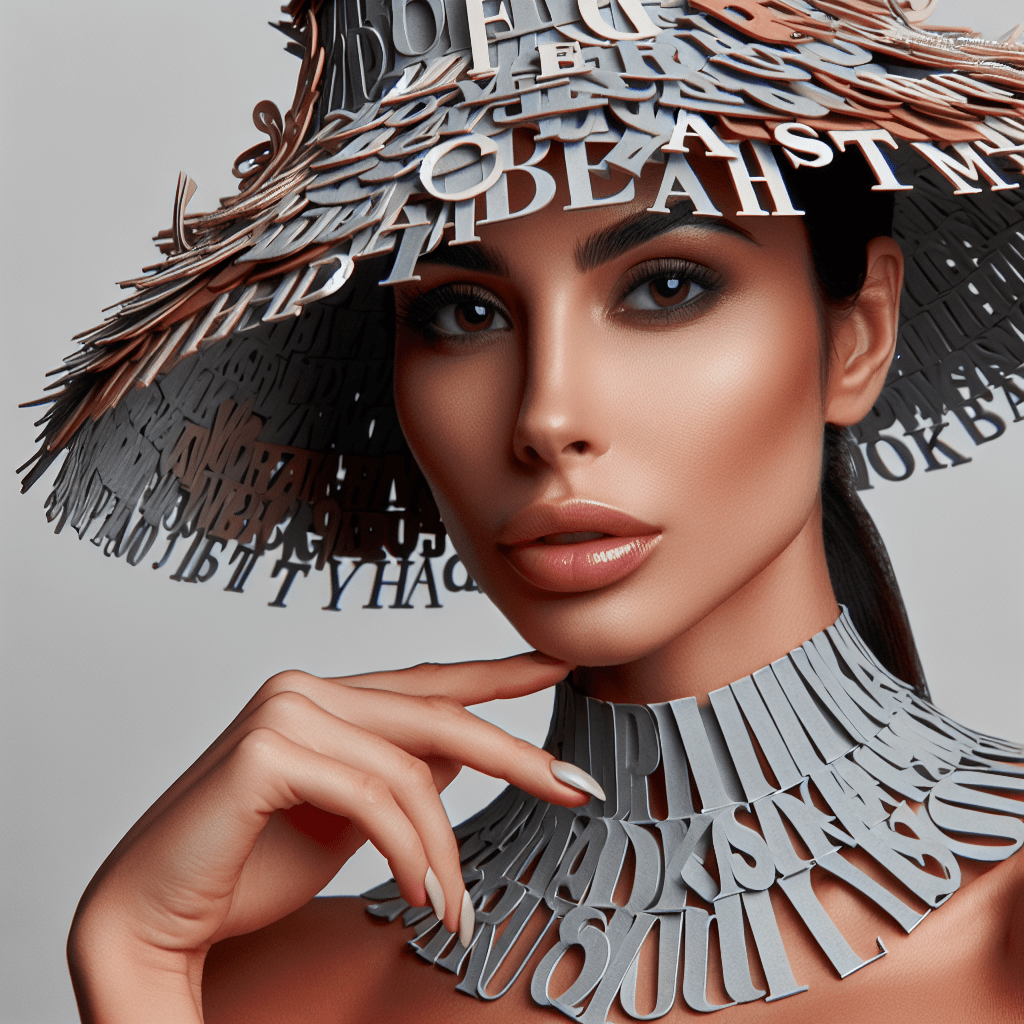
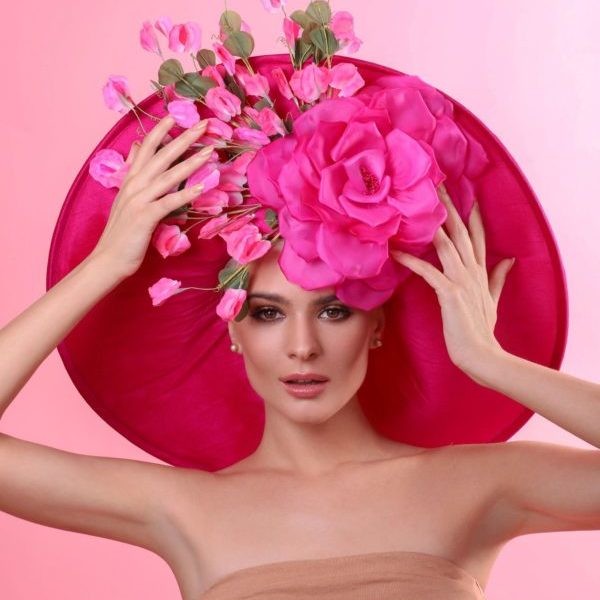
 Millinery is the manufacture and craft of making hats and headwear. A milliner historically would also produce everything from shirts, cloaks and shifts, to caps and neckerchiefs for both men and women, as well as designing and trimming their headgear. The term dates to the Middle Ages, when a Milener reffered to someone from Milan — the home of the fashion and textiles trade. Millinery has evolved throughout history, but remains popular with a range of different events and uniforms. More often than not, hats can indicate social status, from a cowboy’s Stetson to a gentleman’s top hat, or the cocktail fascinators worn by ladies at the races.
-Source
Abacá
Abacá (Spanish) (/ɑːbəˈkɑː/ ah-bə-KAH; Filipino: Abaka [ɐbɐˈka]), Musa textilis, is a species of banana endemic to the Philippines. The plant grows to 13–22 feet (4.0–6.7 m), and averages about 12 feet (3.7 m). The plant, also known as Manila hemp, has great economic importance, being harvested for its fiber, also called Manila hemp, extracted from the leaf-stems.
read more >
Sinamay
Sinamay is widely used for blocking hats and trims, but it wasn’t introduced to the millinery world until the 1990s. It is woven in the Philippines, from the stalks of the abaca tree. Abaca fibers are very strong and long-lasting. For ease of blocking, sinamay is often pre-stiffened during manufacturing. Plus, since it is a natural material, it holds dye very well.
read more >
Fascinator
A fascinator is a formal headpiece, a style of millinery. Since the 1990s, the term has referred to a type of formal headwear worn as an alternative to the hat; it is usually a large decorative design attached to a band or clip. In contrast to a hat, its function is purely ornamental: it covers very little of the head and offers little or no protection from the weather. An intermediate form, incorporating a more substantial base to resemble a hat, is sometimes called a hatinator.
read more >
Paillette
(pælˈjɛt; French paˈjɛt)
a small, shiny ornament, as a metal disk, used in decorating women's dresses, etc.; spangle
Word origin
Fr, dim. of paille, straw: see pallet2
read more >