Classic Forms: Fascinators
Fascinators have a brief history. Originally, the term was coined by Stephen Jones in the 70s.
In part, the term comes from the way fascinators are attached to the head, that is, fastened by a ribbon or a clip.
But that wasn’t all that Jones had in mind when coming up with the name for his new hats. He was thinking about calling these headpieces something whimsical that would describe their uniqueness and extravagance.
The fastening part played a role, as it reminded him of the word “fascinating.” Hence, a fascinator.
Source: Gold Coast Couture
“The drama and pure folly of fascinators make them unique in millinery.” Arturo states. “They very literally are the crowning touch to a truly outstanding style choice. Fascinators are not just for royal events and derbies. They are very good choices for formal events, daytime social gatherings and weddings.”

An Elegant Focal Point
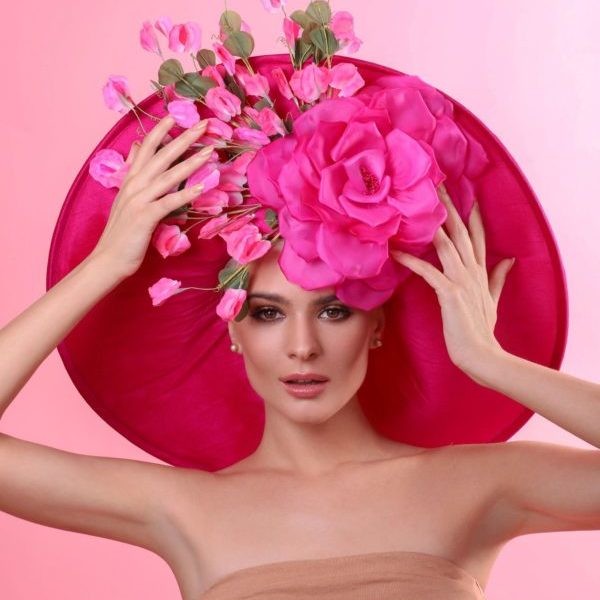
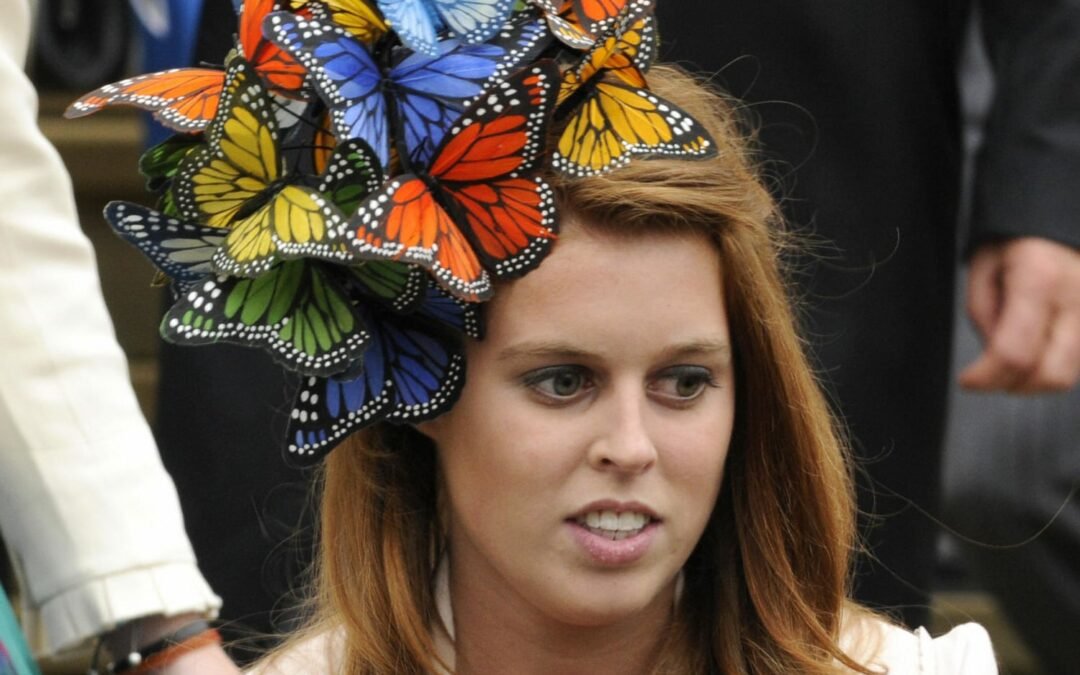
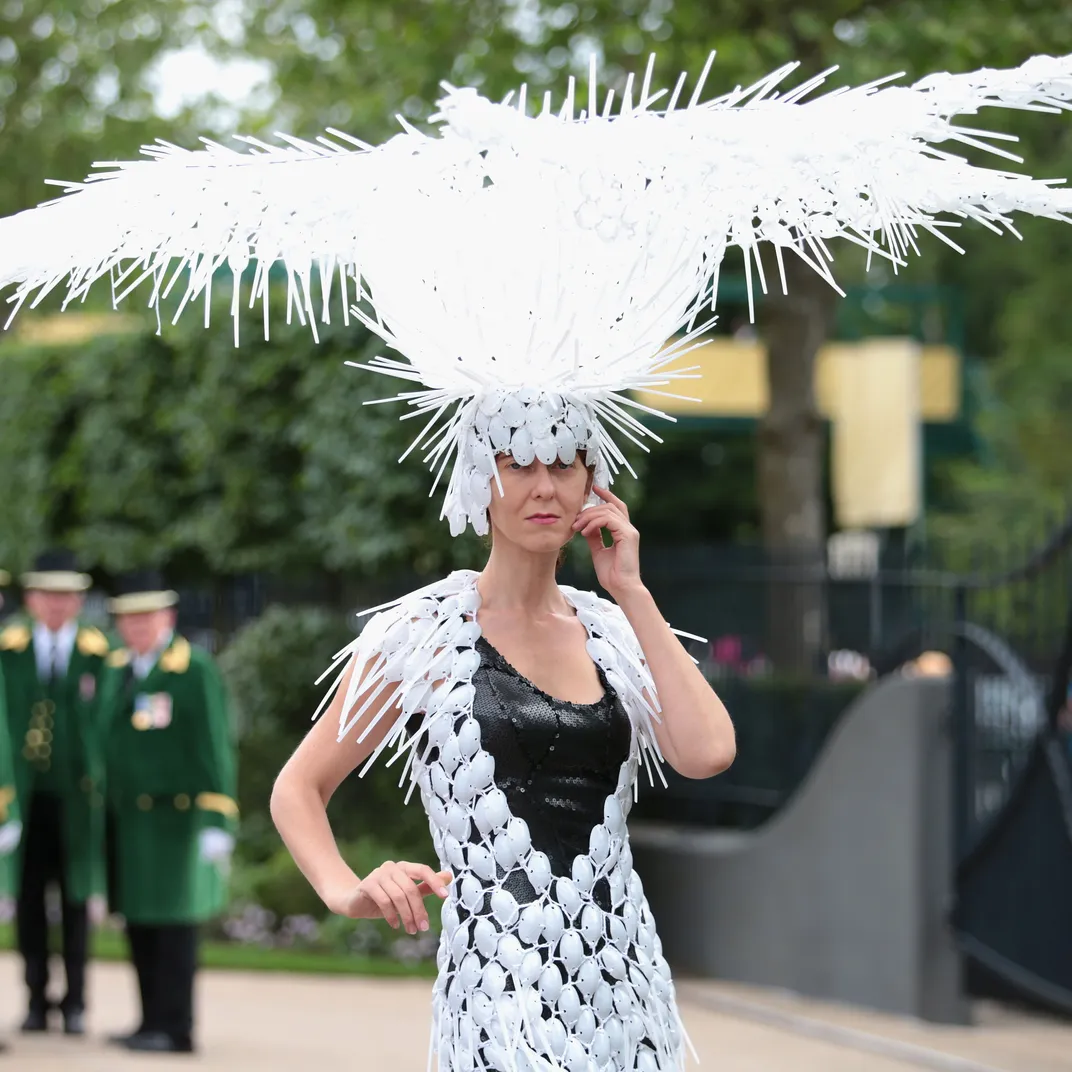
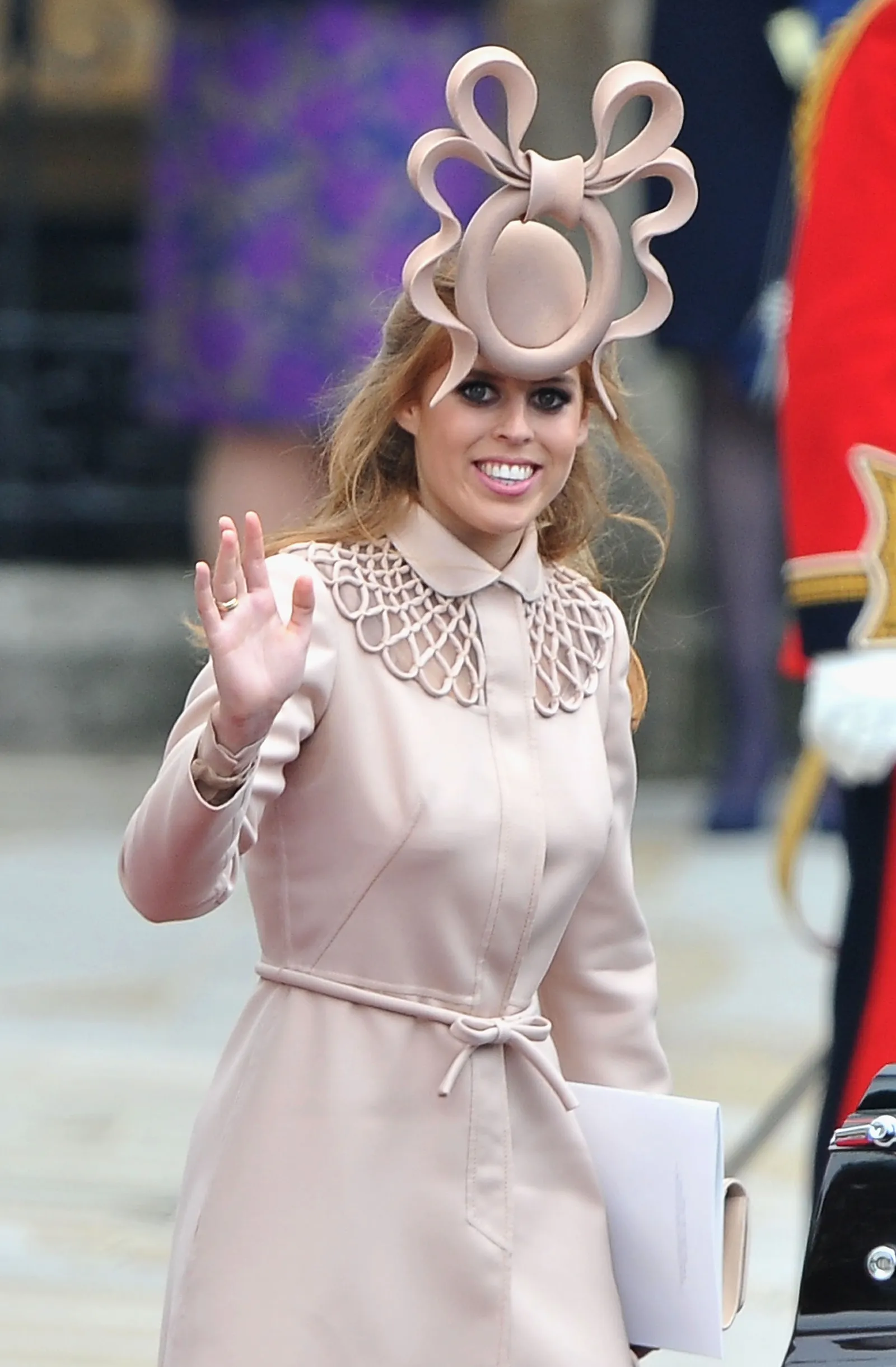
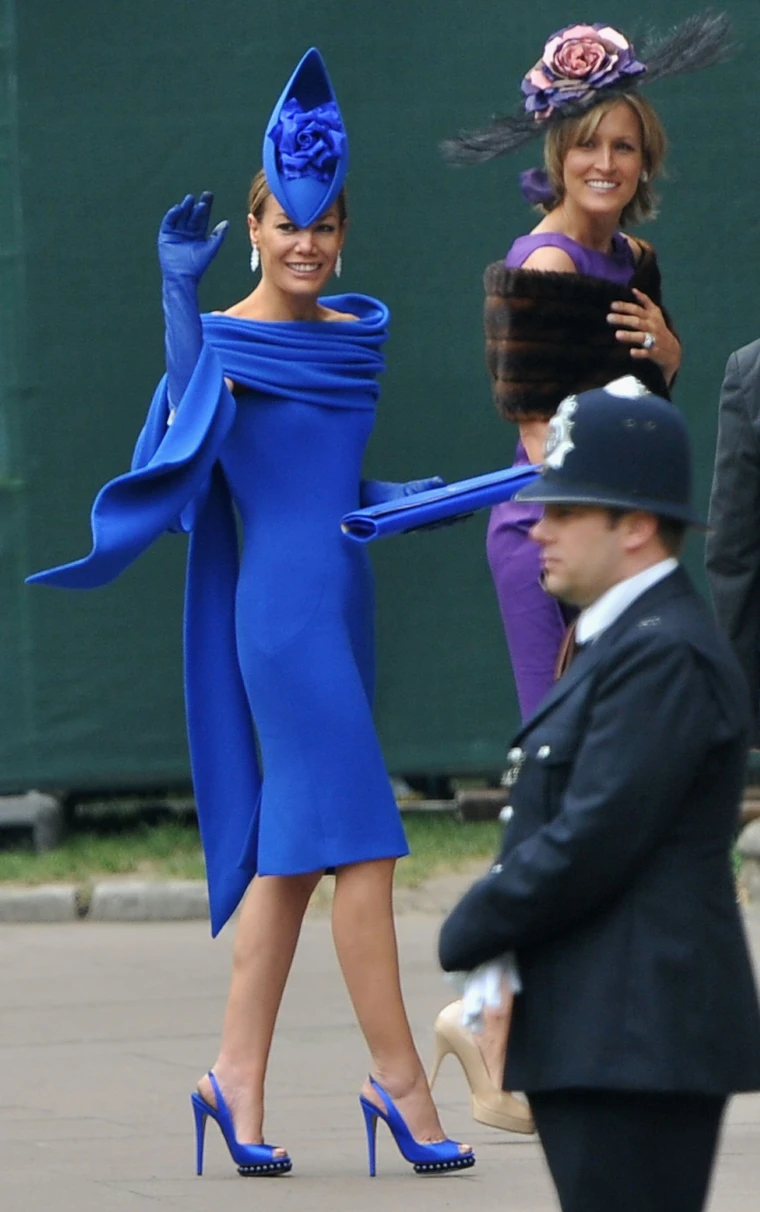
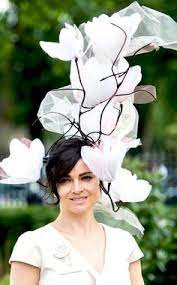
The purpose of a fascinator is not about function; fashion and style are the key points. Fascinators offer little or no protection from the elements as compared to other hats. They exist simply to be fabulous. They draw the eye, focus others’ attention and do so elegantly and with style. Fascinators exist simply to, well, fascinate.
Untethered by boring functions, these hats can soar and push boundaries. They can be stunningly complex or simply frivolous; diminutive or monumental in size. The appeal is broad. The Royals have taken a liking to them. Brides adore them. Socialites and celebrities have a keen interest in them.
It was named in the 1960s, re-emerged with heightened artistry in the late 70s, and today is worn by both royals and the fashion forward. It traces back through the centuries, perhaps to the moment in the 1770s when on a whim Marie Antoinette planted some feathers—ostrich and peacock—into her pomaded hair. It may go back further still, to the first female hominid who saw something beguiling—a fern frond, a butterfly wing—and stuck it on her head, well, fascinatingly.
Fascinators also allow an individual’s style to break traditional millinery boundaries. “They’re also just fun to wear,” Arturo states. “Each fascinator is a personal statement.”
A select gallery of current fascinators from Arturo Rios’ 2024-2025 Collection.
-

Coco: Noir
$ 650.00 -

Viviana
$ 575.00 -

Georgina
$ 520.00 -

Rhodes
$ 585.00 -

Maya
$ 585.00 -

Genesis
$ 575.00 -

Abigail
$ 575.00 -

Saphira
$ 585.00 -

Arleth
$ 520.00 -
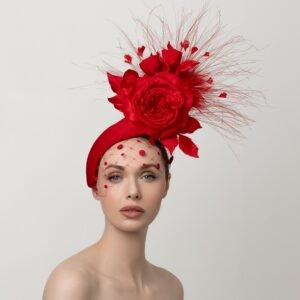
Aranza
$ 585.00 -
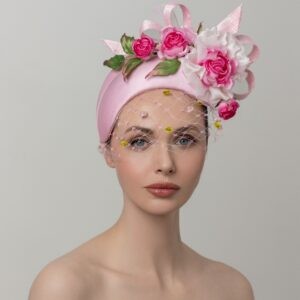
Adeline
$ 575.00 -
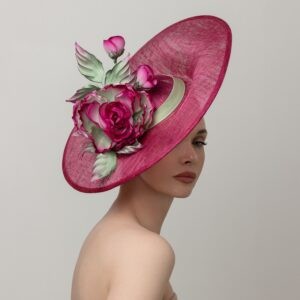
Nathalia
$ 590.00 -
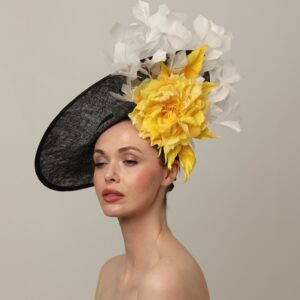
Mae
$ 640.00 -
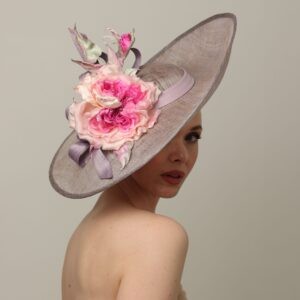
Dahlilah
$ 625.00 -
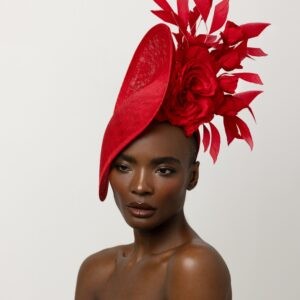
Ruby
$ 595.00 -

Elora
$ 620.00 -
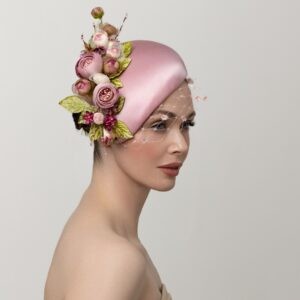
Nora
$ 569.00 -
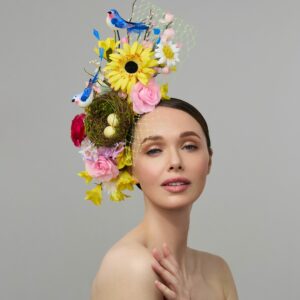
Robin
$ 490.00 -
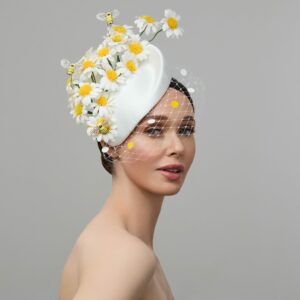
Daisy
$ 535.00 -
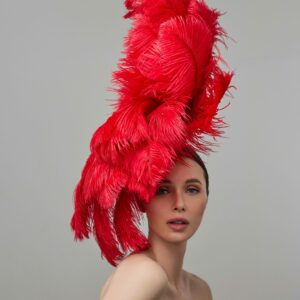
Sienna
$ 800.00 -
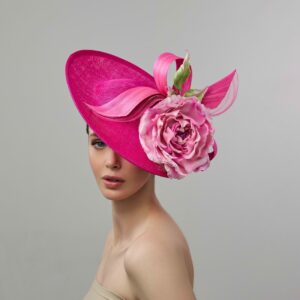
Fuchsia
$ 510.00 -
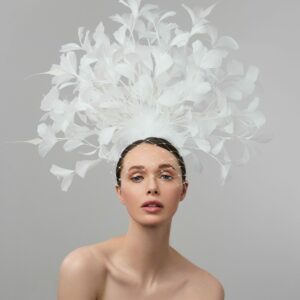
Angelina
$ 630.00 -
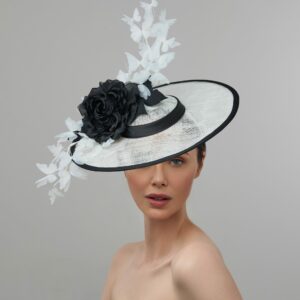
Mercedes
$ 530.00 -
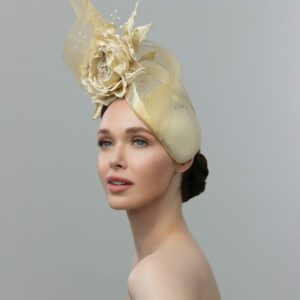
Paz
$ 520.00 -
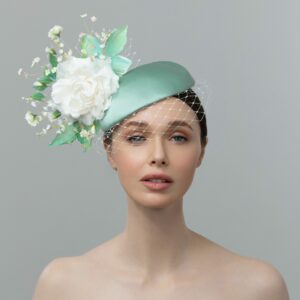
Sage
$ 498.00 -
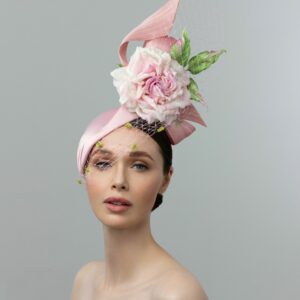
Bellerose
$ 520.00 -
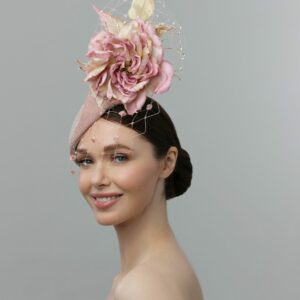
Rosie
$ 520.00 -
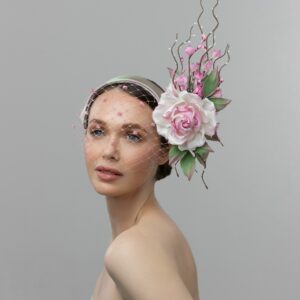
Arabella
$ 510.00 -
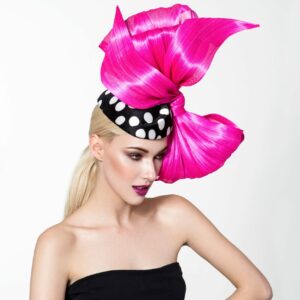
Lisa
$ 530.00 -
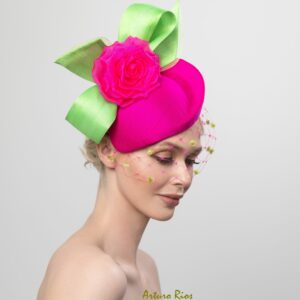
Alice
$ 498.00 -
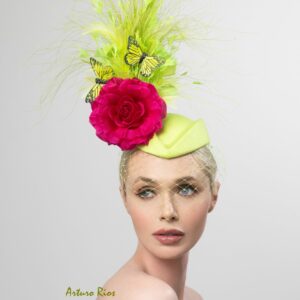
Eloise
$ 490.00 -
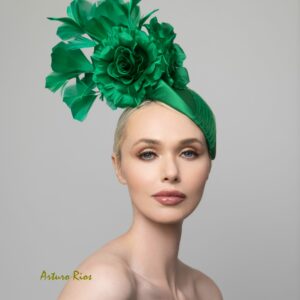
Emerald
$ 560.00 -
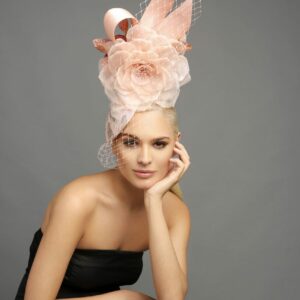
Iris
$ 560.00 -
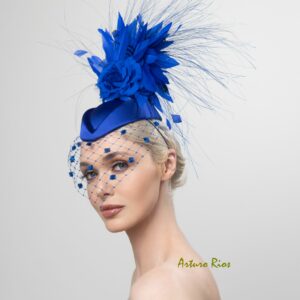
Raina
$ 490.00 -
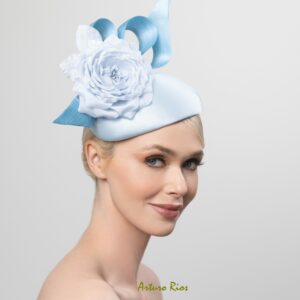
Cielo
$ 540.00 -
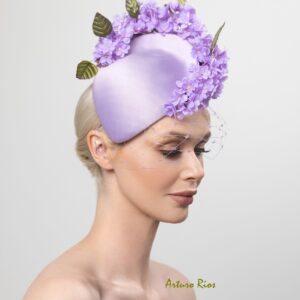
Melanie
$ 520.00 -
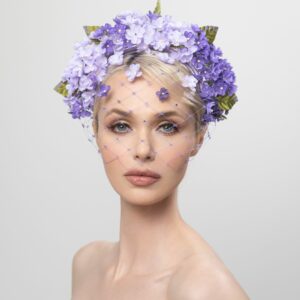
Lilac
$ 510.00 -
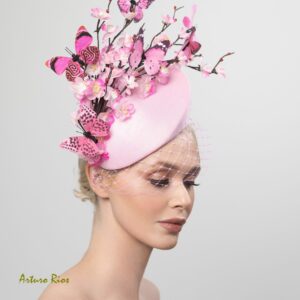
Bloom
$ 510.00 -
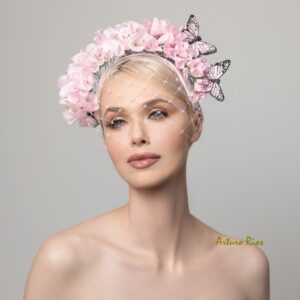
Foxglove
$ 490.00 -
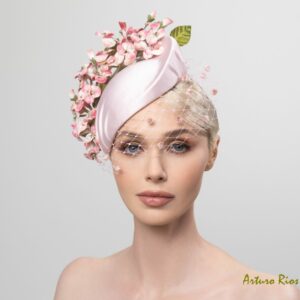
Leilani
$ 510.00 -
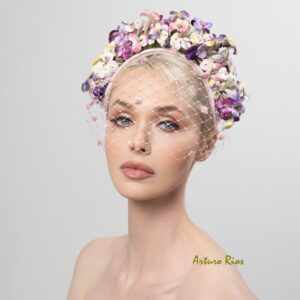
Pansy
$ 495.00 -
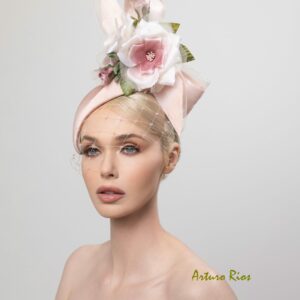
Valentina
$ 520.00 -
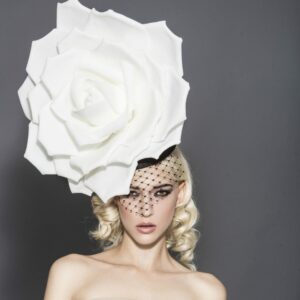
Rose
$ 560.00 -
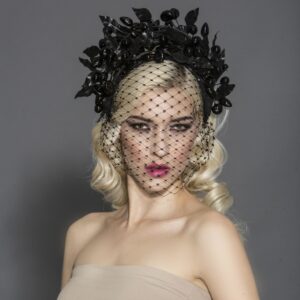
Roma
$ 560.00 -
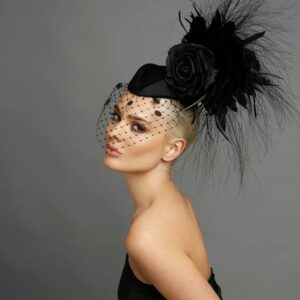
Milla
$ 530.00 -
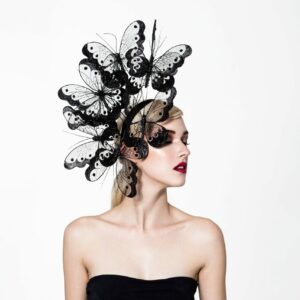
Hopi
$ 540.00 -
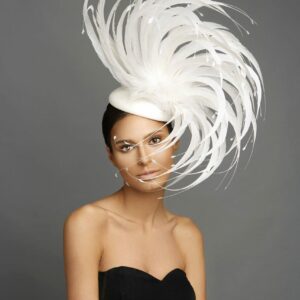
Coco: Ivory
$ 650.00 -
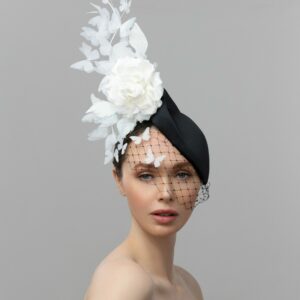
Daphne
$ 560.00 -
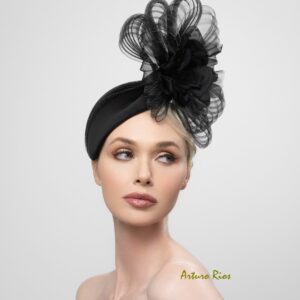
Cleo
$ 520.00
We think an educated client (never a "customer") is preferred. Arturo also believes in being generous with his knowkledge as others have been generous with theirs to him.
This article is part of our series that explores and celebrates different aspects of millinery. Arturo Rios has created new techniques, forms and modes of constructing the world's finest hats and he wants to share and open the discussion with you.
We welcome everyone to discover how millinery is expanding, changing and evolving. Let us know your thoughts!
Millinery has a long history. In this series of posts, we delve deeper into the specifics of each type of hat. Pillboxes, fascinator and derby hats are just the beginning. And Arturo wants to assist in your discovery!
Hat-making has it's own vocabulary; definitions, terms, slang. We're here to talk about the components that make great hats.
Arturo has a unique sense of flowers. He also uses his deep understanding of how colors work and how they influence us.