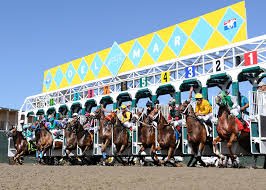
EVENTS: Breeders’ Cup, 2025

EVENTS: Breeders’ Cup, 2025

OCT 31 - NOV 02, Del Mar, California

Breeders' Cup 2025 Overview at Del Mar (Races, Hats, Tips)

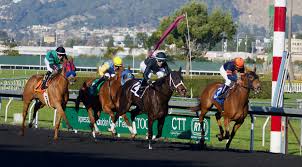
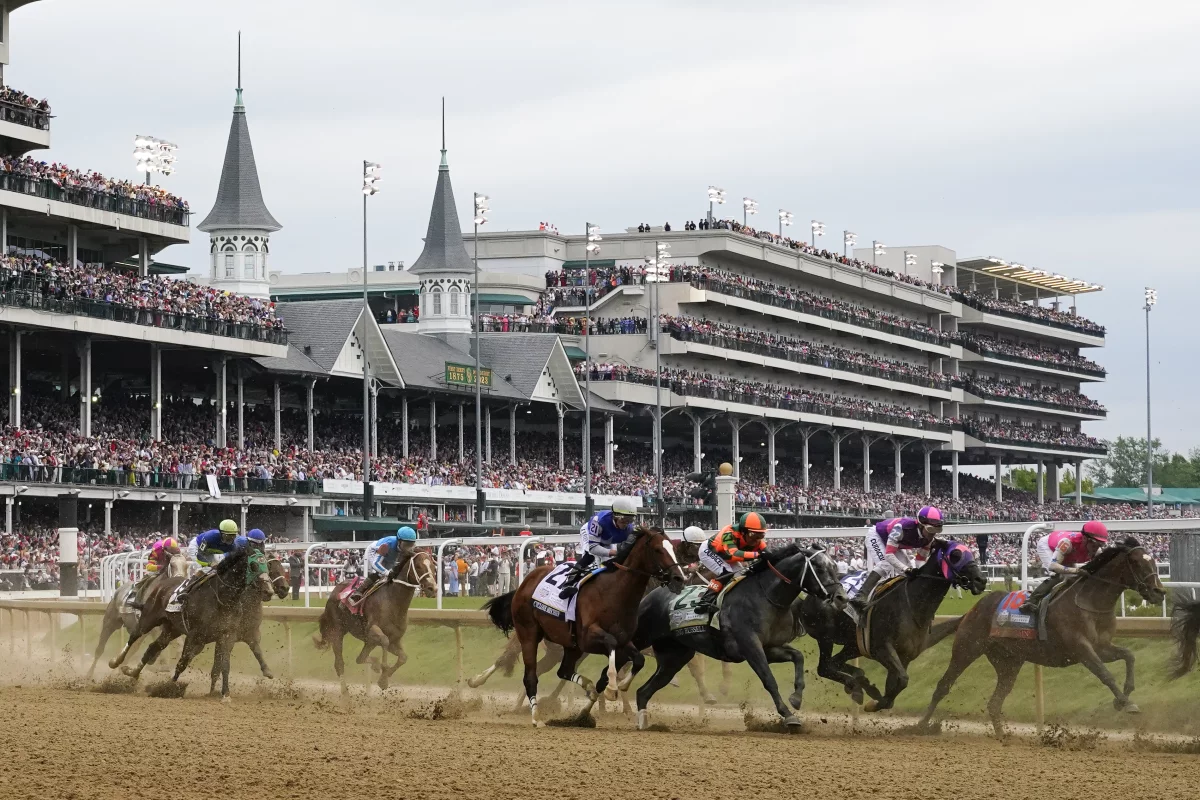
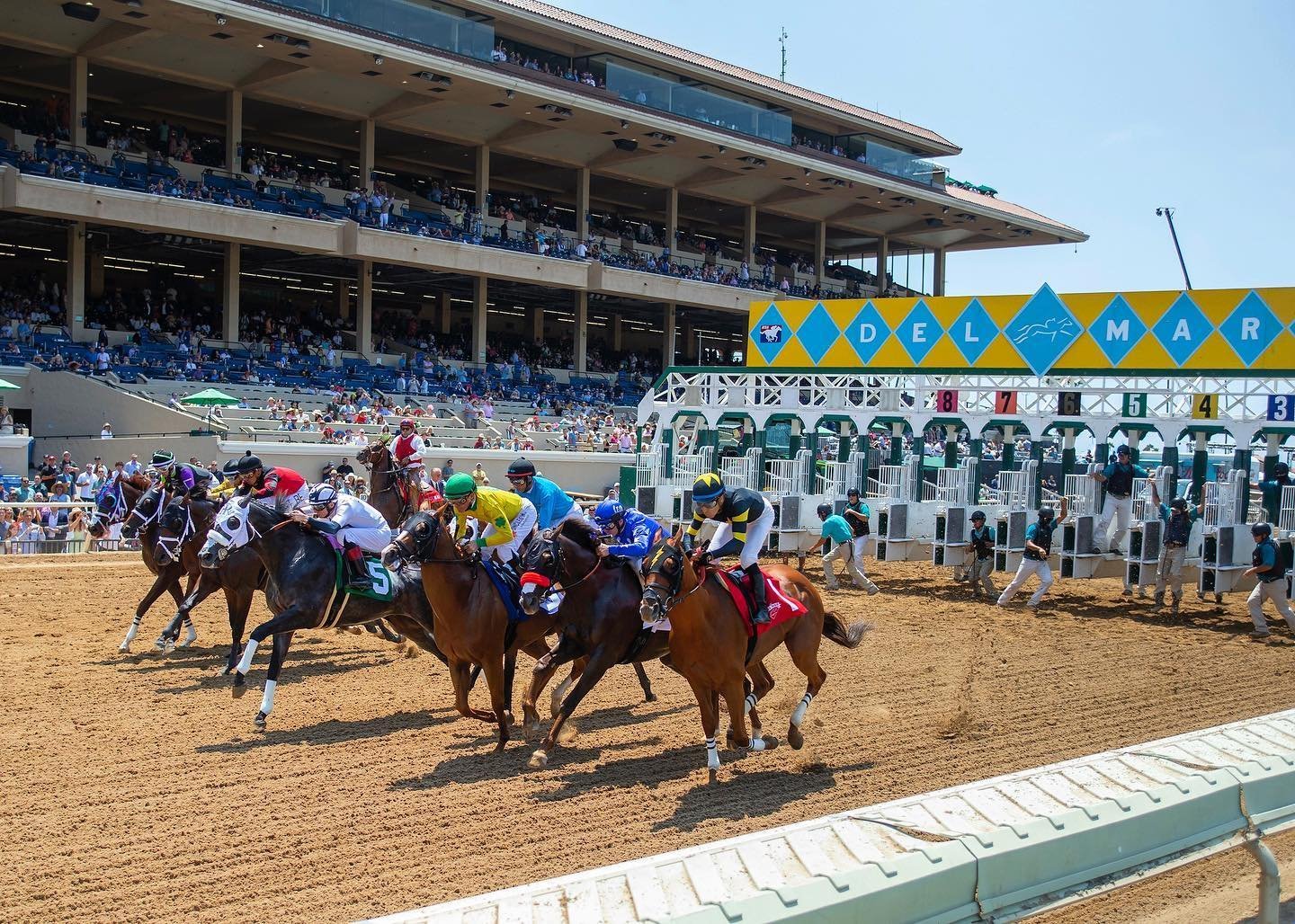
Hearts pound, hooves thunder, and style takes center stage. The Breeders' Cup 2025 lands at Del Mar Racetrack in California this November, the sport’s highest stage with champions from across the globe. It is two days packed with world-class racing, high stakes, and unforgettable moments.

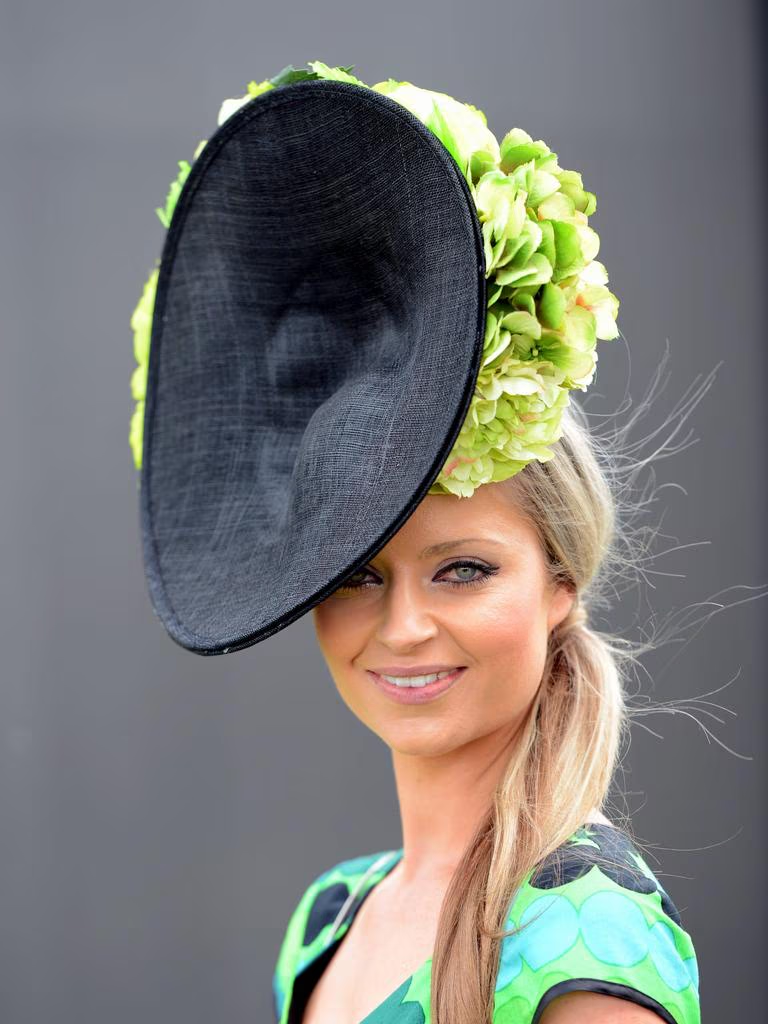
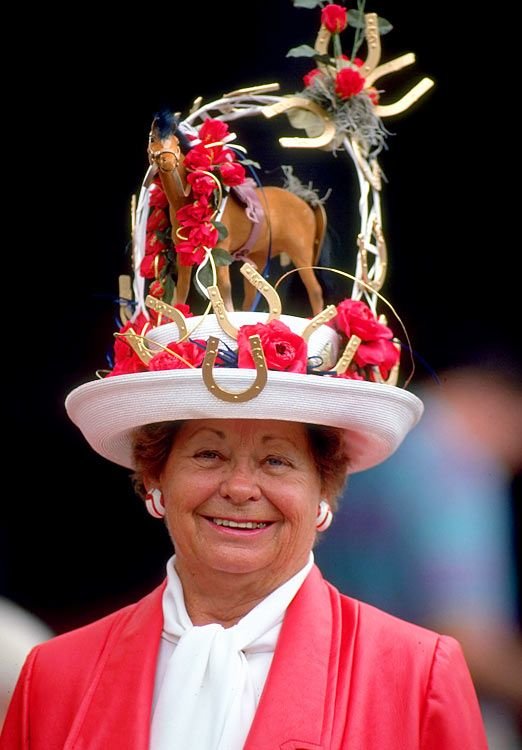
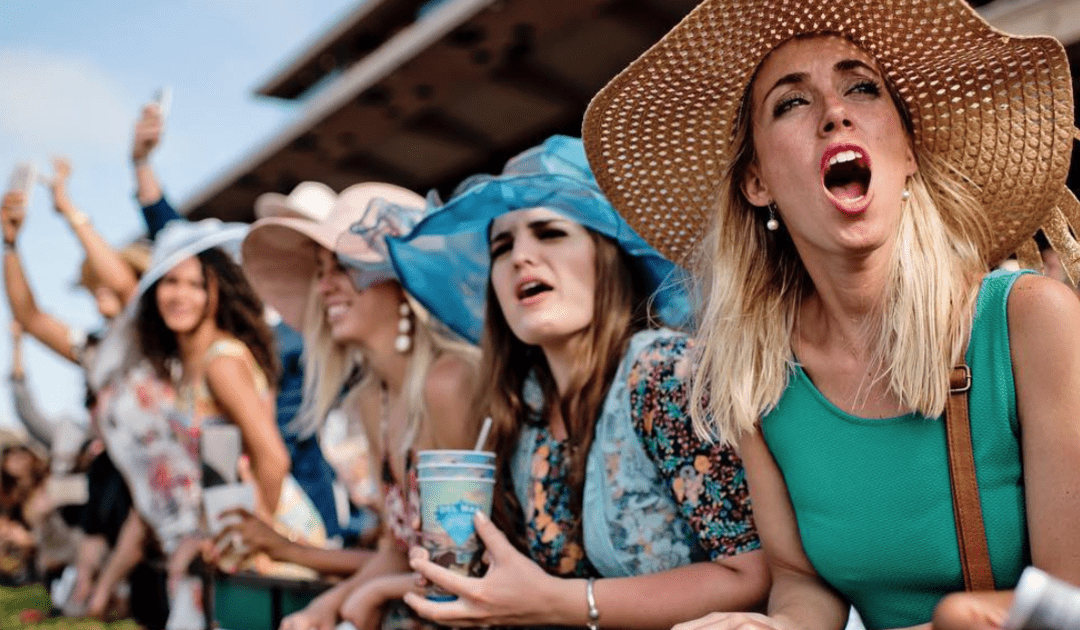
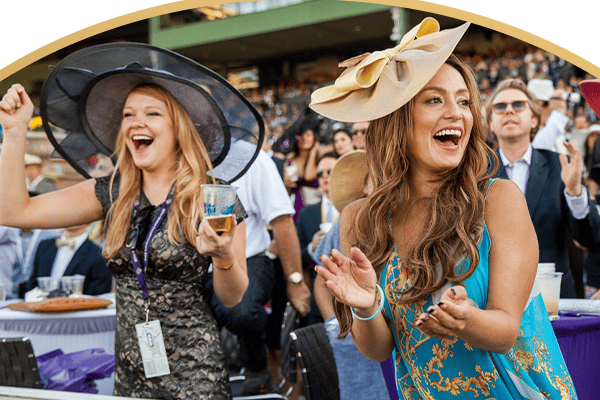
Big races call for bold fashion. Women plan their looks for weeks, because the right hat does more than match a dress. It sets the tone, frames your face, and gives you that poised, photo-ready glow. You walk taller, you feel sure of yourself, and yes, you turn heads.

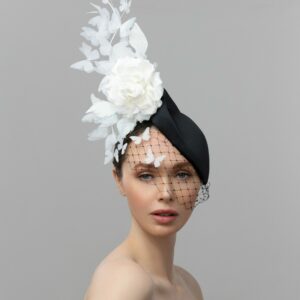
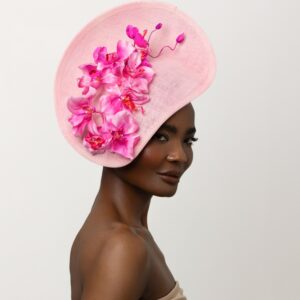
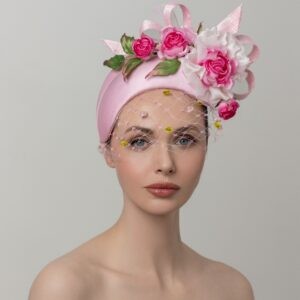
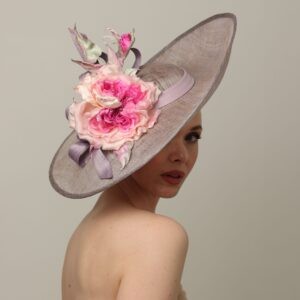
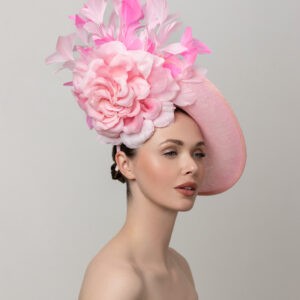
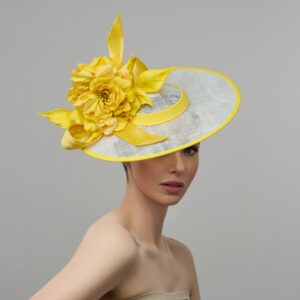
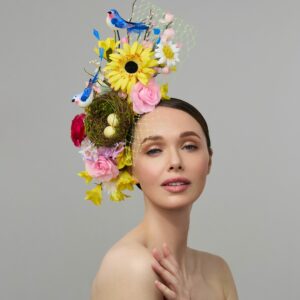
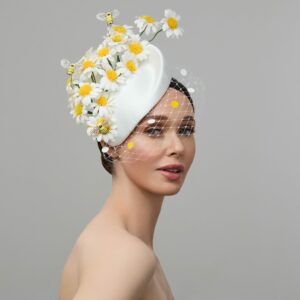
Arturo Rios designs make your hat stand out from every angle. Clean lines, rich textures, and smart details make each hat stand out in the crowd. They stay comfortable from paddock to champagne toast.
Top Races to Watch and Bet On

These races anchor the weekend and deliver non-stop drama. If you are new to betting, start small and enjoy the ride.

Classic, $6 million: The headline race. Elite older horses line up at 1 1/4 miles on dirt. It crowns the season’s best. See the official race profile for the 2025 Classic.

Distaff: Top fillies and mares at 1 1/8 miles on dirt. It is pure class and often the day’s most tactical race. Learn the basics with this overview of the Breeders' Cup Distaff.

Turf and Mile (on turf): International stars thrive here. Expect quick turns, late kicks, and photo finishes.

Venue Vibes at Del Mar Racetrack

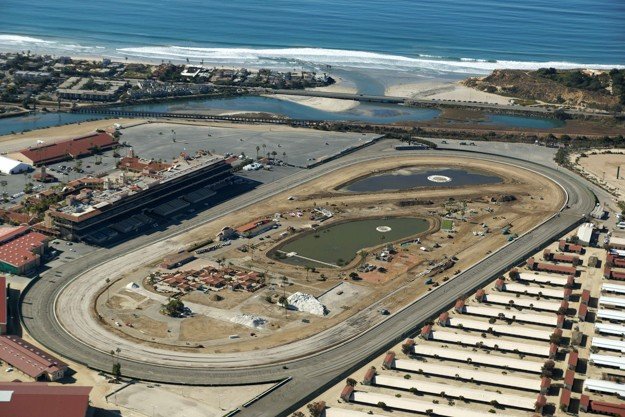
Del Mar sets a mood you feel in your bones. The blue Pacific on one side, sun-warmed grandstands on the other, and a soft ocean breeze that keeps the day light and bright. The track glows in the afternoon, and the crowd hums with energy. You hear live music between races, then cheers rise as the gates open. Food stalls tempt you with fresh citrus, grilled shrimp, and classic California flavors.

Women lean into polished, sunny looks. Wide-brim hats protect from glare and photograph beautifully. Flowing dresses, clean lines, and soft pastels suit the setting. Arturo Rios designs match the scene with sculpted shapes, rich textures, and balanced proportions that flatter in sunlight. Slip on a structured brim or a feathered crown, then step into the paddock walk feeling camera-ready. The right hat completes the day’s story, from first post to last toast.

Why Arturo Rios Hats Are Perfect for Breeder's Cup

Arturo Rios designs with race day in mind. He is a skilled artisan in Los Angeles with over 20 years of millinery experience. His hats use quality sinamay and felt, so they are light, secure, and built to last. The look blends classic track style with a fresh, modern twist, which fits Del Mar’s bright, coastal mood. Prices often range from $350 to $500+, which makes them a smart buy you can wear again to weddings, garden parties, and holiday events. Browse his current collection on the official Arturo Rios site.

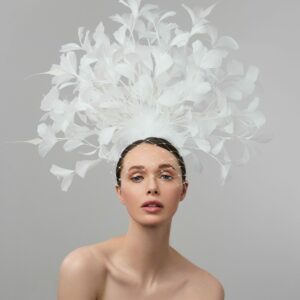
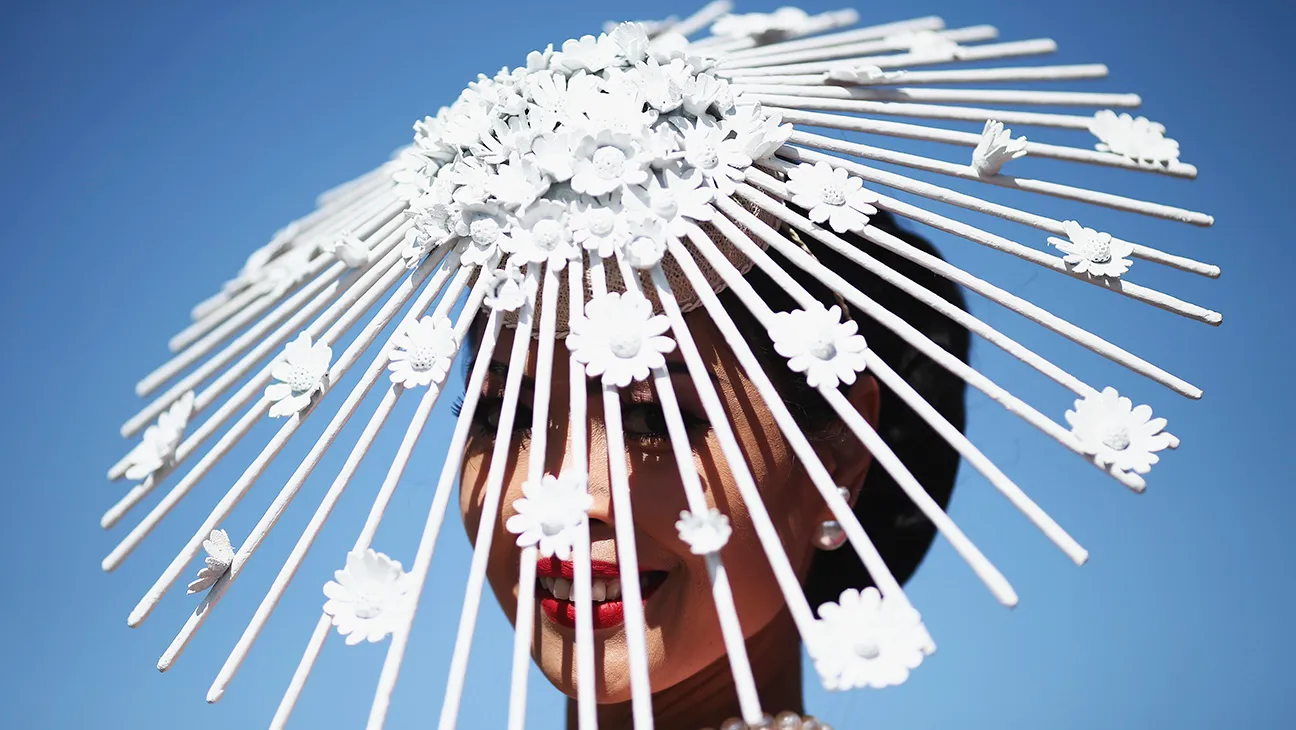
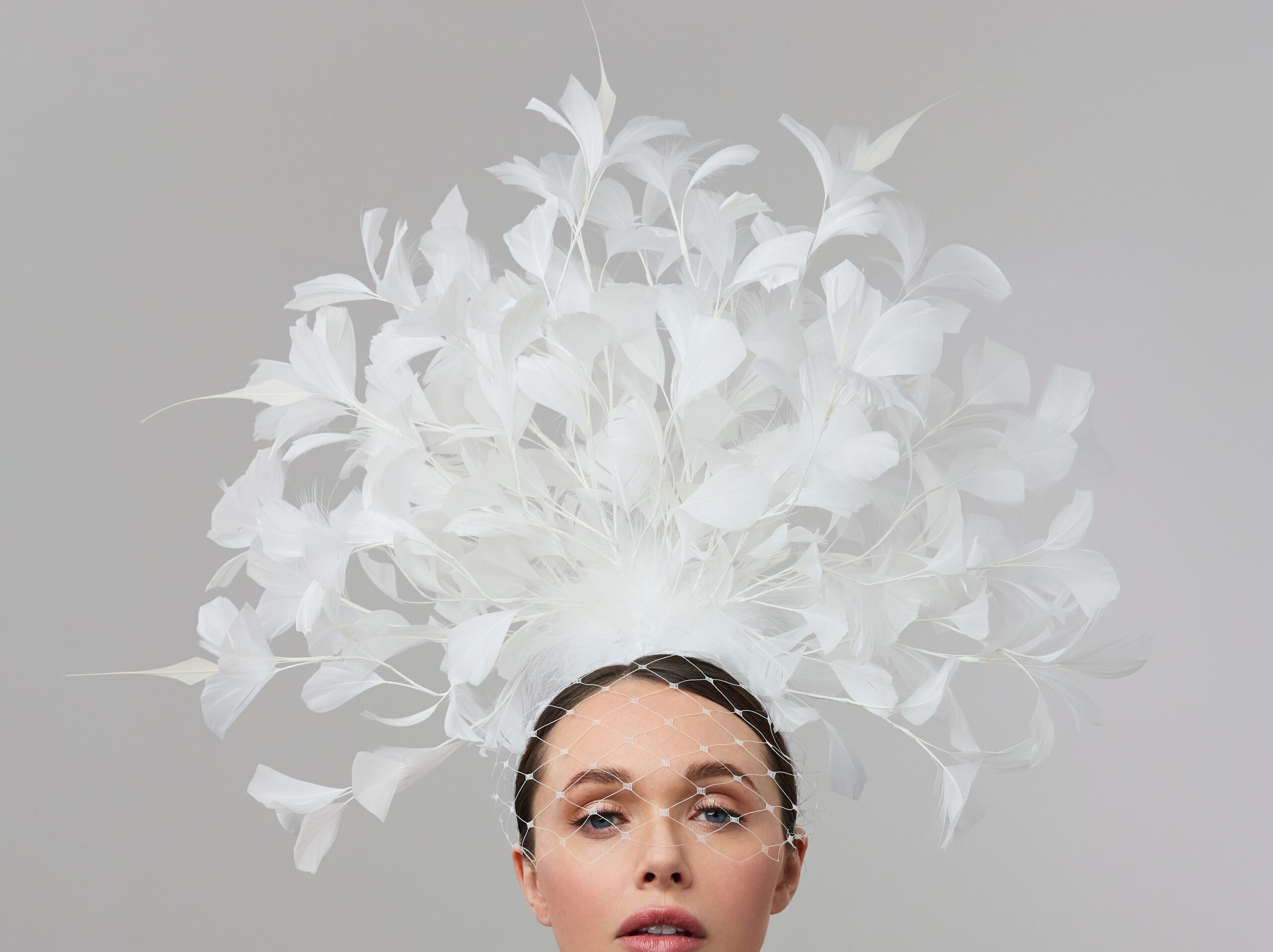
Fascinators for a chic touch: These are light and easy to wear, often in sinamay with sculpted loops, quills, or feathers. They shine with tailored dresses and jumpsuits. A teardrop base slims round faces, while asymmetrical designs balance soft jawlines. Choose earth tones like chestnut, sand, and onyx for a thoroughbred-inspired palette, or go bold with race-day reds that pop against prints.

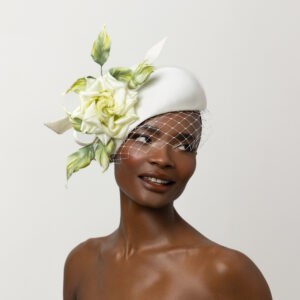
Wide-brim hats for shade and drama: A wide brim frames the face and gives you instant polish in bright Del Mar light. Medium brims flatter petite frames, while fuller brims balance broader shoulders. Crisp angles and clean crowns add height. Felt brims feel plush in cooler temps, while sinamay stays breezy if the sun is out. Pair a navy or stone brim with a floral dress for a timeless track look.

Pillbox styles for pure elegance: Sleek and structured, the pillbox is perfect if you love a vintage nod. It sits high, keeps hair neat, and photographs beautifully from every angle. It suits oval and heart-shaped faces, and it pairs well with sheath dresses and pearls. Think soft blush, dove gray, or inky black with a feather accent for movement.

A common theme you will hear from wearers is comfort. Customers share how a Rios headband holds steady without pressure, even after eight hours at the track. One buyer loved how her feathered fascinator stayed put during a breezy paddock walk and still felt weightless during the walk to the winner’s circle. That is the difference a well-balanced piece makes.

How to Choose and Care for Your Rios Hat

Pick with purpose so your hat looks right and feels great all day.

Match the event look: For a sleek dress, try a sculpted fascinator. For a flowing midi, go wide brim. If your outfit is bold, choose a simple crown. If your dress is simple, let the hat carry the moment with color or height.

Plan for weather: Sinamay breathes in sun and looks crisp in photos. Felt adds structure and warmth if the breeze picks up. Choose a brim that gives shade without blocking your view.

Add a personal touch: Rios offers custom details like feathers, veiling, and color tweaks. Ask for a trim that mirrors your dress tone or a splash of red to echo your lipstick. You get a one-of-one look without a long lead time.

Care is simple, which protects your investment and keeps the shape sharp!

Spot clean with a soft cloth. Avoid soaking the material.

Hold by the brim, not the crown, to prevent warping.

Store in a hat box with tissue around the trim. Keep it cool, dry, and out of direct sun.

Travel with a structured box in a tote or carry-on so it arrives photo ready.

An Arturo Rios hat is more than a race-day add-on. It is an easy win for comfort, confidence, and photos you will love. Shop ready-to-wear pieces or request a custom touch on the Arturo Rios Etsy shop. Wear it to the Breeders’ Cup, then bring it back out for your next big day.
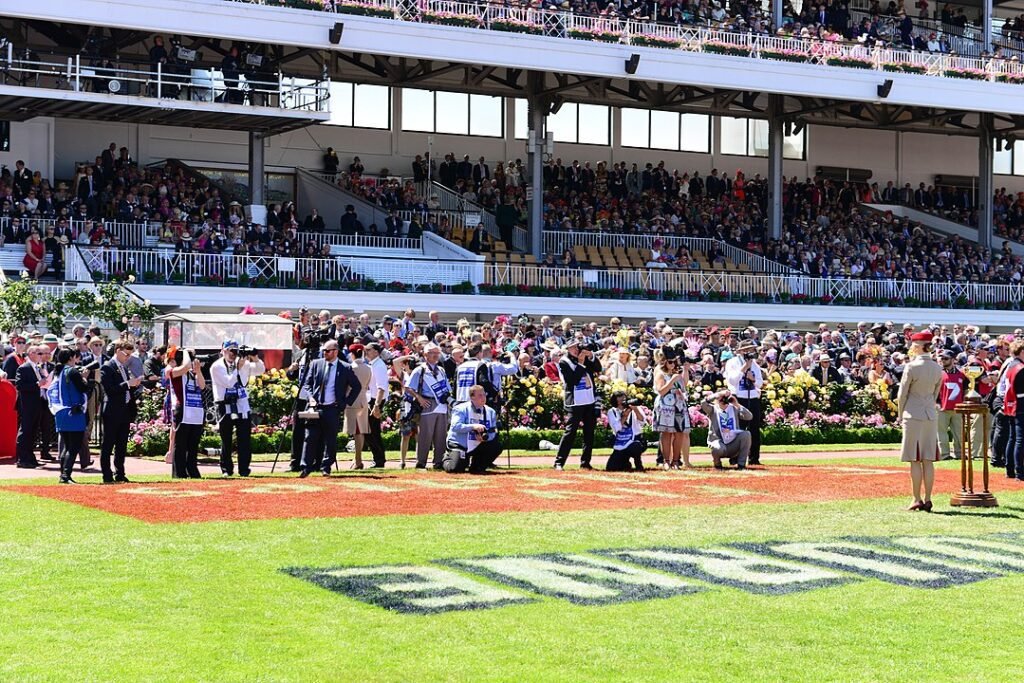
EVENTS: The Melbourne Cup

EVENTS: The Melbourne Cup

Arturo's hats have been featured prominently at the Mebourne Cup.

He notes that "for many women attending for the first time, black and white hats are de rigeur."

Arturo Rios offers many custom hats for this occassion, including some "Best Of" winners!

We are currently working on several bespoke hats for this date. We can accept new orders.

These will require expedited manufacture and shipping in addition to the hat's published cost. We can advise of total cost before purchase.

Let us know your interest and we would be happy to accommodate.

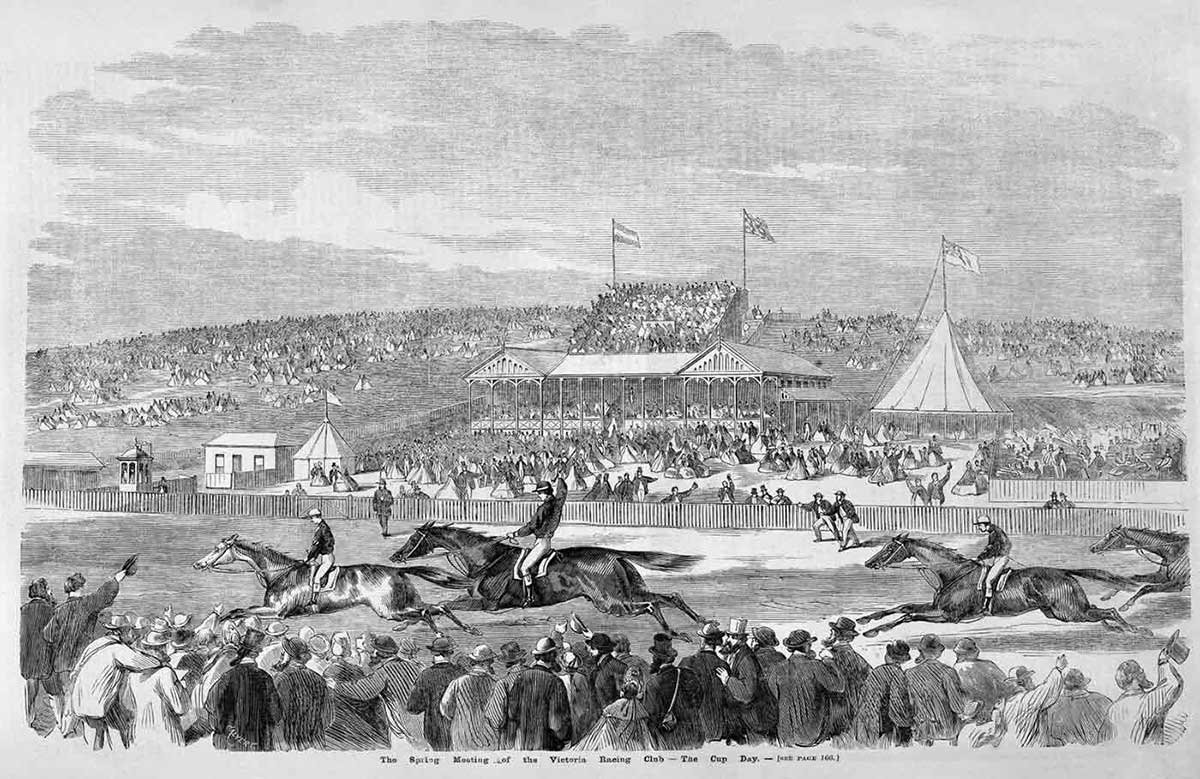
When the Melbourne Cup was first run in 1861, there were two organising committees controlling horse racing in Victoria, the Victorian Turf Club (1852) and the Victorian Jockeys Club (1857).

The Melbourne Cup was introduced in 1861 by the Victorian Turf Club to trump the success of Victorian Jockey Club races such as the Two Thousand Guineas.

As a handicap race, the Melbourne Cup introduced a level of speculation that he club hoped would attract more entries, and therefore higher prize money. The two competing organisations disbanded in 1864, before merging to form the Victorian Racing Club, which has controlled racing in Victoria and the Melbourne Cup ever since.

Although the Melbourne Cup today is well-known in Australia for being run on the first Tuesday in November, this hasn’t always been the case. The 1866 Melbourne Cup race was run on a Thursday, and in 1867 the Cup was run in October. It wasn’t until 1875 that the race was run on the first Tuesday of November.

Although the three-handled loving cup is widely recognised as the traditional cup design, this has only been the case since 1919. Before then the cups came in a variety of styles, with each year having a completely original design. Some years no trophy was presented at all. In fact, for the first few decades of the race, it was more common for no trophy to be awarded.

Prize money and ‘a monstrosity’

The winner of the 1861 Melbourne Cup was awarded a gold watch, and for the next two years a cash purse was the major prize. A trophy was first awarded in 1865.

The owner of the winning horse Tory Boy, Mr Marshall, is claimed to have described the English-made trophy as a monstrosity. He immediately sold it to the Flemington Hunt Club, which rebranded it as the trophy for its annual cup.

This trophy therefore is now inscribed as the Flemington Hunt Club Cup awarded to the 1873 winner, Babbler. This trophy was sold in the 1970s by Christies and is now owned by wine merchant Wolf Blass.

UPDATED: 2025-2026 Racing Schedule

UPDATED: 2025-2026 Racing Schedule

This season's races are going to one of the biggest celebrations around.

We're excited to let you look your best (and win a few awards yourself). Each race has a distinct feel and we've captured those with a wide variety of derby hats, fascinators and choice of elegant, fun and even formal pieces.

International Race Schedule

2025 Feb 22 Saudi Cup King Abdulaziz Racetrack, Riyadh, Saudi Arabia
2025 Mar 14 Cheltenham Gold Cup Cheltenham racecourse, Evesham Road, Cheltenham
2025 Apr 5 Dubai World Cup Meydan Racecourse, Dubai, UAE
2025 Apr 5 Grand National Aintree Racecourse in Liverpool
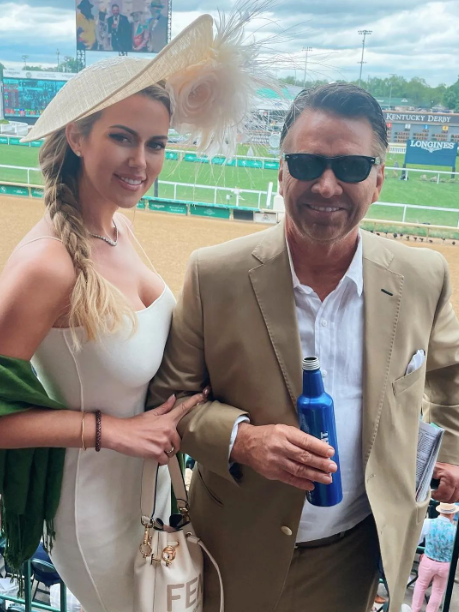
2025 May 3 Kentucky Derby Louisville, Kentucky, US
2025 May 17 Preakness Stakes Pimlico Race Course in Baltimore, Maryland, USA
2025 June 7 Belmont Stakes Saratoga Race Course, New York, USA
2025 June 6 Epsom Derby Epsom Downs Racecourse, Surrey, England
2025 June 20 Royal Ascot Gold Cup Ascot Racecourse, Berkshire, England
2025 Oct 5 Prix de l'Arc de Triomphe Longchamp Racecourse; Paris, France
2025 Oct 18 The Everest Randwick Racecourse, Sydney, Australia
2025 Nov 1 Breeders Cup Del Mar, San Diego, USA
2025 Nov 4 Melbourne Cup Flemington Racecourse, Victoria, Australia
2026 Feb ? Saudi Cup King Abdulaziz Racetrack, Riyadh, Saudi Arabia
2026 Mar ? Cheltenham Gold Cup Cheltenham racecourse, Evesham Road, Cheltenham
2026 Mar ? Dubai World Cup Meydan Racecourse, Dubai, UAE
2026 Apr ? Grand National Aintree Racecourse in Liverpool
2026 May ? Kentucky Derby Louisville, Kentucky, US
2026 May 16 Preakness Stakes Pimlico Race Course in Baltimore, Maryland, USA
2026 June ? Belmont Stakes Saratoga Race Course, New York‎, USA
2026 June ? Epsom Derby Epsom Downs Racecourse, Surrey, England
2026 June ? Royal Ascot Gold Cup Ascot Racecourse, Berkshire, England
2026 Oct ? Prix de l'Arc de Triomphe Longchamp Racecourse; Paris, France
2026 Oct ? The Everest Randwick Racecourse, Sydney, Australia
2026 Nov ? Breeders Cup Del Mar, San Diego, USA
2026 Nov 3 Melbourne Cup Flemington Racecourse, Victoria, Australia

courtesy of TopEndSports.com

Previous Derby Events

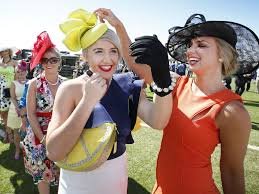
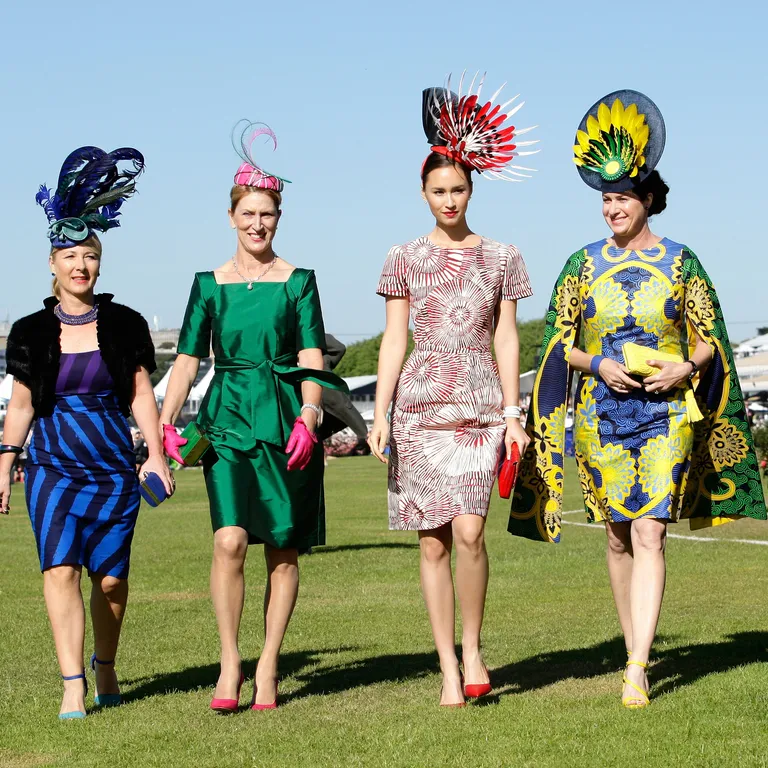
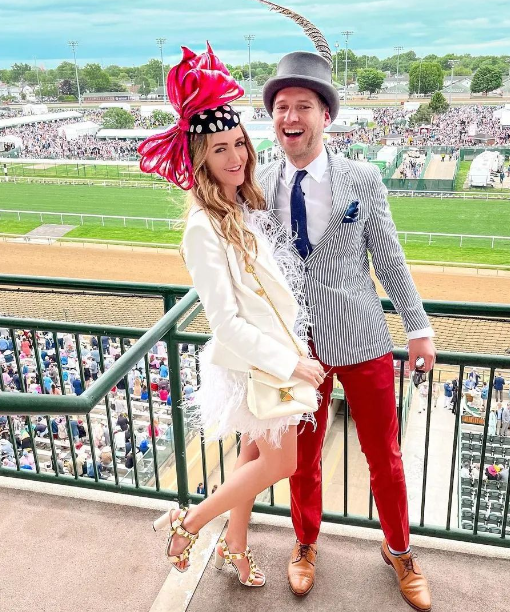
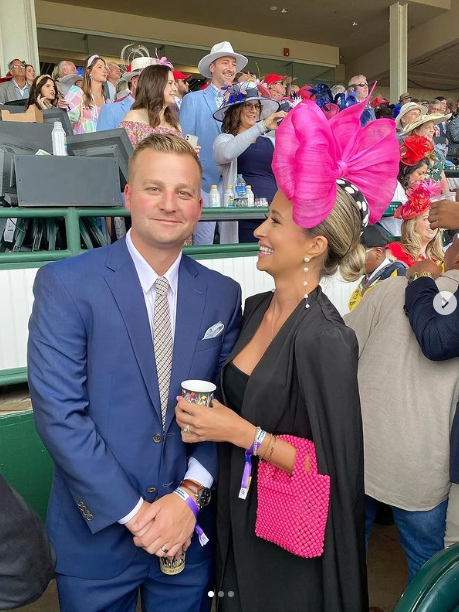
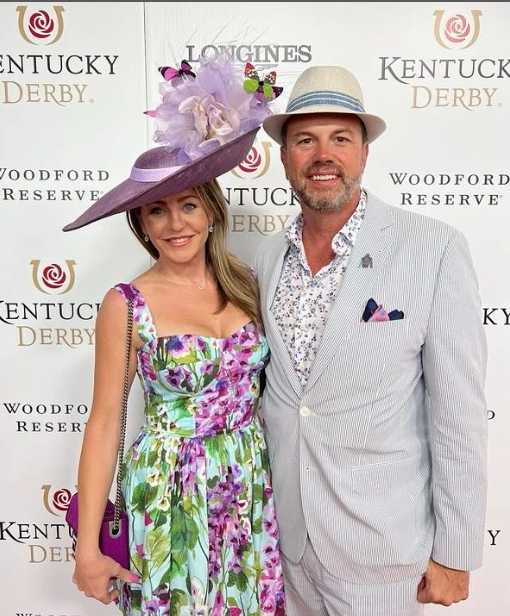
We love helping our clients look their best at all races. Here are a few pics of previous clients at racing events.

NPR: Inside the Glitz and Glamor of the Kentucky Derby

NPR: Inside the Glitz and Glamor of the Kentucky Derby

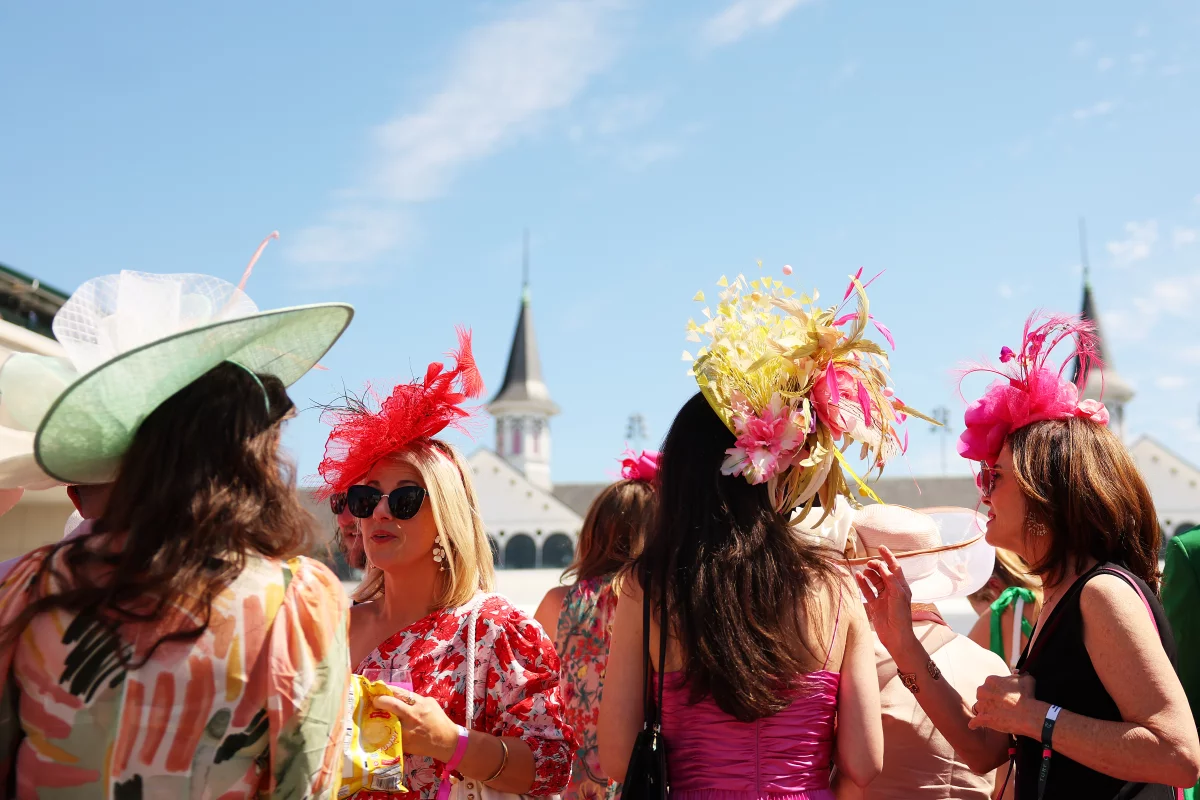
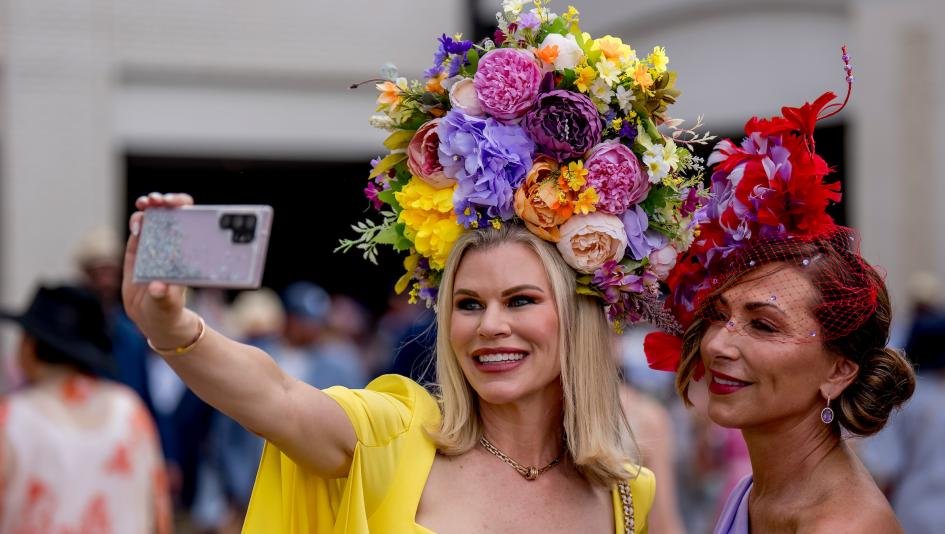
Derby hat trends don't change much, but this year, hats in shades of green or yellow are particularly popular, Carroll said. And during the past decade, visitors have gravitated to fascinators, which are headbands with some kind of embellishment, she added.

Amy Lawyer, the chairperson of equine administration at the University of Louisville's business school, said some will try to wear the biggest hat possible, but lots of guests prefer something more functional.

"The fascinators are always popular because they tend to not catch in the wind as much," Lawyer said. "They don't bump into people, and they can ride over in the car a little bit easier."

Customers are also going back to the Derby's roots by choosing a vintage style of hat, which is characterized by a bigger and floppier silhouette, and lots of flowers and feathers, Carroll said.

The first Kentucky Derby took place in 1875, and hats became a mainstay relatively early, around 1900. They were used to signify status, and over the decades have been accompanied by bodices, corsets, Flapper skirts, gloves and jumpsuits, according to the Derby website. 

Betting

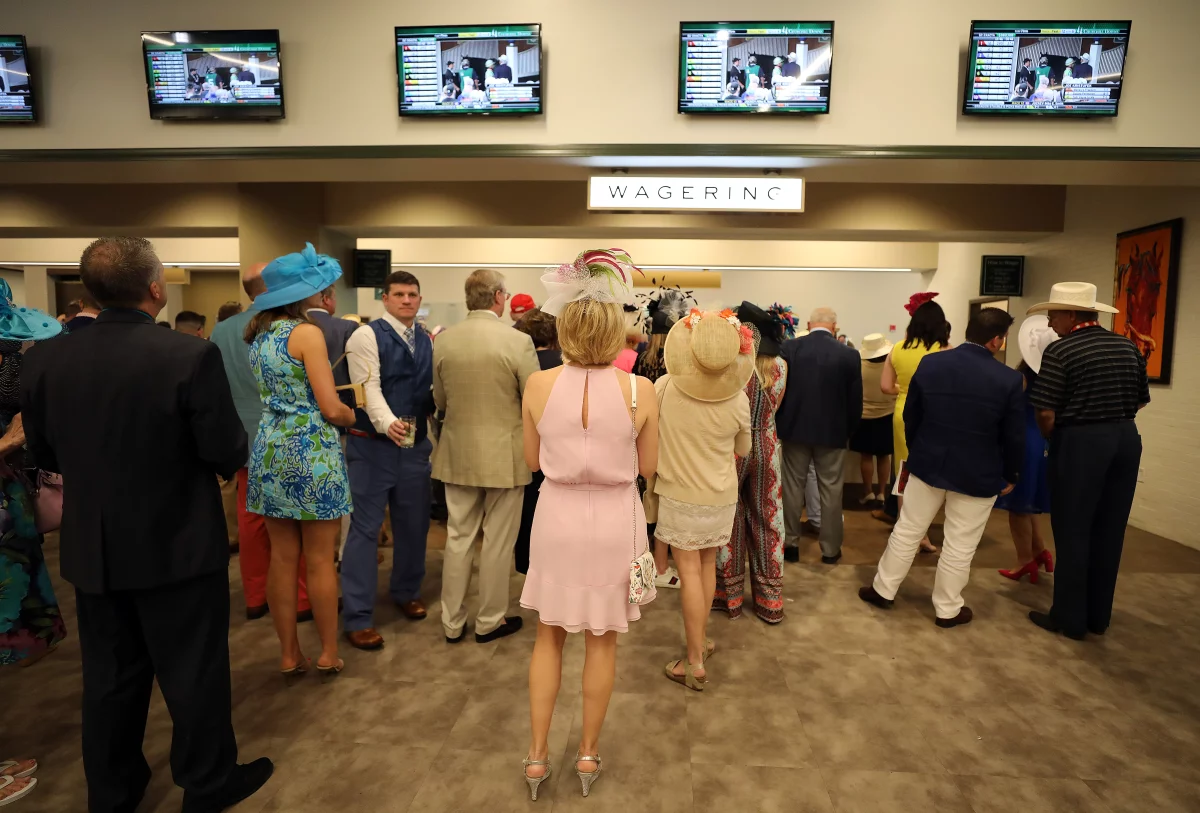
There are betting windows everywhere. Lawyer said the Derby makes betting as accessible as possible, from a betting app, to signs instructing you on how to place a bet using the proper terminology, to the demeanor of the Churchill Downs employees.

"The people at the betting window will be very patient with you, because they want to make sure that you feel comfortable and you'll come back and bet again," she said.

But easy access makes for a bit of chaos.

"The people in line behind you might be the people that get a little impatient, so it's kind of recommended that you study the program before you get to the betting window, and you know which horses you're going to pick when you get up there," Lawyer said.

There are a couple restrictions, though.

In Kentucky, you have to be at least 18 to gamble, and at the Downs, you have to bet a minimum of $2.

There is no ceiling — but there are special windows for the high rollers.

The horses

About 20,000 thoroughbred foals are born in North America each year, Lawyer said. Breeders with hopes of getting their horse to the Derby have one shot — only 3-year-olds can compete. Their chances slim down even more because only 20 horses will take off from the starting line at Churchill Downs.

Before then, the horses must make it through year-round trials. This year's qualifying races took place across the world, including in the U.S., Japan, Ireland, France, England and the United Arab Emirates.

"There's a lot of people that have connections and memories with each one of those horses, and I think it's always important to kind of remind people it's not just a horse to these people," Lawyer said. "It's their passion, it's their livelihood. It's their hopes and dreams kind of all wrapped up in this."

Once the crème de la crème of the horses gets to the Derby, they are flanked by a new crew, adoring fans, eager gamblers and photographers.

For many of the colts, the Derby is the most horses they've raced against, the most people they've been around and the longest distance they've raced — 1 1/4 miles — Lawyer said.

"That's not necessarily a natural thing for a horse to deal with," she said. "So it's a lot of new experiences that the horse is going through, and it makes it really exciting and really unpredictable."

The facilities

On the horizon of the Churchill Downs are two white steeples — the Twin Spires.

They didn't pop up until 1895, 20 years after Churchill Downs opened its doors. They were constructed by 24-year-old Joseph Dominic Baldez, who was instructed to give the facility more pizazz.

Once visitors reach the Downs, there is a statue of Hall of Fame jockey Pat Day, who has separately won the Derby once, Preakness five times and Belmont twice. (A horse and jockey must win all three races in the same year to be deemed a Triple Crown winner.)

There are also statues of Aristides, the first horse to win the Derby, ridden by Oliver Lewis, and jockey Edgar Prado and Barbaro, who won the Derby in 2006.

"The Derby Museum is also a really special place, and if somebody hasn't been to Louisville before and doesn't know a lot about the Derby, or even if they do, it's just a really great museum," Lawyer said. "They do a fabulous job."

Additionally, seating was recently built at the first turn of the track. It's where photographers get their "money shot" – the horses and jockeys coming around the bend, with the crowd roaring in the background and the Twin Spires above their heads.

Opening Day: Del Mar

Opening Day: Del Mar

Opening Day

The season at Del Mar runs from July 20 - Sept 8 & Oct 31 - Dec 1, 2024. One of the largest draws each year for the Del Mar racetrack has become Opening Day with its Hats Contest and multiple parties

This year's categories are: Best Racing Theme, Most Glamorous, Best Fascinator, and Best Flowers.

Showing 1–8 of 22 resultsSorted by latest

History

After opening of the Santa Anita Park racetrack in Arcadia, California on Christmas Day 1934, William A. Quigley, a resident of La Jolla, formed the idea of starting a racetrack on the Del Mar Fairgrounds. He pitched this to Bing Crosby, and they founded the Del Mar turf Club on May 6, 1936. Bing Crosby was at the gate to personally greet the fans. On August 12, 1938, the Del Mar Thoroughbred Club hosted a $25,000 winner-take-all match race between Charles S. Howard's Seabiscuit and the Binglin Stable's colt, Ligaroti. In an era when horse racing ranked second in popularity with Americans to Major League Baseball, the match race was the first nationwide broadcast of a Thoroughbred race by NBC radio.In the race, Seabiscuit was ridden by jockey George Woolf and Ligaroti by Noel Richardson. In front of a record crowd that helped make Del Mar race track a success, Seabiscuit won by a nose.

By 1940, Del Mar became a summer playground for many Hollywood stars. Between 1942 and 1944, the facility was closed due to the Second World War. Initially, the grounds were used for training by the United States Marine Corps, then as a manufacturing site for parts to B-17 bombers.

The first Bing Crosby Stakes was held at Del Mar in 1946 and that same year the Santa Fe Railroad began offering a racetrack special bringing spectators, bettors, and horses to Del Mar from Los Angeles. Throughout the late 1940s and 1950s, the track became the Saratoga of the West for summer racing. The track had large purses for many stakes, many of which were won by the famous jockey Bill Shoemaker.

Throughout the 1960s and 1970s, Del Mar was one of the premier racetracks in the country. The track attempted to run a fall meet in the 1960s but later canceled it after lackluster results. This allowed for the creation of the Oak Tree Racing Association at the Santa Anita race track.