
The Historical Importance of the Veil
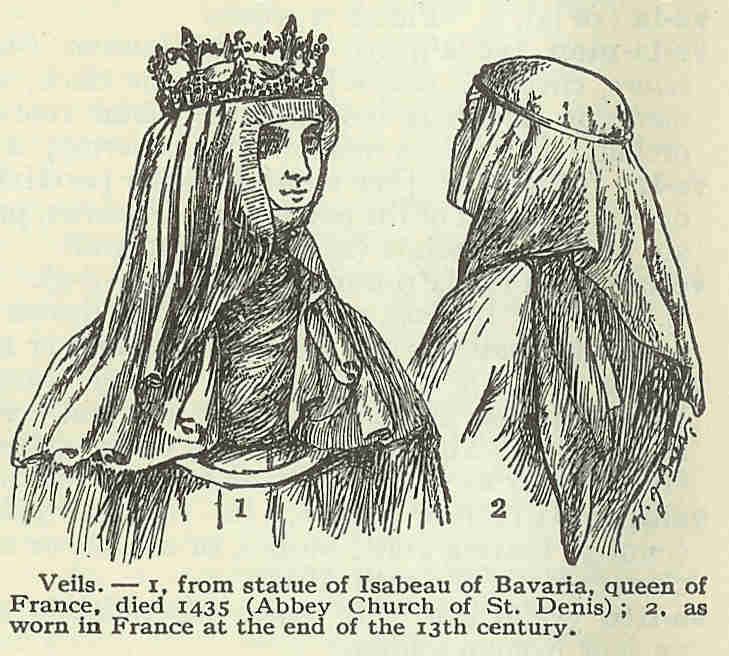
For centuries, European women have worn sheer veils, but only under certain circumstances.
Sometimes a veil of this type was draped over and pinned to the bonnet or hat of a woman in mourning, especially at the funeral and during the subsequent period of "high mourning". They would also have been used, as an alternative to a mask, as a simple method of hiding the identity of a woman who was traveling to meet a lover, or doing anything she did not want other people to find out about. More pragmatically, veils were also sometimes worn to protect the complexion from sun and wind damage (when untanned skin was fashionable), or to keep dust out of a woman's face, much as the keffiyeh (worn by men) is used today.
The practice of veiling is especially associated with women and sacred objects, though in some cultures, it is men, rather than women, who are expected to wear a veil. Besides its enduring religious significance, veiling continues to play a role in some modern secular contexts, such as wedding customs.
Gallery
A partial gallery of Arturo's most recent hats featuring veils:










Modern Veils
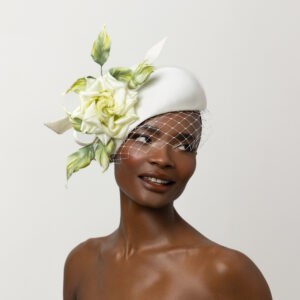
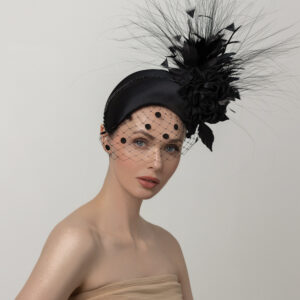
The veils used in modern millinery carry far less religious and cultural weight. They are primarily decorative. Their impact, however is not diminished.
"They are an important part of the whole hat's silhouette," explains Arturo. "It is there to add to the form of the hat while drawing attention to the face. This is what good design does — it enhances the whole, it does not conceal it."
Almost all of the veils designed by Arturo Rios feature subtle, yet distinguishing embellishments. Swarovski crystals, paillettes and elaborate stitching are some techniques that set Arturo's hats apart.
Interested in more?
We're beginning an occasional series entitled Classic Forms which will explore the fundamental aesthetics of millinery.
Stay up to date and be alerted when we add more items to this collection. Sign up to the right.
[forminator_form id="11266"]