
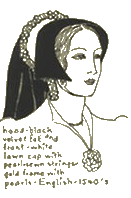
 Headbands have long been an integral element in the realm of millinery, serving not only as functional accessories but also as powerful statements of style and individuality. From their historical roots to contemporary designs, headbands have evolved dramatically, reflecting the changing tides of fashion and culture. Whether adorned with intricate embellishments or crafted from simple fabrics, headbands remain a versatile accessory, capturing the imagination of designers and fashion enthusiasts alike.
Definition and Purpose of Headbands
Headbands are typically a band, often made of fabric or other materials, worn around the head to secure a hat or simply to add an extra touch of flair. Think of them as the trusty sidekick to your favorite hat—always there to provide support and a dash of style.
Early Uses of Headbands in Millinery
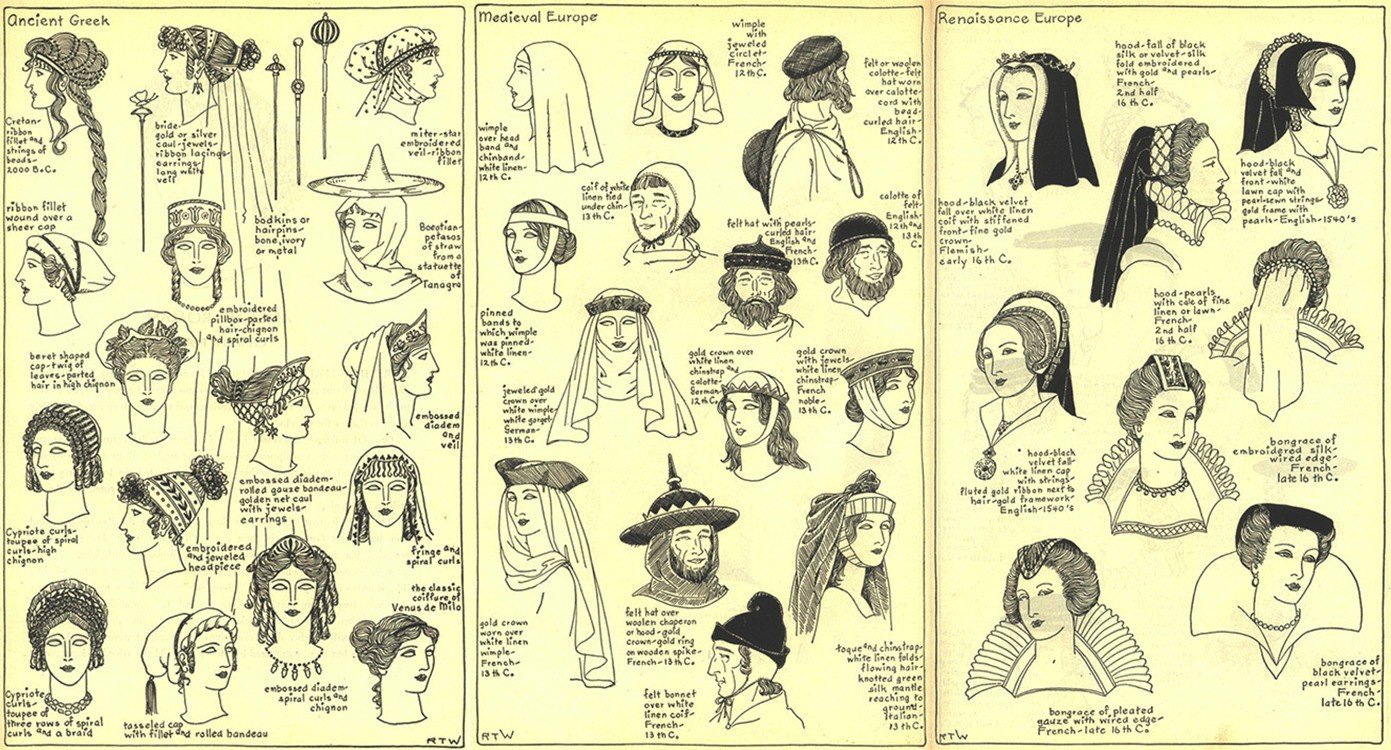
Headbands have been around a long time. Early examples can be traced back to ancient civilizations, where they were adorned with jewels and feathers, symbolizing status and fashion. Fast forward a few centuries, and you'll find headbands gracing the heads of flapper girls and Hollywood starlets, bridging the gap between practicality and panache.

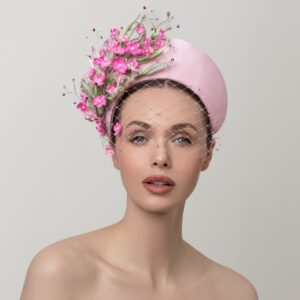


The first recorded use of any sort of headband is in ancient Greece, starting around the year 475 BC. These were actually hair wreaths made from plants and intertwined in the shape of a circle or sometimes a half-circle.
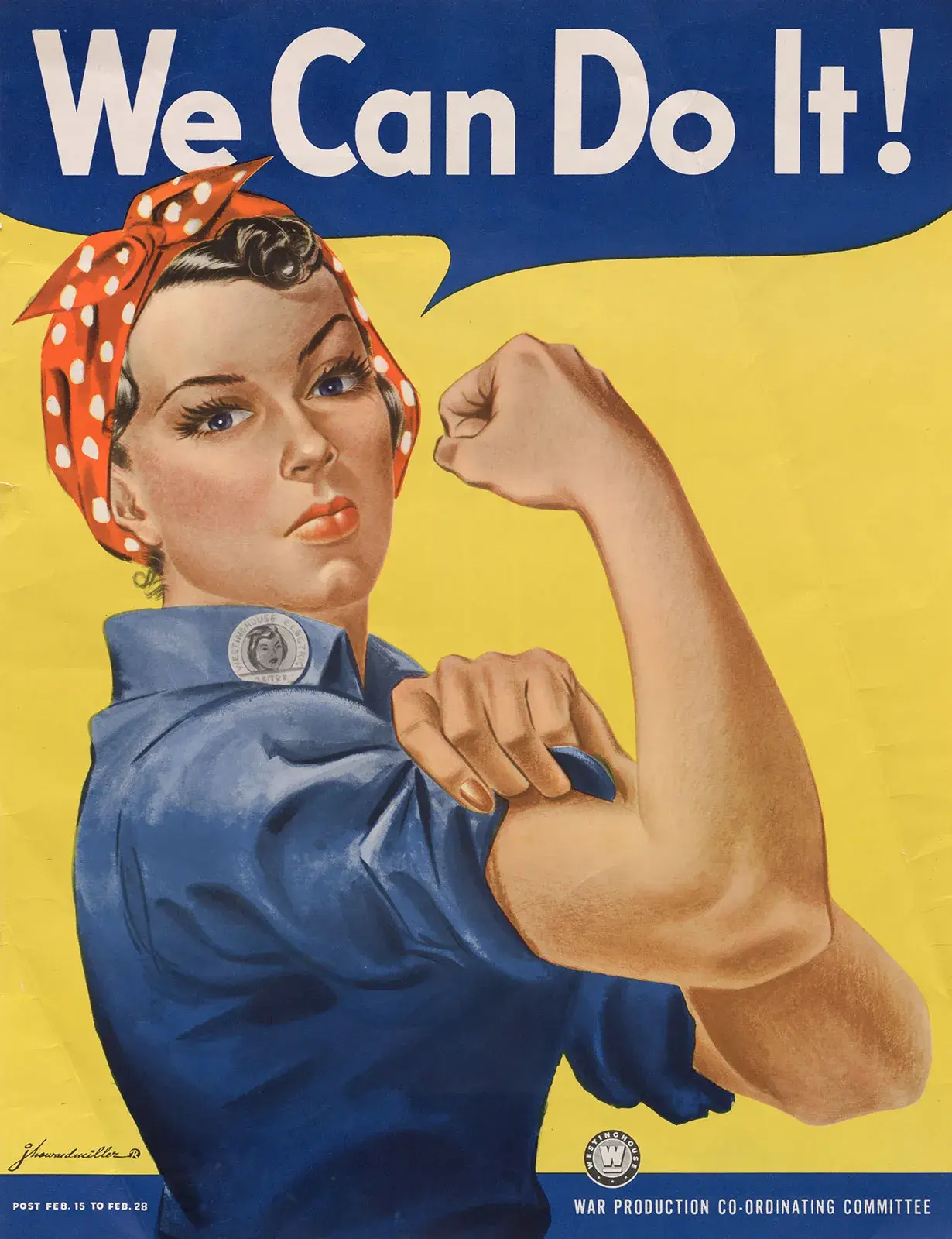
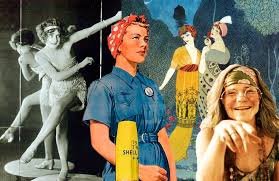
Rosie the Riveter, media icon associated with female defense workers during World War II. Since the 1940s Rosie the Riveter has stood as a symbol for women in the workforce and for women’s independence.
Influence of Fashion Movements on Headband Styles
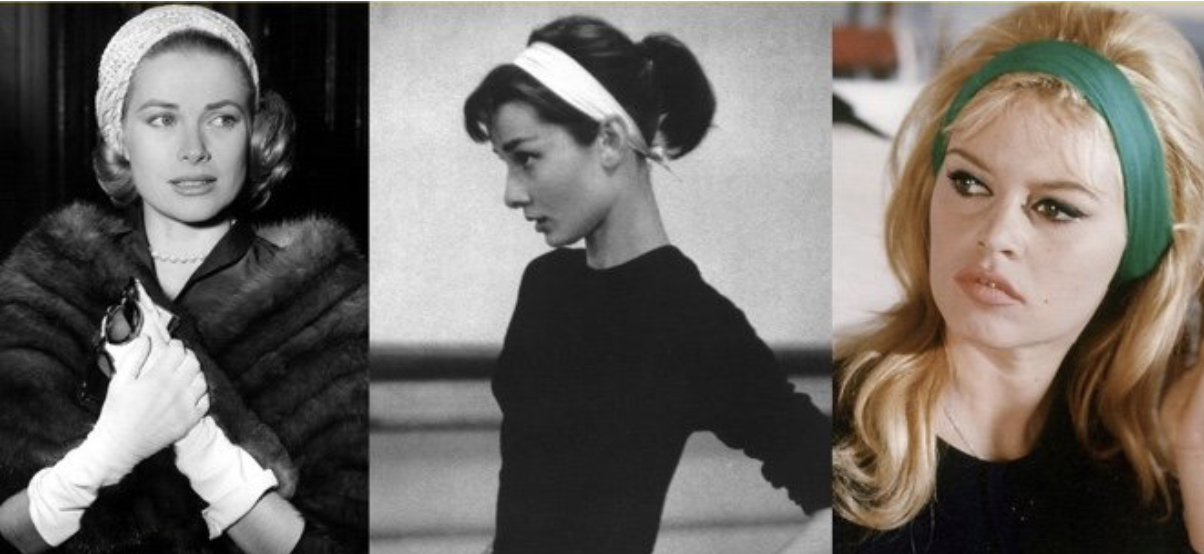
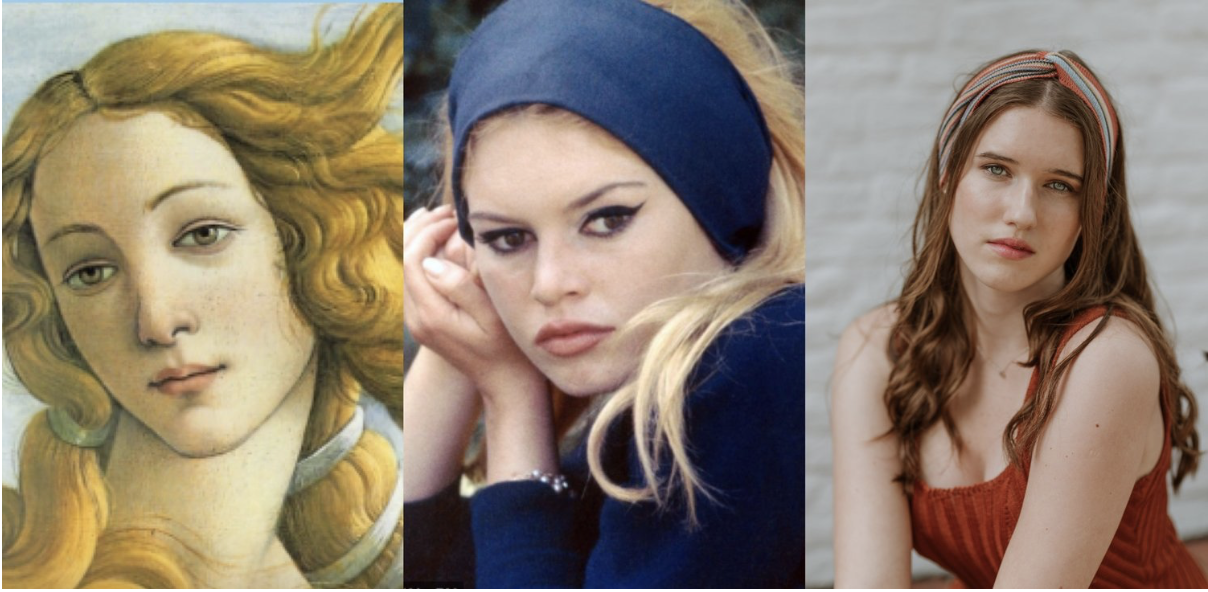
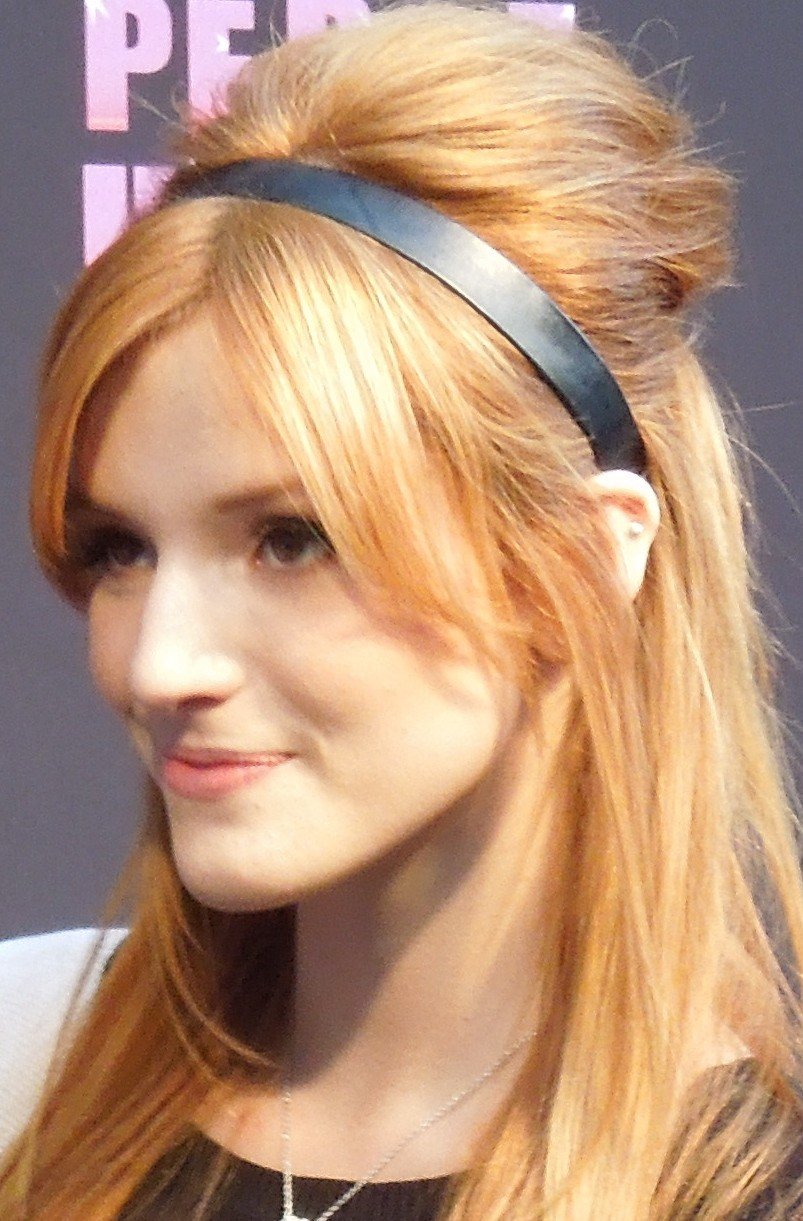
Fashion movements have a way of bending trends. The 1920s introduced beaded headbands that dripped with glam, while the 1960s saw the rise of colorful, psychedelic styles that made everyone look like a walking art piece. The evolution of headbands reflects the societal moods and styles of the times—one minute you’re all about the bohemian vibes, and the next you can’t get enough of the minimalist aesthetic.


Notable Designers and Their Contributions
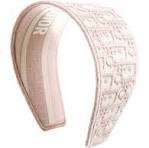
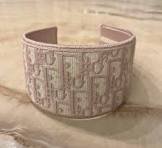
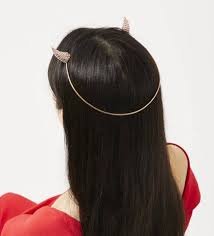
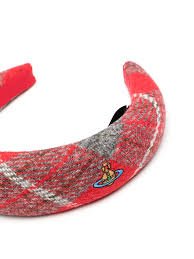
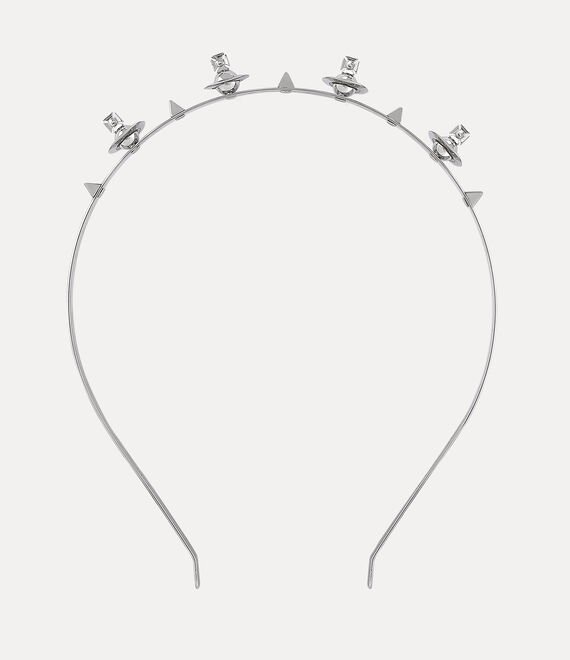
Several designers have left their mark on the world of headbands. Take Christian Dior, for example. His New Look featured elegant headbands that accentuated the feminine silhouette, while designers like Vivienne Westwood spun headbands into punk-inspired statements. These creative minds not only elevated headbands but also challenged the norms, proving that headwear is anything but boring.
Common Materials for Headbands
When it comes to headbands, the material choices are diverse. From luxurious silks and satins to sturdy felts and innovative plastics, the options are endless. Each material brings its own flair: silk for sophistication, felt for warmth, and cotton for that easygoing vibe. The art of headband creation has come a long way from simple loops of fabric. Today, milliners are using techniques like weaving, embroidery, and even 3D printing. Innovations in technology have allowed for intricate designs that were once thought impossible.
Mixing Textures and Colors
Why settle for one texture or color when you can have them all? Mixing and matching textures and colors can result in headbands that are visually stunning. Imagine the soft touch of velvet paired with the glimmer of sequins or a bold tartan juxtaposed with delicate lace. It's all about experimenting and finding that perfect balance.
What's to Come
In the future, millinery headbands will thrive as a category of their own, no longer just a humble accessory. They will become more customizable, technologically enhanced, and sustainable, all while celebrating the artistry of classic craftsmanship. This makes them an increasingly attractive choice for discerning customers who value both modern innovation and timeless elegance.
We think an educated client (never a "customer") is preferred. Arturo also believes in being generous with his knowkledge as others have been generous with theirs to him.
This article is part of our series that explores and celebrates different aspects of millinery. Arturo Rios has created new techniques, forms and modes of constructing the world's finest hats and he wants to share and open the discussion with you.
We welcome everyone to discover how millinery is expanding, changing and evolving. Let us know your thoughts!
Millinery has a long history. In this series of posts, we delve deeper into the specifics of each type of hat. Pillboxes, fascinator and derby hats are just the beginning. And Arturo wants to assist in your discovery!
Hat-making has it's own vocabulary; definitions, terms, slang. We're here to talk about the components that make great hats.
Arturo has a unique sense of flowers. He also uses his deep understanding of how colors work and how they influence us.