
TRUE BLUE
Blue has a profound impact on human psychology and global culture. It is the color of trust, protection and honesty. It instills calm, peace and tranquility.
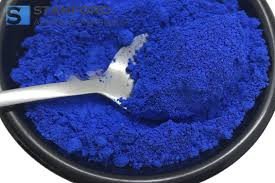
Blue Origins
Blue is often derived from minerals and plants although a “true blue” in both forms is exceedingly rare. Often, what appears to our eye as blue is a physics trick. Iridescent feathers, for instance, or tiny cilia on plants refract the light making it appear blue to the human eye, much like how the sky seems blue as water molecules suspended in the air have the same effect.
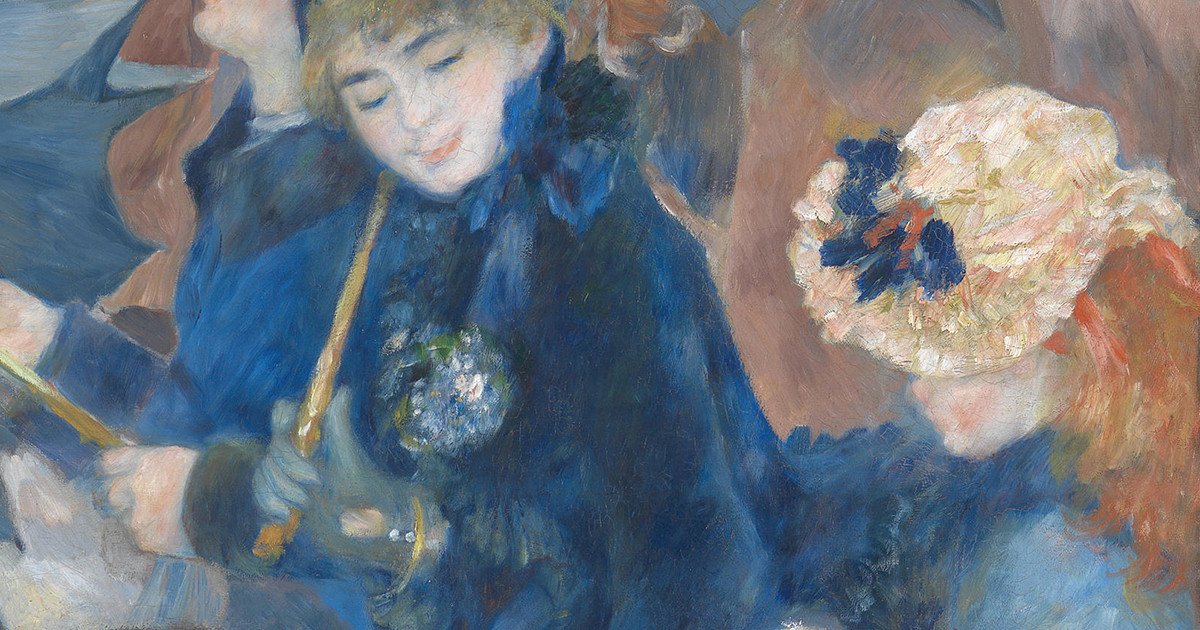
Royal Colors
Due to the scarcity of available blue pigment, blue pigment is incredibly arduous to manufacture. The complexity of sourcing and processing the little natural blue color found makes it, historically, the most expensive primary color to create. It was, therefore, exclusively reserved for society’s nobility and royalty. To this day, blue expresses wealth, stature and class.
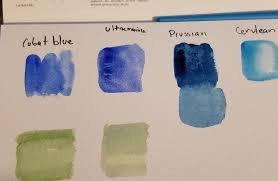
Versatility
Light shades of blue are appropriate for almost any situation. Baby blue, sky blue, pastel blue, aquamarine are all great for spring and summer events. Their light tones reflect well with summer gardens, beach weddings and teas.
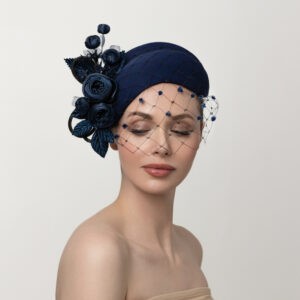
Navy blue’s depth and stature make it an excellent choice for evening, formal and winter events. It pairs wonderfully with different shades and tints of greens, oranges, reds, yellows, and even purples.
Cobalt
Cobalt blue is a vibrant, stable blue pigment made from cobalt aluminate, used for centuries in ceramics (like Chinese porcelain) and glass, offering a cheaper alternative to lapis lazuli, but the element itself is vital for health (B12) and tech (batteries, alloys) but toxic in excess, with its name coming from German "goblin" for its difficult ores, historically used by ancient Egyptians and Romans for coloring.
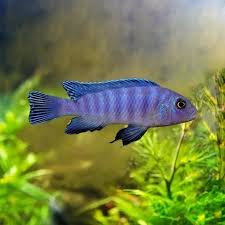
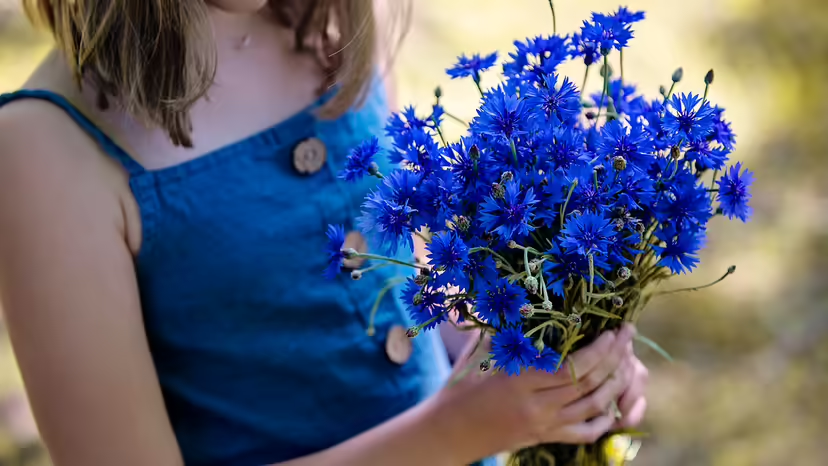
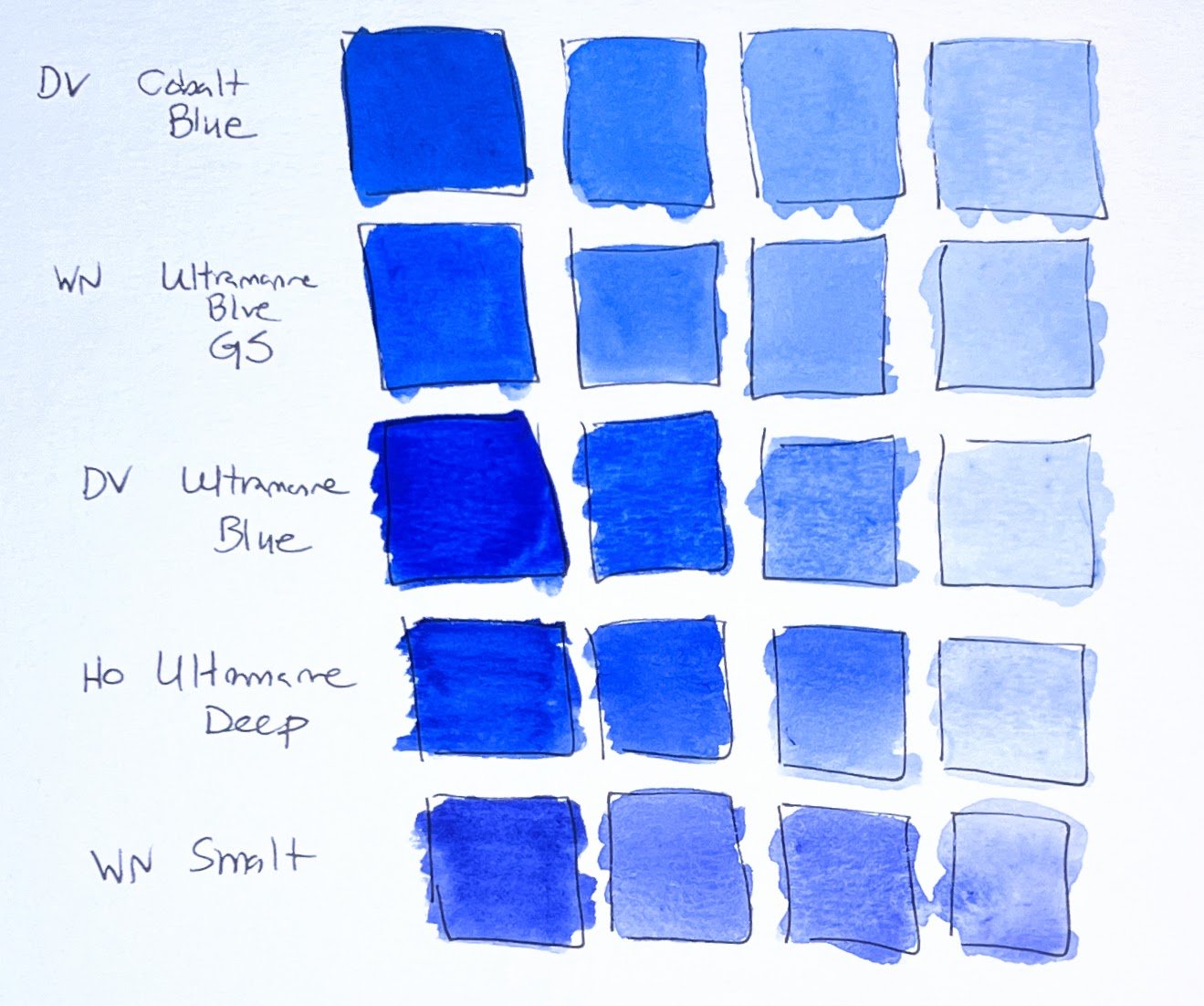
Blue In Nature (Light & Biology)
- Light Scattering: The sky is blue because air molecules scatter shorter blue wavelengths of sunlight more effectively (Rayleigh scattering). Deep water looks blue because it absorbs other colors, reflecting blue light.
- Structural Color: Many vibrant blues (birds, butterflies, some plants) aren't from pigment but from microscopic structures that interfere with light waves, like iridescent feathers.
- Pigments: The rare true blue pigment in animals (like the obrina olivewing butterfly) or plants (like the butterfly pea flower's anthocyanins).
In Art & Industry (Pigments & Dyes)
- Lapis Lazuli: A semi-precious stone from Afghanistan, ground into ultramarine, once more precious than gold and used for royalty and religious figures (like the Virgin Mary).
- Indigo: A plant-based dye used globally for textiles, providing a deep blue color.
- Egyptian Blue: One of the first synthetic pigments, created by ancient Egyptians around 3300 BCE.
- Modern Synthetics: Compounds like Phthalo Blue offer stable, strong blue color for paints, inks, and dyes today.
Linguistic Origin
- The English word "blue" comes from Germanic roots, but historically, many languages grouped blue with green or gray (e.g., Welsh "glas") or used words for "sky-colored," highlighting its rarity as a distinct concept before pigments were common.
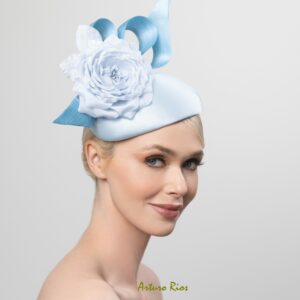
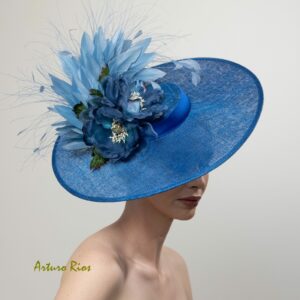

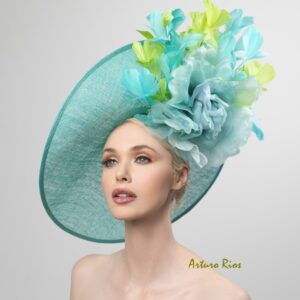
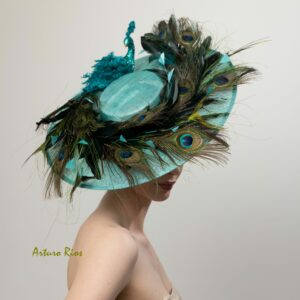
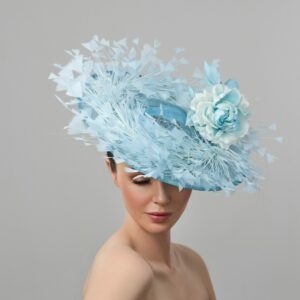
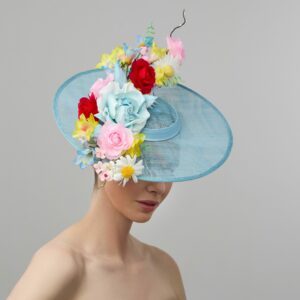

We think an educated client (never a "customer") is preferred. Arturo also believes in being generous with his knowkledge as others have been generous with theirs to him.
This article is part of our series that explores and celebrates different aspects of millinery. Arturo Rios has created new techniques, forms and modes of constructing the world's finest hats and he wants to share and open the discussion with you.
We welcome everyone to discover how millinery is expanding, changing and evolving. Let us know your thoughts!
Millinery has a long history. In this series of posts, we delve deeper into the specifics of each type of hat. Pillboxes, fascinator and derby hats are just the beginning. And Arturo wants to assist in your discovery!
Hat-making has it's own vocabulary; definitions, terms, slang. We're here to talk about the components that make great hats.
Arturo has a unique sense of flowers. He also uses his deep understanding of how colors work and how they influence us.