
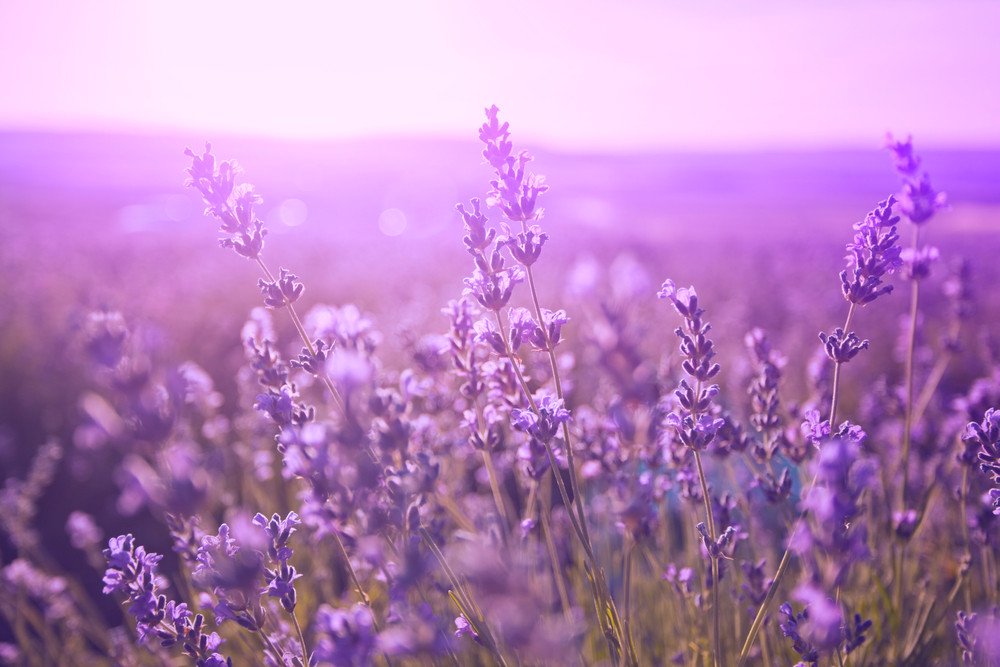
Colors: Purple
Purple is a color, with over 200 different shades, similar in appearance to violet light. In the RYB color model historically used in the arts, purple is a secondary color created by combining red and blue pigments. In the CMYK color model used in modern printing, purple is made by combining magenta pigment with either cyan pigment, black pigment, or both. In the RGB color model used in computer and television screens, purple is created by mixing red and blue light in order to create colors that appear similar to violet light. According to color theory, purple is considered a cool color.
Purple, and all of its shades is a true athlete. It is nimble, fast and strong. It ranges from a pale violet to a stormy maroon-laden tempest.
Purple combines two of the three primary colors: blue and red. Strong bases which create a powerful reaction. Known for its rich history with monarchy, church, universities and seduction, purple easily rests as one of the most important colors in fashion.
With all of its agility, it demands respect and does not play well with other colors. It's nemesis, yellow, fights for attention. Blue, The Master of Disguise, is a good friend. It dominates other colors but is best buddies with white and neutral colors so that it can retain its center point on the stage.
Purple has long been associated with royalty, originally because Tyrian purple dye—made from the secretions of sea snails—was extremely expensive in antiquity.
Purple was the color worn by Roman magistrates; it became the imperial color worn by the rulers of the Byzantine Empire and the Holy Roman Empire, and later by Roman Catholic bishops. Similarly in Japan, the color is traditionally associated with the emperor and aristocracy.
According to contemporary surveys in Europe and the United States, purple is the color most often associated with rarity, royalty, luxury, ambition, magic, mystery, piety and spirituality. When combined with pink, it is associated with eroticism, femininity, and seduction.
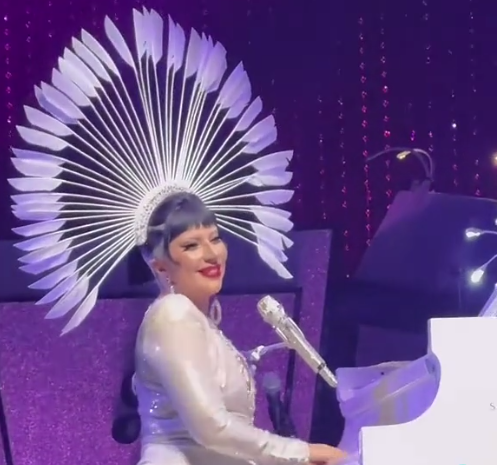
@arturorioshats Headpiece made of peacock and turkey feathers, placed on a headband with clear crystals 🤍 #headpiece #gaga #headdress #vegas #Vegasresidency #millinery #hat #arturorios ♬ sonido original - Arturo Rios
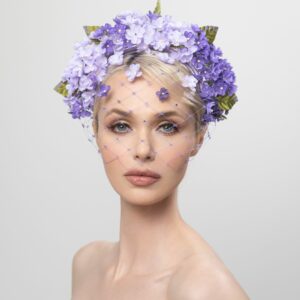
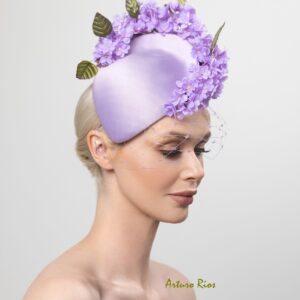

We think an educated client (never a "customer") is preferred. Arturo also believes in being generous with his knowkledge as others have been generous with theirs to him.
This article is part of our series that explores and celebrates different aspects of millinery. Arturo Rios has created new techniques, forms and modes of constructing the world's finest hats and he wants to share and open the discussion with you.
We welcome everyone to discover how millinery is expanding, changing and evolving. Let us know your thoughts!
Millinery has a long history. In this series of posts, we delve deeper into the specifics of each type of hat. Pillboxes, fascinator and derby hats are just the beginning. And Arturo wants to assist in your discovery!
Hat-making has it's own vocabulary; definitions, terms, slang. We're here to talk about the components that make great hats.
Arturo has a unique sense of flowers. He also uses his deep understanding of how colors work and how they influence us.