
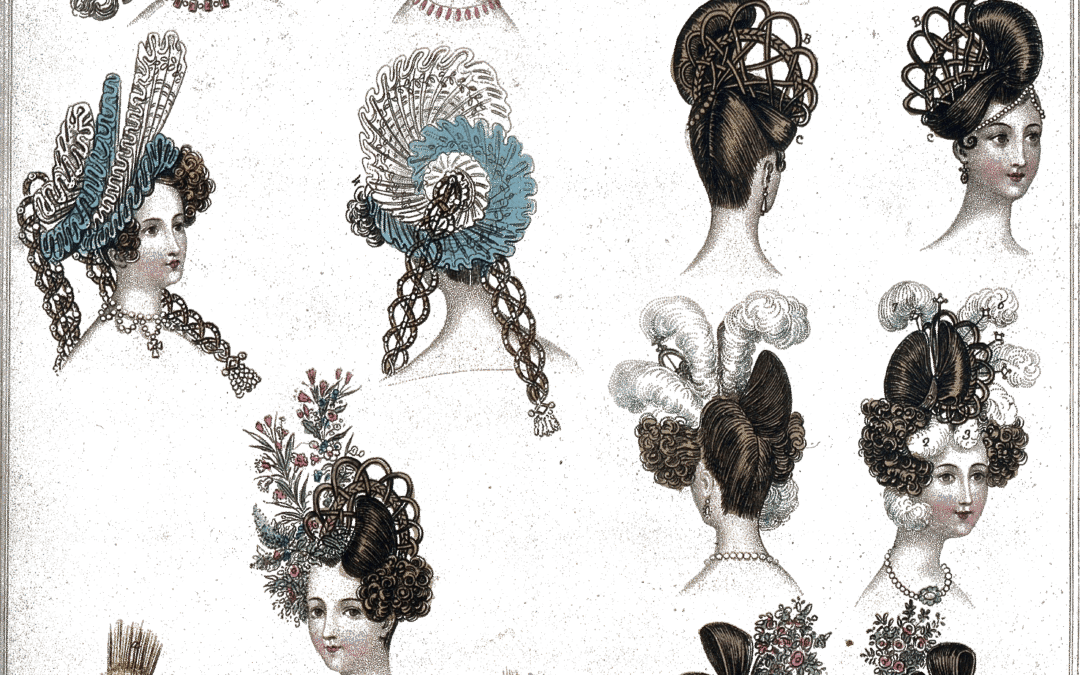
Key Millinery Etiquette Points
Indoor Events & Dining
Indoor Wear: Women can wear hats at daytime weddings, luncheons, and in restaurants. However, if a hat is very large, it is courteous to remove it to avoid blocking others' views, notes Eric Javits.
Dining: According to Yvonne LaFleur, ladies can leave hats on during meals, but it is generally polite to remove wide-brimmed hats at a dinner table, says Lock & Co. Hatters.
Handling & Presentation
Handling: When taking a hat off, handle it by the crown rather than the brim to maintain its shape, and set it on its crown, not the brim, says American Hat Company and this YouTube video.
Positioning: Decorative elements such as feathers or veils should typically be positioned on the right side for women and the left side for men, notes Friday Feelin.
Handling Removed Hats: If a hat is removed, do not show the inside lining. Store it on your lap or keep it in your hand with the outside visible, according to Hats in the Belfry and Brixton.
Etiquette for Others: Never touch or try on someone else’s hat, say various Facebook posts and American Hat Company. [1, 2, 3, 4, 5, 6, 7, 8, 9]
Specific to Weddings
Evening Wear: Contrary to old rules, modern etiquette allows for fashionable hats to be worn into the evening,, say Yvonne LaFleur and Helen Kaminski. [1, 2, 3]
Evening and After-Five Headwear
For events occurring after 5:00 PM, etiquette suggests moving away from large brims toward more compact and decorative pieces.
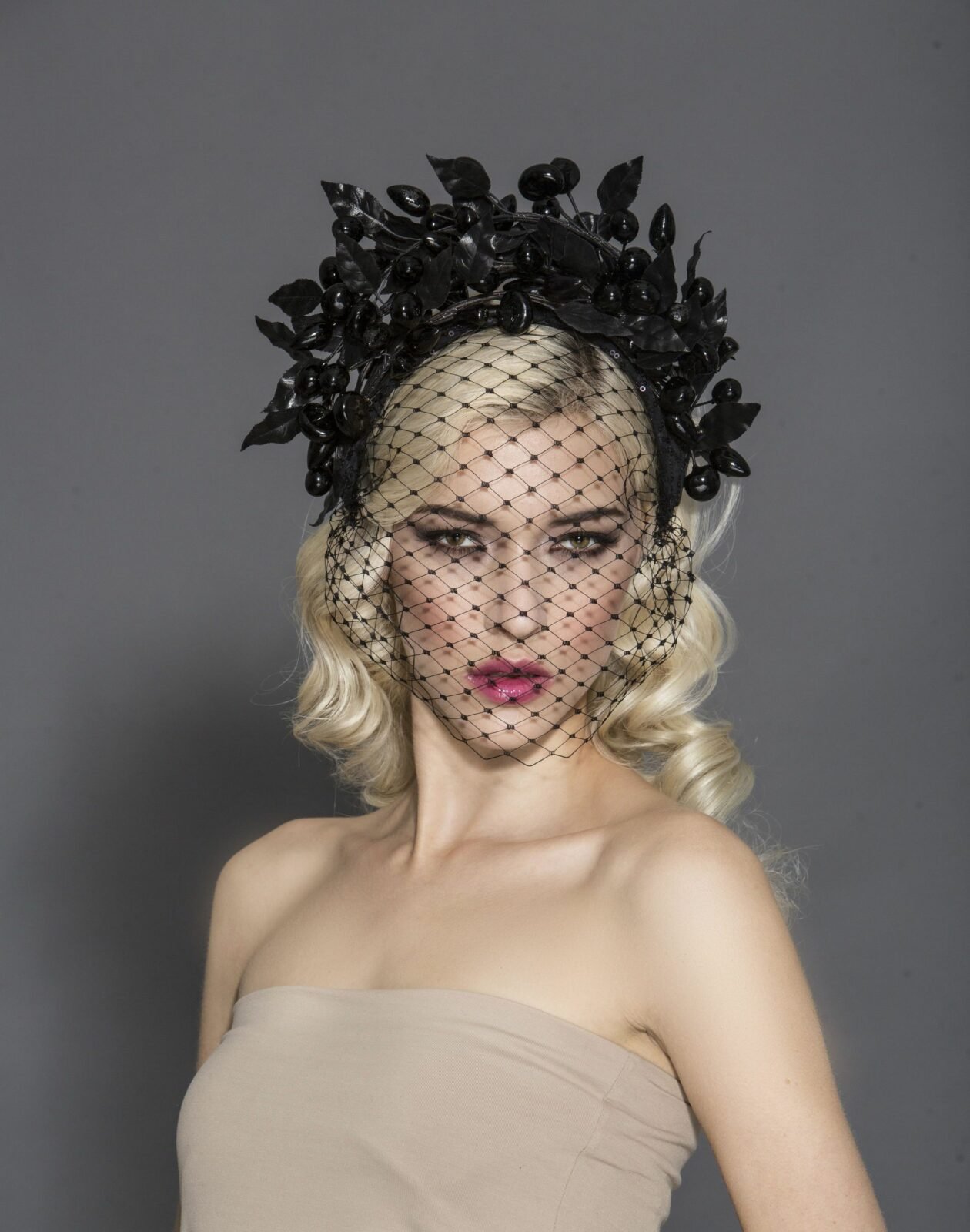
Cocktail Hats: These are small, structured hats without brims, often perched on the head and secured with clips or combs. Modern versions, like those from Donna Vinci, often feature rich textures, shimmering accents, and handcrafted jewels to catch evening light.
Fascinators: Lightweight and purely decorative, fascinators are built on a base of feathers, lace, or silk and attached to a headband or clip. They are highly popular for evening galas and formal parties as a "haiku of a hat" that adds elegance without the bulk of a full headpiece.
Formal Daytime Headwear
Daytime formal events, particularly those involving outdoor ceremonies or races, allow for maximum scale and sun protection.
Wide-Brimmed Hats: These create a dramatic, elegant silhouette and are often made from fine sinamay, sisal, or felt.
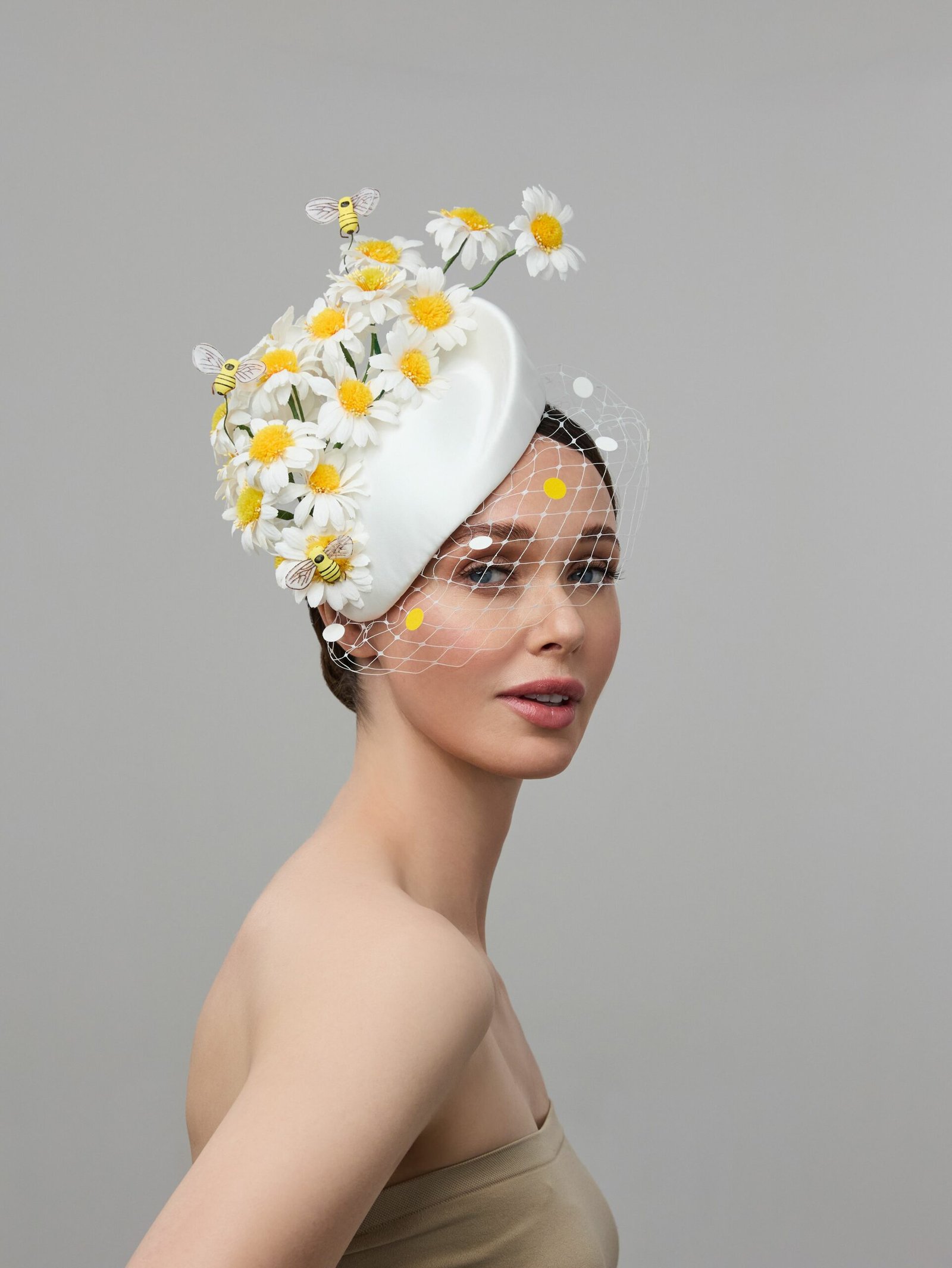
Pillbox Hats: Made famous by figures like Jackie Kennedy, these small, rounded hats sit on top of the head and are often adorned with veiling or luxe fabrics for a retro-chic look.
Materials and Craftsmanship
Couture millinery focuses on artisanal techniques and premium materials that distinguish these pieces from mass-produced headwear.
Materials: High-end pieces use fur felt, silk taffeta, ostrich feathers, and hand-sewn lace.
Embellishments: Typical decorations include handcrafted fabric flowers, Swarovski crystals, pearls, and intricate birdcage veils.
We think an educated client (never a "customer") is preferred. Arturo also believes in being generous with his knowkledge as others have been generous with theirs to him.
This article is part of our series that explores and celebrates different aspects of millinery. Arturo Rios has created new techniques, forms and modes of constructing the world's finest hats and he wants to share and open the discussion with you.
We welcome everyone to discover how millinery is expanding, changing and evolving. Let us know your thoughts!
Millinery has a long history. In this series of posts, we delve deeper into the specifics of each type of hat. Pillboxes, fascinator and derby hats are just the beginning. And Arturo wants to assist in your discovery!
Hat-making has it's own vocabulary; definitions, terms, slang. We're here to talk about the components that make great hats.
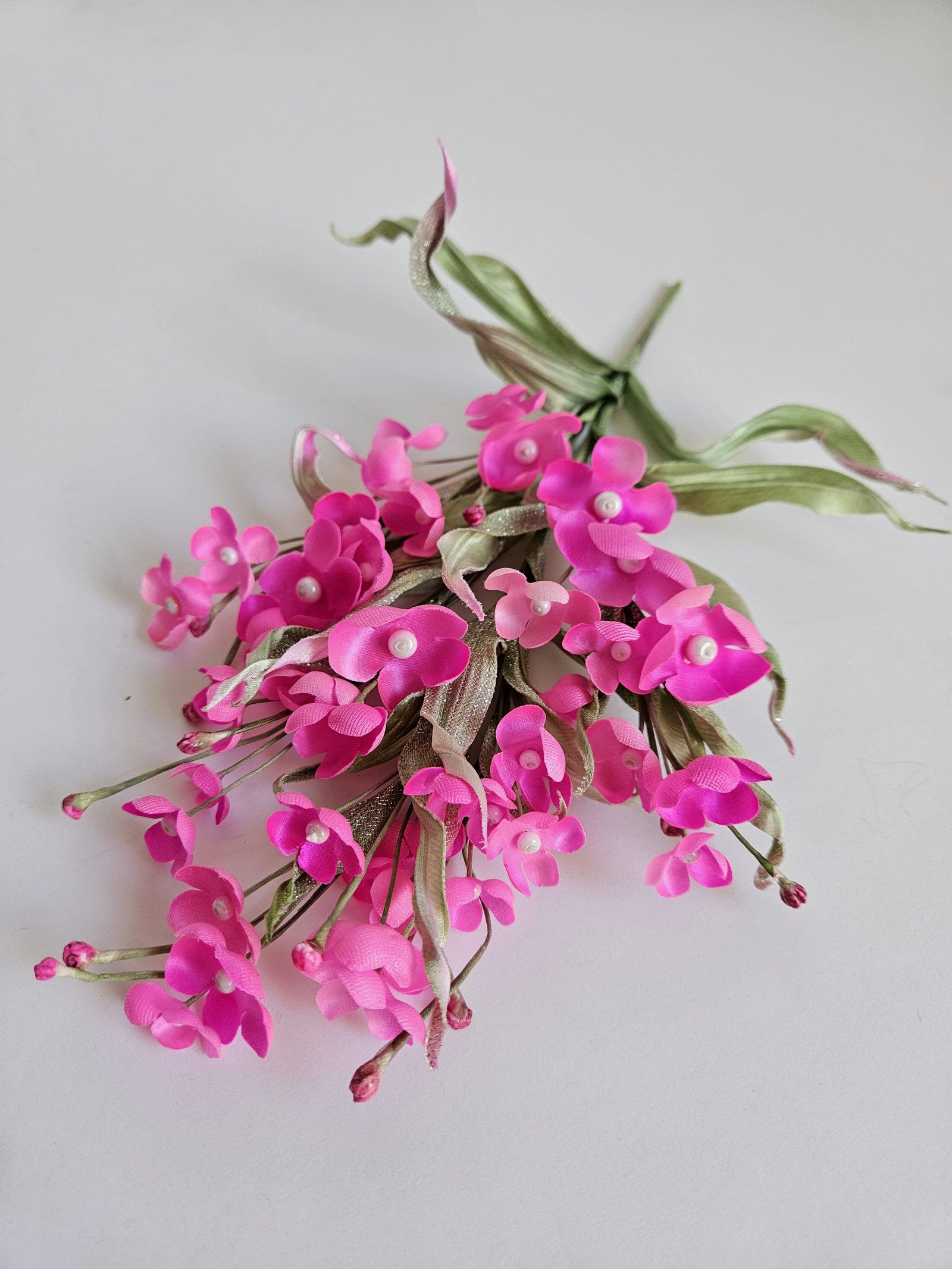
Arturo has a unique sense of flowers. He also uses his deep understanding of how colors work and how they influence us.