
Season to Season
A couture hat is never a one-season investment — but it does ask you to think seasonally. The silhouette that carries a garden luncheon in June rarely belongs at a December gala, and the felt that keeps you elegant through a rainy winter afternoon has no place under a July sun. Here's how to read the shift, piece by piece, from spring/summer into autumn/winter.
Fabrication: From Sinamay to Felt
Spring and summer millinery leans on sinamay and straw — lightweight, breathable weaves that hold a crisp shape without trapping heat. They're built for long days outdoors and pair naturally with the airier fabrics of the season.
As temperatures drop, felt and wool step up. These heavier fabrications offer structure and warmth a straw weave simply can't, and they're better suited to the shorter, colder days of autumn and winter. The trade-off is weight and formality: felt pieces read richer and more architectural, which is exactly what the season calls for.
Care note: sinamay and straw want protection from sun and humidity — store away from direct light, and let any moisture air-dry before boxing. Felt and wool need the opposite: shield them from rain and snow, and never let a damp piece sit in a closed box.
Palette: Light to Warm
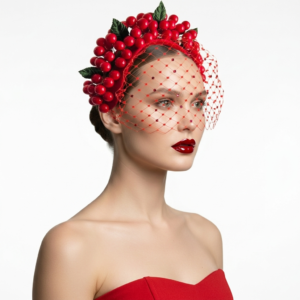
Summer's palette stays light — pastels, whites, soft neutrals that reflect heat and feel effortless against bright skies. Autumn and winter move into plum, rust, and warm neutrals — tones with more depth, built to hold their own against shorter, greyer days and heavier fabrics.
Showing all 7 resultsSorted by latest



Styling: Standing Alone vs. Layering In
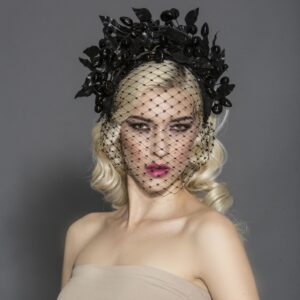
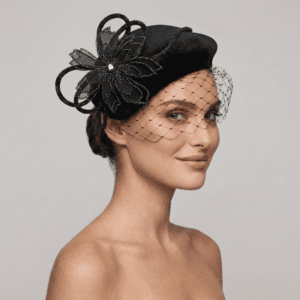
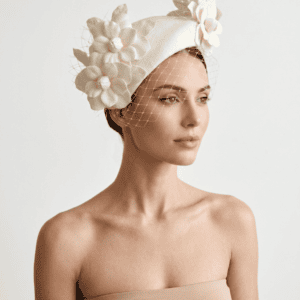
In warmer months, a hat is often the outfit's single statement — worn with minimal layering so nothing competes with its silhouette. Once coats, scarves, and heavier textures enter the picture, styling becomes a balancing act. A wide-brim or heavily embellished piece can get lost under a full-length coat, while a closer, sculptural silhouette holds its shape against bulk. The rule of thumb: let outerwear texture and hat texture contrast rather than compete, and keep scarves simple when the hat is the focal point.
The Takeaway
The shift from summer to winter millinery isn't just about staying warm — it's a full recalibration of fabrication, color, and proportion. Building a wardrobe that moves with the seasons means a piece is never fighting the weather, or the rest of the outfit, to make its statement.