
The Arturo Rios Beret Collection
Couture Berets Made Only for You
Handmade in Los Angeles in velvet, silk and fur felt, finished with hand-dyed flowers, feathers and vintage veiling. Each beret is one of a kind.
Serenity
Electric blue velvet with a vintage Italian silk camellia, black ostrich quill and 1950s French veiling.
Every Arturo Rios hat is handmade in the USA. Natural feathers may vary slightly.
Famous Berets
Berets That Made History
Six wearers, six stories: from the artist's studio to the battlefield, the tennis court and the revolution.

No. 1 · The Artist
Rembrandt van Rijn
Rembrandt painted himself in a beret again and again, from velvet in 1634 to plain wool in 1659. It became the artist's signature hat.

No. 2 · The Soldier
The Chasseurs Alpins
France's mountain infantry made the beret regulation issue in 1889. Nearly every military beret since follows their lead.

No. 3 · The Field Marshal
Bernard Montgomery
Montgomery's black Royal Tank Regiment beret became one of the best-known pieces of headgear of the Second World War.

No. 4 · The Revolutionary
Che Guevara
Korda's photograph shows Che in a black beret with a brass star, among the most reproduced images ever made.
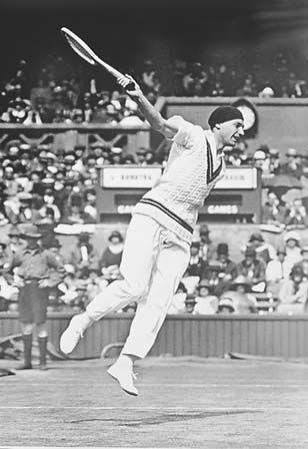
No. 5 · The Champion
Jean Borotra
The French-Basque tennis star, one of the Four Musketeers, was famed for pausing mid-match to put on his black beret.

No. 6 · The Elite
Special Forces Berets
Today the color names the unit: green, maroon, tan, brown. The shade tells you who is under the crown.
Image credits appear on each photograph.
The Structure of Berets
How Berets Are Built
A beret is soft, round and brimless, with no frame to hold it up. Its shape comes from the head beneath it, which is why one hat can be worn tilted, slouched or pulled flat.
The wide, flat disc that gives berets their silhouette. It is far larger than the head opening, so it can drape, tilt or sit straight.
The small stem at the center of the crown. On Basque berets it is a tidy finishing detail, and a handy guide to how the hat is sitting.
A narrow edge of leather or ribbon that finishes the opening and sets the fit. Most berets are unlined or only partly lined in silk or satin, and on military berets the band is worn outside.
Traditionally felted wool, first from local sheep and later merino. Today berets also come in cotton, cashmere, leather, silk and velvet, and couture versions add flowers, feathers and veiling.
Beret versus cloche: a cloche is blocked, deep and bell-shaped, while a beret is soft, flat and brimless. If the hat holds its shape on a table, it is not a beret.
See the Collection