
Buckram is a stiff cotton, or occasionally, linen or horse-hair cloth with a plain, usually loose, weave, produced in various weights similar to muslin and other plain-weave fabrics. The fabric is soaked in a sizing agent such as wheat-starch paste, glue (such as PVA glue), or pyroxylin (gelatinized nitrocellulose, developed around 1910), then dried. When re-hydrated or warmed, it can be shaped to create durable firm fabric for book covers, hats, and elements of clothing.
A shortage of buckram, a stiff, sized fabric used in millinery, bookbinding, and theatrical costumes, is impacting various industries. The shortage is attributed to the discontinuation of buckram manufacturing in some regions and the closure of machinery used in its production. This has led to increased prices and difficulty sourcing the material.
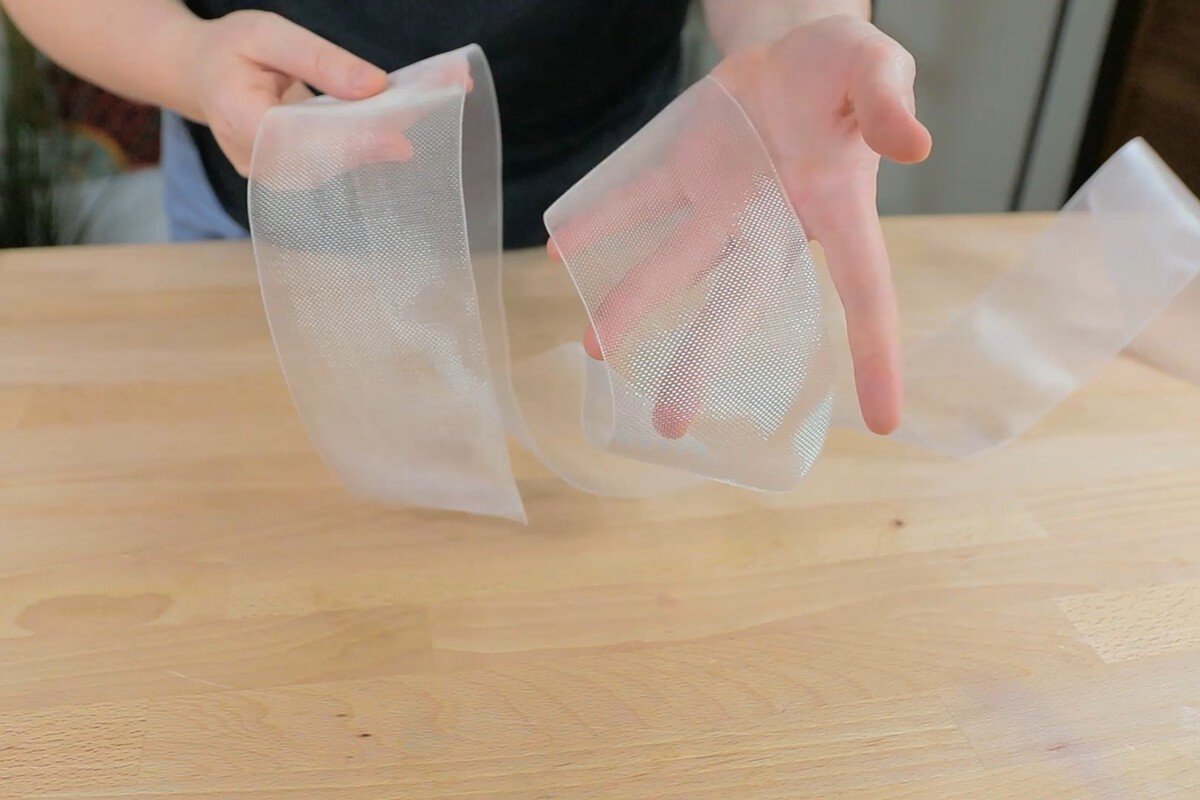
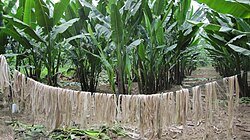
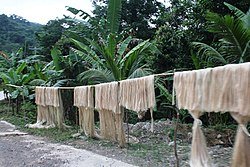
Sinamay is widely used for blocking hats and trims, but it wasn’t introduced to the millinery world until the 1990s. It is woven in the Philippines, from the stalks of the abaca tree. Abacá fibers are very strong and long-lasting. For ease of blocking, sinamay is often pre-stiffened during manufacturing. Plus, since it is a natural material, it holds dye very well.
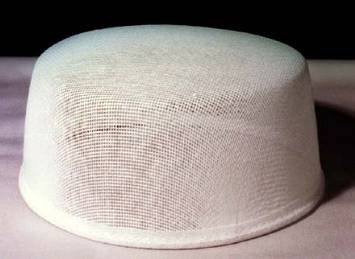
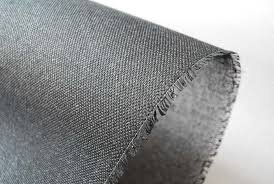
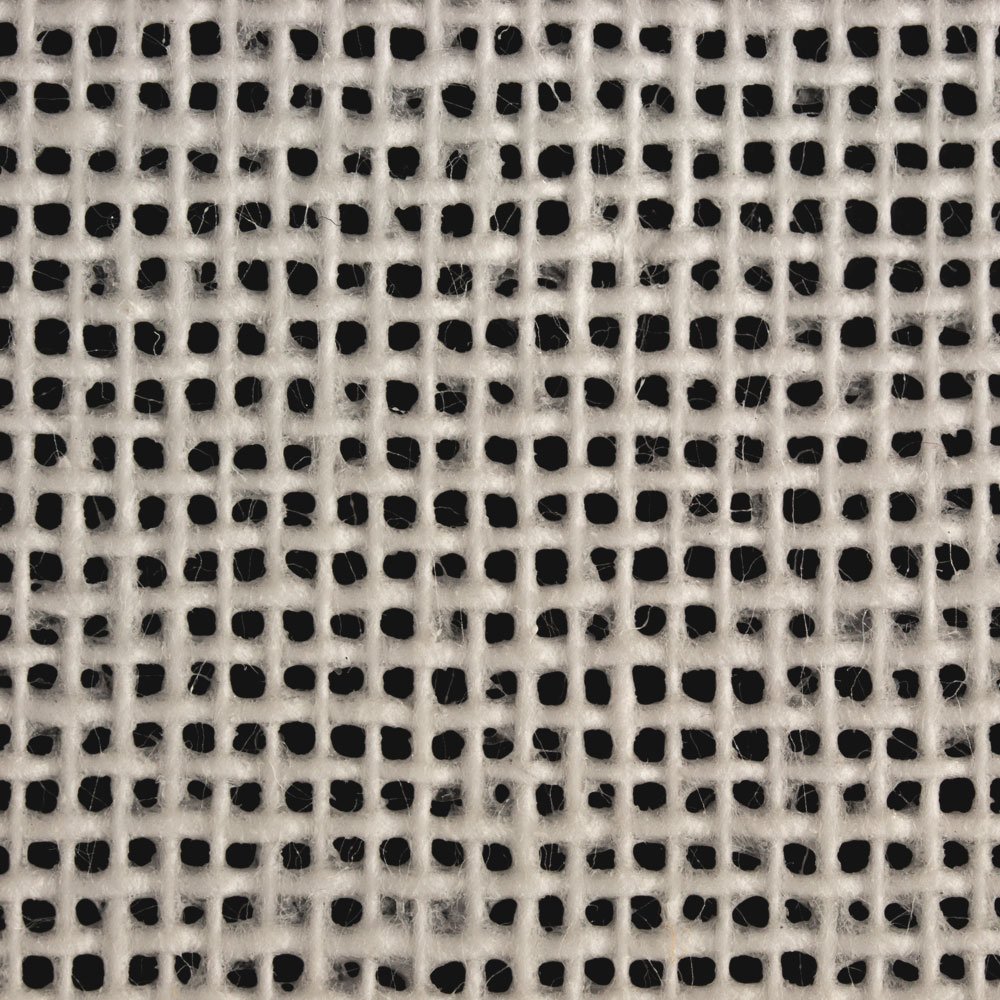
We use a material called Buckram for some of our fascinator bases. Buckram is a stiff fabric made of cotton or lined with starch and glue. Buckram was created in the early 1900’s and has been used since then. Many fascinator shapes and hats have been created using this material. But it’s becoming impossible to source.
Buckram was made in the US and China, among other markets. Both markets have ceased production, owing to supply chain disruptions, soaring demand, and production challenges that have combined to create a perfect storm, leading to significant shortages that are felt by manufacturers, artisans, and consumers alike.
The remaining rolls around the world are the last ones available. Now sinamay is working as a substitute, but we double the layers to make it as strong as the buckram.
Buckram production is heavily reliant on numerous components, from raw materials to transportation. COVID-19 left a big logistical mess in its wake, with shipping delays and factory closures creating a bottleneck that even the most patient person would struggle to navigate.
In the fashion and upholstery realms, the buckram shortage is causing a sartorial snag. Designers rely on this fabric to give hats and garments their structure, and without it, they might have to rethink their entire collection.
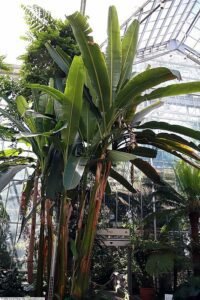
Abacá (Musa textilis), or "Manila Hemp," is a strong, versatile fiber from a banana-related plant native to the Philippines, used to make high-strength ropes, textiles, and specialized papers like tea bags and banknotes. The fiber is extracted from the leaf stalks, then processed into fine strands that are prized for their mechanical strength, resistance to saltwater, and long fiber length.
We think an educated client (never a "customer") is preferred. Arturo also believes in being generous with his knowkledge as others have been generous with theirs to him.
This article is part of our series that explores and celebrates different aspects of millinery. Arturo Rios has created new techniques, forms and modes of constructing the world's finest hats and he wants to share and open the discussion with you.
We welcome everyone to discover how millinery is expanding, changing and evolving. Let us know your thoughts!
Millinery has a long history. In this series of posts, we delve deeper into the specifics of each type of hat. Pillboxes, fascinator and derby hats are just the beginning. And Arturo wants to assist in your discovery!
Hat-making has it's own vocabulary; definitions, terms, slang. We're here to talk about the components that make great hats.
Arturo has a unique sense of flowers. He also uses his deep understanding of how colors work and how they influence us.