
Teal
Teal combines the calming properties of blue with the renewal qualities of green. It is a revitalizing and rejuvenating color that also represents open communication and clarity of thought.
For Tibetan monks, teal is symbolic of the infinity of the sea and sky, while it is the color of truth and faith for Egyptians.
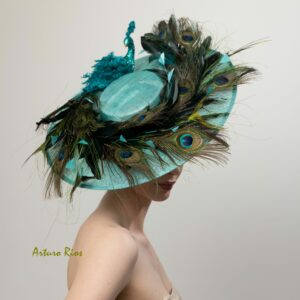
Teal pops with bright white and coral, and works well with cream, navy, browns, and pinks. It also sets off metallic colors, such as silver and gold.
Green pigments for paints and fabric dyes were difficult to obtain from nature in the past, thus they were rarely employed in clothes or heraldic emblems. While green may have been blended with blue and yellow paints, mixing dissimilar substances was frowned upon due to suspicion of alchemy. Only during the early Renaissance did the superstitious custom fade away, and in the late eighteenth century, the German Swedish scientist Carl Wilhelm Scheele found new copper greens.
What is the meaning of teal color?
Picture the warm ocean waves in Baja California, made of that color that isn’t quite blue and isn’t quite green. The water brings in the cool side of summer. It also serves as the perfect example of the color teal.
Teal was actually a bird before it was a color. The word “teal” was adopted as a color in 1917. Teal color, however, has existed as long as the ocean.
It's my favorite color and I keep returning to it. It's a great color to use in designing. Very adaptable, flexible and an eye-catching hue.
—Arturo Rios
Teal color combines the calming properties of blue with the revitalizing qualities of green. Named after the Eurasian teal duck, this color offers multiple meanings.
The history of teal color.
Teal was first a symbol of status.
Blue pigment was historically hard to produce. Green was abundant in nature, but it was difficult to create dyes and pigments that would not fade. Because both blue and green pigment were needed to make teal, the color teal was considered a color of elevated status. In Pontormo’s Carmignano Visitation (c. 1528), Mary’s teal robes contrast strikingly with the robes of three other women. This painting depicts when Mary was pregnant with Jesus.
Teal is a color honored in both church and state. Teal color offers an earthly contrast to the skies and clouds above. With its mix of blue and green, the color teal has been used throughout history for the domes of mosques, churches, and state buildings. Look no further than New York City with the Statue of Liberty celebrated in teal, too. The connection here is that teal is symbolic of where the divine meets earth.
During the Renaissance, pigments for paints and textiles became more varied.
Until the Renaissance, mixing substances to create pigments and dyes caused an ill-famed suspicion of alchemy. Only during the Renaissance did this suspicion fade, which gave way to the development of new synthetic pigments. Teal became more popular once synthetic blues and greens were produced and gained in popularity over time. By the 1980s, teal was one of the first colors used to create web pages.
The color teal across different cultures.
The word “teal” (the color) was first recorded in English in 1917. A teal is a freshwater duck known for a striking blue-green mark on its head. In the early 20th century, teal was adopted as the name of the color that the bird sports. The color teal was present before it took that name, of course. It seems as though giving teal a name brought it to the forefront of popular colors after that. Teal color had a boom in interior design in the 1950s and 1960s, and by the 1990s teal was one of the most popular colors in professional sports teams.
Teal color has a symbolic meaning that stems from its psychological effects:
teal’s psychological effects are simultaneously calming and revitalizing, which makes the history of the teal color’s significance no surprise. The color teal is especially significant for Tibetan monks. Teal represents the infinity of the sea and sky. For the Ancient Egyptians, teal was considered the color of truth and faith.
Keeps to Itself
While many are intrigued by the color teal, this hue isn’t very interested in others. In fact, it prefers to be alone. This personality trait has made teal somewhat reserved. It keeps things close to the vest and seldom comes out of its shell. If you’re interacting with teal and can’t get much out of it, don’t take it personally. Teal has boundaries, and it doesn’t appreciate it when people overstep them.
Values Uniqueness
The world isn’t homogeneous, and teal admires that. This hue understands the importance of being yourself. According to teal, we aren’t meant to blend in. In essence, teal relishes individuality. If you’re someone who doesn’t conform to social norms, you and teal will have a lot in common.
Cautious
Life is meant to be lived, but teal can sometimes lose sight of this. As an attentive color, teal is always on the lookout for danger. While there’s no reason to be unduly alarmed, teal has a difficult time finding peace of mind. It’s for this reason why this hue is generally on edge. You may notice that you feel more tense and uptight when surrounded by the color teal.
Unbiased
Teal doesn’t judge too quickly or too harshly. In other words, it’s an open-minded hue. No matter the person or situation it encounters, teal always takes the time to understand both sides of the story. This bodes well for mature and harmonious relationships. If you’re learning to be more accepting, use teal as a teacher.
Encourages Practical Thinking
Teal doesn’t tolerate irrational thoughts. It seeks to be logical in all that it does. With that said, those who spend time with teal are more likely to make informed and responsible decisions. Teal never throws caution to the wind, which makes it both predictable and reliable. If you’re looking to get back on the straight and narrow, teal will help get you there.
Promotes Relaxation
There’s no refuting that teal is wound tight. However, it still effortlessly fosters relaxation. With a little assistance from teal, you can decompress with ease. You’ll find this color in many homes for this very reason. The stress of life can make us anxious and angry, but teal reminds us that these feelings aren’t permanent. With a healthy dose of reality and understanding, teal stops negativity in its tracks.
Super Serious
With teal, excitement isn’t promised. If there are rules in place, you can bet that teal will abide by them. Failure to adhere to the rules will get teal in a tizzy. Those who don’t take themselves too seriously should limit their time with teal. After all, teal subscribes to the notion that goofing off breeds bad habits.
Prim and Proper
Teal presents itself in a very dignified manner. To some, this can be bothersome. Meanwhile, others cherish how noble teal comes across. If teal isn’t upholding this image, it regards itself as a failure. Teal’s inability to loosen up has earned it many enemies. Fortunately, teal doesn’t mind keeping a tight circle.
Rejuvenating
With its wisdom and vitality, teal breathes new life into those who desire rejuvenation. If you’d like a new lease on life, turn to teal. This color will arm you with the fresh perspective you’re looking for. Teal aims to uplift others, which it does by offering helpful insight and direction. When at a crossroads, allow teal to nudge you in the right direction.
Provides Clarity
It’s not uncommon for life’s unknowns to spark confusion. If you’re no stranger to this feeling, teal will ease your doubts. By ridding individuals of worry, teal offers emotional healing and spiritual enlightenment. These positive influences make way for optimal growth.
We think an educated client (never a "customer") is preferred. Arturo also believes in being generous with his knowkledge as others have been generous with theirs to him.
This article is part of our series that explores and celebrates different aspects of millinery. Arturo Rios has created new techniques, forms and modes of constructing the world's finest hats and he wants to share and open the discussion with you.
We welcome everyone to discover how millinery is expanding, changing and evolving. Let us know your thoughts!
Millinery has a long history. In this series of posts, we delve deeper into the specifics of each type of hat. Pillboxes, fascinator and derby hats are just the beginning. And Arturo wants to assist in your discovery!
Hat-making has it's own vocabulary; definitions, terms, slang. We're here to talk about the components that make great hats.
Arturo has a unique sense of flowers. He also uses his deep understanding of how colors work and how they influence us.