Peacock Feathers

Peacock Feathers

Nature & Craft · Couture Millinery

The Pale Plume

White Peacock Feathers, and the Long History Behind a Rare Feather

Of all the materials that pass through a milliner's hands, few carry as much history — or as much myth — as the peacock feather. And of all peacock feathers, none is rarer or stranger than the white one: the plume of a leucistic bird, stripped of color but not of form. Before it ever reaches a hat block, that feather has already traveled through centuries of royal courts, religious symbolism, and superstition. Understanding that history is part of understanding why it still commands a room today.

A Feather Long Before It Was a Trend

The peacock feather has never been just decoration. In Hindu tradition, it is inseparable from Krishna, who is depicted wearing a peacock crown — the feather standing in for beauty, protection, and divine grace. In ancient Greek and Roman mythology, the "eyes" on the feather were said to be the hundred eyes of the giant Argus, placed there by the goddess Hera, linking the feather forever to watchfulness and immortality.

By the Byzantine and Persian courts, peacock feathers had become a shorthand for royalty itself — woven into thrones, fans, and ceremonial dress. Centuries later, in Qing dynasty China, an actual peacock feather affixed to a mandarin's hat denoted rank and imperial favor, awarded rather than purchased. A feather, in other words, has rarely just been a feather. It has been a rank, a blessing, a warning, and a crown.

Curiously, the feather also picked up a reputation for bad luck in parts of Victorian Britain — theatre folklore in particular held that the "eye" pattern invited misfortune onstage, a superstition some performers still observe today. That tension between glamour and omen is part of what makes the feather such rich material for a milliner: it has always meant more than one thing at once.

The White Exception

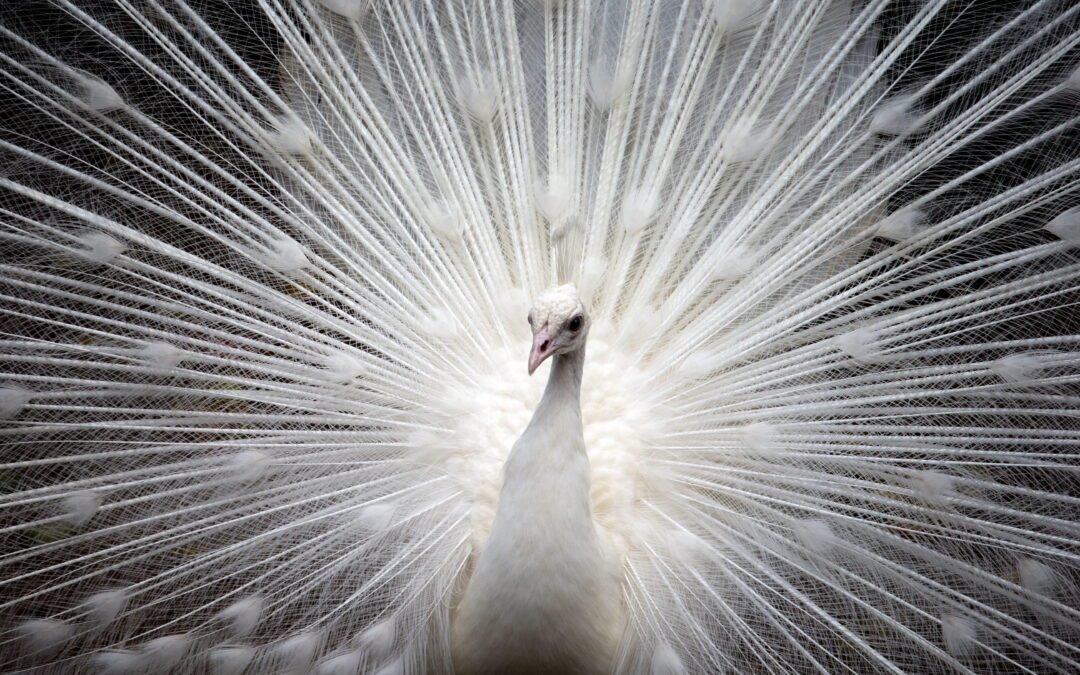
Set against that long, colorful history, the white peacock feather is something else entirely: an anomaly the bird itself didn't choose. Leucism — a genetic condition that suppresses pigment while leaving the feather's underlying structure intact — produces a bird rendered almost entirely in white, eyes and all, with the famous "eye" motif still faintly visible in the weave of the plume when the light catches it right.

Because true leucistic peafowl are uncommon, white plumes have historically carried their own mystique — often associated with purity, transcendence, and the otherworldly in a way standard iridescent feathers, for all their color, never quite achieved. Where a traditional peacock feather says opulence, a white one says something closer to reverence.

In the Milliner's Hands

For a couture milliner, the appeal of the white plume is structural as much as symbolic. Strip away the iridescence, and what remains has to work on shape alone — the curl of the frond, the architecture of the eye rendered in tone rather than color. That makes it a favorite for bridal work and for monochrome or minimalist pieces, where a feather needs to read as elegant rather than showy.

Milliners will curl, trim, or strip the barbs down to the quill depending on the effect they're after: a single dramatic sword feather swept off a brim for drama, or a cluster of softer wisps worked into the crown for texture. Set against black felt or veiling, a white plume becomes a study in restraint — proof that a feather doesn't need color to command attention.

Responsible Sourcing, By Design

None of that history or craft matters much if the material behind it comes at the expense of the bird. Ethical feather sourcing means collecting only molted feathers — those a peacock has naturally shed, rather than plucked — a practice that lets the plumage be gathered without harm to the animal at all.

A note on our sourcing: every feather used in our millinery, including the pale plumes featured in this collection, is collected only when molted — never plucked. It's a slower, more selective way to work, but it means the material's history and the bird's welfare aren't in conflict.

Read more about this

Why the Pale Plume Still Matters

A white peacock feather asks a milliner to trust form over flash — the same instinct that has made monochrome millinery endure through every trend cycle. It arrives already carrying centuries of meaning: crown, blessing, omen, rarity. What a milliner adds is simply the setting. The feather has been doing the rest of the work for a very long time.

A Quick Guide to Couture Millinery Etiquette

A Quick Guide to Couture Millinery Etiquette

Couture hat etiquette dictates that women generally keep their hats on indoors at social events like weddings, luncheons, or tea, as they are considered part of the hairstyle.
Wide-brimmed hats should be removed if they block views at ceremonies or dining, while, conversely, men are required to remove hats indoors, especially for dining or in church.


Key Millinery Etiquette Points

Indoor Events & Dining

Indoor Wear: Women can wear hats at daytime weddings, luncheons, and in restaurants. However, if a hat is very large, it is courteous to remove it to avoid blocking others' views, notes Eric Javits.

Dining: According to Yvonne LaFleur, ladies can leave hats on during meals, but it is generally polite to remove wide-brimmed hats at a dinner table, says Lock & Co. Hatters.

Handling & Presentation

Handling: When taking a hat off, handle it by the crown rather than the brim to maintain its shape, and set it on its crown, not the brim, says American Hat Company and this YouTube video.

Positioning: Decorative elements such as feathers or veils should typically be positioned on the right side for women and the left side for men, notes Friday Feelin.

Handling Removed Hats: If a hat is removed, do not show the inside lining. Store it on your lap or keep it in your hand with the outside visible, according to Hats in the Belfry and Brixton.

Etiquette for Others: Never touch or try on someone else’s hat, say various Facebook posts and American Hat Company. [1, 2, 3, 4, 5, 6, 7, 8, 9]

Specific to Weddings

Top Hats: When attending a wedding, top hats should be removed inside the church or reception venue, advise Lock & Co. Hatters.

Evening Wear: Contrary to old rules, modern etiquette allows for fashionable hats to be worn into the evening,, say Yvonne LaFleur and Helen Kaminski. [1, 2, 3]

Evening and After-Five Headwear

For events occurring after 5:00 PM, etiquette suggests moving away from large brims toward more compact and decorative pieces.

Cocktail Hats: These are small, structured hats without brims, often perched on the head and secured with clips or combs. Modern versions, like those from Donna Vinci, often feature rich textures, shimmering accents, and handcrafted jewels to catch evening light.

Fascinators: Lightweight and purely decorative, fascinators are built on a base of feathers, lace, or silk and attached to a headband or clip. They are highly popular for evening galas and formal parties as a "haiku of a hat" that adds elegance without the bulk of a full headpiece.

Formal Daytime Headwear

Daytime formal events, particularly those involving outdoor ceremonies or races, allow for maximum scale and sun protection.

Wide-Brimmed Hats: These create a dramatic, elegant silhouette and are often made from fine sinamay, sisal, or felt.

Pillbox Hats: Made famous by figures like Jackie Kennedy, these small, rounded hats sit on top of the head and are often adorned with veiling or luxe fabrics for a retro-chic look.

Materials and Craftsmanship

Couture millinery focuses on artisanal techniques and premium materials that distinguish these pieces from mass-produced headwear.

Materials: High-end pieces use fur felt, silk taffeta, ostrich feathers, and hand-sewn lace.

Embellishments: Typical decorations include handcrafted fabric flowers, Swarovski crystals, pearls, and intricate birdcage veils.

We think an educated client (never a "customer") is preferred. Arturo also believes in being generous with his knowkledge as others have been generous with theirs to him.

This article is part of our series that explores and celebrates different aspects of millinery. Arturo Rios has created new techniques, forms and modes of constructing the world's finest hats and he wants to share and open the discussion with you.

We welcome everyone to discover how millinery is expanding, changing and evolving. Let us know your thoughts!


Classic Forms

Millinery has a long history. In this series of posts, we delve deeper into the specifics of each type of hat. Pillboxes, fascinator and derby hats are just the beginning. And Arturo wants to assist in your discovery!

Techniques

Hat-making has it's own vocabulary; definitions, terms, slang. We're here to talk about the components that make great hats.

Colors

Arturo has a unique sense of flowers. He also uses his deep understanding of how colors work and how they influence us.

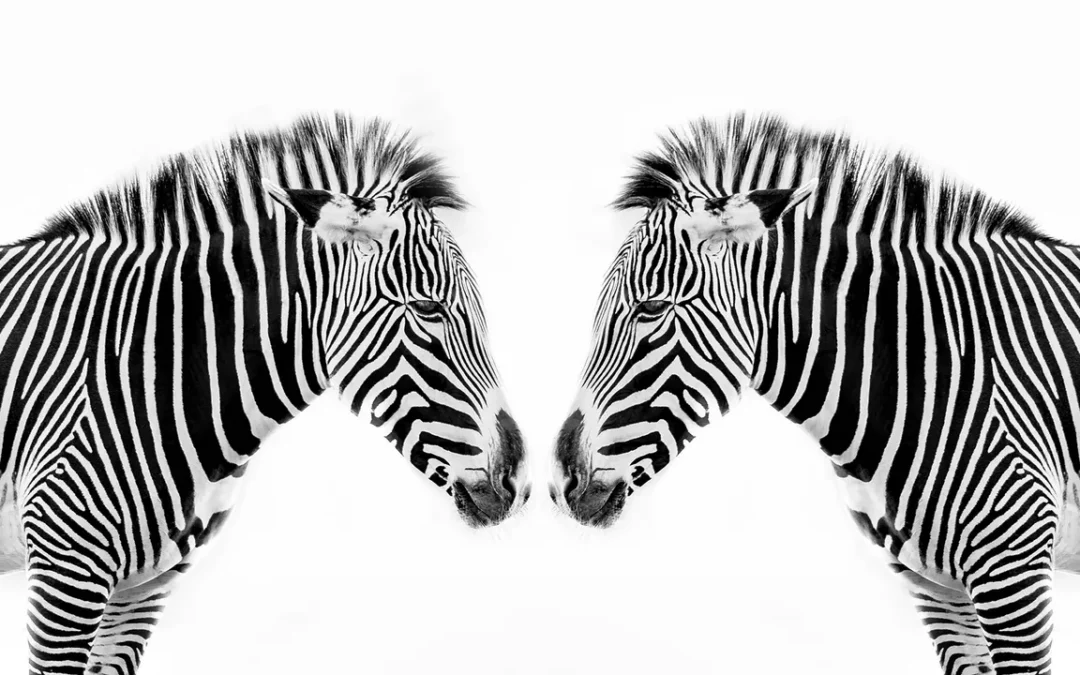
The Non-Colors: Black & White

The Non-Colors: Black & White

Color & Craft · Couture Millinery

The Eternal
Contrast

On Black & White in the Art of Hats

Before color theory, before trend forecasting, before pantone swatch books, there were two non-colors that quietly governed the language of elegance: black and white. In millinery — the most personal and sculptural of the fashion arts — these two absolutes don't cancel each other out. They complete each other.

White: The Blank Canvas That Commands Attention

White is not the absence of statement. In a hat, it is the loudest possible one. A white fascinator atop dark hair is a study in pure contrast — the eye drawn upward, the silhouette sharpened, the wearer suddenly the most visible person in the garden.

Historically, white has carried enormous symbolic weight in headwear: bridal veiling, debutante plumes, aristocratic plumes worn against pale straw brims at Ascot. But in the hands of a contemporary couture milliner, white transcends tradition. It becomes sculptural. Architectural. A form in space rather than a color on fabric.

White invites the eye to linger on form — on the curve of a brim, the architecture of a blossom, the texture of silk organza catching afternoon light.

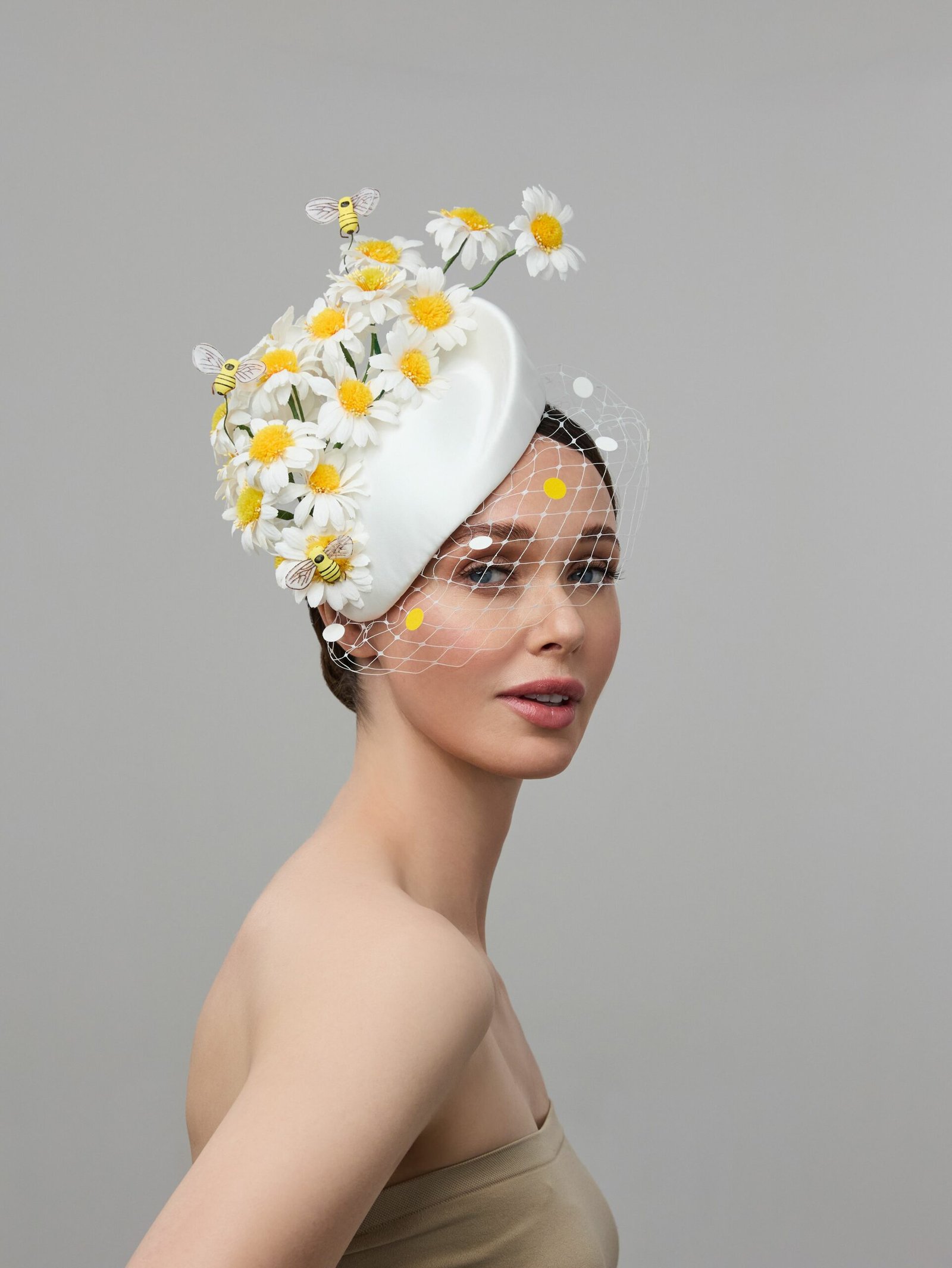
Consider Arturo Rios's off-white creations: pieces like his off-white bow pillbox fascinator with veil — a hat that reads simultaneously as something borrowed from a 1950s screen siren and something entirely of the present moment. The whiteness here is not innocence. It is intention.

From ArturoRios.com

The Off-White Bird Fascinator — available at arturorios.com — exemplifies white millinery at its most poetic: nature-inspired form, responsible feather sourcing, and a pale palette that reads as luminous rather than understated. "Couture millinery made for you alone."

Black: The Color That Carries Everything

If white is declaration, black is authority. A black hat asks no permission. It arrives fully formed, fully itself — and it expects the room to adjust.

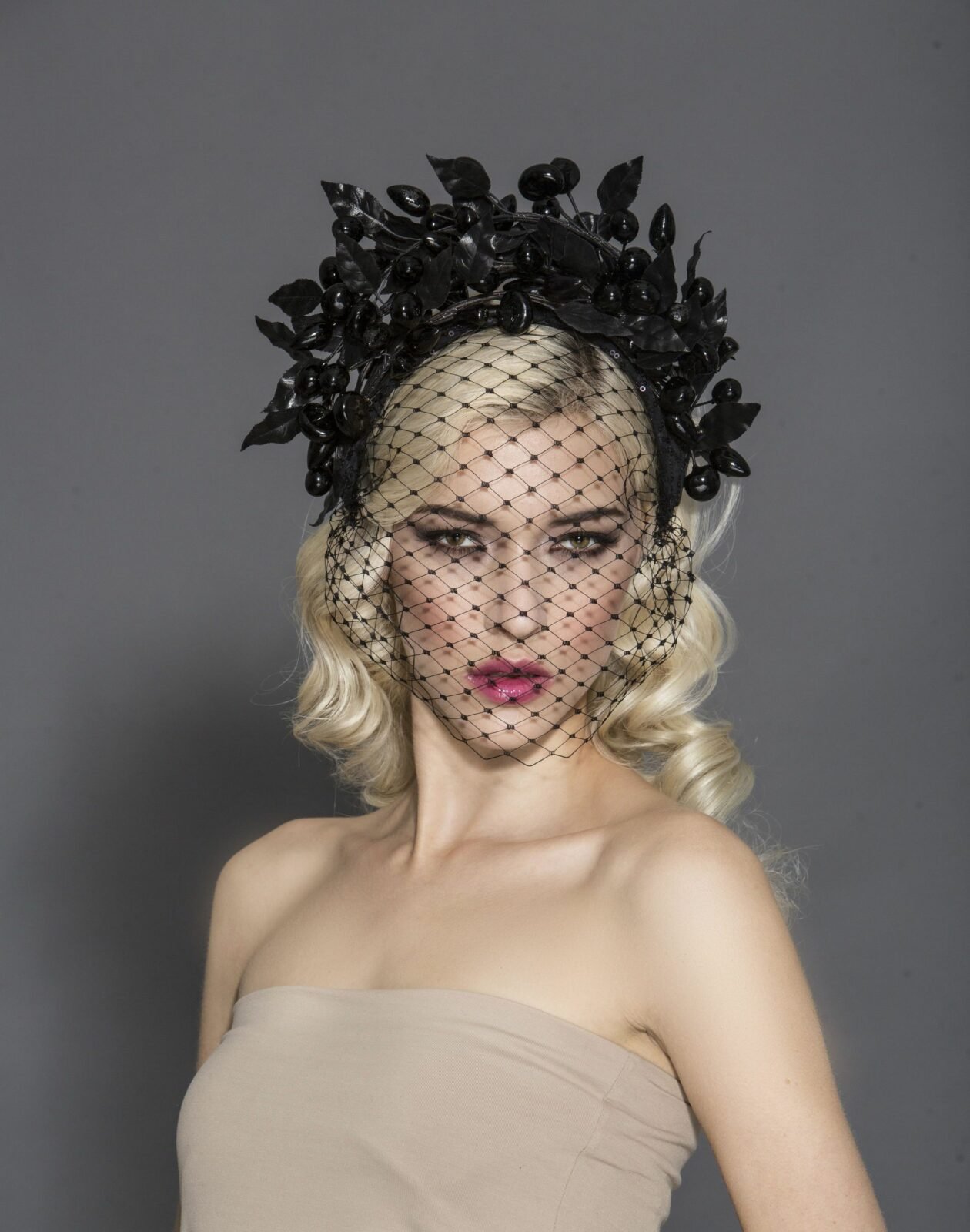
There is a reason black millinery endures through every era, every trend cycle, every swing of the fashion pendulum. It is the color of ceremony and of mourning, of power dressing and of avant-garde provocation. It absorbs light the same way a great hat absorbs attention: completely, unhurriedly, without apology.

Arturo Rios works in black with particular confidence. His Coco: Noir from the Spring/Summer 2026 collection — part of the new "Coco" series conceived for important celebrations that demand grandeur — is a piece that understands what black can do when given serious sculptural treatment. At $650, it is not just a hat; it is an artifact.

There is nothing classier than black and white. It is the most timeless combination in the art of adornment.

A recurring sentiment across couture millinery

The Lady Gaga Black Couture Wings fascinator — one of Arturo Rios's more theatrical black creations, available via Etsy — captures another dimension of black millinery entirely: the avant-garde, the costume, the theatrical. A reviewer noted it was "so easy to wear" and that she was told she had "won the night." That is what a black Arturo Rios hat does. It performs.

Together: The Conversation That Never Gets Old

The pairing of black and white in a single piece — or worn in coordination — is one of millinery's oldest and most sophisticated moves. A white brim with black veiling. A black crown ribboned in ivory grosgrain. Monochrome polka-dot silk stretched over a wide-brim base. These combinations have adorned racegoers at Ascot and Flemington for over a century precisely because they need nothing else.

What's interesting is what the combination communicates. Black-and-white millinery sits at the intersection of whimsy and authority — it is simultaneously fun and serious, festive and refined. It suits a woman who knows exactly where she is going and exactly what she wants people to think when she arrives.

On ArturoRios.com, the Spring/Summer 2026 collection reflects a broader shift in high-end millinery — away from "quiet luxury" and toward bold, statement-making artistry. Black and white are native to both poles of that spectrum.

The collection of 55 pieces for 2026 — ranging from the sculptural Sky to the nature-inspired Orchid to the celebration-ready Coco series — demonstrates a range that includes both extremes and every tonal variation between them. Browsing the site, you see how Rios uses black to anchor and white to elevate, often within the same silhouette.

About Arturo Rios

An LA-based couture milliner, Rios is known for nature-inspired, handmade fascinators and statement hats with a high-profile celebrity clientele. Every piece is handmade and unique — no two exactly alike. His commitment to responsible feather sourcing (all feathers collected only when molted) aligns craft with conscience. Explore the full 2026 collection at arturorios.com.

Why These Two Colors, Always

Chromatic fashion trends come and go. Cobalt blue has its season. Butter yellow has its moment. But black and white are perennial precisely because they are not trends — they are structure. They are the visual grammar that everything else is written against.

In millinery more than almost any other art form, that grammar matters. A hat floats above everything else you're wearing. It punctuates the outfit. It is the exclamation point or the ellipsis, depending on your choice. Black says: period. White says: beginning. Together, they say: here I am — let's begin.

The next time you're browsing ArturoRios.com, notice how the monochromatic and near-monochromatic pieces command attention even in a catalog full of color. The blacks draw you in. The whites stop you. That is not accident. That is centuries of aesthetic intelligence, passed down through the milliner's hands.

UPDATED: 2026 Horse Racing Events

UPDATED: 2026 Horse Racing Events

Millinery & the Races · 2026

Dressed for
the Season

Arturo Rios and the art of dressing for the world's great racing events — from Churchill Downs to Royal Ascot, Del Mar to Melbourne.

May2
Kentucky DerbyChurchill Downs, Louisville
May16
Preakness StakesPimlico, Baltimore
Jun16–20
Royal AscotAscot Racecourse, England
JunTBD
Belmont StakesSaratoga Springs, New York
Nov3
Melbourne CupFlemington, Australia

There is a particular kind of occasion — rare, charged, magnificent — where the hat is not the accessory. The hat is the point. Horse racing at its grandest belongs to this category: a world where the spectacle in the grandstand rivals the spectacle on the track, and where the milliner's art has been central to the culture for over a century. No designer working today understands this better than LA-based couture milliner Arturo Rios.

The 2026 racing calendar is a spectacular run of events stretched across three continents and eight months. From the first Saturday in May in Louisville to a November Tuesday in Melbourne, it offers eight-plus occasions for couture millinery to do exactly what it was made to do: arrive at precisely the right moment, in precisely the right form, and make the room rearrange itself around the woman wearing the hat.

The Season at a Glance: What's Ahead

The 2026 racing calendar opens early and runs rich, spanning the American Triple Crown, the cream of British flat racing, and the Southern Hemisphere's marquee autumn meetings.

February 14, 2026 Saudi Cup — Riyadh, Saudi Arabia

The world's richest horse race, with a $20 million purse, draws elite international runners to King Abdulaziz Racetrack. A newer event but already a fixture on the global calendar.

March 28, 2026 Dubai World Cup — Meydan Racecourse

The $12 million Dubai World Cup is the UAE's crown jewel — a night meeting on dirt at one of the most architecturally dramatic racecourses in the world.

May 2, 2026 Kentucky Derby — Churchill Downs, Louisville

The 152nd running of America's most beloved race. The "greatest two minutes in sports" is also the greatest two hours in American fashion. Hats are not mandatory at Churchill Downs, but they might as well be.

May 16, 2026 Preakness Stakes — Pimlico, Baltimore

The second leg of the Triple Crown at historic Pimlico Race Course — one of the last runnings before a major construction project reshapes the venue.

June 16–20, 2026 Royal Ascot — Ascot Racecourse, Berkshire

The five-day meeting that is as much a fashion summit as a sporting event. The Royal Enclosure dress code mandates hats or headpieces — the global benchmark for race-day millinery.

June TBD, 2026 Belmont Stakes — Saratoga Springs, New York

The 158th Belmont, the final jewel of the Triple Crown, runs again at Saratoga Springs — a venue that pairs beautifully with elaborate summer millinery.

November 3, 2026 Melbourne Cup — Flemington, Australia

"The race that stops a nation" is Australia's ultimate hat occasion. The Flemington crowd reliably produces some of the most adventurous race-day millinery anywhere on earth.

The Kentucky Derby: America's Greatest Hat Occasion

No American sporting event has a deeper, more earnest relationship with the hat than the Kentucky Derby. The tradition is woven into the culture of Churchill Downs: you don't just attend the Derby, you dress for it. And the hat leads.

For 2026, the official Derby Style Guide — curated by guest style editor Zanna Roberts Rassi — has pivoted toward maximalist expression. Deeply saturated colors and 3D textured flower fabrics set the tone — dramatic, architectural, and unapologetically loud. The directive is unambiguous: "Hats First!"

This is the aesthetic DNA of Arturo Rios's work. His Spring/Summer 2026 collection — 55 handmade pieces ranging from sculptural nature-inspired fascinators to elaborate wide-brim statement hats — is precisely calibrated for this moment.

The Coco Series — Built for Grand Occasions

Arturo Rios's Coco collection for Spring/Summer 2026 was conceived for important celebrations that call for elaborate hats which fit the grandeur of the setting. Available in Noir, Red, and Fuchsia at $650. Explore at arturorios.com.

Royal Ascot: Where the Hat Is the Law

If the Derby is America's greatest hat occasion, Royal Ascot is the world's. The five-day meeting in Berkshire — running June 16–20, 2026 — draws upwards of 285,000 attendees, and in the Royal Enclosure, a hat or formal headpiece is a dress code requirement with a minimum base diameter of four inches.

For 2026, Royal Ascot's Creative Director Daniel Fletcher has unveiled a new Handbook — "The Art of Dressing Well" — reflecting a distinct shift toward confident, expressive dressing. The 2026 Royal Ascot Millinery Collective, unveiled at Claridge's during London Fashion Week, featured monochrome looks with vintage-style A-line dresses.

Royal Ascot is very important to us as milliners — it's a place to showcase our talents, our fantastic hats, to have fun with designs. It offers the chance to be creative, think outside the box, and design wonderful hats for women to wear.

Katherine Elizabeth, milliner, on Royal Ascot

Arturo Rios's sensibility — nature-inspired, hand-sculpted, architecturally confident — translates naturally to the Ascot context. Pieces like the Athena, Orchid, and Peony from the 2026 collection have the formal presence the Royal Enclosure demands.

Responsible Featherwork for the World Stage

Arturo Rios is one of the few couture milliners to certify the sourcing of every feather used — all collected only when molted, never harmed. See the feather-forward pieces at arturorios.com.

Del Mar, Saratoga & the Summer Circuit

Del Mar, just north of San Diego — practically in Arturo Rios's backyard — runs its summer meet through July and August and has long been one of California's premier fashion racing venues.

The summer circuit calls for hats lighter in weight and palette but no less considered in form. Rios's sinamay-and-silk fascinators — pieces like the Ireland, Elsie, and Aspen — are perfectly weighted for an afternoon in the California sun.

Melbourne Cup: The Southern Hemisphere's Grand Finale

The racing calendar closes in Melbourne on November 3rd. The Melbourne Cup — "the race that stops a nation" — is Australia's defining hat moment. Flemington Racecourse on Cup Day produces some of the most adventurous, architecturally daring millinery of any event anywhere in the world.

Arturo Rios's more theatrical creations speak directly to this tradition. His work has long appealed to buyers in Australia and New Zealand precisely because his aesthetic meets the Melbourne sensibility at its most experimental.

May 2, 2026 Kentucky Derby Churchill Downs · Louisville, KY

Maximum drama, Southern tradition. Wide brims and sculptural fascinators. The 152nd Run for the Roses.

June 16–20, 2026 Royal Ascot Ascot Racecourse · Berkshire, England

Hats mandatory in the Royal Enclosure. The world standard for race-day millinery. Five days, 285,000 attendees.

June TBD, 2026 Belmont Stakes Saratoga Springs · New York

The Triple Crown finale at the Victorian-era Spa City venue. Summer elegance in the grandstands.

November 3, 2026 Melbourne Cup Flemington · Victoria, Australia

The race that stops a nation. Home to some of the most adventurous millinery in the world.

The Hat as Protagonist

There is a throughline connecting Churchill Downs to Royal Ascot to Flemington, across continents and centuries: the belief that certain occasions deserve more than an outfit. They deserve a statement. And the statement, in the tradition of the races, is made from the crown of the head outward.

Arturo Rios has spent his career in service of exactly this belief. Each piece in the Spring/Summer 2026 collection — handmade, one of a kind, never exactly replicated — is built on the understanding that the wearer is not completing a look. She is making an entrance.

As the 2026 racing season unfolds from May through November, the question is not whether to wear a hat. The question is which one.

The 2026 Spring & Summer Collection

55 handmade pieces available now at arturorios.com. Prices from $520–$650. Custom orders: arturo@arturorios.com

Colors: Red. Why Do We love it So Much?

Colors: Red. Why Do We love it So Much?

a red flag

caught red-handed

red alert

red ink

red in the face

red tape

seeing red

paint the town red

red-eye flights

red herring


Red is the first color babies can see after black and white.

Because red grabs attention, it’s used to warn people of danger. That’s why it’s on stop signs, traffic lights and fire engines.

Kings in the Middle Ages wore red to display their God-given right to the throne.

In fashion, the designer brand Christian Louboutin is known for its red-soled shoes.

Red provokes strong, often opposing emotions, such as love and anger. It conveys literal danger, such as stop signs and traffic lights, and metaphorical danger, such as “red flags” or being “in the red.” Exposure to the color red can cause increased blood pressure, respiration rate, heart rate and metabolism.

RED is important, it defines who we are:

According to a landmark 1969 linguistic study by Brent Berlin and Paul Kay, if a language only has three color terms, those terms are always words for black, white, and red. Red is almost universally the very first distinct chromatic color that cultures name. [1]

More than 40,000 years ago, hunters and gatherers used red clay to make paint. The Paleolithic people buried their dead with red powder for protection from evil spirits. Red is also common in ancient art, with cave paintings across continents created by red ochre. Ancient Romans favored cinnabar for decorations, and Renaissance painters used vermilion paint.

Red pigment comes from the deep red ink gathered from cochineal insects. Farmers in Central and South America harvest these bugs from the prickly pear cactus and smash them into a grainy red substance. This substance is processed into a powder or liquid. The Aztecs invented this technique in the 15th century. This practice is one of many organic and synthetic methods of making red pigment.

Since the bugs are so small, nearly 70,000 of them are required to produce one pound of dye. This dye appears as carmine, natural Red 4 or cochineal extract in ingredient lists on food labels. It’s also common in cosmetics.