Southern Hemisphere / Autumn & Winter Racing Events

Hat Season, Everywhere:

The Racing Calendar Every Milliner Should Have on Their Wall (Now Through Spring 2027)

At Arturo Rios Couture Millinery, we don't just make hats — we make hats for a moment. And no moment calls for a showstopper quite like a day at the races. While Ascot and the Kentucky Derby tend to dominate the fashion headlines, some of the boldest millinery in the world is happening south of the equator and east of the Mediterranean, where dress codes are looser, colors run brighter, and the fascinators get genuinely adventurous.

Here's our lookbook-meets-calendar of the biggest racing events across the Middle East, Australia, New Zealand, and South America between now and Spring 2027 — with a fun fact for each, because why not?
The 2026 Kentucky Derby

The 2026 Kentucky Derby

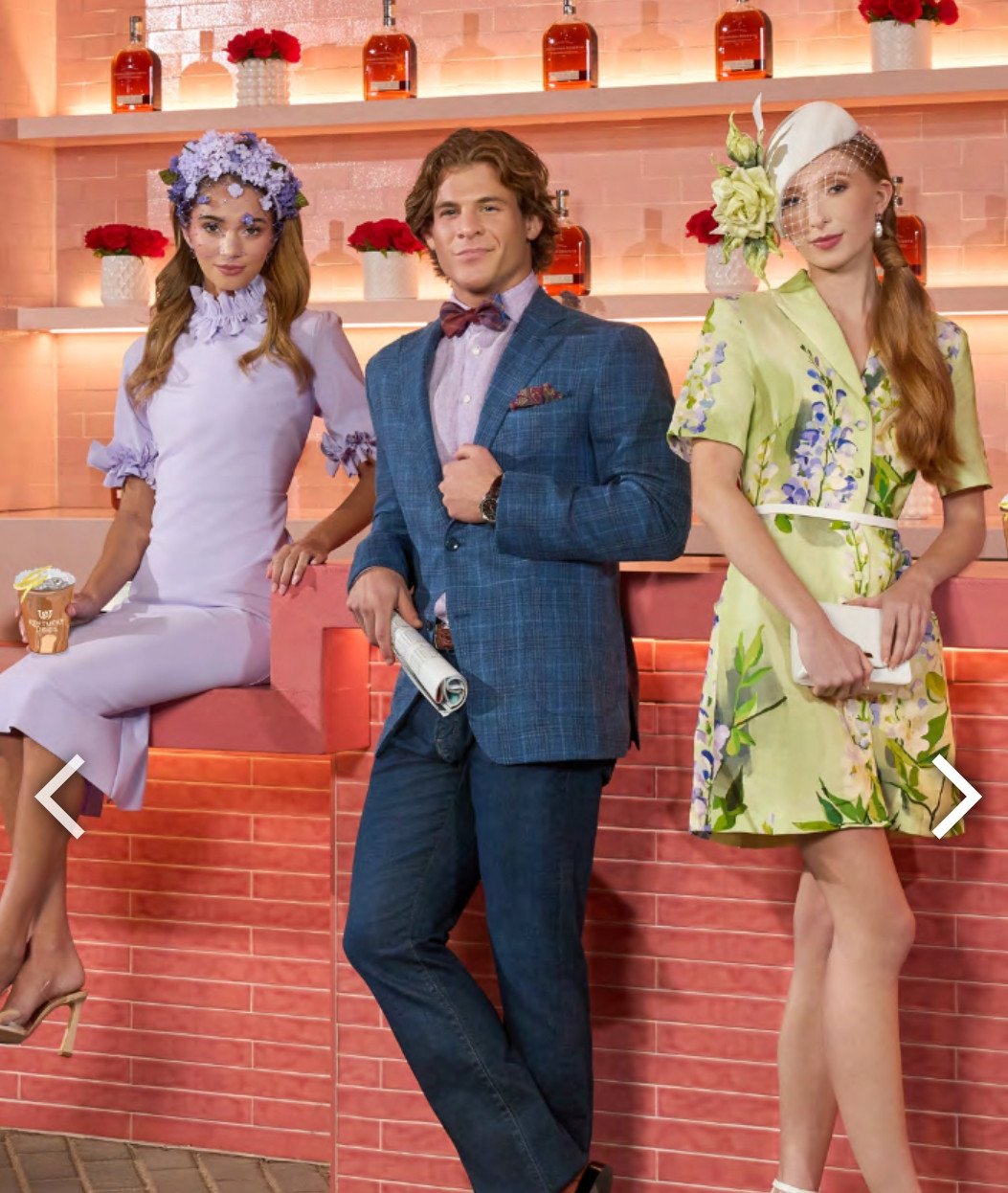
NEW! The Kentucky Derby 152 the Kentucky Derby Style Guide 2026 Arturo is thrilled to be included in the official Kentucky Derby Style Guide 2026! Arturo Rios hats have been a mainstay of the Derby for years. Extravagant, colorful and eye-catching, his hats have been...

EVENTS: Dubai World Cup 2026

EVENTS: Dubai World Cup 2026

28 March, 2026 The Dubai World Cup, held annually at the Meydan Racecourse, isn’t just a horse race; it’s an extravagant celebration of horse racing culture that lures thousands of enthusiasts from across the globe. First held in 1996, this prestigious event has...

EVENTS: Breeders’ Cup, 2025

EVENTS: Breeders’ Cup, 2025

OCT 31 - NOV 02, Del Mar, California Breeders' Cup 2025 Overview at Del Mar (Races, Hats, Tips) Hearts pound, hooves thunder, and style takes center stage. The Breeders' Cup 2025 lands at Del Mar Racetrack in California this November, the sport’s highest stage with...

Race Location Date
The Everest Royal Randwick, Sydney, Australia October 17, 2026
Caulfield Cup Caulfield Racecourse, Melbourne, Australia October 17, 2026
Cox Plate Flemington Racecourse, Melbourne, Australia October 24, 2026
Melbourne Cup Flemington Racecourse, Melbourne, Australia November 3, 2026
New Zealand Cup Riccarton Park, Christchurch, New Zealand November 14, 2026
Saudi Cup King Abdulaziz Racecourse, Riyadh, Saudi Arabia February 6, 2027
Gran Premio Latinoamericano Palermo Racecourse, Buenos Aires, Argentina March 6, 2027
Dubai World Cup Meydan Racecourse, Dubai, UAE March 27, 2027

The Everest

Royal Randwick, Sydney, Australia

Saturday, October 17, 2026

The richest race on turf anywhere in the world, and one of the youngest — The Everest only began in 2017. It's become the centerpiece of Sydney's spring racing season and a runway for some of Australia's most fashion-forward race day looks.

Fun fact. There's no traditional entry process here. Instead, 12 "slots" in the field are bought, sold, and leased like commercial real estate — some slot holders have never even owned the horse running in their spot.

Caulfield Cup

Caulfield Racecourse, Melbourne, Australia

Saturday, October 17, 2026

One of the oldest fixtures on the Australian calendar, the Caulfield Cup has been run since 1879 and remains a staple of the Melbourne Spring Racing Carnival, drawing hundreds of nominations from local and international stables each year.

Fun fact. Winning both the Caulfield Cup and the Melbourne Cup in the same season is such a rare feat that it has its own nickname among racing fans: "the Cups Double."
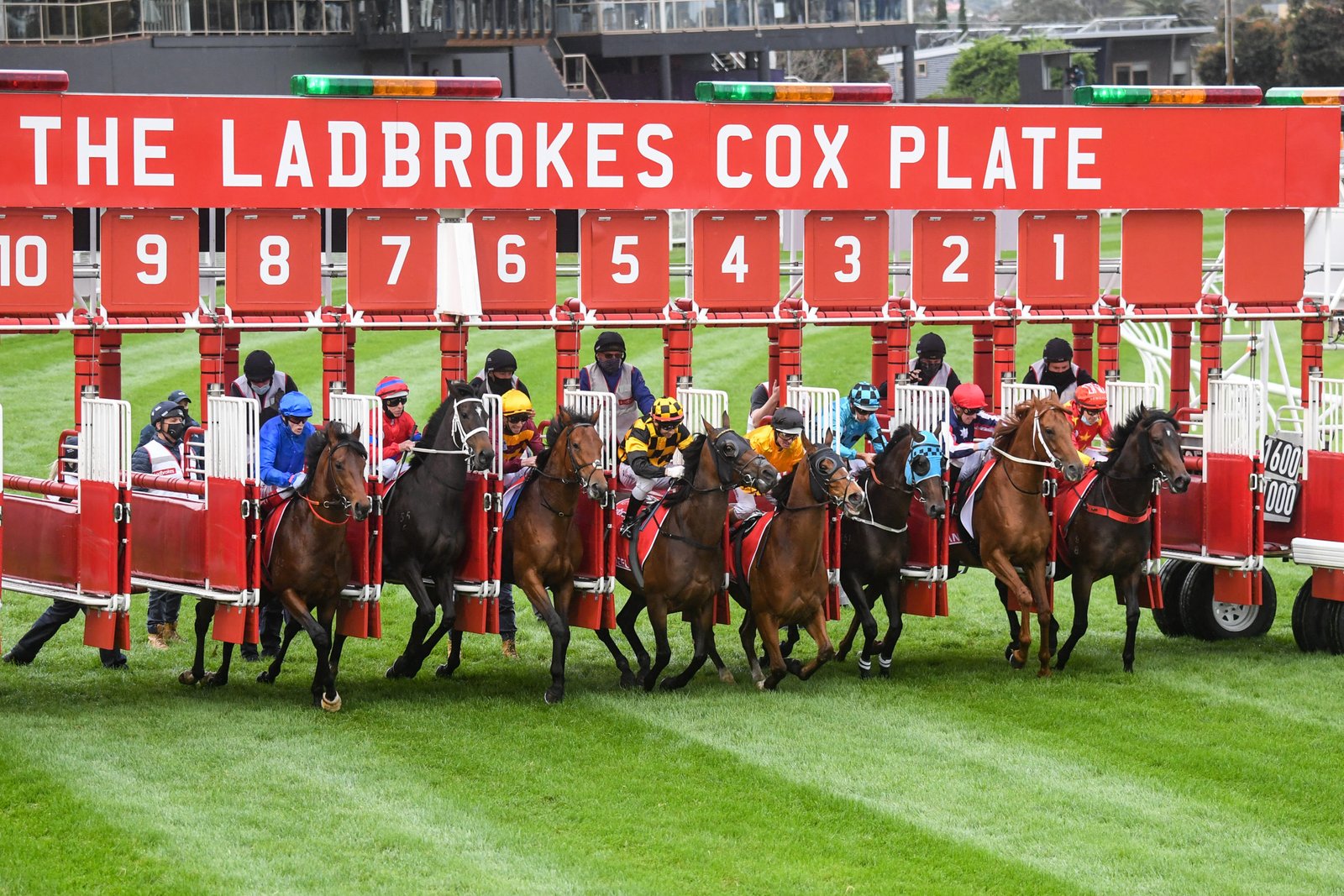
Cox Plate

Flemington Racecourse, Melbourne, Australia

Saturday, October 24, 2026

Often called the true championship of Australasian racing, the Cox Plate sits neatly between the Caulfield Cup and the Melbourne Cup on the calendar. In 2026, it's being run at Flemington rather than its usual home at Moonee Valley, which is undergoing redevelopment.

Fun fact. Nearly every Cox Plate winner in its century-long history has been bred in Australia or New Zealand — it's one of the rare top-tier races where the locals almost always win.
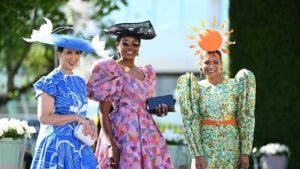
Melbourne Cup Carnival

Flemington Racecourse, Melbourne, Australia

October 31 – November 7, 2026 · Cup Day: Tuesday, November 3

"The race that stops a nation" is exactly that — offices across Australia pause, and race day fashion becomes a national event in its own right, with Fashions on the Field competitions drawing nearly as much attention as the horses.

Fun fact. The Melbourne Cup is run over 3,200 meters, making it one of the longest and most physically demanding elite races in the world — closer to a marathon than a sprint compared to most Group 1 races.
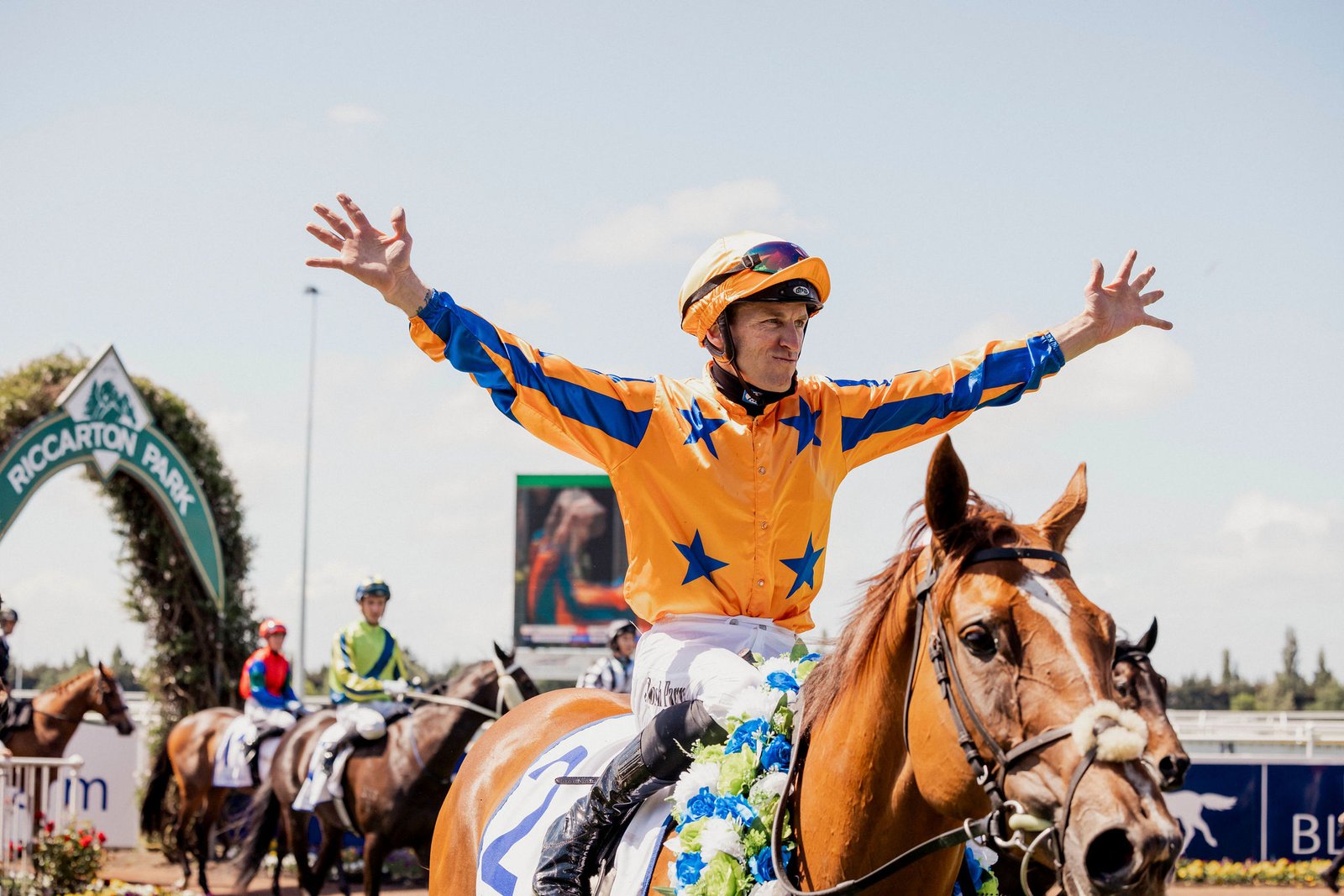
New Zealand Cup Week

Riccarton Park, Christchurch, New Zealand

Nov 7, 11 & 14, 2026 · NZ Cup: Saturday, November 14

Christchurch's Cup Week is the social and sporting highlight of the South Island's racing calendar, anchored by the New Zealand Cup, the NZ 1000 Guineas, and the NZ 2000 Guineas, alongside a full week of Fashion in the Field events.

Fun fact. The New Zealand Cup has been run since 1865, making it one of the oldest continuously run cup races in the Southern Hemisphere — older than the country's own Racing Act.
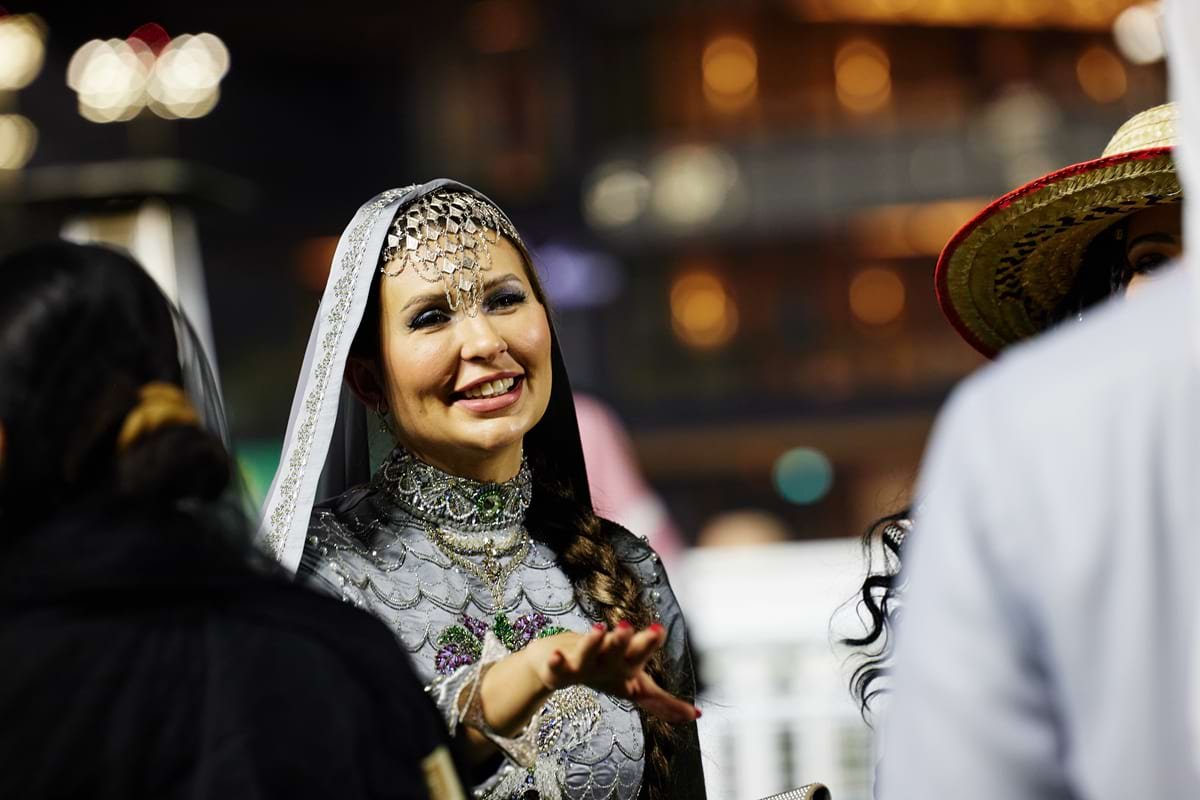
Saudi Cup Weekend

King Abdulaziz Racecourse, Riyadh, Saudi Arabia

Feb 5 & Saturday, February 6, 2027

The finale of Riyadh's racing season and the crown jewel of Middle Eastern racing, Saudi Cup Weekend headlines with the world's single richest horse race, drawing elite dirt-track competitors from Japan, the US, and Europe.

Fun fact. At $20 million, the Saudi Cup's purse for one race alone is more than triple that of Europe's most prestigious race, the Prix de l'Arc de Triomphe.

Gran Premio Latinoamericano

Palermo Racecourse, Buenos Aires, Argentina

Saturday, March 6, 2027

Sometimes called "the Copa América of horse racing," this is South America's most prestigious weight-for-age race, rotating each year between racecourses in Argentina, Brazil, Chile, Peru, and Uruguay. The 2027 edition returns to the historic Palermo track in Buenos Aires.

Fun fact. Brazil and Chile are neck-and-neck for the most all-time wins in the race's history, with Brazil holding a slight edge — a rivalry South American racing fans take very seriously.
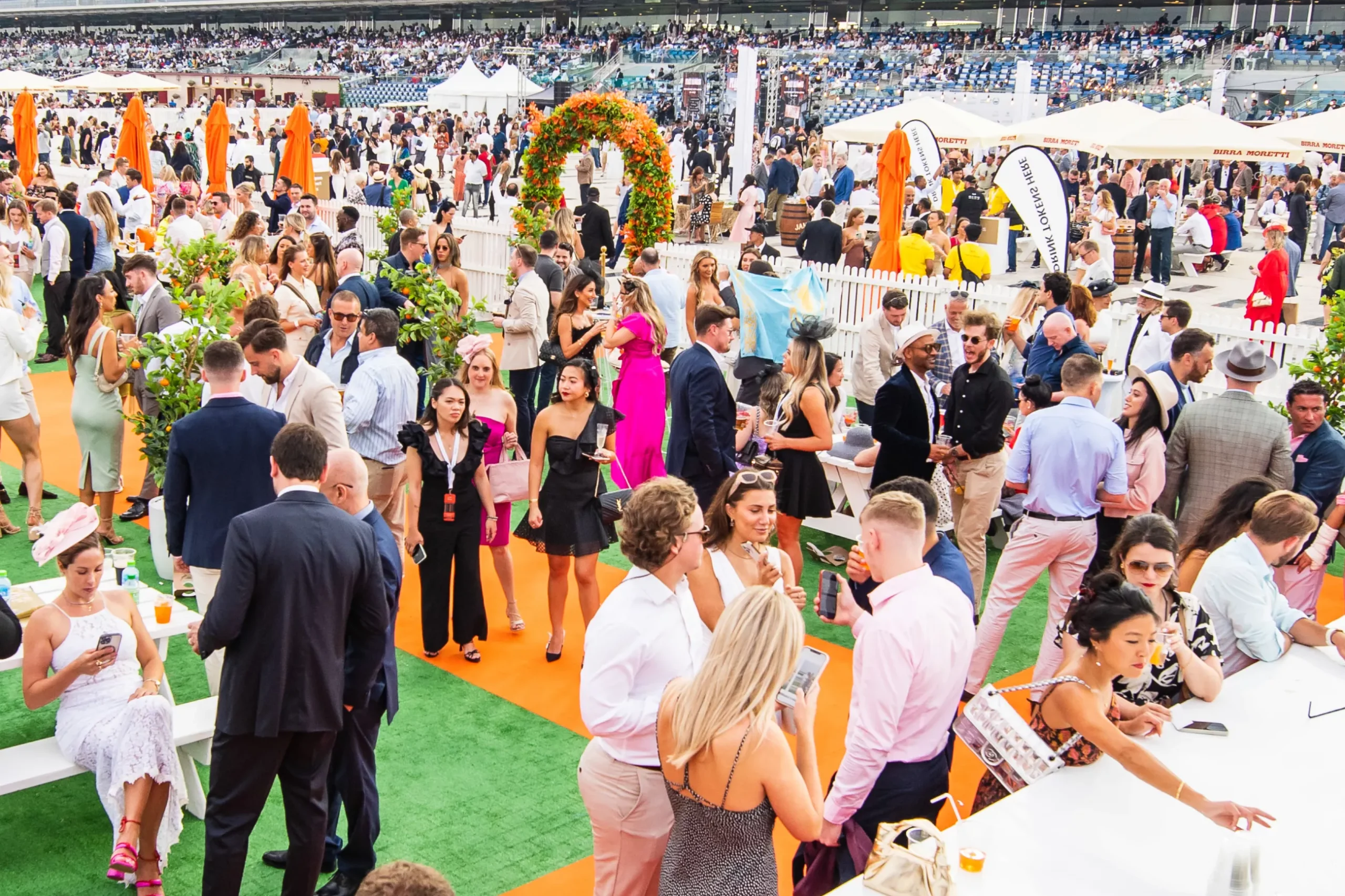
Dubai World Cup

Meydan Racecourse, Dubai, UAE

Saturday, March 27, 2027

The finale of the Dubai World Cup Carnival and one of the most glamorous nights on the global racing calendar, held under the futuristic grandstand roof at Meydan with a total prize pool north of $30 million across the card.

Fun fact. The Dubai World Cup is run under conditions that let Southern Hemisphere three-year-olds compete against Northern Hemisphere four-year-olds and up — a rare accommodation that reflects just how international its field really is.

No matter your destination, we're certain we can make your travels more stylish, more confident and more fun

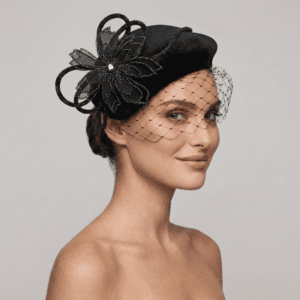
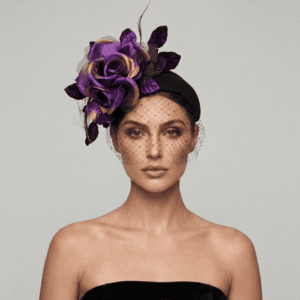
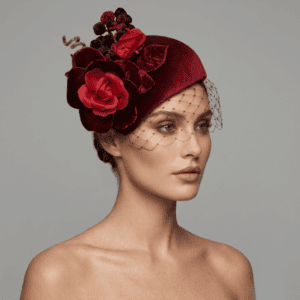
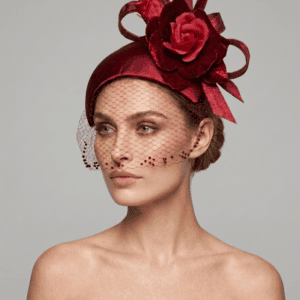
Browse our new Autumn & Winter Collection.
Breeders’ Cup Keeneland 2026

Breeders’ Cup Keeneland 2026

The Ultimate Race Day Elegance:

Dressing for the 2026 Breeders’ Cup at Keeneland

October 30-31, 2026 - Lexington, Kentucky

The countdown is officially on for the ultimate weekend in autumn horse racing. The 43rd Breeders’ Cup World Championships are making a spectacular return to the hallowed grounds of Keeneland Race Course in Lexington, Kentucky this October 30–31, 2026. While the world's finest Thoroughbreds prepare to chase over $34 million in purses, the fashion crowd is preparing for a different kind of competition: the race day style.
At Arturo Rios Couture Millinery, we know that a world-class horse race is only as good as the headwear on display. The Breeders’ Cup brings an entirely different aesthetic energy than the spring races. It's time to trade the breezy pastels of the Kentucky Derby for the rich, dramatic textures of fall fashion.
Here is your style playbook to ensure your race day look is a certified winner:

The Palette: Rich, Bold, and Dramatic

Spring racing is all about delicate florals, but the Breeders’ Cup at Keeneland demands an elevated shift toward architectural and high-impact artistry. Keeneland in late October is framed by golden autumn leaves and crisp Kentucky air. Lean into a palette that reflects that natural drama.

Deep Jewel Tones

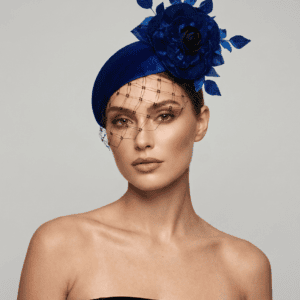
Think striking sapphire blue, umber, and majestic deep plum.

The Power of Warmth

Rich burgundy red, burnt amber, and earth-toned accents look flawless under the autumn sun.

High-Contrast Classics

You can never go wrong with a crisp off-white or deep black statement piece accented with rich textures.

Selecting Your Crown: Fascinator vs. Hat

Because autumn fashion features heavier fabrics like wool, tweed, and velvet, your millinery needs enough structure and presence to balance your look.
The Sculptural Fascinator
If your outfit features an asymmetric neckline or dramatic tailoring, a couture fascinator is your best ally. Look for pieces that utilize dramatic, swooping lines or oversized silk bows. A structured, perched fascinator adds height and an instantly modern, high-fashion edge.
The Majestic Wide-Brim
Keeneland’s historic vibe beautifully welcomes classic elegance. A beautifully sculpted brimmed hat provides a timeless silhouette. Opt for unique textures—like parasisal straw paired with cascading, responsibly sourced feathers—to capture the light perfectly as you watch from the grandstand.
Nature-Inspired Whimsy
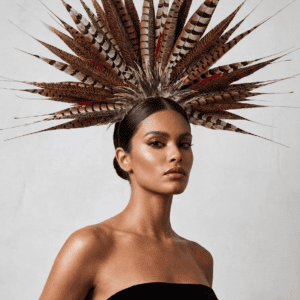
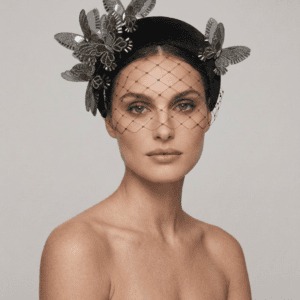
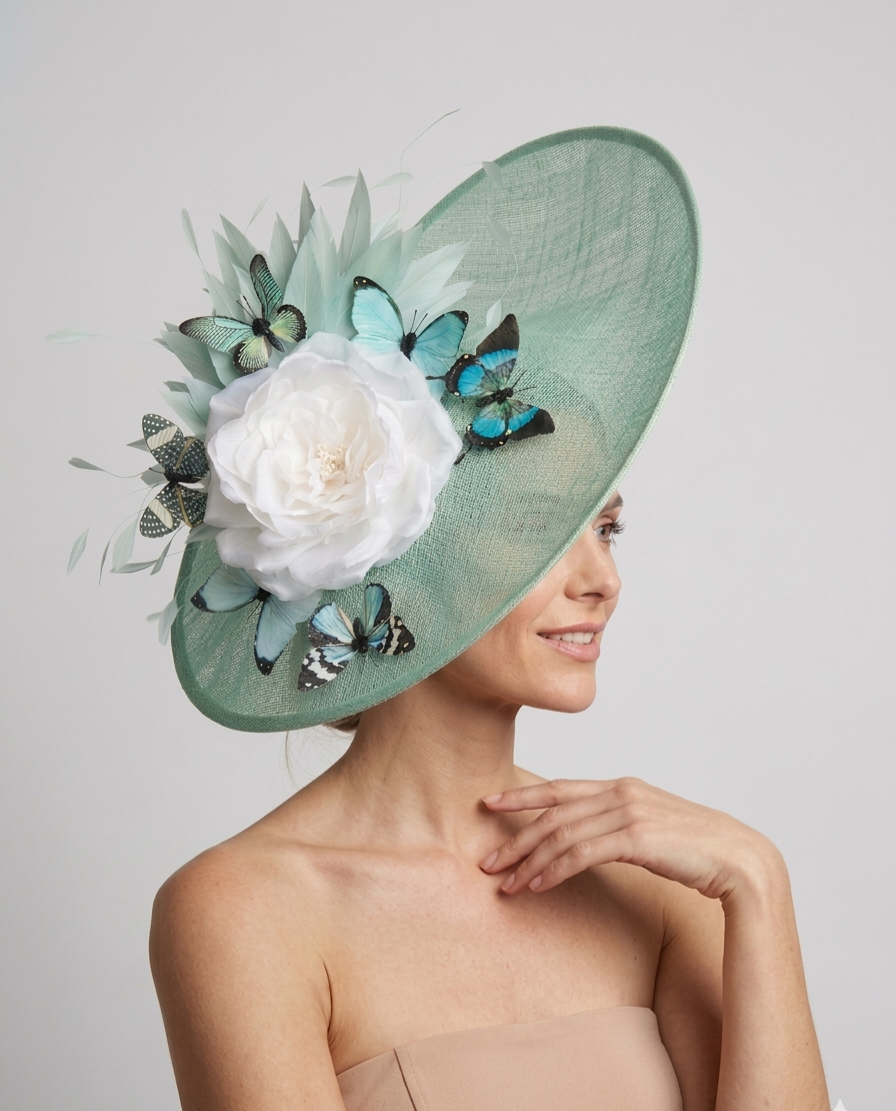
Our signature inspiration has always been deeply rooted in the colors of nature, flowers, and birds. The Breeders’ Cup is the perfect setting to showcase headpieces adorned with intricate, hand-cut feather bursts, delicate mesh butterflies, or custom-made silk roses that echo the raw beauty of the season.

Secure Your Winner’s Circle Look

With the Breeders’ Cup fast approaching, our studio is already busy crafting custom orders for racing enthusiasts traveling to Lexington. Don't wait until the final stretch to secure your piece.
Explore the latest statement pieces in the Arturo Rios Autumn & Winter Collection today, and find the design that speaks to your unique style. Let's make this Breeders’ Cup your most fashionable one yet.

Peacock Feathers

Peacock Feathers

Nature & Craft · Couture Millinery

The Pale Plume

White Peacock Feathers, and the Long History Behind a Rare Feather

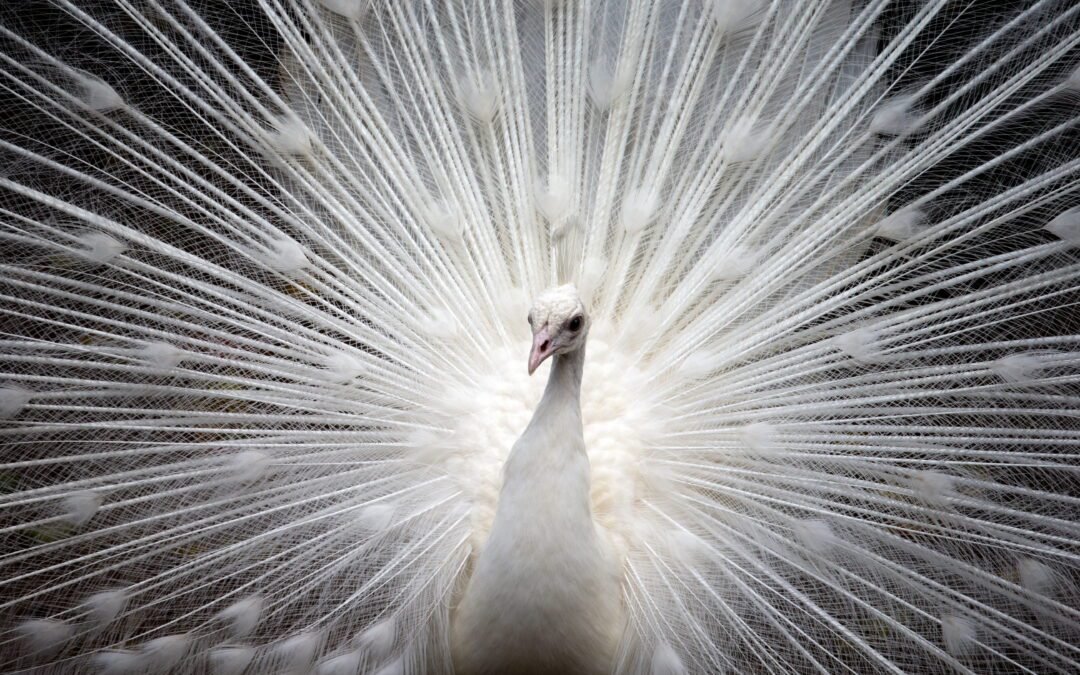
Of all the materials that pass through a milliner's hands, few carry as much history — or as much myth — as the peacock feather. And of all peacock feathers, none is rarer or stranger than the white one: the plume of a leucistic bird, stripped of color but not of form. Before it ever reaches a hat block, that feather has already traveled through centuries of royal courts, religious symbolism, and superstition. Understanding that history is part of understanding why it still commands a room today.

A Feather Long Before It Was a Trend

The peacock feather has never been just decoration. In Hindu tradition, it is inseparable from Krishna, who is depicted wearing a peacock crown — the feather standing in for beauty, protection, and divine grace. In ancient Greek and Roman mythology, the "eyes" on the feather were said to be the hundred eyes of the giant Argus, placed there by the goddess Hera, linking the feather forever to watchfulness and immortality.

By the Byzantine and Persian courts, peacock feathers had become a shorthand for royalty itself — woven into thrones, fans, and ceremonial dress. Centuries later, in Qing dynasty China, an actual peacock feather affixed to a mandarin's hat denoted rank and imperial favor, awarded rather than purchased. A feather, in other words, has rarely just been a feather. It has been a rank, a blessing, a warning, and a crown.

Curiously, the feather also picked up a reputation for bad luck in parts of Victorian Britain — theatre folklore in particular held that the "eye" pattern invited misfortune onstage, a superstition some performers still observe today. That tension between glamour and omen is part of what makes the feather such rich material for a milliner: it has always meant more than one thing at once.

The White Exception

Set against that long, colorful history, the white peacock feather is something else entirely: an anomaly the bird itself didn't choose. Leucism — a genetic condition that suppresses pigment while leaving the feather's underlying structure intact — produces a bird rendered almost entirely in white, eyes and all, with the famous "eye" motif still faintly visible in the weave of the plume when the light catches it right.

Because true leucistic peafowl are uncommon, white plumes have historically carried their own mystique — often associated with purity, transcendence, and the otherworldly in a way standard iridescent feathers, for all their color, never quite achieved. Where a traditional peacock feather says opulence, a white one says something closer to reverence.

In the Milliner's Hands

For a couture milliner, the appeal of the white plume is structural as much as symbolic. Strip away the iridescence, and what remains has to work on shape alone — the curl of the frond, the architecture of the eye rendered in tone rather than color. That makes it a favorite for bridal work and for monochrome or minimalist pieces, where a feather needs to read as elegant rather than showy.

Milliners will curl, trim, or strip the barbs down to the quill depending on the effect they're after: a single dramatic sword feather swept off a brim for drama, or a cluster of softer wisps worked into the crown for texture. Set against black felt or veiling, a white plume becomes a study in restraint — proof that a feather doesn't need color to command attention.

Responsible Sourcing, By Design

None of that history or craft matters much if the material behind it comes at the expense of the bird. Ethical feather sourcing means collecting only molted feathers — those a peacock has naturally shed, rather than plucked — a practice that lets the plumage be gathered without harm to the animal at all.

A note on our sourcing: every feather used in our millinery, including the pale plumes featured in this collection, is collected only when molted — never plucked. It's a slower, more selective way to work, but it means the material's history and the bird's welfare aren't in conflict.

Read more about this

Why the Pale Plume Still Matters

A white peacock feather asks a milliner to trust form over flash — the same instinct that has made monochrome millinery endure through every trend cycle. It arrives already carrying centuries of meaning: crown, blessing, omen, rarity. What a milliner adds is simply the setting. The feather has been doing the rest of the work for a very long time.

A Quick Guide to Couture Millinery Etiquette

A Quick Guide to Couture Millinery Etiquette

Couture hat etiquette dictates that women generally keep their hats on indoors at social events like weddings, luncheons, or tea, as they are considered part of the hairstyle.
Wide-brimmed hats should be removed if they block views at ceremonies or dining, while, conversely, men are required to remove hats indoors, especially for dining or in church.


Key Millinery Etiquette Points

Indoor Events & Dining

Indoor Wear: Women can wear hats at daytime weddings, luncheons, and in restaurants. However, if a hat is very large, it is courteous to remove it to avoid blocking others' views, notes Eric Javits.

Dining: According to Yvonne LaFleur, ladies can leave hats on during meals, but it is generally polite to remove wide-brimmed hats at a dinner table, says Lock & Co. Hatters.

Handling & Presentation

Handling: When taking a hat off, handle it by the crown rather than the brim to maintain its shape, and set it on its crown, not the brim, says American Hat Company and this YouTube video.

Positioning: Decorative elements such as feathers or veils should typically be positioned on the right side for women and the left side for men, notes Friday Feelin.

Handling Removed Hats: If a hat is removed, do not show the inside lining. Store it on your lap or keep it in your hand with the outside visible, according to Hats in the Belfry and Brixton.

Etiquette for Others: Never touch or try on someone else’s hat, say various Facebook posts and American Hat Company. [1, 2, 3, 4, 5, 6, 7, 8, 9]

Specific to Weddings

Top Hats: When attending a wedding, top hats should be removed inside the church or reception venue, advise Lock & Co. Hatters.

Evening Wear: Contrary to old rules, modern etiquette allows for fashionable hats to be worn into the evening,, say Yvonne LaFleur and Helen Kaminski. [1, 2, 3]

Evening and After-Five Headwear

For events occurring after 5:00 PM, etiquette suggests moving away from large brims toward more compact and decorative pieces.

Cocktail Hats: These are small, structured hats without brims, often perched on the head and secured with clips or combs. Modern versions, like those from Donna Vinci, often feature rich textures, shimmering accents, and handcrafted jewels to catch evening light.

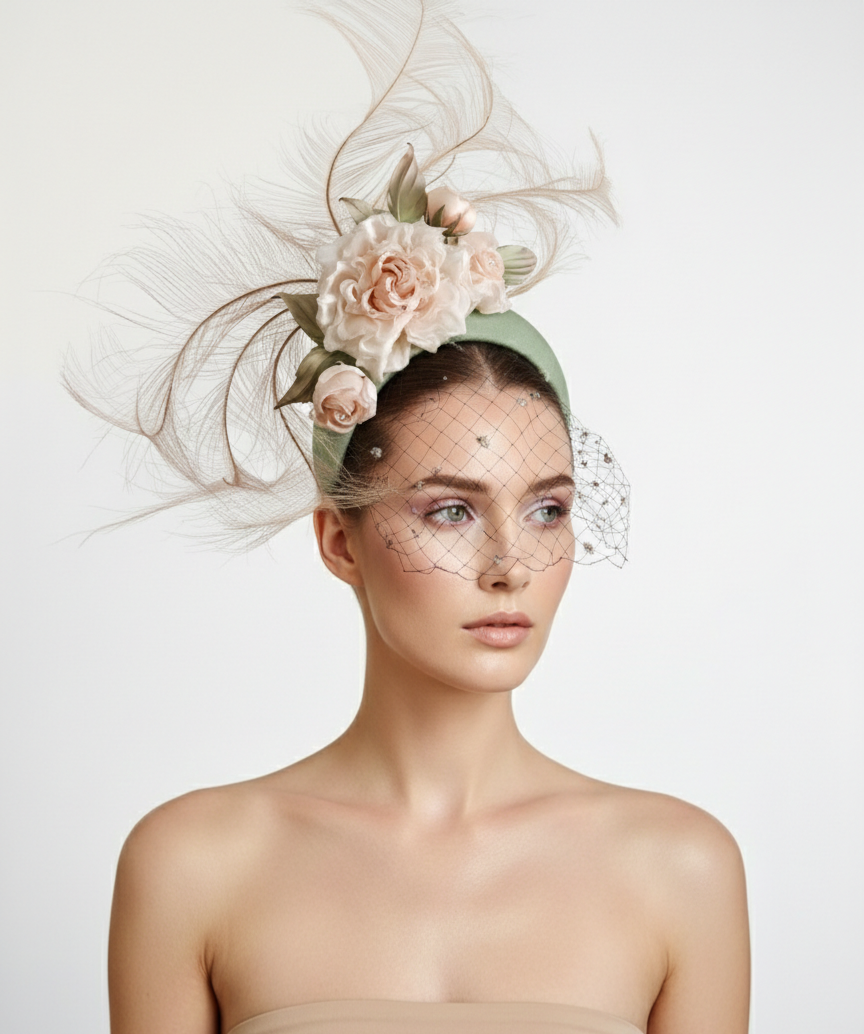
Fascinators: Lightweight and purely decorative, fascinators are built on a base of feathers, lace, or silk and attached to a headband or clip. They are highly popular for evening galas and formal parties as a "haiku of a hat" that adds elegance without the bulk of a full headpiece.

Formal Daytime Headwear

Daytime formal events, particularly those involving outdoor ceremonies or races, allow for maximum scale and sun protection.
Wide-Brimmed Hats: These create a dramatic, elegant silhouette and are often made from fine sinamay, sisal, or felt.

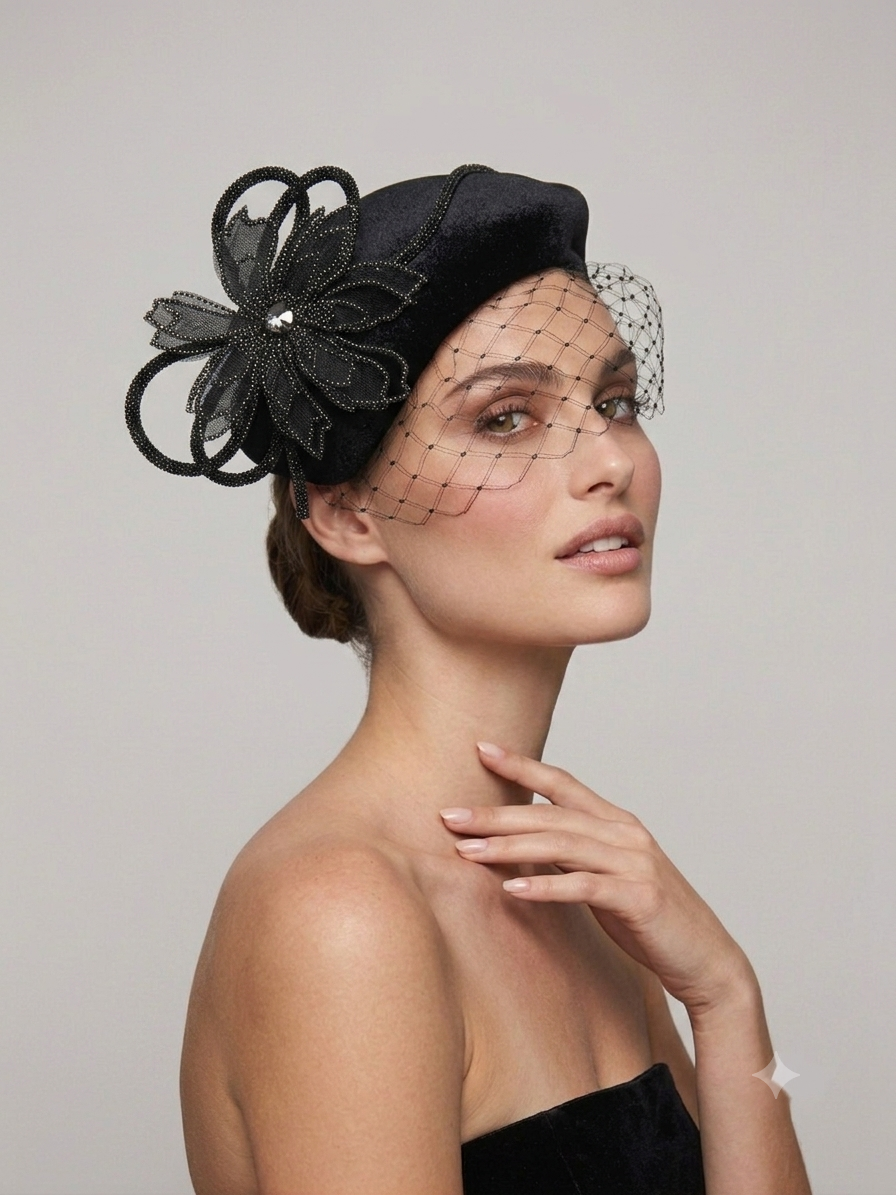
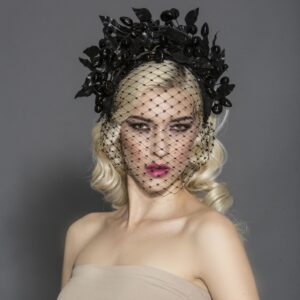
Pillbox Hats: Made famous by figures like Jackie Kennedy, these small, rounded hats sit on top of the head and are often adorned with veiling or luxe fabrics for a retro-chic look.

Materials and Craftsmanship

Couture millinery focuses on artisanal techniques and premium materials that distinguish these pieces from mass-produced headwear.

Materials: High-end pieces use fur felt, silk taffeta, ostrich feathers, and hand-sewn lace.

Embellishments: Typical decorations include handcrafted fabric flowers, Swarovski crystals, pearls, and intricate birdcage veils.

We think an educated client (never a "customer") is preferred. Arturo also believes in being generous with his knowkledge as others have been generous with theirs to him.

This article is part of our series that explores and celebrates different aspects of millinery. Arturo Rios has created new techniques, forms and modes of constructing the world's finest hats and he wants to share and open the discussion with you.

We welcome everyone to discover how millinery is expanding, changing and evolving. Let us know your thoughts!


Classic Forms

Millinery has a long history. In this series of posts, we delve deeper into the specifics of each type of hat. Pillboxes, fascinator and derby hats are just the beginning. And Arturo wants to assist in your discovery!

Techniques

Hat-making has it's own vocabulary; definitions, terms, slang. We're here to talk about the components that make great hats.

Colors

Arturo has a unique sense of flowers. He also uses his deep understanding of how colors work and how they influence us.

The Non-Colors: Black & White

The Non-Colors: Black & White

Color & Craft · Couture Millinery

The Eternal
Contrast

On Black & White in the Art of Hats

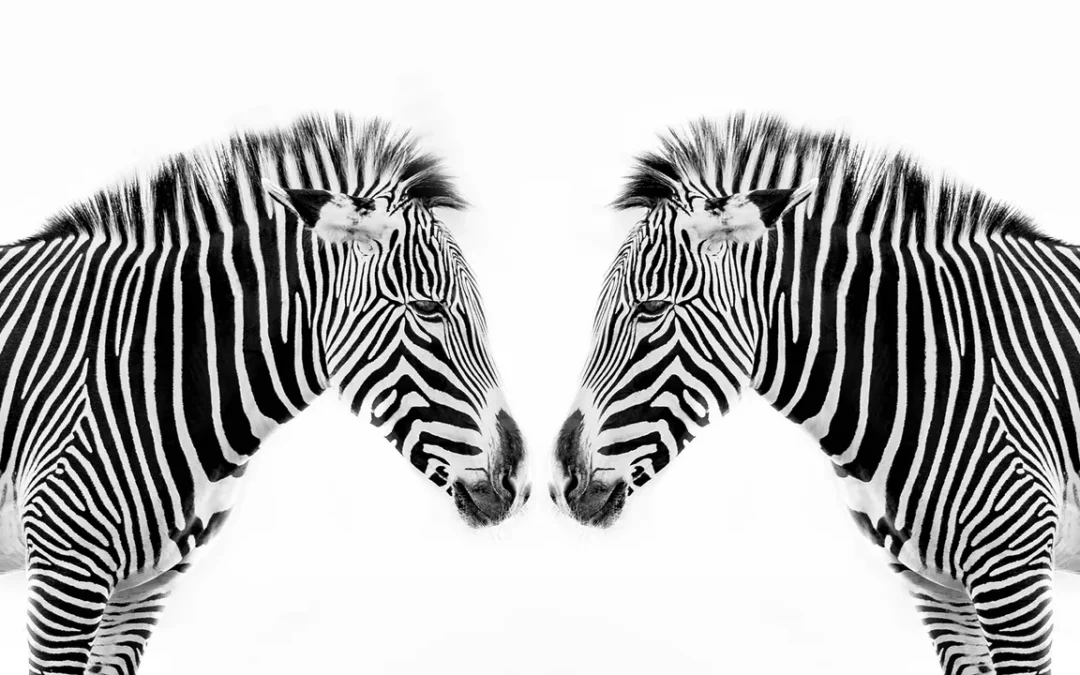
Before color theory, before trend forecasting, before pantone swatch books, there were two non-colors that quietly governed the language of elegance: black and white. In millinery — the most personal and sculptural of the fashion arts — these two absolutes don't cancel each other out. They complete each other.

White: The Blank Canvas That Commands Attention

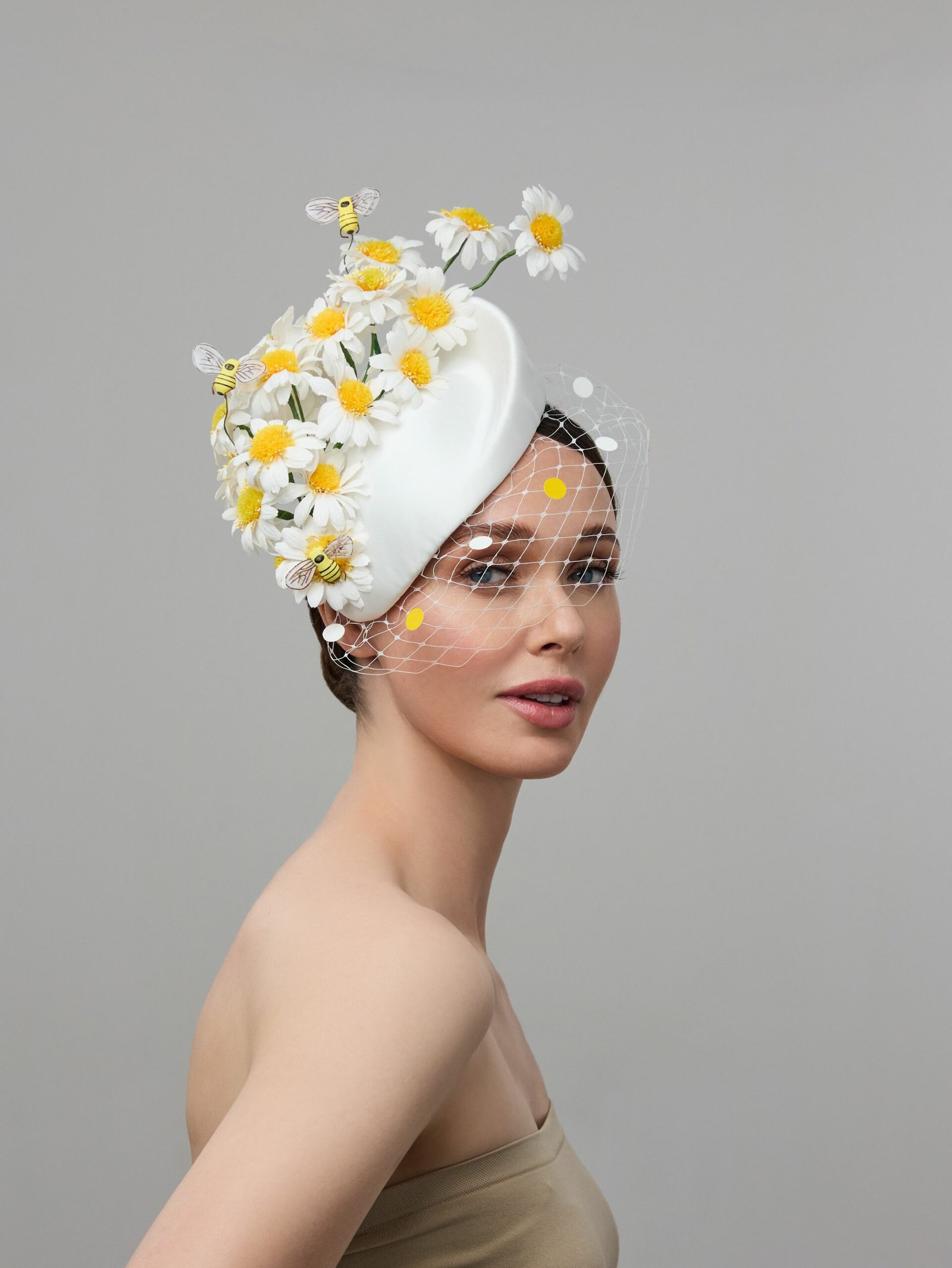
White is not the absence of statement. In a hat, it is the loudest possible one. A white fascinator atop dark hair is a study in pure contrast — the eye drawn upward, the silhouette sharpened, the wearer suddenly the most visible person in the garden.

Historically, white has carried enormous symbolic weight in headwear: bridal veiling, debutante plumes, aristocratic plumes worn against pale straw brims at Ascot. But in the hands of a contemporary couture milliner, white transcends tradition. It becomes sculptural. Architectural. A form in space rather than a color on fabric.
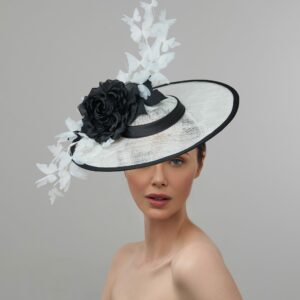
White invites the eye to linger on form — on the curve of a brim, the architecture of a blossom, the texture of silk organza catching afternoon light.

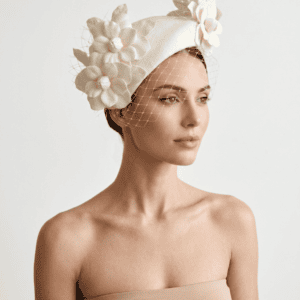
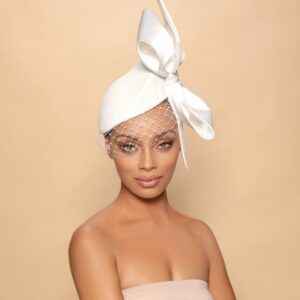
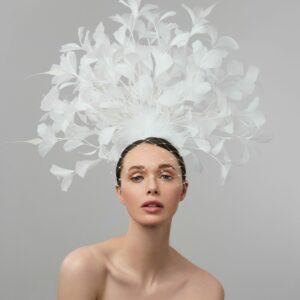
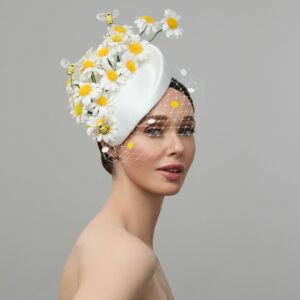
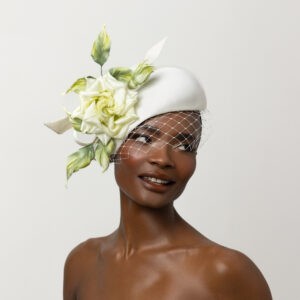
Consider Arturo Rios's off-white creations: pieces like his off-white bow pillbox fascinator with veil — a hat that reads simultaneously as something borrowed from a 1950s screen siren and something entirely of the present moment. The whiteness here is not innocence. It is intention.
From ArturoRios.com

The Off-White Bird Fascinator — available at arturorios.com — exemplifies white millinery at its most poetic: nature-inspired form, responsible feather sourcing, and a pale palette that reads as luminous rather than understated. "Couture millinery made for you alone."

Showing 13–24 of 25 resultsSorted by latest

Black: The Color That Carries Everything

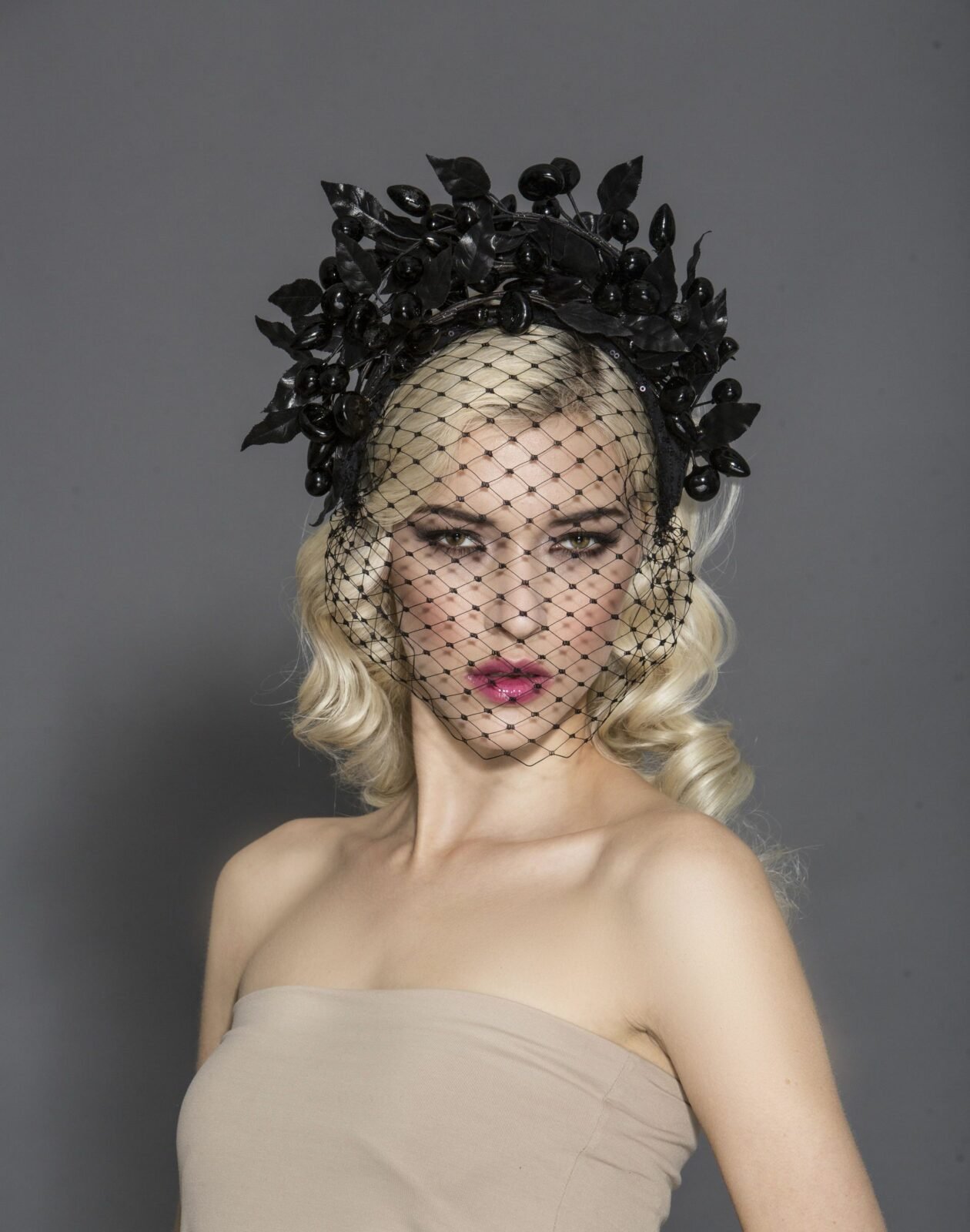
If white is declaration, black is authority. A black hat asks no permission. It arrives fully formed, fully itself — and it expects the room to adjust.
There is a reason black millinery endures through every era, every trend cycle, every swing of the fashion pendulum. It is the color of ceremony and of mourning, of power dressing and of avant-garde provocation. It absorbs light the same way a great hat absorbs attention: completely, unhurriedly, without apology.
Arturo Rios works in black with particular confidence. His Coco: Noir from the Spring/Summer 2026 collection — part of the new "Coco" series conceived for important celebrations that demand grandeur — is a piece that understands what black can do when given serious sculptural treatment. At $650, it is not just a hat; it is an artifact.

There is nothing classier than black and white. It is the most timeless combination in the art of adornment.

A recurring sentiment across couture millinery

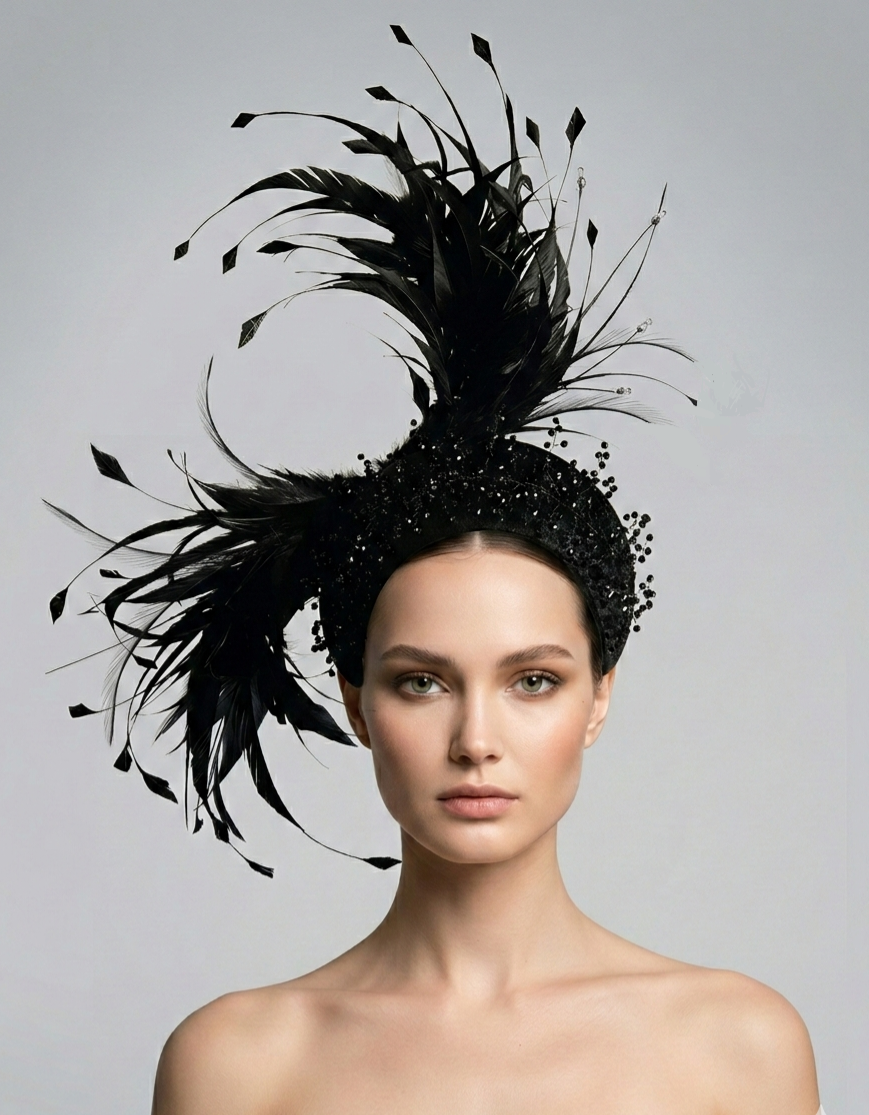
The Lady Gaga Black Couture Wings fascinator — one of Arturo Rios's more theatrical black creations, available via Etsy — captures another dimension of black millinery entirely: the avant-garde, the costume, the theatrical. A reviewer noted it was "so easy to wear" and that she was told she had "won the night." That is what a black Arturo Rios hat does. It performs.

Together: The Conversation That Never Gets Old

The pairing of black and white in a single piece — or worn in coordination — is one of millinery's oldest and most sophisticated moves. A white brim with black veiling. A black crown ribboned in ivory grosgrain. Monochrome polka-dot silk stretched over a wide-brim base. These combinations have adorned racegoers at Ascot and Flemington for over a century precisely because they need nothing else.

What's interesting is what the combination communicates. Black-and-white millinery sits at the intersection of whimsy and authority — it is simultaneously fun and serious, festive and refined. It suits a woman who knows exactly where she is going and exactly what she wants people to think when she arrives.

On ArturoRios.com, the Spring/Summer 2026 collection reflects a broader shift in high-end millinery — away from "quiet luxury" and toward bold, statement-making artistry. Black and white are native to both poles of that spectrum.

The collection of 55 pieces for 2026 — ranging from the sculptural Sky to the nature-inspired Orchid to the celebration-ready Coco series — demonstrates a range that includes both extremes and every tonal variation between them. Browsing the site, you see how Rios uses black to anchor and white to elevate, often within the same silhouette.

About Arturo Rios

An LA-based couture milliner, Rios is known for nature-inspired, handmade fascinators and statement hats with a high-profile celebrity clientele. Every piece is handmade and unique — no two exactly alike. His commitment to responsible feather sourcing (all feathers collected only when molted) aligns craft with conscience. Explore the full collection at arturorios.com.