Arturo Rios: The 44th Annual Olmstead Awards Luncheon

Arturo Rios: The 44th Annual Olmstead Awards Luncheon


Arturo Rios | Central Park Conservancy

Arturo Rios was well represented at the 44th Annual Olmstead Awards Luncheon in New York's Central Park.

The Frederick Law Olmsted Awards Luncheon is the signature event of the Women’s Committee of the Central Park Conservancy, honoring Central Park’s biggest supporters and raising millions for the Conservancy’s care of the Park.

On the first Wednesday each May, Women’s Committee supporters gather in the beautiful Conservatory Garden to celebrate spring and the City’s 843-acre backyard.

As NYC’s premier luncheon, tickets to this event are available by invitation only to current Women’s Committee members, and it sells out each year.
more info >

Millinery, Feminism and an Interview with a Doyenne

Millinery, Feminism and an Interview with a Doyenne

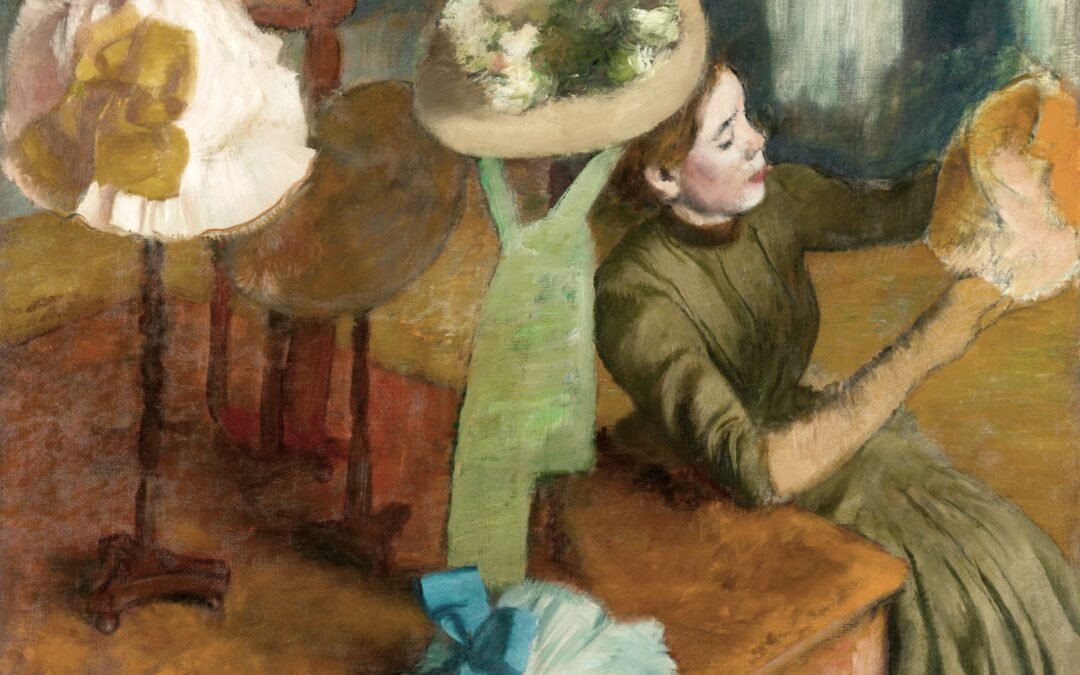
The Millinery Shop, Edgar Degas created between 1879 and 1886. It is one in a series of 27 paintings by Degas about millinery.

Pre World War II

We sat down with a veteran milliner Irene Arroyo from California Millinery Supply and talked about millinery from her decades-long career supplying the best of haute couture designers. Her insights are both detailed and expansive.

"Millinery almost disappeared entirely after WWII. Formal dress for social occassions disappeared overnight. " Ms. Arroyo says. "Before, you wouldn't dare come Downtown without being dressed."

This is a deep understanding of millinery from a professional. And what she has to say about Feminism still rings true.

"It was a throwing off of all decorative devices."

Few people know millinery and its power as well as our vendor.

There is a "millinery resurgence," though. We can see it at special events, awards shows, music videos and on celebrities. Arturo has worked with some of the most prominent celebrities and socialites to prepare them for a grand entrance.

How We Appear

Millinery is not an isolated art form. It conveys more than style. It announces your grace and beauty. Wearing an Arturo Rios hat assures that you can walk into any venue and be the center of attention with grace and elegance.

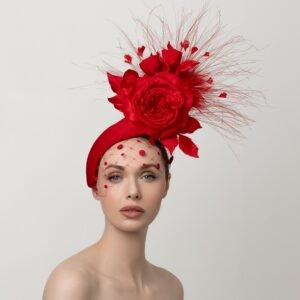
We've selected the finest silk veils that exist. We're excited about this new collection. It offers bold, new ways to distinguish your personal grace and beauty with confidence. We'll make an announcement to our clients as soon as we finish the details and photo shoot.

We welcome your feedback, ideas and comments. Stay tuned!

Details Matter 

There is a little known millinery adornment: millinery berries.

They offer a wonderful focal point and enhance any haute couture ensemble. They shine, playfully. Joyously and distinguish a haute couture hat from others.

Millinery berries are constructed of aged,  spun cotton with hollow cores. They are coated in a deep lacquer which offers a dazzling impression.

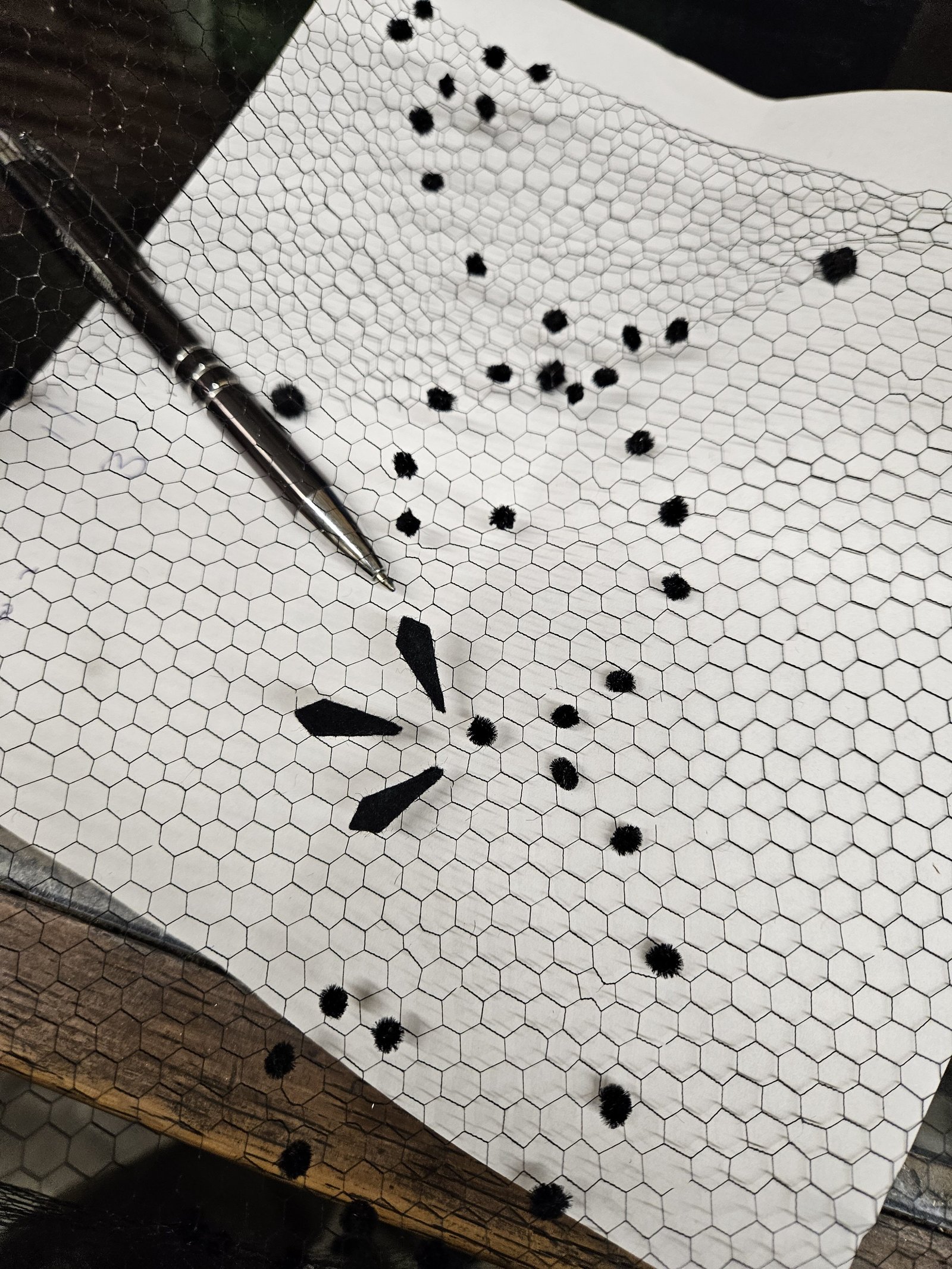
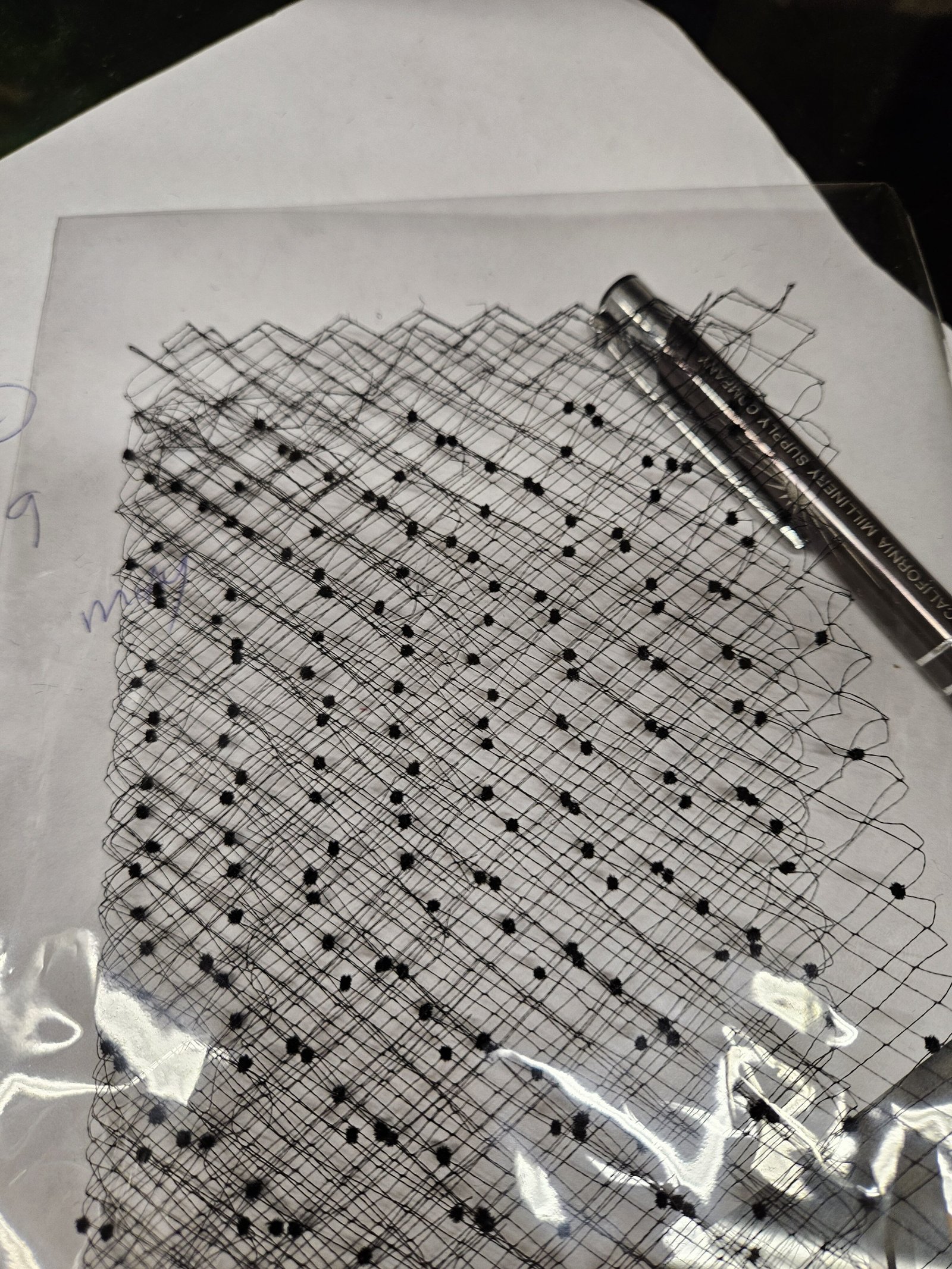
The chenille velvet dots used on the veils are placed individually, which is a very detailed and delicate process.


We think an educated client (never a "customer") is preferred. Arturo also believes in being generous with his knowkledge as others have been generous with theirs to him.

This article is part of our series that explores and celebrates different aspects of millinery. Arturo Rios has created new techniques, forms and modes of constructing the world's finest hats and he wants to share and open the discussion with you.

We welcome everyone to discover how millinery is expanding, changing and evolving. Let us know your thoughts!


Classic Forms

Millinery has a long history. In this series of posts, we delve deeper into the specifics of each type of hat. Pillboxes, fascinator and derby hats are just the beginning. And Arturo wants to assist in your discovery!

Techniques

Hat-making has it's own vocabulary; definitions, terms, slang. We're here to talk about the components that make great hats.

Colors

Arturo has a unique sense of flowers. He also uses his deep understanding of how colors work and how they influence us.

Eco-Millinery

Eco-Millinery

|

I draw so much inspiration from the beauty the world gives us freely. It is imperative that we ensure that these wonders are not destroyed.

—Arturo

Sustainable Practices

Hat making has been inherently damaging to the environment.

With this understanding, Arturo has long been at the forefront of ecologically-sound practices. It's a commitment to the environment, but also to his clients

The term "mad as a hatter" is derived from the mercury-laden felt used in early production. Dyes were often a chemical brew of arsenic, formaldehyde and some very powerful carcinogens. Water usage can be astronomical and recycling, well, doesn't exist. We've decided to be transparent and tell you how we're mitigating these risks.

Sourcing

Most environmental problems are "legacy" issues, meaning that old, harmful practices are continued simply because that was the only option. We're taking a new look and are making some firm statements about:

ArturoRios.com | 2023

Animal-Derived Products

Products which are animal-derived (feathers, mostly) are procured from vendors who strictly abide by cruelty-free practices. When possible, we use feathers that have naturally been shed.

Textiles

Our silk and other textiles are produced using organic, naturally-derived resources when possible. Water use is monitored closely and chemicals, when used at all, are deployed in a closed-loop ecology.

Minerals & Gems

When we do utilize gems and minerals (crystals, for example) we insure that they are from vendors that do not engage in strip mining or deforestation. All crystals used are lead-free glass.

Human Rights

Hat making uses many components. Human skill is at its core. We believe strongly that any material produced or skill employed is done so fairly, equitably and with social responsibility.

RDS-certified means a product contains down and feathers from ducks and geese that have been treated humanely, as verified by the Responsible Down Standard. This certification ensures that no live-plucking or force-feeding occurred and that the birds were cared for according to leading animal welfare standards, often referred to as the Five Freedoms of Animal Welfare. The standard also provides a verifiable chain of custody to ensure the down's origin can be traced from farm to finished product. 

Key aspects of the RDS certification
  • Animal welfare: 

    The standard prohibits cruel practices like live-plucking and force-feeding, ensuring animals are treated with respect. 

  • Supply chain traceability: 

    It requires a certified chain of custody, so the down can be tracked from the farm through the entire supply chain to the final product. 

  • Third-party auditing: 

    Professional, independent third-party certification bodies audit each stage of the supply chain to ensure the standard is met. 

  • Five Freedoms: 
    The certification is based on the principle of respecting the Five Freedoms of animal welfare, which include freedom from hunger and thirst, freedom from discomfort, freedom from pain, injury, or disease, freedom to express normal behavior, and freedom from fear and distress. 

The fashion industry has a celebrated history with feathers. They were one of Coco Chanel’s favourite motifs, frequently used as embellishments in her collections, as well as those of her contemporaries Cristóbal Balenciaga, Christian Dior and Yves Saint Laurent. The late Alexander McQueen was inspired by the feather – “[its] colours, its graphics, its weightlessness and its engineering” – and used it elaborately in his designs.

Feathers flutter down the catwalks of fashion houses including Saint Laurent, Maison Margiela and Moschino, making them a high street trend.

Source—The Guardian

Arturo is firmly committed to sourcing feathers from well-established, licensed vendors who are routinely audited and proof of sustainable ecological practices must be proven.

If you have any concerns, comments or opinions on our commitment to sustainability in our industry, we would love to hear about it in the comments section below.

Classic Forms: Headbands

Classic Forms: Headbands

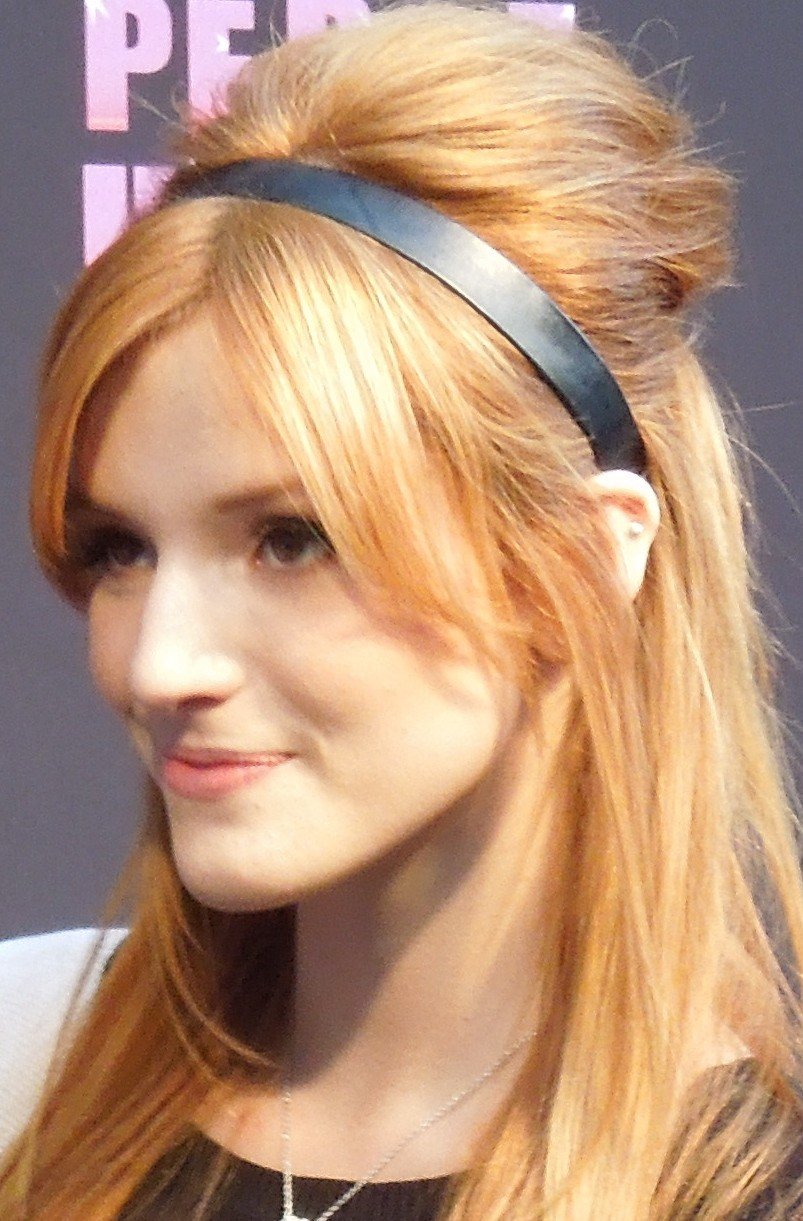
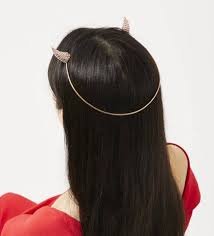
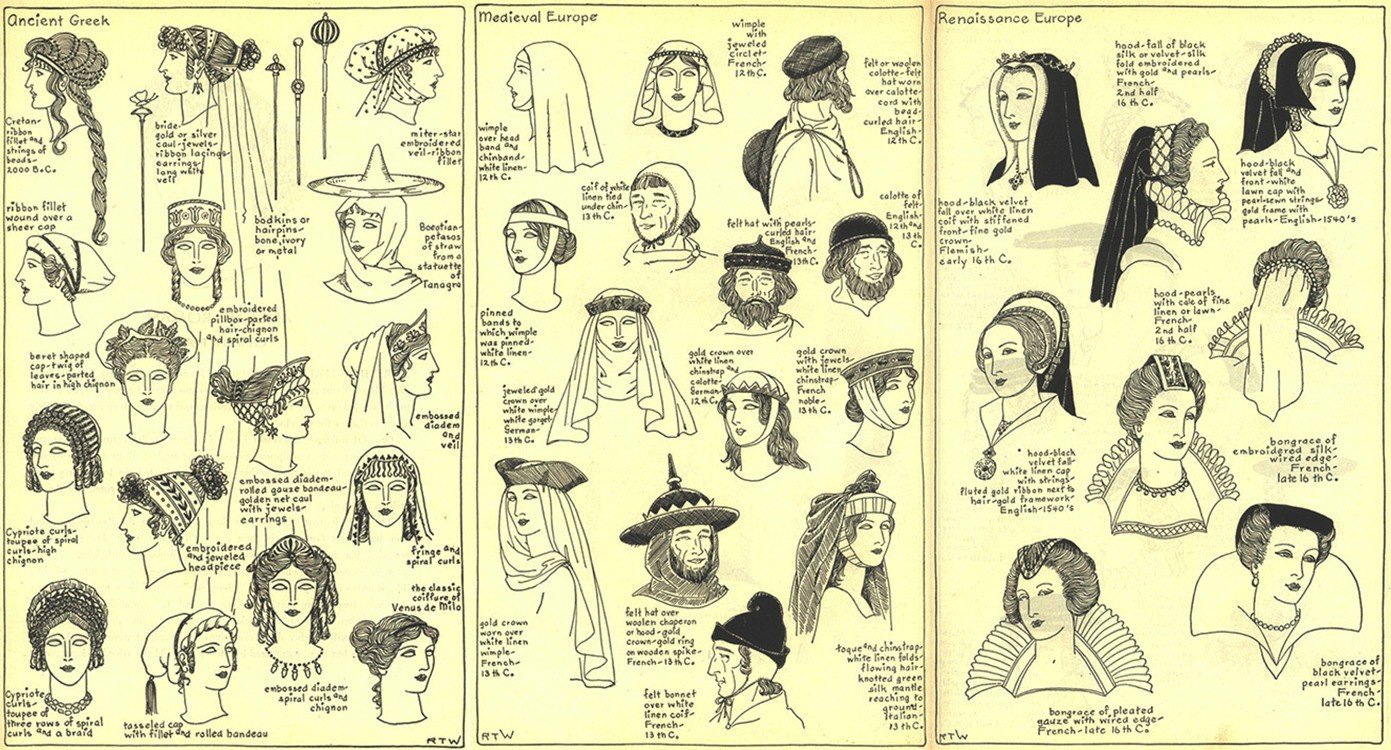
Headbands have long been an integral element in the realm of millinery, serving not only as functional accessories but also as powerful statements of style and individuality. From their historical roots to contemporary designs, headbands have evolved dramatically, reflecting the changing tides of fashion and culture. Whether adorned with intricate embellishments or crafted from simple fabrics, headbands remain a versatile accessory, capturing the imagination of designers and fashion enthusiasts alike. 
Definition and Purpose of Headbands

Headbands are typically a band, often made of fabric or other materials, worn around the head to secure a hat or simply to add an extra touch of flair. Think of them as the trusty sidekick to your favorite hat—always there to provide support and a dash of style.

Early Uses of Headbands in Millinery

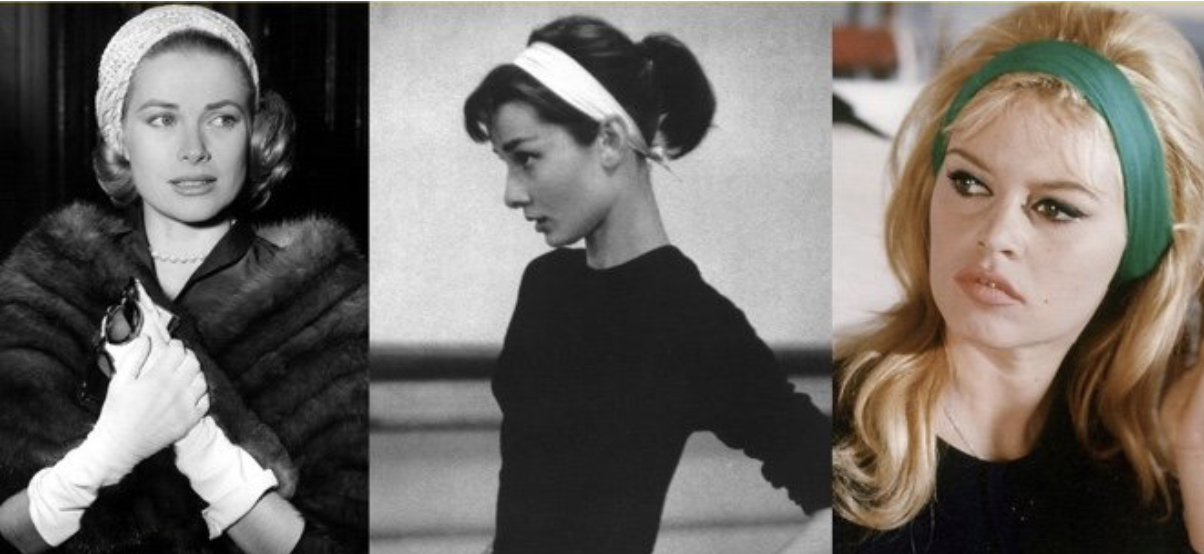
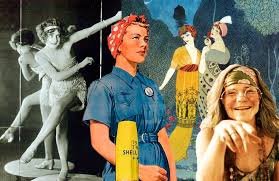
Headbands have been around a long time. Early examples can be traced back to ancient civilizations, where they were adorned with jewels and feathers, symbolizing status and fashion. Fast forward a few centuries, and you'll find headbands gracing the heads of flapper girls and Hollywood starlets, bridging the gap between practicality and panache.

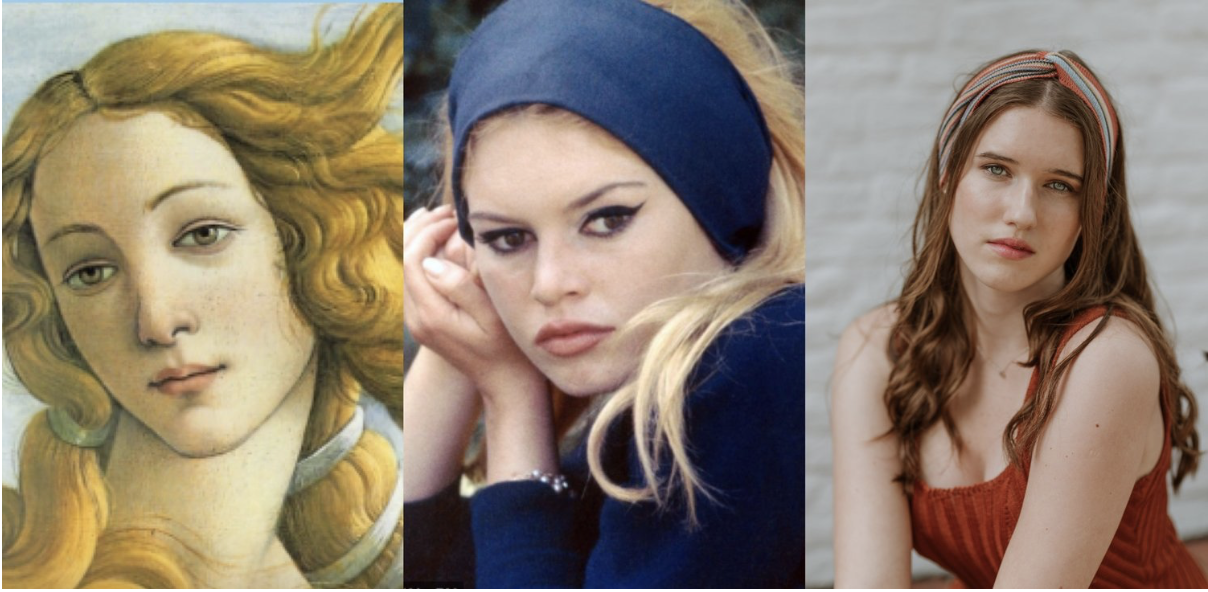
The first recorded use of any sort of headband is in ancient Greece, starting around the year 475 BC. These were actually hair wreaths made from plants and intertwined in the shape of a circle or sometimes a half-circle.

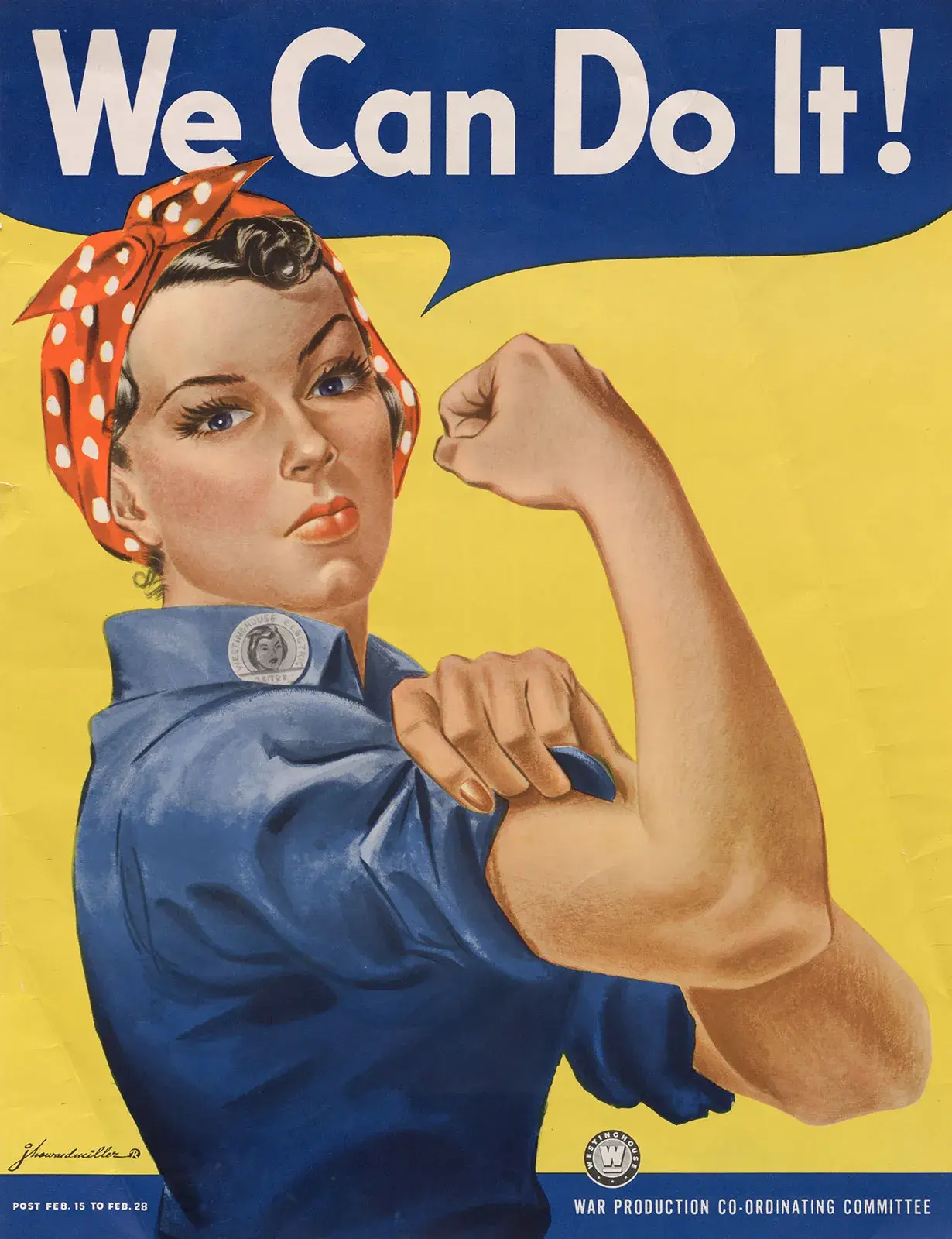
Rosie the Riveter, media icon associated with female defense workers during World War II. Since the 1940s Rosie the Riveter has stood as a symbol for women in the workforce and for women’s independence.

Influence of Fashion Movements on Headband Styles

Fashion movements have a way of bending trends. The 1920s introduced beaded headbands that dripped with glam, while the 1960s saw the rise of colorful, psychedelic styles that made everyone look like a walking art piece. The evolution of headbands reflects the societal moods and styles of the times—one minute you’re all about the bohemian vibes, and the next you can’t get enough of the minimalist aesthetic.

Notable Designers and Their Contributions

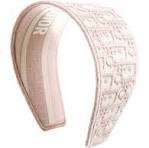
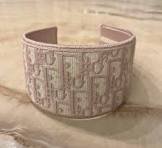
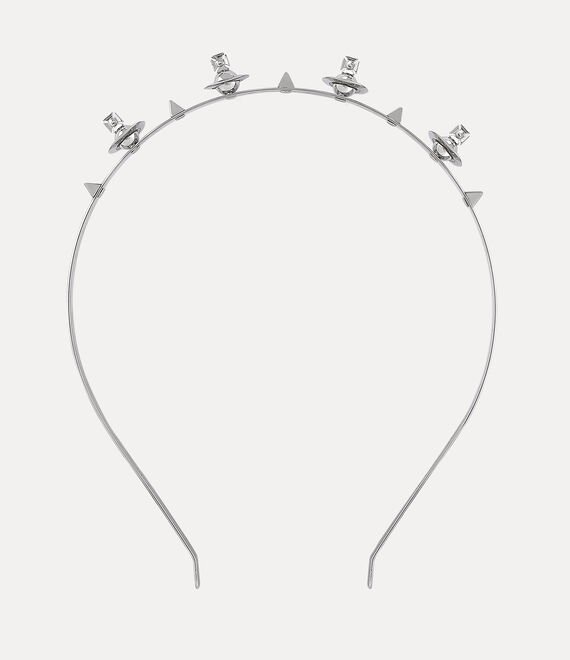
Several designers have left their mark on the world of headbands. Take Christian Dior, for example. His New Look featured elegant headbands that accentuated the feminine silhouette, while designers like Vivienne Westwood spun headbands into punk-inspired statements. These creative minds not only elevated headbands but also challenged the norms, proving that headwear is anything but boring.

Common Materials for Headbands

When it comes to headbands, the material choices are diverse. From luxurious silks and satins to sturdy felts and innovative plastics, the options are endless. Each material brings its own flair: silk for sophistication, felt for warmth, and cotton for that easygoing vibe. The art of headband creation has come a long way from simple loops of fabric. Today, milliners are using techniques like weaving, embroidery, and even 3D printing. Innovations in technology have allowed for intricate designs that were once thought impossible.

Mixing Textures and Colors

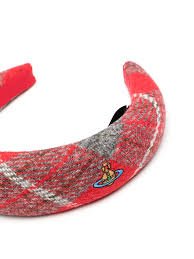
Why settle for one texture or color when you can have them all? Mixing and matching textures and colors can result in headbands that are visually stunning. Imagine the soft touch of velvet paired with the glimmer of sequins or a bold tartan juxtaposed with delicate lace. It's all about experimenting and finding that perfect balance.

What's to Come

In the future, millinery headbands will thrive as a category of their own, no longer just a humble accessory. They will become more customizable, technologically enhanced, and sustainable, all while celebrating the artistry of classic craftsmanship. This makes them an increasingly attractive choice for discerning customers who value both modern innovation and timeless elegance. 

We think an educated client (never a "customer") is preferred. Arturo also believes in being generous with his knowkledge as others have been generous with theirs to him.

This article is part of our series that explores and celebrates different aspects of millinery. Arturo Rios has created new techniques, forms and modes of constructing the world's finest hats and he wants to share and open the discussion with you.

We welcome everyone to discover how millinery is expanding, changing and evolving. Let us know your thoughts!


Classic Forms

Millinery has a long history. In this series of posts, we delve deeper into the specifics of each type of hat. Pillboxes, fascinator and derby hats are just the beginning. And Arturo wants to assist in your discovery!

Techniques

Hat-making has it's own vocabulary; definitions, terms, slang. We're here to talk about the components that make great hats.

Colors

Arturo has a unique sense of flowers. He also uses his deep understanding of how colors work and how they influence us.

The Responsible Use of Feathers

The Responsible Use of Feathers

The Sustainable Sourcing of Feathers

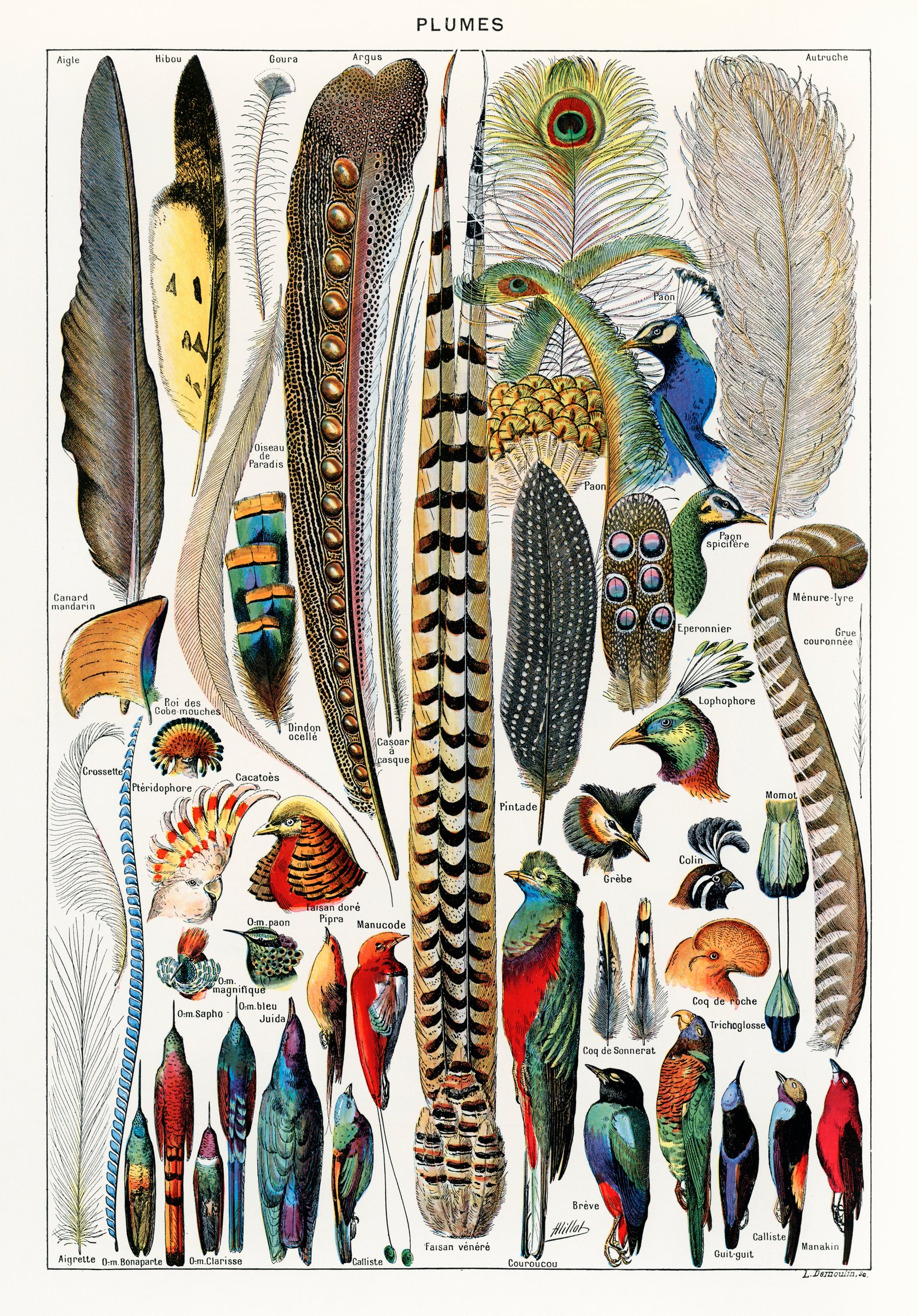
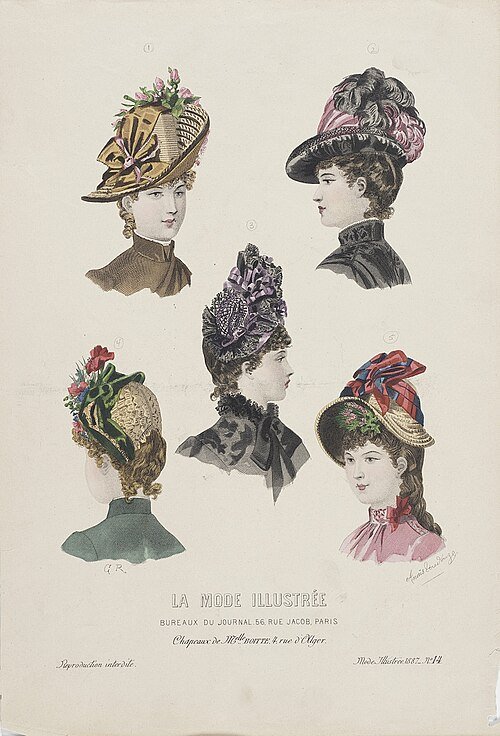
Plumes - Feathers (1900) by Adolphe Millot (1857-1921), a collection of different plume types.

The use of feathers in millinery has a long history.

Feathers were first used to decorate hats in Europe in the early 14th century. By the 16th century, feathers were a popular accessory for the wealthy in fashion centers like Milan (from which "millinery" is derived) Paris, Vienna, Florence, and Prague. 
Feathers became more widespread in fashion in the late 18th century due to the Industrial Revolution, which made luxuries more accessible to the masses. Milliners, or hat makers, used new technology to create vibrant designs that added drama to women's fashion. Feathers became a status symbol and were produced on an industrial scale throughout the 1800s.
The demand for bird feathers grew to such a height that ostrich feathers were traded at twice their weight in gold in the late 1800s. The consequences of such unsustainable trade quickly decimated bird species valued for their feathers.

In 1896 the American socialite and amateur naturalist Harriet Hemenway and her cousin Minna Hall led a boycott of feathered hats which attracted 900 participants.The action led to the formation of the National Audubon Society and passage of the Weeks-McLean Law (the Migratory Bird Act), which outlawed market hunting and the interstate transport of birds.

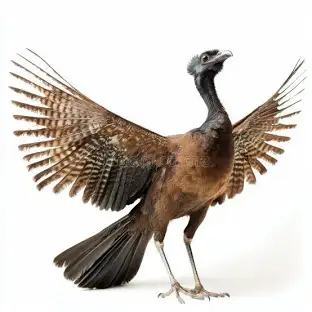
the Lyrebird

the Egret

Egrets were almost extinct in the 1900s, hunted for their graceful, long, white feathers. Today, the bird is protected and their numbers have rebounded. Unfortunately, the Lyre bird in Australia did not meet a similar outcome and is still dangerously close to extinction.

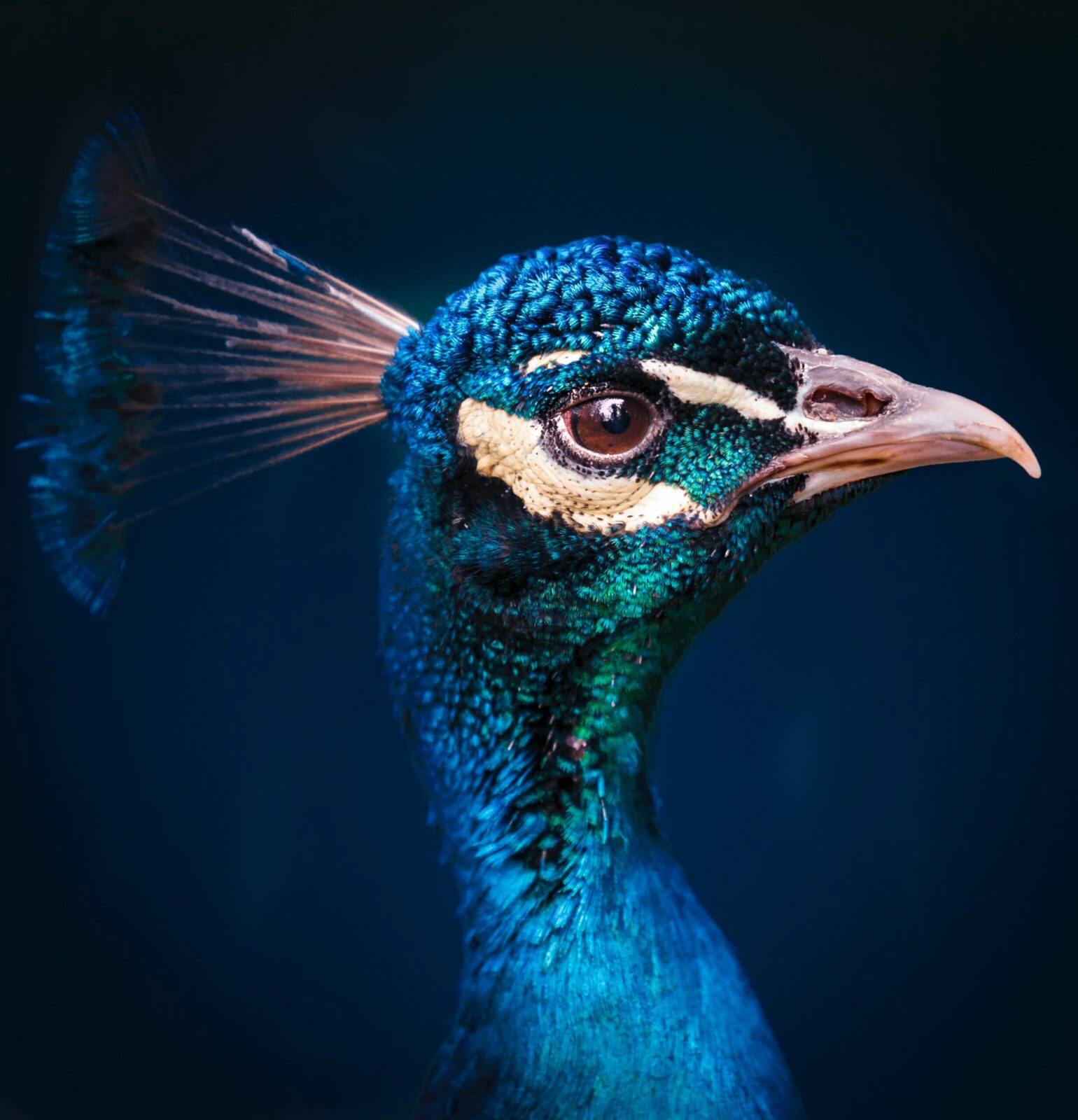
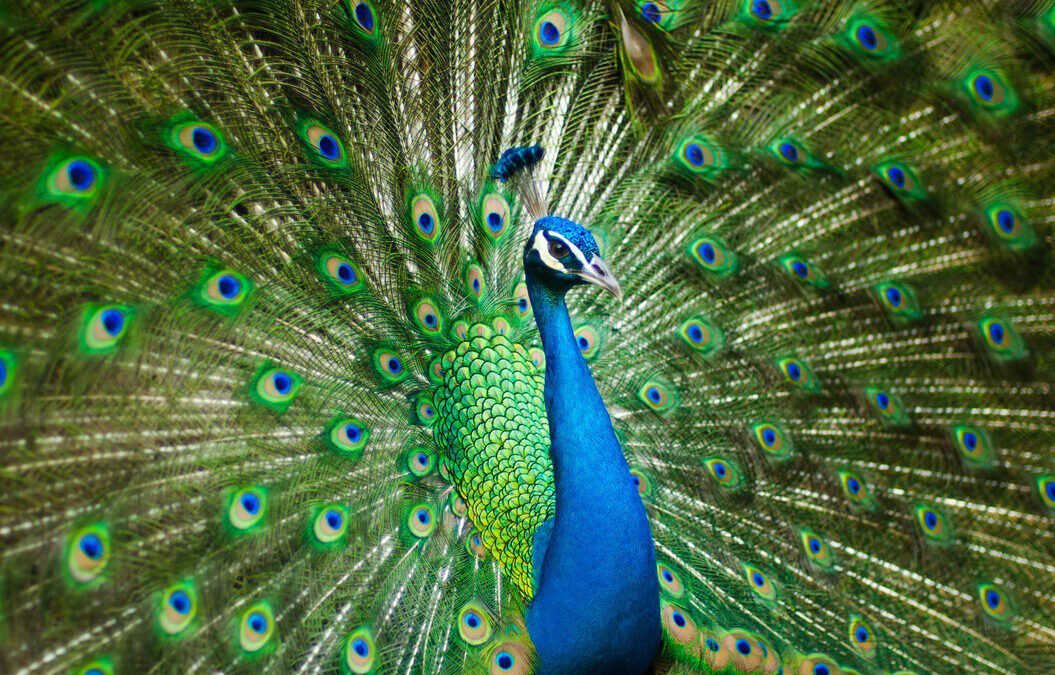
All birds naturally shed their feathers about once a year. This is the preferred method of collection as it causes no stress on bird populations and is by far the most humane sourcing of exotic feathers. We work with local US farmers who raise white peacocks and collect the molted feathers. Exotic feathers from around the world are all purchased through permitted brokers who are fully compliant with domestic and international laws and conventions.

We currently source our feathers from a distributor in the US, who has the proper permits and strictly obeys regulation with the appropriate US agencies. These fathers are tightly controlled and we review the accuracy of their permitted use.
Our current collection of fascinators feature ostrich, goose, peacock and other rare species which are certified 100% cruelty-free and are sustainably gathered.

The ethics of down feathers are controversial, with some sourcing practices being inhumane, but ethically sourced and certified down is available. You can identify ethical down by looking for certifications like the Responsible Down Standard (RDS) or Global Traceable Down Standard (GTDS), which ensure no live-plucking or force-feeding occurs and that animals are not harmed. Alternatively, you can choose products with recycled or pre-loved down, which avoids new animal welfare issues entirely.  

Showing 13–15 of 22 resultsSorted by latest

"It is personally important to me that our feathers are used responsibly and sustainability to preserve their outstanding beauty and broad variety," says Arturo. "They inspire such beautiful designs. And they are truly a unique gift from Nature."
Arturo Rios
Audubon Society

Read about this outstanding organization, founded in 1905.