An Elegant Summer | The 2026 Collection

An Elegant Summer | The 2026 Collection

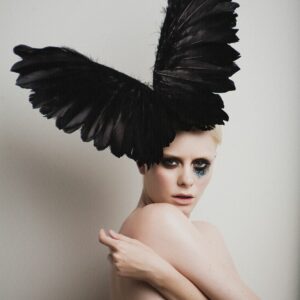
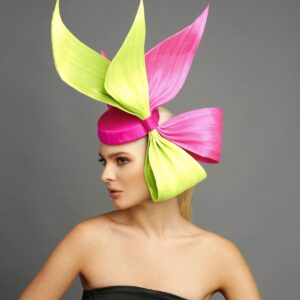
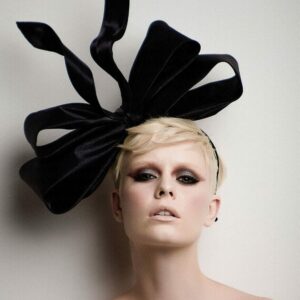
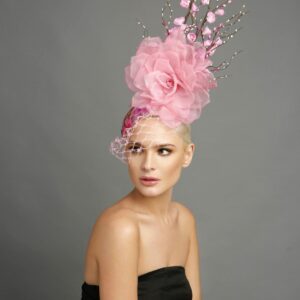
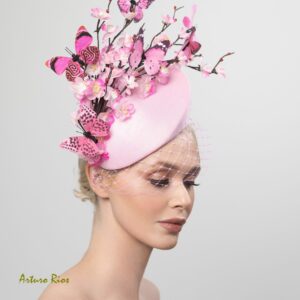
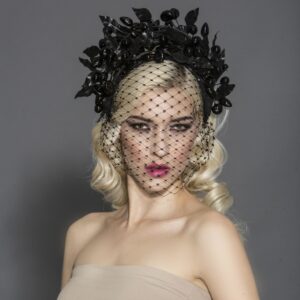
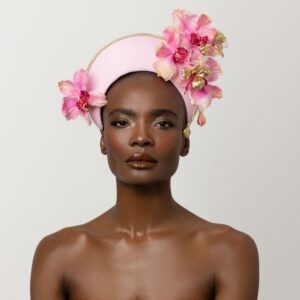
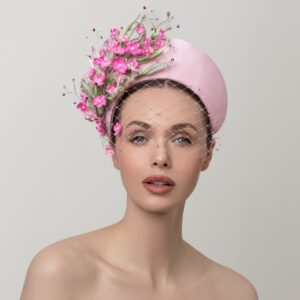
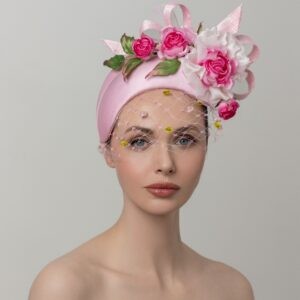
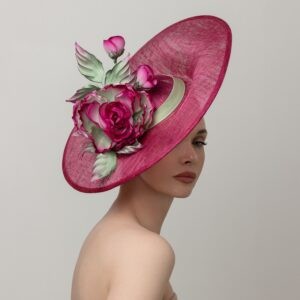
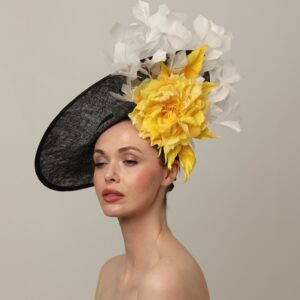
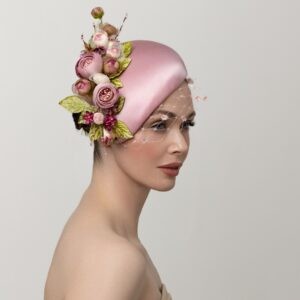
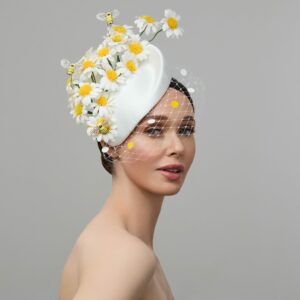
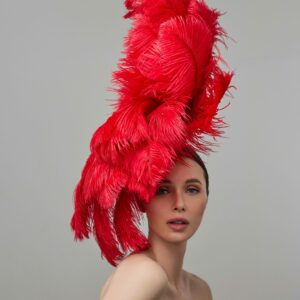
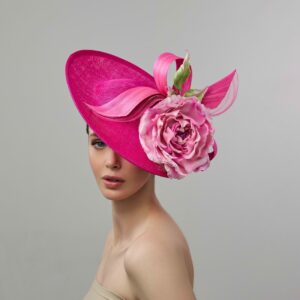
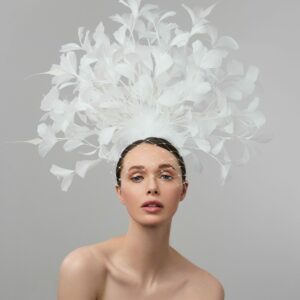
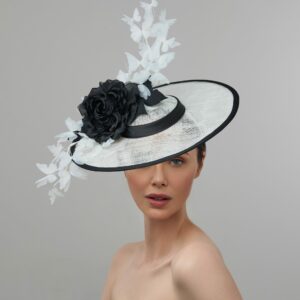
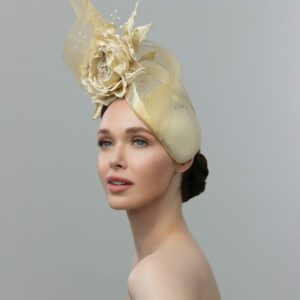
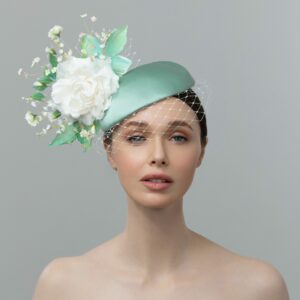
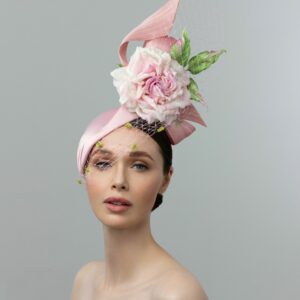
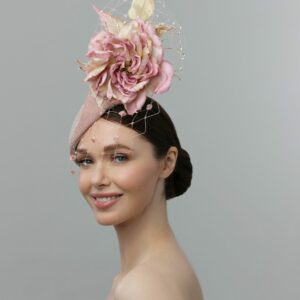
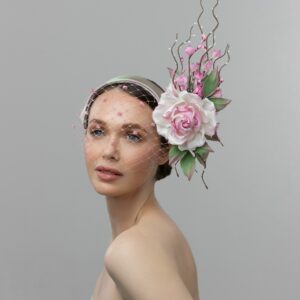
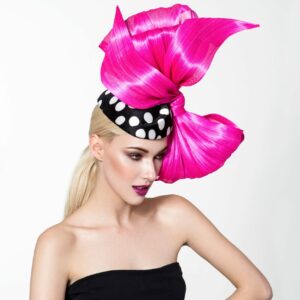
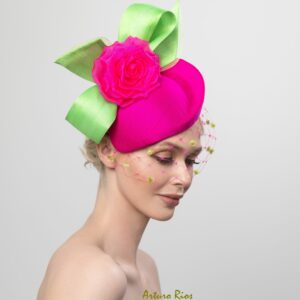
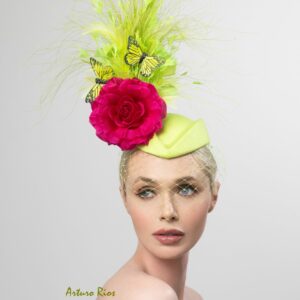
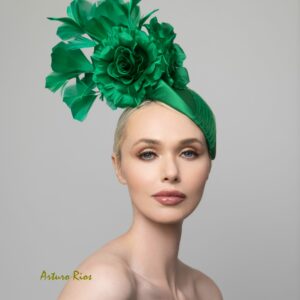
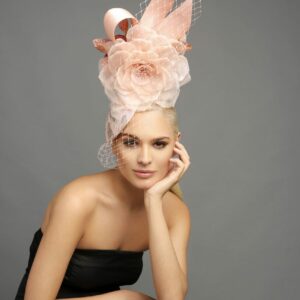
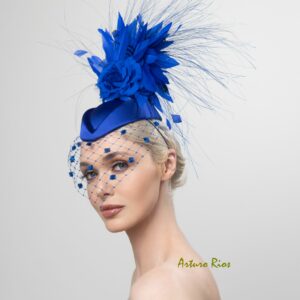
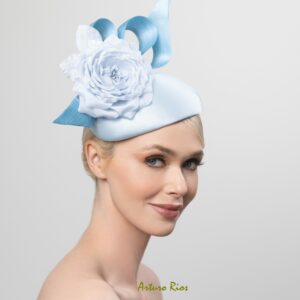
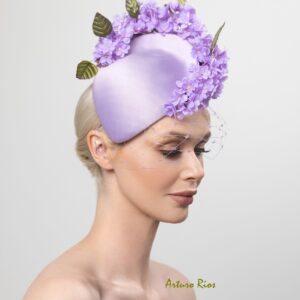
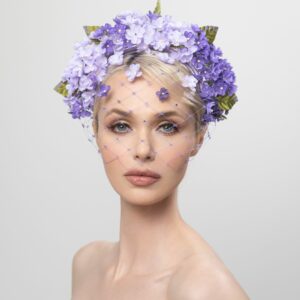
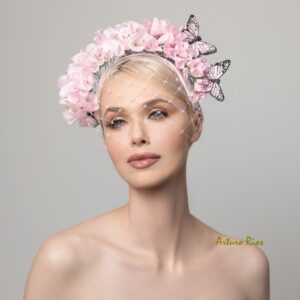
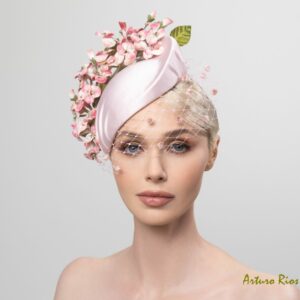
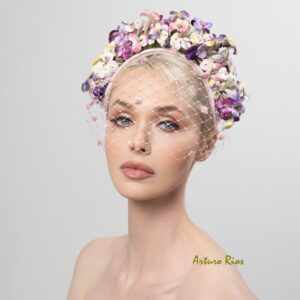
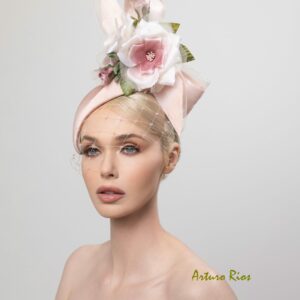
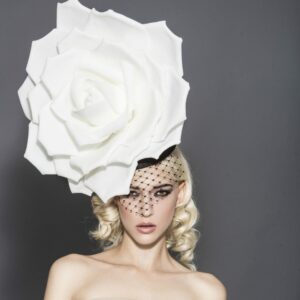
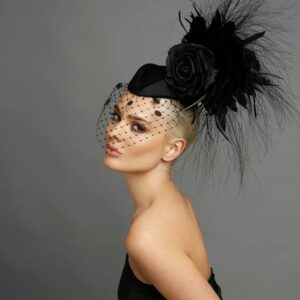
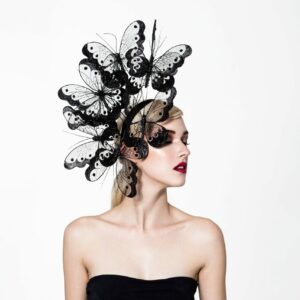
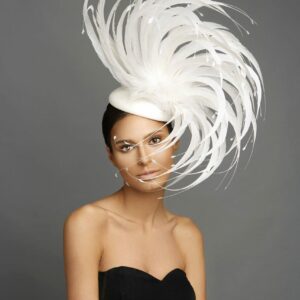
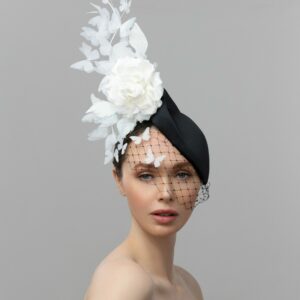
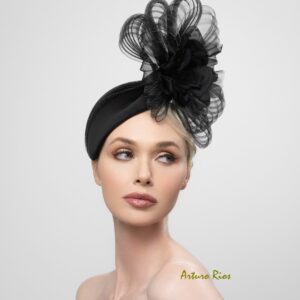
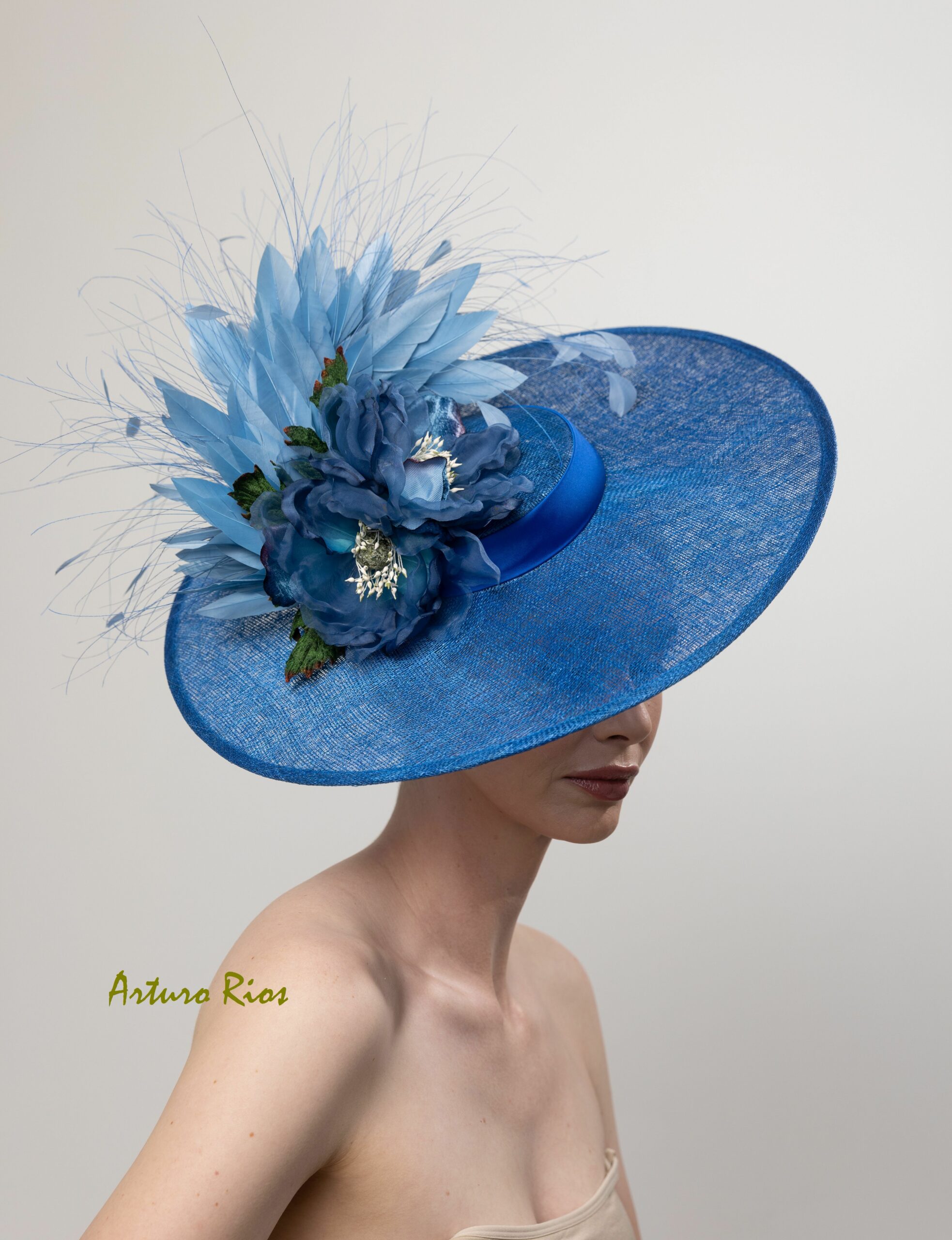
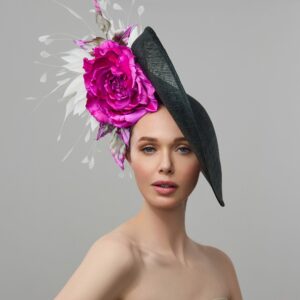
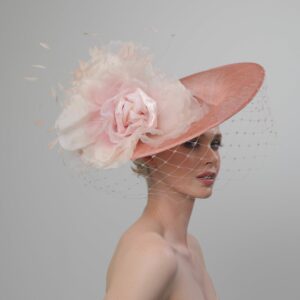
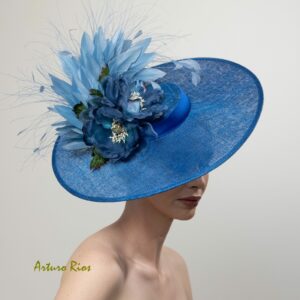
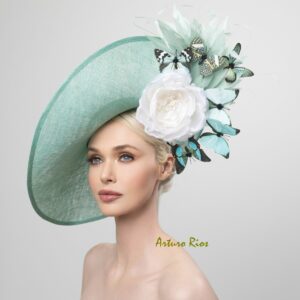
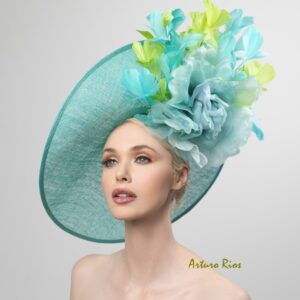
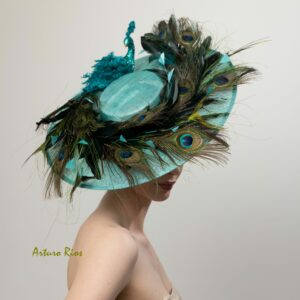
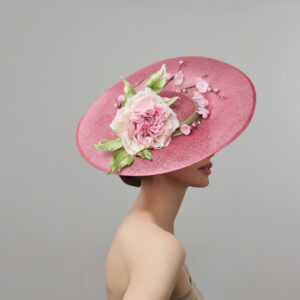
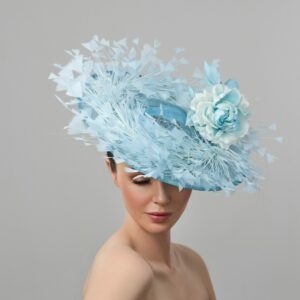
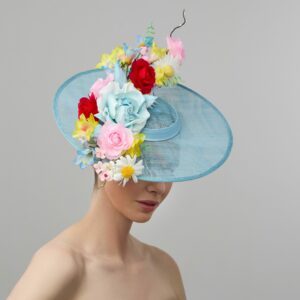
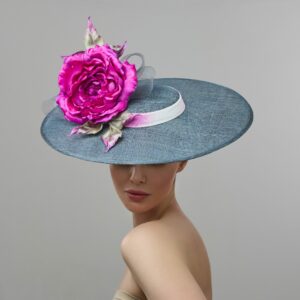
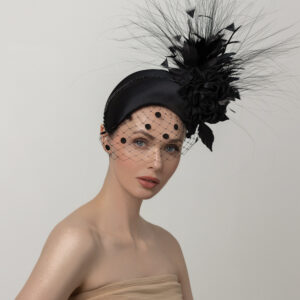
The Arturo Rios 2026 Spring & Summer Collection reflects several dominant trends in high-end millinery for the season, characterized by a shift from "quiet luxury" toward bold, statement-making artistry.

Architectural & High-Impact Silhouettes

The collection moves away from simple minimalism with dramatic, structured forms.

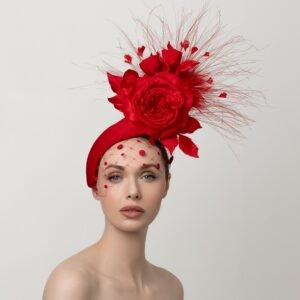
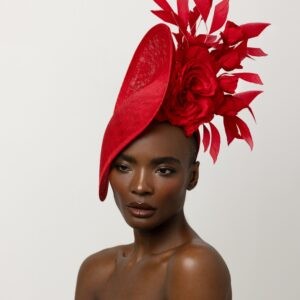
Vertical Height: Pieces like "Rosalie" and "Coco: Red" utilize soaring feather sprays and quills to create commanding height.

Asymmetry

Many designs, such as "Georgina" and "Rhodes," feature off-center placements and diagonal angles, which are a major 2026 trend for adding a contemporary edge to traditional headwear.

Bold Color Palettes

Aligning with the "dopamine dressing" movement, the collection embraces saturated, high-impact hues designed to boost the wearer's mood.

Vibrant Solids: Bold fuchsia ("Coco: Fuchsia"), electric red ("Coco: Red"), and deep teals are prominent, intended for high-profile events like the Kentucky Derby.

Monochrome Styling: The prevalence of single-color headpieces supports the 2026 trend of head-to-toe monochromatic looks. 

Dimensional Textures & Sustainable Craft
Texture is a primary focus, moving beyond flat surfaces into 3D sculptural forms. 

A Responsible Style for Every Woman

Responsible Featherwork: A signature of the brand, the use of ethically sourced feathers provides a "feather art" aesthetic that adds movement and tactile depth.

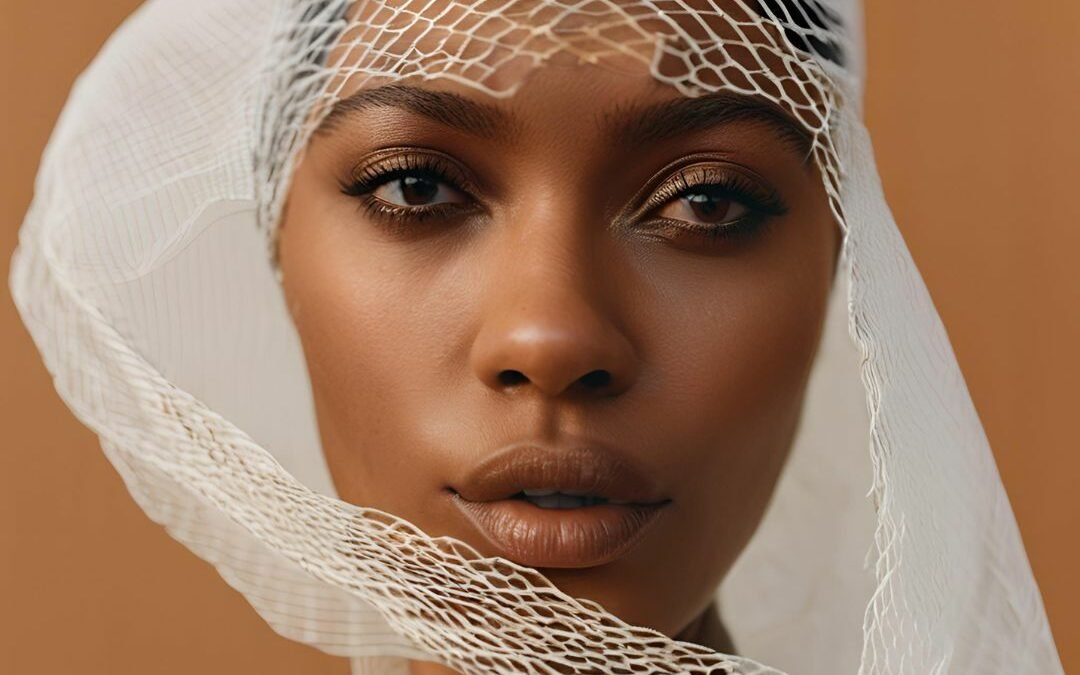
Netted Veiling: Pieces like "Georgina" incorporate fine netting, which adds a layer of "sophisticated mystique" that is trending in both bridal and formal race-day fashion.

Romantic & Historical Revivals
There is a clear influence from Rococo and vintage aesthetics, reinterpreted for modern wear.

Your New "A" Game: Unique Elegance

Floral Accents: Designs like "Viviana" feature delicate, multi-dimensional floral embellishments, reflecting the season's broader interest in botanical and "garden party" themes.

Refined Elegance: Even the boldest pieces maintain a sense of "High Society" refinement, prioritizing polished craftsmanship over raw or edgy finishes.

When purchaing an AR hat, be assured that the design team, including Arturo himself, wants your input. What type of event are you attending? What color palette works with your dress?

How can we make this a special hat for you?

As Arturo's latest Spring & Summer 2026 Collection gains critically great notes from fellow couture millinery artists, we want to express a deep expression of gratitude. Without our clientele and other milliners, this would have been impossible. Thank you.
—Arturo

Showing 7–12 of 69 resultsSorted by latest
We think an educated client (never a "customer") is preferred. Arturo also believes in being generous with his knowkledge as others have been generous with theirs to him.

This article is part of our series that explores and celebrates different aspects of millinery. Arturo Rios has created new techniques, forms and modes of constructing the world's finest hats and he wants to share and open the discussion with you.

We welcome everyone to discover how millinery is expanding, changing and evolving. Let us know your thoughts!


Classic Forms

Millinery has a long history. In this series of posts, we delve deeper into the specifics of each type of hat. Pillboxes, fascinator and derby hats are just the beginning. And Arturo wants to assist in your discovery!

Techniques

Hat-making has it's own vocabulary; definitions, terms, slang. We're here to talk about the components that make great hats.

Colors

Arturo has a unique sense of flowers. He also uses his deep understanding of how colors work and how they influence us.
Classic Forms: Headbands

Classic Forms: Headbands

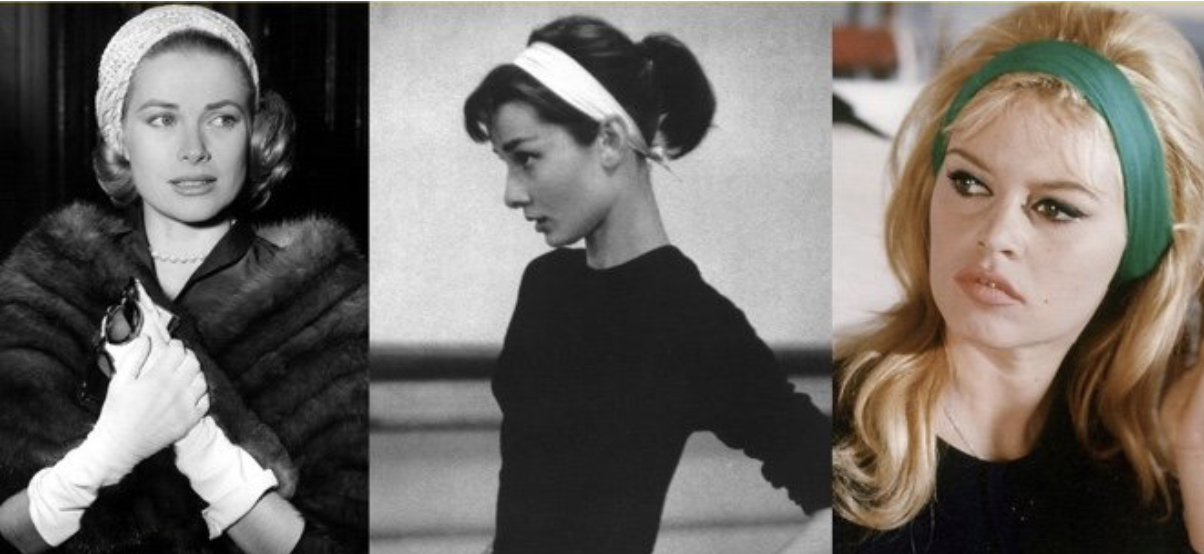
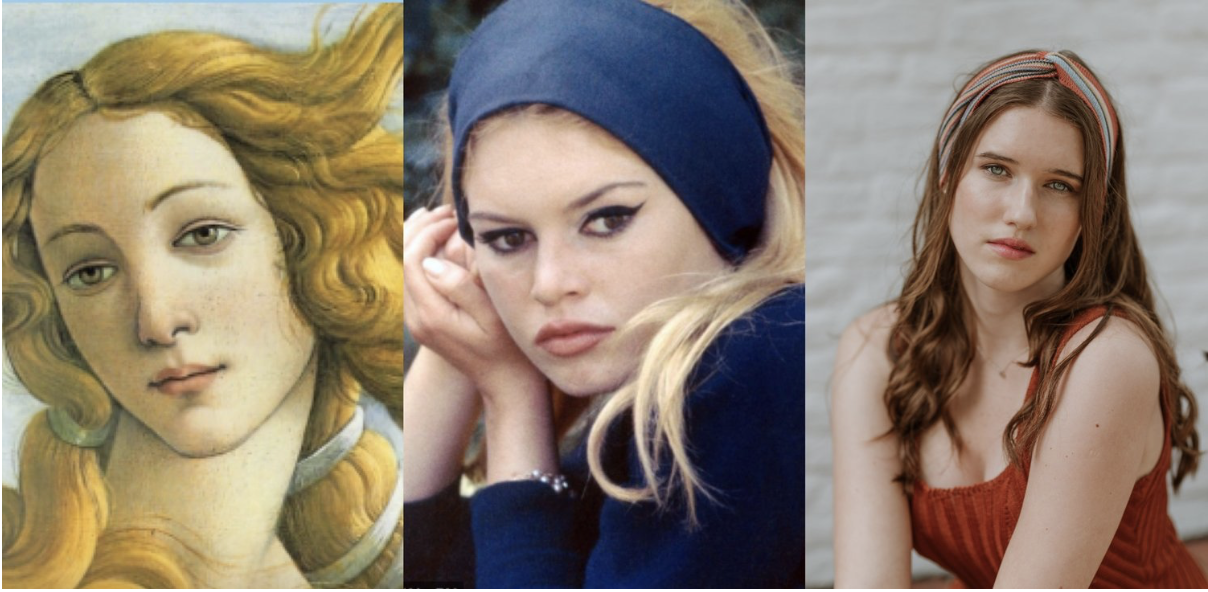
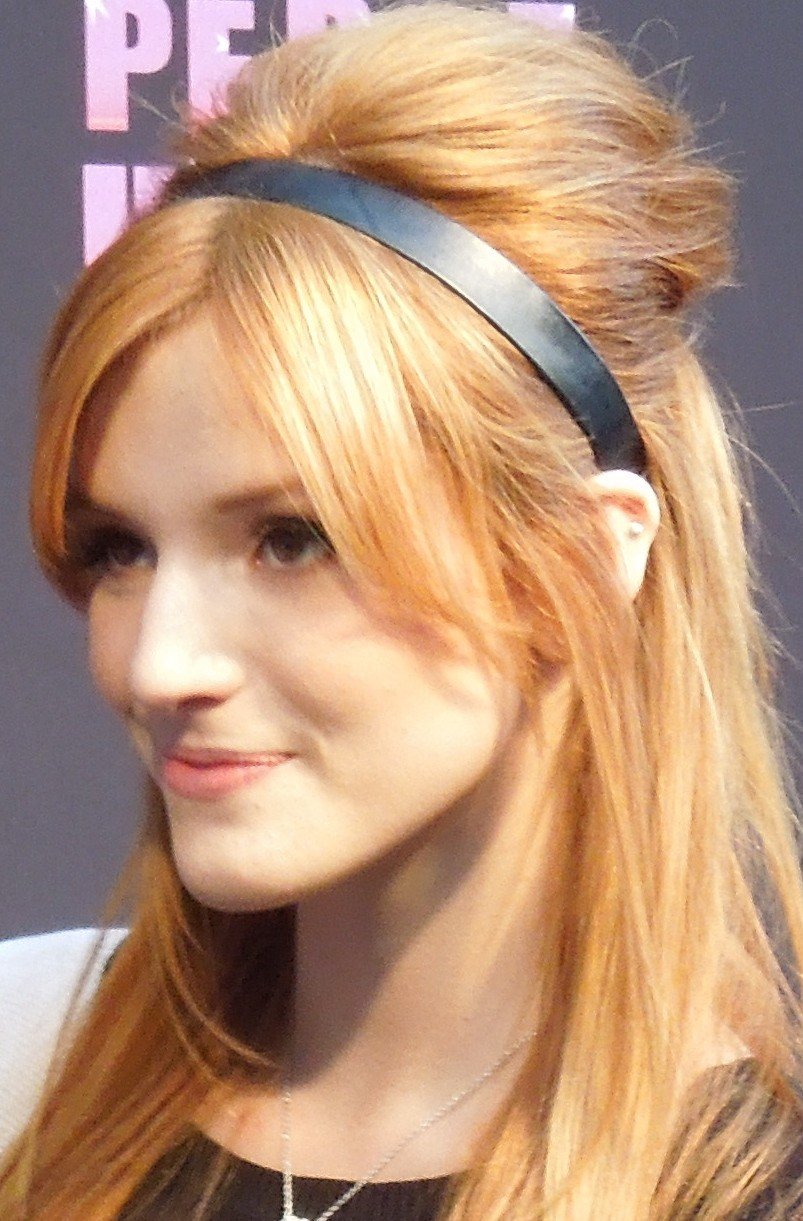
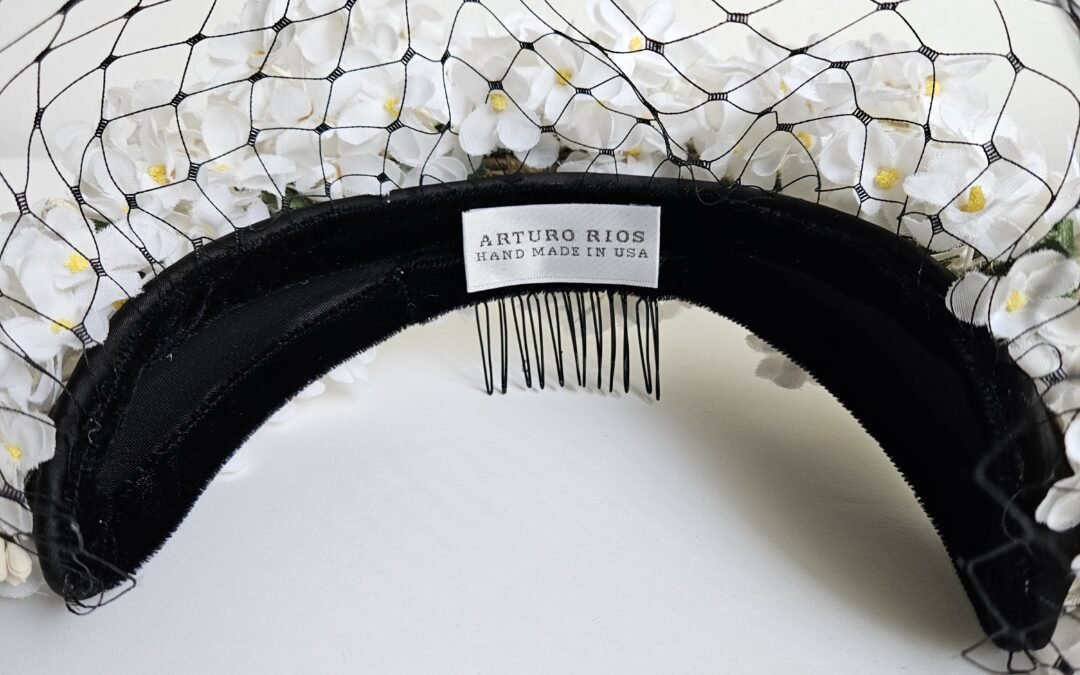
Headbands have long been an integral element in the realm of millinery, serving not only as functional accessories but also as powerful statements of style and individuality. From their historical roots to contemporary designs, headbands have evolved dramatically, reflecting the changing tides of fashion and culture. Whether adorned with intricate embellishments or crafted from simple fabrics, headbands remain a versatile accessory, capturing the imagination of designers and fashion enthusiasts alike. 
Definition and Purpose of Headbands

Headbands are typically a band, often made of fabric or other materials, worn around the head to secure a hat or simply to add an extra touch of flair. Think of them as the trusty sidekick to your favorite hat—always there to provide support and a dash of style.
Early Uses of Headbands in Millinery

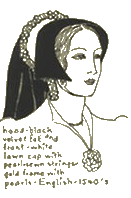
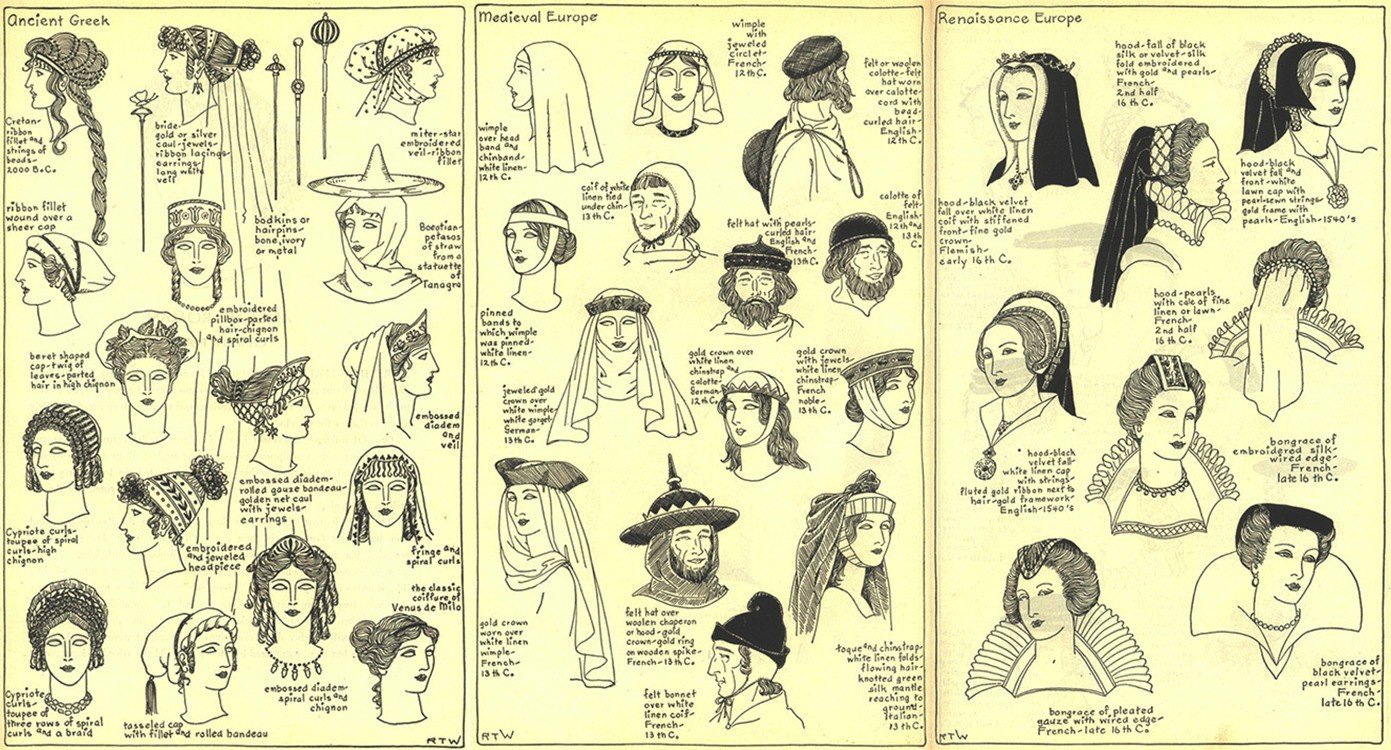
Headbands have been around a long time. Early examples can be traced back to ancient civilizations, where they were adorned with jewels and feathers, symbolizing status and fashion. Fast forward a few centuries, and you'll find headbands gracing the heads of flapper girls and Hollywood starlets, bridging the gap between practicality and panache.
The first recorded use of any sort of headband is in ancient Greece, starting around the year 475 BC. These were actually hair wreaths made from plants and intertwined in the shape of a circle or sometimes a half-circle.

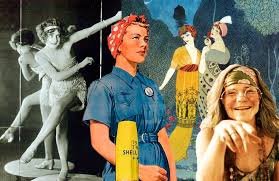
Rosie the Riveter, media icon associated with female defense workers during World War II. Since the 1940s Rosie the Riveter has stood as a symbol for women in the workforce and for women’s independence.

Influence of Fashion Movements on Headband Styles

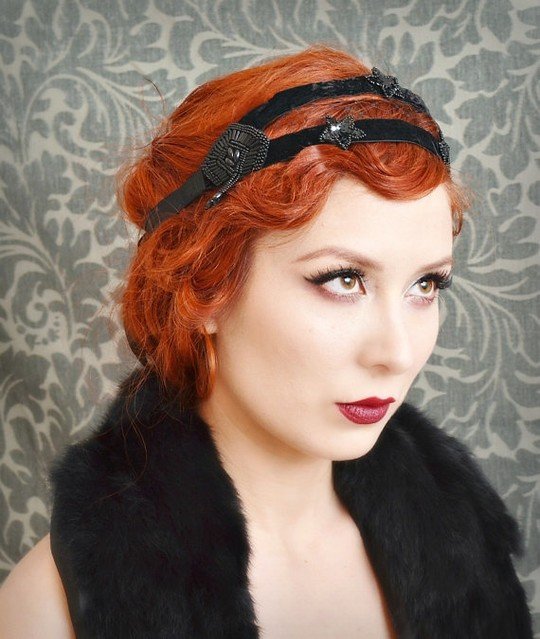
Fashion movements have a way of bending trends. The 1920s introduced beaded headbands that dripped with glam, while the 1960s saw the rise of colorful, psychedelic styles that made everyone look like a walking art piece. The evolution of headbands reflects the societal moods and styles of the times—one minute you’re all about the bohemian vibes, and the next you can’t get enough of the minimalist aesthetic.

Notable Designers and Their Contributions

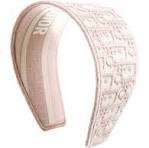
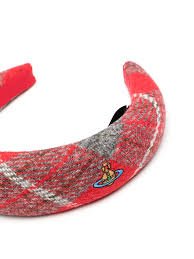
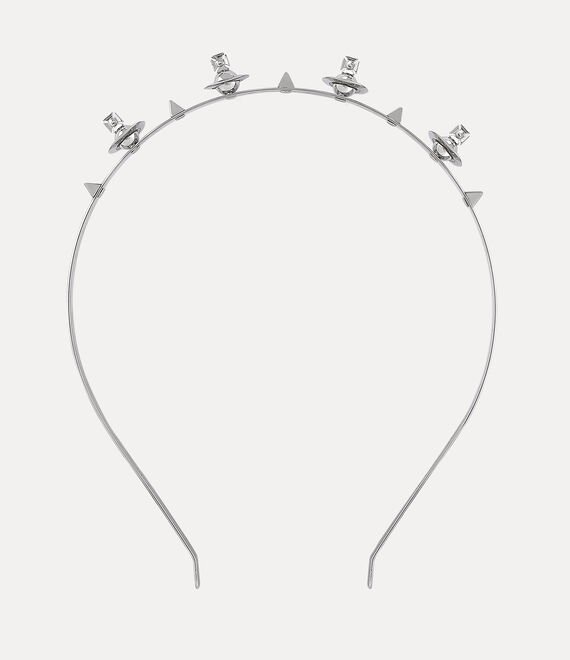
Several designers have left their mark on the world of headbands. Take Christian Dior, for example. His New Look featured elegant headbands that accentuated the feminine silhouette, while designers like Vivienne Westwood spun headbands into punk-inspired statements. These creative minds not only elevated headbands but also challenged the norms, proving that headwear is anything but boring.

Common Materials for Headbands

When it comes to headbands, the material choices are diverse. From luxurious silks and satins to sturdy felts and innovative plastics, the options are endless. Each material brings its own flair: silk for sophistication, felt for warmth, and cotton for that easygoing vibe. The art of headband creation has come a long way from simple loops of fabric. Today, milliners are using techniques like weaving, embroidery, and even 3D printing. Innovations in technology have allowed for intricate designs that were once thought impossible.

Mixing Textures and Colors

Why settle for one texture or color when you can have them all? Mixing and matching textures and colors can result in headbands that are visually stunning. Imagine the soft touch of velvet paired with the glimmer of sequins or a bold tartan juxtaposed with delicate lace. It's all about experimenting and finding that perfect balance.

What's to Come

In the future, millinery headbands will thrive as a category of their own, no longer just a humble accessory. They will become more customizable, technologically enhanced, and sustainable, all while celebrating the artistry of classic craftsmanship. This makes them an increasingly attractive choice for discerning customers who value both modern innovation and timeless elegance. 

We think an educated client (never a "customer") is preferred. Arturo also believes in being generous with his knowkledge as others have been generous with theirs to him.

This article is part of our series that explores and celebrates different aspects of millinery. Arturo Rios has created new techniques, forms and modes of constructing the world's finest hats and he wants to share and open the discussion with you.

We welcome everyone to discover how millinery is expanding, changing and evolving. Let us know your thoughts!


Classic Forms

Millinery has a long history. In this series of posts, we delve deeper into the specifics of each type of hat. Pillboxes, fascinator and derby hats are just the beginning. And Arturo wants to assist in your discovery!

Techniques

Hat-making has it's own vocabulary; definitions, terms, slang. We're here to talk about the components that make great hats.

Colors

Arturo has a unique sense of flowers. He also uses his deep understanding of how colors work and how they influence us.

Classic Forms: Fascinators

Classic Forms: Fascinators

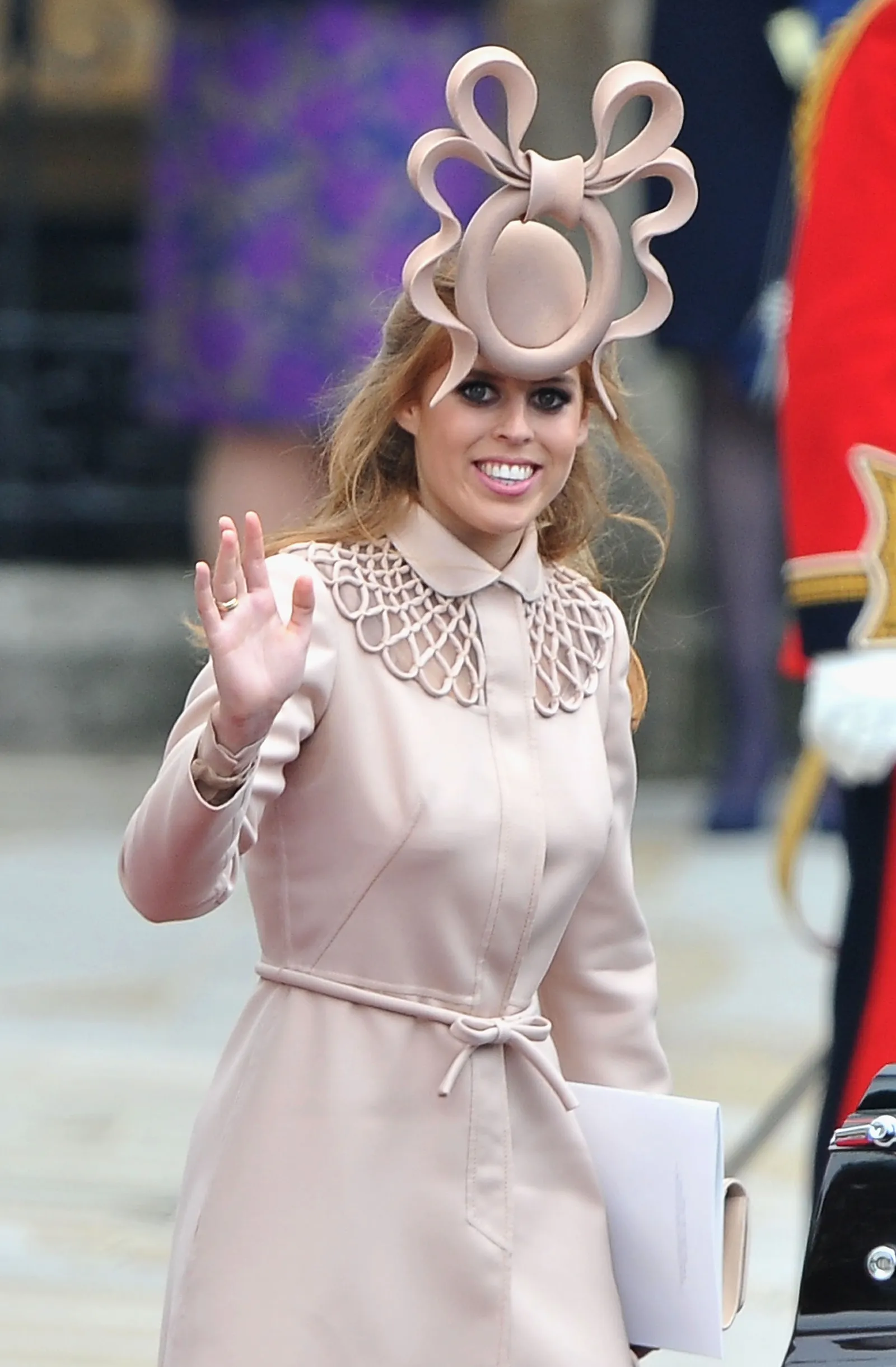
Fascinators have a brief history. Originally, the term was coined by Stephen Jones in the 70s.

In part, the term comes from the way fascinators are attached to the head, that is, fastened by a ribbon or a clip.

But that wasn’t all that Jones had in mind when coming up with the name for his new hats. He was thinking about calling these headpieces something whimsical that would describe their uniqueness and extravagance.

The fastening part played a role, as it reminded him of the word “fascinating.” Hence, a fascinator.

Source: Gold Coast Couture

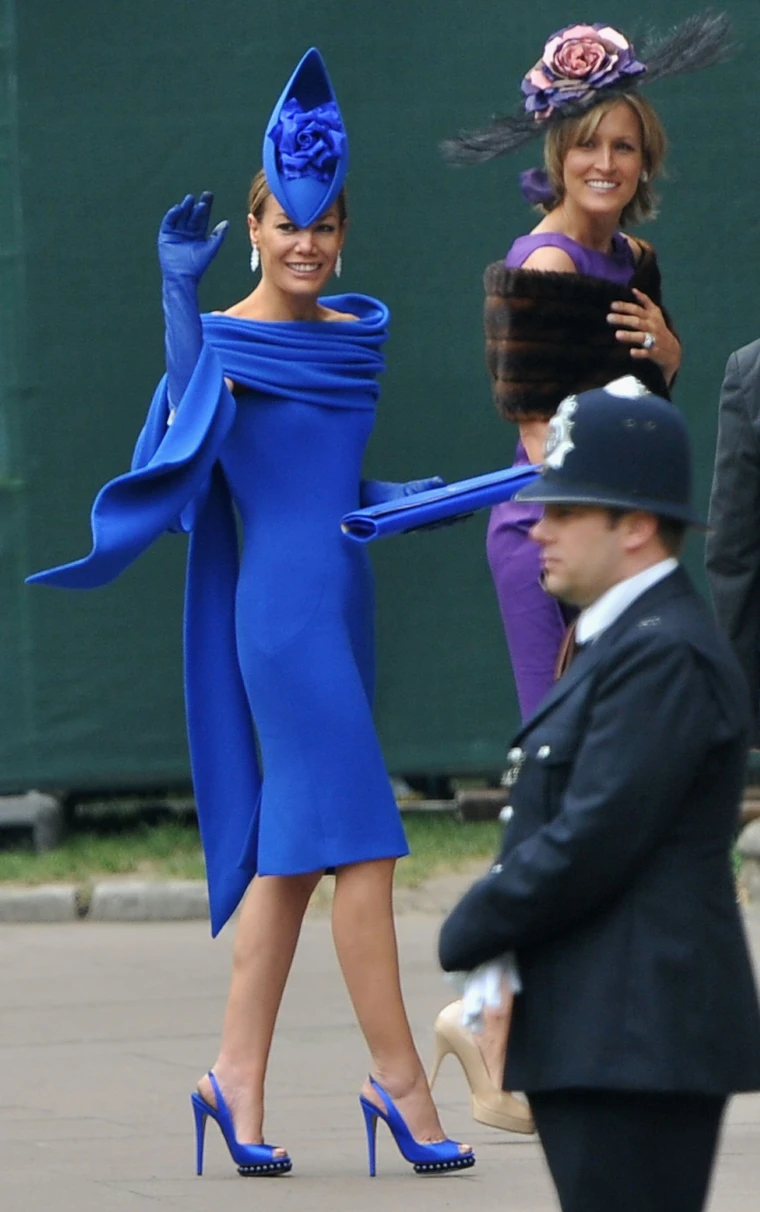
“The drama and pure folly of fascinators make them unique in millinery.” Arturo states. “They very literally are the crowning touch to a truly outstanding style choice. Fascinators are not just for royal events and derbies. They are very good choices for formal events, daytime social gatherings and weddings.” 

An Elegant Focal Point

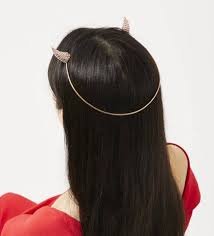
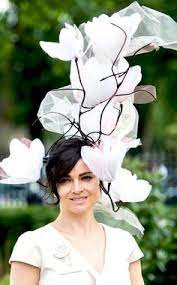
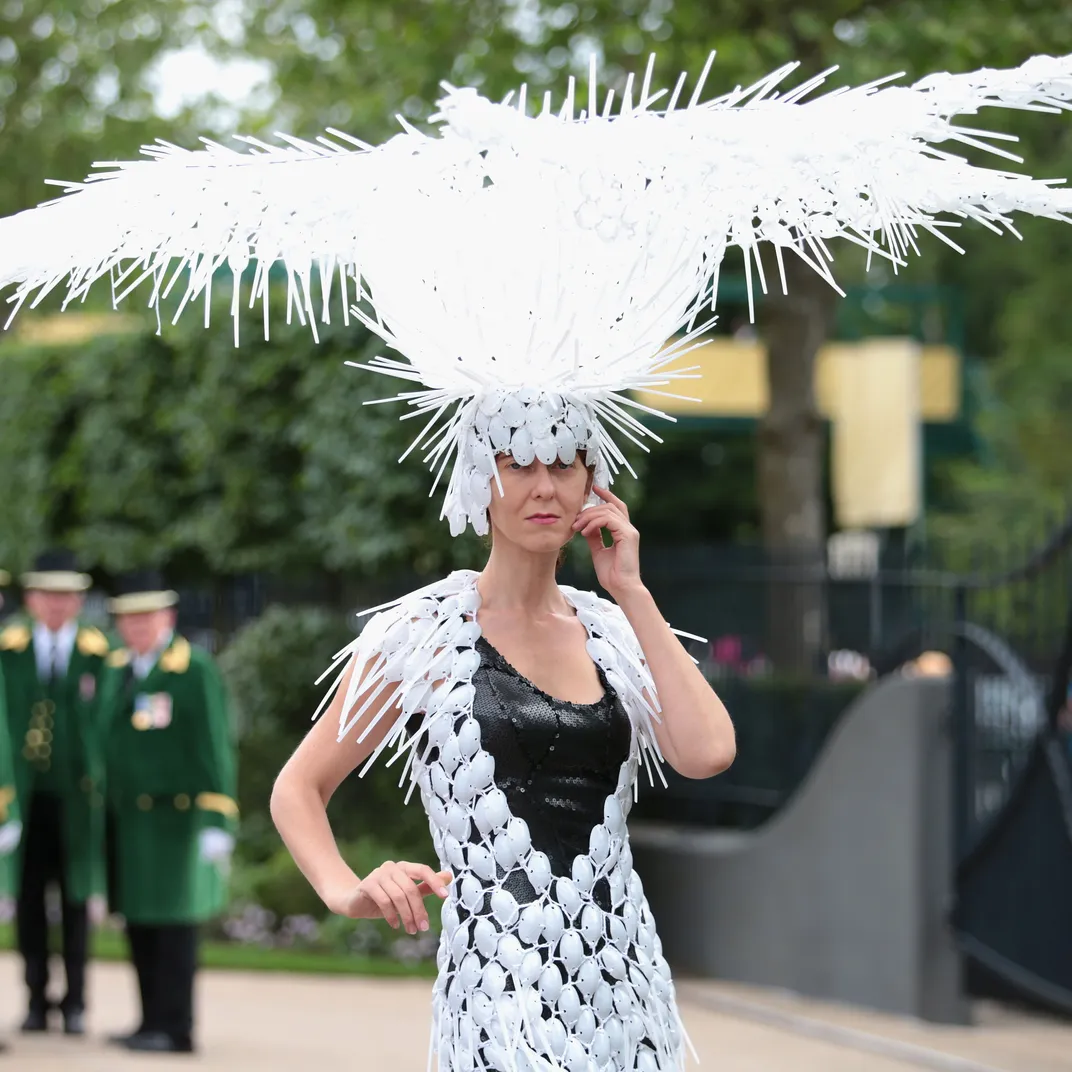
The purpose of a fascinator is not about function; fashion and style are the key points. Fascinators offer little or no protection from the elements as compared to other hats. They exist simply to be fabulous. They draw the eye, focus others’ attention and do so elegantly and with style. Fascinators exist simply to, well, fascinate.

Untethered by boring functions, these hats can soar and push boundaries. They can be stunningly complex or simply frivolous; diminutive or monumental in size. The appeal is broad. The Royals have taken a liking to them. Brides adore them. Socialites and celebrities have a keen interest in them.


|

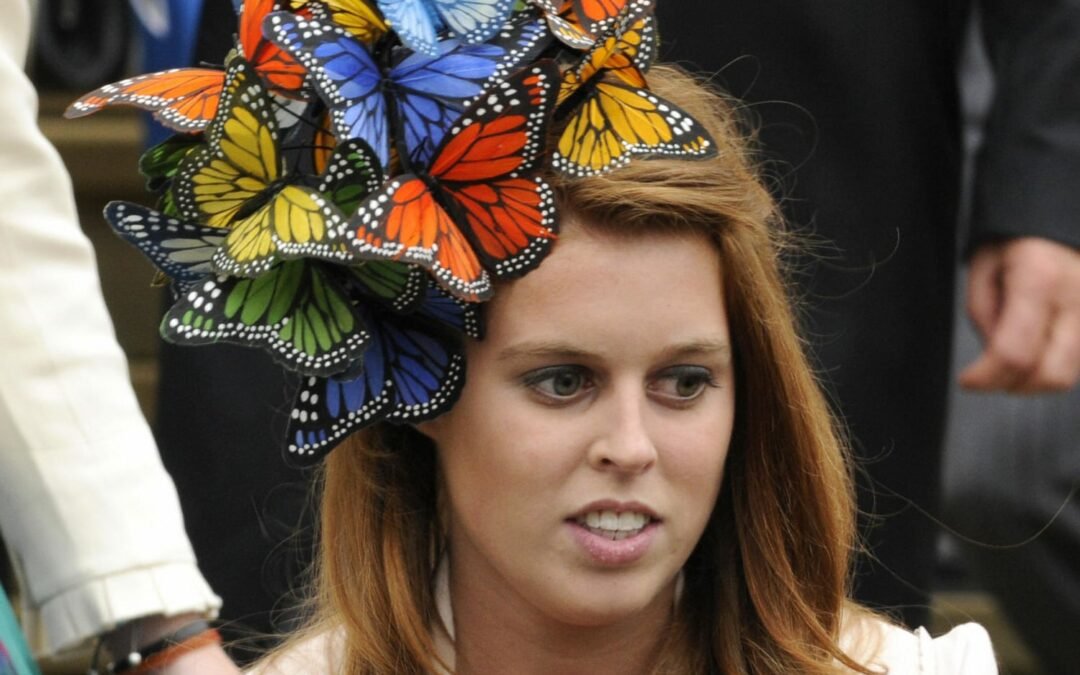
It was named in the 1960s, re-emerged with heightened artistry in the late 70s, and today is worn by both royals and the fashion forward. It traces back through the centuries, perhaps to the moment in the 1770s when on a whim Marie Antoinette planted some feathers—ostrich and peacock—into her pomaded hair. It may go back further still, to the first female hominid who saw something beguiling—a fern frond, a butterfly wing—and stuck it on her head, well, fascinatingly.

A Brief History of Fascinators: Vanity Fair

Fascinators also allow an individual’s style to break traditional millinery boundaries. “They’re also just fun to wear,” Arturo states. “Each fascinator is a personal statement.”

We think an educated client (never a "customer") is preferred. Arturo also believes in being generous with his knowkledge as others have been generous with theirs to him.

This article is part of our series that explores and celebrates different aspects of millinery. Arturo Rios has created new techniques, forms and modes of constructing the world's finest hats and he wants to share and open the discussion with you.

We welcome everyone to discover how millinery is expanding, changing and evolving. Let us know your thoughts!


Classic Forms

Millinery has a long history. In this series of posts, we delve deeper into the specifics of each type of hat. Pillboxes, fascinator and derby hats are just the beginning. And Arturo wants to assist in your discovery!

Techniques

Hat-making has it's own vocabulary; definitions, terms, slang. We're here to talk about the components that make great hats.

Colors

Arturo has a unique sense of flowers. He also uses his deep understanding of how colors work and how they influence us.

Classic Forms: Saucers

Classic Forms: Saucers

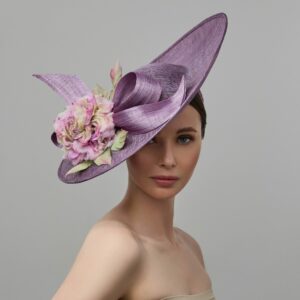
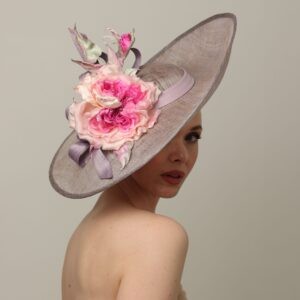
The saucer form ("disc form" is a slight variation) in millinery is relatively new. The style can be traced to a trend in widening the brim of the hat to create a distinct profile while accommodating increasingly dramatic and sophisticated aadornment such as silk flowers, archetectural elements and a widening assortment of structural elements and accessories.

Arturo is experimenting with this form in detail while constructing his upcoming collection:

"Saucers are one of my favorite base forms to play with. The expansive shape is very dramatic. When I use bright colors and adorn the hat with equally colorful, fun accessories, they're a great choice for daytime events. If using more subdued colors and more discreet decorative items like silk flowers, crystals or feathers, they do make a stunning and elegant choice for more sophisticated evening and formal occasions."

Arturo Rios

We think an educated client (never a "customer") is preferred. Arturo also believes in being generous with his knowkledge as others have been generous with theirs to him.

This article is part of our series that explores and celebrates different aspects of millinery. Arturo Rios has created new techniques, forms and modes of constructing the world's finest hats and he wants to share and open the discussion with you.

We welcome everyone to discover how millinery is expanding, changing and evolving. Let us know your thoughts!


Classic Forms

Millinery has a long history. In this series of posts, we delve deeper into the specifics of each type of hat. Pillboxes, fascinator and derby hats are just the beginning. And Arturo wants to assist in your discovery!

Techniques

Hat-making has it's own vocabulary; definitions, terms, slang. We're here to talk about the components that make great hats.

Colors

Arturo has a unique sense of flowers. He also uses his deep understanding of how colors work and how they influence us.

Classic Forms: The Veil

Classic Forms: The Veil

The Historical Importance of the Veil

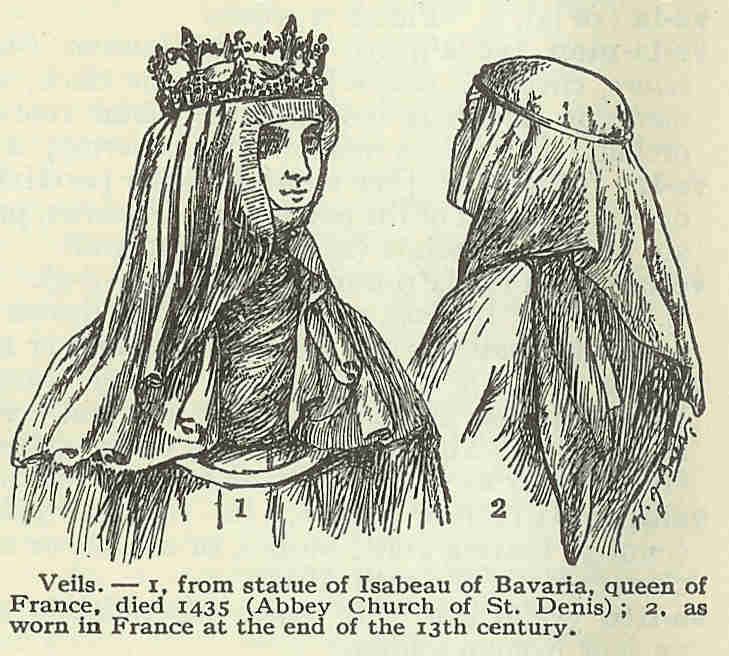
For centuries, European women have worn sheer veils, but only under certain circumstances.

Sometimes a veil of this type was draped over and pinned to the bonnet or hat of a woman in mourning, especially at the funeral and during the subsequent period of "high mourning". They would also have been used, as an alternative to a mask, as a simple method of hiding the identity of a woman who was traveling to meet a lover, or doing anything she did not want other people to find out about. More pragmatically, veils were also sometimes worn to protect the complexion from sun and wind damage (when untanned skin was fashionable), or to keep dust out of a woman's face, much as the keffiyeh (worn by men) is used today.

The practice of veiling is especially associated with women and sacred objects, though in some cultures, it is men, rather than women, who are expected to wear a veil. Besides its enduring religious significance, veiling continues to play a role in some modern secular contexts, such as wedding customs.

Gallery

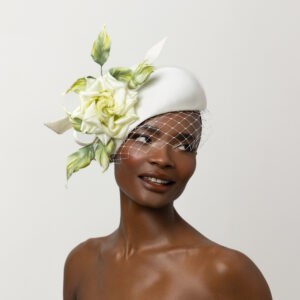
A partial gallery of Arturo's most recent hats featuring veils:

Modern Veils

The veils used in modern millinery carry far less religious and cultural weight. They are primarily decorative. Their impact, however is not diminished.

"They are an important part of the whole hat's silhouette," explains Arturo. "It is there to add to the form of the hat while drawing attention to the face. This is what good design does — it enhances the whole, it does not conceal it."

Almost all of the veils designed by Arturo Rios feature subtle, yet distinguishing embellishments. Swarovski crystals, paillettes and elaborate stitching are some techniques that set Arturo's hats apart.

Interested in more?

We're beginning an occasional series entitled Classic Forms which will explore the fundamental aesthetics of millinery.

Stay up to date and be alerted when we add more items to this collection. Sign up to the right.