A Quick Guide to Couture Millinery Etiquette

A Quick Guide to Couture Millinery Etiquette

Couture hat etiquette dictates that women generally keep their hats on indoors at social events like weddings, luncheons, or tea, as they are considered part of the hairstyle.
Wide-brimmed hats should be removed if they block views at ceremonies or dining, while, conversely, men are required to remove hats indoors, especially for dining or in church.


Key Millinery Etiquette Points

Indoor Events & Dining

Indoor Wear: Women can wear hats at daytime weddings, luncheons, and in restaurants. However, if a hat is very large, it is courteous to remove it to avoid blocking others' views, notes Eric Javits.

Dining: According to Yvonne LaFleur, ladies can leave hats on during meals, but it is generally polite to remove wide-brimmed hats at a dinner table, says Lock & Co. Hatters.

Handling & Presentation

Handling: When taking a hat off, handle it by the crown rather than the brim to maintain its shape, and set it on its crown, not the brim, says American Hat Company and this YouTube video.

Positioning: Decorative elements such as feathers or veils should typically be positioned on the right side for women and the left side for men, notes Friday Feelin.

Handling Removed Hats: If a hat is removed, do not show the inside lining. Store it on your lap or keep it in your hand with the outside visible, according to Hats in the Belfry and Brixton.

Etiquette for Others: Never touch or try on someone else’s hat, say various Facebook posts and American Hat Company. [1, 2, 3, 4, 5, 6, 7, 8, 9]

Specific to Weddings

Top Hats: When attending a wedding, top hats should be removed inside the church or reception venue, advise Lock & Co. Hatters.

Evening Wear: Contrary to old rules, modern etiquette allows for fashionable hats to be worn into the evening,, say Yvonne LaFleur and Helen Kaminski. [1, 2, 3]

Evening and After-Five Headwear

For events occurring after 5:00 PM, etiquette suggests moving away from large brims toward more compact and decorative pieces.

Cocktail Hats: These are small, structured hats without brims, often perched on the head and secured with clips or combs. Modern versions, like those from Donna Vinci, often feature rich textures, shimmering accents, and handcrafted jewels to catch evening light.

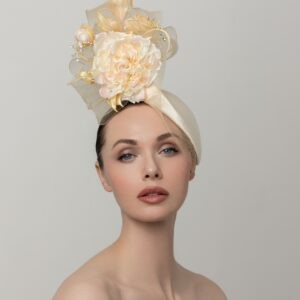
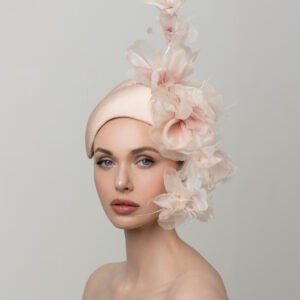
Fascinators: Lightweight and purely decorative, fascinators are built on a base of feathers, lace, or silk and attached to a headband or clip. They are highly popular for evening galas and formal parties as a "haiku of a hat" that adds elegance without the bulk of a full headpiece.
Formal Daytime Headwear

Daytime formal events, particularly those involving outdoor ceremonies or races, allow for maximum scale and sun protection.

Wide-Brimmed Hats: These create a dramatic, elegant silhouette and are often made from fine sinamay, sisal, or felt.

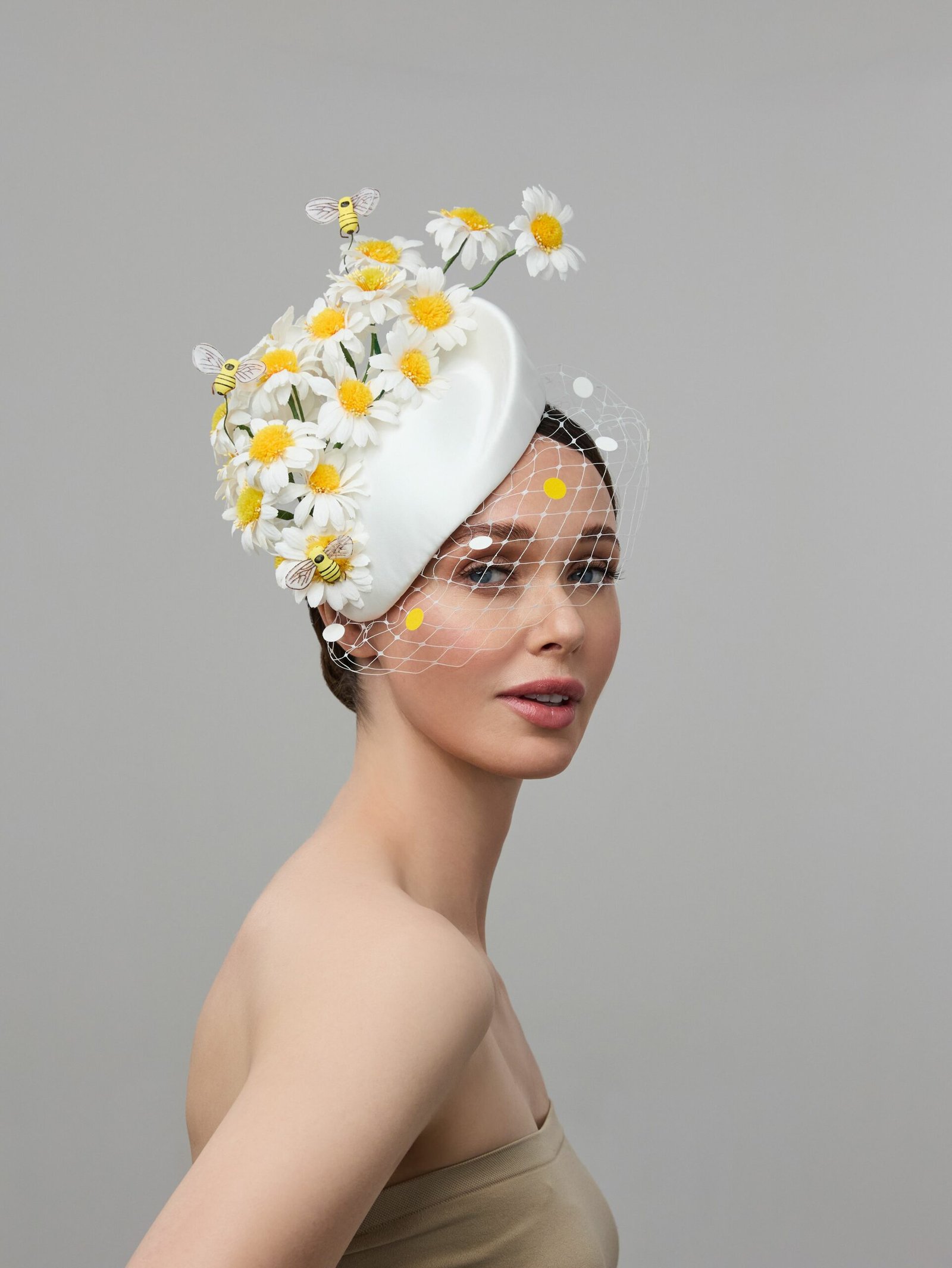
Pillbox Hats: Made famous by figures like Jackie Kennedy, these small, rounded hats sit on top of the head and are often adorned with veiling or luxe fabrics for a retro-chic look.

Materials and Craftsmanship

Couture millinery focuses on artisanal techniques and premium materials that distinguish these pieces from mass-produced headwear.

Materials: High-end pieces use fur felt, silk taffeta, ostrich feathers, and hand-sewn lace.

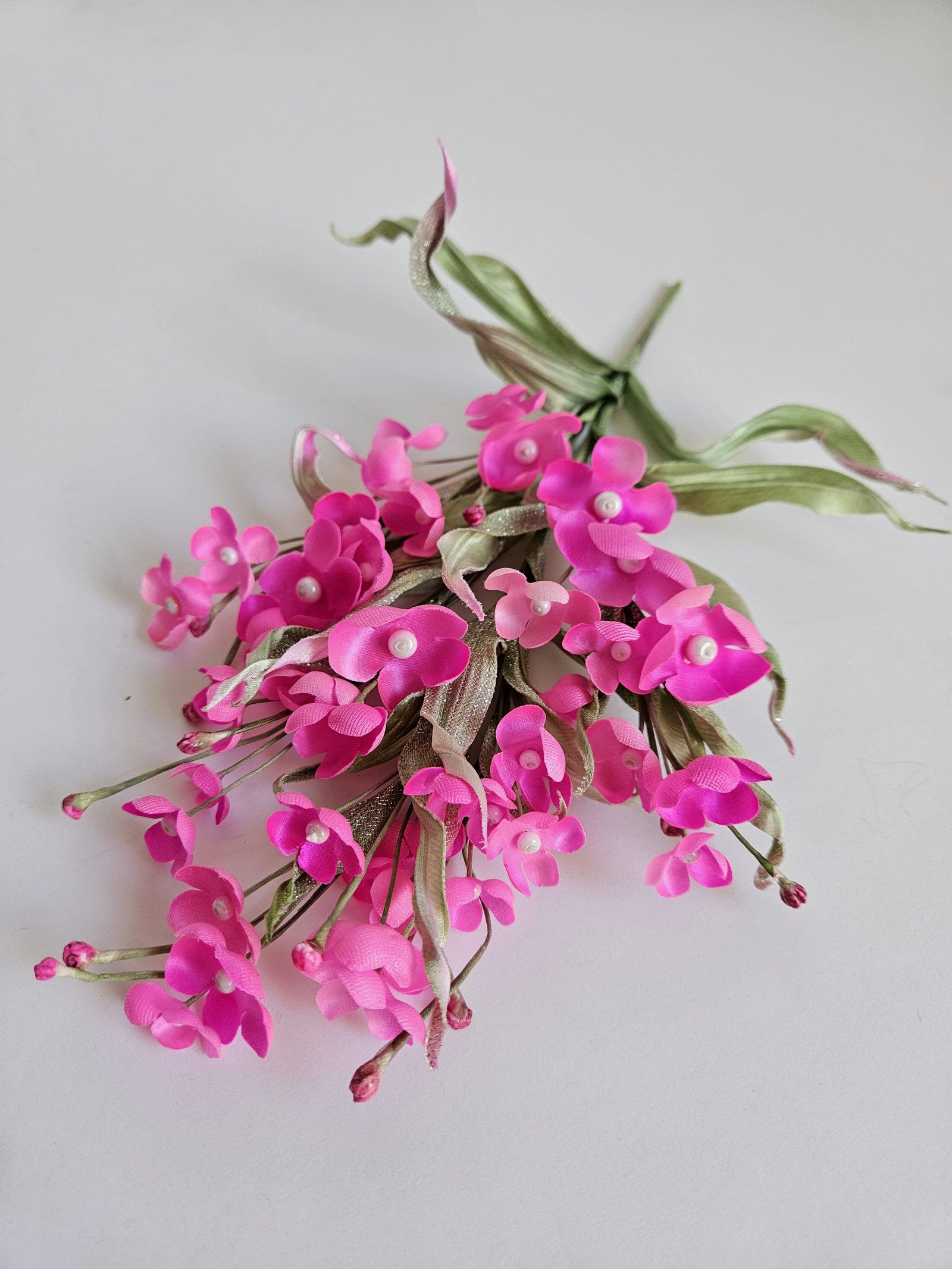
Embellishments: Typical decorations include handcrafted fabric flowers, Swarovski crystals, pearls, and intricate birdcage veils.
We think an educated client (never a "customer") is preferred. Arturo also believes in being generous with his knowkledge as others have been generous with theirs to him.

This article is part of our series that explores and celebrates different aspects of millinery. Arturo Rios has created new techniques, forms and modes of constructing the world's finest hats and he wants to share and open the discussion with you.

We welcome everyone to discover how millinery is expanding, changing and evolving. Let us know your thoughts!


Classic Forms

Millinery has a long history. In this series of posts, we delve deeper into the specifics of each type of hat. Pillboxes, fascinator and derby hats are just the beginning. And Arturo wants to assist in your discovery!

Techniques

Hat-making has it's own vocabulary; definitions, terms, slang. We're here to talk about the components that make great hats.

Colors

Arturo has a unique sense of flowers. He also uses his deep understanding of how colors work and how they influence us.

An Elegant Summer | The 2026 Collection

An Elegant Summer | The 2026 Collection

The Arturo Rios 2026 Spring & Summer Collection reflects several dominant trends in high-end millinery for the season, characterized by a shift from "quiet luxury" toward bold, statement-making artistry.

Architectural & High-Impact Silhouettes

The collection moves away from simple minimalism with dramatic, structured forms.

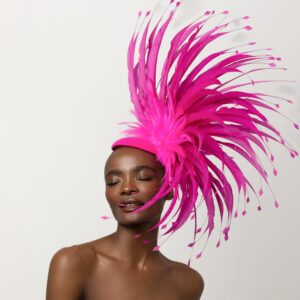
Vertical Height: Pieces like "Rosalie" and "Coco: Red" utilize soaring feather sprays and quills to create commanding height.

Asymmetry

Many designs, such as "Georgina" and "Rhodes," feature off-center placements and diagonal angles, which are a major 2026 trend for adding a contemporary edge to traditional headwear.

Bold Color Palettes

Aligning with the "dopamine dressing" movement, the collection embraces saturated, high-impact hues designed to boost the wearer's mood.

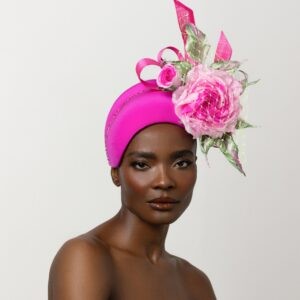
Vibrant Solids: Bold fuchsia ("Coco: Fuchsia"), electric red ("Coco: Red"), and deep teals are prominent, intended for high-profile events like the Kentucky Derby.

Monochrome Styling: The prevalence of single-color headpieces supports the 2026 trend of head-to-toe monochromatic looks. 

Dimensional Textures & Sustainable Craft
Texture is a primary focus, moving beyond flat surfaces into 3D sculptural forms. 

A Responsible Style for Every Woman

Responsible Featherwork: A signature of the brand, the use of ethically sourced feathers provides a "feather art" aesthetic that adds movement and tactile depth.

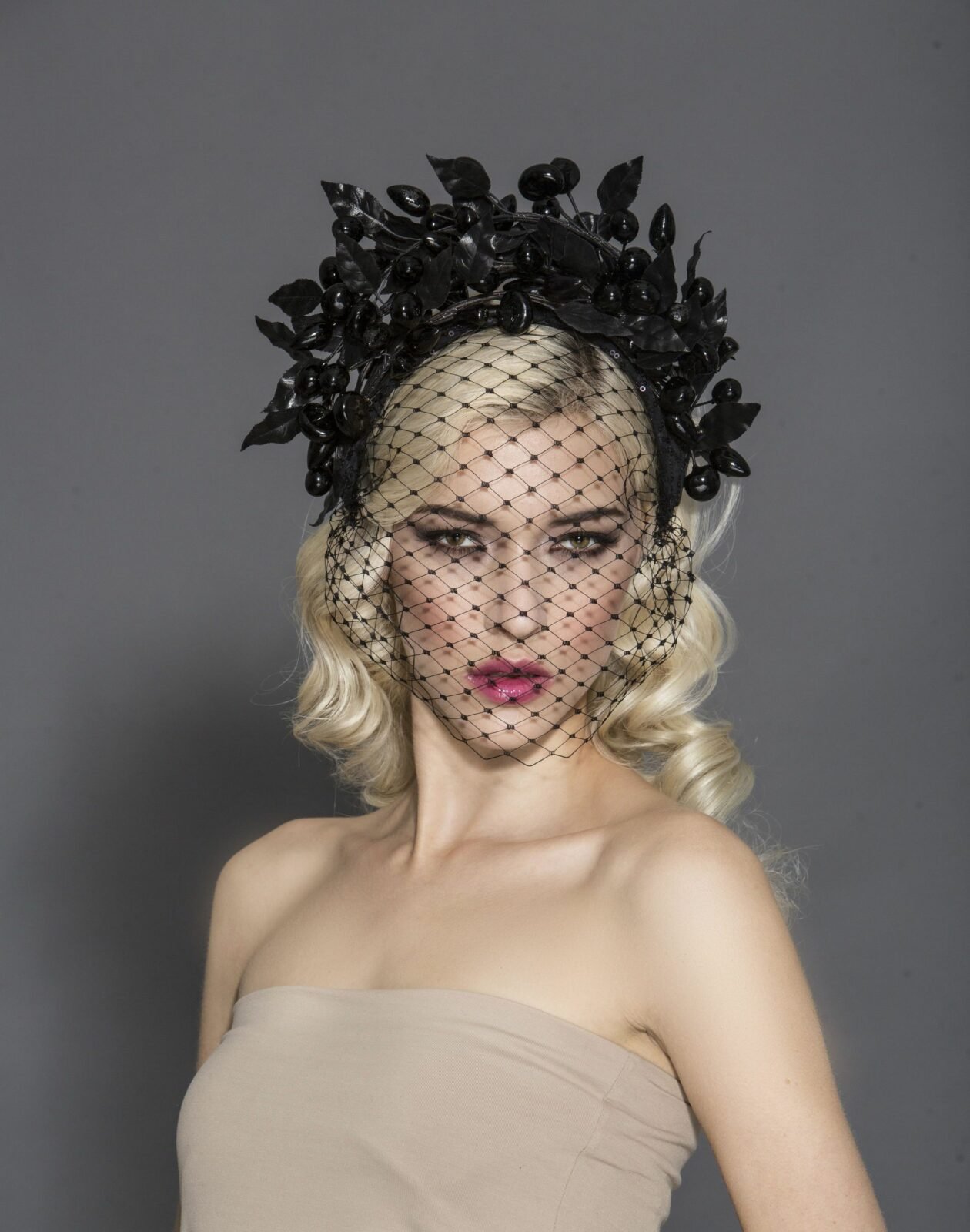
Netted Veiling: Pieces like "Georgina" incorporate fine netting, which adds a layer of "sophisticated mystique" that is trending in both bridal and formal race-day fashion.

Romantic & Historical Revivals
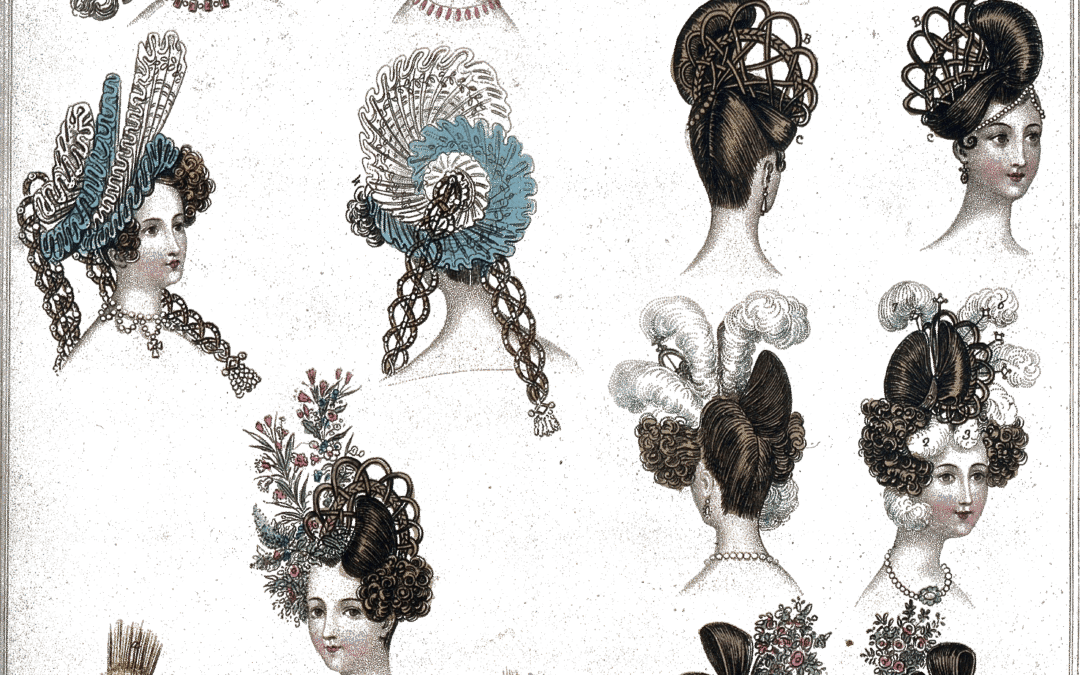
There is a clear influence from Rococo and vintage aesthetics, reinterpreted for modern wear.

Your New "A" Game: Unique Elegance

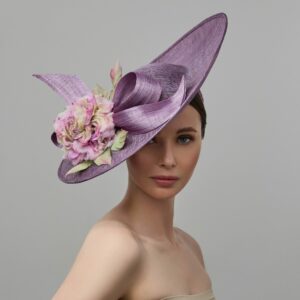
Floral Accents: Designs like "Viviana" feature delicate, multi-dimensional floral embellishments, reflecting the season's broader interest in botanical and "garden party" themes.

Refined Elegance: Even the boldest pieces maintain a sense of "High Society" refinement, prioritizing polished craftsmanship over raw or edgy finishes.

When purchaing an AR hat, be assured that the design team, including Arturo himself, wants your input. What type of event are you attending? What color palette works with your dress?

How can we make this a special hat for you?

As Arturo's latest Spring & Summer 2026 Collection gains critically great notes from fellow couture millinery artists, we want to express a deep expression of gratitude. Without our clientele and other milliners, this would have been impossible. Thank you.
—Arturo

Showing 19–24 of 69 resultsSorted by latest

We think an educated client (never a "customer") is preferred. Arturo also believes in being generous with his knowkledge as others have been generous with theirs to him.

This article is part of our series that explores and celebrates different aspects of millinery. Arturo Rios has created new techniques, forms and modes of constructing the world's finest hats and he wants to share and open the discussion with you.

We welcome everyone to discover how millinery is expanding, changing and evolving. Let us know your thoughts!


Classic Forms

Millinery has a long history. In this series of posts, we delve deeper into the specifics of each type of hat. Pillboxes, fascinator and derby hats are just the beginning. And Arturo wants to assist in your discovery!

Techniques

Hat-making has it's own vocabulary; definitions, terms, slang. We're here to talk about the components that make great hats.

Colors

Arturo has a unique sense of flowers. He also uses his deep understanding of how colors work and how they influence us.
Millinery, Feminism and an Interview with a Doyenne

Millinery, Feminism and an Interview with a Doyenne

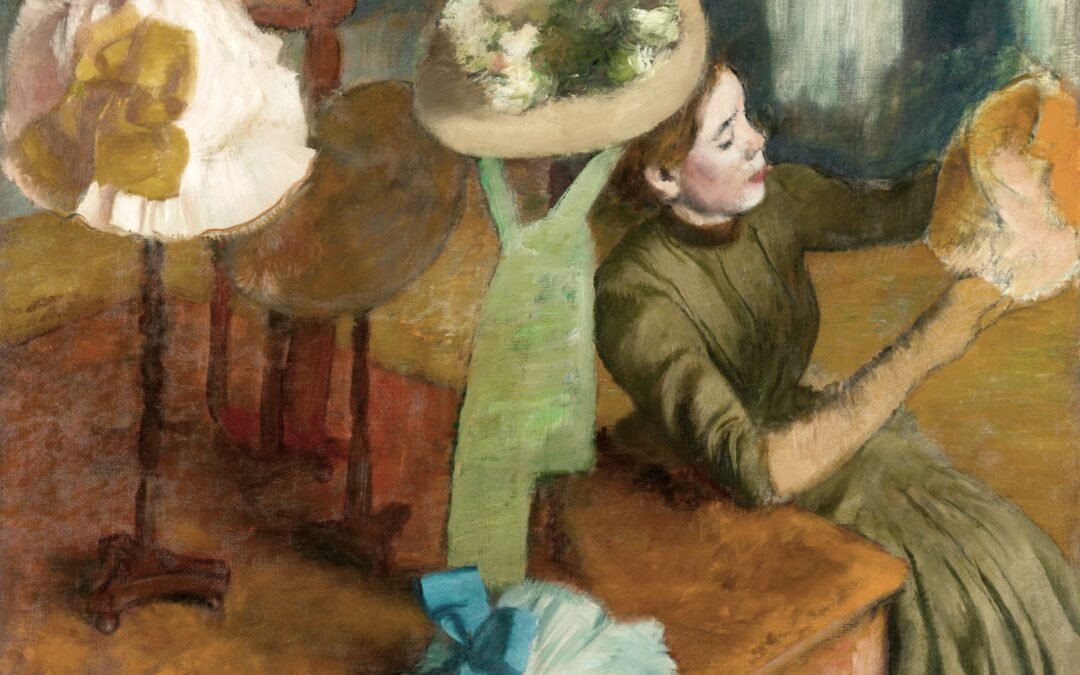
The Millinery Shop, Edgar Degas created between 1879 and 1886. It is one in a series of 27 paintings by Degas about millinery.

Pre World War II

We sat down with a veteran milliner Irene Arroyo from California Millinery Supply and talked about millinery from her decades-long career supplying the best of haute couture designers. Her insights are both detailed and expansive.

"Millinery almost disappeared entirely after WWII. Formal dress for social occassions disappeared overnight. " Ms. Arroyo says. "Before, you wouldn't dare come Downtown without being dressed."

This is a deep understanding of millinery from a professional. And what she has to say about Feminism still rings true.

"It was a throwing off of all decorative devices."

Few people know millinery and its power as well as our vendor.

There is a "millinery resurgence," though. We can see it at special events, awards shows, music videos and on celebrities. Arturo has worked with some of the most prominent celebrities and socialites to prepare them for a grand entrance.

How We Appear

Millinery is not an isolated art form. It conveys more than style. It announces your grace and beauty. Wearing an Arturo Rios hat assures that you can walk into any venue and be the center of attention with grace and elegance.

We've selected the finest silk veils that exist. We're excited about this new collection. It offers bold, new ways to distinguish your personal grace and beauty with confidence. We'll make an announcement to our clients as soon as we finish the details and photo shoot.

We welcome your feedback, ideas and comments. Stay tuned!

Details Matter 

There is a little known millinery adornment: millinery berries.

They offer a wonderful focal point and enhance any haute couture ensemble. They shine, playfully. Joyously and distinguish a haute couture hat from others.

Millinery berries are constructed of aged,  spun cotton with hollow cores. They are coated in a deep lacquer which offers a dazzling impression.

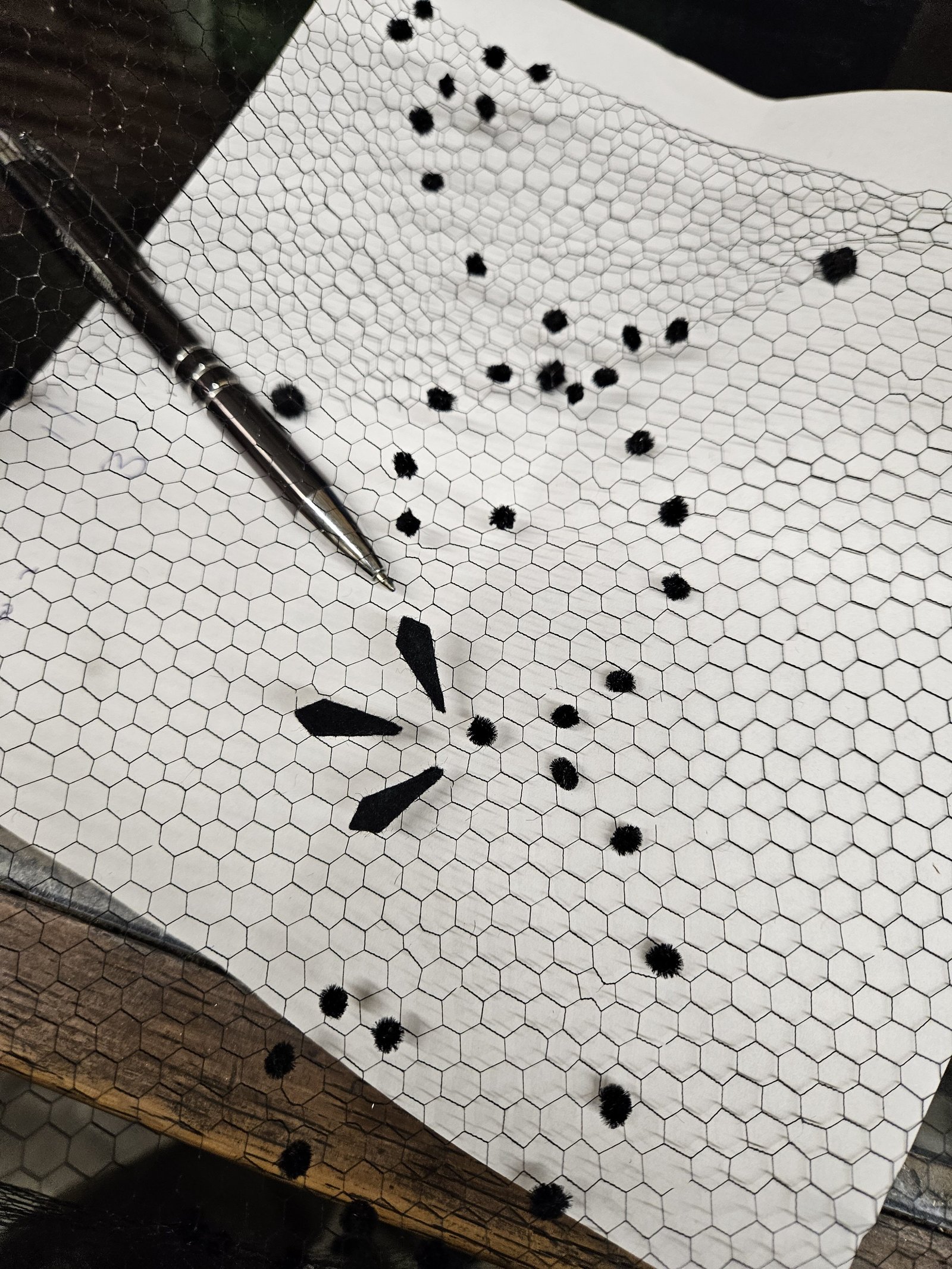
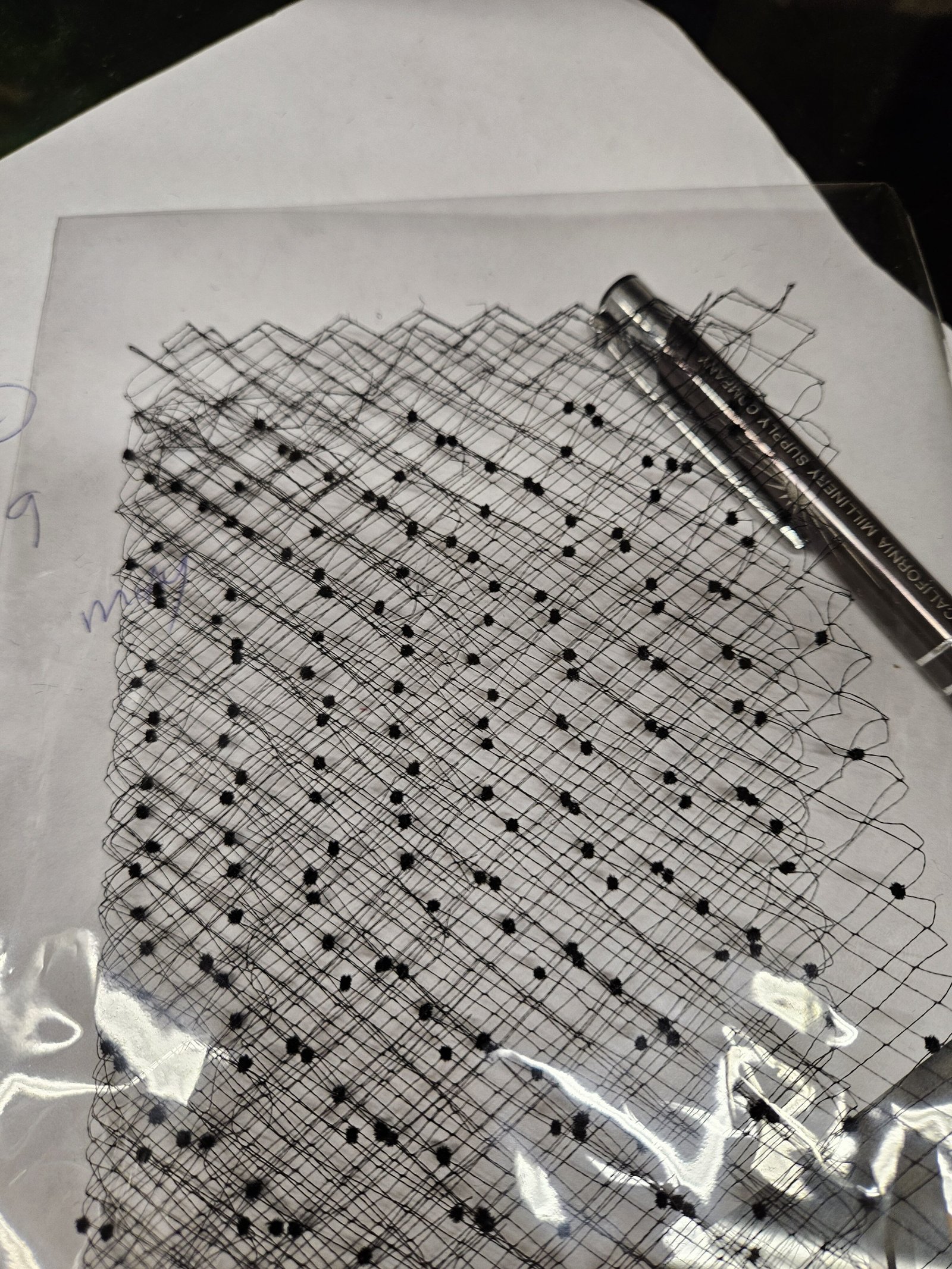
The chenille velvet dots used on the veils are placed individually, which is a very detailed and delicate process.


We think an educated client (never a "customer") is preferred. Arturo also believes in being generous with his knowkledge as others have been generous with theirs to him.

This article is part of our series that explores and celebrates different aspects of millinery. Arturo Rios has created new techniques, forms and modes of constructing the world's finest hats and he wants to share and open the discussion with you.

We welcome everyone to discover how millinery is expanding, changing and evolving. Let us know your thoughts!


Classic Forms

Millinery has a long history. In this series of posts, we delve deeper into the specifics of each type of hat. Pillboxes, fascinator and derby hats are just the beginning. And Arturo wants to assist in your discovery!

Techniques

Hat-making has it's own vocabulary; definitions, terms, slang. We're here to talk about the components that make great hats.

Colors

Arturo has a unique sense of flowers. He also uses his deep understanding of how colors work and how they influence us.
The Responsible Use of Feathers

The Responsible Use of Feathers

The Sustainable Sourcing of Feathers

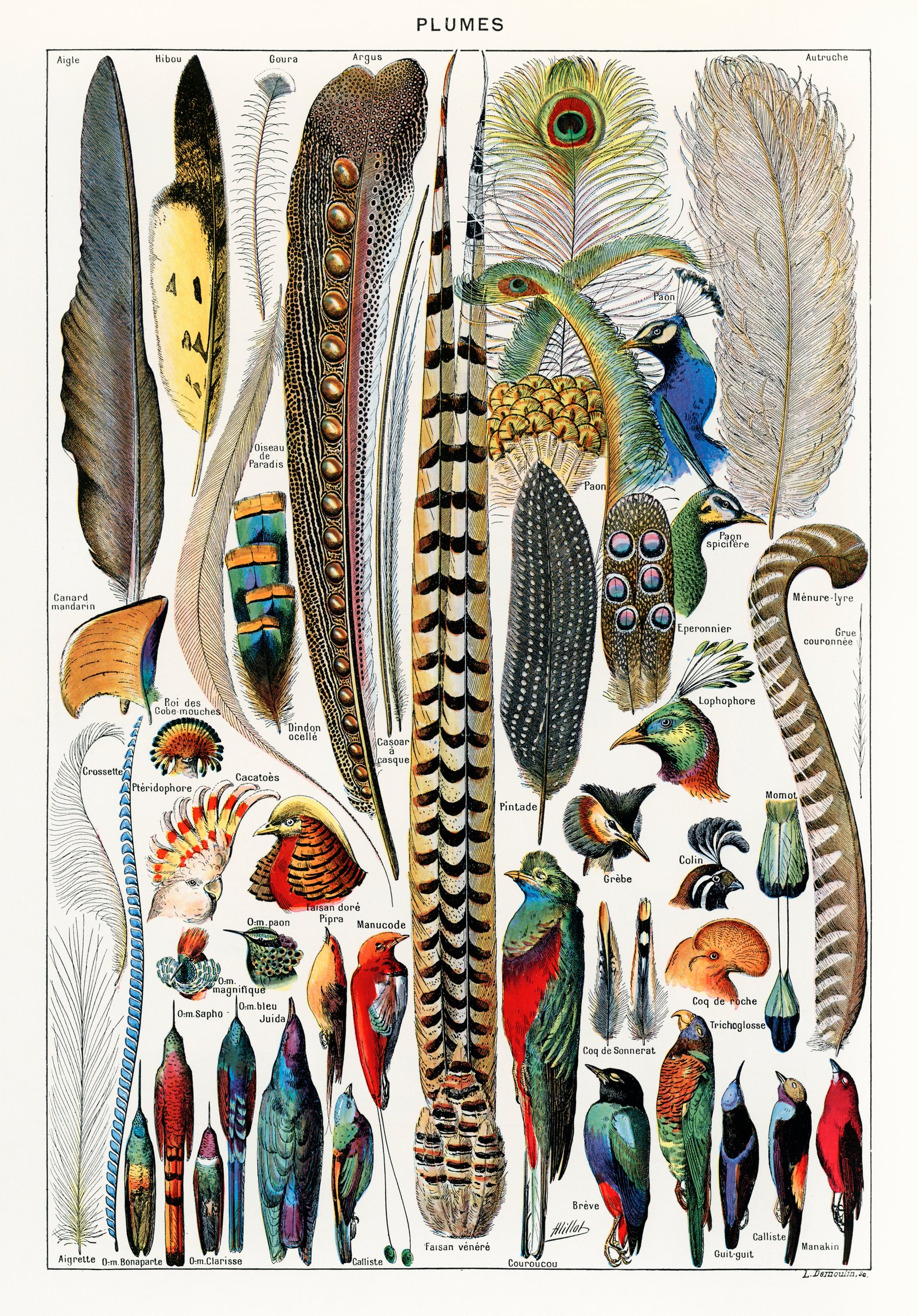
Plumes - Feathers (1900) by Adolphe Millot (1857-1921), a collection of different plume types.

The use of feathers in millinery has a long history.

Feathers were first used to decorate hats in Europe in the early 14th century. By the 16th century, feathers were a popular accessory for the wealthy in fashion centers like Milan (from which "millinery" is derived) Paris, Vienna, Florence, and Prague. 
Feathers became more widespread in fashion in the late 18th century due to the Industrial Revolution, which made luxuries more accessible to the masses. Milliners, or hat makers, used new technology to create vibrant designs that added drama to women's fashion. Feathers became a status symbol and were produced on an industrial scale throughout the 1800s.
The demand for bird feathers grew to such a height that ostrich feathers were traded at twice their weight in gold in the late 1800s. The consequences of such unsustainable trade quickly decimated bird species valued for their feathers.

In 1896 the American socialite and amateur naturalist Harriet Hemenway and her cousin Minna Hall led a boycott of feathered hats which attracted 900 participants.The action led to the formation of the National Audubon Society and passage of the Weeks-McLean Law (the Migratory Bird Act), which outlawed market hunting and the interstate transport of birds.

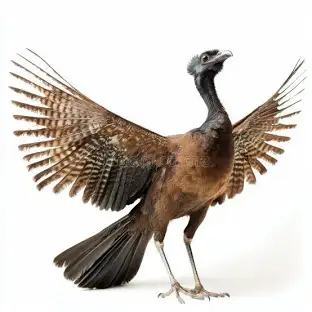
the Lyrebird

the Egret

Egrets were almost extinct in the 1900s, hunted for their graceful, long, white feathers. Today, the bird is protected and their numbers have rebounded. Unfortunately, the Lyre bird in Australia did not meet a similar outcome and is still dangerously close to extinction.

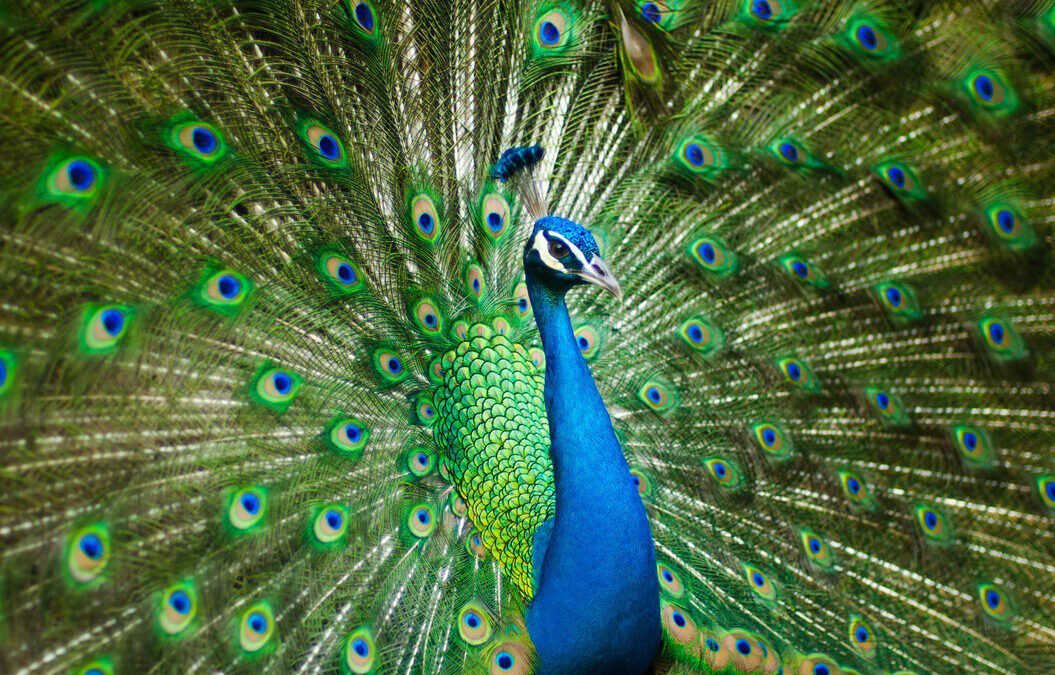
All birds naturally shed their feathers about once a year. This is the preferred method of collection as it causes no stress on bird populations and is by far the most humane sourcing of exotic feathers. We work with local US farmers who raise white peacocks and collect the molted feathers. Exotic feathers from around the world are all purchased through permitted brokers who are fully compliant with domestic and international laws and conventions.

We currently source our feathers from a distributor in the US, who has the proper permits and strictly obeys regulation with the appropriate US agencies. These fathers are tightly controlled and we review the accuracy of their permitted use.
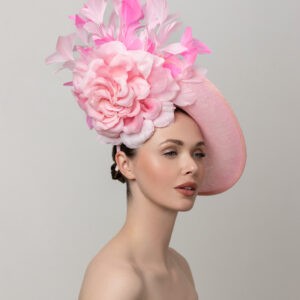
Our current collection of fascinators feature ostrich, goose, peacock and other rare species which are certified 100% cruelty-free and are sustainably gathered.

The ethics of down feathers are controversial, with some sourcing practices being inhumane, but ethically sourced and certified down is available. You can identify ethical down by looking for certifications like the Responsible Down Standard (RDS) or Global Traceable Down Standard (GTDS), which ensure no live-plucking or force-feeding occurs and that animals are not harmed. Alternatively, you can choose products with recycled or pre-loved down, which avoids new animal welfare issues entirely.  

Showing 10–12 of 22 resultsSorted by latest

"It is personally important to me that our feathers are used responsibly and sustainability to preserve their outstanding beauty and broad variety," says Arturo. "They inspire such beautiful designs. And they are truly a unique gift from Nature."
Arturo Rios
Audubon Society

Read about this outstanding organization, founded in 1905.