
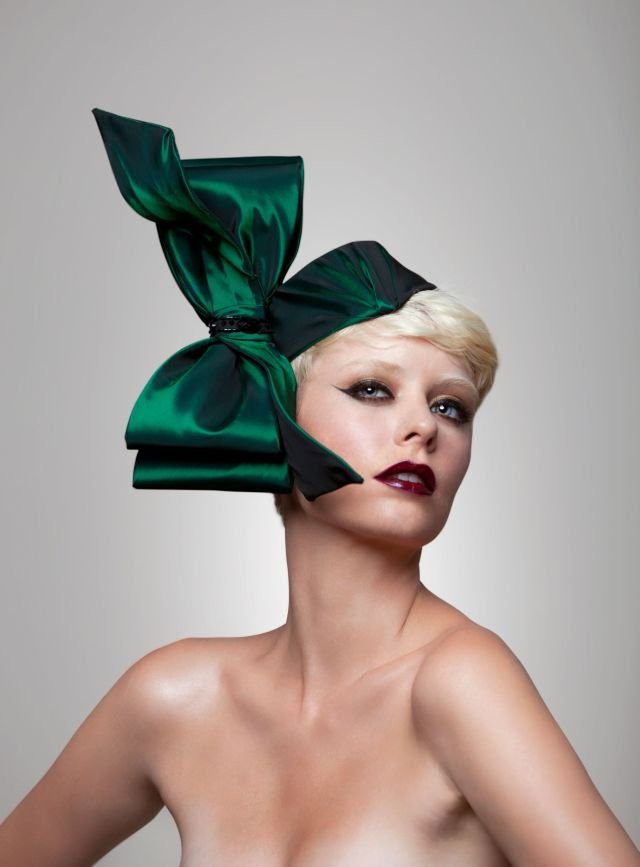
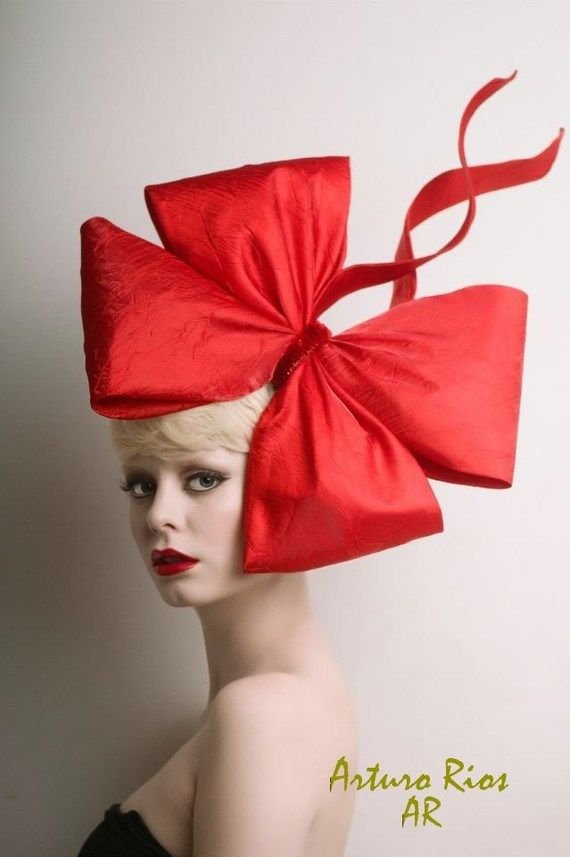
Bows have long been a quintessential element of millinery, serving not only as decorative accents but also as powerful symbols of style and individuality. From their historical roots in hat design to their modern interpretations, bows are part of a rich mix of cultural significance and aesthetic appeal.
Evolution Through the Ages
The bow’s origins can be traced back to ancient civilizations where decorative knots were used to secure headgear. From the floppy styles of the medieval ages to the tailored elegance of the Renaissance, various cultures adopted bows to enhance their hats' aesthetic charm.
By the 18th century, bows became de rigeur in millinery, reflecting the opulence and class-consciousness of the time. They were often grand and extravagant, made from luxurious fabrics and adorned with gems, real and artificial as well as animals, plants and ephemera.
In the 20th century, the bow transformed from show-stopping frills to subtle embellishments, thanks in part to the rise of chic minimalism and refined production methods.
Classic Bow Styles
Classic bow styles are the tried-and-true staples that have stood the test of time! From the delicate, understated ribbon bows to the voluminous floppy bows often seen on wide-brimmed hats, these styles evoke a sense of nostalgia. Classic bows are often defined by their symmetry and elegance, making them the perfect complement to traditional millinery designs.
Modern bow designs take a bold turn, with styles that range from oversized statement pieces to asymmetrical, quirky interpretations. Designers play with forms, often opting for unconventional knots or layering techniques that create eye-catching silhouettes.
Arturo plays with both classic bow styles and reimagined forms in his hat collections. His most recent bows are constructed to play with the ideas of proportion with many details for specific occasions.
“The bow itself can become a fascinator if it is made with new proportions in mind. How it works with the other details of the hat is when I have my most fun as a designer.”
Materials
“Knowing how to manipulate the fabric is the key, Arturo adds that “what foundation or fusing is used to keep them in shape is important to the over-all design. Crystal-silk, satins and taffetas give well-made bows a luxuriously shiny look. They are opulent. Stiff silk abaca is important in millinery designs as well to assure that the hat can maintain its form in different environments.”
Color and Pattern Choices
Bows are not just about shape; they’re a canvas used to display the designer’s creativity.
Arturo uses his vast palettes of spring-time pastels, saturated winter colors and playful patterns to place the hat at the center of attention.
The color and pattern choices can transform an ordinary hat into an extraordinary accessory. Bright and bold hues scream for attention, while pastel tones offer a subtle elegance. Patterns—floral, polka dot, or geometric—bring an added layer of interest, allowing wearers to express their personality through every tie and knot.
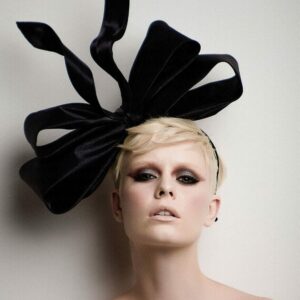
Proportions and Placement
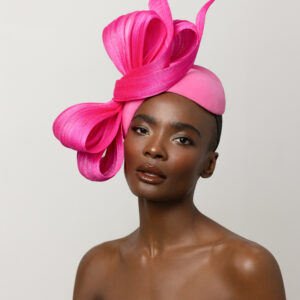
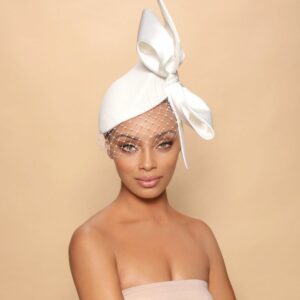
The magic of a bow lies in the proportions and placement! A well-placed bow can accentuate a hat's silhouette, draw eyes to the face, and add visual interest. Larger bows can be a statement of confidence, while smaller bows may convey a touch of whimsy. Where you place the bow—at the back, off to one side, or front and center—can change the entire hat's dynamic
Bows have the unique ability to serve as focal points in any outfit. A striking bow can turn a simple hat into a conversation starter, drawing attention and compliments. Whether it’s the anchor of a bridal ensemble or a playful splash on a casual look, bows have a flair for standing out. They harmonize with other elements of fashion, creating balance while asserting their own stylish power.
Bows in Different Cultures
Bows are universal symbols of charm, appearing in various cultures with unique meanings. In Japan, the “furoshiki” bow wraps gifts with elegance, while in Western cultures, the bow often represents femininity and grace. Different materials and styles of bows can signify different things, showcasing how this simple knot transcends borders and embodies culture.
In many cultures, ceremonial hats adorned with bows carry profound significance. From graduation caps to wedding veils, bows often represent milestones and celebrations. They serve as visual markers of important life events, showcasing individuals' achievements and transitions.
Influence of Fashion Icons
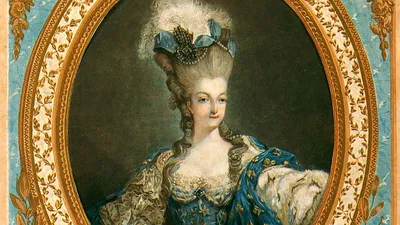
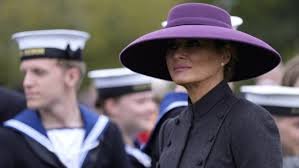
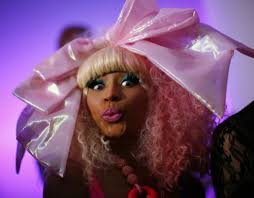
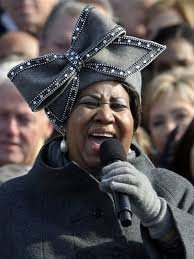
Throughout history, influential figures have made bows synonymous with their personal style. Marie Antoinette’s extravagant hairstyles adorned with oversized bows echoes the excesses of the royal court. Audrey Hepburn’s iconic pillbox hat framed in Breakfast at Tiffany’s shows how these notable personalities showcased how a bow can elevate a hat from mundane to magnificent. Recent bow-centric moments include Aretha Franklin at the Obama inauguration, Jackie Kennedy, Lady Gaga, Nicki Minaj and a plethora of the world’s finest fashion magazines featuring them in most publications. Fashion icons have long embraced the bow, turning it into a statement piece rather than just a decorative afterthought. Think of the likes of Kate Middleton and Lady Gaga—each has wielded the bow like a magician with a wand, making it the star of the show on everything from fascinators to wide-brimmed hats.
Seasonal Celebrations
From Easter bonnets to holiday parties, bows are the ultimate festive accessory. They have the power to elevate seasonal hats to a whole new level of celebration. Whether it's a cheerful pastel bow for spring or a glitzy bow for winter festivities, they’re the cherry on top of any seasonal ensemble.
Custom Designs for Individual Clients
Arturo is a master milliner, and he depends on input from his clients. You are never a customer, always a client who takes part in the creation of your personal hat masterpiece. Tell Arturo your ideas of how bows might elevate your new AR hat.
We think an educated client (never a "customer") is preferred. Arturo also believes in being generous with his knowkledge as others have been generous with theirs to him.
This article is part of our series that explores and celebrates different aspects of millinery. Arturo Rios has created new techniques, forms and modes of constructing the world's finest hats and he wants to share and open the discussion with you.
We welcome everyone to discover how millinery is expanding, changing and evolving. Let us know your thoughts!
Millinery has a long history. In this series of posts, we delve deeper into the specifics of each type of hat. Pillboxes, fascinator and derby hats are just the beginning. And Arturo wants to assist in your discovery!
Hat-making has it's own vocabulary; definitions, terms, slang. We're here to talk about the components that make great hats.
Arturo has a unique sense of flowers. He also uses his deep understanding of how colors work and how they influence us.