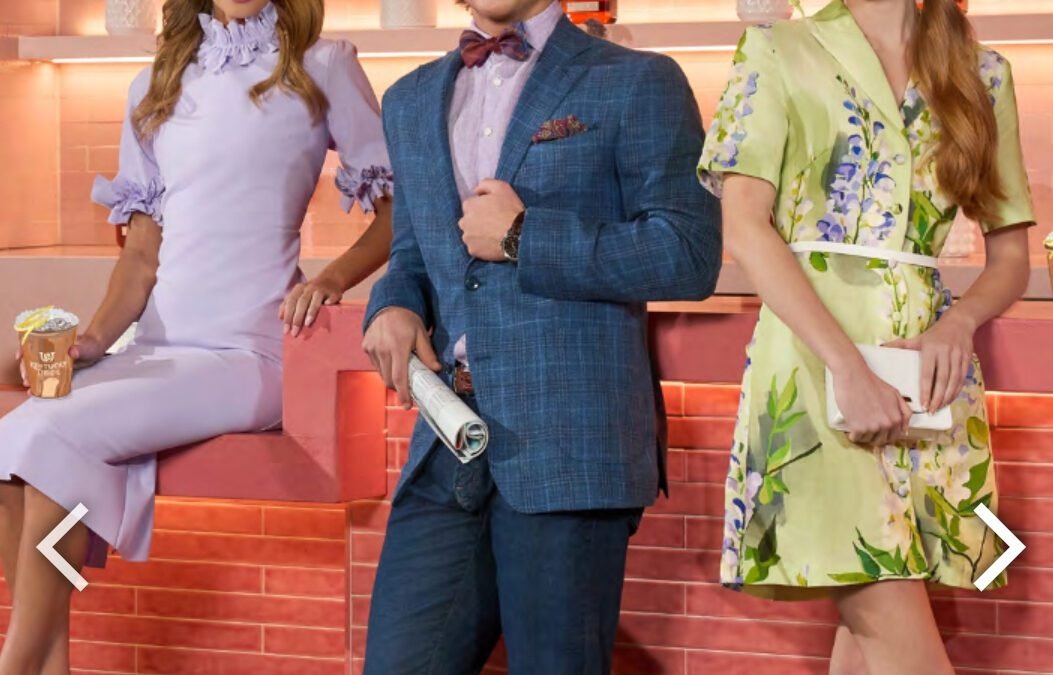
The 2026 Kentucky Derby

The 2026 Kentucky Derby

NEW! The Kentucky Derby 152

the Kentucky Derby Style Guide 2026

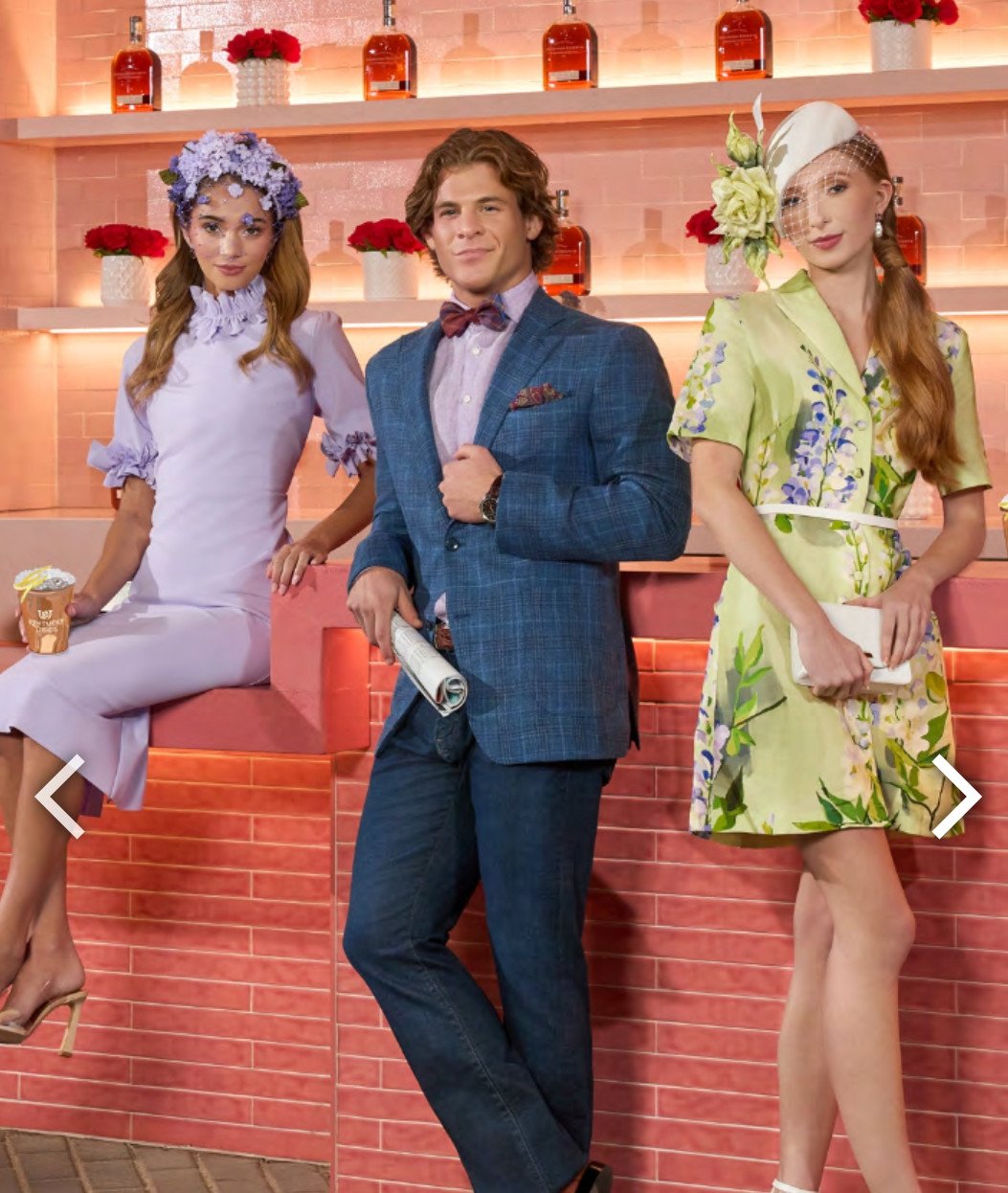
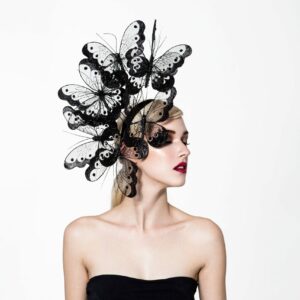
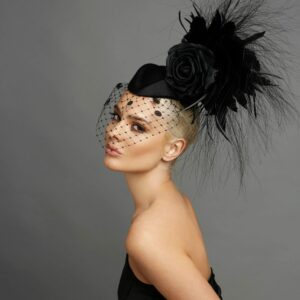
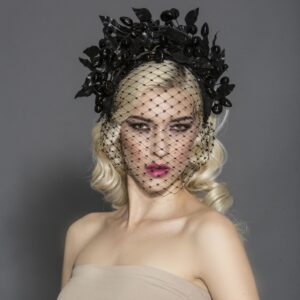
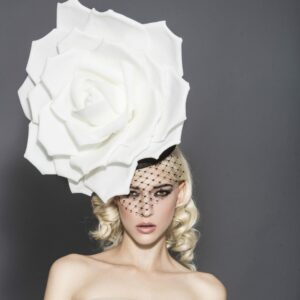
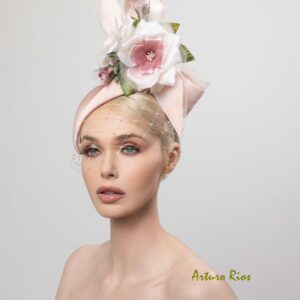
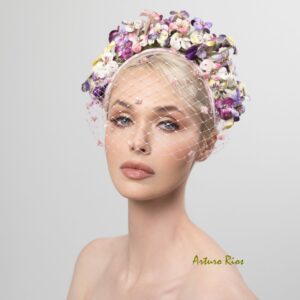
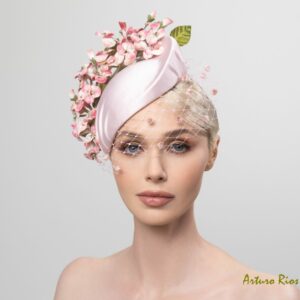
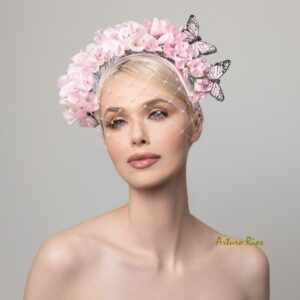
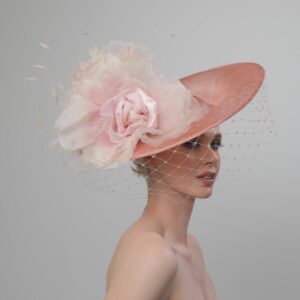
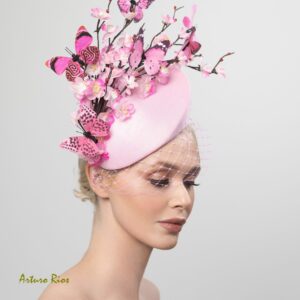
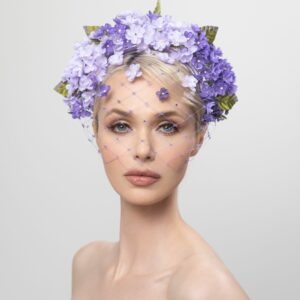
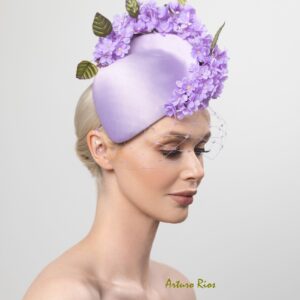
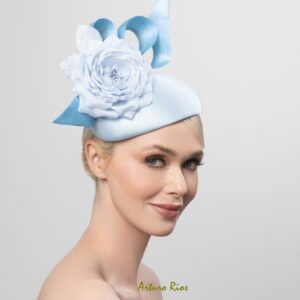
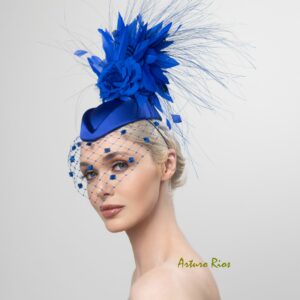
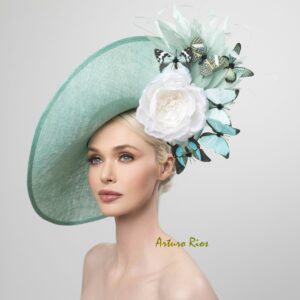
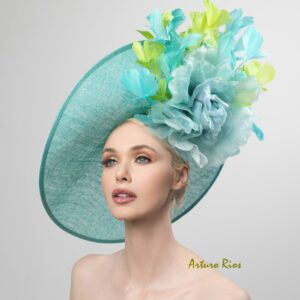
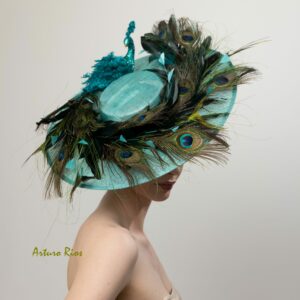
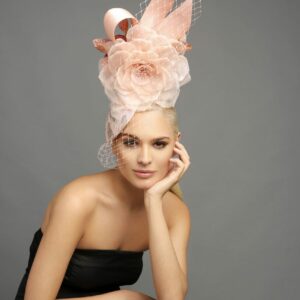
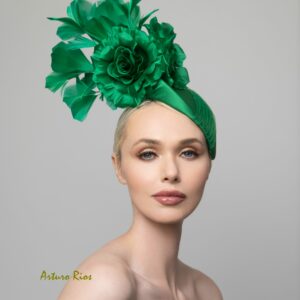
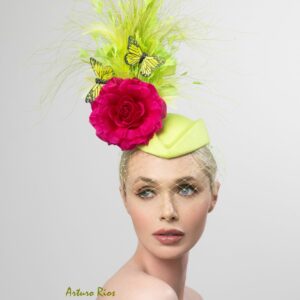
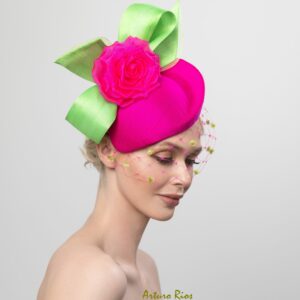
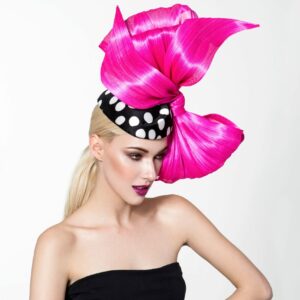
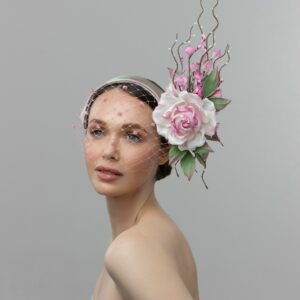
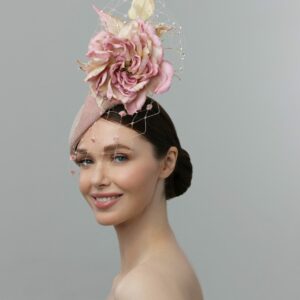
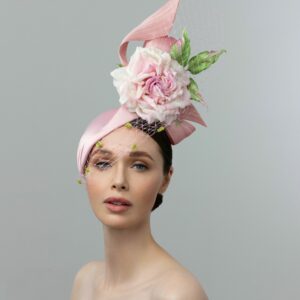
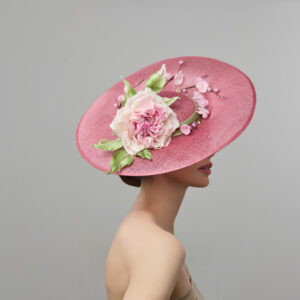
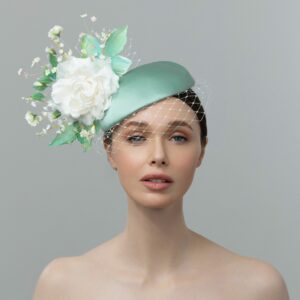
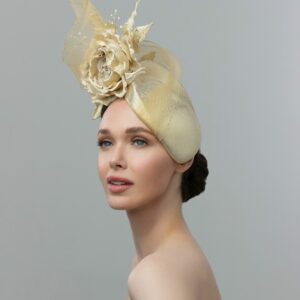
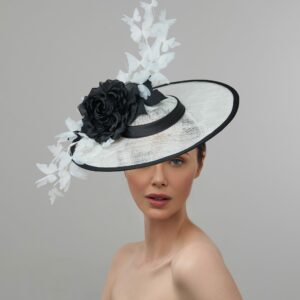
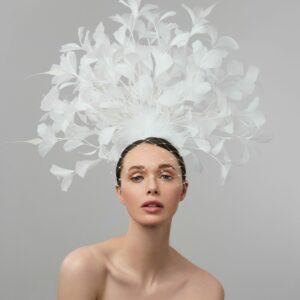
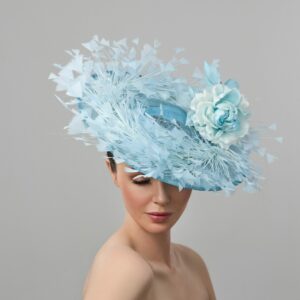
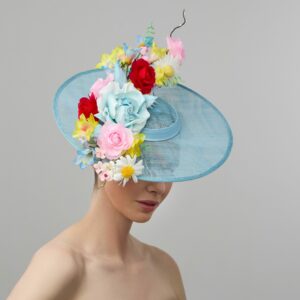
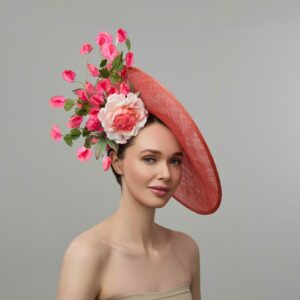
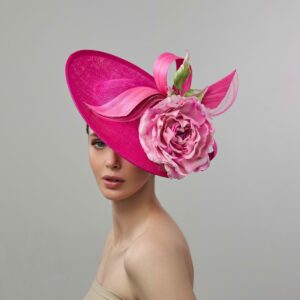
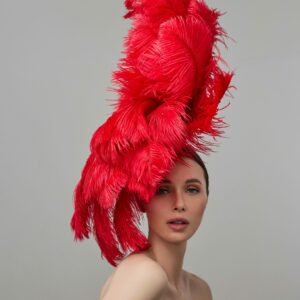
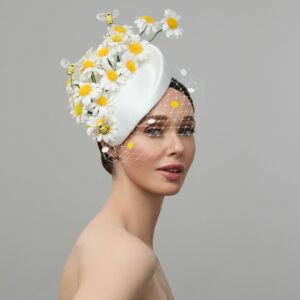
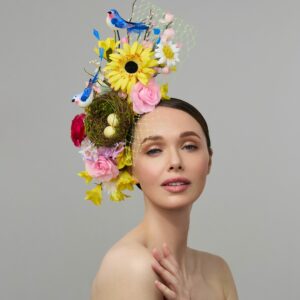
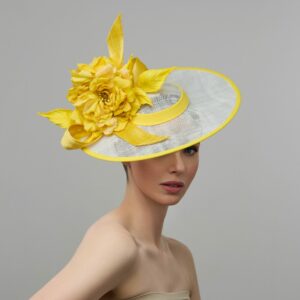
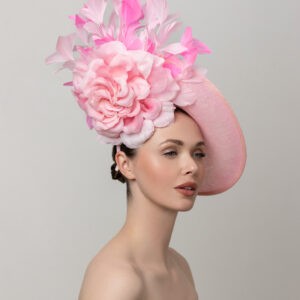
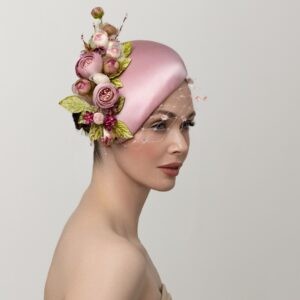
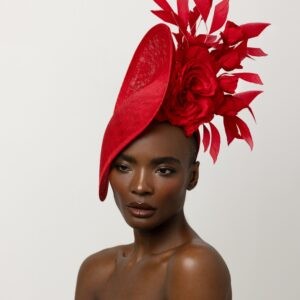
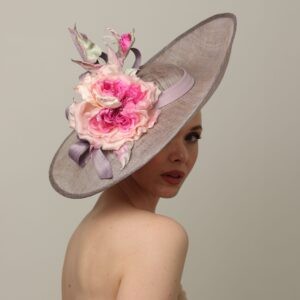
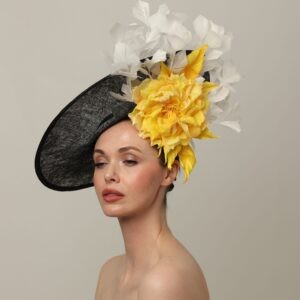
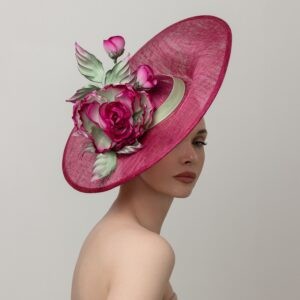
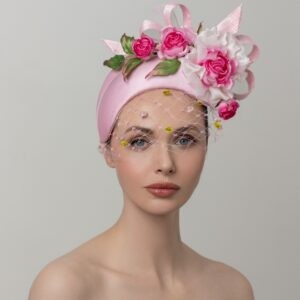
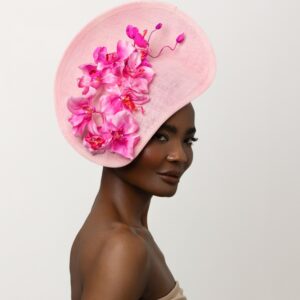
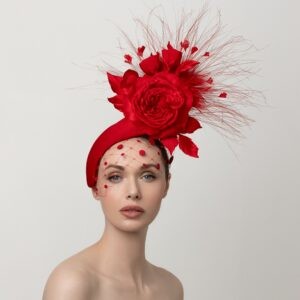
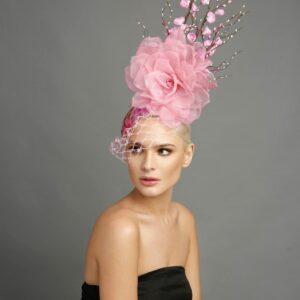
Arturo is thrilled to be included in the official Kentucky Derby Style Guide 2026!

Arturo Rios hats have been a mainstay of the Derby for years. Extravagant, colorful and eye-catching, his hats have been featured worldwide in prestigious magaines such as Vogue, Harper’s Bazaar, People, Numero, Marie Claire, Brides and other mixed media.

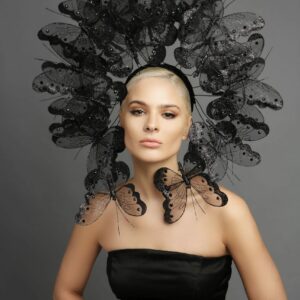
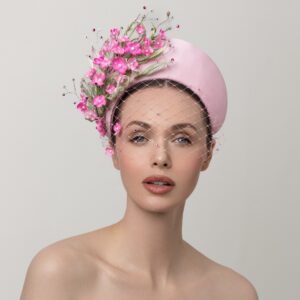
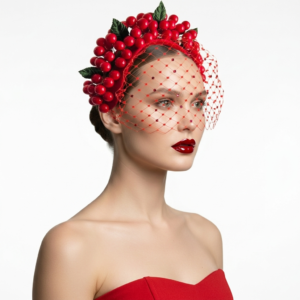
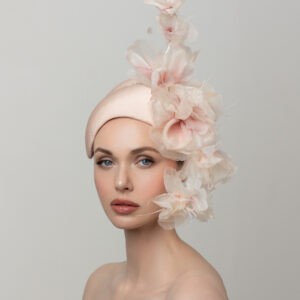
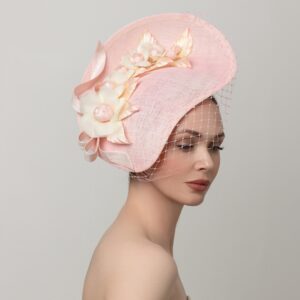
This year, Arturo's latest designs were selected for the official Kentucky Derby Style Guide.
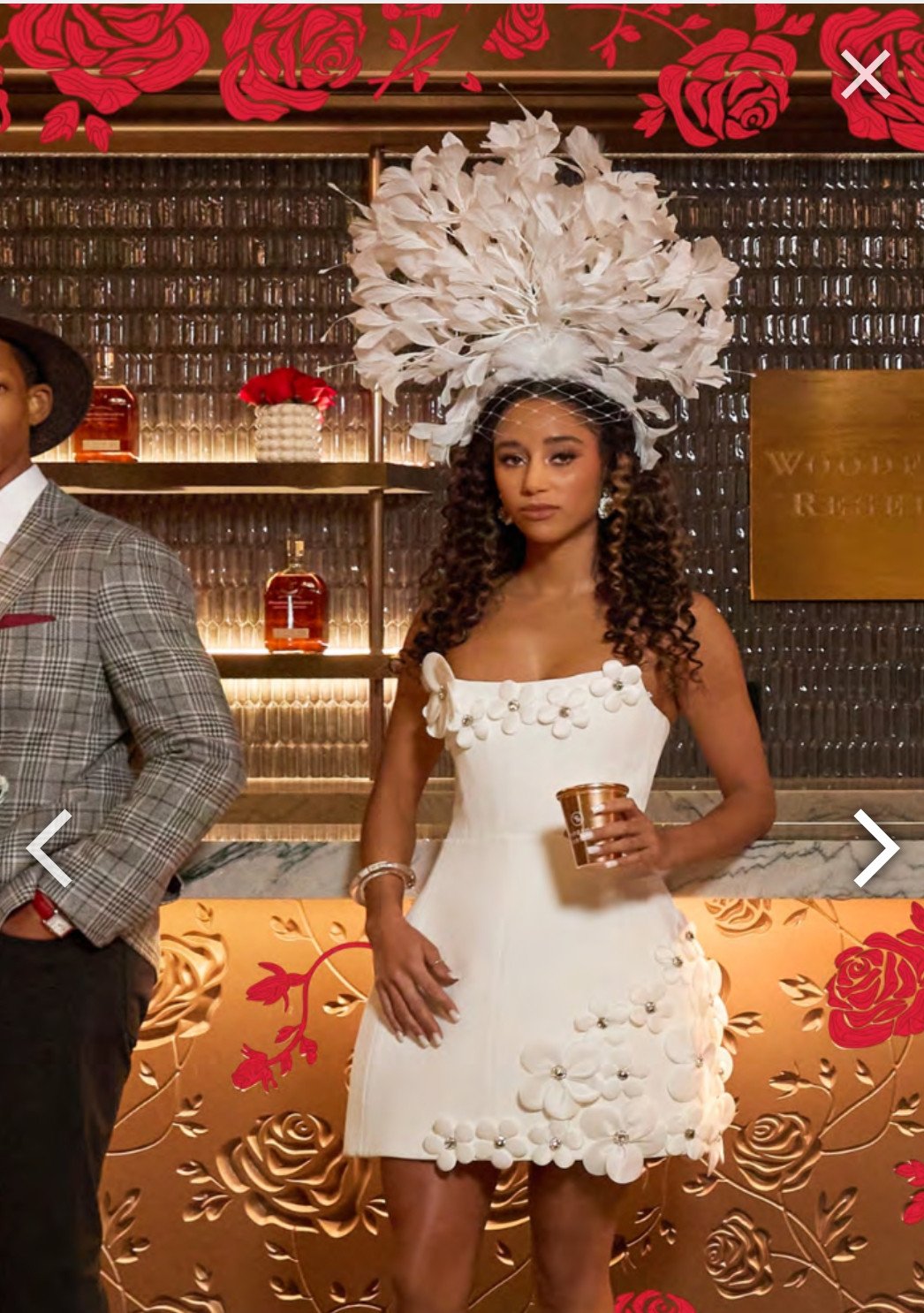
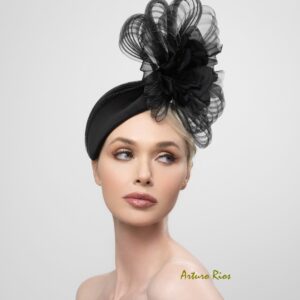
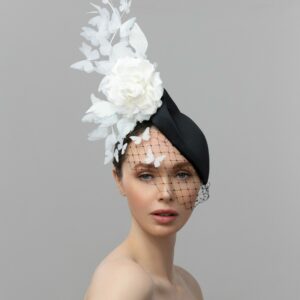
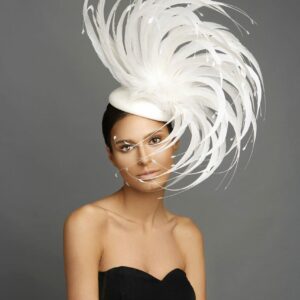
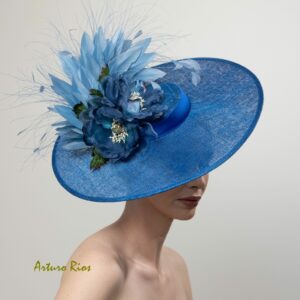
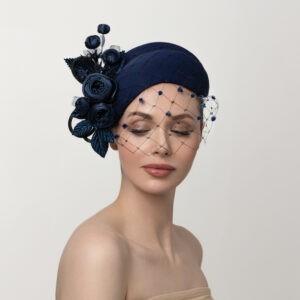
Arturo Rios Kentucky Derby Fascinators, 2026

16 Fun Facts about The Derby:

  1. Nineteen past winners have had names beginning with the letter "S," including Secretariat.
  2. The amount of food consumed at the Derby is pretty astounding. On average, spectators will eat 142,000 hot dogs, 18,000 barbecue sandwiches, 13,800 pounds of beef, 32,400 jumbo shrimp, 9,000 scallops, 8,000 pounds of potatoes, 30,000 cookies and 300,000 strawberries.
  3. Only three horses ran in the 1892 and 1905 Kentucky Derby races.
  4. It makes up one third of the coveted Triple Crown along with the Belmont Stakes and the Preakness Stakes.
  5. The traditional drink of the Derby is the mint julep, and over 120,000 are said to be consumed at the race each year.
  6. Diane Crump was the first woman jockey to ever ride in the Derby; there has yet to be a winning female jockey, but Shelley Riley came the closest in 1992 when she came in second.
  7. The Kentucky Derby trophy only weighs 3.5 lbs.
  8. The title of youngest jockey to win the esteemed race is shared by Alonzo "Lonnie" Clayton and James "Soup" Perkins—both were just 15 come Derby day in 1892 and 1895, respectively. Bill Shoemaker continues to hold the title as the oldest winner; he was 54 when he took home the 1986 title.
  9. Mike Smith has ridden the most Kentucky Derby horses (27) in history, beating out Bill Shoemaker's record of 26 in 2021.
  10. The record low temperature at the race (traditionally held on the first weekend of May) was 47 degrees in 1935 and 1957. The record high was 94 degrees in 1959.
  11. Churchill Downs founder and president Col. M. Lewis Clark might have made the rose the official flower of the race after attending an 1883 post-derby party where socialite E. Berry Wall was handing the flower out to the ladies in attendance.
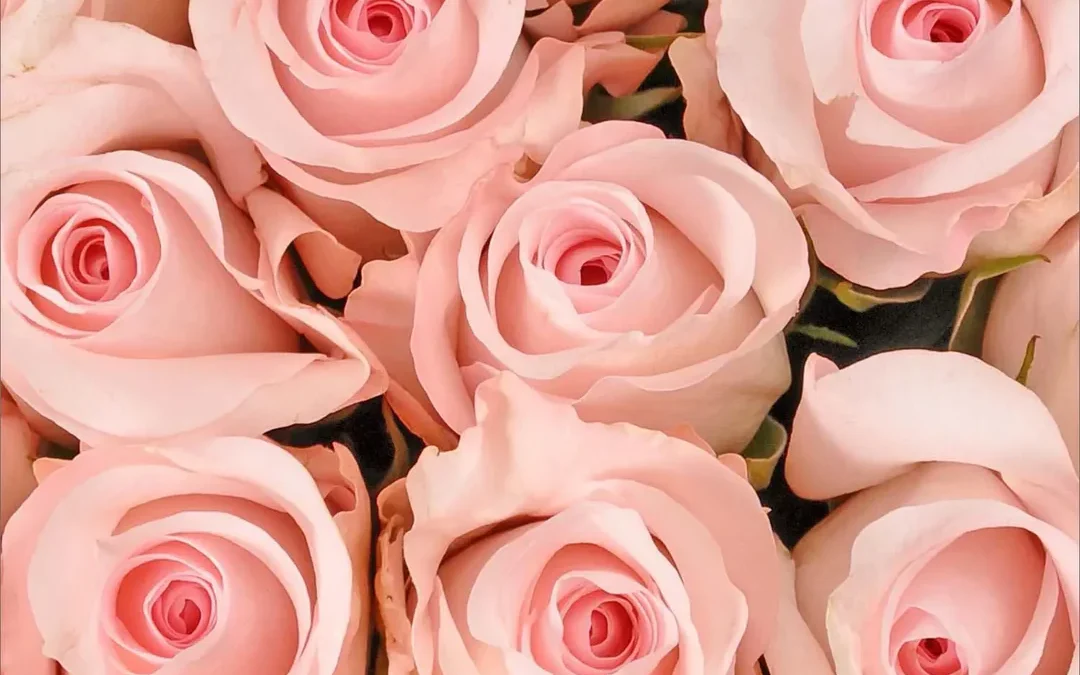
  12. The Derby is also referred to as 'The Run for the Roses' because the winner is awarded a blanket sewn with over 400 roses post-race. This blanket weighs about 40 lbs.
  13. Owner Calumet Farm holds the record for most Kentucky Derby wins, with 8. "Plain Ben" Jones holds the record for trainer with the most wins (6).
  14. Post No. 1 has become known as "the dreaded rail" due to its tendency to leave horses boxed in behind other racers, making it difficult to pull away from the pack.
  15. 1919 champion Sir Barton was the first Triple Crown winner, however he hadn't won a race before arriving at the Derby.
  16. All thoroughbred race horses have the same birthday—January 1. No matter what day a horse was born on during the year, race horse age is marked from New Year's Day in order to make it easier to keep track of bloodlines.

Arturo has furnished hats for the Kentucky Derby to many celebrities and socialites at this historic, annual event. It is a place to look your best and celebrate grace, elegance and style.

Each hat ordered is made specifically for you alone, making sure you are outstanding in your confidence and beauty.

Speak with Arturo soon, this looks to be a very anticipated season!

The Kentucky Derby, inaugurated in 1875 at Churchill Downs, is the longest-running continuously held major sporting event in the U.S., famous as the "Run for the Roses." As of 2025, Sovereignty won the 151st edition, following 2024 winner Mystik Dan. It remains a premier 3-year-old Thoroughbred race and the first leg of the Triple Crown.

  • Origins: Founded by Col. Meriwether Lewis Clark Jr., it was modeled after European races like the Epsom Derby.
  • Early Dominance: Black jockeys and trainers dominated early, winning 15 of the first 28 races, though they were excluded from 1920–2000.
  • Traditions: The "Twin Spires" were added in 1895, the red rose garland became standard in 1932, and the mint julep in 1938.
  • Recent Winners: Sovereignty (2025), Mystik Dan (2024), Mage (2023), Rich (2022).
  • Modern Era: The event has shifted towards favorite-friendly results in recent years, with 8 winners being post-time favorites in the last 16 editions, including Triple Crown winners American Pharoah (2015) and Justify (2018).
  • 2020 Pivot: The 2020 race was delayed to September and held without fans due to COVID-19.
  • Venue Improvements: Churchill Downs has recently expanded with a renovated paddock and enhanced viewing.
  • Upcoming: The 2026 Derby trail is already underway with prep races identifying contenders like Paladin and Bella Ballerina.
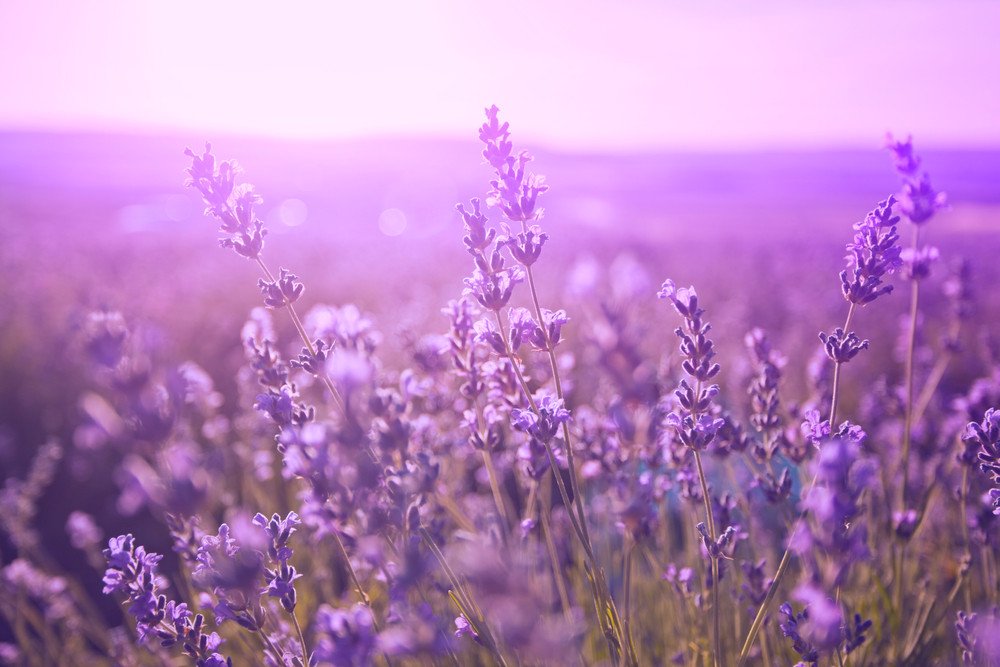
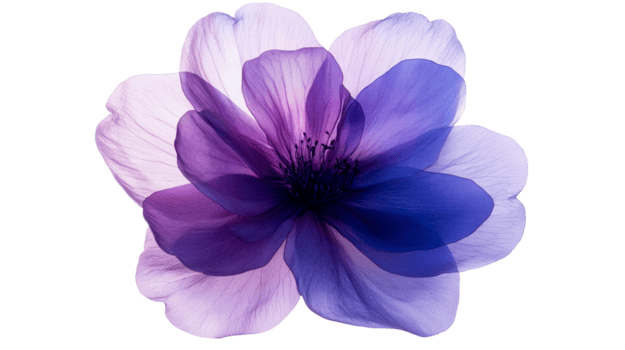
Colors: Purple & Lavender & Lilac & Mauve and more

Colors: Purple & Lavender & Lilac & Mauve and more

Colors: Purple

Purple is a color, with over 200 different shades, similar in appearance to violet light. In the RYB color model historically used in the arts, purple is a secondary color created by combining red and blue pigments. In the CMYK color model used in modern printing, purple is made by combining magenta pigment with either cyan pigment, black pigment, or both. In the RGB color model used in computer and television screens, purple is created by mixing red and blue light in order to create colors that appear similar to violet light. According to color theory, purple is considered a cool color.

Purple, and all of its shades is a true athlete. It is nimble, fast and strong. It ranges from a pale violet to a stormy maroon-laden tempest.

Purple combines two of the three primary colors: blue and red. Strong bases which create a powerful reaction. Known for its rich history with monarchy, church, universities and seduction, purple easily rests as one of the most important colors in fashion.

With all of its agility, it demands respect and does not play well with other colors. It's nemesis, yellow, fights for attention. Blue, The Master of Disguise, is a good friend. It dominates other colors but is best buddies with white and neutral colors so that it can retain its center point on the stage.

Purple has long been associated with royalty, originally because Tyrian purple dye—made from the secretions of sea snails—was extremely expensive in antiquity.

Purple was the color worn by Roman magistrates; it became the imperial color worn by the rulers of the Byzantine Empire and the Holy Roman Empire, and later by Roman Catholic bishops. Similarly in Japan, the color is traditionally associated with the emperor and aristocracy.

According to contemporary surveys in Europe and the United States, purple is the color most often associated with rarity, royalty, luxury, ambition, magic, mystery, piety and spirituality. When combined with pink, it is associated with eroticism, femininity, and seduction.

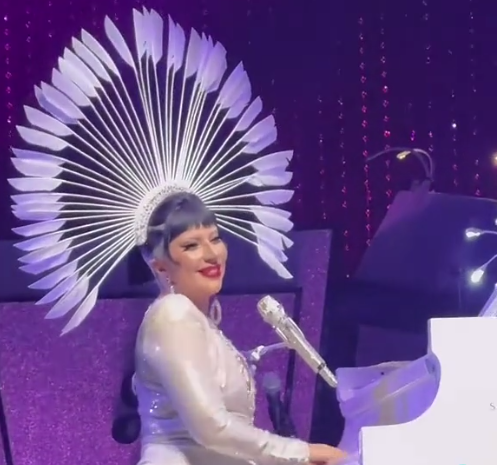
@arturorioshats Headpiece made of peacock and turkey feathers, placed on a headband with clear crystals 🤍 #headpiece #gaga #headdress #vegas #Vegasresidency #millinery #hat #arturorios ♬ sonido original - Arturo Rios

We think an educated client (never a "customer") is preferred. Arturo also believes in being generous with his knowkledge as others have been generous with theirs to him.

This article is part of our series that explores and celebrates different aspects of millinery. Arturo Rios has created new techniques, forms and modes of constructing the world's finest hats and he wants to share and open the discussion with you.

We welcome everyone to discover how millinery is expanding, changing and evolving. Let us know your thoughts!


Classic Forms

Millinery has a long history. In this series of posts, we delve deeper into the specifics of each type of hat. Pillboxes, fascinator and derby hats are just the beginning. And Arturo wants to assist in your discovery!

Techniques

Hat-making has it's own vocabulary; definitions, terms, slang. We're here to talk about the components that make great hats.

Colors

Arturo has a unique sense of flowers. He also uses his deep understanding of how colors work and how they influence us.

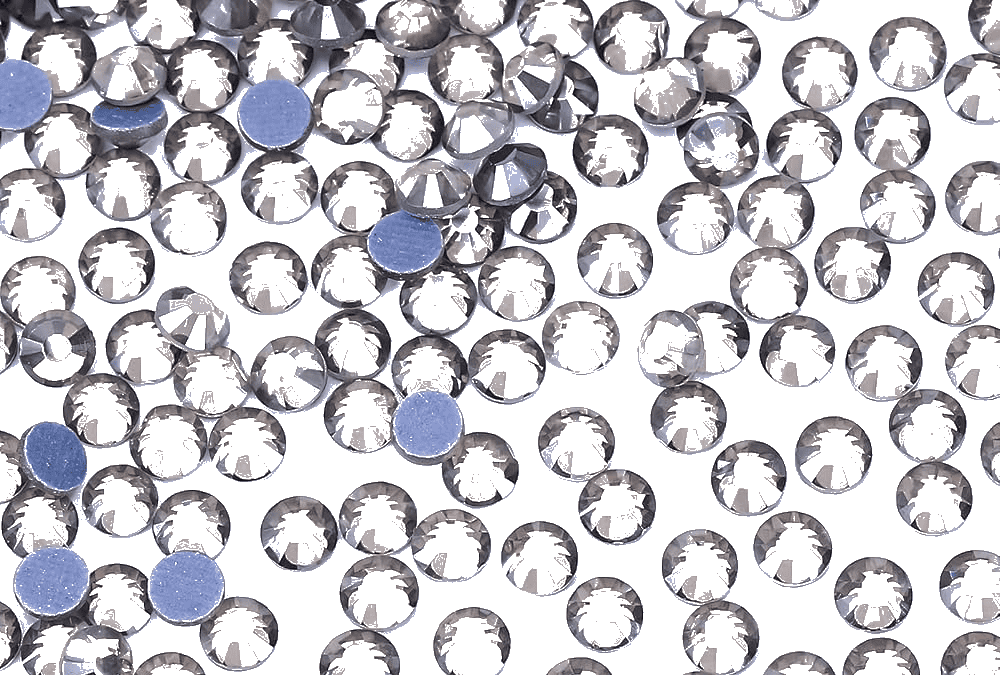
Techniques & Materials: Crystals & Gems

Techniques & Materials: Crystals & Gems

Crystals and gems have long been admired for their beauty and unique properties. While most people might think of them as adornments for jewelry, they have found their way into the world of fashion, particularly in hat making.

From glittering gemstones to enchanting crystals, these stunning materials add a touch of elegance, personality, and even a hint of mystique to headwear.

Ancient Civilizations and Gemology

The history of crystals and gems can be traced back to ancient civilizations, where people believed these stones held power and significance beyond mere aesthetics. Egyptians adorned their headdresses with lapis lazuli and turquoise, while Romans flaunted their wealth with intricate crystal embellishments. These societies understood that wrapping one's head in sparkling stones was not just a fashion statement; it was a symbol of status and spirituality.

Crystals in Historical Headwear

Throughout history, hats have served as more than just protection from the elements; they’ve been symbols of power, authority, and style. From the Renaissance-era plumed hats bedecked with jewels to the ornate headpieces of royal ceremonies, using crystals in headwear has always been a way to elevate one’s look.

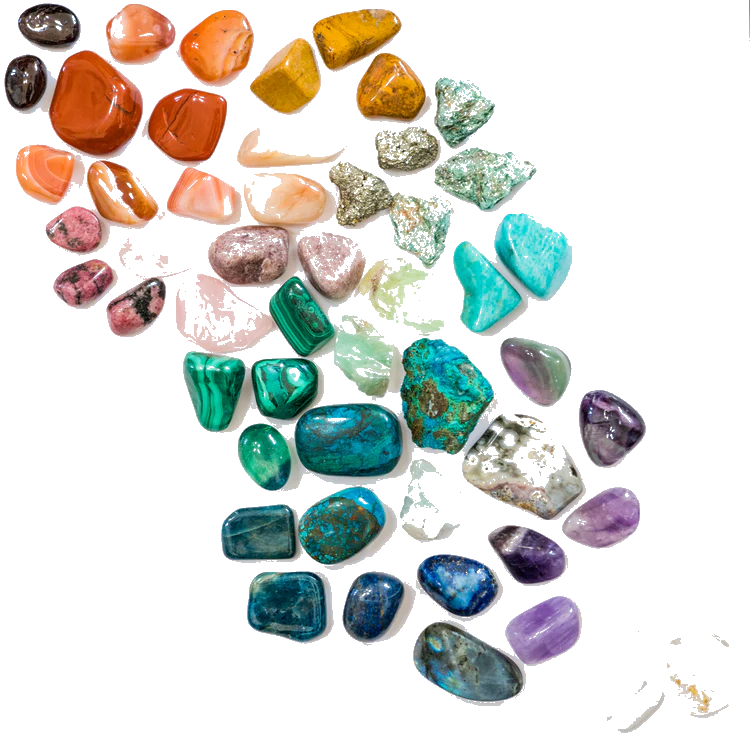
When it comes to hat design, not all crystals and gems are created equal. Popular choices include amethyst for its calming properties, rose quartz for love and compassion, and clear quartz for clarity and amplification. Each crystal adds a unique flair and vibe to your hat, allowing wearers to express themselves and channel specific energies.

Metaphysical Properties of Crystals

Crystals are not just shiny rocks; they carry a wealth of metaphysical properties that can add a little extra magic to your hat. For instance, amethyst is said to promote calm and clarity—perfect for those high-pressure moments when you need to look chic without stressing out. Meanwhile, rose quartz is the go-to for love vibes, so if your hat is adorned with it, you're essentially saying, "I’m a lovable trendsetter!" Each crystal has its own unique vibe, making your hat not just a fashion statement, but a personal talisman.

Design Considerations and Aesthetics

When incorporating crystals into hat design, Arturo keeps aesthetics in mind. Consider the overall theme, color palette, and the hat’s purpose. A beach hat adorned with shells and aquamarine crystals may call for a different design approach than a formal felt hat embellished with dark, luxurious gemstones. 

Arturo works with each client to find the best crystals & gemstones tailored to each AR hat.

Colors: Pink Influences

Colors: Pink Influences

Mix red and white, and you get pink. Pink has many different shades, intensities, and variations ranging from orange-based salmons through blue-based berry tones, but for most, pink is recognized as a pale red.

Pink is, however, not so simple. It is sophisticated and elegant. It communicates youth, passion, love and endearment. It is associated with concepts of feminity, sweetness, naïveté and compassion. 

From its historical roots to its contemporary interpretations, pink serves not only as a visual statement but also as a symbol that conveys complex narratives about femininity, youth, and even rebellion.

Arturo continues to explore innovative techniques and styles to express the color pink's universal appeal.

Color is more than just eye candy; it’s a powerful communicator in the fashion world. Different hues evoke different feelings and reactions. For Arturo, this means that choosing the right color can sway the wearer’s confidence, happiness, and even moods. 


Pink in the 18th and 19th Centuries

Back in the day—think powdered wigs and corsets—pink was a color of privilege and status. It was favored by the aristocracy, who donned it for its playful yet posh vibe.

Milliners used soft pink silks and velvets, making hats that were not merely functional but also symbols of wealth. During this time, pink was a bold choice, reserved for those who could afford to flaunt it. As the centuries rolled on, it stuck around, evolving from a royal hue to a favorite of the masses.

The Evolution of Pink in Millinery through the Decades

Fast forward to the 20th century: pink bounced around like a fashionable game of hopscotch. From the flapper era, where it was used in daring designs, to the post-war fascination with femininity, pink became a staple in women’s fashion. As decades passed, styles shifted, and so did the shades of pink in millinery. Baby pink gave way to hot pink, and by the time the ‘80s rolled around, neon pink burst onto the scene like it owned the block. Each era redefined pink’s place in hats, from elegant fascinator to oversized sun hat, making it an ever-evolving symbol of style.

The Associations of Pink with Femininity and Romance

Pink has long been associated with all things girly and romantic—think roses, candy floss, and that dreamy princess aesthetic. In millinery, this translates into designs that embrace softness and allure. A pink hat can evoke feelings of tenderness and warmth, making it a favorite for weddings and special occasions. It’s the color choice that says, “I’m here to look adorable and maybe just a tad fabulous.” With its romantic undertones, pink allows wearers to express their softer side while still making a bold statement.

Pink as a Symbol of Playfulness and Youth

Beyond romance, pink embodies a sense of fun and youthfulness. Who doesn’t feel a little lighter hearted in a bright pink beret? The color has a knack for infusing a touch of play into any ensemble, reminding us not to take life too seriously. Arturo often uses pink to create whimsical designs that evoke laughter and joy, perfect for festivals or casual outings. Essentially, a pink hat is like wearing happiness on your head—an invitation to embrace the lighter side of life.

Combining Pink with Other Colors and Textures

Pink is like that friend who gets along with everyone at the party—versatile and adaptable! Pairing pink with neutral tones like beige or gray can evoke a subtle elegance, making it perfect for sophisticated outings. For a more playful touch, combine it with bright colors like turquoise or yellow. Textures also play a huge role; a silky pink fabric with a matte black will create a striking contrast, while a lace overlay can add a touch of romance.

Colors: Which Blue?

Colors: Which Blue?

TRUE BLUE

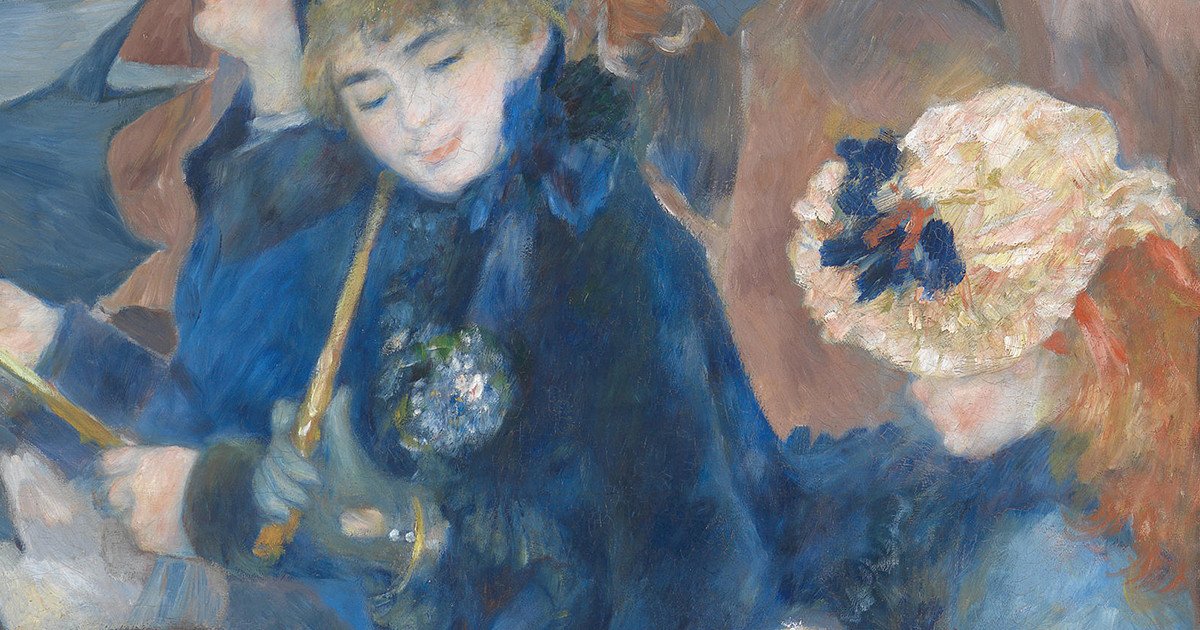
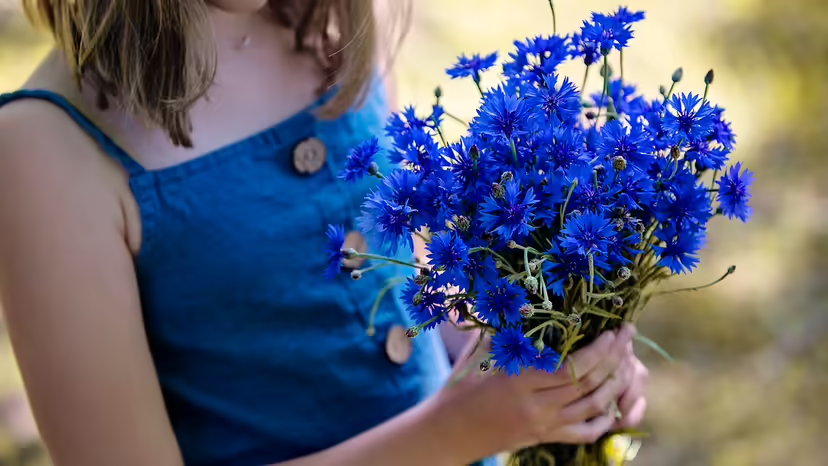
Blue has a profound impact on human psychology and global culture. It is the color of trust, protection and honesty. It instills calm, peace and tranquility.

Blue Origins

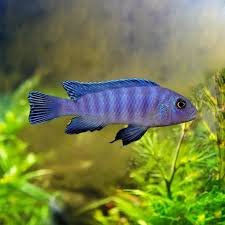
Blue is often derived from minerals and  plants although a “true blue” in both forms is exceedingly rare. Often, what appears to our eye as blue is a physics trick. Iridescent feathers, for instance, or tiny cilia on plants refract the light making it appear blue to the human eye, much like how the sky seems blue as water molecules suspended in the air have the same effect.

Royal Colors

Due to the scarcity of available blue pigment, blue pigment is incredibly arduous to manufacture. The complexity of sourcing and processing the little natural blue color found makes it, historically, the most expensive primary color to create. It was, therefore, exclusively reserved for society’s nobility and royalty. To this day, blue expresses wealth, stature and class.

Versatility

Light shades of blue are appropriate for almost any situation. Baby blue, sky blue, pastel blue, aquamarine are all great for spring and summer events. Their light tones reflect well with summer gardens, beach weddings and teas.

Navy blue’s depth and stature make it an excellent choice for evening, formal and winter events. It pairs wonderfully with different shades and tints of greens, oranges, reds, yellows, and even purples.

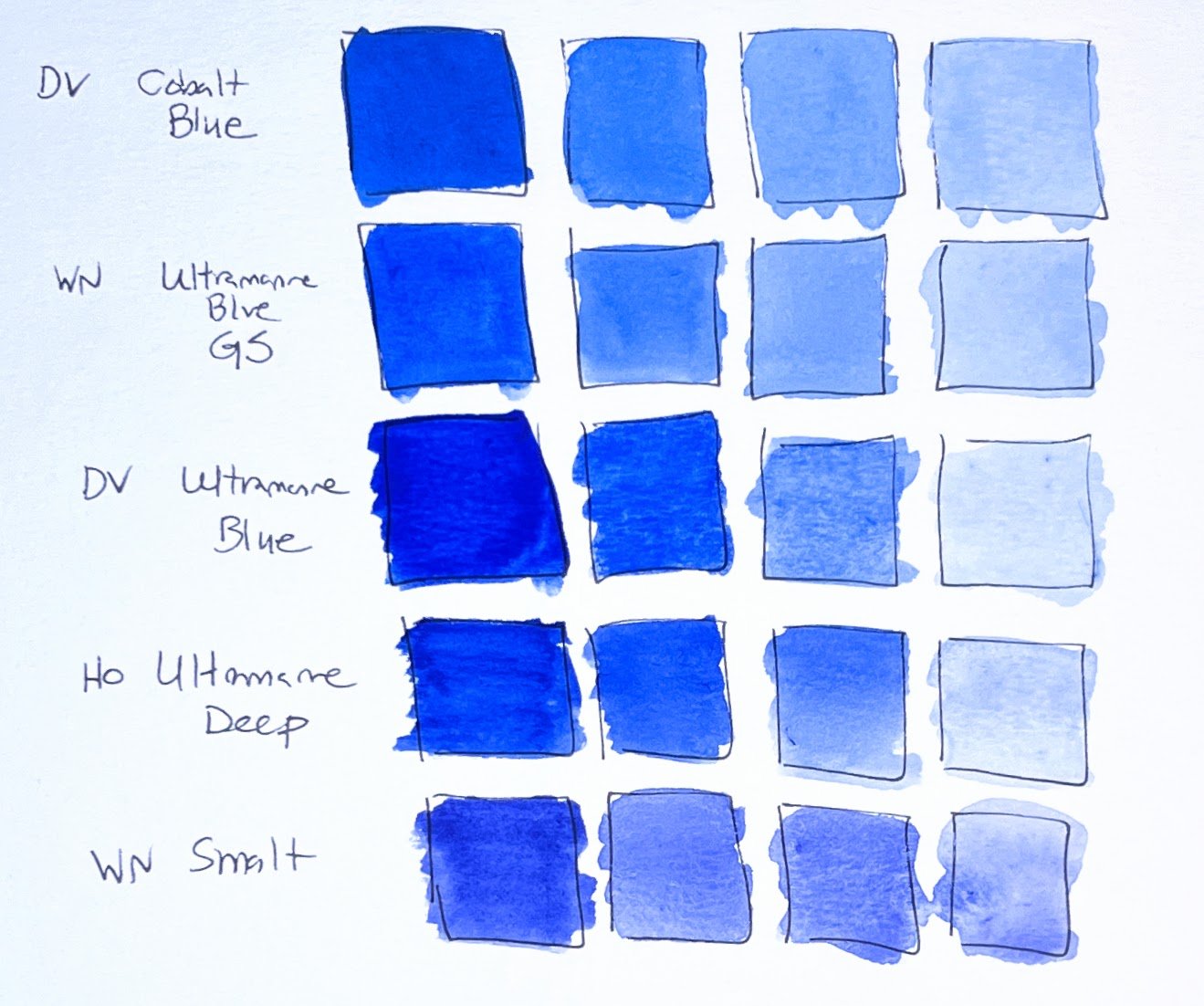
Cobalt

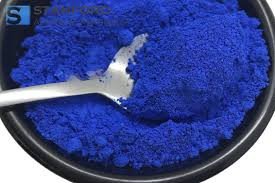
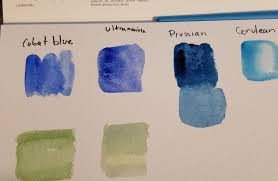
Cobalt blue is a vibrant, stable blue pigment made from cobalt aluminate, used for centuries in ceramics (like Chinese porcelain) and glass, offering a cheaper alternative to lapis lazuli, but the element itself is vital for health (B12) and tech (batteries, alloys) but toxic in excess, with its name coming from German "goblin" for its difficult ores, historically used by ancient Egyptians and Romans for coloring. 

Blue In Nature (Light & Biology)

  • Light Scattering: The sky is blue because air molecules scatter shorter blue wavelengths of sunlight more effectively (Rayleigh scattering). Deep water looks blue because it absorbs other colors, reflecting blue light.
  • Structural Color: Many vibrant blues (birds, butterflies, some plants) aren't from pigment but from microscopic structures that interfere with light waves, like iridescent feathers.
  • Pigments: The rare true blue pigment in animals (like the obrina olivewing butterfly) or plants (like the butterfly pea flower's anthocyanins). 

In Art & Industry (Pigments & Dyes)

  • Lapis Lazuli: A semi-precious stone from Afghanistan, ground into ultramarine, once more precious than gold and used for royalty and religious figures (like the Virgin Mary).
  • Indigo: A plant-based dye used globally for textiles, providing a deep blue color.
  • Egyptian Blue: One of the first synthetic pigments, created by ancient Egyptians around 3300 BCE.
  • Modern Synthetics: Compounds like Phthalo Blue offer stable, strong blue color for paints, inks, and dyes today. 

Linguistic Origin

  • The English word "blue" comes from Germanic roots, but historically, many languages grouped blue with green or gray (e.g., Welsh "glas") or used words for "sky-colored," highlighting its rarity as a distinct concept before pigments were common. 

We think an educated client (never a "customer") is preferred. Arturo also believes in being generous with his knowkledge as others have been generous with theirs to him.

This article is part of our series that explores and celebrates different aspects of millinery. Arturo Rios has created new techniques, forms and modes of constructing the world's finest hats and he wants to share and open the discussion with you.

We welcome everyone to discover how millinery is expanding, changing and evolving. Let us know your thoughts!


Classic Forms

Millinery has a long history. In this series of posts, we delve deeper into the specifics of each type of hat. Pillboxes, fascinator and derby hats are just the beginning. And Arturo wants to assist in your discovery!

Techniques

Hat-making has it's own vocabulary; definitions, terms, slang. We're here to talk about the components that make great hats.

Colors

Arturo has a unique sense of flowers. He also uses his deep understanding of how colors work and how they influence us.