Techniques & Materials: Crystals & Gems

Techniques & Materials: Crystals & Gems

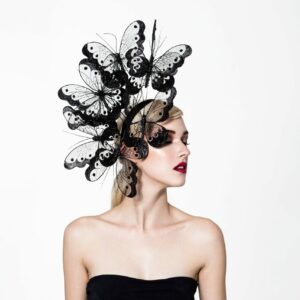
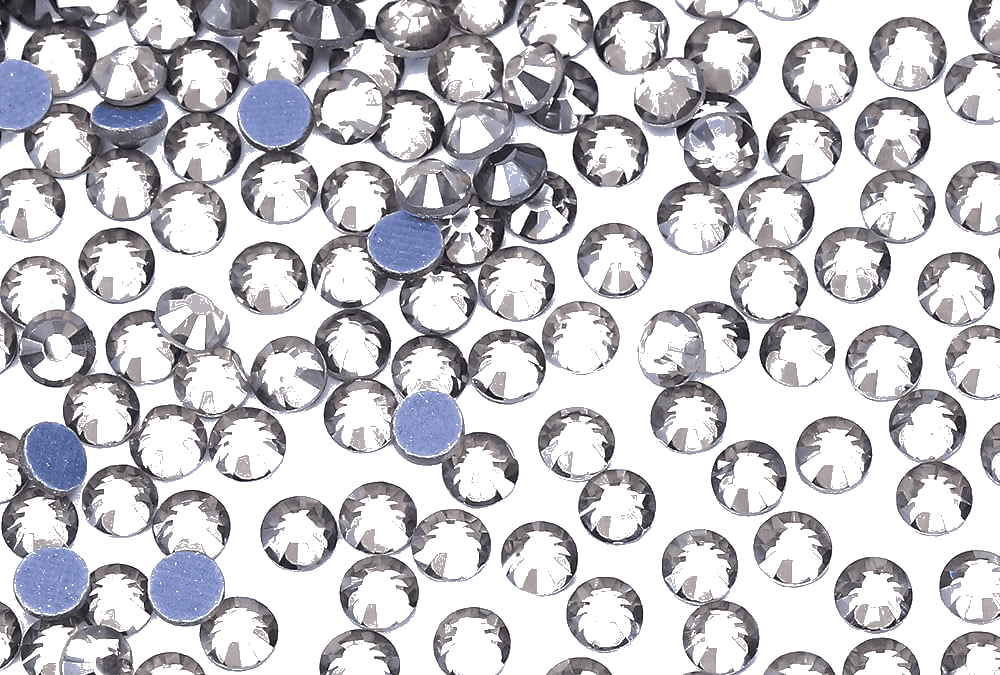
Crystals and gems have long been admired for their beauty and unique properties. While most people might think of them as adornments for jewelry, they have found their way into the world of fashion, particularly in hat making.

From glittering gemstones to enchanting crystals, these stunning materials add a touch of elegance, personality, and even a hint of mystique to headwear.
Ancient Civilizations and Gemology

The history of crystals and gems can be traced back to ancient civilizations, where people believed these stones held power and significance beyond mere aesthetics. Egyptians adorned their headdresses with lapis lazuli and turquoise, while Romans flaunted their wealth with intricate crystal embellishments. These societies understood that wrapping one's head in sparkling stones was not just a fashion statement; it was a symbol of status and spirituality.

Crystals in Historical Headwear

Throughout history, hats have served as more than just protection from the elements; they’ve been symbols of power, authority, and style. From the Renaissance-era plumed hats bedecked with jewels to the ornate headpieces of royal ceremonies, using crystals in headwear has always been a way to elevate one’s look.

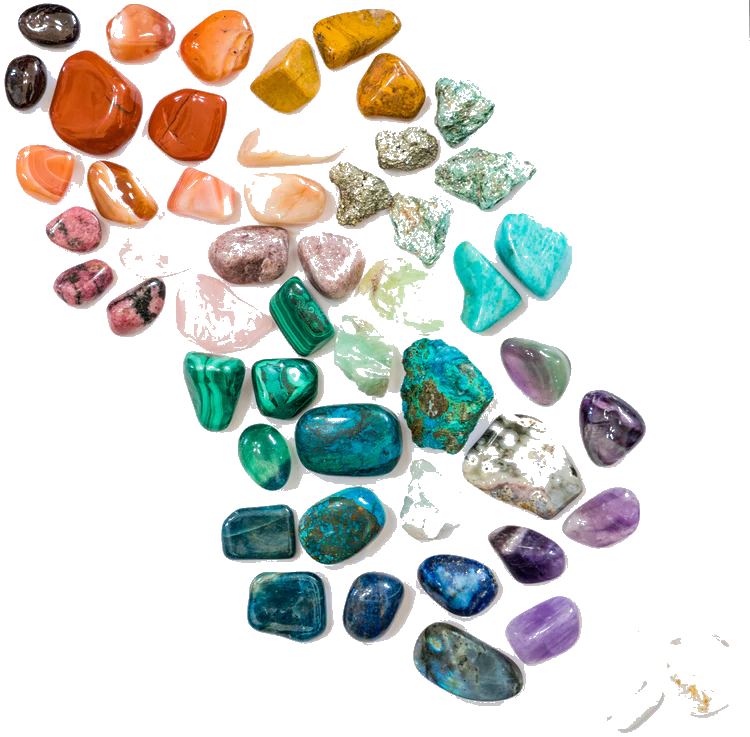
When it comes to hat design, not all crystals and gems are created equal. Popular choices include amethyst for its calming properties, rose quartz for love and compassion, and clear quartz for clarity and amplification. Each crystal adds a unique flair and vibe to your hat, allowing wearers to express themselves and channel specific energies.

Metaphysical Properties of Crystals

Crystals are not just shiny rocks; they carry a wealth of metaphysical properties that can add a little extra magic to your hat. For instance, amethyst is said to promote calm and clarity—perfect for those high-pressure moments when you need to look chic without stressing out. Meanwhile, rose quartz is the go-to for love vibes, so if your hat is adorned with it, you're essentially saying, "I’m a lovable trendsetter!" Each crystal has its own unique vibe, making your hat not just a fashion statement, but a personal talisman.

Design Considerations and Aesthetics

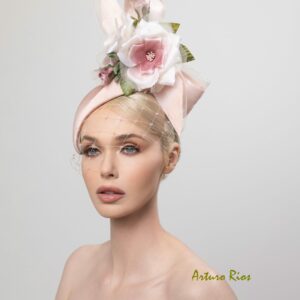
When incorporating crystals into hat design, Arturo keeps aesthetics in mind. Consider the overall theme, color palette, and the hat’s purpose. A beach hat adorned with shells and aquamarine crystals may call for a different design approach than a formal felt hat embellished with dark, luxurious gemstones. 

Arturo works with each client to find the best crystals & gemstones tailored to each AR hat.
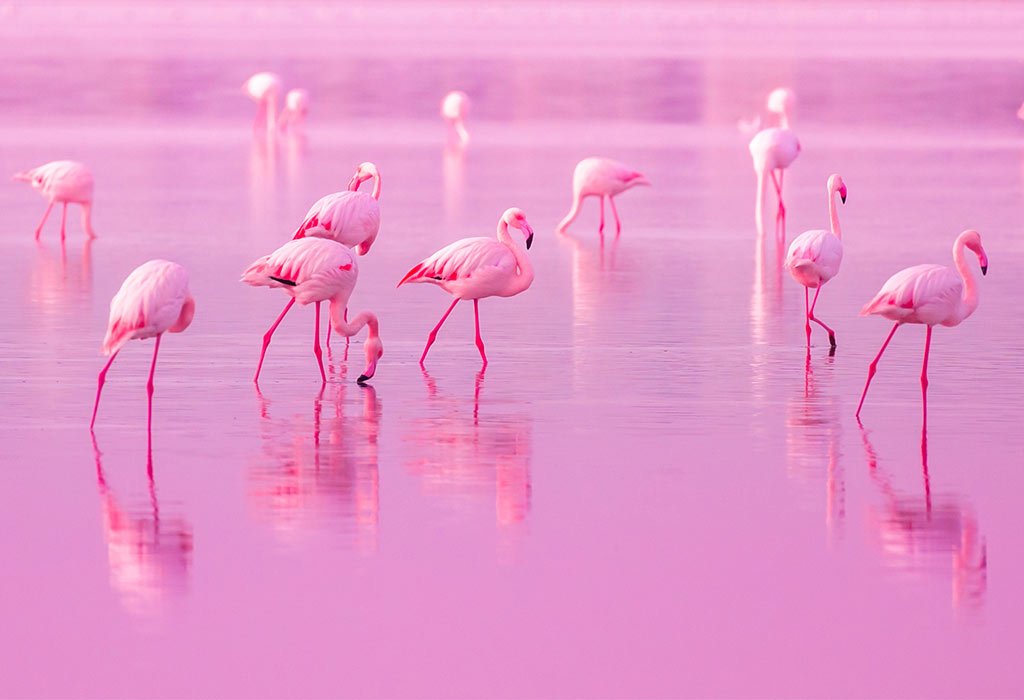
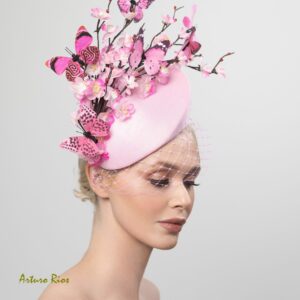
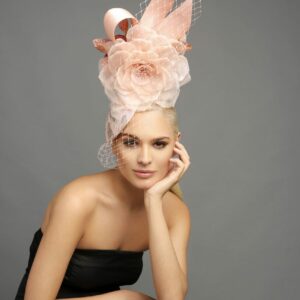
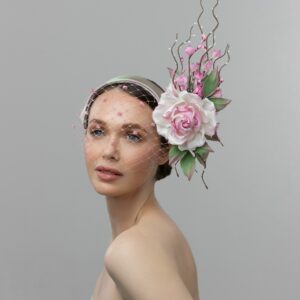
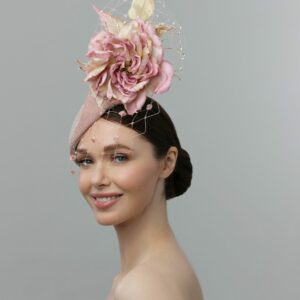
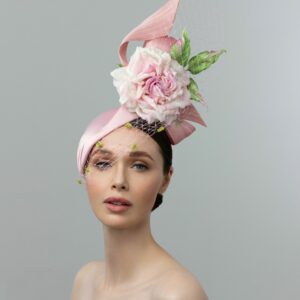
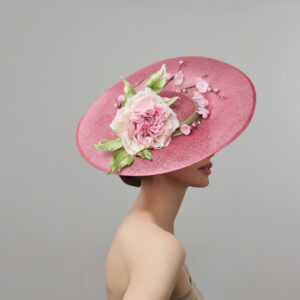
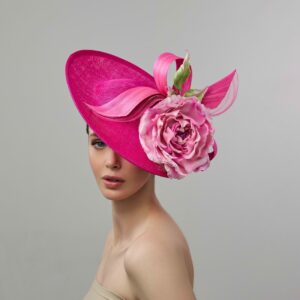
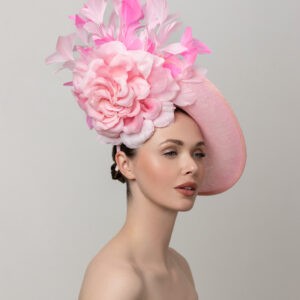
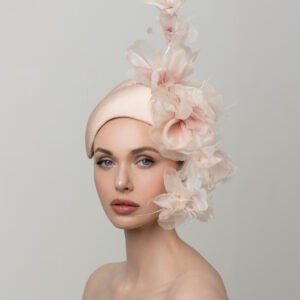
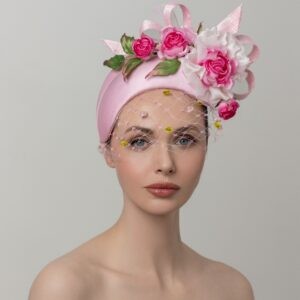
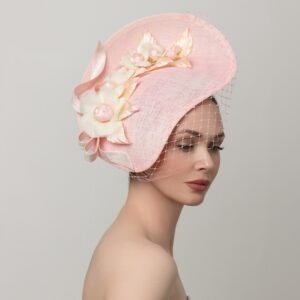
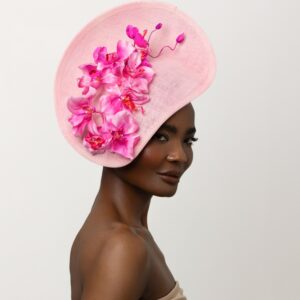
Colors: Pink Influences

Colors: Pink Influences

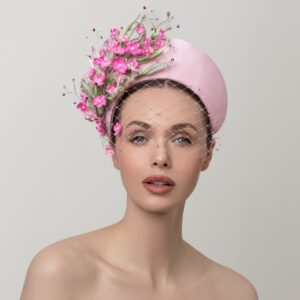
Mix red and white, and you get pink. Pink has many different shades, intensities, and variations ranging from orange-based salmons through blue-based berry tones, but for most, pink is recognized as a pale red.

Pink is, however, not so simple. It is sophisticated and elegant. It communicates youth, passion, love and endearment. It is associated with concepts of feminity, sweetness, naïveté and compassion. 

From its historical roots to its contemporary interpretations, pink serves not only as a visual statement but also as a symbol that conveys complex narratives about femininity, youth, and even rebellion.

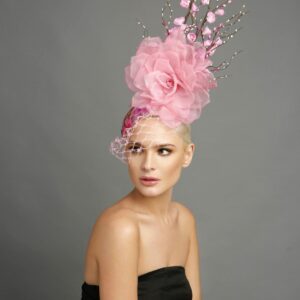
Arturo continues to explore innovative techniques and styles to express the color pink's universal appeal.

Color is more than just eye candy; it’s a powerful communicator in the fashion world. Different hues evoke different feelings and reactions. For Arturo, this means that choosing the right color can sway the wearer’s confidence, happiness, and even moods. 


Pink in the 18th and 19th Centuries

Back in the day—think powdered wigs and corsets—pink was a color of privilege and status. It was favored by the aristocracy, who donned it for its playful yet posh vibe.

Milliners used soft pink silks and velvets, making hats that were not merely functional but also symbols of wealth. During this time, pink was a bold choice, reserved for those who could afford to flaunt it. As the centuries rolled on, it stuck around, evolving from a royal hue to a favorite of the masses.

The Evolution of Pink in Millinery through the Decades

Fast forward to the 20th century: pink bounced around like a fashionable game of hopscotch. From the flapper era, where it was used in daring designs, to the post-war fascination with femininity, pink became a staple in women’s fashion. As decades passed, styles shifted, and so did the shades of pink in millinery. Baby pink gave way to hot pink, and by the time the ‘80s rolled around, neon pink burst onto the scene like it owned the block. Each era redefined pink’s place in hats, from elegant fascinator to oversized sun hat, making it an ever-evolving symbol of style.

The Associations of Pink with Femininity and Romance

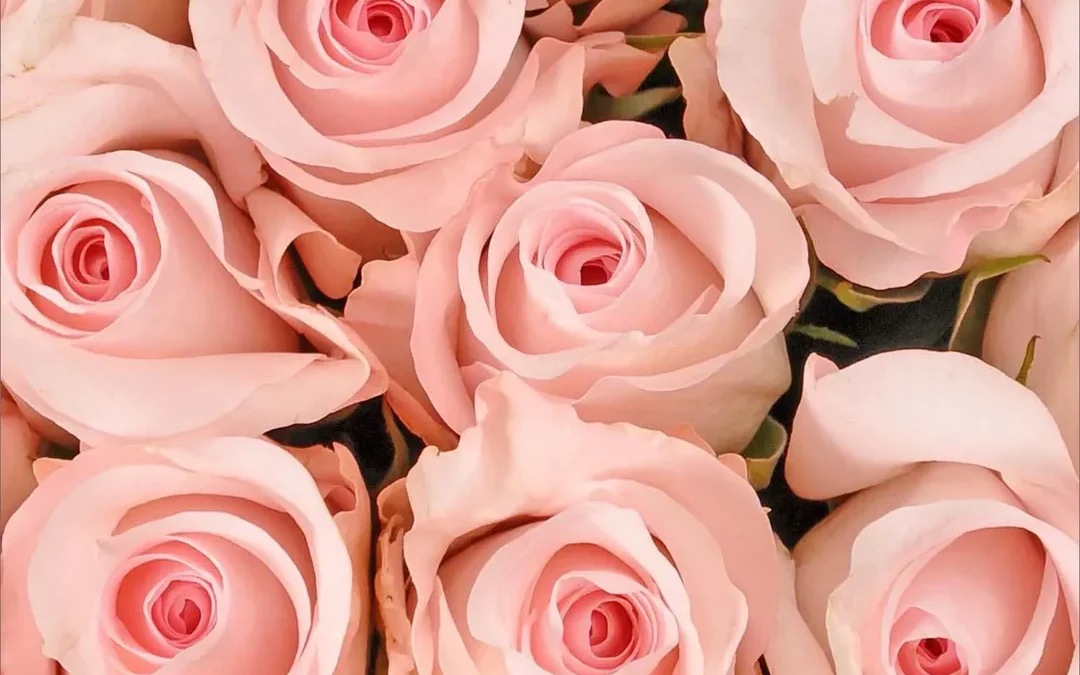
Pink has long been associated with all things girly and romantic—think roses, candy floss, and that dreamy princess aesthetic. In millinery, this translates into designs that embrace softness and allure. A pink hat can evoke feelings of tenderness and warmth, making it a favorite for weddings and special occasions. It’s the color choice that says, “I’m here to look adorable and maybe just a tad fabulous.” With its romantic undertones, pink allows wearers to express their softer side while still making a bold statement.

Pink as a Symbol of Playfulness and Youth

Beyond romance, pink embodies a sense of fun and youthfulness. Who doesn’t feel a little lighter hearted in a bright pink beret? The color has a knack for infusing a touch of play into any ensemble, reminding us not to take life too seriously. Arturo often uses pink to create whimsical designs that evoke laughter and joy, perfect for festivals or casual outings. Essentially, a pink hat is like wearing happiness on your head—an invitation to embrace the lighter side of life.

Combining Pink with Other Colors and Textures

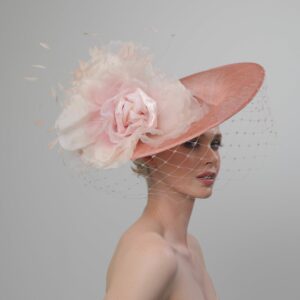
Pink is like that friend who gets along with everyone at the party—versatile and adaptable! Pairing pink with neutral tones like beige or gray can evoke a subtle elegance, making it perfect for sophisticated outings. For a more playful touch, combine it with bright colors like turquoise or yellow. Textures also play a huge role; a silky pink fabric with a matte black will create a striking contrast, while a lace overlay can add a touch of romance.

Colors: Which Blue?

Colors: Which Blue?

TRUE BLUE

Blue has a profound impact on human psychology and global culture. It is the color of trust, protection and honesty. It instills calm, peace and tranquility.

Blue Origins

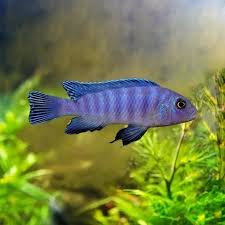
Blue is often derived from minerals and  plants although a “true blue” in both forms is exceedingly rare. Often, what appears to our eye as blue is a physics trick. Iridescent feathers, for instance, or tiny cilia on plants refract the light making it appear blue to the human eye, much like how the sky seems blue as water molecules suspended in the air have the same effect.

Royal Colors

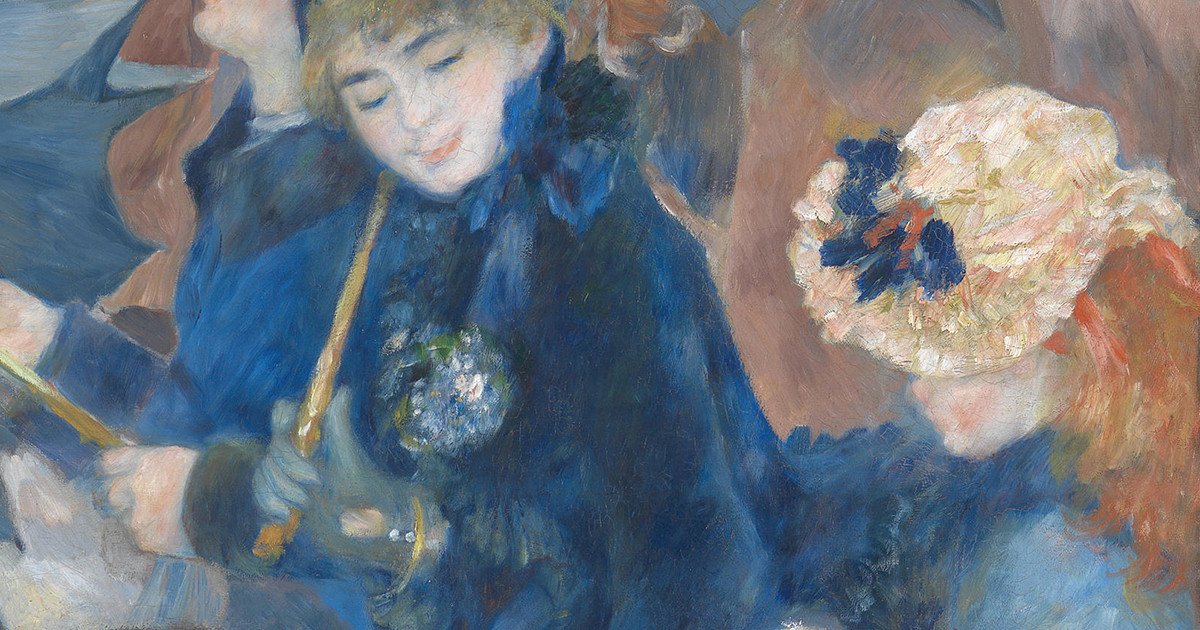
Due to the scarcity of available blue pigment, blue pigment is incredibly arduous to manufacture. The complexity of sourcing and processing the little natural blue color found makes it, historically, the most expensive primary color to create. It was, therefore, exclusively reserved for society’s nobility and royalty. To this day, blue expresses wealth, stature and class.

Versatility

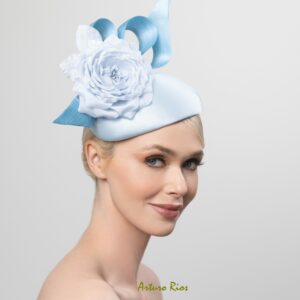
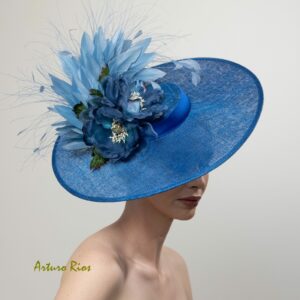
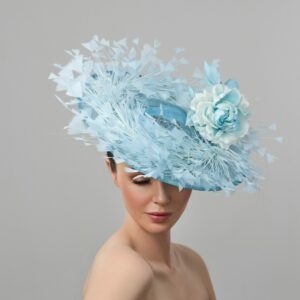
Light shades of blue are appropriate for almost any situation. Baby blue, sky blue, pastel blue, aquamarine are all great for spring and summer events. Their light tones reflect well with summer gardens, beach weddings and teas.

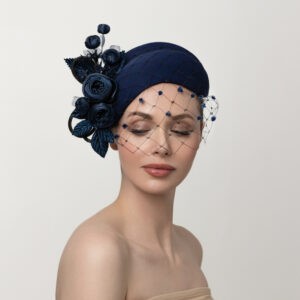
Navy blue’s depth and stature make it an excellent choice for evening, formal and winter events. It pairs wonderfully with different shades and tints of greens, oranges, reds, yellows, and even purples.

Cobalt

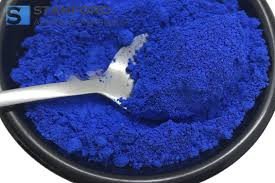
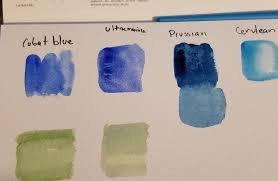
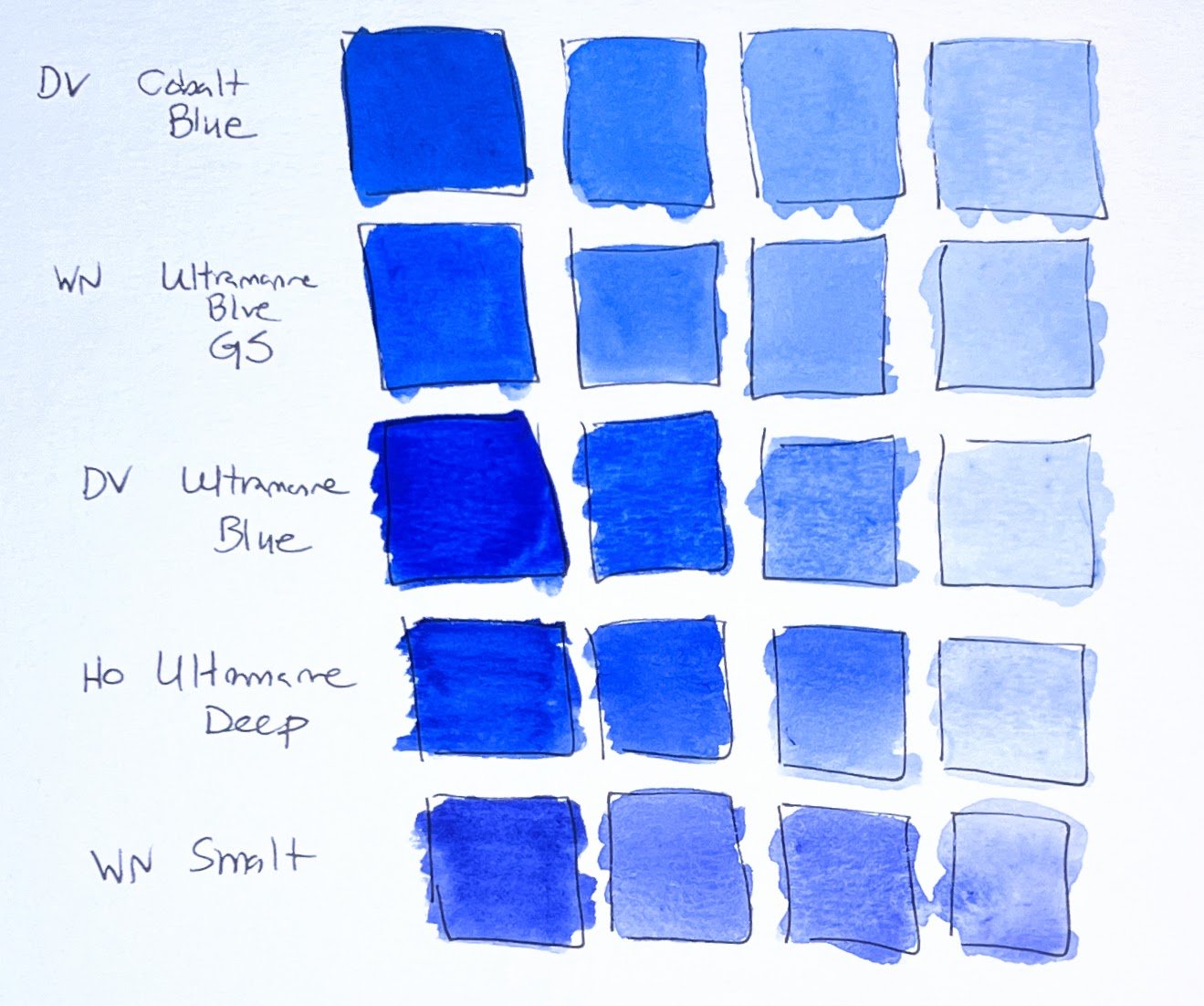
Cobalt blue is a vibrant, stable blue pigment made from cobalt aluminate, used for centuries in ceramics (like Chinese porcelain) and glass, offering a cheaper alternative to lapis lazuli, but the element itself is vital for health (B12) and tech (batteries, alloys) but toxic in excess, with its name coming from German "goblin" for its difficult ores, historically used by ancient Egyptians and Romans for coloring

Blue In Nature (Light & Biology)

  • Light Scattering: The sky is blue because air molecules scatter shorter blue wavelengths of sunlight more effectively (Rayleigh scattering). Deep water looks blue because it absorbs other colors, reflecting blue light.
  • Structural Color: Many vibrant blues (birds, butterflies, some plants) aren't from pigment but from microscopic structures that interfere with light waves, like iridescent feathers.
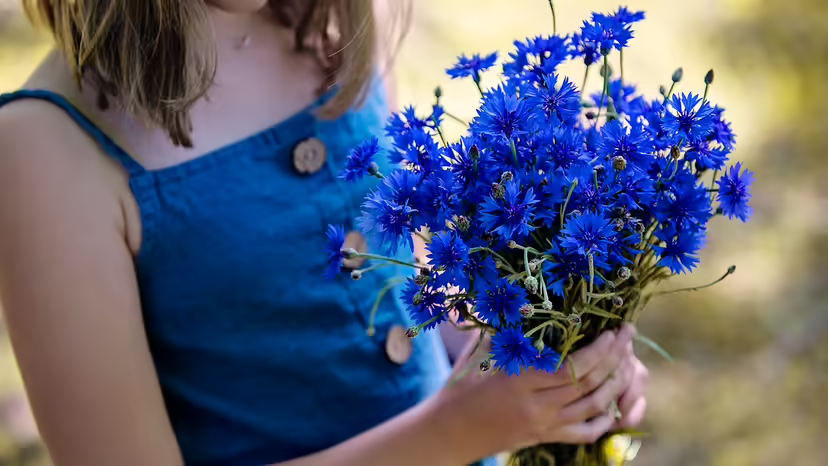
  • Pigments: The rare true blue pigment in animals (like the obrina olivewing butterfly) or plants (like the butterfly pea flower's anthocyanins). 

In Art & Industry (Pigments & Dyes)

  • Lapis Lazuli: A semi-precious stone from Afghanistan, ground into ultramarine, once more precious than gold and used for royalty and religious figures (like the Virgin Mary).
  • Indigo: A plant-based dye used globally for textiles, providing a deep blue color.
  • Egyptian Blue: One of the first synthetic pigments, created by ancient Egyptians around 3300 BCE.
  • Modern Synthetics: Compounds like Phthalo Blue offer stable, strong blue color for paints, inks, and dyes today. 

Linguistic Origin

  • The English word "blue" comes from Germanic roots, but historically, many languages grouped blue with green or gray (e.g., Welsh "glas") or used words for "sky-colored," highlighting its rarity as a distinct concept before pigments were common. 

We think an educated client (never a "customer") is preferred. Arturo also believes in being generous with his knowkledge as others have been generous with theirs to him.

This article is part of our series that explores and celebrates different aspects of millinery. Arturo Rios has created new techniques, forms and modes of constructing the world's finest hats and he wants to share and open the discussion with you.

We welcome everyone to discover how millinery is expanding, changing and evolving. Let us know your thoughts!


Classic Forms

Millinery has a long history. In this series of posts, we delve deeper into the specifics of each type of hat. Pillboxes, fascinator and derby hats are just the beginning. And Arturo wants to assist in your discovery!
Techniques

Hat-making has it's own vocabulary; definitions, terms, slang. We're here to talk about the components that make great hats.

Colors

Arturo has a unique sense of flowers. He also uses his deep understanding of how colors work and how they influence us.

Millinery, Feminism and an Interview with a Doyenne

Millinery, Feminism and an Interview with a Doyenne

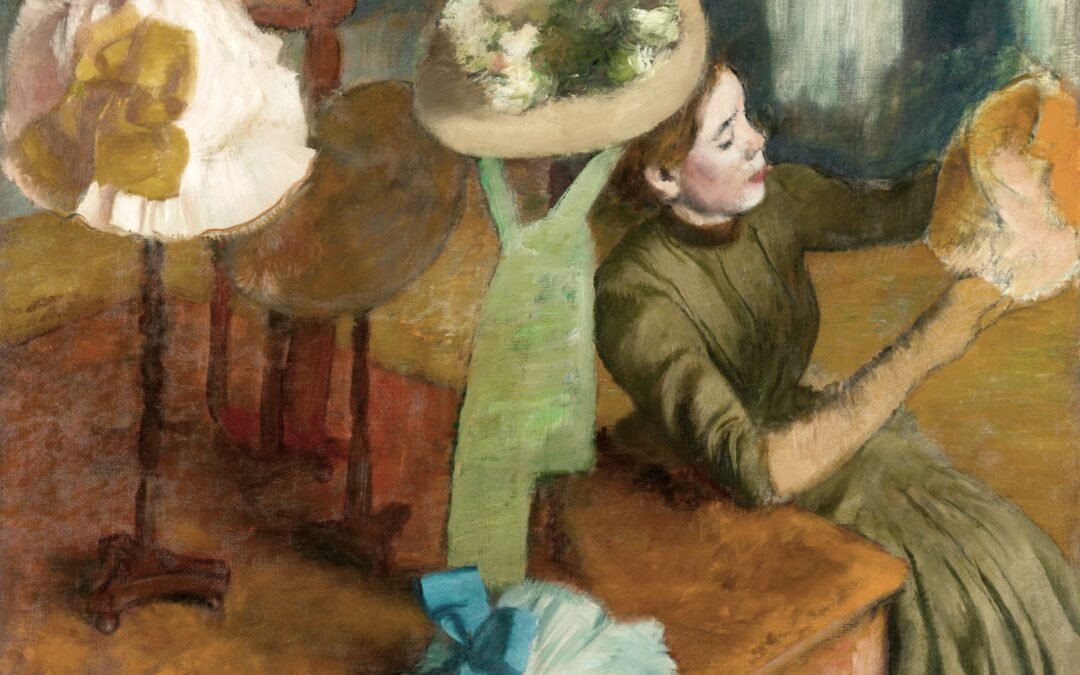
The Millinery Shop, Edgar Degas created between 1879 and 1886. It is one in a series of 27 paintings by Degas about millinery.

Pre World War II

We sat down with a veteran milliner Irene Arroyo from California Millinery Supply and talked about millinery from her decades-long career supplying the best of haute couture designers. Her insights are both detailed and expansive.

"Millinery almost disappeared entirely after WWII. Formal dress for social occassions disappeared overnight. " Ms. Arroyo says. "Before, you wouldn't dare come Downtown without being dressed."

This is a deep understanding of millinery from a professional. And what she has to say about Feminism still rings true.

"It was a throwing off of all decorative devices."

Few people know millinery and its power as well as our vendor.

There is a "millinery resurgence," though. We can see it at special events, awards shows, music videos and on celebrities. Arturo has worked with some of the most prominent celebrities and socialites to prepare them for a grand entrance.

How We Appear

Millinery is not an isolated art form. It conveys more than style. It announces your grace and beauty. Wearing an Arturo Rios hat assures that you can walk into any venue and be the center of attention with grace and elegance.

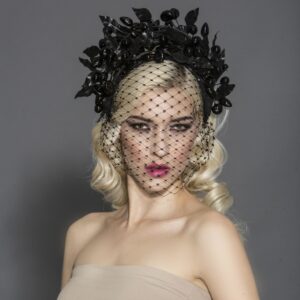
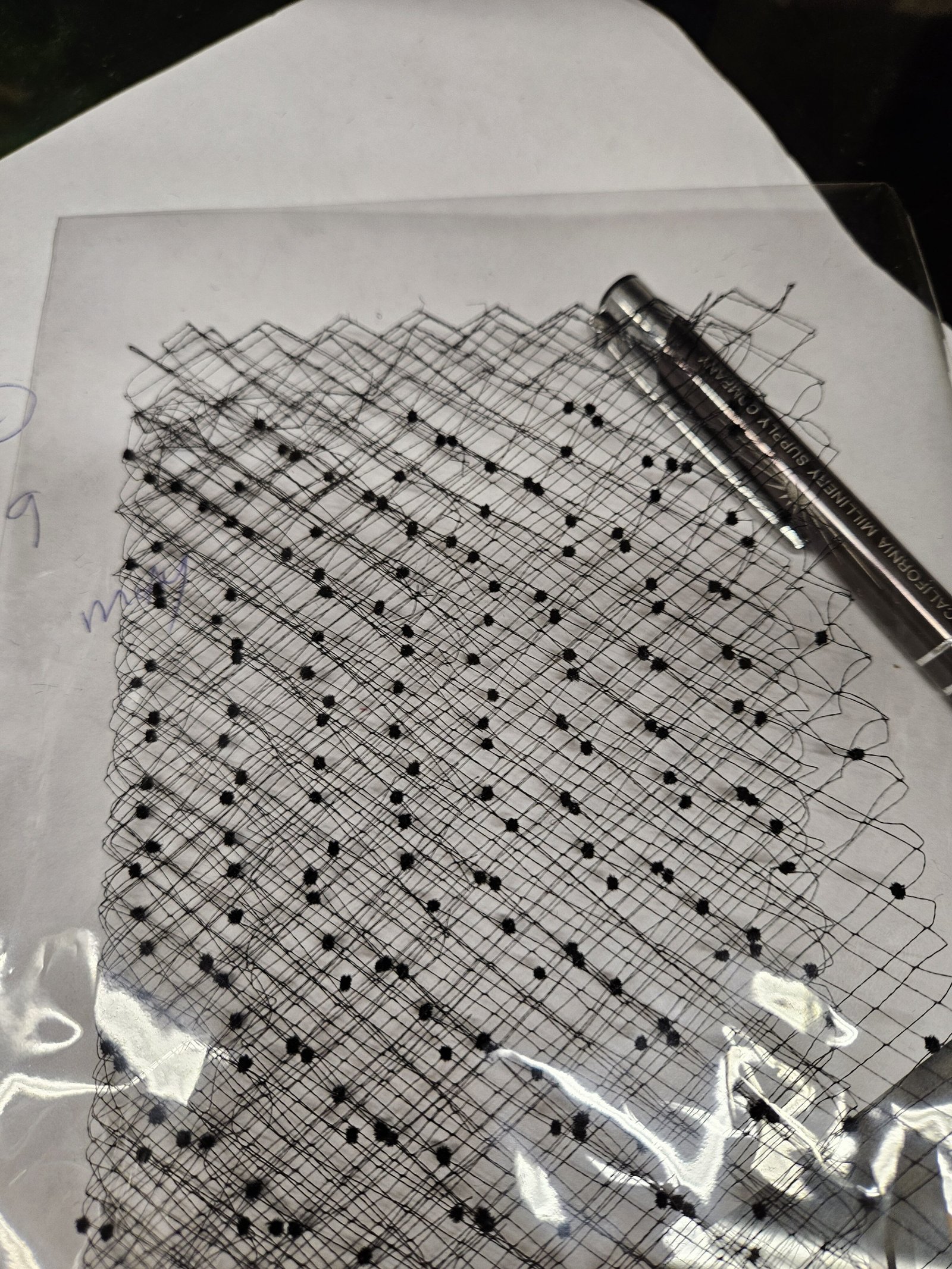
We've selected the finest silk veils that exist. We're excited about this new collection. It offers bold, new ways to distinguish your personal grace and beauty with confidence. We'll make an announcement to our clients as soon as we finish the details and photo shoot.

We welcome your feedback, ideas and comments. Stay tuned!

Details Matter 

There is a little known millinery adornment: millinery berries.

They offer a wonderful focal point and enhance any haute couture ensemble. They shine, playfully. Joyously and distinguish a haute couture hat from others.

Millinery berries are constructed of aged,  spun cotton with hollow cores. They are coated in a deep lacquer which offers a dazzling impression.

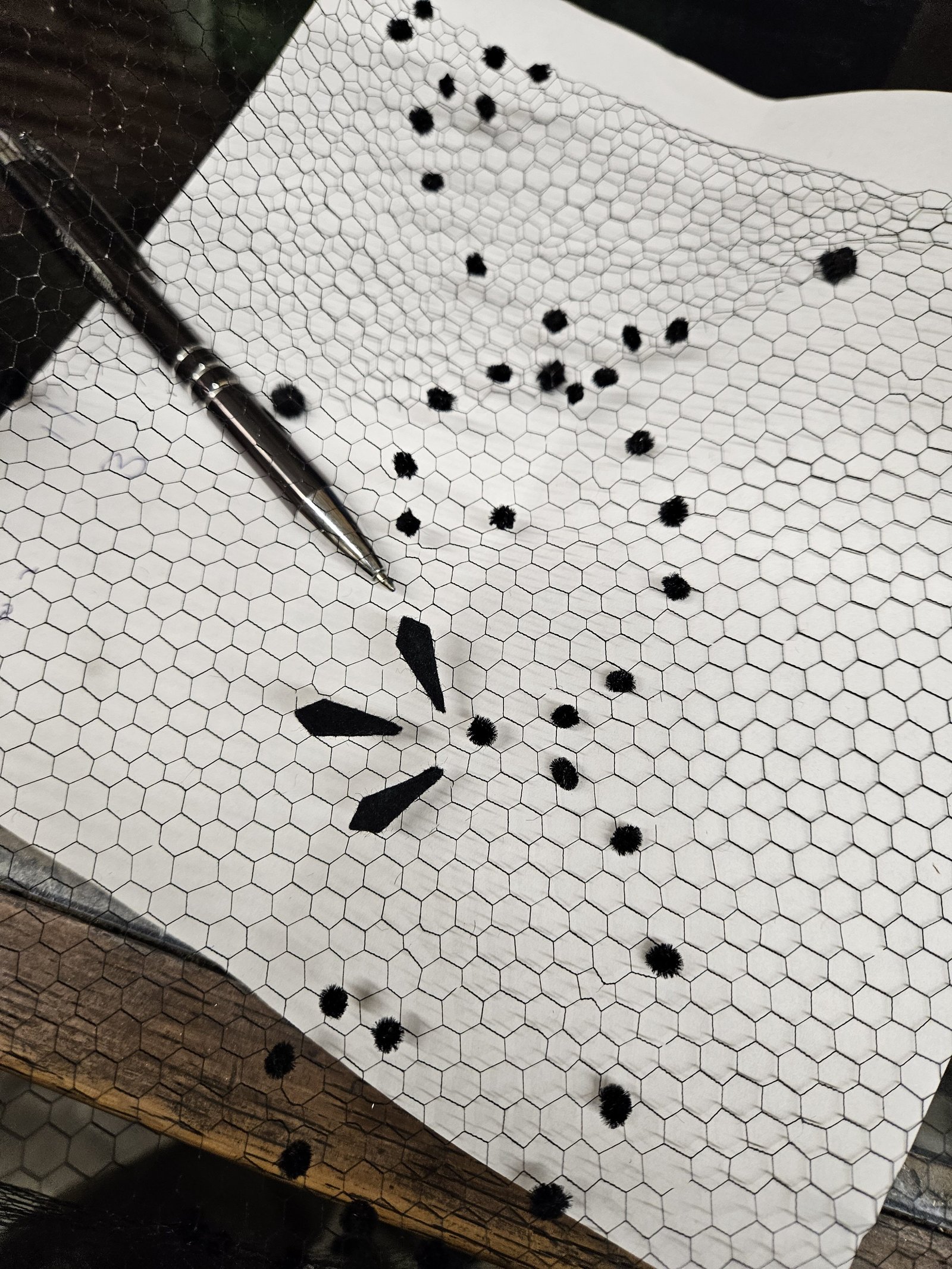
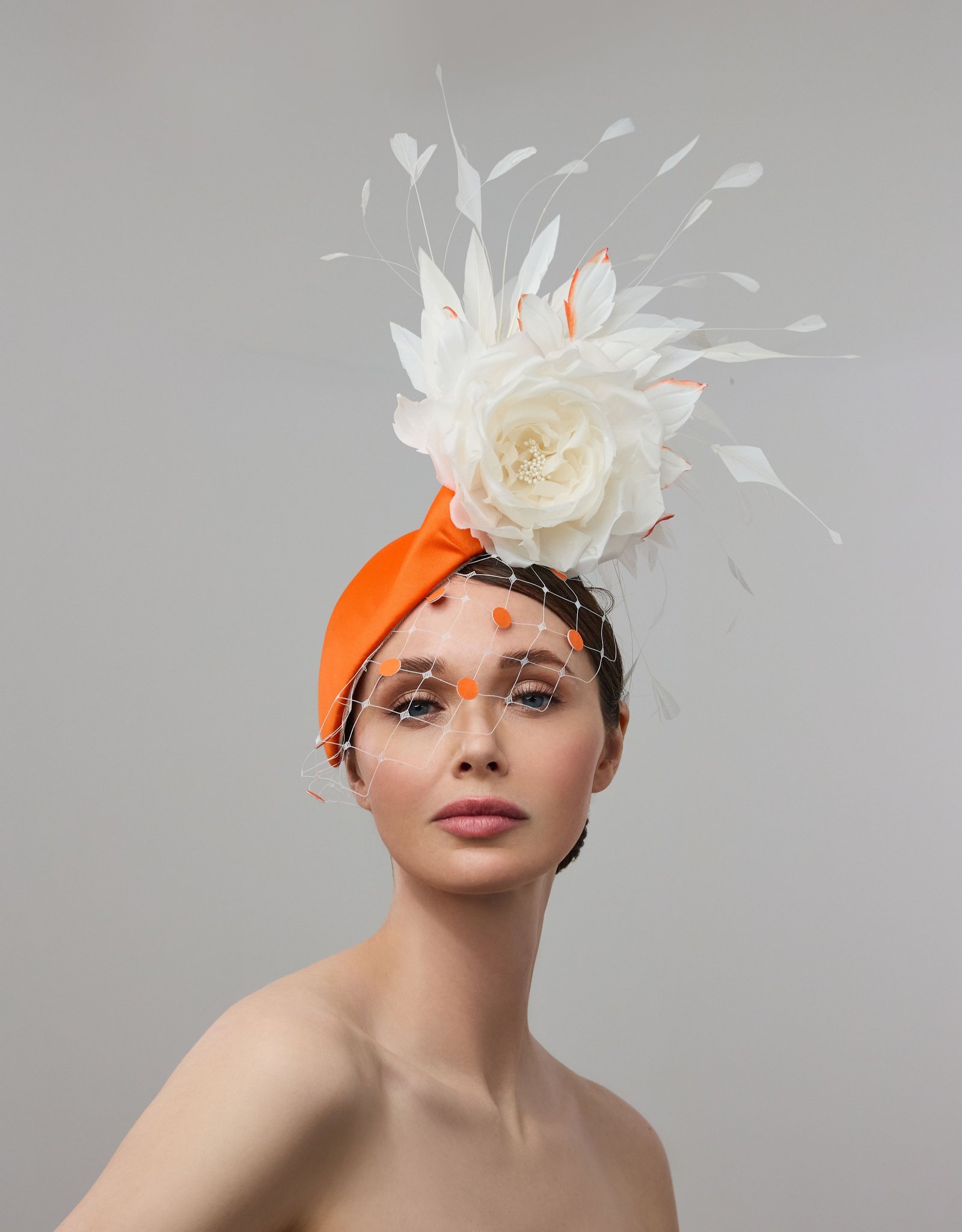
The chenille velvet dots used on the veils are placed individually, which is a very detailed and delicate process.


We think an educated client (never a "customer") is preferred. Arturo also believes in being generous with his knowkledge as others have been generous with theirs to him.

This article is part of our series that explores and celebrates different aspects of millinery. Arturo Rios has created new techniques, forms and modes of constructing the world's finest hats and he wants to share and open the discussion with you.

We welcome everyone to discover how millinery is expanding, changing and evolving. Let us know your thoughts!


Classic Forms

Millinery has a long history. In this series of posts, we delve deeper into the specifics of each type of hat. Pillboxes, fascinator and derby hats are just the beginning. And Arturo wants to assist in your discovery!
Techniques

Hat-making has it's own vocabulary; definitions, terms, slang. We're here to talk about the components that make great hats.

Colors

Arturo has a unique sense of flowers. He also uses his deep understanding of how colors work and how they influence us.

Colors: RED & ORANGE & YELLOW

Colors: RED & ORANGE & YELLOW

RED

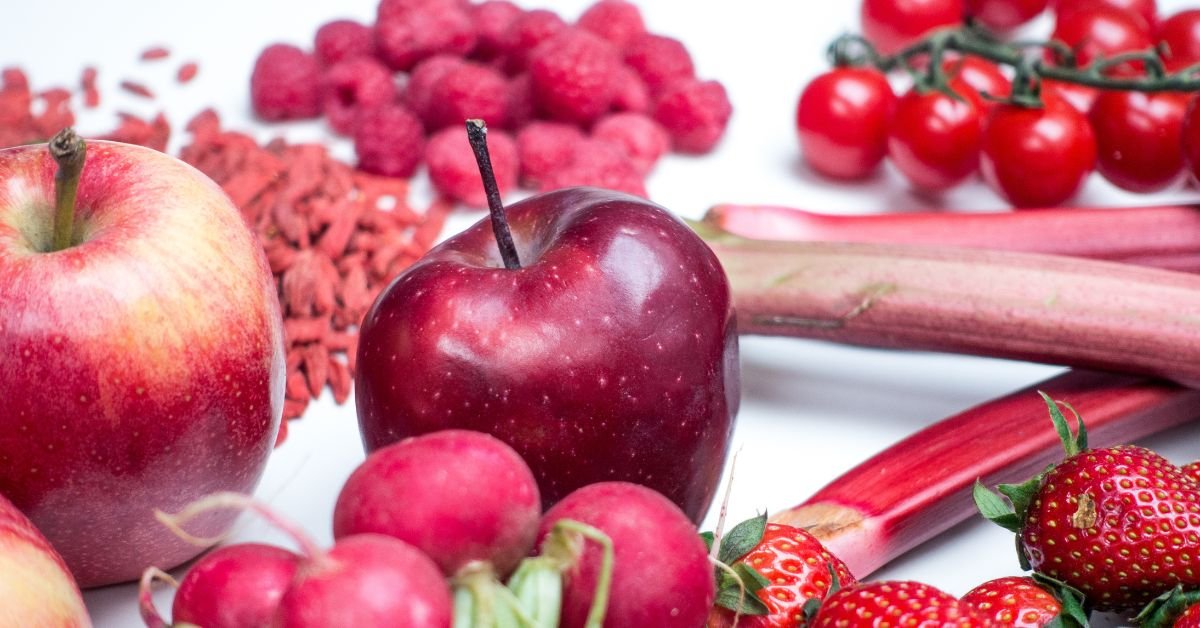
Red is the color at the long wavelength end of the visible spectrum of light, next to orange and opposite violet.

Reds range from the brilliant yellow-tinged scarlet and vermillion to bluish-red crimson, and vary in shade from the pale red pink to the dark red burgundy.

Red pigment made from ochre was one of the first colors used in prehistoric art. The Ancient Egyptians and Mayans colored their faces red in ceremonies; Roman generals had their bodies colored red to celebrate victories. It was also an important color in China, where it was used to color early pottery and later the gates and walls of palaces.

In the Renaissance, the brilliant red costumes for the nobility and wealthy were dyed with kermes and cochineal. The 19th century brought the introduction of the first synthetic red dyes, which replaced the traditional dyes.

Modern surveys in Europe and the United States show red is also the color most commonly associated with heat, activity, passion, sexuality, anger, love, and joy. In China, India, and many other Asian countries it is the color symbolizing happiness and good fortune.

No products were found matching your selection.

ORANGE

Spirituality and enlightenment: In Buddhism and Hinduism, orange robes are worn by monks, and the color symbolizes the highest state of spiritual knowledge and illumination.

Happiness, love, and creativity: In Chinese and Japanese cultures, orange can represent happiness, love, and good fortune. In Eastern philosophy, the orange chakra is associated with creativity.

Royalty and nationhood: In the Netherlands, orange is the color of the royal family, the House of Orange, and is a symbol of national identity.

Courage and warmth: Japanese culture also links orange to courage. In Western cultures, it can represent warmth, autumn, and harvest.

Protest and activism: In Ukraine, the color became a symbol of protest during the Orange Revolution. The United Nations' "Orange the World" campaign uses the color to raise awareness for gender-based violence.

Other meanings
Mourning and loss: In some parts of the Middle East, orange is associated with mourning.

Warning and caution: In the United States and other countries, its high visibility makes it a common color for hazard cones and life vests, while also being associated with Halloween.

Prison uniforms: In the United States, the color can be associated with prison uniforms. 

YELLOW

In late summer, as daylight hours shorten and temperatures cool, the veins that carry fluids into and out of the leaf are gradually closed off. The water and mineral intake into the leaf is reduced, slowly at first, and then more rapidly.

Carotenoids are common in many living things; they give the characteristic color to carrots, maize, daffodils, rutabagas, buttercups and bananas. They are responsible for the red of cooked lobsters, the pink of flamingoes and salmon and the yellow of canaries and egg yolks.

Pleasantly Perky
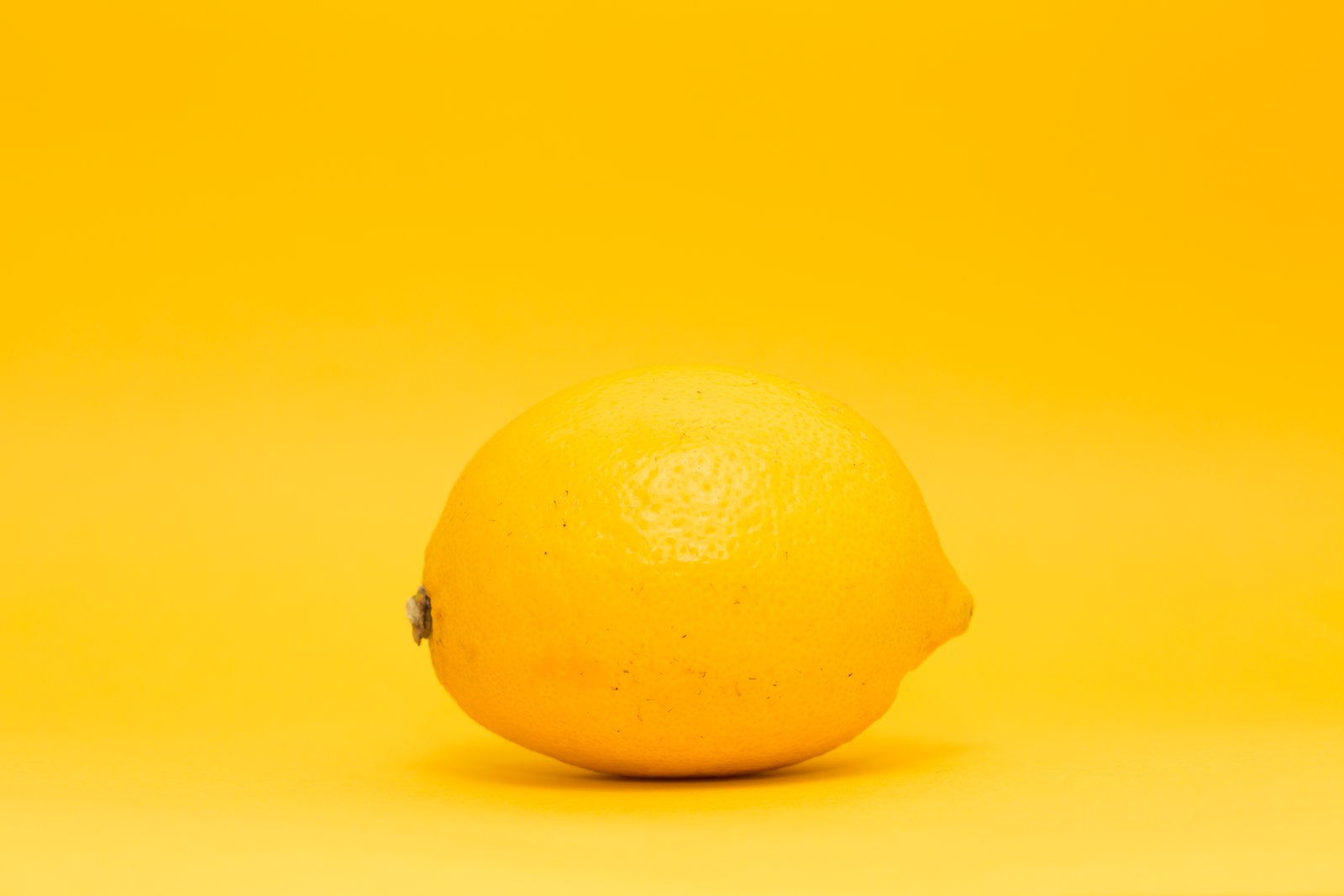
Hallmarked for its beaming presence, the color yellow allures with its illuminating essence. Associated with the more pleasant things in life, yellow kindles joy and happiness. Most prominently recognized as a cheerful and lively hue, yellow inspires positivity. With its effortless innocence, the color yellow resonates deeply with children. It’s for this reason why many toys are predominately yellow.

Confidence Booster
Best of all, this sunny tone bolsters self-assurance. As an upbeat and cheerful hue, yellow is inherently optimistic. The color yellow seeks to stop senseless thoughts in their tracks. Seeing the color yellow has the incredible ability to turn any negative thoughts into positive ideas. We could all aspire to be a fraction as encouraging as the color yellow.

We think an educated client (never a "customer") is preferred. Arturo also believes in being generous with his knowkledge as others have been generous with theirs to him.

This article is part of our series that explores and celebrates different aspects of millinery. Arturo Rios has created new techniques, forms and modes of constructing the world's finest hats and he wants to share and open the discussion with you.

We welcome everyone to discover how millinery is expanding, changing and evolving. Let us know your thoughts!


Classic Forms

Millinery has a long history. In this series of posts, we delve deeper into the specifics of each type of hat. Pillboxes, fascinator and derby hats are just the beginning. And Arturo wants to assist in your discovery!
Techniques

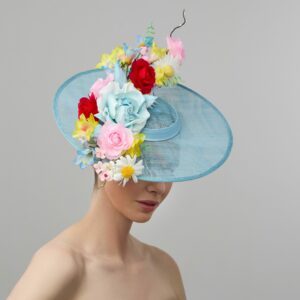
Hat-making has it's own vocabulary; definitions, terms, slang. We're here to talk about the components that make great hats.

Colors

Arturo has a unique sense of flowers. He also uses his deep understanding of how colors work and how they influence us.