Colors: Teal

Colors: Teal

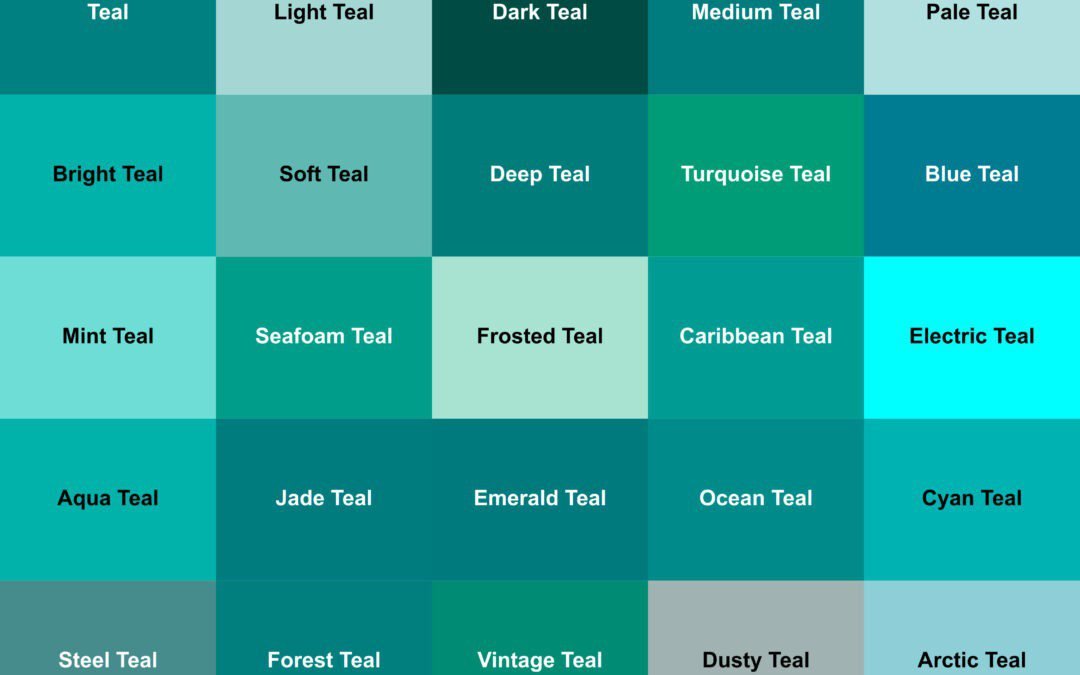
Teal

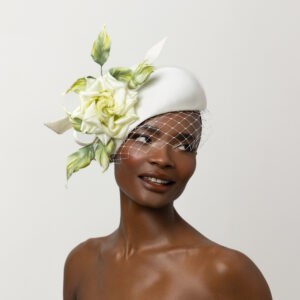
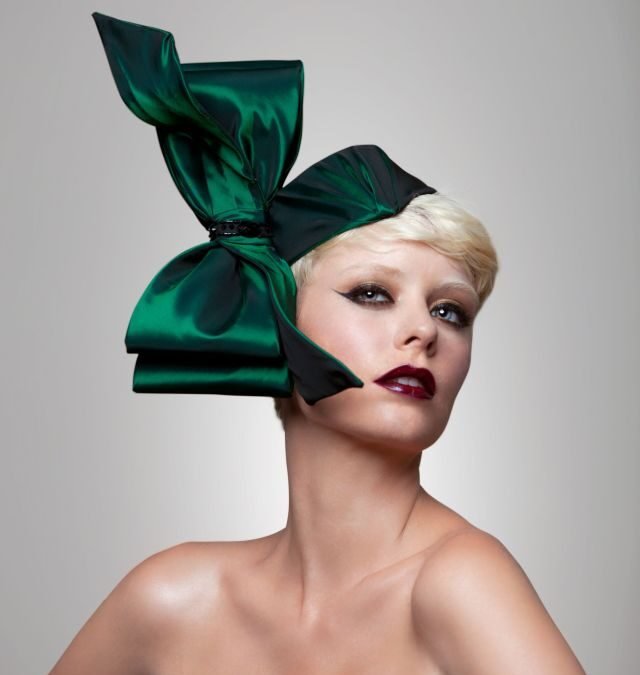
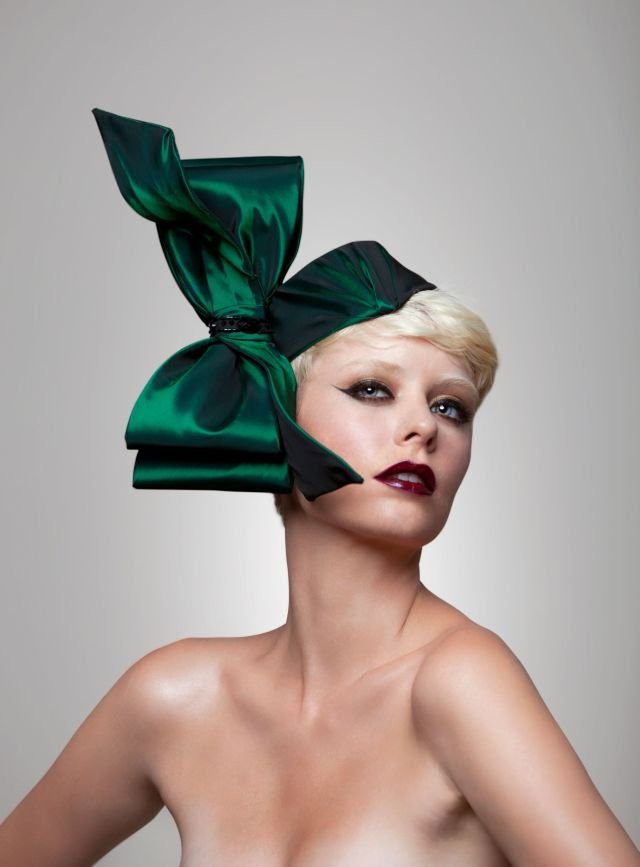
Teal combines the calming properties of blue with the renewal qualities of green. It is a revitalizing and rejuvenating color that also represents open communication and clarity of thought.

For Tibetan monks, teal is symbolic of the infinity of the sea and sky, while it is the color of truth and faith for Egyptians.
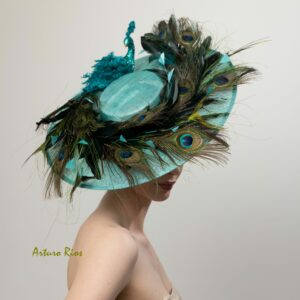
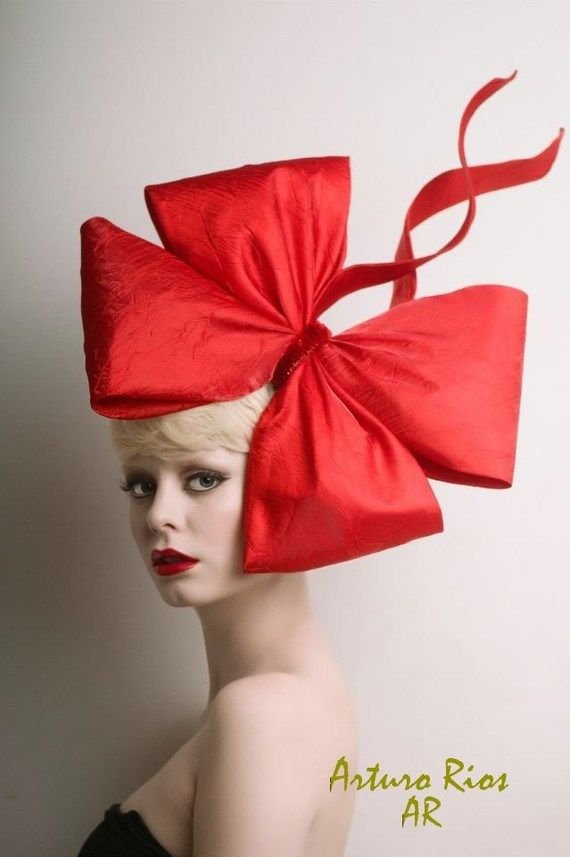
Teal pops with bright white and coral, and works well with cream, navy, browns, and pinks. It also sets off metallic colors, such as silver and gold.

Green pigments for paints and fabric dyes were difficult to obtain from nature in the past, thus they were rarely employed in clothes or heraldic emblems. While green may have been blended with blue and yellow paints, mixing dissimilar substances was frowned upon due to suspicion of alchemy. Only during the early Renaissance did the superstitious custom fade away, and in the late eighteenth century, the German Swedish scientist Carl Wilhelm Scheele found new copper greens.

What is the meaning of teal color?
Picture the warm ocean waves in Baja California, made of that color that isn’t quite blue and isn’t quite green. The water brings in the cool side of summer. It also serves as the perfect example of the color teal.

Teal was actually a bird before it was a color. The word “teal” was adopted as a color in 1917. Teal color, however, has existed as long as the ocean.

It's my favorite color and I keep returning to it. It's a great color to use in designing. Very adaptable, flexible and an eye-catching hue.

—Arturo Rios

Teal color combines the calming properties of blue with the revitalizing qualities of green. Named after the Eurasian teal duck, this color offers multiple meanings.

The history of teal color.
Teal was first a symbol of status.
Blue pigment was historically hard to produce. Green was abundant in nature, but it was difficult to create dyes and pigments that would not fade. Because both blue and green pigment were needed to make teal, the color teal was considered a color of elevated status. In Pontormo’s Carmignano Visitation (c. 1528), Mary’s teal robes contrast strikingly with the robes of three other women. This painting depicts when Mary was pregnant with Jesus.

Teal is a color honored in both church and state. Teal color offers an earthly contrast to the skies and clouds above. With its mix of blue and green, the color teal has been used throughout history for the domes of mosques, churches, and state buildings. Look no further than New York City with the Statue of Liberty celebrated in teal, too. The connection here is that teal is symbolic of where the divine meets earth.

During the Renaissance, pigments for paints and textiles became more varied.
Until the Renaissance, mixing substances to create pigments and dyes caused an ill-famed suspicion of alchemy. Only during the Renaissance did this suspicion fade, which gave way to the development of new synthetic pigments. Teal became more popular once synthetic blues and greens were produced and gained in popularity over time. By the 1980s, teal was one of the first colors used to create web pages.

The color teal across different cultures.
The word “teal” (the color) was first recorded in English in 1917. A teal is a freshwater duck known for a striking blue-green mark on its head. In the early 20th century, teal was adopted as the name of the color that the bird sports. The color teal was present before it took that name, of course. It seems as though giving teal a name brought it to the forefront of popular colors after that. Teal color had a boom in interior design in the 1950s and 1960s, and by the 1990s teal was one of the most popular colors in professional sports teams.

Teal color has a symbolic meaning that stems from its psychological effects:
teal’s psychological effects are simultaneously calming and revitalizing, which makes the history of the teal color’s significance no surprise. The color teal is especially significant for Tibetan monks. Teal represents the infinity of the sea and sky. For the Ancient Egyptians, teal was considered the color of truth and faith.

Keeps to Itself
While many are intrigued by the color teal, this hue isn’t very interested in others. In fact, it prefers to be alone. This personality trait has made teal somewhat reserved. It keeps things close to the vest and seldom comes out of its shell. If you’re interacting with teal and can’t get much out of it, don’t take it personally. Teal has boundaries, and it doesn’t appreciate it when people overstep them.

Values Uniqueness
The world isn’t homogeneous, and teal admires that. This hue understands the importance of being yourself. According to teal, we aren’t meant to blend in. In essence, teal relishes individuality. If you’re someone who doesn’t conform to social norms, you and teal will have a lot in common.

Cautious
Life is meant to be lived, but teal can sometimes lose sight of this. As an attentive color, teal is always on the lookout for danger. While there’s no reason to be unduly alarmed, teal has a difficult time finding peace of mind. It’s for this reason why this hue is generally on edge. You may notice that you feel more tense and uptight when surrounded by the color teal.

Unbiased
Teal doesn’t judge too quickly or too harshly. In other words, it’s an open-minded hue. No matter the person or situation it encounters, teal always takes the time to understand both sides of the story. This bodes well for mature and harmonious relationships. If you’re learning to be more accepting, use teal as a teacher.

Encourages Practical Thinking
Teal doesn’t tolerate irrational thoughts. It seeks to be logical in all that it does. With that said, those who spend time with teal are more likely to make informed and responsible decisions. Teal never throws caution to the wind, which makes it both predictable and reliable. If you’re looking to get back on the straight and narrow, teal will help get you there.

Promotes Relaxation
There’s no refuting that teal is wound tight. However, it still effortlessly fosters relaxation. With a little assistance from teal, you can decompress with ease. You’ll find this color in many homes for this very reason. The stress of life can make us anxious and angry, but teal reminds us that these feelings aren’t permanent. With a healthy dose of reality and understanding, teal stops negativity in its tracks.

Super Serious
With teal, excitement isn’t promised. If there are rules in place, you can bet that teal will abide by them. Failure to adhere to the rules will get teal in a tizzy. Those who don’t take themselves too seriously should limit their time with teal. After all, teal subscribes to the notion that goofing off breeds bad habits.

Prim and Proper
Teal presents itself in a very dignified manner. To some, this can be bothersome. Meanwhile, others cherish how noble teal comes across. If teal isn’t upholding this image, it regards itself as a failure. Teal’s inability to loosen up has earned it many enemies. Fortunately, teal doesn’t mind keeping a tight circle.

Rejuvenating
With its wisdom and vitality, teal breathes new life into those who desire rejuvenation. If you’d like a new lease on life, turn to teal. This color will arm you with the fresh perspective you’re looking for. Teal aims to uplift others, which it does by offering helpful insight and direction. When at a crossroads, allow teal to nudge you in the right direction.

Provides Clarity
It’s not uncommon for life’s unknowns to spark confusion. If you’re no stranger to this feeling, teal will ease your doubts. By ridding individuals of worry, teal offers emotional healing and spiritual enlightenment. These positive influences make way for optimal growth.

We think an educated client (never a "customer") is preferred. Arturo also believes in being generous with his knowkledge as others have been generous with theirs to him.

This article is part of our series that explores and celebrates different aspects of millinery. Arturo Rios has created new techniques, forms and modes of constructing the world's finest hats and he wants to share and open the discussion with you.

We welcome everyone to discover how millinery is expanding, changing and evolving. Let us know your thoughts!


Classic Forms

Millinery has a long history. In this series of posts, we delve deeper into the specifics of each type of hat. Pillboxes, fascinator and derby hats are just the beginning. And Arturo wants to assist in your discovery!

Techniques

Hat-making has it's own vocabulary; definitions, terms, slang. We're here to talk about the components that make great hats.

Colors

Arturo has a unique sense of flowers. He also uses his deep understanding of how colors work and how they influence us.

EVENTS: Dubai World Cup 2026

EVENTS: Dubai World Cup 2026

28 March, 2026

The Dubai World Cup, held annually at the Meydan Racecourse, isn’t just a horse race; it’s an extravagant celebration of horse racing culture that lures thousands of enthusiasts from across the globe. First held in 1996, this prestigious event has evolved into a significant moment on the international racing calendar, boasting a unique blend of high stakes, beautiful horses, and glamorous attendees.

The Dubai World Cup Day typically features a series of races culminating in the main event—the Dubai World Cup itself. The race day is packed with action, with races starting in the afternoon and culminating in the evening under the glimmering lights.

The Dubai World Cup card includes several key races, each with its own distance and significance. The main event spans a heart-pounding 2,000 meters, attracting the best thoroughbreds from around the world. Other notable races include the Dubai Sheema Classic (2,410 meters) and the Dubai Golden Shaheen (1,200 meters), each adding to the day’s excitement and showcasing a range of racing talent.

From its inception, the Dubai World Cup has aimed to set a benchmark in the horse racing world. It represents not just a race, but a statement of Dubai’s commitment to becoming a global player in sports and entertainment.

Founded by Sheikh Mohammed bin Rashid Al Maktoum, the Dubai World Cup was envisioned as a way to elevate the profile of horse racing in the region, while also showcasing Dubai’s opulence. In its early days, it was a bold gamble, but it soon galloped ahead to become a flagship event of international racing.

Throughout its history, the Dubai World Cup has seen some legendary performances, with horses like Curlin and Arrogate setting records that are still talked about in hushed tones (and boastful bragging) across the racetracks. Notable trainers and jockeys have made their mark here, writing their own chapters in the annals of racing history..

With a staggering purse of over $12 million, the Dubai World Cup holds the title of the world’s richest horse race. This means not only do the horses race for glory, but they also sprint for an eye-watering amount of cash.

Stunning Venue and Facilities

The Meydan Racecourse is a masterpiece in itself, designed to offer a lavish experience for attendees. From luxury seating to gourmet dining, and even a stunning grandstand that rivals the most opulent stadiums around the globe, attending the Dubai World Cup is as much about the experience as it is about the racing.

Community Engagement and Events

The Dubai World Cup is more than just a race—it's a social extravaganza! From community gatherings to charity events, the World Cup fosters a sense of camaraderie among locals and visitors alike. Each year, the event attracts thousands of spectators who don their finest attire and gather to cheer (or gasp) as horses thunder down the racetrack.

Fashion, Entertainment, and Hospitality

From extravagant hats to haute couture outfits that could make even a fashion runway blush, attendees are as much a spectacle as the races themselves. And let’s not forget the entertainment! With live performances, fine dining, and lavish hospitality, the event goes beyond horse racing.


Showing 28–36 of 49 resultsSorted by latest

EVENTS: Breeders’ Cup, 2025

EVENTS: Breeders’ Cup, 2025

OCT 31 - NOV 02, Del Mar, California

Breeders' Cup 2025 Overview at Del Mar (Races, Hats, Tips)

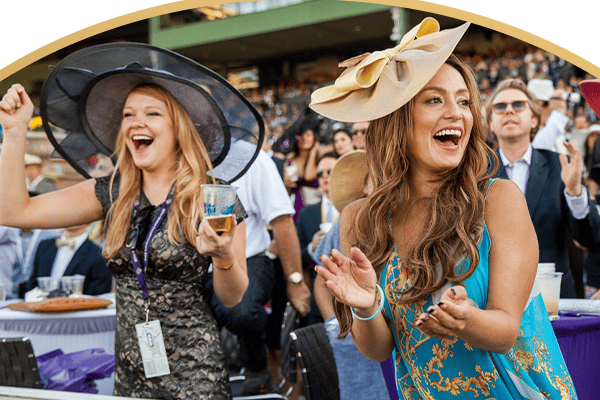
Hearts pound, hooves thunder, and style takes center stage. The Breeders' Cup 2025 lands at Del Mar Racetrack in California this November, the sport’s highest stage with champions from across the globe. It is two days packed with world-class racing, high stakes, and unforgettable moments.

Big races call for bold fashion. Women plan their looks for weeks, because the right hat does more than match a dress. It sets the tone, frames your face, and gives you that poised, photo-ready glow. You walk taller, you feel sure of yourself, and yes, you turn heads.

Arturo Rios designs make your hat stand out from every angle. Clean lines, rich textures, and smart details make each hat stand out in the crowd. They stay comfortable from paddock to champagne toast.

Top Races to Watch and Bet On

These races anchor the weekend and deliver non-stop drama. If you are new to betting, start small and enjoy the ride.

Classic, $6 million: The headline race. Elite older horses line up at 1 1/4 miles on dirt. It crowns the season’s best. See the official race profile for the 2025 Classic.

Distaff: Top fillies and mares at 1 1/8 miles on dirt. It is pure class and often the day’s most tactical race. Learn the basics with this overview of the Breeders' Cup Distaff.

Turf and Mile (on turf): International stars thrive here. Expect quick turns, late kicks, and photo finishes.

Venue Vibes at Del Mar Racetrack

Del Mar sets a mood you feel in your bones. The blue Pacific on one side, sun-warmed grandstands on the other, and a soft ocean breeze that keeps the day light and bright. The track glows in the afternoon, and the crowd hums with energy. You hear live music between races, then cheers rise as the gates open. Food stalls tempt you with fresh citrus, grilled shrimp, and classic California flavors.

Women lean into polished, sunny looks. Wide-brim hats protect from glare and photograph beautifully. Flowing dresses, clean lines, and soft pastels suit the setting. Arturo Rios designs match the scene with sculpted shapes, rich textures, and balanced proportions that flatter in sunlight. Slip on a structured brim or a feathered crown, then step into the paddock walk feeling camera-ready. The right hat completes the day’s story, from first post to last toast.

Why Arturo Rios Hats Are Perfect for Breeder's Cup

Arturo Rios designs with race day in mind. He is a skilled artisan in Los Angeles with over 20 years of millinery experience. His hats use quality sinamay and felt, so they are light, secure, and built to last. The look blends classic track style with a fresh, modern twist, which fits Del Mar’s bright, coastal mood. Prices often range from $350 to $500+, which makes them a smart buy you can wear again to weddings, garden parties, and holiday events. Browse his current collection on the official Arturo Rios site.

Fascinators for a chic touch: These are light and easy to wear, often in sinamay with sculpted loops, quills, or feathers. They shine with tailored dresses and jumpsuits. A teardrop base slims round faces, while asymmetrical designs balance soft jawlines. Choose earth tones like chestnut, sand, and onyx for a thoroughbred-inspired palette, or go bold with race-day reds that pop against prints.

Wide-brim hats for shade and drama: A wide brim frames the face and gives you instant polish in bright Del Mar light. Medium brims flatter petite frames, while fuller brims balance broader shoulders. Crisp angles and clean crowns add height. Felt brims feel plush in cooler temps, while sinamay stays breezy if the sun is out. Pair a navy or stone brim with a floral dress for a timeless track look.

Pillbox styles for pure elegance: Sleek and structured, the pillbox is perfect if you love a vintage nod. It sits high, keeps hair neat, and photographs beautifully from every angle. It suits oval and heart-shaped faces, and it pairs well with sheath dresses and pearls. Think soft blush, dove gray, or inky black with a feather accent for movement.

A common theme you will hear from wearers is comfort. Customers share how a Rios headband holds steady without pressure, even after eight hours at the track. One buyer loved how her feathered fascinator stayed put during a breezy paddock walk and still felt weightless during the walk to the winner’s circle. That is the difference a well-balanced piece makes.

How to Choose and Care for Your Rios Hat

Pick with purpose so your hat looks right and feels great all day.

Match the event look: For a sleek dress, try a sculpted fascinator. For a flowing midi, go wide brim. If your outfit is bold, choose a simple crown. If your dress is simple, let the hat carry the moment with color or height.

Plan for weather: Sinamay breathes in sun and looks crisp in photos. Felt adds structure and warmth if the breeze picks up. Choose a brim that gives shade without blocking your view.

Add a personal touch: Rios offers custom details like feathers, veiling, and color tweaks. Ask for a trim that mirrors your dress tone or a splash of red to echo your lipstick. You get a one-of-one look without a long lead time.

Care is simple, which protects your investment and keeps the shape sharp!

Spot clean with a soft cloth. Avoid soaking the material.

Hold by the brim, not the crown, to prevent warping.

Store in a hat box with tissue around the trim. Keep it cool, dry, and out of direct sun.

Travel with a structured box in a tote or carry-on so it arrives photo ready.

An Arturo Rios hat is more than a race-day add-on. It is an easy win for comfort, confidence, and photos you will love. Shop ready-to-wear pieces or request a custom touch on the Arturo Rios Etsy shop. Wear it to the Breeders’ Cup, then bring it back out for your next big day.

EVENTS: The Melbourne Cup

EVENTS: The Melbourne Cup

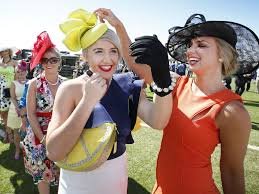
Arturo's hats have been featured prominently at the Mebourne Cup.

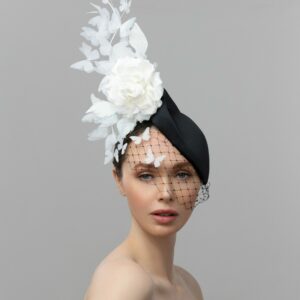
He notes that "for many women attending for the first time, black and white hats are de rigeur."

Arturo Rios offers many custom hats for this occassion, including some "Best Of" winners!

We are currently working on several bespoke hats for this date. We can accept new orders.

These will require expedited manufacture and shipping in addition to the hat's published cost. We can advise of total cost before purchase.

Let us know your interest and we would be happy to accommodate.

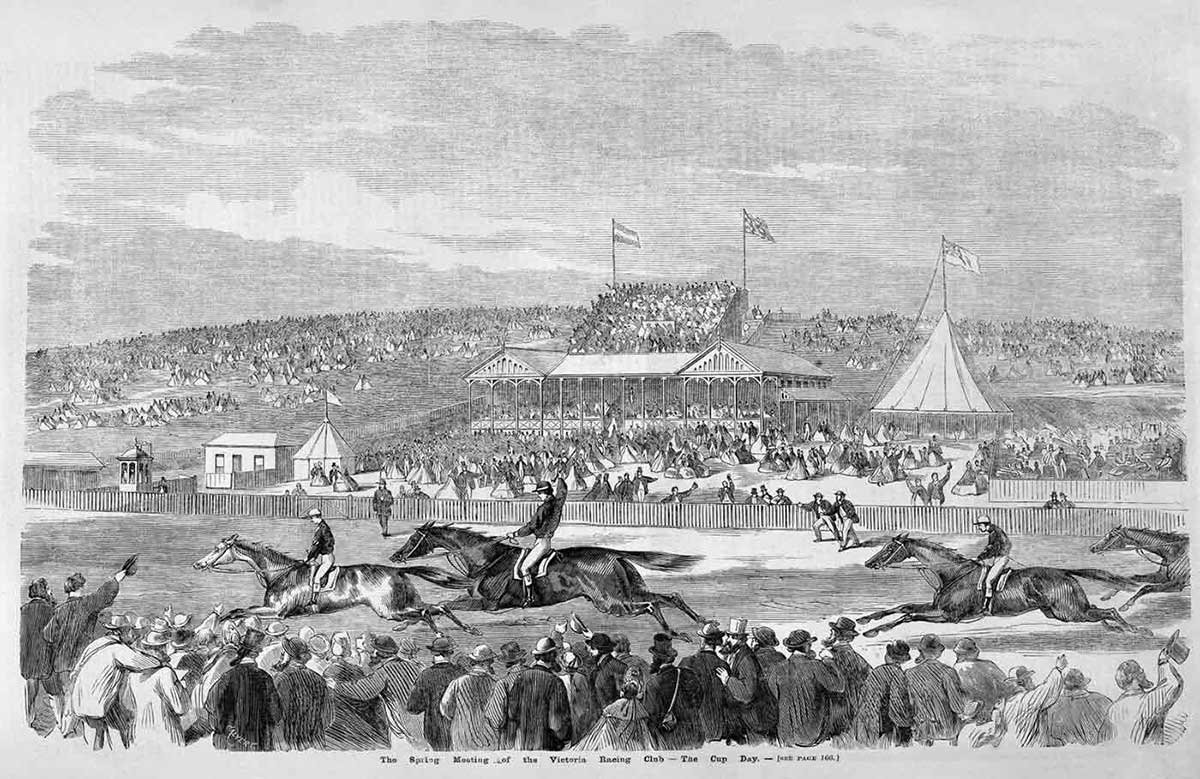
When the Melbourne Cup was first run in 1861, there were two organising committees controlling horse racing in Victoria, the Victorian Turf Club (1852) and the Victorian Jockeys Club (1857).

The Melbourne Cup was introduced in 1861 by the Victorian Turf Club to trump the success of Victorian Jockey Club races such as the Two Thousand Guineas.

As a handicap race, the Melbourne Cup introduced a level of speculation that he club hoped would attract more entries, and therefore higher prize money. The two competing organisations disbanded in 1864, before merging to form the Victorian Racing Club, which has controlled racing in Victoria and the Melbourne Cup ever since.

Although the Melbourne Cup today is well-known in Australia for being run on the first Tuesday in November, this hasn’t always been the case. The 1866 Melbourne Cup race was run on a Thursday, and in 1867 the Cup was run in October. It wasn’t until 1875 that the race was run on the first Tuesday of November.

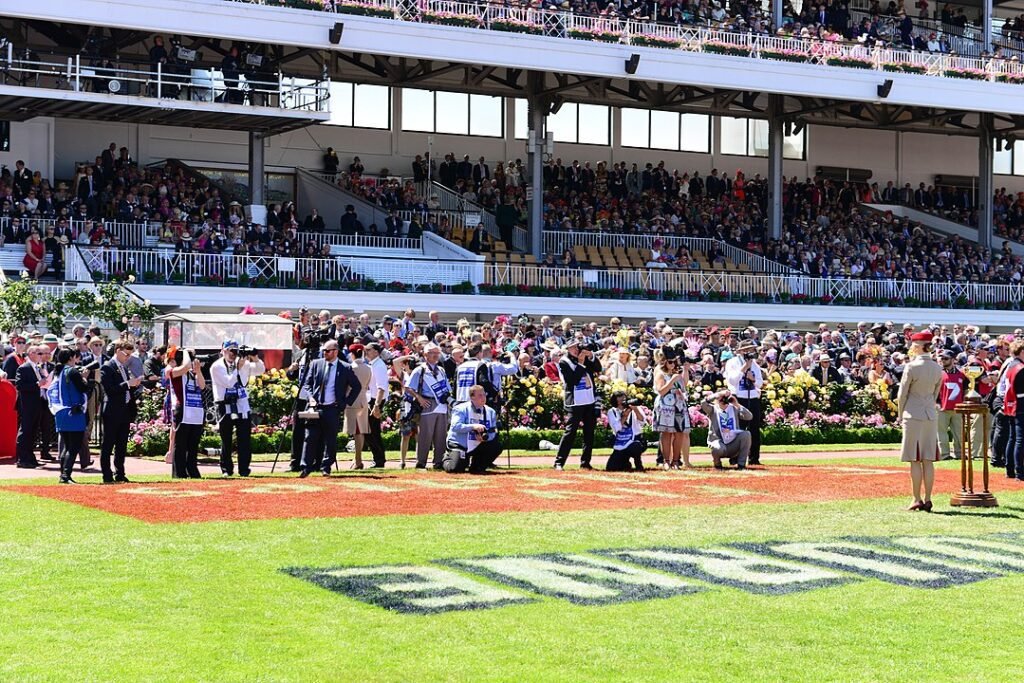
Although the three-handled loving cup is widely recognised as the traditional cup design, this has only been the case since 1919. Before then the cups came in a variety of styles, with each year having a completely original design. Some years no trophy was presented at all. In fact, for the first few decades of the race, it was more common for no trophy to be awarded.

Prize money and ‘a monstrosity’

The winner of the 1861 Melbourne Cup was awarded a gold watch, and for the next two years a cash purse was the major prize. A trophy was first awarded in 1865.

The owner of the winning horse Tory Boy, Mr Marshall, is claimed to have described the English-made trophy as a monstrosity. He immediately sold it to the Flemington Hunt Club, which rebranded it as the trophy for its annual cup.

This trophy therefore is now inscribed as the Flemington Hunt Club Cup awarded to the 1873 winner, Babbler. This trophy was sold in the 1970s by Christies and is now owned by wine merchant Wolf Blass.

Details: The Essential Bow

Details: The Essential Bow

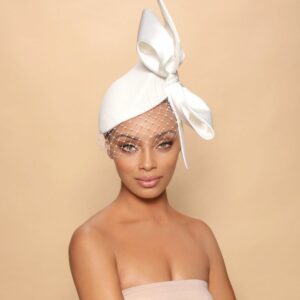
Bows have long been a quintessential element of millinery, serving not only as decorative accents but also as powerful symbols of style and individuality. From their historical roots in hat design to their modern interpretations, bows are part of a rich mix of cultural significance and aesthetic appeal.

Evolution Through the Ages

The bow’s origins can be traced back to ancient civilizations where decorative knots were used to secure headgear. From the floppy styles of the medieval ages to the tailored elegance of the Renaissance, various cultures adopted bows to enhance their hats' aesthetic charm.

By the 18th century, bows became de rigeur in millinery, reflecting the opulence and class-consciousness of the time. They were often grand and extravagant, made from luxurious fabrics and adorned with gems, real and artificial as well as animals, plants and ephemera. 

In the 20th century, the bow transformed from show-stopping frills to subtle embellishments, thanks in part to the rise of chic minimalism and refined production methods.

Classic Bow Styles

Classic bow styles are the tried-and-true staples that have stood the test of time! From the delicate, understated ribbon bows to the voluminous floppy bows often seen on wide-brimmed hats, these styles evoke a sense of nostalgia. Classic bows are often defined by their symmetry and elegance, making them the perfect complement to traditional millinery designs.

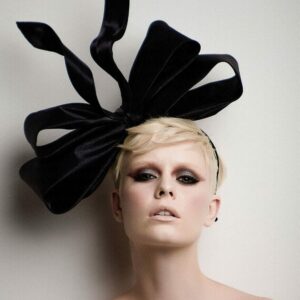
Modern bow designs take a bold turn, with styles that range from oversized statement pieces to asymmetrical, quirky interpretations. Designers play with forms, often opting for unconventional knots or layering techniques that create eye-catching silhouettes. 

Arturo plays with both classic bow styles and reimagined forms in his hat collections. His most recent bows are constructed to play with the ideas of proportion with many details for specific occasions.

“The bow itself can become a fascinator if it is made with new proportions in mind. How it works with the other details of the hat is when I have my most fun as a designer.” 

Materials

“Knowing how to manipulate the fabric is the key, Arturo adds that “what foundation or fusing is used to keep them in shape is important to the over-all design. Crystal-silk, satins and taffetas give well-made bows a luxuriously shiny look. They are opulent. Stiff silk abaca is important in millinery designs as well to assure that the hat can maintain its form in different  environments.”

Color and Pattern Choices

Bows are not just about shape; they’re a canvas used to display the designer’s creativity. 

Arturo uses his vast palettes of spring-time pastels, saturated winter colors and playful patterns to place the hat at the  center of attention. 

The color a​nd pattern choices can transform an ordinary hat into an extraordinary accessory. Bright and bold hues scream for attention, while pastel tones offer a subtle elegance. Patterns—floral, polka dot, or geometric—bring an added layer of interest, allowing wearers to express their personality through every tie and knot.

Proportions and Placement

The magic of a bow lies in the proportions and placement! A well-placed bow can accentuate a hat's silhouette, draw eyes to the face, and add visual interest. Larger bows can be a statement of confidence, while smaller bows may convey a touch of whimsy. Where you place the bow—at the back, off to one side, or front and center—can change the entire hat's dynamic

Bows have the unique ability to serve as focal points in any outfit. A striking bow can turn a simple hat into a conversation starter, drawing attention and compliments. Whether it’s the anchor of a bridal ensemble or a playful splash on a casual look, bows have a flair for standing out. They harmonize with other elements of fashion, creating balance while asserting their own stylish power.

Bows in Different Cultures

Bows are universal symbols of charm, appearing in various cultures with unique meanings. In Japan, the “furoshiki” bow wraps gifts with elegance, while in Western cultures, the bow often represents femininity and grace. Different materials and styles of bows can signify different things, showcasing how this simple knot transcends borders and embodies culture.

In many cultures, ceremonial hats adorned with bows carry profound significance. From graduation caps to wedding veils, bows often represent milestones and celebrations. They serve as visual markers of important life events, showcasing individuals' achievements and transitions. 

Influence of Fashion Icons

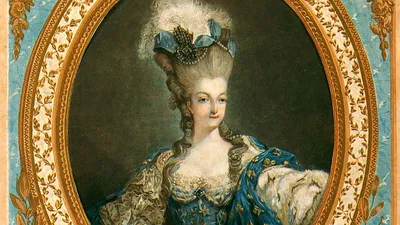
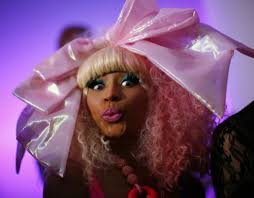
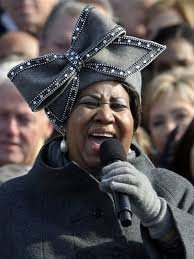
Throughout history, influential figures have made bows synonymous with their personal style. Marie Antoinette’s extravagant hairstyles adorned with oversized bows echoes the excesses of the royal court. Audrey Hepburn’s iconic pillbox hat framed in Breakfast at Tiffany’s shows how these notable personalities showcased how a bow can elevate a hat from mundane to magnificent. Recent bow-centric moments include Aretha Franklin at the Obama inauguration, Jackie Kennedy, Lady Gaga, Nicki Minaj and a plethora of the world’s finest fashion magazines featuring them in most publications.   Fashion icons have long embraced the bow, turning it into a statement piece rather than just a decorative afterthought. Think of the likes of Kate Middleton and Lady Gaga—each has wielded the bow like a magician with a wand, making it the star of the show on everything from fascinators to wide-brimmed hats.

Seasonal Celebrations

From Easter bonnets to holiday parties, bows are the ultimate festive accessory. They have the power to elevate seasonal hats to a whole new level of celebration. Whether it's a cheerful pastel bow for spring or a glitzy bow for winter festivities, they’re the cherry on top of any seasonal ensemble.

Custom Designs for Individual Clients

Arturo is a master milliner, and he depends on input from his clients. You are never a customer, always a client who takes part in the creation of your personal hat masterpiece. Tell Arturo your ideas of how bows might elevate your new AR hat.

We think an educated client (never a "customer") is preferred. Arturo also believes in being generous with his knowkledge as others have been generous with theirs to him.

This article is part of our series that explores and celebrates different aspects of millinery. Arturo Rios has created new techniques, forms and modes of constructing the world's finest hats and he wants to share and open the discussion with you.

We welcome everyone to discover how millinery is expanding, changing and evolving. Let us know your thoughts!


Classic Forms

Millinery has a long history. In this series of posts, we delve deeper into the specifics of each type of hat. Pillboxes, fascinator and derby hats are just the beginning. And Arturo wants to assist in your discovery!

Techniques

Hat-making has it's own vocabulary; definitions, terms, slang. We're here to talk about the components that make great hats.

Colors

Arturo has a unique sense of flowers. He also uses his deep understanding of how colors work and how they influence us.