A Quick Guide to Couture Millinery Etiquette

A Quick Guide to Couture Millinery Etiquette

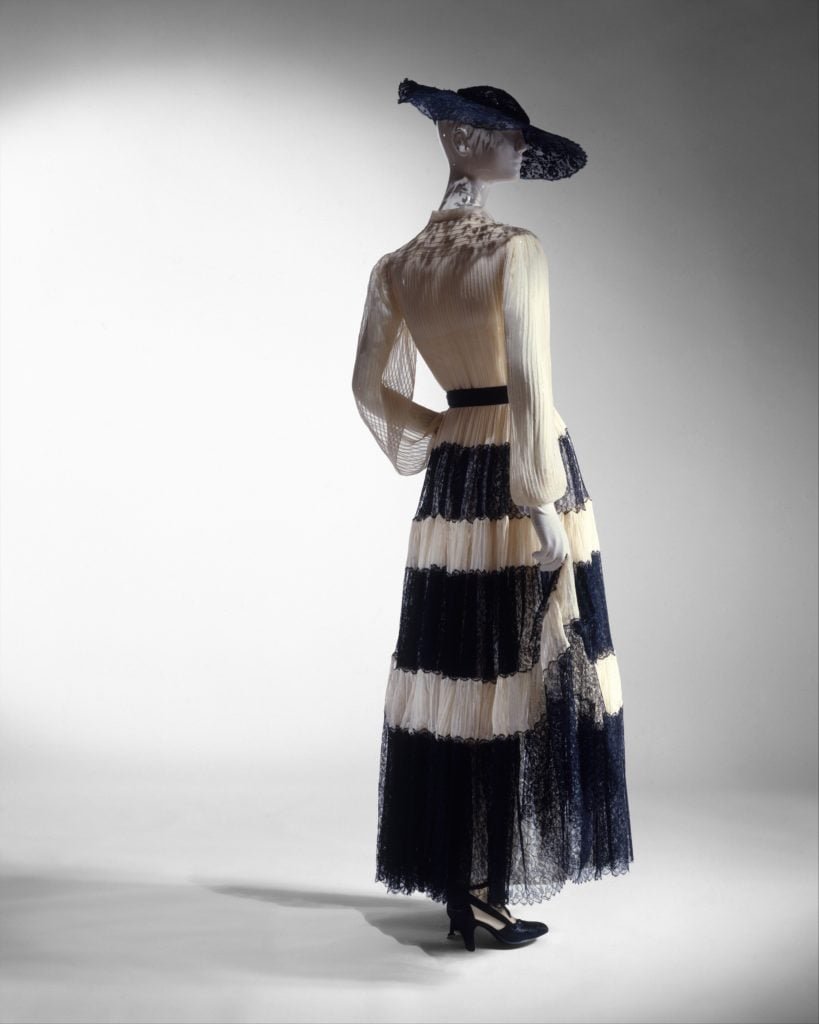
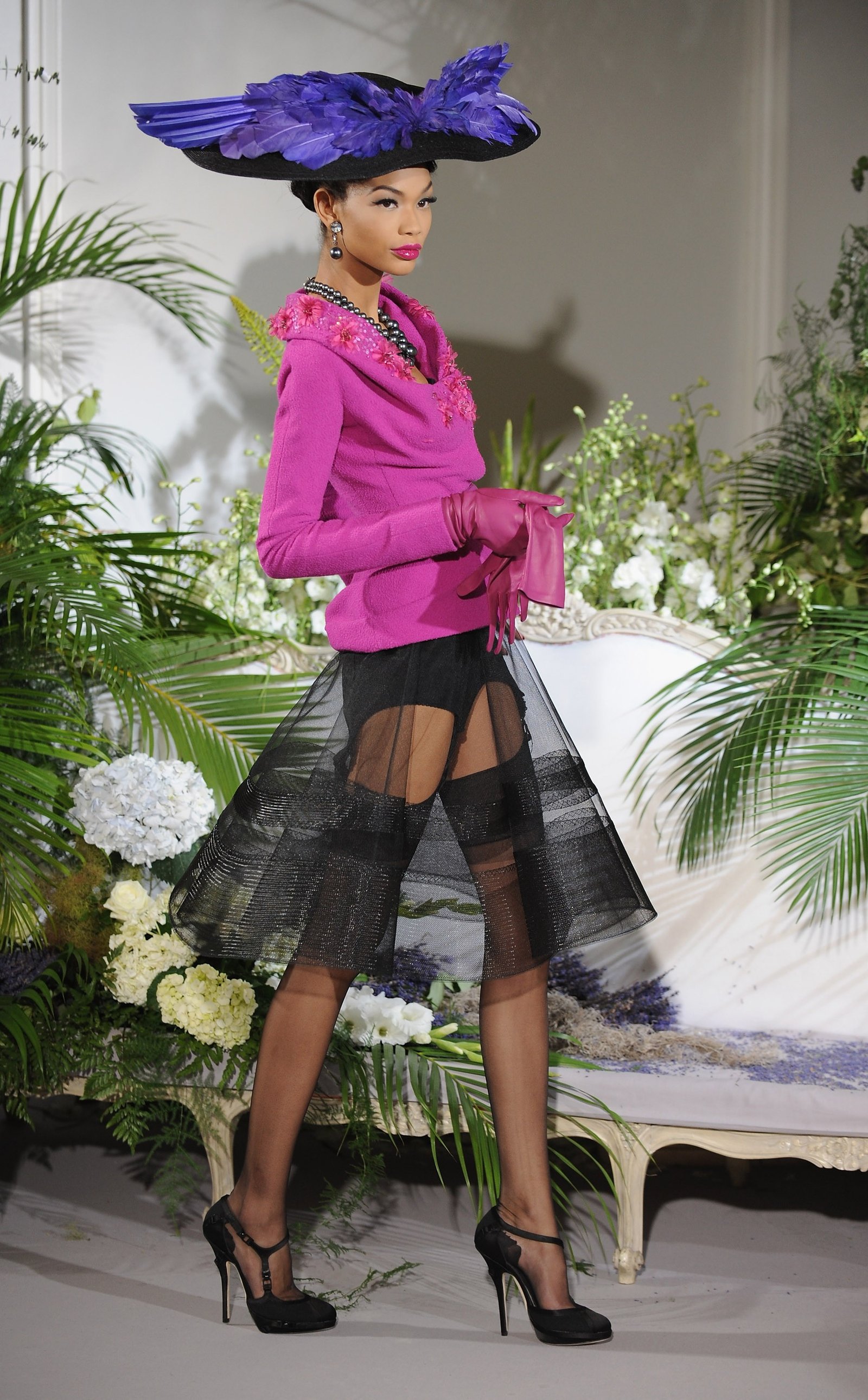
Couture hat etiquette dictates that women generally keep their hats on indoors at social events like weddings, luncheons, or tea, as they are considered part of the hairstyle.
Wide-brimmed hats should be removed if they block views at ceremonies or dining, while, conversely, men are required to remove hats indoors, especially for dining or in church.


Key Millinery Etiquette Points

Indoor Events & Dining

Indoor Wear: Women can wear hats at daytime weddings, luncheons, and in restaurants. However, if a hat is very large, it is courteous to remove it to avoid blocking others' views, notes Eric Javits.

Dining: According to Yvonne LaFleur, ladies can leave hats on during meals, but it is generally polite to remove wide-brimmed hats at a dinner table, says Lock & Co. Hatters.

Handling & Presentation

Handling: When taking a hat off, handle it by the crown rather than the brim to maintain its shape, and set it on its crown, not the brim, says American Hat Company and this YouTube video.

Positioning: Decorative elements such as feathers or veils should typically be positioned on the right side for women and the left side for men, notes Friday Feelin.

Handling Removed Hats: If a hat is removed, do not show the inside lining. Store it on your lap or keep it in your hand with the outside visible, according to Hats in the Belfry and Brixton.

Etiquette for Others: Never touch or try on someone else’s hat, say various Facebook posts and American Hat Company. [1, 2, 3, 4, 5, 6, 7, 8, 9]

Specific to Weddings

Top Hats: When attending a wedding, top hats should be removed inside the church or reception venue, advise Lock & Co. Hatters.

Evening Wear: Contrary to old rules, modern etiquette allows for fashionable hats to be worn into the evening,, say Yvonne LaFleur and Helen Kaminski. [1, 2, 3]

Evening and After-Five Headwear

For events occurring after 5:00 PM, etiquette suggests moving away from large brims toward more compact and decorative pieces.

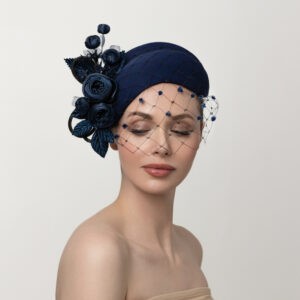
Cocktail Hats: These are small, structured hats without brims, often perched on the head and secured with clips or combs. Modern versions, like those from Donna Vinci, often feature rich textures, shimmering accents, and handcrafted jewels to catch evening light.

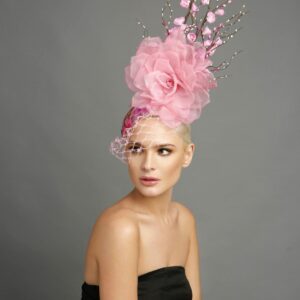
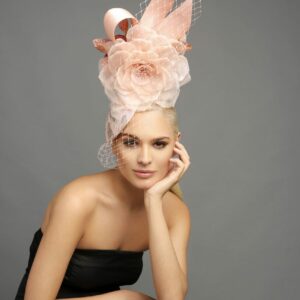
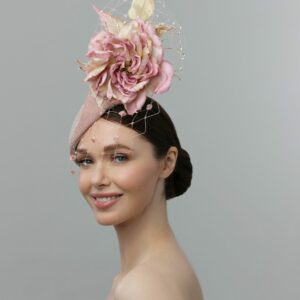
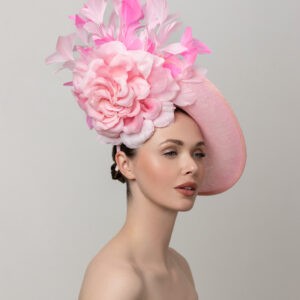
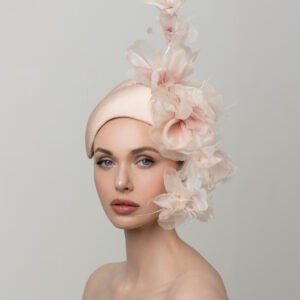
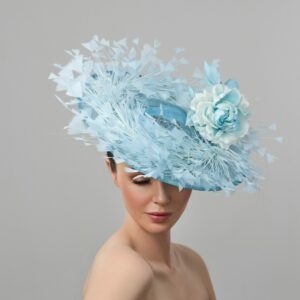
Fascinators: Lightweight and purely decorative, fascinators are built on a base of feathers, lace, or silk and attached to a headband or clip. They are highly popular for evening galas and formal parties as a "haiku of a hat" that adds elegance without the bulk of a full headpiece.
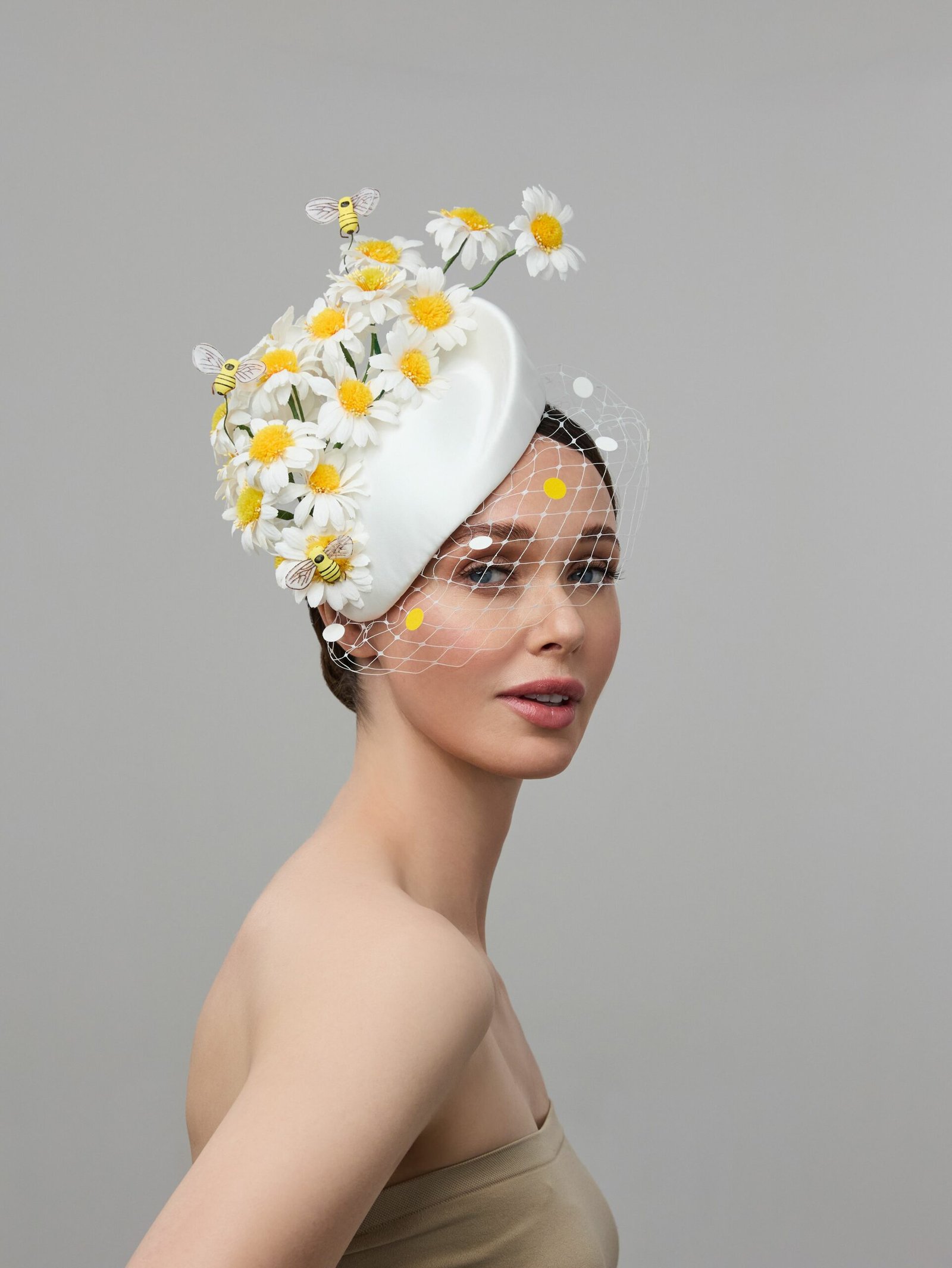
Formal Daytime Headwear

Daytime formal events, particularly those involving outdoor ceremonies or races, allow for maximum scale and sun protection.

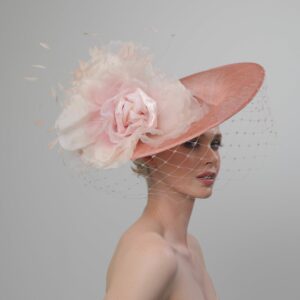
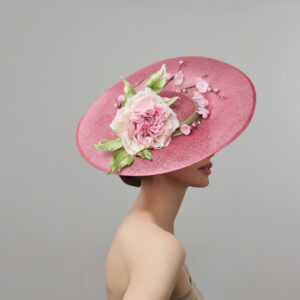
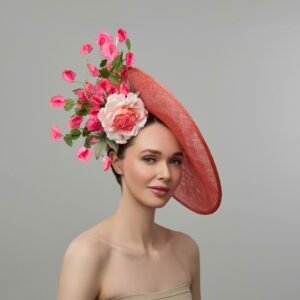
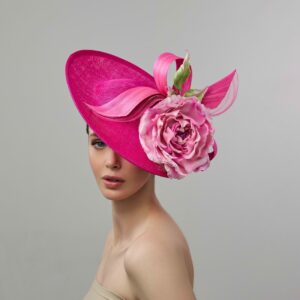
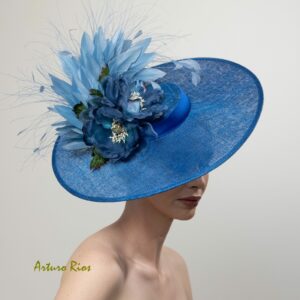
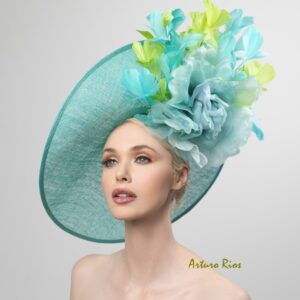
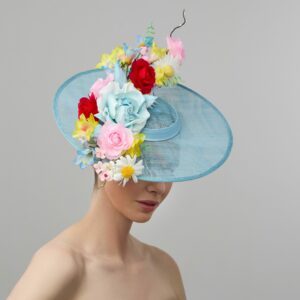
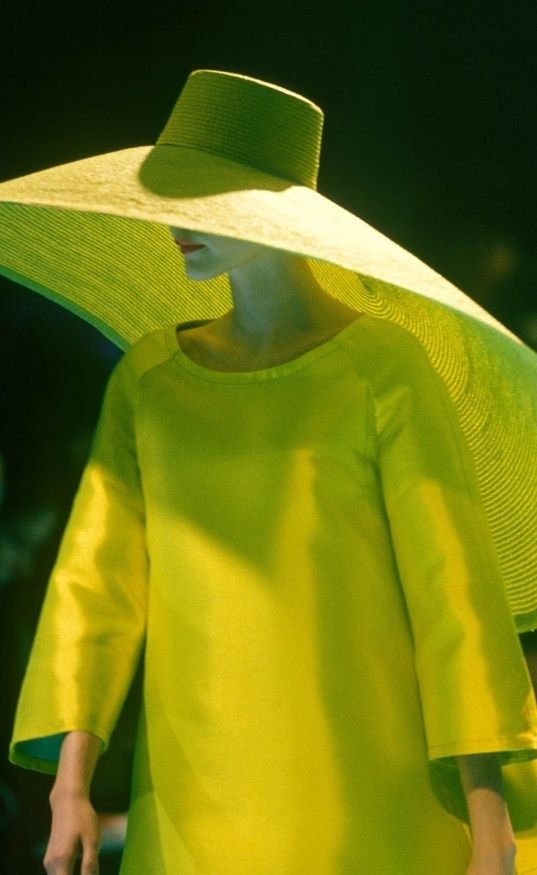
Wide-Brimmed Hats: These create a dramatic, elegant silhouette and are often made from fine sinamay, sisal, or felt.

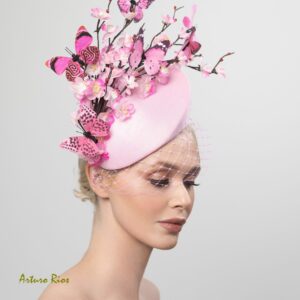
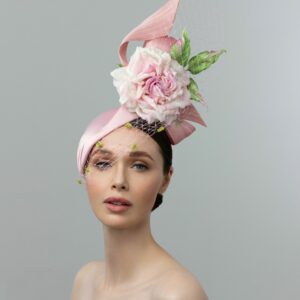
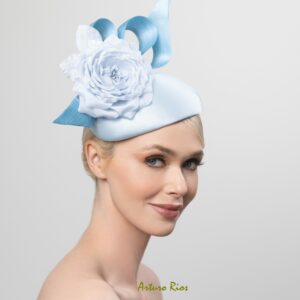
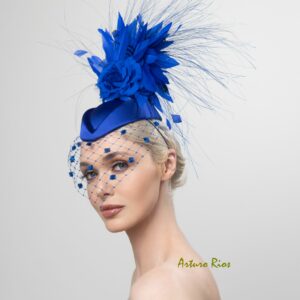
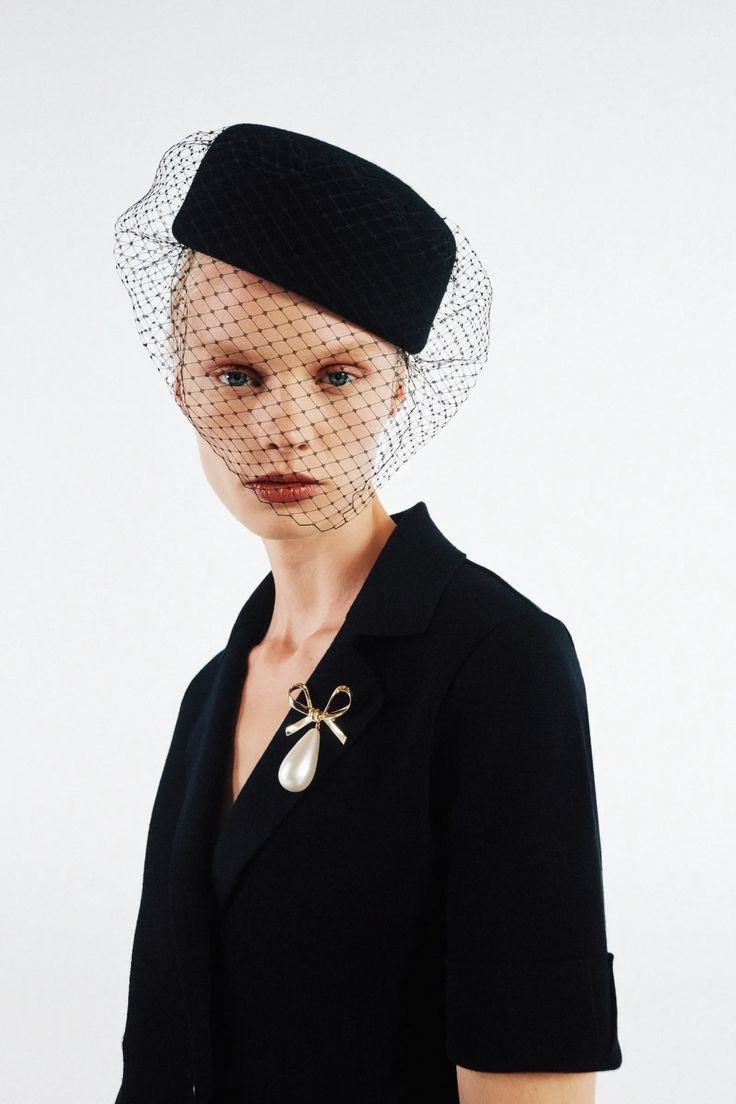
Pillbox Hats: Made famous by figures like Jackie Kennedy, these small, rounded hats sit on top of the head and are often adorned with veiling or luxe fabrics for a retro-chic look.

Materials and Craftsmanship

Couture millinery focuses on artisanal techniques and premium materials that distinguish these pieces from mass-produced headwear.

Materials: High-end pieces use fur felt, silk taffeta, ostrich feathers, and hand-sewn lace.

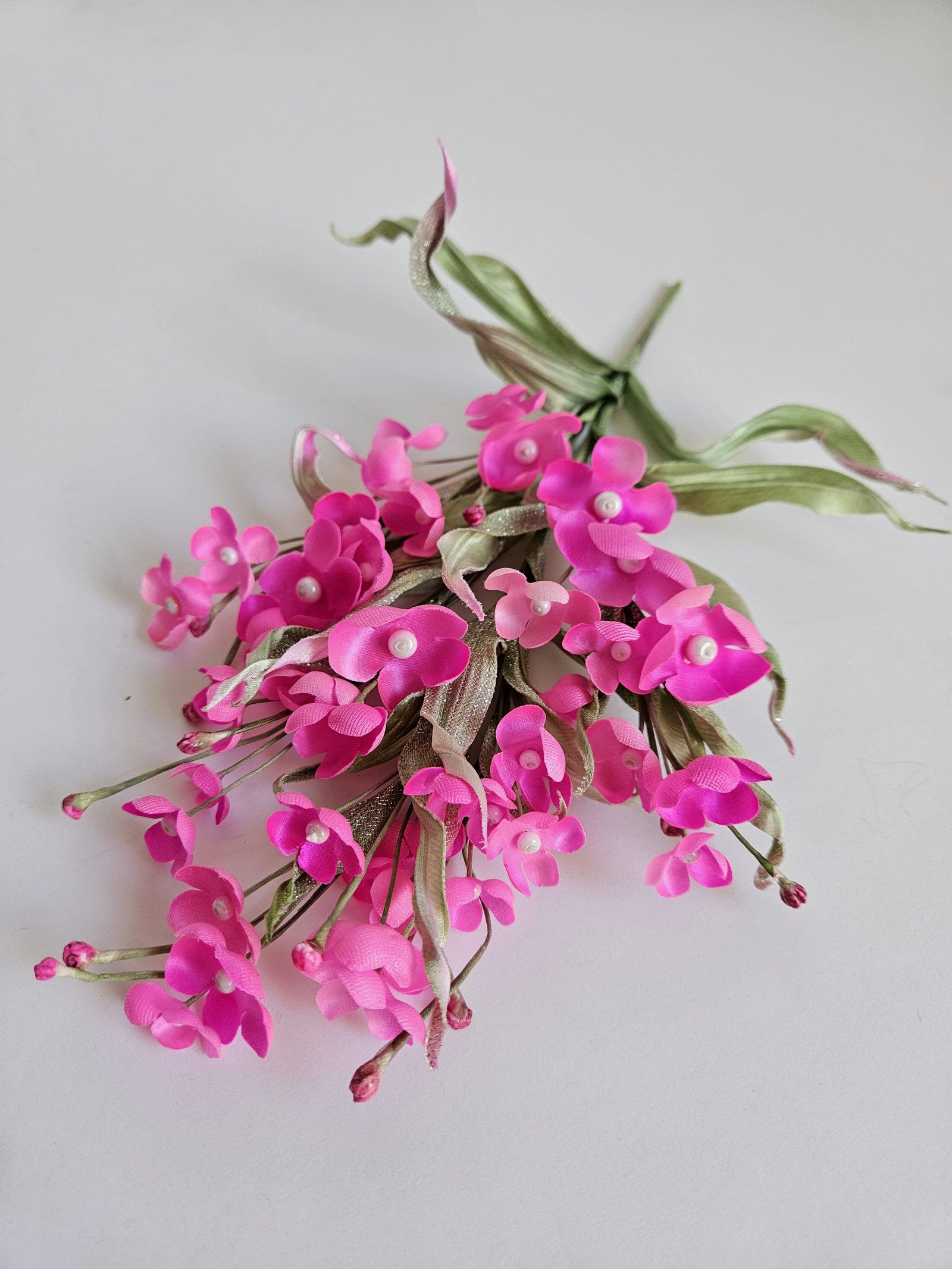
Embellishments: Typical decorations include handcrafted fabric flowers, Swarovski crystals, pearls, and intricate birdcage veils.
We think an educated client (never a "customer") is preferred. Arturo also believes in being generous with his knowkledge as others have been generous with theirs to him.

This article is part of our series that explores and celebrates different aspects of millinery. Arturo Rios has created new techniques, forms and modes of constructing the world's finest hats and he wants to share and open the discussion with you.

We welcome everyone to discover how millinery is expanding, changing and evolving. Let us know your thoughts!


Classic Forms

Millinery has a long history. In this series of posts, we delve deeper into the specifics of each type of hat. Pillboxes, fascinator and derby hats are just the beginning. And Arturo wants to assist in your discovery!

Techniques

Hat-making has it's own vocabulary; definitions, terms, slang. We're here to talk about the components that make great hats.

Colors

Arturo has a unique sense of flowers. He also uses his deep understanding of how colors work and how they influence us.
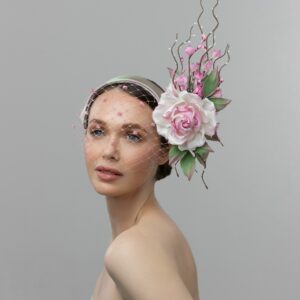
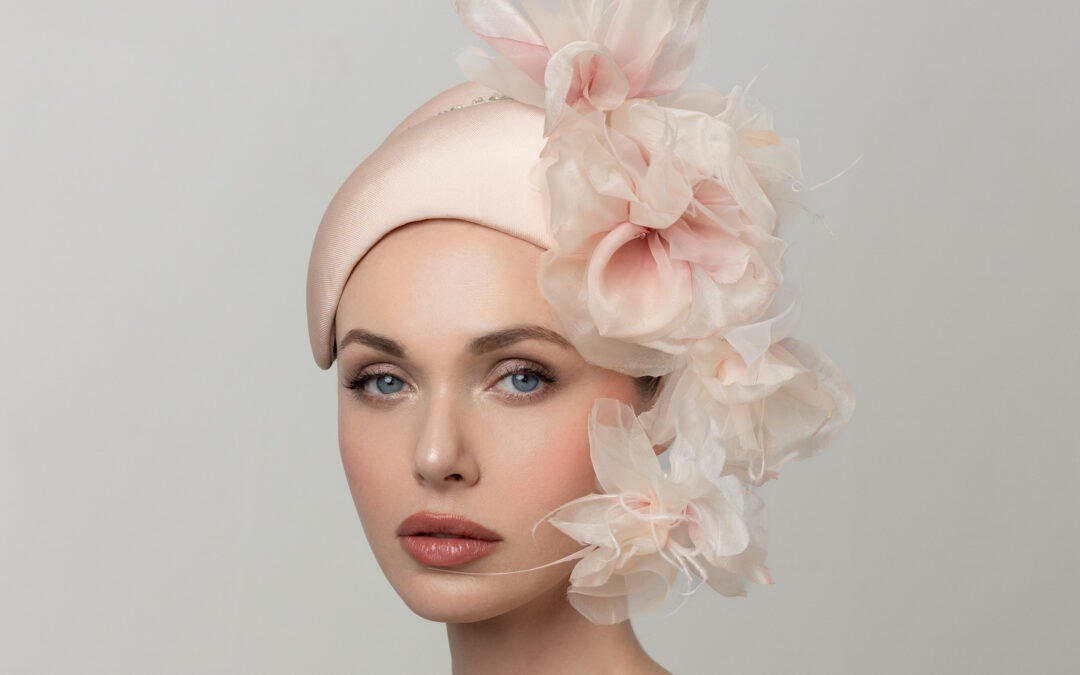
Colors: Pink Influences

Colors: Pink Influences

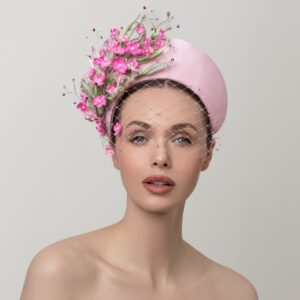
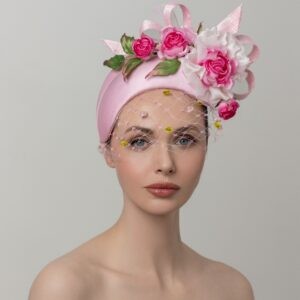
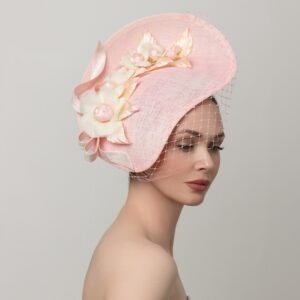
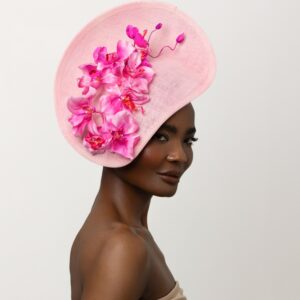
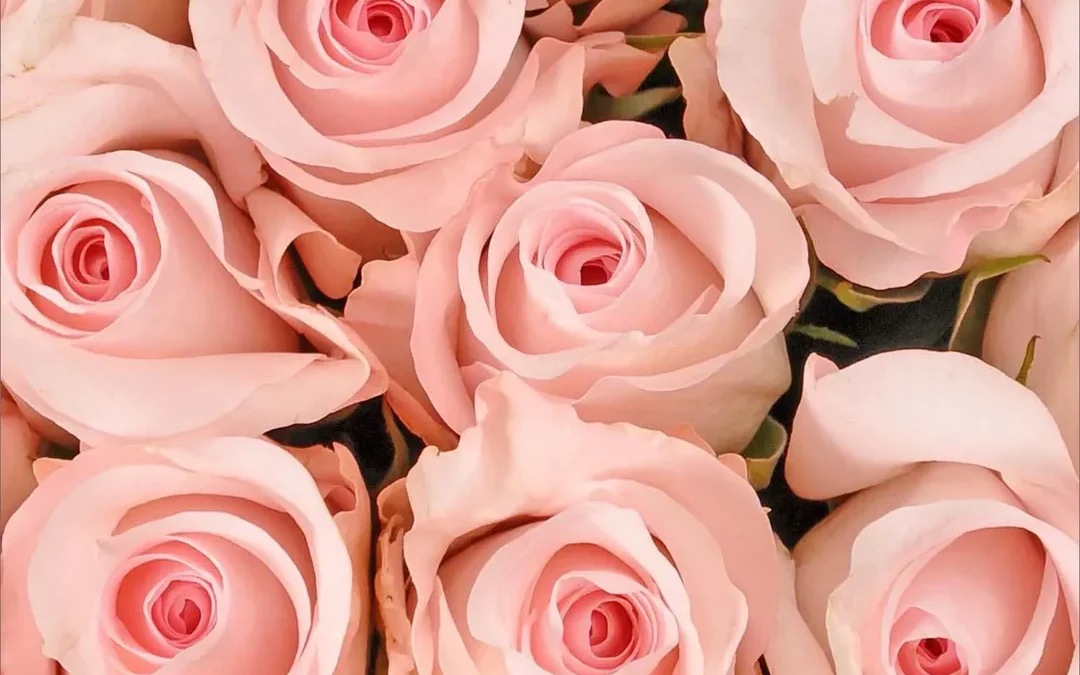
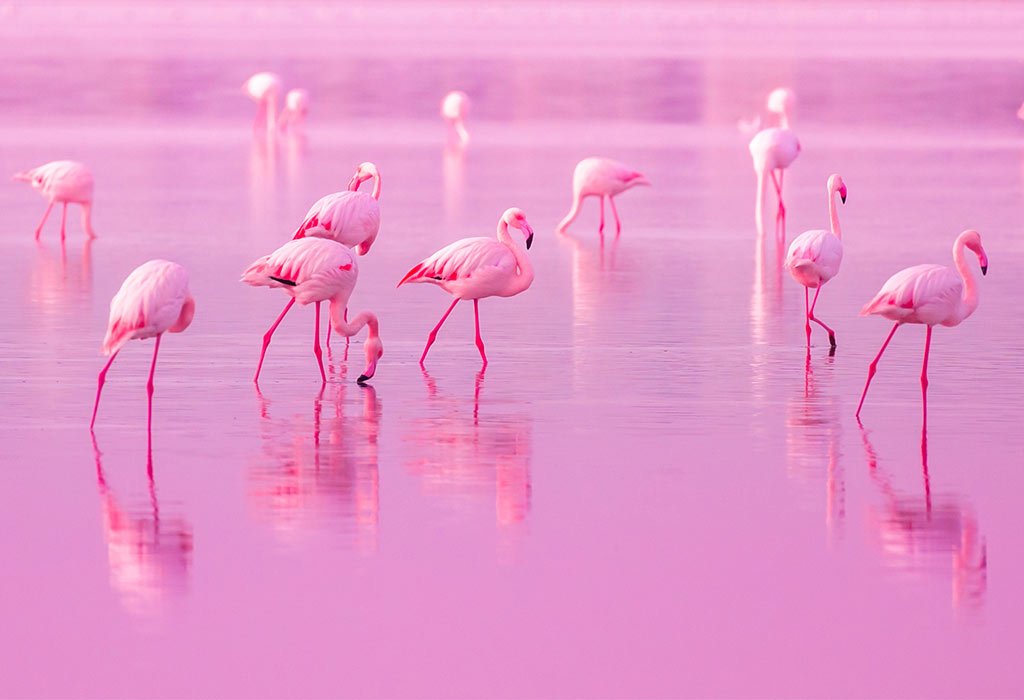
Mix red and white, and you get pink. Pink has many different shades, intensities, and variations ranging from orange-based salmons through blue-based berry tones, but for most, pink is recognized as a pale red.

Pink is, however, not so simple. It is sophisticated and elegant. It communicates youth, passion, love and endearment. It is associated with concepts of feminity, sweetness, naïveté and compassion. 

From its historical roots to its contemporary interpretations, pink serves not only as a visual statement but also as a symbol that conveys complex narratives about femininity, youth, and even rebellion.

Arturo continues to explore innovative techniques and styles to express the color pink's universal appeal.

Color is more than just eye candy; it’s a powerful communicator in the fashion world. Different hues evoke different feelings and reactions. For Arturo, this means that choosing the right color can sway the wearer’s confidence, happiness, and even moods. 


Pink in the 18th and 19th Centuries

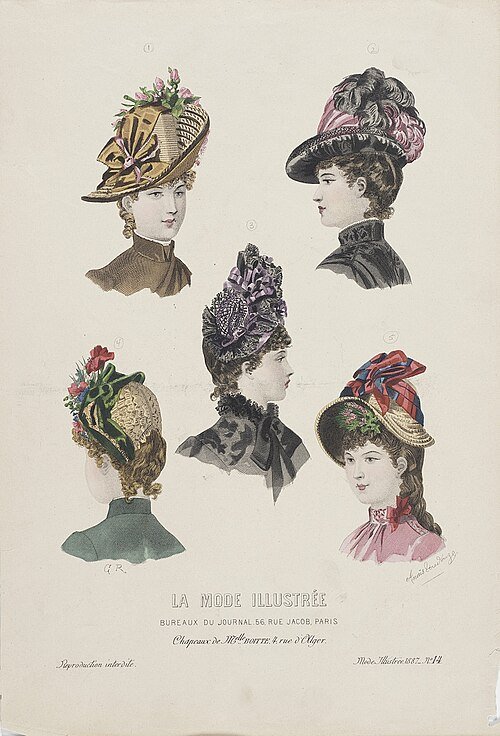
Back in the day—think powdered wigs and corsets—pink was a color of privilege and status. It was favored by the aristocracy, who donned it for its playful yet posh vibe.

Milliners used soft pink silks and velvets, making hats that were not merely functional but also symbols of wealth. During this time, pink was a bold choice, reserved for those who could afford to flaunt it. As the centuries rolled on, it stuck around, evolving from a royal hue to a favorite of the masses.

The Evolution of Pink in Millinery through the Decades

Fast forward to the 20th century: pink bounced around like a fashionable game of hopscotch. From the flapper era, where it was used in daring designs, to the post-war fascination with femininity, pink became a staple in women’s fashion. As decades passed, styles shifted, and so did the shades of pink in millinery. Baby pink gave way to hot pink, and by the time the ‘80s rolled around, neon pink burst onto the scene like it owned the block. Each era redefined pink’s place in hats, from elegant fascinator to oversized sun hat, making it an ever-evolving symbol of style.

The Associations of Pink with Femininity and Romance

Pink has long been associated with all things girly and romantic—think roses, candy floss, and that dreamy princess aesthetic. In millinery, this translates into designs that embrace softness and allure. A pink hat can evoke feelings of tenderness and warmth, making it a favorite for weddings and special occasions. It’s the color choice that says, “I’m here to look adorable and maybe just a tad fabulous.” With its romantic undertones, pink allows wearers to express their softer side while still making a bold statement.

Pink as a Symbol of Playfulness and Youth

Beyond romance, pink embodies a sense of fun and youthfulness. Who doesn’t feel a little lighter hearted in a bright pink beret? The color has a knack for infusing a touch of play into any ensemble, reminding us not to take life too seriously. Arturo often uses pink to create whimsical designs that evoke laughter and joy, perfect for festivals or casual outings. Essentially, a pink hat is like wearing happiness on your head—an invitation to embrace the lighter side of life.

Combining Pink with Other Colors and Textures

Pink is like that friend who gets along with everyone at the party—versatile and adaptable! Pairing pink with neutral tones like beige or gray can evoke a subtle elegance, making it perfect for sophisticated outings. For a more playful touch, combine it with bright colors like turquoise or yellow. Textures also play a huge role; a silky pink fabric with a matte black will create a striking contrast, while a lace overlay can add a touch of romance.

Colors: Which Blue?

Colors: Which Blue?

TRUE BLUE

Blue has a profound impact on human psychology and global culture. It is the color of trust, protection and honesty. It instills calm, peace and tranquility.

Blue Origins

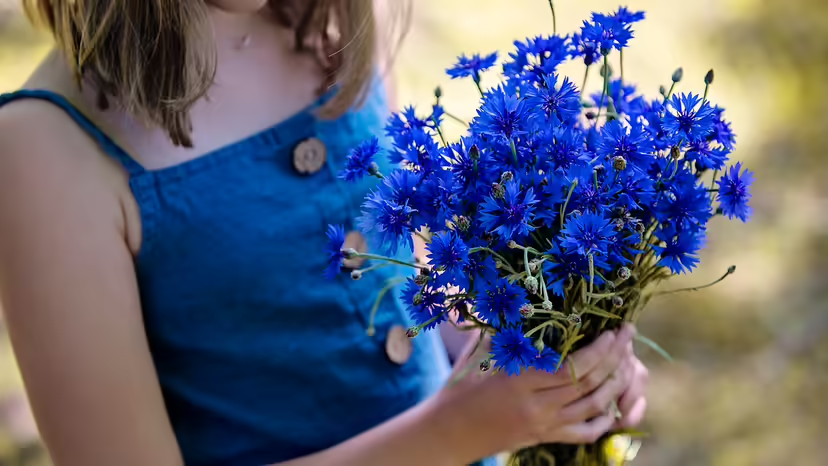
Blue is often derived from minerals and  plants although a “true blue” in both forms is exceedingly rare. Often, what appears to our eye as blue is a physics trick. Iridescent feathers, for instance, or tiny cilia on plants refract the light making it appear blue to the human eye, much like how the sky seems blue as water molecules suspended in the air have the same effect.

Royal Colors

Due to the scarcity of available blue pigment, blue pigment is incredibly arduous to manufacture. The complexity of sourcing and processing the little natural blue color found makes it, historically, the most expensive primary color to create. It was, therefore, exclusively reserved for society’s nobility and royalty. To this day, blue expresses wealth, stature and class.

Versatility

Light shades of blue are appropriate for almost any situation. Baby blue, sky blue, pastel blue, aquamarine are all great for spring and summer events. Their light tones reflect well with summer gardens, beach weddings and teas.

Navy blue’s depth and stature make it an excellent choice for evening, formal and winter events. It pairs wonderfully with different shades and tints of greens, oranges, reds, yellows, and even purples.

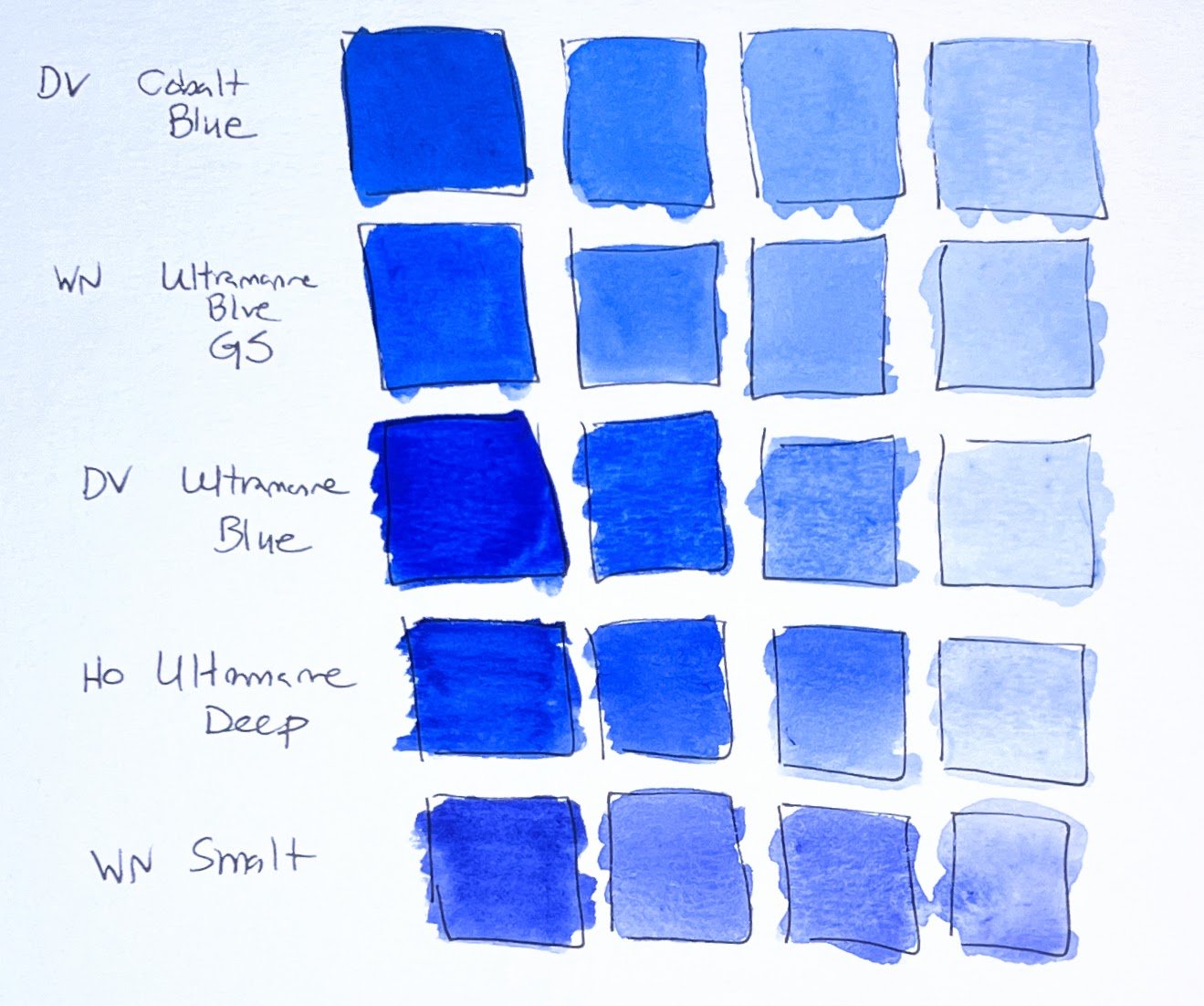
Cobalt

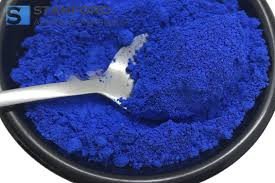
Cobalt blue is a vibrant, stable blue pigment made from cobalt aluminate, used for centuries in ceramics (like Chinese porcelain) and glass, offering a cheaper alternative to lapis lazuli, but the element itself is vital for health (B12) and tech (batteries, alloys) but toxic in excess, with its name coming from German "goblin" for its difficult ores, historically used by ancient Egyptians and Romans for coloring

Blue In Nature (Light & Biology)

  • Light Scattering: The sky is blue because air molecules scatter shorter blue wavelengths of sunlight more effectively (Rayleigh scattering). Deep water looks blue because it absorbs other colors, reflecting blue light.
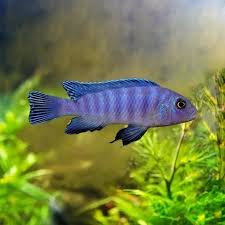
  • Structural Color: Many vibrant blues (birds, butterflies, some plants) aren't from pigment but from microscopic structures that interfere with light waves, like iridescent feathers.
  • Pigments: The rare true blue pigment in animals (like the obrina olivewing butterfly) or plants (like the butterfly pea flower's anthocyanins). 

In Art & Industry (Pigments & Dyes)

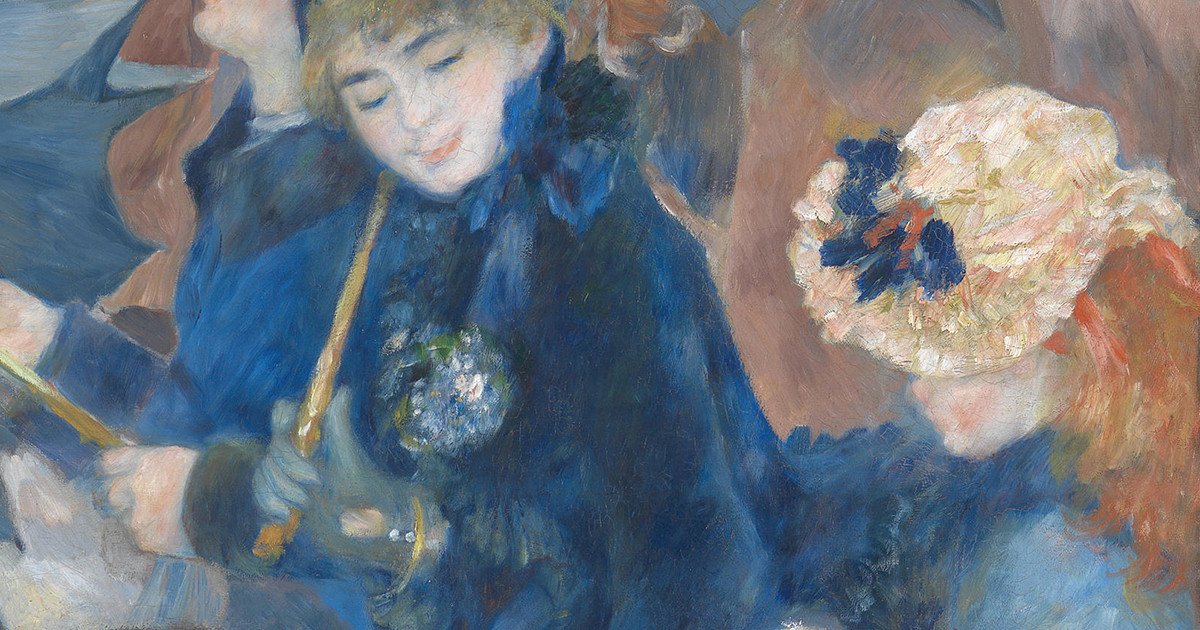
  • Lapis Lazuli: A semi-precious stone from Afghanistan, ground into ultramarine, once more precious than gold and used for royalty and religious figures (like the Virgin Mary).
  • Indigo: A plant-based dye used globally for textiles, providing a deep blue color.
  • Egyptian Blue: One of the first synthetic pigments, created by ancient Egyptians around 3300 BCE.
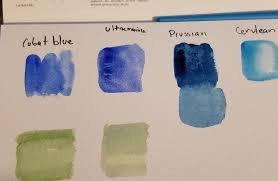
  • Modern Synthetics: Compounds like Phthalo Blue offer stable, strong blue color for paints, inks, and dyes today. 

Linguistic Origin

  • The English word "blue" comes from Germanic roots, but historically, many languages grouped blue with green or gray (e.g., Welsh "glas") or used words for "sky-colored," highlighting its rarity as a distinct concept before pigments were common. 

We think an educated client (never a "customer") is preferred. Arturo also believes in being generous with his knowkledge as others have been generous with theirs to him.

This article is part of our series that explores and celebrates different aspects of millinery. Arturo Rios has created new techniques, forms and modes of constructing the world's finest hats and he wants to share and open the discussion with you.

We welcome everyone to discover how millinery is expanding, changing and evolving. Let us know your thoughts!


Classic Forms

Millinery has a long history. In this series of posts, we delve deeper into the specifics of each type of hat. Pillboxes, fascinator and derby hats are just the beginning. And Arturo wants to assist in your discovery!

Techniques

Hat-making has it's own vocabulary; definitions, terms, slang. We're here to talk about the components that make great hats.

Colors

Arturo has a unique sense of flowers. He also uses his deep understanding of how colors work and how they influence us.

Millinery, Feminism and an Interview with a Doyenne

Millinery, Feminism and an Interview with a Doyenne

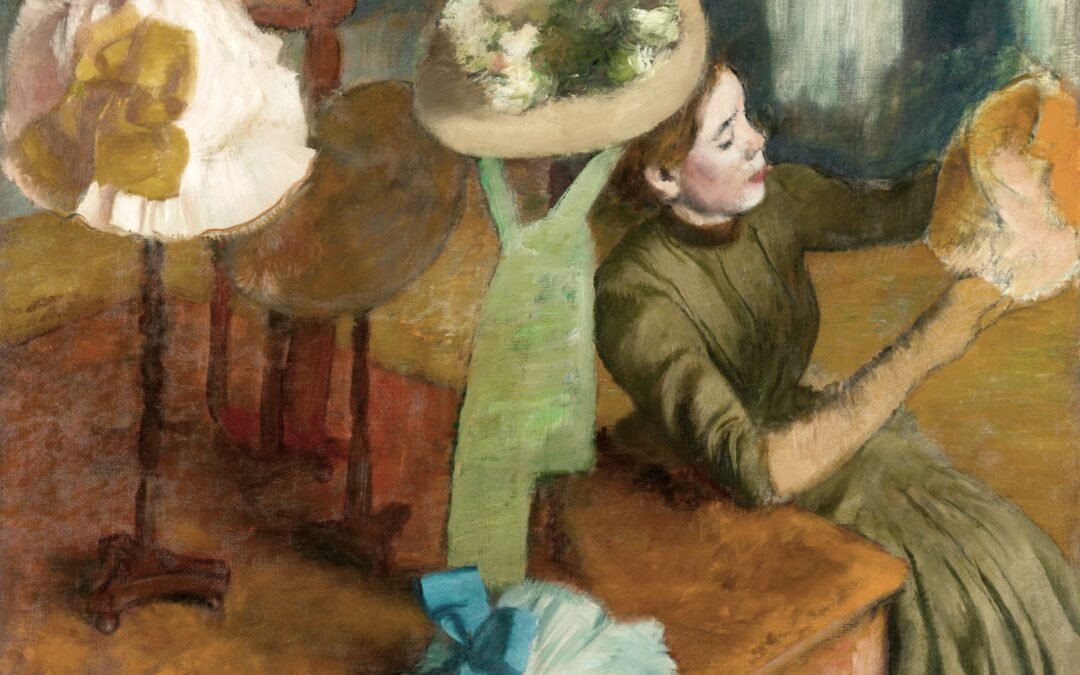
The Millinery Shop, Edgar Degas created between 1879 and 1886. It is one in a series of 27 paintings by Degas about millinery.

Pre World War II

We sat down with a veteran milliner Irene Arroyo from California Millinery Supply and talked about millinery from her decades-long career supplying the best of haute couture designers. Her insights are both detailed and expansive.

"Millinery almost disappeared entirely after WWII. Formal dress for social occassions disappeared overnight. " Ms. Arroyo says. "Before, you wouldn't dare come Downtown without being dressed."

This is a deep understanding of millinery from a professional. And what she has to say about Feminism still rings true.

"It was a throwing off of all decorative devices."

Few people know millinery and its power as well as our vendor.

There is a "millinery resurgence," though. We can see it at special events, awards shows, music videos and on celebrities. Arturo has worked with some of the most prominent celebrities and socialites to prepare them for a grand entrance.

How We Appear

Millinery is not an isolated art form. It conveys more than style. It announces your grace and beauty. Wearing an Arturo Rios hat assures that you can walk into any venue and be the center of attention with grace and elegance.

We've selected the finest silk veils that exist. We're excited about this new collection. It offers bold, new ways to distinguish your personal grace and beauty with confidence. We'll make an announcement to our clients as soon as we finish the details and photo shoot.

We welcome your feedback, ideas and comments. Stay tuned!

Details Matter 

There is a little known millinery adornment: millinery berries.

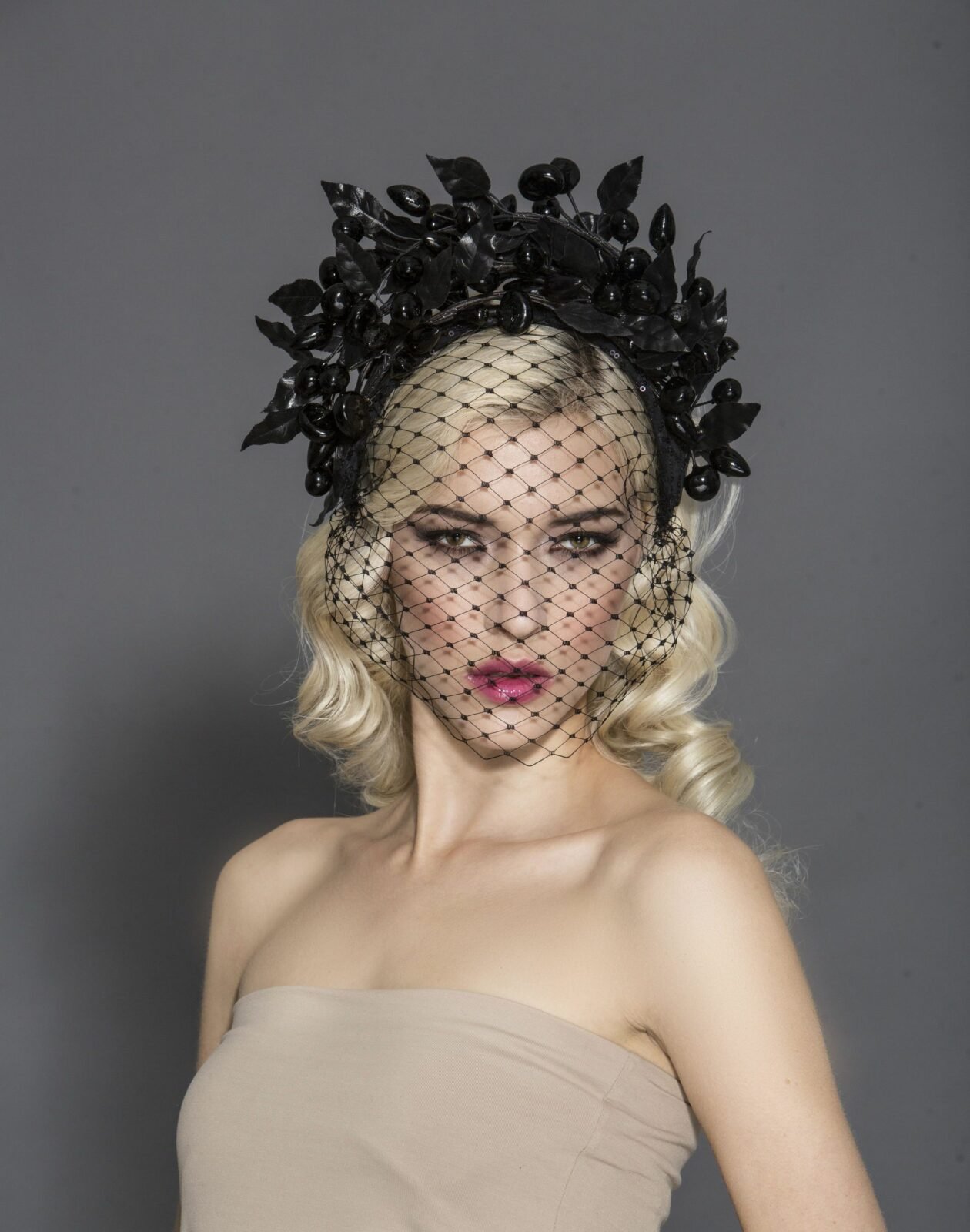
They offer a wonderful focal point and enhance any haute couture ensemble. They shine, playfully. Joyously and distinguish a haute couture hat from others.

Millinery berries are constructed of aged,  spun cotton with hollow cores. They are coated in a deep lacquer which offers a dazzling impression.

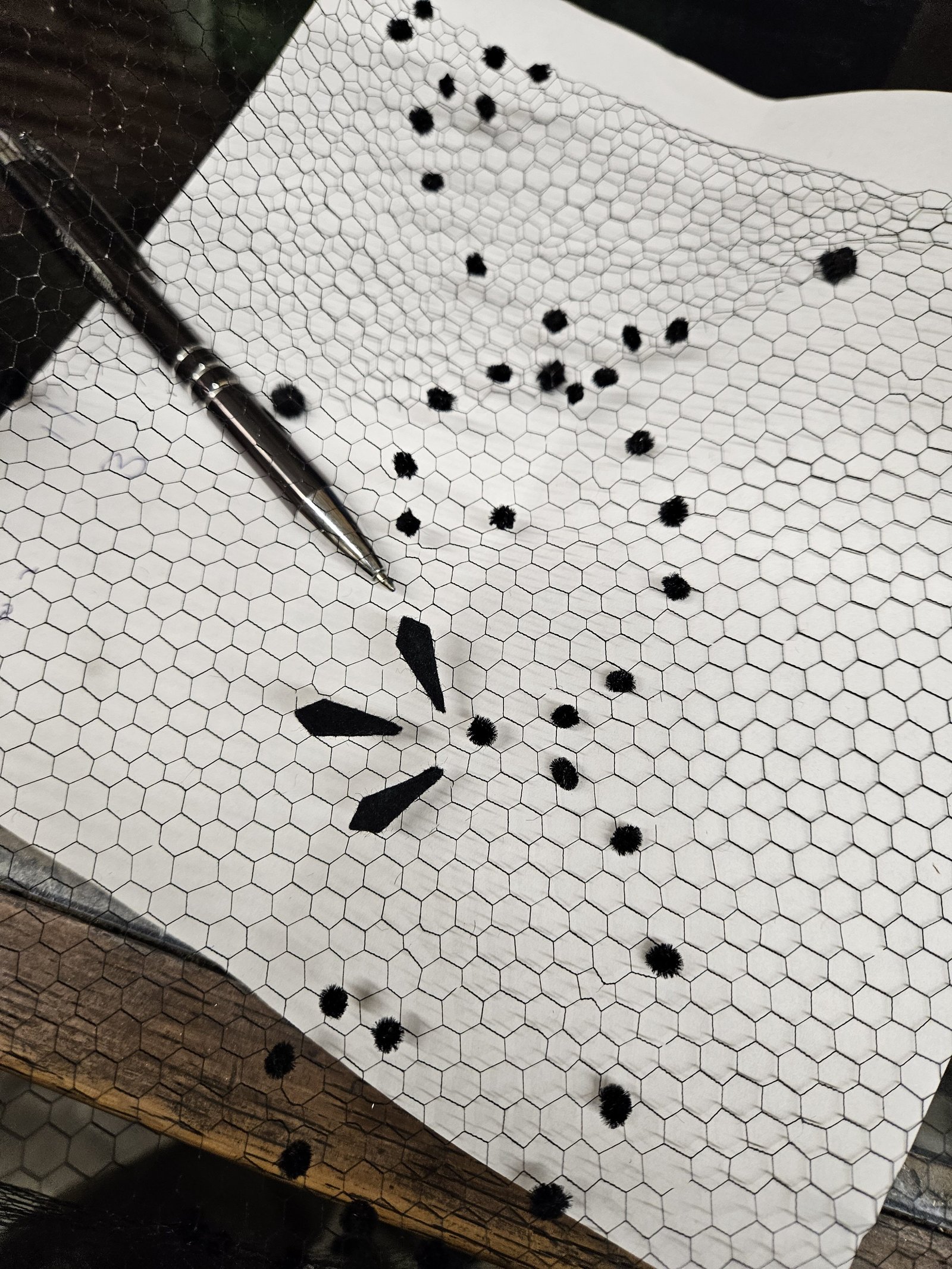
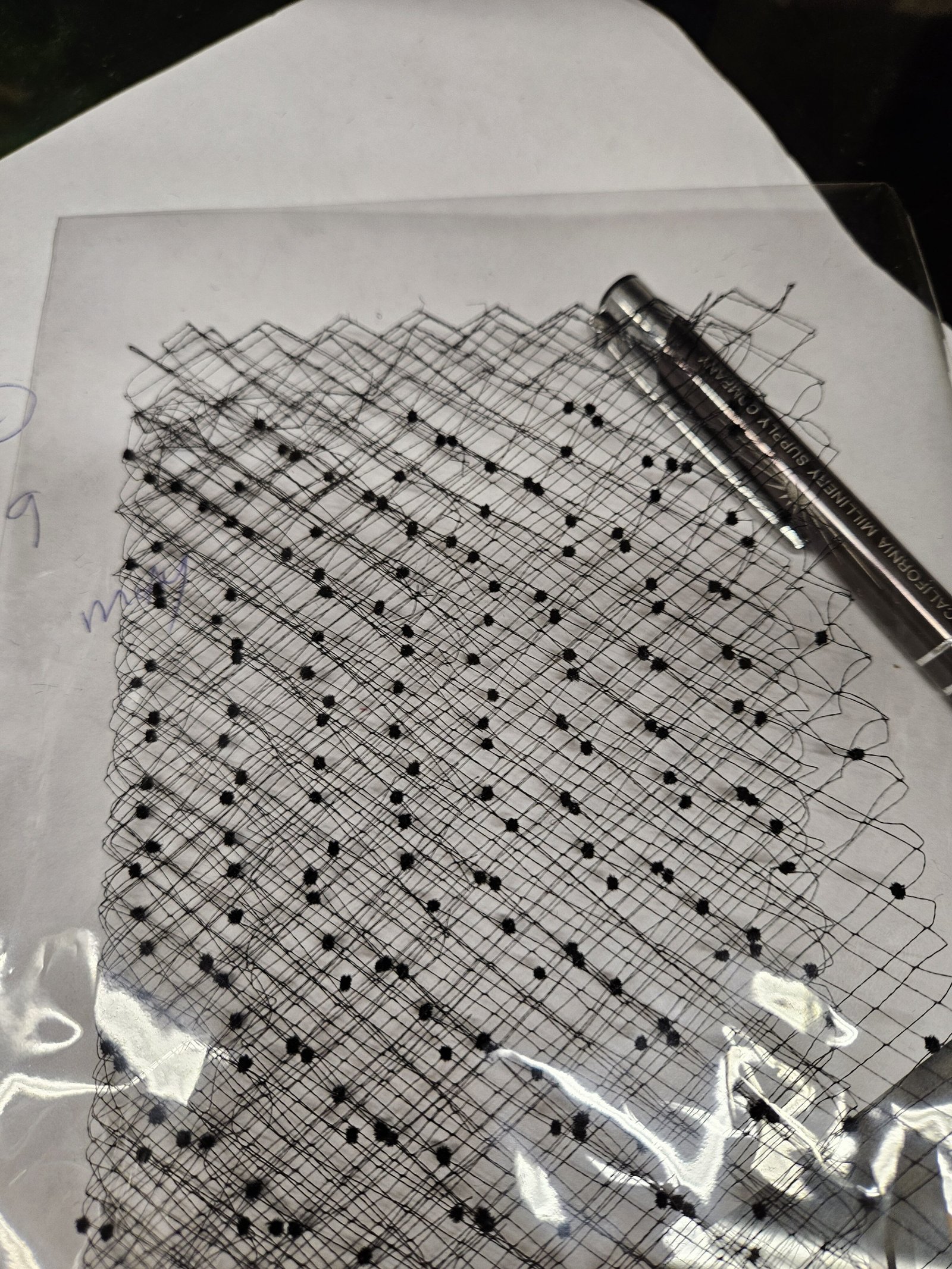
The chenille velvet dots used on the veils are placed individually, which is a very detailed and delicate process.


We think an educated client (never a "customer") is preferred. Arturo also believes in being generous with his knowkledge as others have been generous with theirs to him.

This article is part of our series that explores and celebrates different aspects of millinery. Arturo Rios has created new techniques, forms and modes of constructing the world's finest hats and he wants to share and open the discussion with you.

We welcome everyone to discover how millinery is expanding, changing and evolving. Let us know your thoughts!


Classic Forms

Millinery has a long history. In this series of posts, we delve deeper into the specifics of each type of hat. Pillboxes, fascinator and derby hats are just the beginning. And Arturo wants to assist in your discovery!

Techniques

Hat-making has it's own vocabulary; definitions, terms, slang. We're here to talk about the components that make great hats.

Colors

Arturo has a unique sense of flowers. He also uses his deep understanding of how colors work and how they influence us.
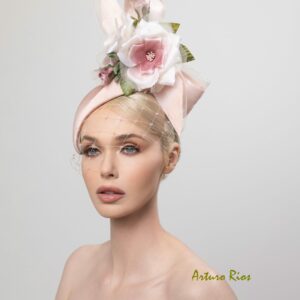
When to Wear a Couture Hat: Turning Ordinary Into Unforgettable

When to Wear a Couture Hat: Turning Ordinary Into Unforgettable

Imagine stepping into a room where your entrance lingers in memory. The light catches on fine feathers, silk ribbons, or a tilt of unexpected color. Heads turn. There's something timeless about a couture hat—a piece that doesn't just complete an outfit, but transforms its wearer into a story worth telling. These hats are more than accessories. They're bold statements, a nod to elegance, and a celebration of standing out. Whether worn by royalty or rebels, a couture hat never goes unnoticed.
Every hat has its moment. Sometimes, the moment finds you.

The Signature Moments for Wearing a Couture Hat

In every culture, special events stand out because of what we wear. Couture hats, more than anything else, set the mood for unforgettable celebrations. They're not just about fashion. They're about respect, tradition, and a fierce sense of fun. At weddings, races, teas, and secret garden parties, the right hat speaks volumes before you even say hello.

Weddings: Celebrating in Style

In British tradition, a couture hat at a wedding signals more than fashion—it reflects respect and joy for the couple. Mothers of the bride wear hats steeped in family pride, while guests choose playful pieces that match the spirit of the day. In France and Italy, women often grace “matrimonio” ceremonies with wide brims, soft felt, or veiled fascinators.

Wearing a hat at a wedding means knowing your role. Bridal parties wear coordinated hats for a polished look. Guests opt for something expressive but not distracting. Neutral shades and soft pastels glow during daytime ceremonies. Evening weddings call for flair—bold feathers, dramatic shapes, and elegant veils.

A well-chosen couture hat at a wedding shows respect for the hosts and honors the occasion. It also signals that you came to celebrate in full color.

Races and Social Events: Turning Heads at the Track

Some events make hats almost mandatory, and no place is more famous for it than the racetrack. The Royal Ascot in England and the Kentucky Derby both set the stage for wild creativity and bold personal style. Here, the hat isn't just an accessory—it's your ticket to the celebration.

On race day, “hat-watching” can be more thrilling than horse-watching. Flower towers, vintage silhouettes, and extravagant trims fill the sky. There are rules, though: hats should never block someone else's view, and comfort is key, because you'll wear it for hours.

These events ask for hats that might be too much elsewhere, but fit right in here. Express yourself, spark up a conversation, and savor the feeling of being part of a century-old tradition.

Key moments for couture hats at the races:

  • Derby day
  • Steeplechase parties
  • Trackside charity events

Tea Parties and Seasonal Galas: Adding Magic to Traditions

Afternoons glow brighter at a tea party or garden gala. These gatherings are an escape from the expected, where pastel hats nod to rose gardens and clinking china. Whether at an English high tea or a spring charity affair, a couture hat marks the moment as special.

Tea hats are less about drama and more about charm. Think smaller brims, delicate details, or net veils that catch the light just right. Seasonal galas call for hats that echo the setting—flowers in spring, bold colors in summer, velvet for winter glamour.

By choosing to wear a couture hat, you lift the whole event. Suddenly, a simple table in the garden transforms into a scene from a favorite novel.

Perfect events for a tea or gala hat:

  • Afternoon teas
  • Garden parties
  • Boutique fundraisers
  • Seasonal balls

Personal Style and Everyday Elegance: Extending the Couture Hat Beyond Events

While many see couture hats as reserved for big ticket events, their true power shines when they become part of your daily style. Wearing a hat for no reason except your own joy is an act of confidence and self-celebration.

Making Everyday Moments Special

Don’t wait for an invitation to the Derby to don your favorite hat. A couture piece can lift the mood on a slow Sunday or a simple brunch with friends. City strolls, gallery openings, or even a creative workshop give you freedom to play. The key is owning your choice.

Practice helps: wear your hat at home first. Notice how it feels, how you move, and how you hold your head. Compliments may come, but people sometimes stare out of admiration or curiosity. Stand tall and wear your story.

Tips to wear couture hats in daily life:

  • Start with neutral or classic styles for casual meetings
  • Pair bold hats with simple outfits to avoid feeling overdressed
  • Embrace the questions and smiles—they mean your hat made an impression

Choosing the Right Hat for the Moment

Selecting the perfect couture hat is an art. The occasion sets the tone, but your mood writes the rules. Thoughtful details can transform your look from everyday to extraordinary without sacrificing ease.

How to pick a hat you'll love to wear:

  1. Match the scale to the setting: Large brims for big, open spaces; smaller, structured hats for intimate gatherings or indoors.
  2. Mind your wardrobe: Let the hat do the talking. Pair bright or ornate hats with simple, solid colors. Save complicated prints for smaller hats.
  3. Embrace comfort: A hat should feel like a crown, not a chore. If it squeezes, scratches, or feels heavy, try another. Fashion should bring joy, not pain.
  4. Keep confidence at the center: The best hat is the one that makes you stand straighter and smile wider. Trust your first instinct.

When in doubt, bring a friend along hat shopping or ask an expert for advice. Sometimes the best style moments bloom from a little encouragement.

The Joy and Power of Knowing When to Wear a Couture Hat

Wearing a couture hat is more than dressing up. It's about stepping into your own spotlight, whether in a crowded ballroom or a quiet corner café. These hats are symbols of celebration and self-love.

Grand events beg for bold headwear, but everyday moments crave their beauty too. Don't let hats gather dust—let them witness your daily stories and make small moments memorable.

Your personal style deserves to be seen. Wear your hat with pride, let it spark joy, and watch ordinary days transform into treasured memories.