EVENTS: The Melbourne Cup

EVENTS: The Melbourne Cup

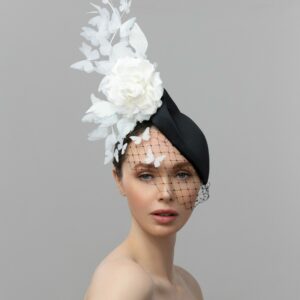
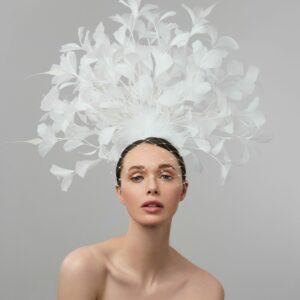
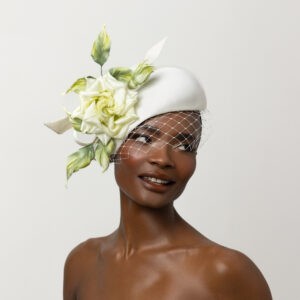
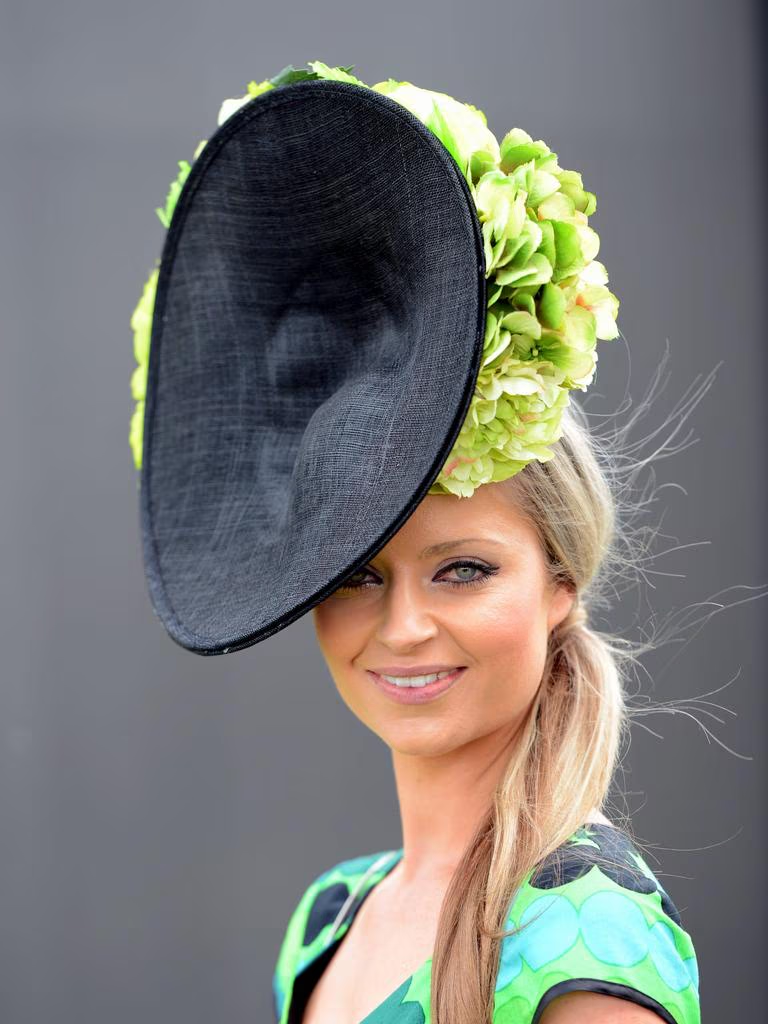
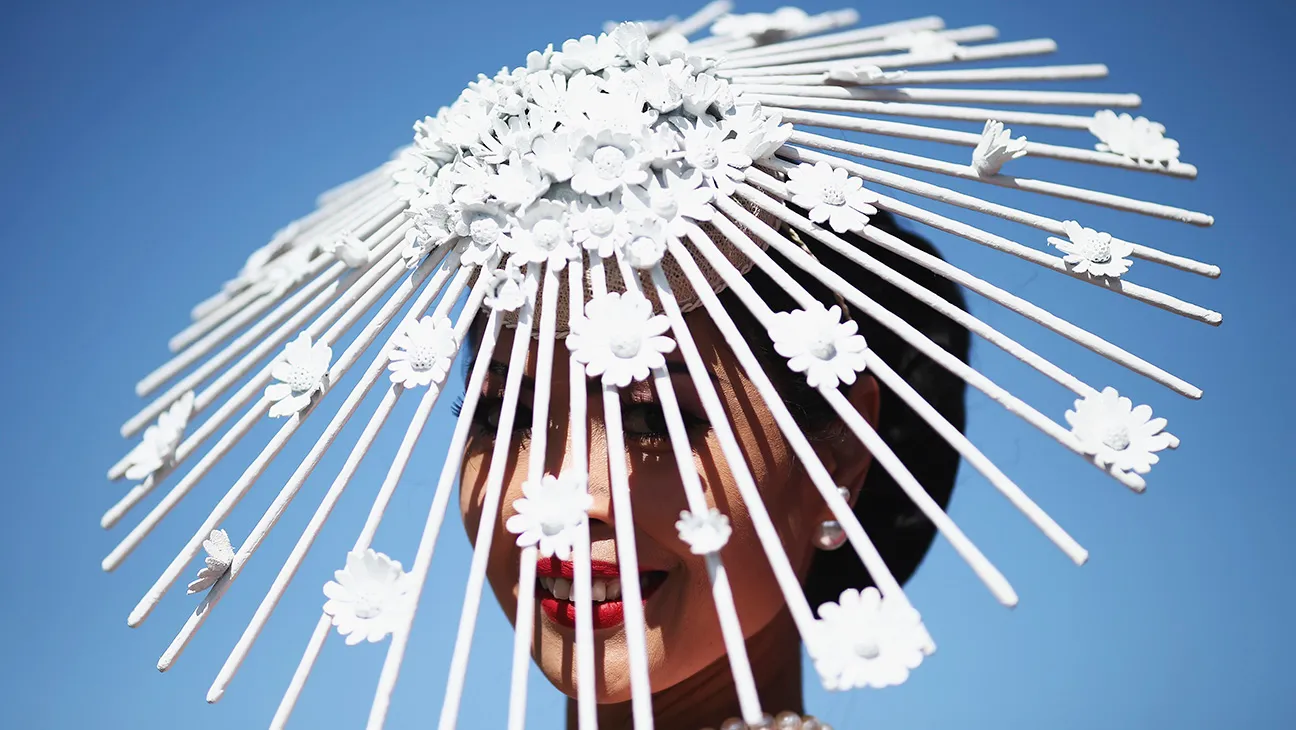
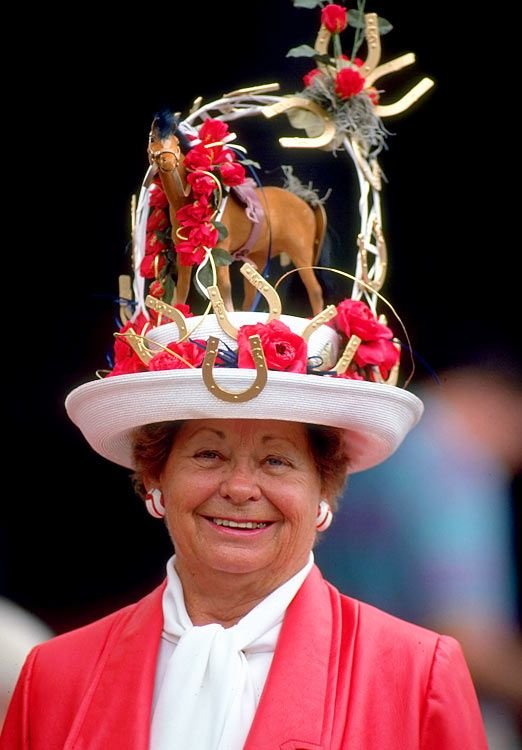
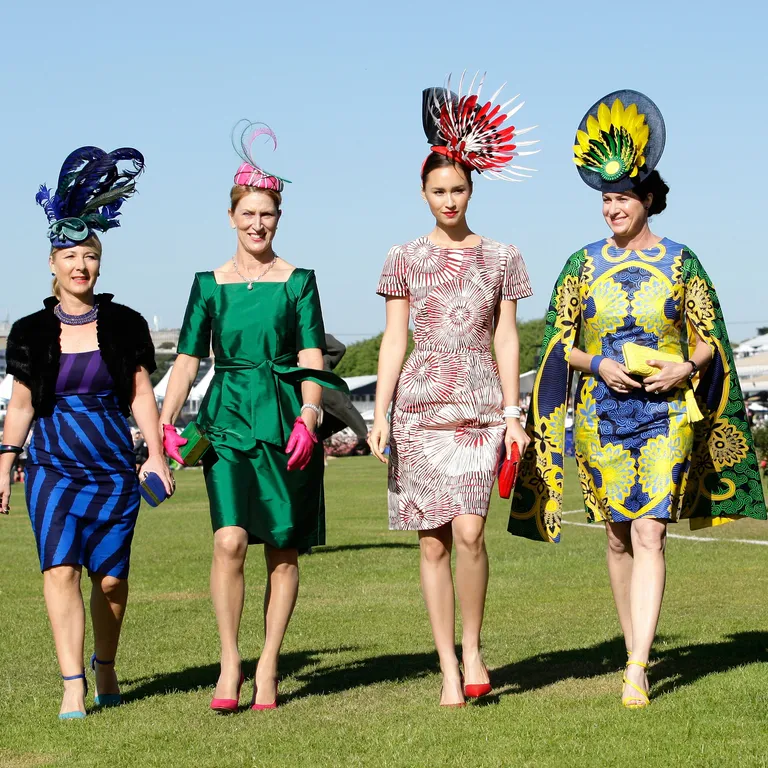
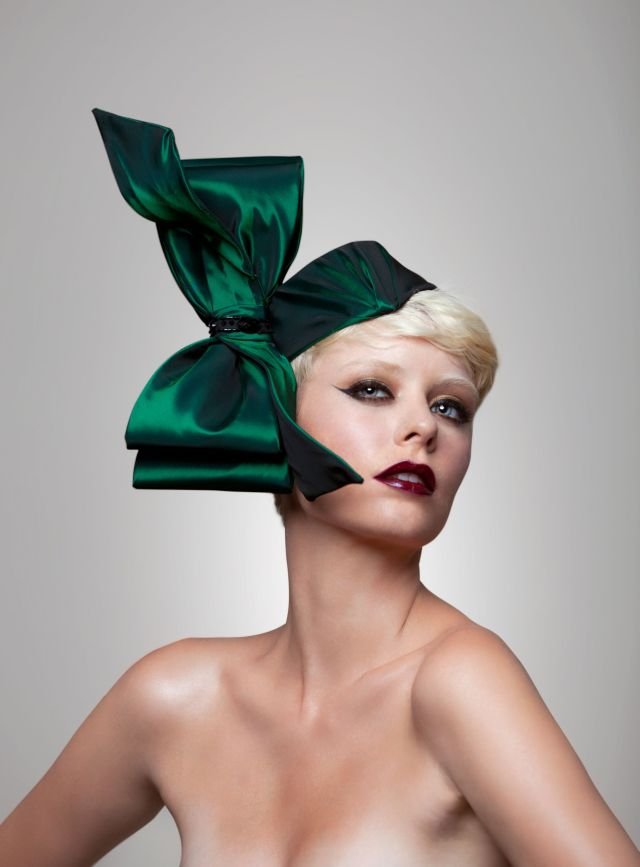
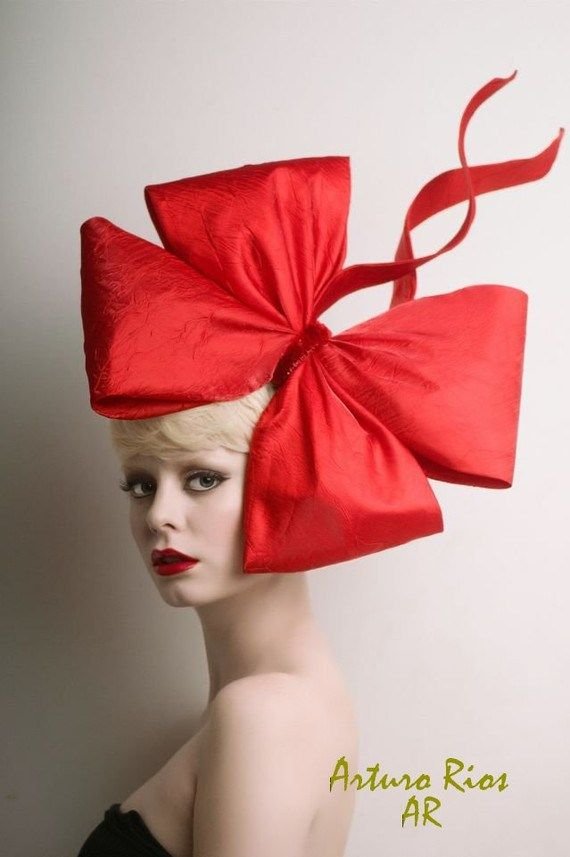
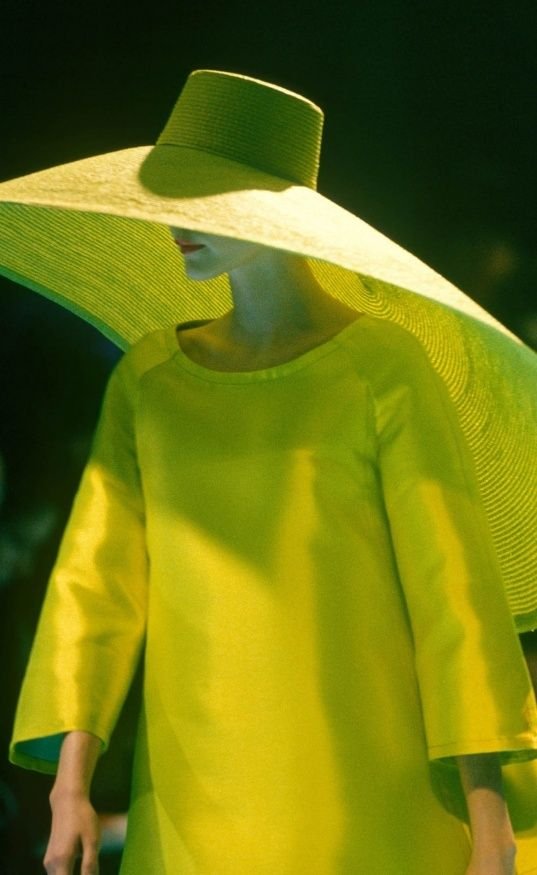
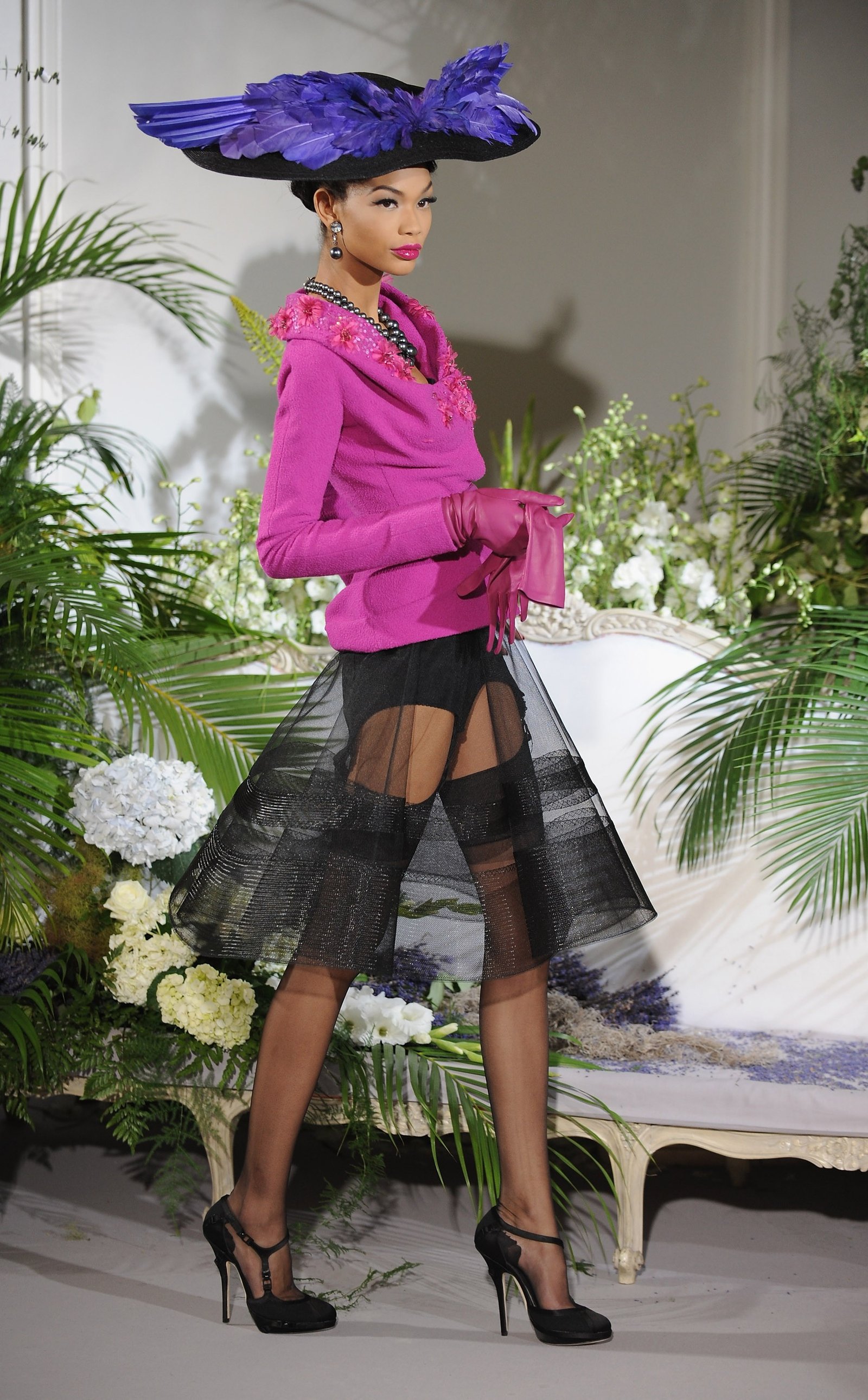
Arturo's hats have been featured prominently at the Mebourne Cup.

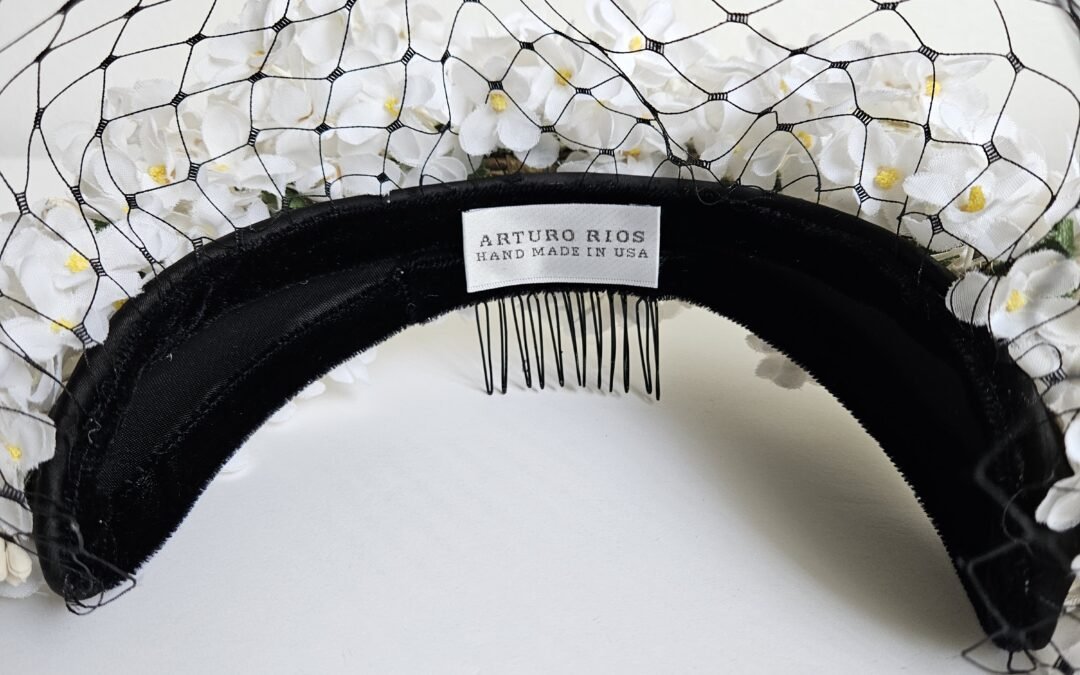
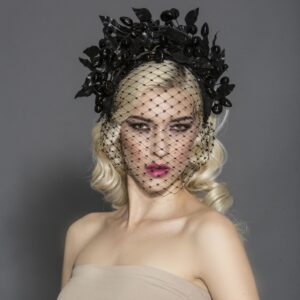
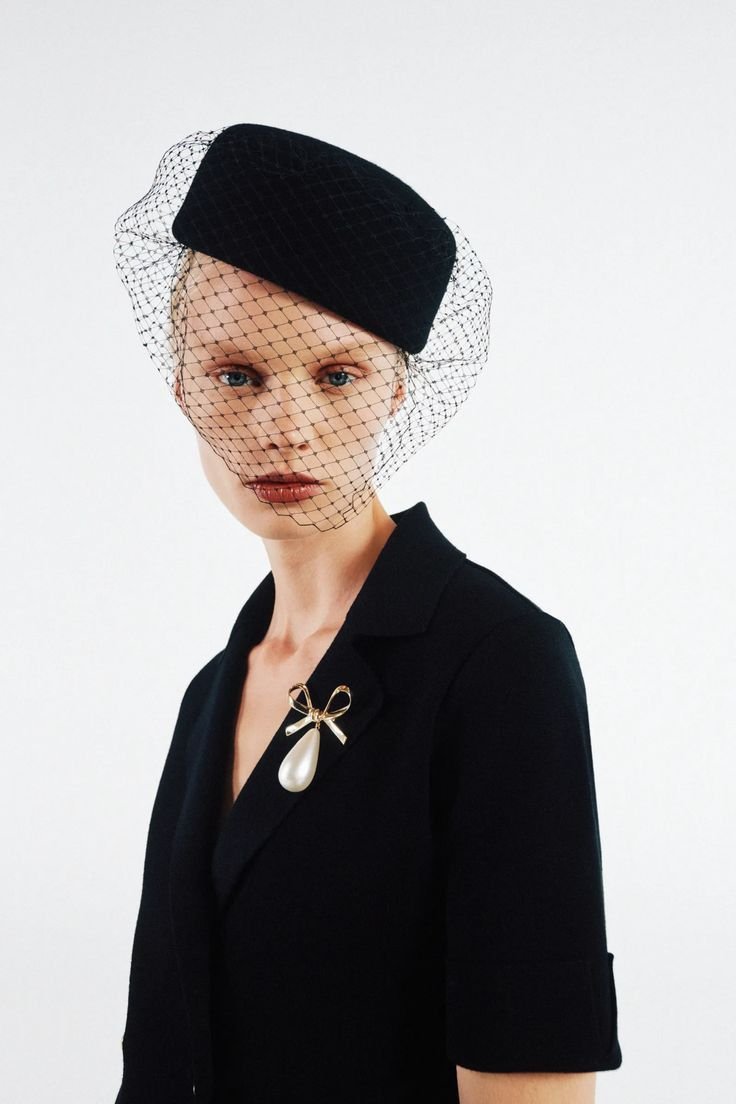
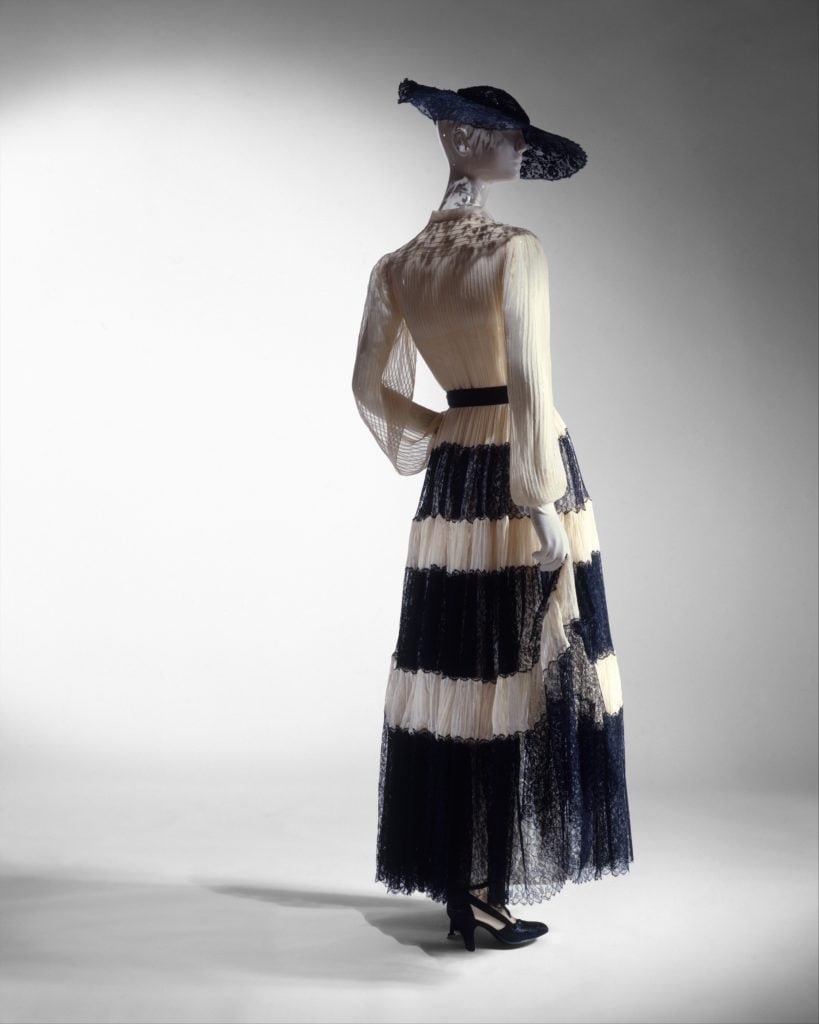
He notes that "for many women attending for the first time, black and white hats are de rigeur."

Arturo Rios offers many custom hats for this occassion, including some "Best Of" winners!

We are currently working on several bespoke hats for this date. We can accept new orders.

These will require expedited manufacture and shipping in addition to the hat's published cost. We can advise of total cost before purchase.

Let us know your interest and we would be happy to accommodate.

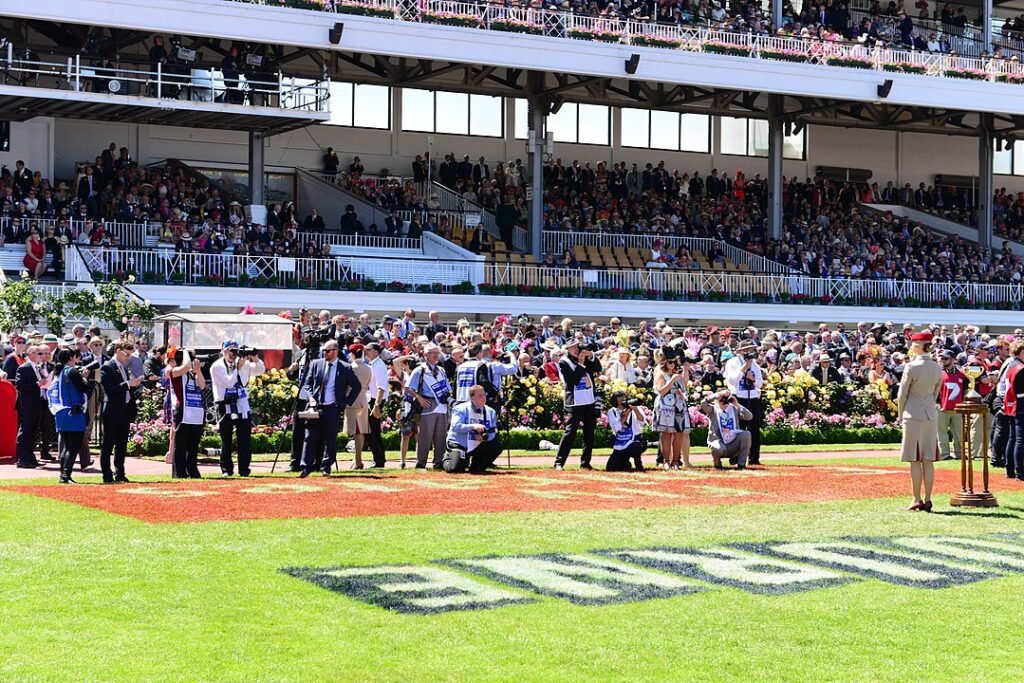
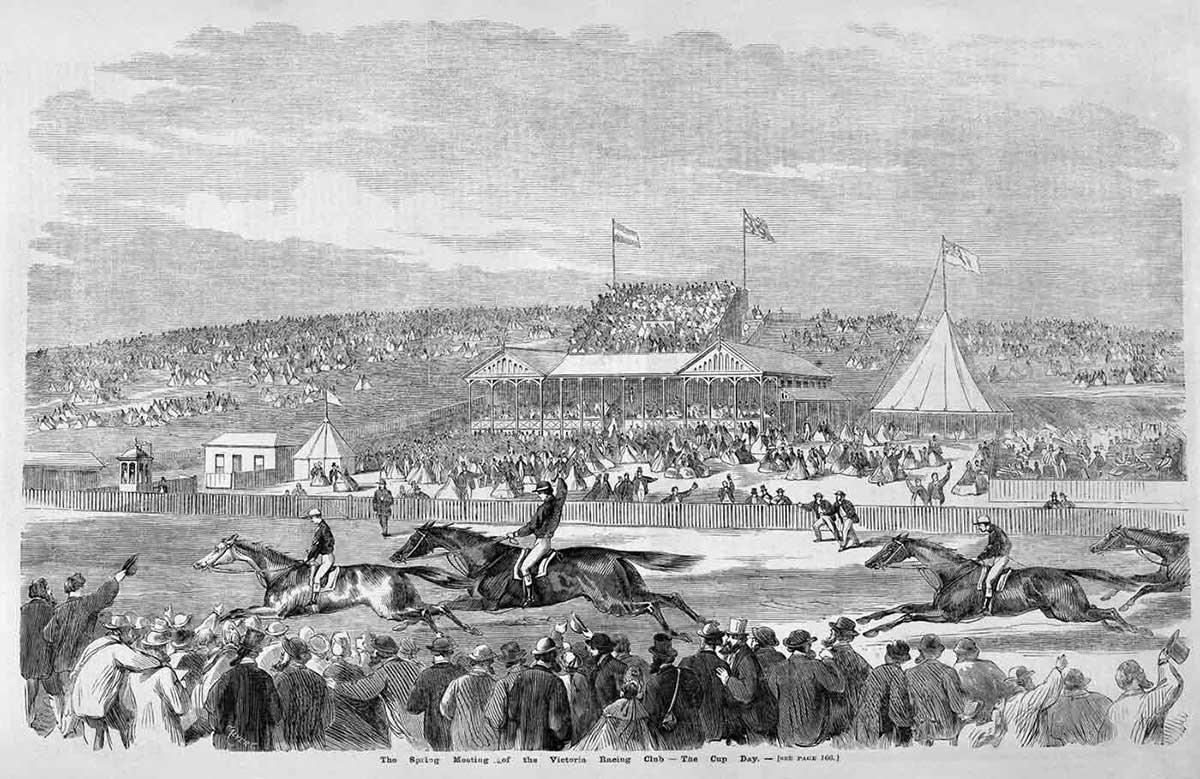
When the Melbourne Cup was first run in 1861, there were two organising committees controlling horse racing in Victoria, the Victorian Turf Club (1852) and the Victorian Jockeys Club (1857).

The Melbourne Cup was introduced in 1861 by the Victorian Turf Club to trump the success of Victorian Jockey Club races such as the Two Thousand Guineas.

As a handicap race, the Melbourne Cup introduced a level of speculation that he club hoped would attract more entries, and therefore higher prize money. The two competing organisations disbanded in 1864, before merging to form the Victorian Racing Club, which has controlled racing in Victoria and the Melbourne Cup ever since.

Although the Melbourne Cup today is well-known in Australia for being run on the first Tuesday in November, this hasn’t always been the case. The 1866 Melbourne Cup race was run on a Thursday, and in 1867 the Cup was run in October. It wasn’t until 1875 that the race was run on the first Tuesday of November.

Although the three-handled loving cup is widely recognised as the traditional cup design, this has only been the case since 1919. Before then the cups came in a variety of styles, with each year having a completely original design. Some years no trophy was presented at all. In fact, for the first few decades of the race, it was more common for no trophy to be awarded.

Prize money and ‘a monstrosity’

The winner of the 1861 Melbourne Cup was awarded a gold watch, and for the next two years a cash purse was the major prize. A trophy was first awarded in 1865.

The owner of the winning horse Tory Boy, Mr Marshall, is claimed to have described the English-made trophy as a monstrosity. He immediately sold it to the Flemington Hunt Club, which rebranded it as the trophy for its annual cup.

This trophy therefore is now inscribed as the Flemington Hunt Club Cup awarded to the 1873 winner, Babbler. This trophy was sold in the 1970s by Christies and is now owned by wine merchant Wolf Blass.

Details: The Essential Bow

Details: The Essential Bow

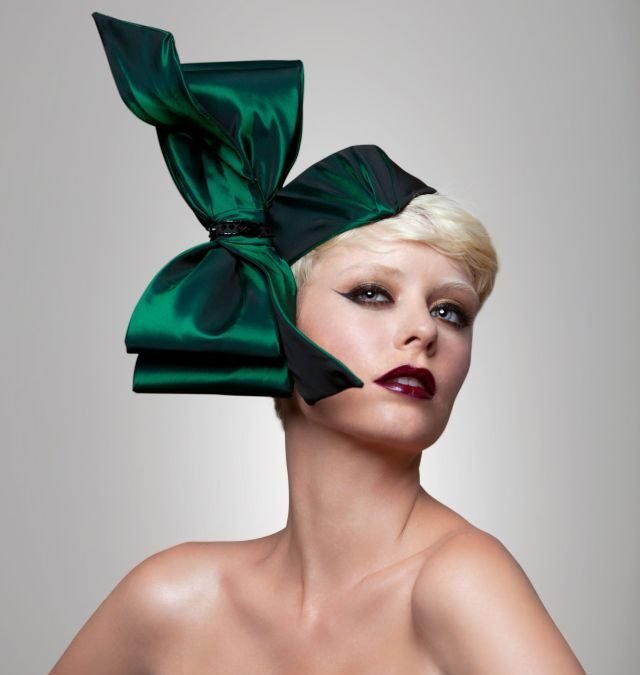
Bows have long been a quintessential element of millinery, serving not only as decorative accents but also as powerful symbols of style and individuality. From their historical roots in hat design to their modern interpretations, bows are part of a rich mix of cultural significance and aesthetic appeal.

Evolution Through the Ages

The bow’s origins can be traced back to ancient civilizations where decorative knots were used to secure headgear. From the floppy styles of the medieval ages to the tailored elegance of the Renaissance, various cultures adopted bows to enhance their hats' aesthetic charm.

By the 18th century, bows became de rigeur in millinery, reflecting the opulence and class-consciousness of the time. They were often grand and extravagant, made from luxurious fabrics and adorned with gems, real and artificial as well as animals, plants and ephemera. 

In the 20th century, the bow transformed from show-stopping frills to subtle embellishments, thanks in part to the rise of chic minimalism and refined production methods.

Classic Bow Styles

Classic bow styles are the tried-and-true staples that have stood the test of time! From the delicate, understated ribbon bows to the voluminous floppy bows often seen on wide-brimmed hats, these styles evoke a sense of nostalgia. Classic bows are often defined by their symmetry and elegance, making them the perfect complement to traditional millinery designs.

Modern bow designs take a bold turn, with styles that range from oversized statement pieces to asymmetrical, quirky interpretations. Designers play with forms, often opting for unconventional knots or layering techniques that create eye-catching silhouettes. 

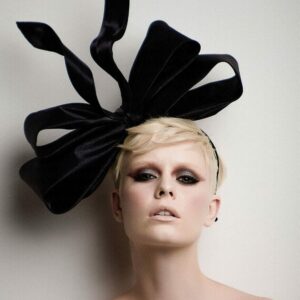
Arturo plays with both classic bow styles and reimagined forms in his hat collections. His most recent bows are constructed to play with the ideas of proportion with many details for specific occasions.

“The bow itself can become a fascinator if it is made with new proportions in mind. How it works with the other details of the hat is when I have my most fun as a designer.” 

Materials

“Knowing how to manipulate the fabric is the key, Arturo adds that “what foundation or fusing is used to keep them in shape is important to the over-all design. Crystal-silk, satins and taffetas give well-made bows a luxuriously shiny look. They are opulent. Stiff silk abaca is important in millinery designs as well to assure that the hat can maintain its form in different  environments.”

Color and Pattern Choices

Bows are not just about shape; they’re a canvas used to display the designer’s creativity. 

Arturo uses his vast palettes of spring-time pastels, saturated winter colors and playful patterns to place the hat at the  center of attention. 

The color a​nd pattern choices can transform an ordinary hat into an extraordinary accessory. Bright and bold hues scream for attention, while pastel tones offer a subtle elegance. Patterns—floral, polka dot, or geometric—bring an added layer of interest, allowing wearers to express their personality through every tie and knot.

Proportions and Placement

The magic of a bow lies in the proportions and placement! A well-placed bow can accentuate a hat's silhouette, draw eyes to the face, and add visual interest. Larger bows can be a statement of confidence, while smaller bows may convey a touch of whimsy. Where you place the bow—at the back, off to one side, or front and center—can change the entire hat's dynamic

Bows have the unique ability to serve as focal points in any outfit. A striking bow can turn a simple hat into a conversation starter, drawing attention and compliments. Whether it’s the anchor of a bridal ensemble or a playful splash on a casual look, bows have a flair for standing out. They harmonize with other elements of fashion, creating balance while asserting their own stylish power.

Bows in Different Cultures

Bows are universal symbols of charm, appearing in various cultures with unique meanings. In Japan, the “furoshiki” bow wraps gifts with elegance, while in Western cultures, the bow often represents femininity and grace. Different materials and styles of bows can signify different things, showcasing how this simple knot transcends borders and embodies culture.

In many cultures, ceremonial hats adorned with bows carry profound significance. From graduation caps to wedding veils, bows often represent milestones and celebrations. They serve as visual markers of important life events, showcasing individuals' achievements and transitions. 

Influence of Fashion Icons

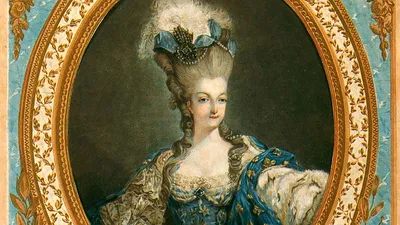
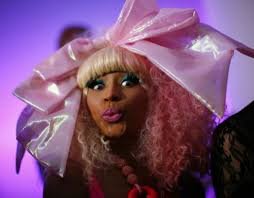
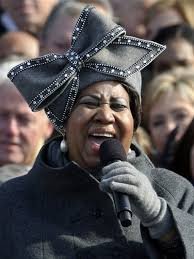
Throughout history, influential figures have made bows synonymous with their personal style. Marie Antoinette’s extravagant hairstyles adorned with oversized bows echoes the excesses of the royal court. Audrey Hepburn’s iconic pillbox hat framed in Breakfast at Tiffany’s shows how these notable personalities showcased how a bow can elevate a hat from mundane to magnificent. Recent bow-centric moments include Aretha Franklin at the Obama inauguration, Jackie Kennedy, Lady Gaga, Nicki Minaj and a plethora of the world’s finest fashion magazines featuring them in most publications.   Fashion icons have long embraced the bow, turning it into a statement piece rather than just a decorative afterthought. Think of the likes of Kate Middleton and Lady Gaga—each has wielded the bow like a magician with a wand, making it the star of the show on everything from fascinators to wide-brimmed hats.

Seasonal Celebrations

From Easter bonnets to holiday parties, bows are the ultimate festive accessory. They have the power to elevate seasonal hats to a whole new level of celebration. Whether it's a cheerful pastel bow for spring or a glitzy bow for winter festivities, they’re the cherry on top of any seasonal ensemble.

Custom Designs for Individual Clients

Arturo is a master milliner, and he depends on input from his clients. You are never a customer, always a client who takes part in the creation of your personal hat masterpiece. Tell Arturo your ideas of how bows might elevate your new AR hat.

We think an educated client (never a "customer") is preferred. Arturo also believes in being generous with his knowkledge as others have been generous with theirs to him.

This article is part of our series that explores and celebrates different aspects of millinery. Arturo Rios has created new techniques, forms and modes of constructing the world's finest hats and he wants to share and open the discussion with you.

We welcome everyone to discover how millinery is expanding, changing and evolving. Let us know your thoughts!


Classic Forms

Millinery has a long history. In this series of posts, we delve deeper into the specifics of each type of hat. Pillboxes, fascinator and derby hats are just the beginning. And Arturo wants to assist in your discovery!

Techniques

Hat-making has it's own vocabulary; definitions, terms, slang. We're here to talk about the components that make great hats.

Colors

Arturo has a unique sense of flowers. He also uses his deep understanding of how colors work and how they influence us.

Techniques & Materials: Buckram

Techniques & Materials: Buckram

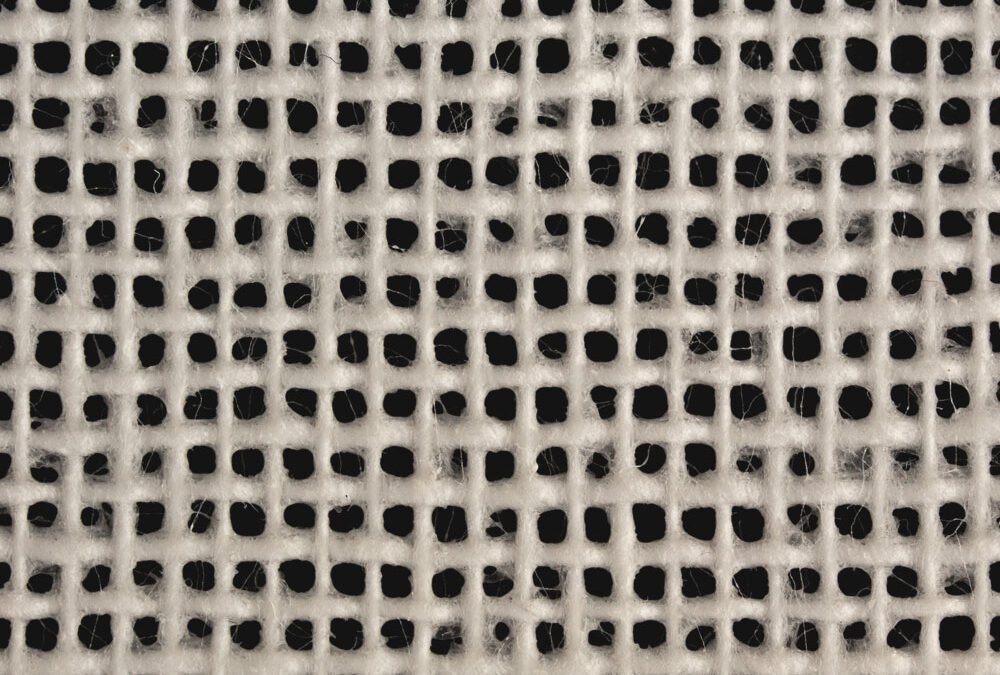
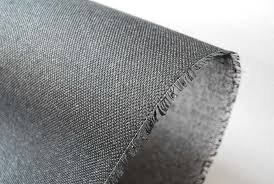
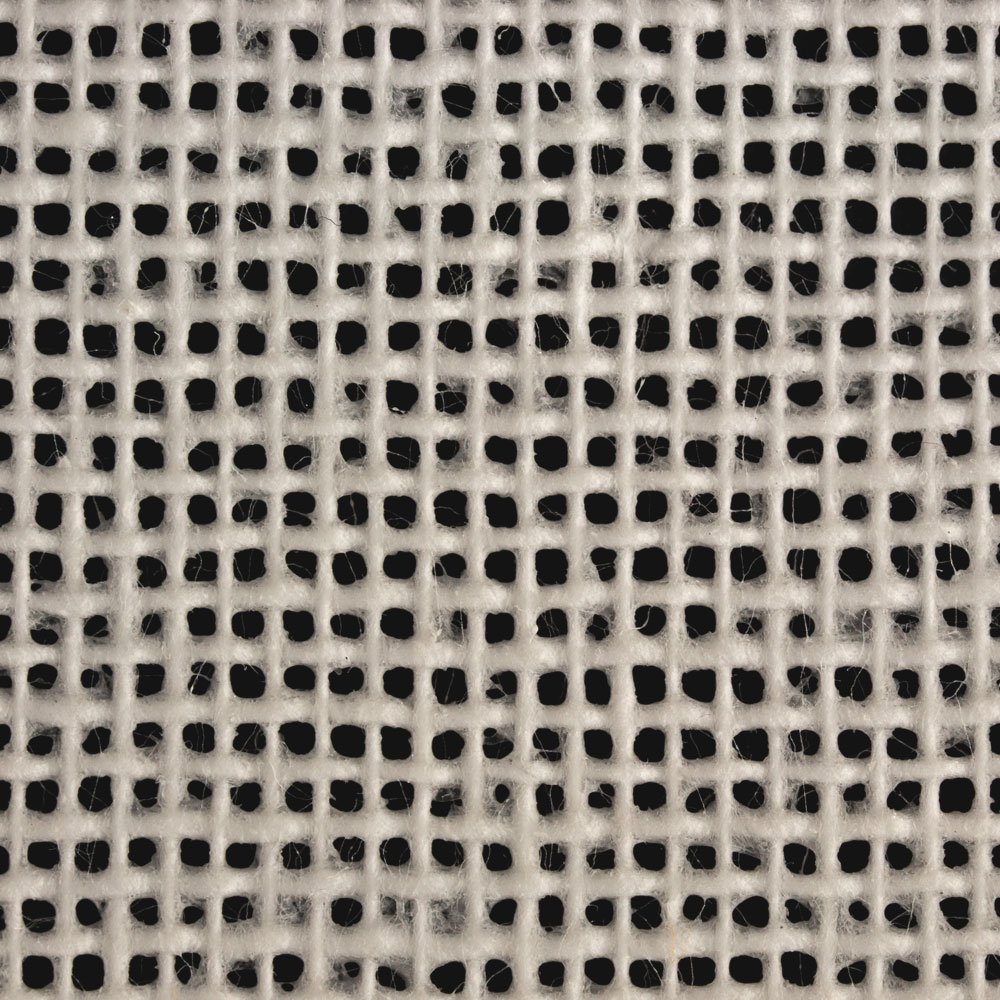
Buckram is a stiff cotton, or occasionally, linen or horse-hair cloth with a plain, usually loose, weave, produced in various weights similar to muslin and other plain-weave fabrics. The fabric is soaked in a sizing agent such as wheat-starch paste, glue (such as PVA glue), or pyroxylin (gelatinized nitrocellulose, developed around 1910), then dried. When re-hydrated or warmed, it can be shaped to create durable firm fabric for book covers, hats, and elements of clothing.

A shortage of buckram, a stiff, sized fabric used in millinery, bookbinding, and theatrical costumes, is impacting various industries. The shortage is attributed to the discontinuation of buckram manufacturing in some regions and the closure of machinery used in its production. This has led to increased prices and difficulty sourcing the material.

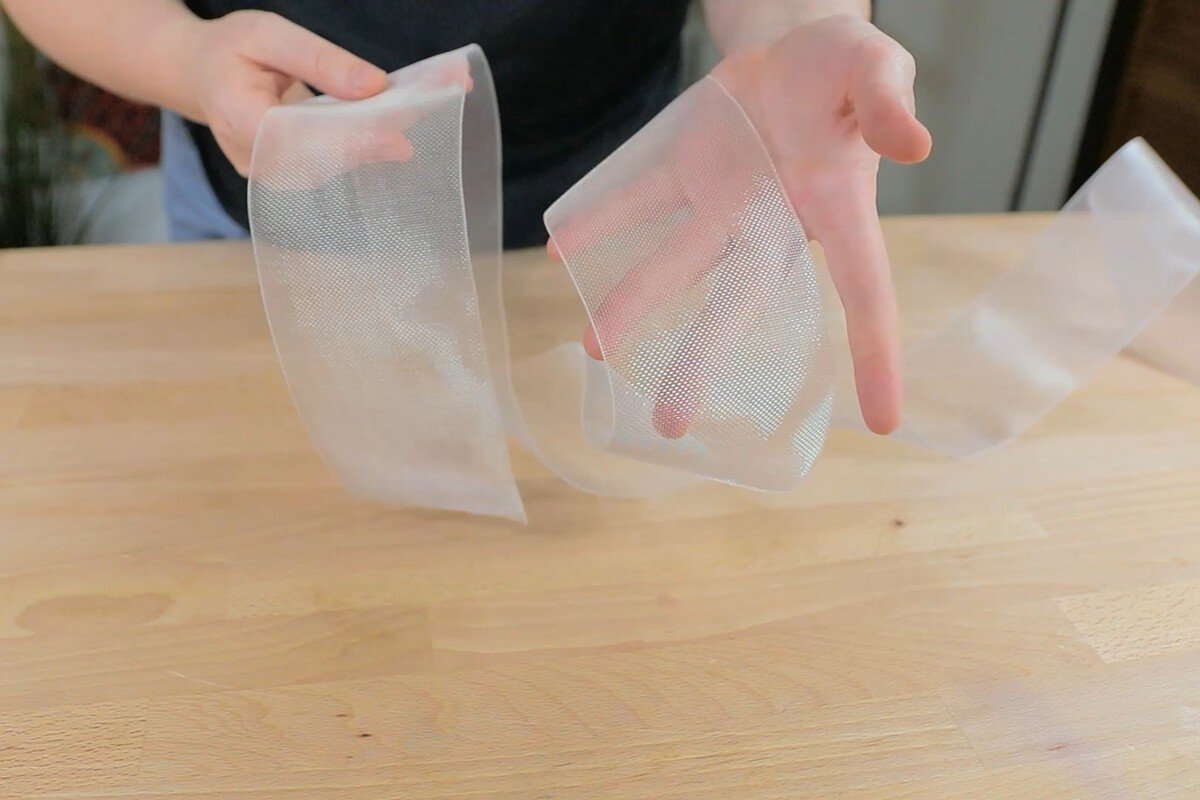
Sinamay is widely used for blocking hats and trims, but it wasn’t introduced to the millinery world until the 1990s. It is woven in the Philippines, from the stalks of the abaca tree. Abacá fibers are very strong and long-lasting. For ease of blocking, sinamay is often pre-stiffened during manufacturing. Plus, since it is a natural material, it holds dye very well.

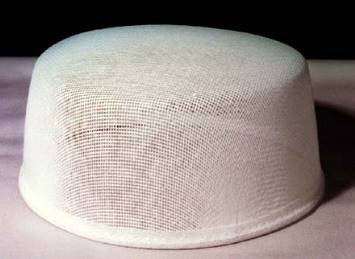
We use a material called Buckram for some of our fascinator bases. Buckram is a stiff fabric made of cotton or lined with starch and glue. Buckram was created in the early 1900’s and has been used since then. Many fascinator shapes and hats have been created using this material. But it’s becoming impossible to source.

Buckram was made in the US and China, among other markets. Both markets have ceased production, owing to supply chain disruptions, soaring demand, and production challenges that have combined to create a perfect storm, leading to significant shortages that are felt by manufacturers, artisans, and consumers alike.

The remaining rolls around the world are the last ones available. Now sinamay is working as a substitute, but we double the layers to make it as strong as the buckram.

Buckram production is heavily reliant on numerous components, from raw materials to transportation. COVID-19 left a big logistical mess in its wake, with shipping delays and factory closures creating a bottleneck that even the most patient person would struggle to navigate.

In the fashion and upholstery realms, the buckram shortage is causing a sartorial snag. Designers rely on this fabric to give hats and garments their structure, and without it, they might have to rethink their entire collection.

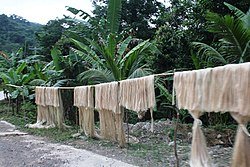
Abacá (Musa textilis), or "Manila Hemp," is a strong, versatile fiber from a banana-related plant native to the Philippines, used to make high-strength ropes, textiles, and specialized papers like tea bags and banknotes. The fiber is extracted from the leaf stalks, then processed into fine strands that are prized for their mechanical strength, resistance to saltwater, and long fiber length.

We think an educated client (never a "customer") is preferred. Arturo also believes in being generous with his knowkledge as others have been generous with theirs to him.

This article is part of our series that explores and celebrates different aspects of millinery. Arturo Rios has created new techniques, forms and modes of constructing the world's finest hats and he wants to share and open the discussion with you.

We welcome everyone to discover how millinery is expanding, changing and evolving. Let us know your thoughts!


Classic Forms

Millinery has a long history. In this series of posts, we delve deeper into the specifics of each type of hat. Pillboxes, fascinator and derby hats are just the beginning. And Arturo wants to assist in your discovery!

Techniques

Hat-making has it's own vocabulary; definitions, terms, slang. We're here to talk about the components that make great hats.

Colors

Arturo has a unique sense of flowers. He also uses his deep understanding of how colors work and how they influence us.

Classic Forms: Headbands

Classic Forms: Headbands

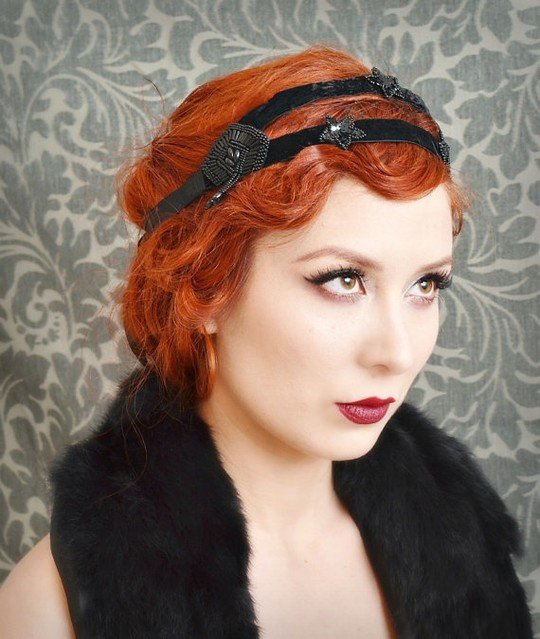
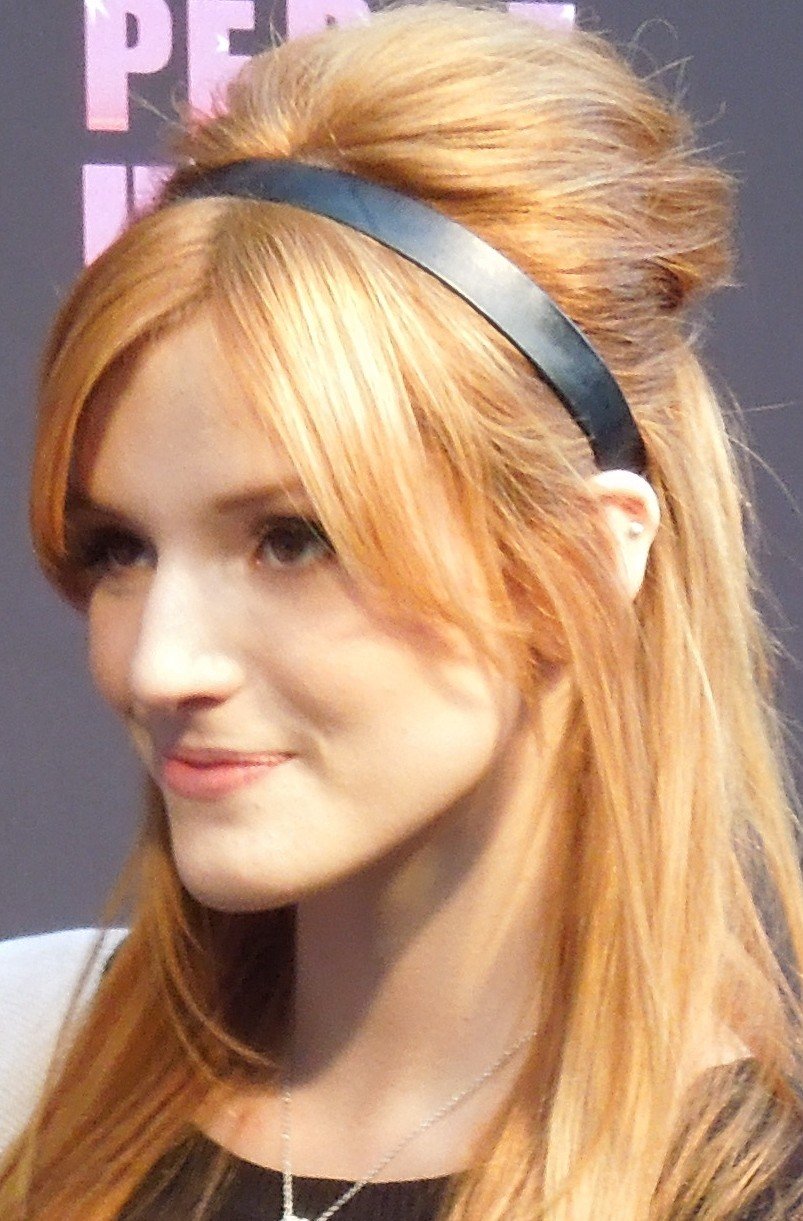
Headbands have long been an integral element in the realm of millinery, serving not only as functional accessories but also as powerful statements of style and individuality. From their historical roots to contemporary designs, headbands have evolved dramatically, reflecting the changing tides of fashion and culture. Whether adorned with intricate embellishments or crafted from simple fabrics, headbands remain a versatile accessory, capturing the imagination of designers and fashion enthusiasts alike. 
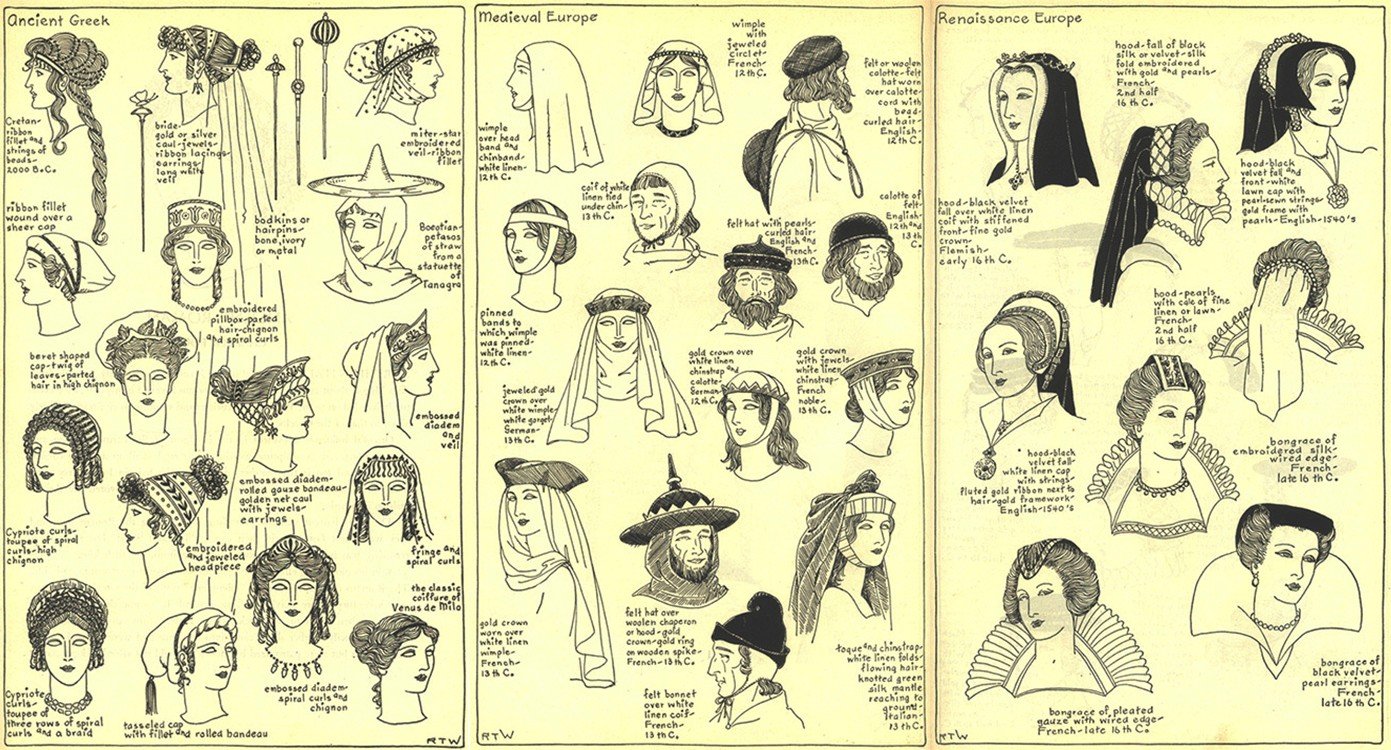
Definition and Purpose of Headbands

Headbands are typically a band, often made of fabric or other materials, worn around the head to secure a hat or simply to add an extra touch of flair. Think of them as the trusty sidekick to your favorite hat—always there to provide support and a dash of style.

Early Uses of Headbands in Millinery

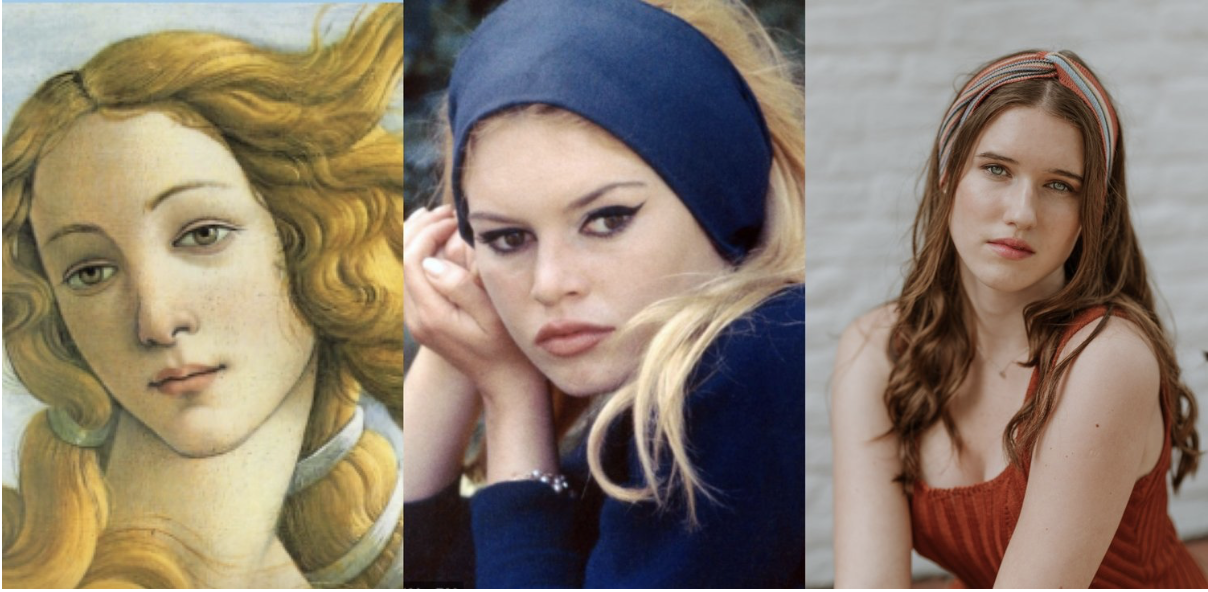
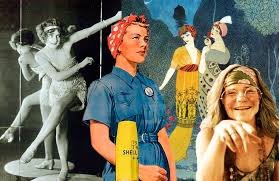
Headbands have been around a long time. Early examples can be traced back to ancient civilizations, where they were adorned with jewels and feathers, symbolizing status and fashion. Fast forward a few centuries, and you'll find headbands gracing the heads of flapper girls and Hollywood starlets, bridging the gap between practicality and panache.

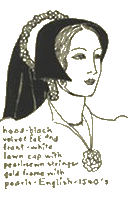
The first recorded use of any sort of headband is in ancient Greece, starting around the year 475 BC. These were actually hair wreaths made from plants and intertwined in the shape of a circle or sometimes a half-circle.

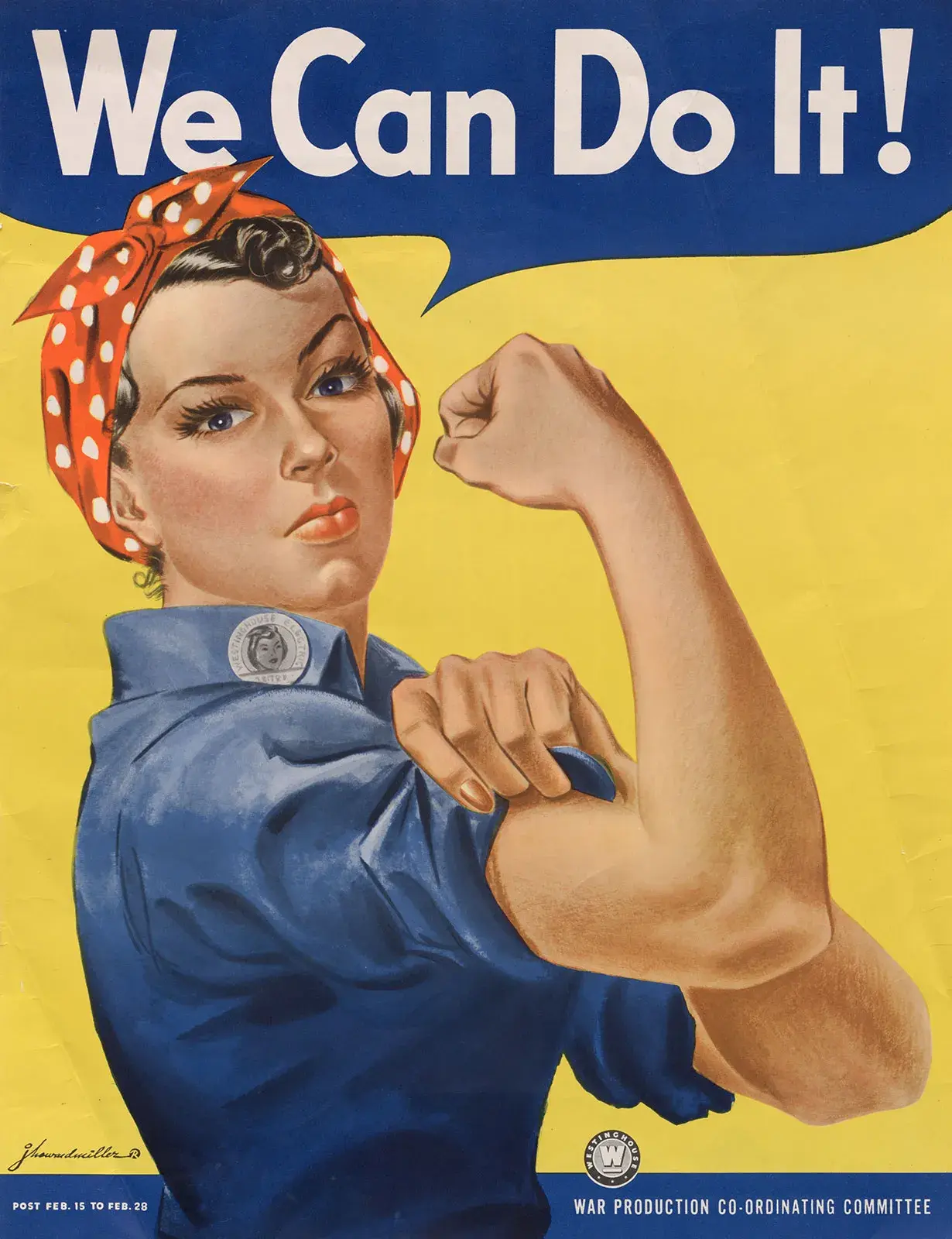
Rosie the Riveter, media icon associated with female defense workers during World War II. Since the 1940s Rosie the Riveter has stood as a symbol for women in the workforce and for women’s independence.

Influence of Fashion Movements on Headband Styles

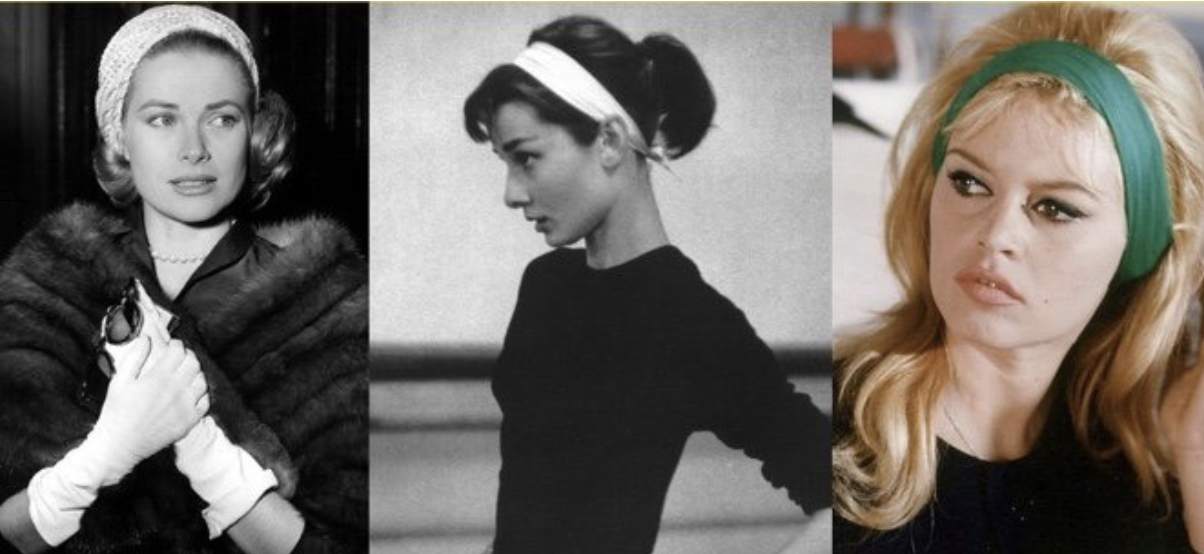
Fashion movements have a way of bending trends. The 1920s introduced beaded headbands that dripped with glam, while the 1960s saw the rise of colorful, psychedelic styles that made everyone look like a walking art piece. The evolution of headbands reflects the societal moods and styles of the times—one minute you’re all about the bohemian vibes, and the next you can’t get enough of the minimalist aesthetic.

Notable Designers and Their Contributions

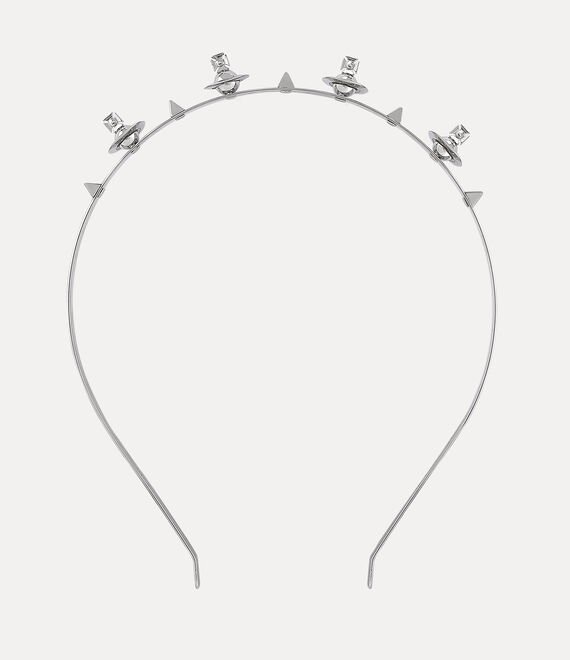
Several designers have left their mark on the world of headbands. Take Christian Dior, for example. His New Look featured elegant headbands that accentuated the feminine silhouette, while designers like Vivienne Westwood spun headbands into punk-inspired statements. These creative minds not only elevated headbands but also challenged the norms, proving that headwear is anything but boring.

Common Materials for Headbands

When it comes to headbands, the material choices are diverse. From luxurious silks and satins to sturdy felts and innovative plastics, the options are endless. Each material brings its own flair: silk for sophistication, felt for warmth, and cotton for that easygoing vibe. The art of headband creation has come a long way from simple loops of fabric. Today, milliners are using techniques like weaving, embroidery, and even 3D printing. Innovations in technology have allowed for intricate designs that were once thought impossible.

Mixing Textures and Colors

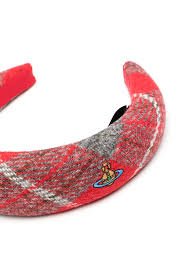
Why settle for one texture or color when you can have them all? Mixing and matching textures and colors can result in headbands that are visually stunning. Imagine the soft touch of velvet paired with the glimmer of sequins or a bold tartan juxtaposed with delicate lace. It's all about experimenting and finding that perfect balance.

What's to Come

In the future, millinery headbands will thrive as a category of their own, no longer just a humble accessory. They will become more customizable, technologically enhanced, and sustainable, all while celebrating the artistry of classic craftsmanship. This makes them an increasingly attractive choice for discerning customers who value both modern innovation and timeless elegance. 

We think an educated client (never a "customer") is preferred. Arturo also believes in being generous with his knowkledge as others have been generous with theirs to him.

This article is part of our series that explores and celebrates different aspects of millinery. Arturo Rios has created new techniques, forms and modes of constructing the world's finest hats and he wants to share and open the discussion with you.

We welcome everyone to discover how millinery is expanding, changing and evolving. Let us know your thoughts!


Classic Forms

Millinery has a long history. In this series of posts, we delve deeper into the specifics of each type of hat. Pillboxes, fascinator and derby hats are just the beginning. And Arturo wants to assist in your discovery!

Techniques

Hat-making has it's own vocabulary; definitions, terms, slang. We're here to talk about the components that make great hats.

Colors

Arturo has a unique sense of flowers. He also uses his deep understanding of how colors work and how they influence us.

When to Wear a Couture Hat: Turning Ordinary Into Unforgettable

When to Wear a Couture Hat: Turning Ordinary Into Unforgettable

Imagine stepping into a room where your entrance lingers in memory. The light catches on fine feathers, silk ribbons, or a tilt of unexpected color. Heads turn. There's something timeless about a couture hat—a piece that doesn't just complete an outfit, but transforms its wearer into a story worth telling. These hats are more than accessories. They're bold statements, a nod to elegance, and a celebration of standing out. Whether worn by royalty or rebels, a couture hat never goes unnoticed.

Every hat has its moment. Sometimes, the moment finds you.

The Signature Moments for Wearing a Couture Hat

In every culture, special events stand out because of what we wear. Couture hats, more than anything else, set the mood for unforgettable celebrations. They're not just about fashion. They're about respect, tradition, and a fierce sense of fun. At weddings, races, teas, and secret garden parties, the right hat speaks volumes before you even say hello.

Weddings: Celebrating in Style

In British tradition, a couture hat at a wedding signals more than fashion—it reflects respect and joy for the couple. Mothers of the bride wear hats steeped in family pride, while guests choose playful pieces that match the spirit of the day. In France and Italy, women often grace “matrimonio” ceremonies with wide brims, soft felt, or veiled fascinators.

Wearing a hat at a wedding means knowing your role. Bridal parties wear coordinated hats for a polished look. Guests opt for something expressive but not distracting. Neutral shades and soft pastels glow during daytime ceremonies. Evening weddings call for flair—bold feathers, dramatic shapes, and elegant veils.

A well-chosen couture hat at a wedding shows respect for the hosts and honors the occasion. It also signals that you came to celebrate in full color.

Races and Social Events: Turning Heads at the Track

Some events make hats almost mandatory, and no place is more famous for it than the racetrack. The Royal Ascot in England and the Kentucky Derby both set the stage for wild creativity and bold personal style. Here, the hat isn't just an accessory—it's your ticket to the celebration.

On race day, “hat-watching” can be more thrilling than horse-watching. Flower towers, vintage silhouettes, and extravagant trims fill the sky. There are rules, though: hats should never block someone else's view, and comfort is key, because you'll wear it for hours.

These events ask for hats that might be too much elsewhere, but fit right in here. Express yourself, spark up a conversation, and savor the feeling of being part of a century-old tradition.

Key moments for couture hats at the races:

  • Derby day
  • Steeplechase parties
  • Trackside charity events

Tea Parties and Seasonal Galas: Adding Magic to Traditions

Afternoons glow brighter at a tea party or garden gala. These gatherings are an escape from the expected, where pastel hats nod to rose gardens and clinking china. Whether at an English high tea or a spring charity affair, a couture hat marks the moment as special.

Tea hats are less about drama and more about charm. Think smaller brims, delicate details, or net veils that catch the light just right. Seasonal galas call for hats that echo the setting—flowers in spring, bold colors in summer, velvet for winter glamour.

By choosing to wear a couture hat, you lift the whole event. Suddenly, a simple table in the garden transforms into a scene from a favorite novel.

Perfect events for a tea or gala hat:

  • Afternoon teas
  • Garden parties
  • Boutique fundraisers
  • Seasonal balls

Personal Style and Everyday Elegance: Extending the Couture Hat Beyond Events

While many see couture hats as reserved for big ticket events, their true power shines when they become part of your daily style. Wearing a hat for no reason except your own joy is an act of confidence and self-celebration.

Making Everyday Moments Special

Don’t wait for an invitation to the Derby to don your favorite hat. A couture piece can lift the mood on a slow Sunday or a simple brunch with friends. City strolls, gallery openings, or even a creative workshop give you freedom to play. The key is owning your choice.

Practice helps: wear your hat at home first. Notice how it feels, how you move, and how you hold your head. Compliments may come, but people sometimes stare out of admiration or curiosity. Stand tall and wear your story.

Tips to wear couture hats in daily life:

  • Start with neutral or classic styles for casual meetings
  • Pair bold hats with simple outfits to avoid feeling overdressed
  • Embrace the questions and smiles—they mean your hat made an impression

Choosing the Right Hat for the Moment

Selecting the perfect couture hat is an art. The occasion sets the tone, but your mood writes the rules. Thoughtful details can transform your look from everyday to extraordinary without sacrificing ease.

How to pick a hat you'll love to wear:

  1. Match the scale to the setting: Large brims for big, open spaces; smaller, structured hats for intimate gatherings or indoors.
  2. Mind your wardrobe: Let the hat do the talking. Pair bright or ornate hats with simple, solid colors. Save complicated prints for smaller hats.
  3. Embrace comfort: A hat should feel like a crown, not a chore. If it squeezes, scratches, or feels heavy, try another. Fashion should bring joy, not pain.
  4. Keep confidence at the center: The best hat is the one that makes you stand straighter and smile wider. Trust your first instinct.

When in doubt, bring a friend along hat shopping or ask an expert for advice. Sometimes the best style moments bloom from a little encouragement.

The Joy and Power of Knowing When to Wear a Couture Hat

Wearing a couture hat is more than dressing up. It's about stepping into your own spotlight, whether in a crowded ballroom or a quiet corner café. These hats are symbols of celebration and self-love.

Grand events beg for bold headwear, but everyday moments crave their beauty too. Don't let hats gather dust—let them witness your daily stories and make small moments memorable.

Your personal style deserves to be seen. Wear your hat with pride, let it spark joy, and watch ordinary days transform into treasured memories.