Techniques & Materials: Buckram

Techniques & Materials: Buckram

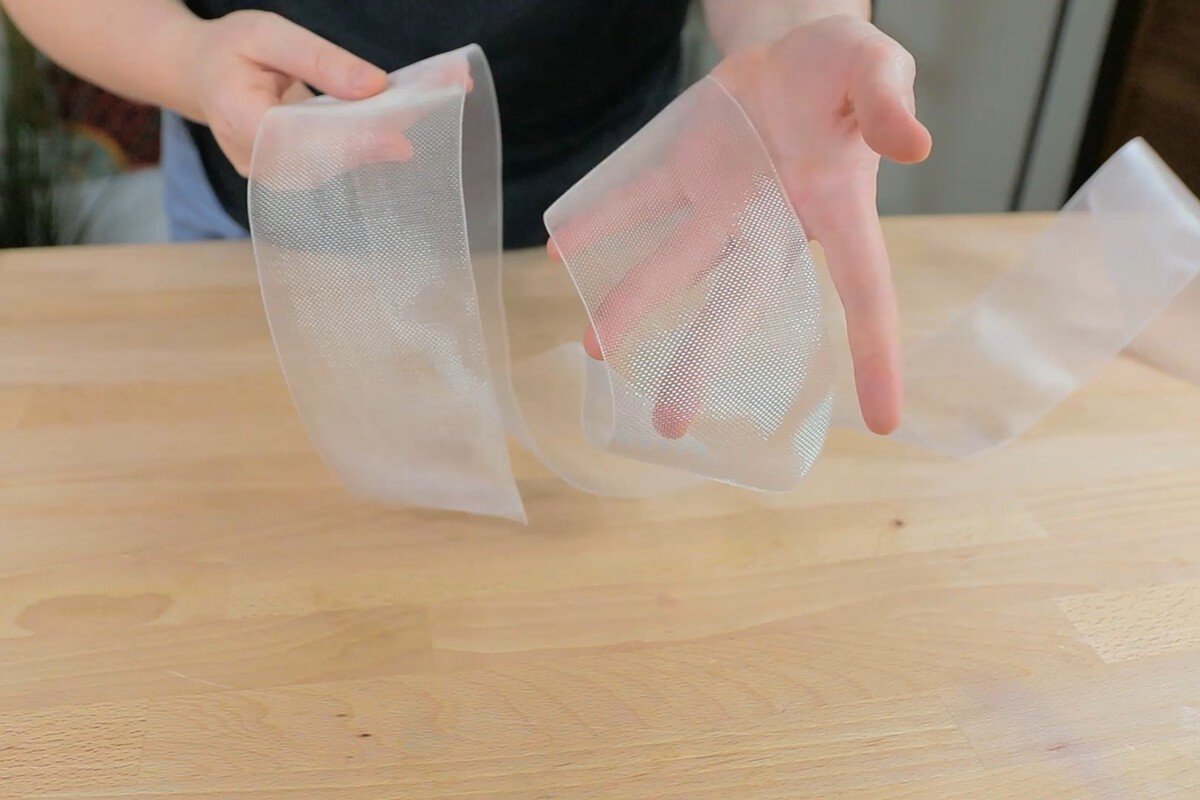
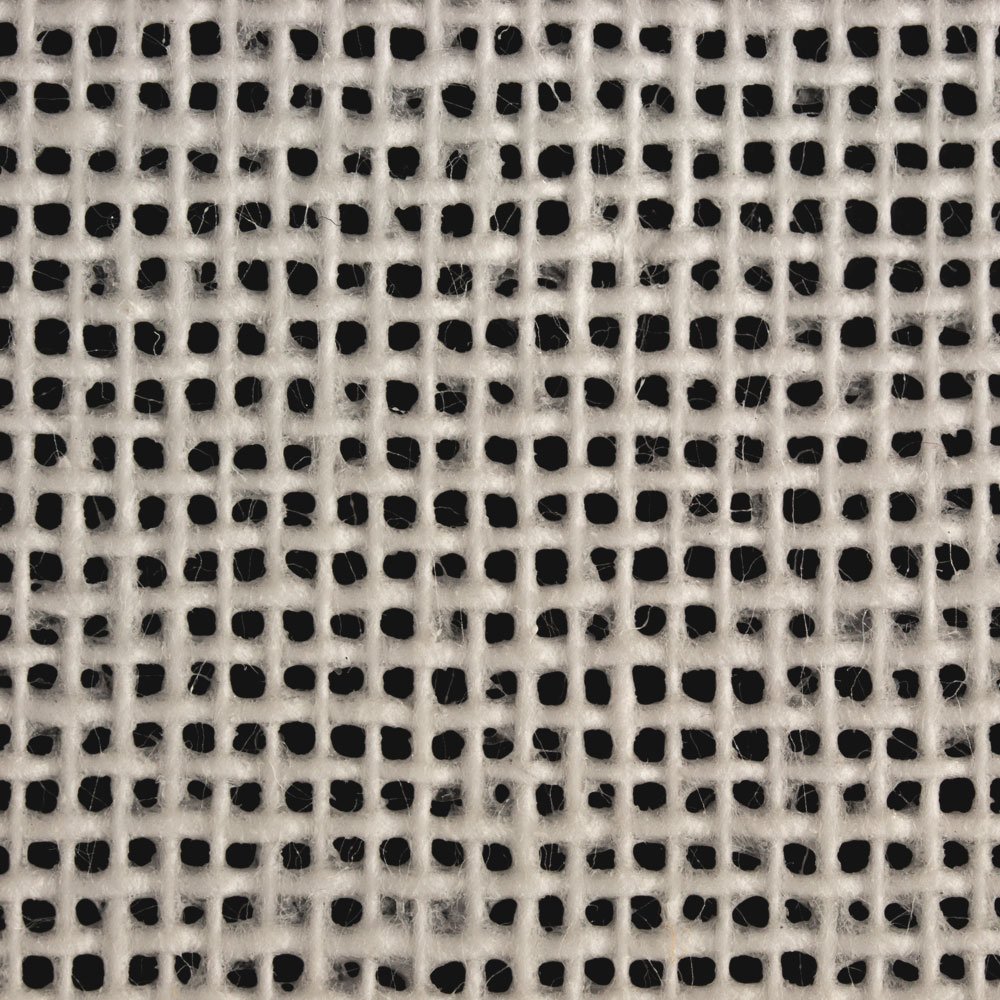
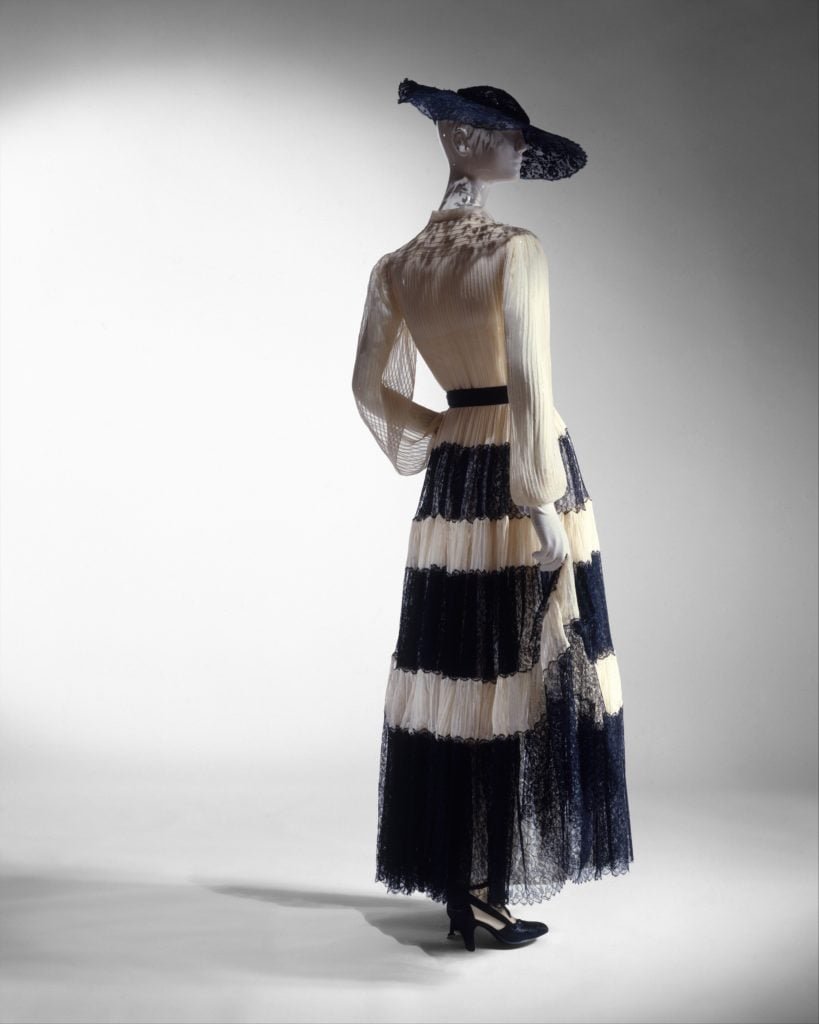
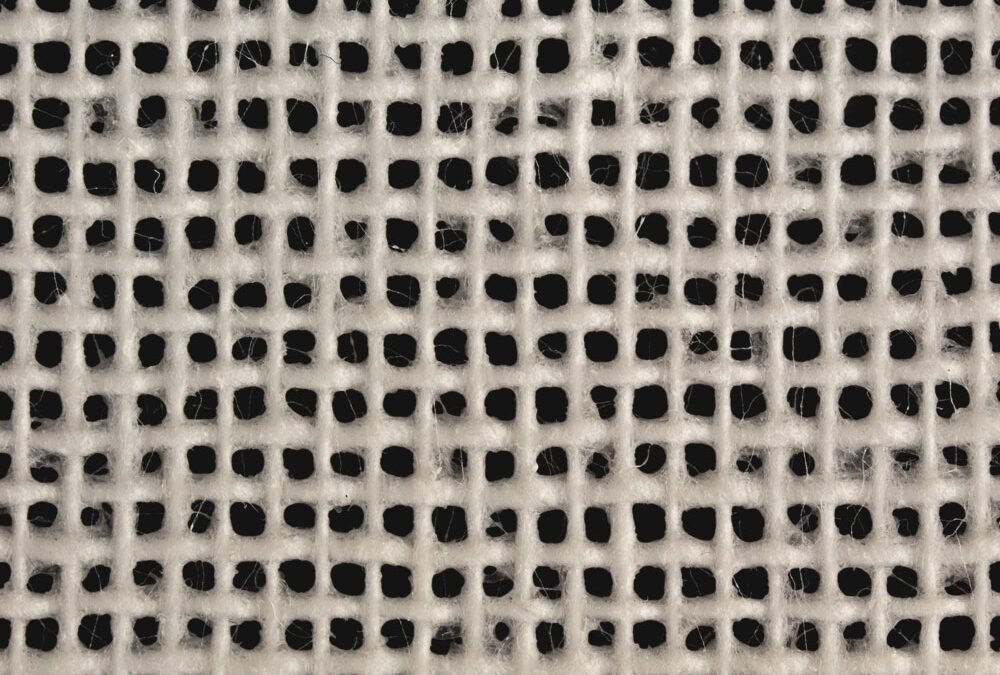
Buckram is a stiff cotton, or occasionally, linen or horse-hair cloth with a plain, usually loose, weave, produced in various weights similar to muslin and other plain-weave fabrics. The fabric is soaked in a sizing agent such as wheat-starch paste, glue (such as PVA glue), or pyroxylin (gelatinized nitrocellulose, developed around 1910), then dried. When re-hydrated or warmed, it can be shaped to create durable firm fabric for book covers, hats, and elements of clothing.

A shortage of buckram, a stiff, sized fabric used in millinery, bookbinding, and theatrical costumes, is impacting various industries. The shortage is attributed to the discontinuation of buckram manufacturing in some regions and the closure of machinery used in its production. This has led to increased prices and difficulty sourcing the material.

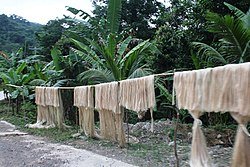
Sinamay is widely used for blocking hats and trims, but it wasn’t introduced to the millinery world until the 1990s. It is woven in the Philippines, from the stalks of the abaca tree. Abacá fibers are very strong and long-lasting. For ease of blocking, sinamay is often pre-stiffened during manufacturing. Plus, since it is a natural material, it holds dye very well.
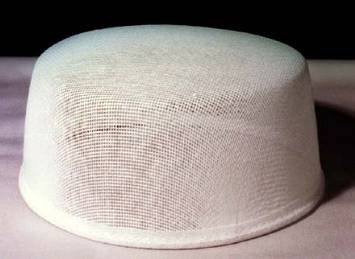
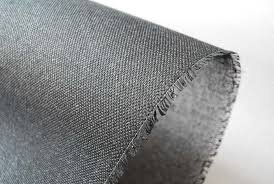
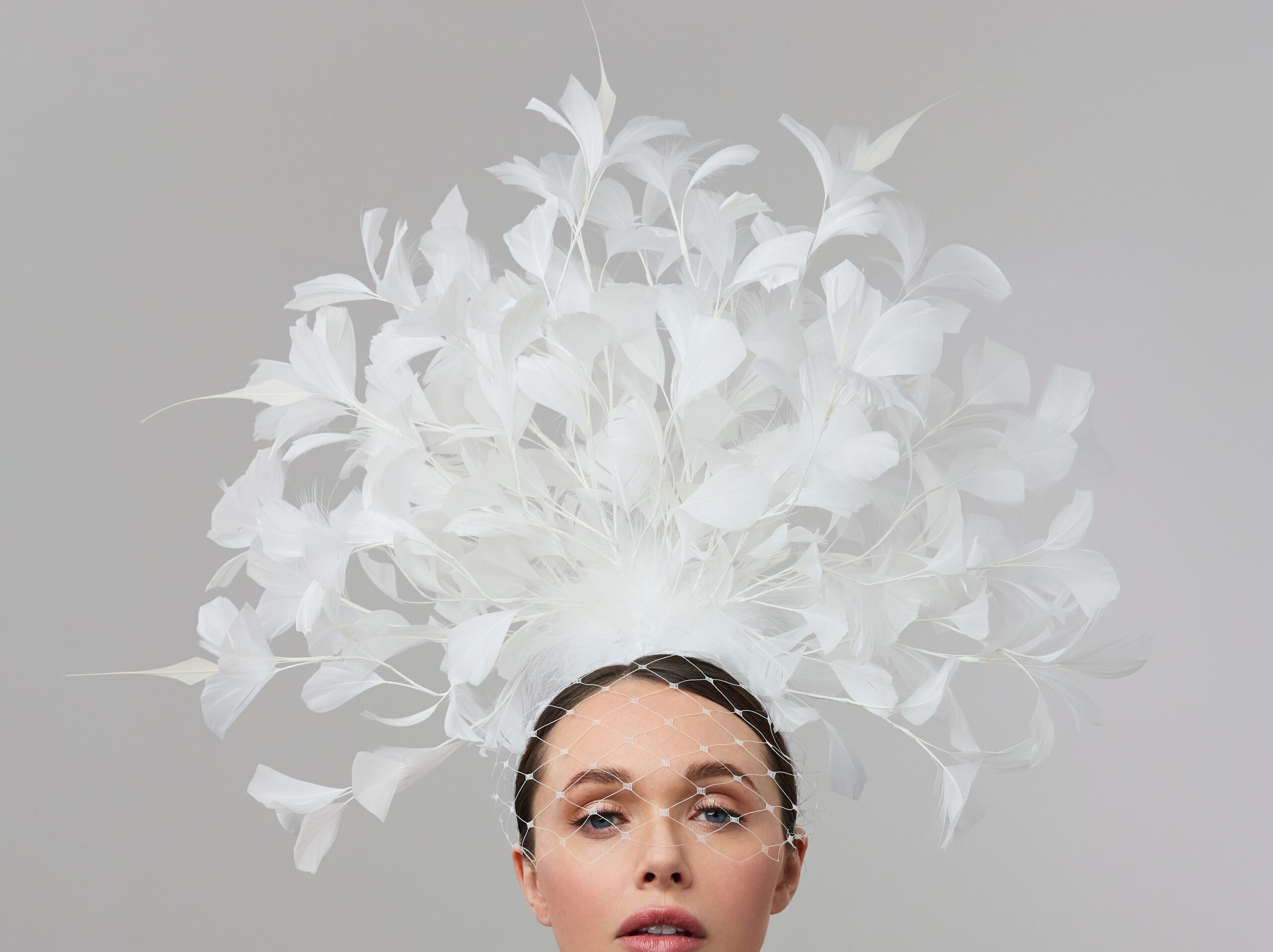
We use a material called Buckram for some of our fascinator bases. Buckram is a stiff fabric made of cotton or lined with starch and glue. Buckram was created in the early 1900’s and has been used since then. Many fascinator shapes and hats have been created using this material. But it’s becoming impossible to source.

Buckram was made in the US and China, among other markets. Both markets have ceased production, owing to supply chain disruptions, soaring demand, and production challenges that have combined to create a perfect storm, leading to significant shortages that are felt by manufacturers, artisans, and consumers alike.

The remaining rolls around the world are the last ones available. Now sinamay is working as a substitute, but we double the layers to make it as strong as the buckram.

Buckram production is heavily reliant on numerous components, from raw materials to transportation. COVID-19 left a big logistical mess in its wake, with shipping delays and factory closures creating a bottleneck that even the most patient person would struggle to navigate.

In the fashion and upholstery realms, the buckram shortage is causing a sartorial snag. Designers rely on this fabric to give hats and garments their structure, and without it, they might have to rethink their entire collection.

Abacá (Musa textilis), or "Manila Hemp," is a strong, versatile fiber from a banana-related plant native to the Philippines, used to make high-strength ropes, textiles, and specialized papers like tea bags and banknotes. The fiber is extracted from the leaf stalks, then processed into fine strands that are prized for their mechanical strength, resistance to saltwater, and long fiber length.

We think an educated client (never a "customer") is preferred. Arturo also believes in being generous with his knowkledge as others have been generous with theirs to him.

This article is part of our series that explores and celebrates different aspects of millinery. Arturo Rios has created new techniques, forms and modes of constructing the world's finest hats and he wants to share and open the discussion with you.

We welcome everyone to discover how millinery is expanding, changing and evolving. Let us know your thoughts!


Classic Forms

Millinery has a long history. In this series of posts, we delve deeper into the specifics of each type of hat. Pillboxes, fascinator and derby hats are just the beginning. And Arturo wants to assist in your discovery!

Techniques

Hat-making has it's own vocabulary; definitions, terms, slang. We're here to talk about the components that make great hats.

Colors

Arturo has a unique sense of flowers. He also uses his deep understanding of how colors work and how they influence us.
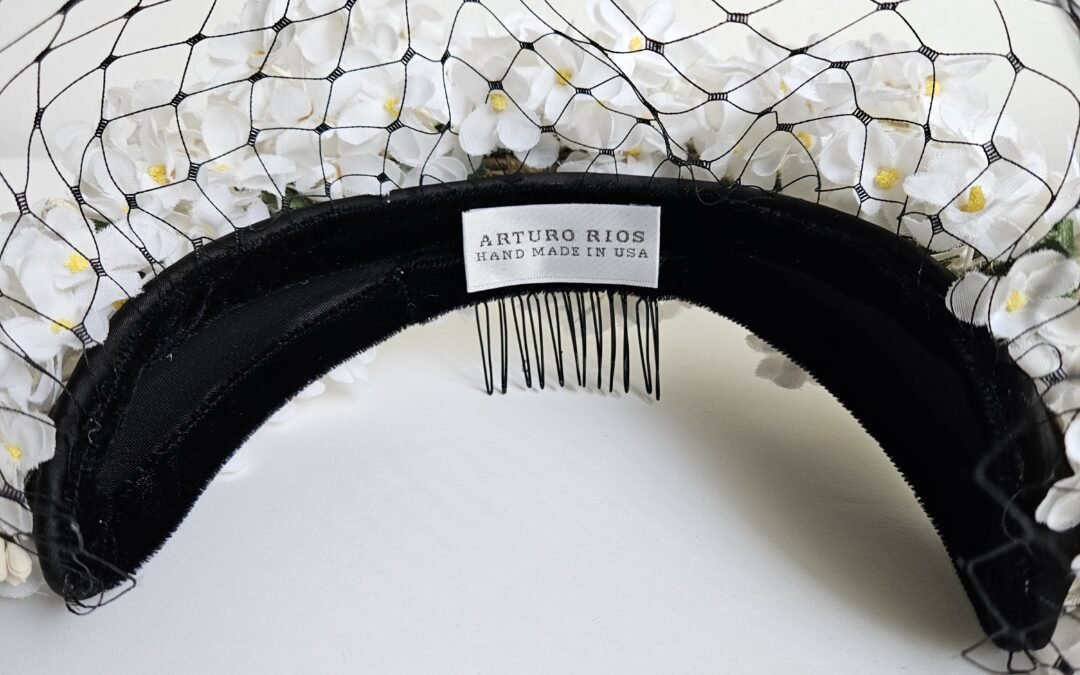
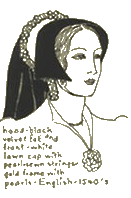
Classic Forms: Headbands

Classic Forms: Headbands

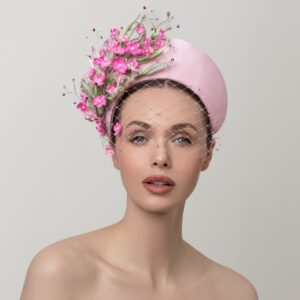
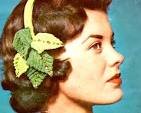
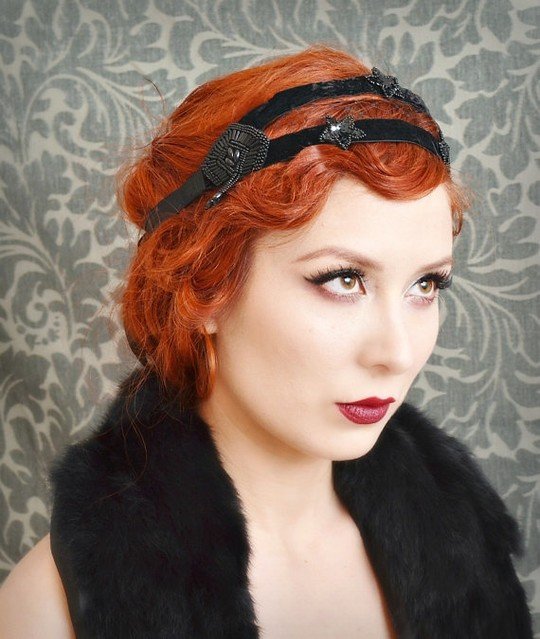
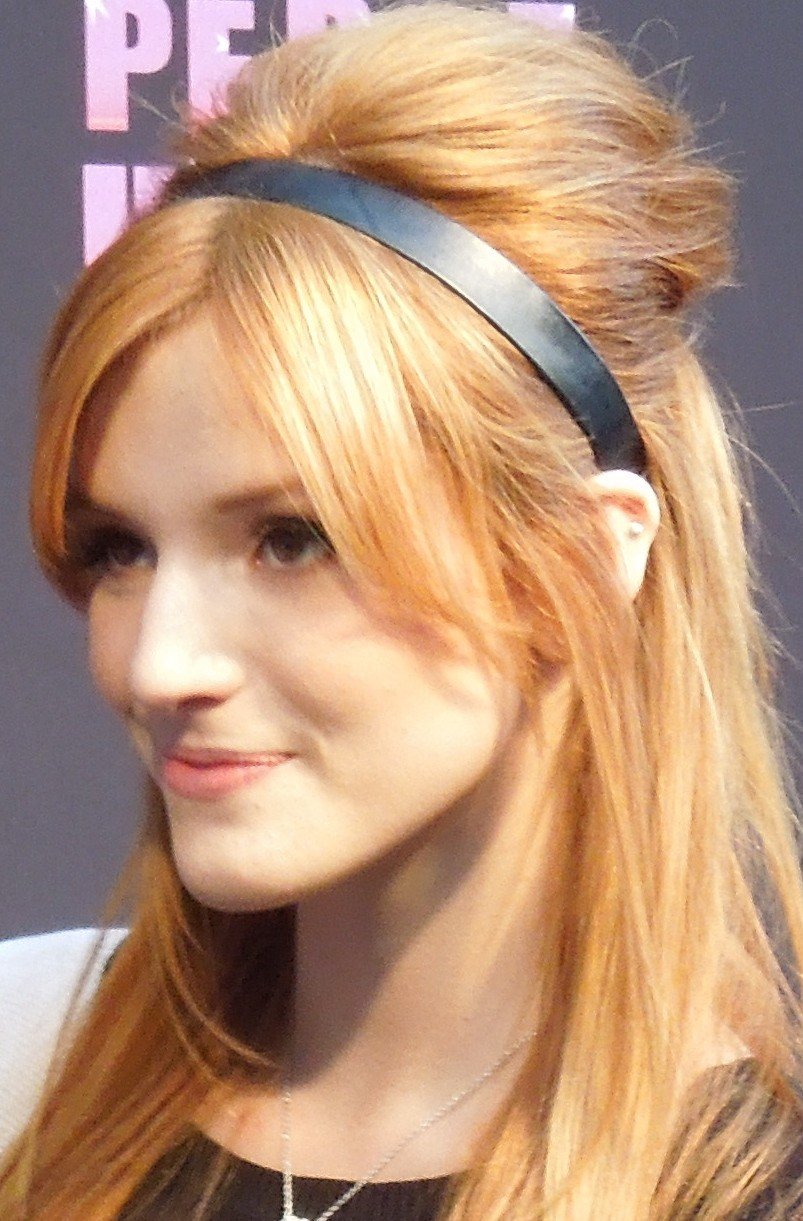
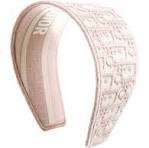
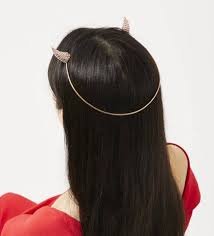
Headbands have long been an integral element in the realm of millinery, serving not only as functional accessories but also as powerful statements of style and individuality. From their historical roots to contemporary designs, headbands have evolved dramatically, reflecting the changing tides of fashion and culture. Whether adorned with intricate embellishments or crafted from simple fabrics, headbands remain a versatile accessory, capturing the imagination of designers and fashion enthusiasts alike. 
Definition and Purpose of Headbands

Headbands are typically a band, often made of fabric or other materials, worn around the head to secure a hat or simply to add an extra touch of flair. Think of them as the trusty sidekick to your favorite hat—always there to provide support and a dash of style.
Early Uses of Headbands in Millinery

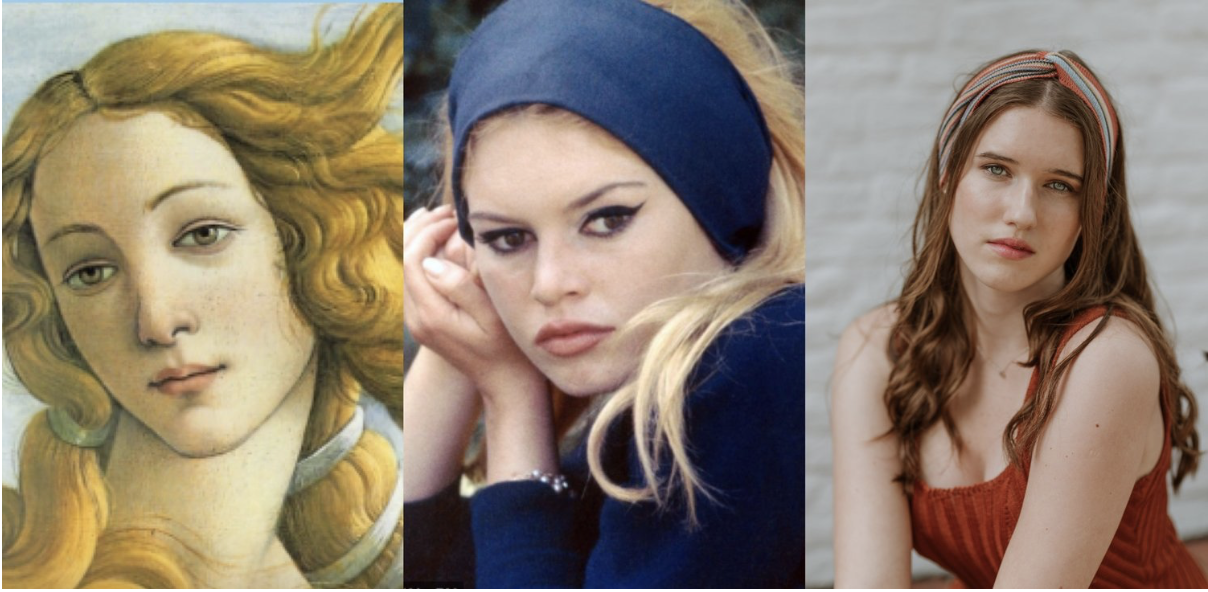
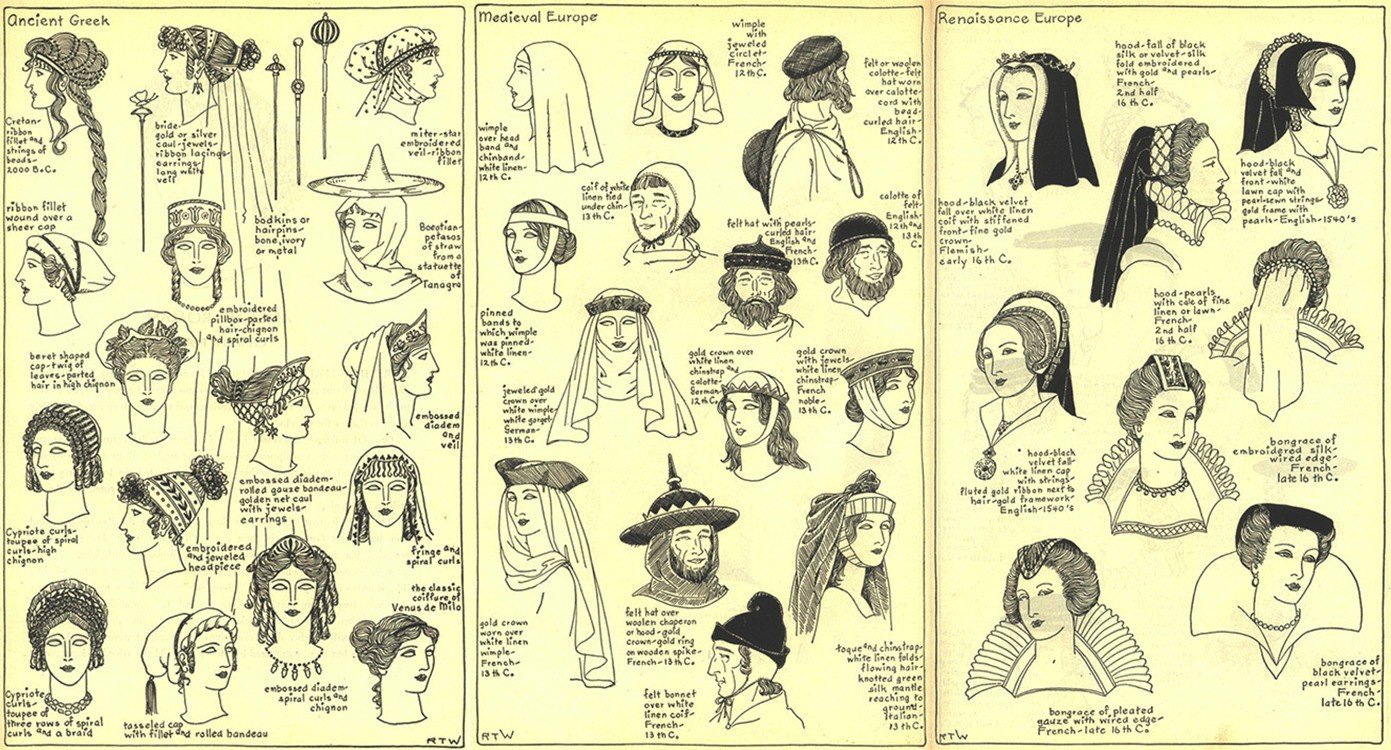
Headbands have been around a long time. Early examples can be traced back to ancient civilizations, where they were adorned with jewels and feathers, symbolizing status and fashion. Fast forward a few centuries, and you'll find headbands gracing the heads of flapper girls and Hollywood starlets, bridging the gap between practicality and panache.
The first recorded use of any sort of headband is in ancient Greece, starting around the year 475 BC. These were actually hair wreaths made from plants and intertwined in the shape of a circle or sometimes a half-circle.

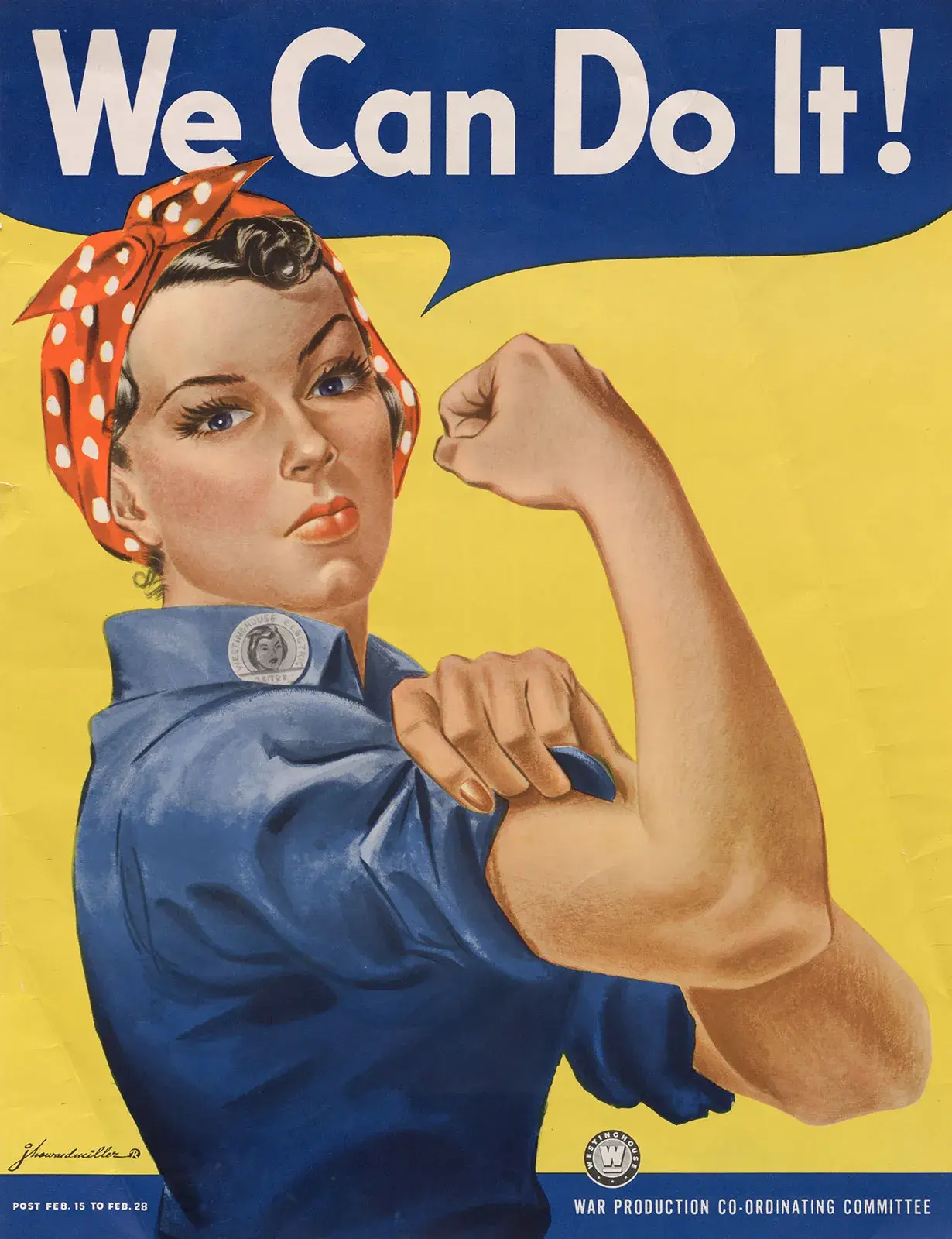
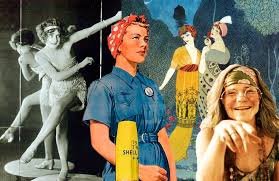
Rosie the Riveter, media icon associated with female defense workers during World War II. Since the 1940s Rosie the Riveter has stood as a symbol for women in the workforce and for women’s independence.

Influence of Fashion Movements on Headband Styles

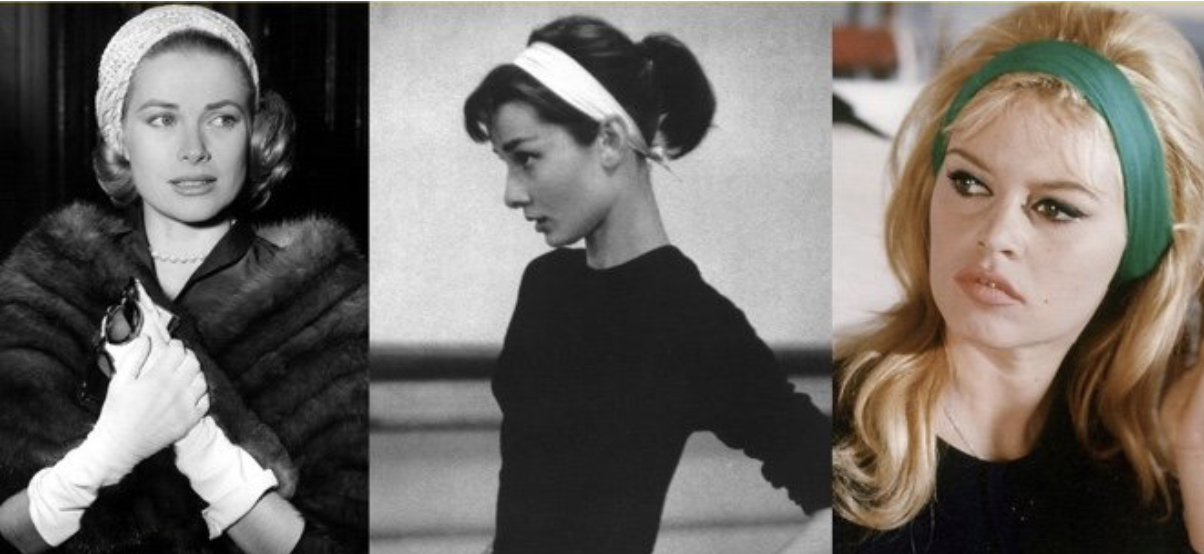
Fashion movements have a way of bending trends. The 1920s introduced beaded headbands that dripped with glam, while the 1960s saw the rise of colorful, psychedelic styles that made everyone look like a walking art piece. The evolution of headbands reflects the societal moods and styles of the times—one minute you’re all about the bohemian vibes, and the next you can’t get enough of the minimalist aesthetic.

Notable Designers and Their Contributions

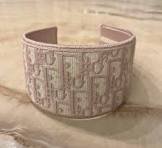
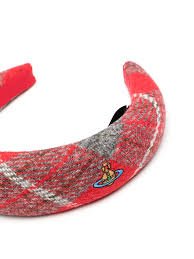
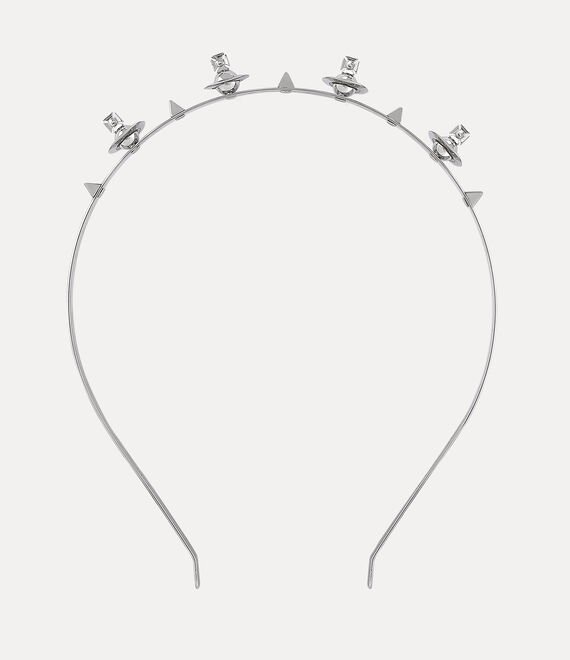
Several designers have left their mark on the world of headbands. Take Christian Dior, for example. His New Look featured elegant headbands that accentuated the feminine silhouette, while designers like Vivienne Westwood spun headbands into punk-inspired statements. These creative minds not only elevated headbands but also challenged the norms, proving that headwear is anything but boring.

Common Materials for Headbands

When it comes to headbands, the material choices are diverse. From luxurious silks and satins to sturdy felts and innovative plastics, the options are endless. Each material brings its own flair: silk for sophistication, felt for warmth, and cotton for that easygoing vibe. The art of headband creation has come a long way from simple loops of fabric. Today, milliners are using techniques like weaving, embroidery, and even 3D printing. Innovations in technology have allowed for intricate designs that were once thought impossible.

Mixing Textures and Colors

Why settle for one texture or color when you can have them all? Mixing and matching textures and colors can result in headbands that are visually stunning. Imagine the soft touch of velvet paired with the glimmer of sequins or a bold tartan juxtaposed with delicate lace. It's all about experimenting and finding that perfect balance.

What's to Come

In the future, millinery headbands will thrive as a category of their own, no longer just a humble accessory. They will become more customizable, technologically enhanced, and sustainable, all while celebrating the artistry of classic craftsmanship. This makes them an increasingly attractive choice for discerning customers who value both modern innovation and timeless elegance. 

We think an educated client (never a "customer") is preferred. Arturo also believes in being generous with his knowkledge as others have been generous with theirs to him.

This article is part of our series that explores and celebrates different aspects of millinery. Arturo Rios has created new techniques, forms and modes of constructing the world's finest hats and he wants to share and open the discussion with you.

We welcome everyone to discover how millinery is expanding, changing and evolving. Let us know your thoughts!


Classic Forms

Millinery has a long history. In this series of posts, we delve deeper into the specifics of each type of hat. Pillboxes, fascinator and derby hats are just the beginning. And Arturo wants to assist in your discovery!

Techniques

Hat-making has it's own vocabulary; definitions, terms, slang. We're here to talk about the components that make great hats.

Colors

Arturo has a unique sense of flowers. He also uses his deep understanding of how colors work and how they influence us.

When to Wear a Couture Hat: Turning Ordinary Into Unforgettable

When to Wear a Couture Hat: Turning Ordinary Into Unforgettable

Imagine stepping into a room where your entrance lingers in memory. The light catches on fine feathers, silk ribbons, or a tilt of unexpected color. Heads turn. There's something timeless about a couture hat—a piece that doesn't just complete an outfit, but transforms its wearer into a story worth telling. These hats are more than accessories. They're bold statements, a nod to elegance, and a celebration of standing out. Whether worn by royalty or rebels, a couture hat never goes unnoticed.

Every hat has its moment. Sometimes, the moment finds you.

The Signature Moments for Wearing a Couture Hat

In every culture, special events stand out because of what we wear. Couture hats, more than anything else, set the mood for unforgettable celebrations. They're not just about fashion. They're about respect, tradition, and a fierce sense of fun. At weddings, races, teas, and secret garden parties, the right hat speaks volumes before you even say hello.

Weddings: Celebrating in Style

In British tradition, a couture hat at a wedding signals more than fashion—it reflects respect and joy for the couple. Mothers of the bride wear hats steeped in family pride, while guests choose playful pieces that match the spirit of the day. In France and Italy, women often grace “matrimonio” ceremonies with wide brims, soft felt, or veiled fascinators.

Wearing a hat at a wedding means knowing your role. Bridal parties wear coordinated hats for a polished look. Guests opt for something expressive but not distracting. Neutral shades and soft pastels glow during daytime ceremonies. Evening weddings call for flair—bold feathers, dramatic shapes, and elegant veils.

A well-chosen couture hat at a wedding shows respect for the hosts and honors the occasion. It also signals that you came to celebrate in full color.

Races and Social Events: Turning Heads at the Track

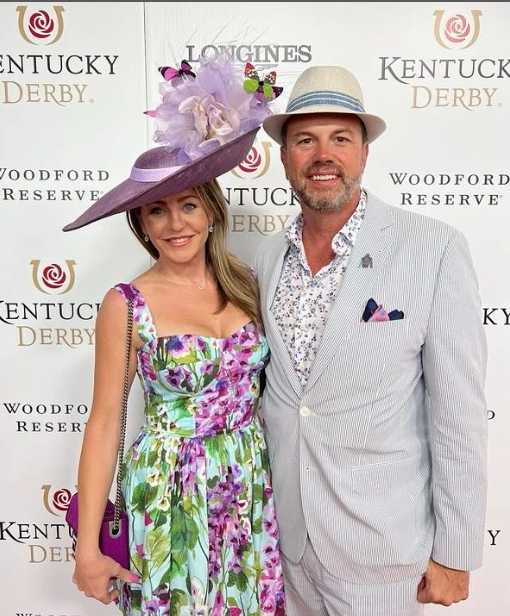
Some events make hats almost mandatory, and no place is more famous for it than the racetrack. The Royal Ascot in England and the Kentucky Derby both set the stage for wild creativity and bold personal style. Here, the hat isn't just an accessory—it's your ticket to the celebration.

On race day, “hat-watching” can be more thrilling than horse-watching. Flower towers, vintage silhouettes, and extravagant trims fill the sky. There are rules, though: hats should never block someone else's view, and comfort is key, because you'll wear it for hours.

These events ask for hats that might be too much elsewhere, but fit right in here. Express yourself, spark up a conversation, and savor the feeling of being part of a century-old tradition.

Key moments for couture hats at the races:

  • Derby day
  • Steeplechase parties
  • Trackside charity events

Tea Parties and Seasonal Galas: Adding Magic to Traditions

Afternoons glow brighter at a tea party or garden gala. These gatherings are an escape from the expected, where pastel hats nod to rose gardens and clinking china. Whether at an English high tea or a spring charity affair, a couture hat marks the moment as special.

Tea hats are less about drama and more about charm. Think smaller brims, delicate details, or net veils that catch the light just right. Seasonal galas call for hats that echo the setting—flowers in spring, bold colors in summer, velvet for winter glamour.

By choosing to wear a couture hat, you lift the whole event. Suddenly, a simple table in the garden transforms into a scene from a favorite novel.

Perfect events for a tea or gala hat:

  • Afternoon teas
  • Garden parties
  • Boutique fundraisers
  • Seasonal balls

Personal Style and Everyday Elegance: Extending the Couture Hat Beyond Events

While many see couture hats as reserved for big ticket events, their true power shines when they become part of your daily style. Wearing a hat for no reason except your own joy is an act of confidence and self-celebration.

Making Everyday Moments Special

Don’t wait for an invitation to the Derby to don your favorite hat. A couture piece can lift the mood on a slow Sunday or a simple brunch with friends. City strolls, gallery openings, or even a creative workshop give you freedom to play. The key is owning your choice.

Practice helps: wear your hat at home first. Notice how it feels, how you move, and how you hold your head. Compliments may come, but people sometimes stare out of admiration or curiosity. Stand tall and wear your story.

Tips to wear couture hats in daily life:

  • Start with neutral or classic styles for casual meetings
  • Pair bold hats with simple outfits to avoid feeling overdressed
  • Embrace the questions and smiles—they mean your hat made an impression

Choosing the Right Hat for the Moment

Selecting the perfect couture hat is an art. The occasion sets the tone, but your mood writes the rules. Thoughtful details can transform your look from everyday to extraordinary without sacrificing ease.

How to pick a hat you'll love to wear:

  1. Match the scale to the setting: Large brims for big, open spaces; smaller, structured hats for intimate gatherings or indoors.
  2. Mind your wardrobe: Let the hat do the talking. Pair bright or ornate hats with simple, solid colors. Save complicated prints for smaller hats.
  3. Embrace comfort: A hat should feel like a crown, not a chore. If it squeezes, scratches, or feels heavy, try another. Fashion should bring joy, not pain.
  4. Keep confidence at the center: The best hat is the one that makes you stand straighter and smile wider. Trust your first instinct.

When in doubt, bring a friend along hat shopping or ask an expert for advice. Sometimes the best style moments bloom from a little encouragement.

The Joy and Power of Knowing When to Wear a Couture Hat

Wearing a couture hat is more than dressing up. It's about stepping into your own spotlight, whether in a crowded ballroom or a quiet corner café. These hats are symbols of celebration and self-love.

Grand events beg for bold headwear, but everyday moments crave their beauty too. Don't let hats gather dust—let them witness your daily stories and make small moments memorable.

Your personal style deserves to be seen. Wear your hat with pride, let it spark joy, and watch ordinary days transform into treasured memories.

UPDATED: 2025-2026 Racing Schedule

UPDATED: 2025-2026 Racing Schedule

This season's races are going to one of the biggest celebrations around.

We're excited to let you look your best (and win a few awards yourself). Each race has a distinct feel and we've captured those with a wide variety of derby hats, fascinators and choice of elegant, fun and even formal pieces.

International Race Schedule

2025 Feb 22 Saudi Cup King Abdulaziz Racetrack, Riyadh, Saudi Arabia
2025 Mar 14 Cheltenham Gold Cup Cheltenham racecourse, Evesham Road, Cheltenham
2025 Apr 5 Dubai World Cup Meydan Racecourse, Dubai, UAE
2025 Apr 5 Grand National Aintree Racecourse in Liverpool
2025 May 3 Kentucky Derby Louisville, Kentucky, US
2025 May 17 Preakness Stakes Pimlico Race Course in Baltimore, Maryland, USA
2025 June 7 Belmont Stakes Saratoga Race Course, New York, USA
2025 June 6 Epsom Derby Epsom Downs Racecourse, Surrey, England
2025 June 20 Royal Ascot Gold Cup Ascot Racecourse, Berkshire, England
2025 Oct 5 Prix de l'Arc de Triomphe Longchamp Racecourse; Paris, France
2025 Oct 18 The Everest Randwick Racecourse, Sydney, Australia
2025 Nov 1 Breeders Cup Del Mar, San Diego, USA
2025 Nov 4 Melbourne Cup Flemington Racecourse, Victoria, Australia
2026 Feb ? Saudi Cup King Abdulaziz Racetrack, Riyadh, Saudi Arabia
2026 Mar ? Cheltenham Gold Cup Cheltenham racecourse, Evesham Road, Cheltenham
2026 Mar ? Dubai World Cup Meydan Racecourse, Dubai, UAE
2026 Apr ? Grand National Aintree Racecourse in Liverpool
2026 May ? Kentucky Derby Louisville, Kentucky, US
2026 May 16 Preakness Stakes Pimlico Race Course in Baltimore, Maryland, USA
2026 June ? Belmont Stakes Saratoga Race Course, New York‎, USA
2026 June ? Epsom Derby Epsom Downs Racecourse, Surrey, England
2026 June ? Royal Ascot Gold Cup Ascot Racecourse, Berkshire, England
2026 Oct ? Prix de l'Arc de Triomphe Longchamp Racecourse; Paris, France
2026 Oct ? The Everest Randwick Racecourse, Sydney, Australia
2026 Nov ? Breeders Cup Del Mar, San Diego, USA
2026 Nov 3 Melbourne Cup Flemington Racecourse, Victoria, Australia

courtesy of TopEndSports.com

Previous Derby Events

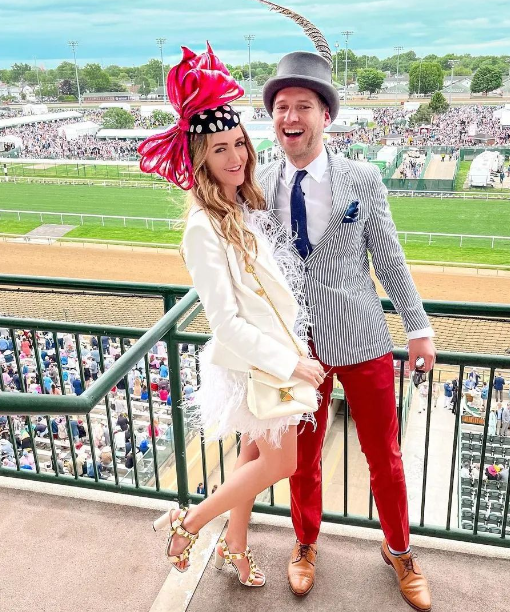
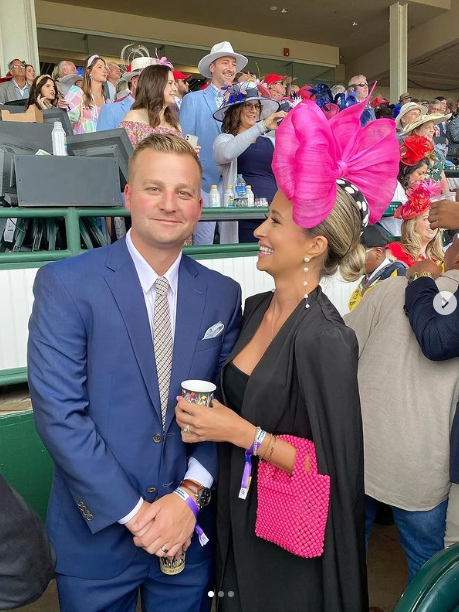
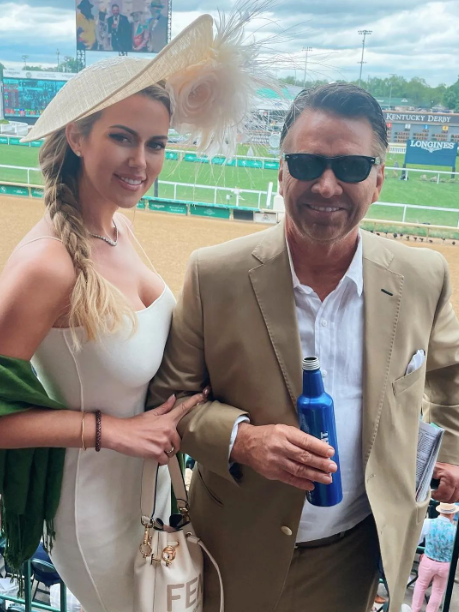
We love helping our clients look their best at all races. Here are a few pics of previous clients at racing events.

NPR: Inside the Glitz and Glamor of the Kentucky Derby

NPR: Inside the Glitz and Glamor of the Kentucky Derby

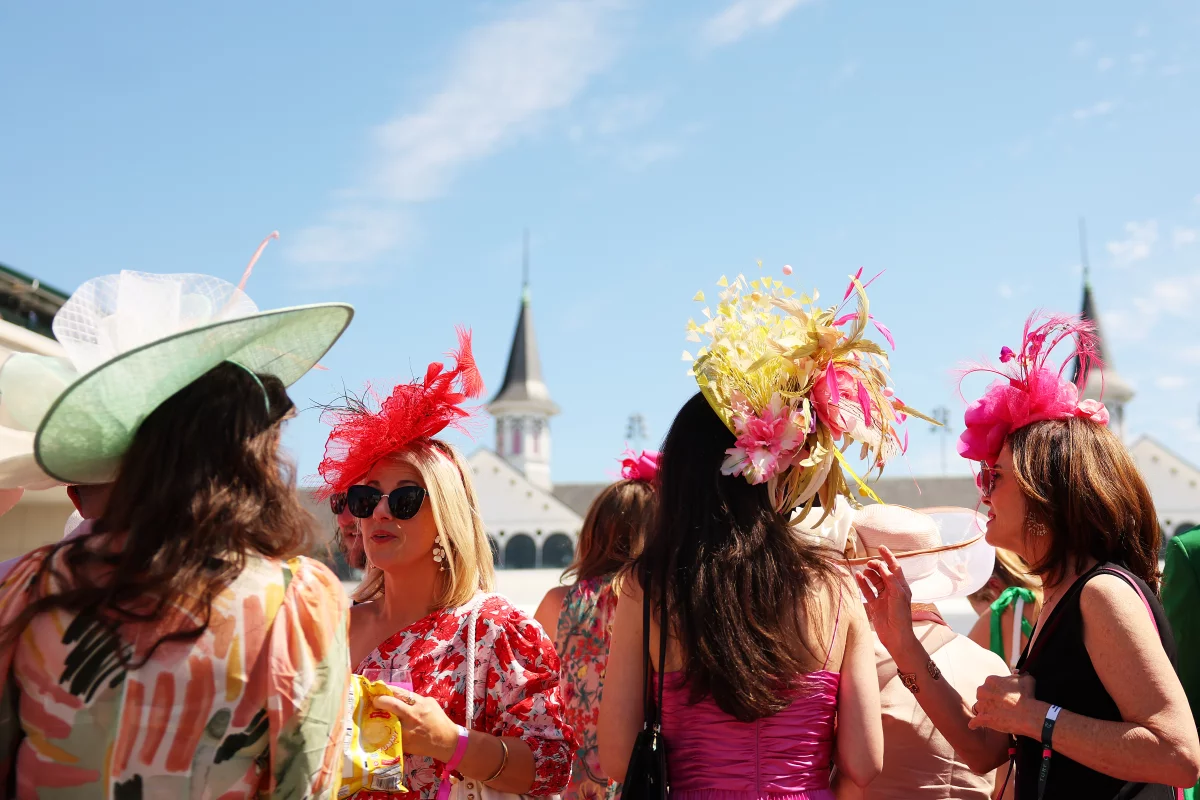
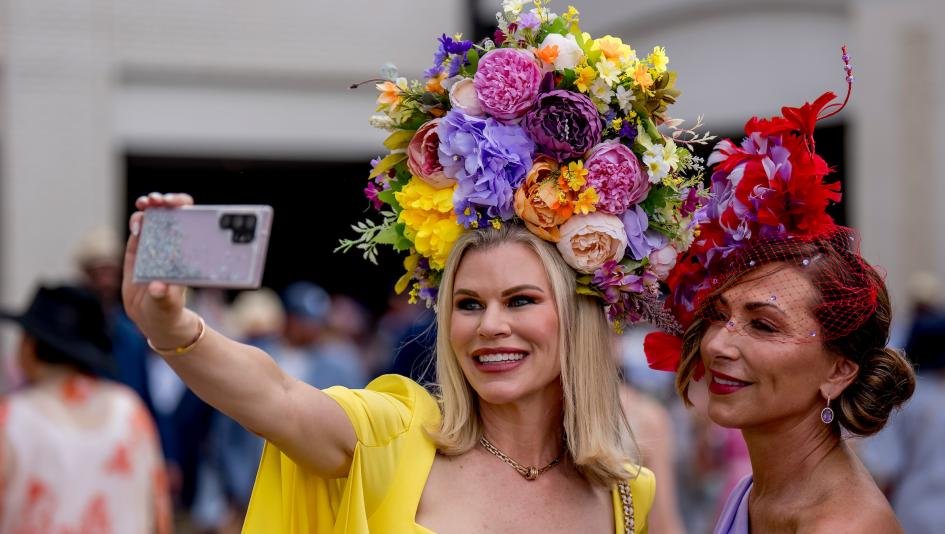
Derby hat trends don't change much, but this year, hats in shades of green or yellow are particularly popular, Carroll said. And during the past decade, visitors have gravitated to fascinators, which are headbands with some kind of embellishment, she added.

Amy Lawyer, the chairperson of equine administration at the University of Louisville's business school, said some will try to wear the biggest hat possible, but lots of guests prefer something more functional.

"The fascinators are always popular because they tend to not catch in the wind as much," Lawyer said. "They don't bump into people, and they can ride over in the car a little bit easier."

Customers are also going back to the Derby's roots by choosing a vintage style of hat, which is characterized by a bigger and floppier silhouette, and lots of flowers and feathers, Carroll said.

The first Kentucky Derby took place in 1875, and hats became a mainstay relatively early, around 1900. They were used to signify status, and over the decades have been accompanied by bodices, corsets, Flapper skirts, gloves and jumpsuits, according to the Derby website. 

Betting

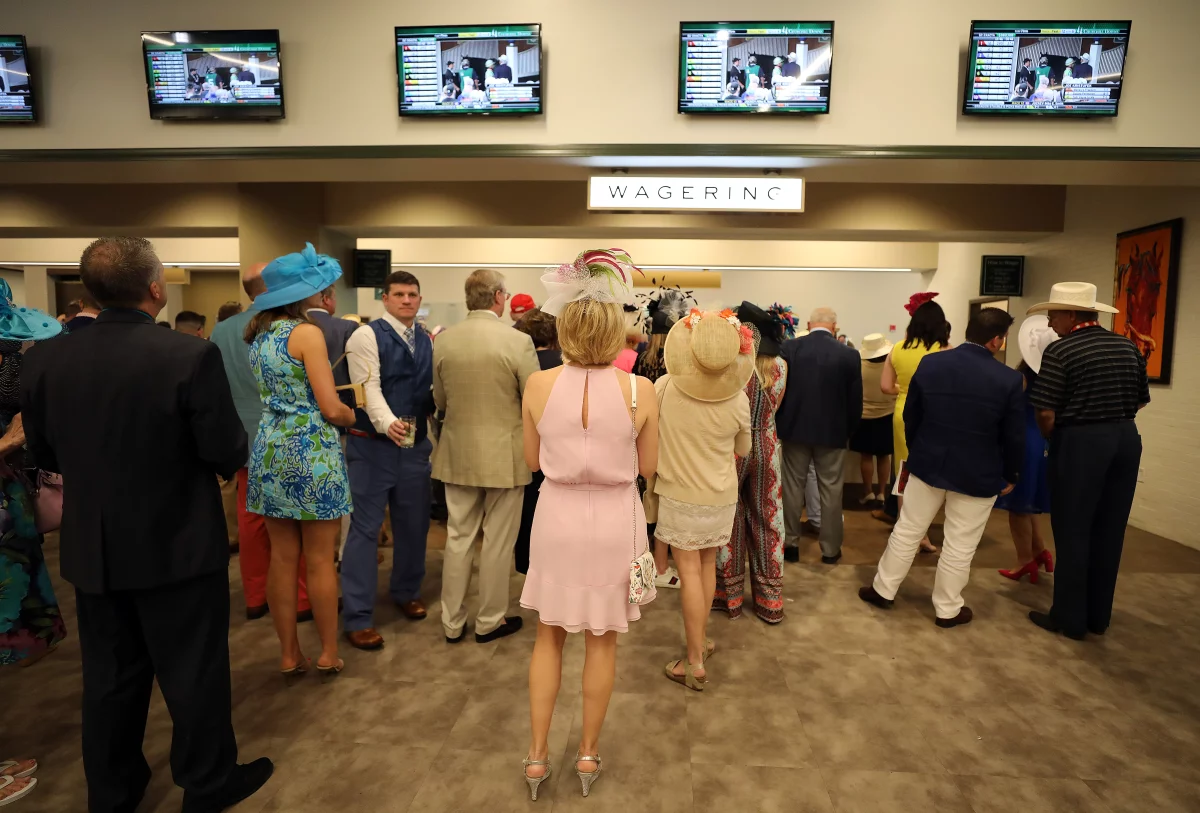
There are betting windows everywhere. Lawyer said the Derby makes betting as accessible as possible, from a betting app, to signs instructing you on how to place a bet using the proper terminology, to the demeanor of the Churchill Downs employees.

"The people at the betting window will be very patient with you, because they want to make sure that you feel comfortable and you'll come back and bet again," she said.

But easy access makes for a bit of chaos.

"The people in line behind you might be the people that get a little impatient, so it's kind of recommended that you study the program before you get to the betting window, and you know which horses you're going to pick when you get up there," Lawyer said.

There are a couple restrictions, though.

In Kentucky, you have to be at least 18 to gamble, and at the Downs, you have to bet a minimum of $2.

There is no ceiling — but there are special windows for the high rollers.

The horses

About 20,000 thoroughbred foals are born in North America each year, Lawyer said. Breeders with hopes of getting their horse to the Derby have one shot — only 3-year-olds can compete. Their chances slim down even more because only 20 horses will take off from the starting line at Churchill Downs.

Before then, the horses must make it through year-round trials. This year's qualifying races took place across the world, including in the U.S., Japan, Ireland, France, England and the United Arab Emirates.

"There's a lot of people that have connections and memories with each one of those horses, and I think it's always important to kind of remind people it's not just a horse to these people," Lawyer said. "It's their passion, it's their livelihood. It's their hopes and dreams kind of all wrapped up in this."

Once the crème de la crème of the horses gets to the Derby, they are flanked by a new crew, adoring fans, eager gamblers and photographers.

For many of the colts, the Derby is the most horses they've raced against, the most people they've been around and the longest distance they've raced — 1 1/4 miles — Lawyer said.

"That's not necessarily a natural thing for a horse to deal with," she said. "So it's a lot of new experiences that the horse is going through, and it makes it really exciting and really unpredictable."

The facilities

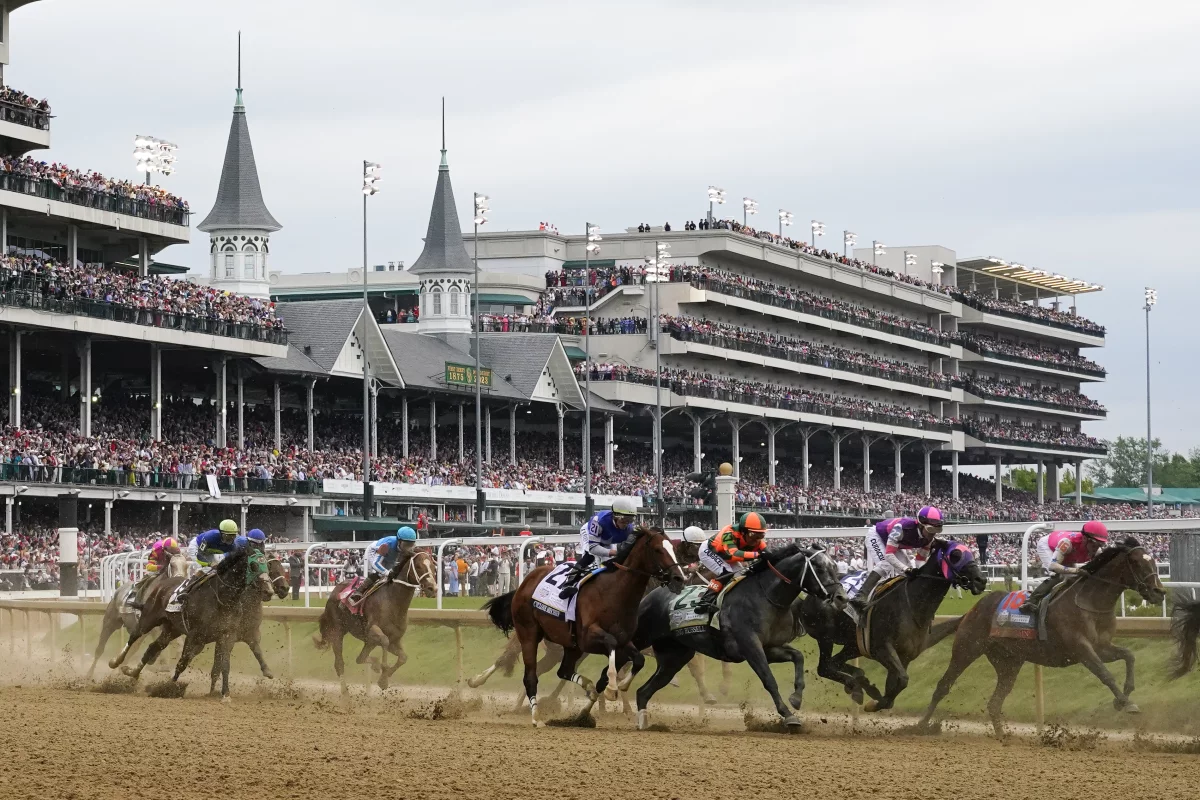
On the horizon of the Churchill Downs are two white steeples — the Twin Spires.

They didn't pop up until 1895, 20 years after Churchill Downs opened its doors. They were constructed by 24-year-old Joseph Dominic Baldez, who was instructed to give the facility more pizazz.

Once visitors reach the Downs, there is a statue of Hall of Fame jockey Pat Day, who has separately won the Derby once, Preakness five times and Belmont twice. (A horse and jockey must win all three races in the same year to be deemed a Triple Crown winner.)

There are also statues of Aristides, the first horse to win the Derby, ridden by Oliver Lewis, and jockey Edgar Prado and Barbaro, who won the Derby in 2006.

"The Derby Museum is also a really special place, and if somebody hasn't been to Louisville before and doesn't know a lot about the Derby, or even if they do, it's just a really great museum," Lawyer said. "They do a fabulous job."

Additionally, seating was recently built at the first turn of the track. It's where photographers get their "money shot" – the horses and jockeys coming around the bend, with the crowd roaring in the background and the Twin Spires above their heads.