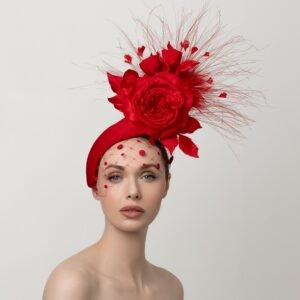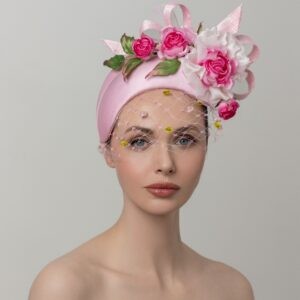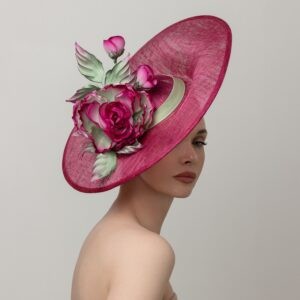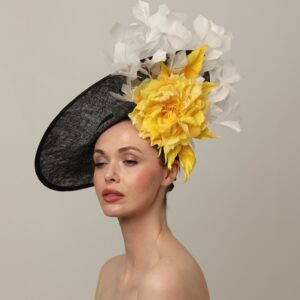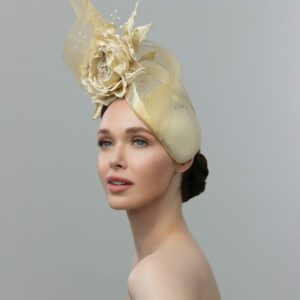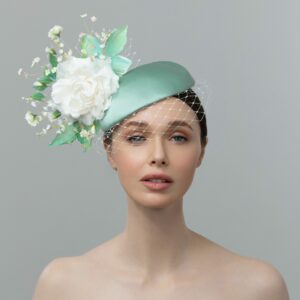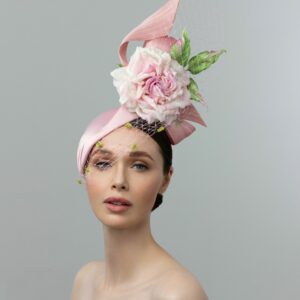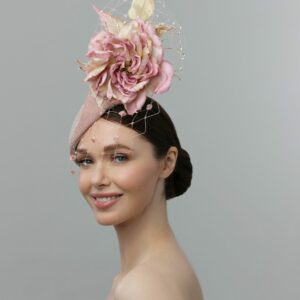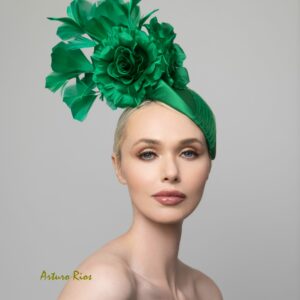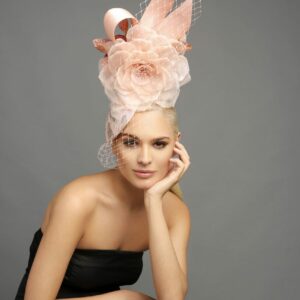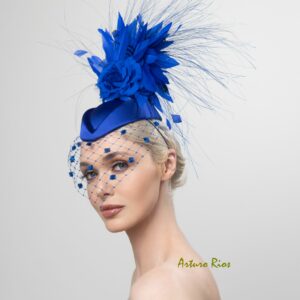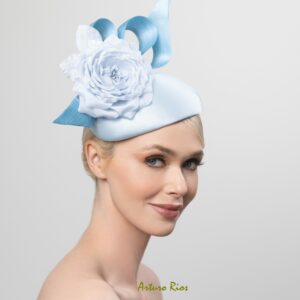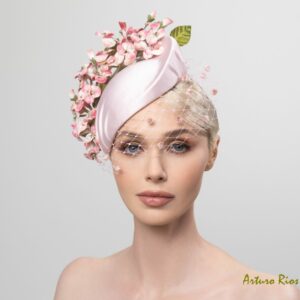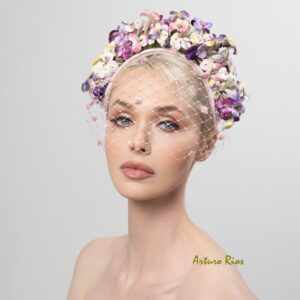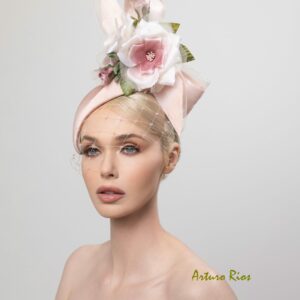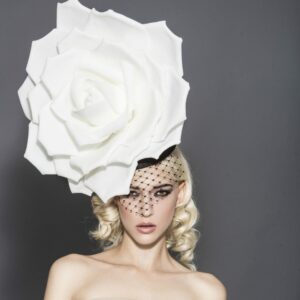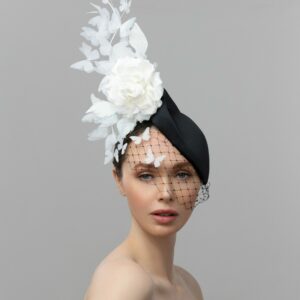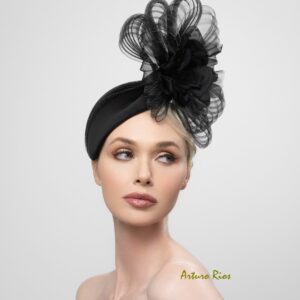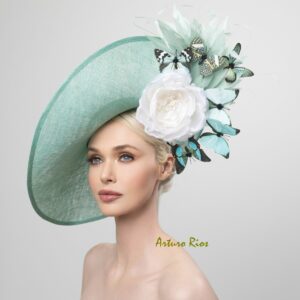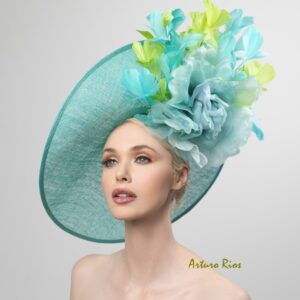
Classic Forms: Fascinators

Classic Forms: Fascinators

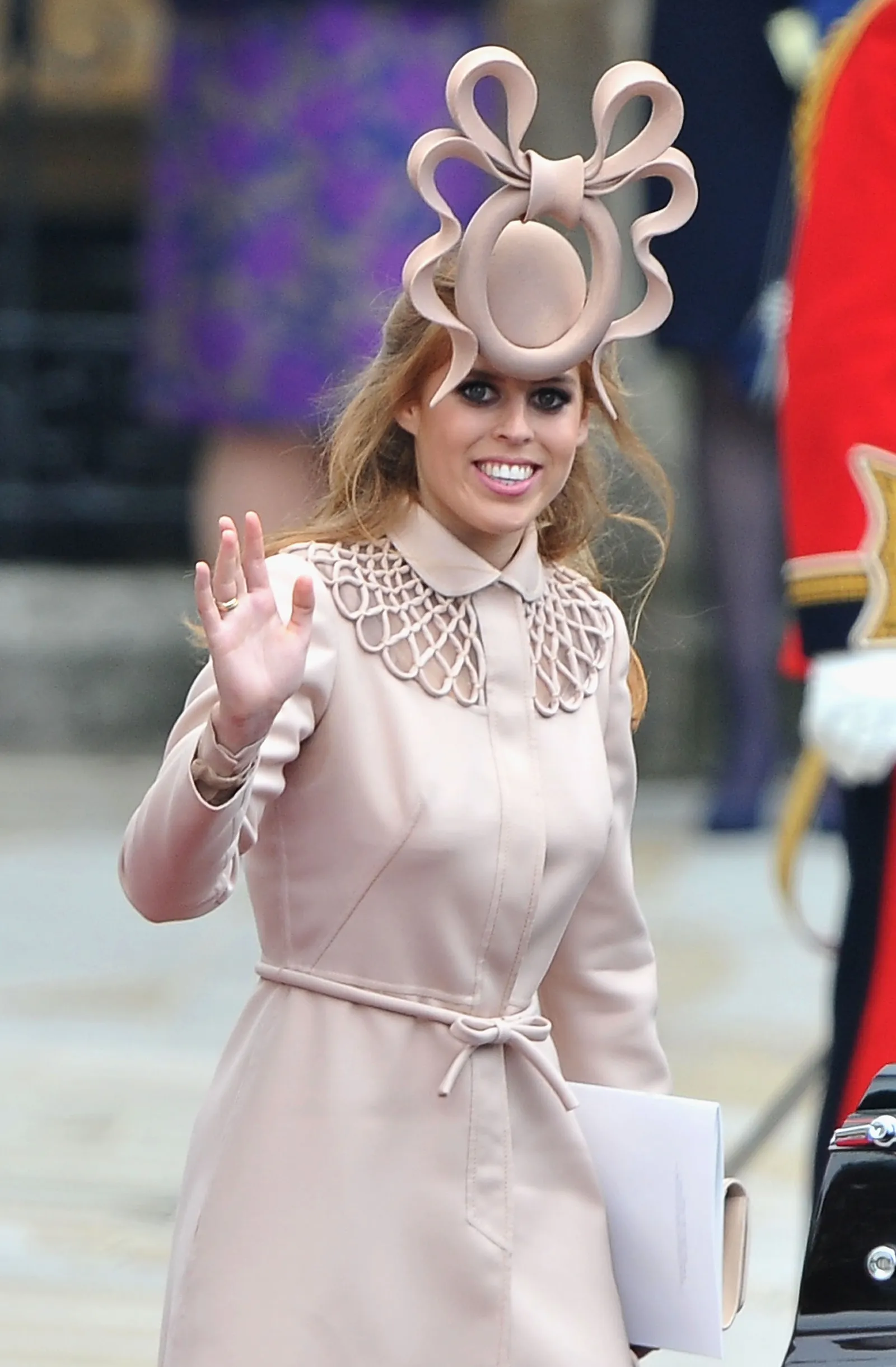
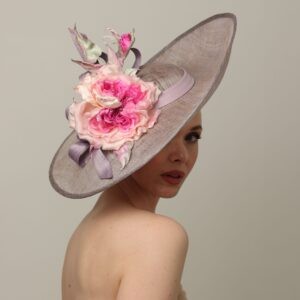
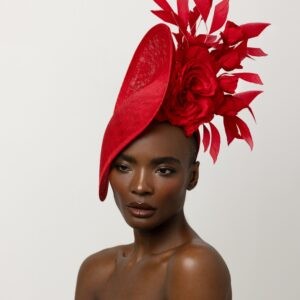
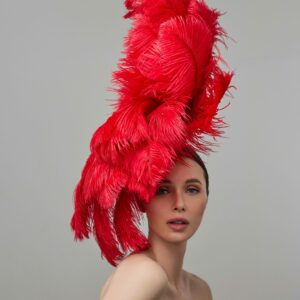
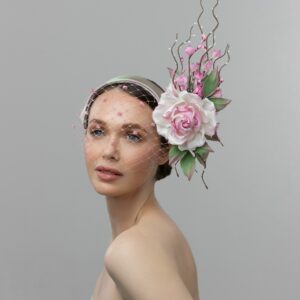
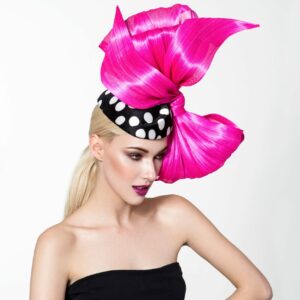
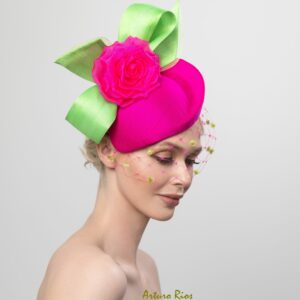
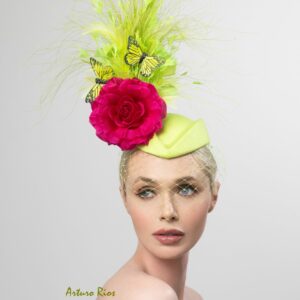
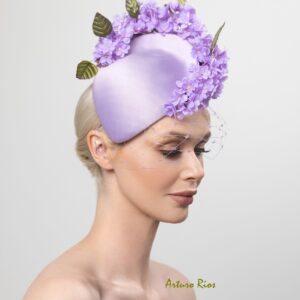
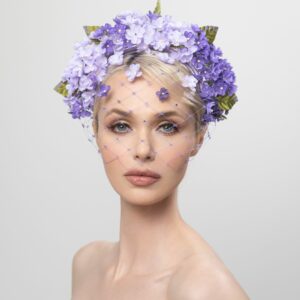
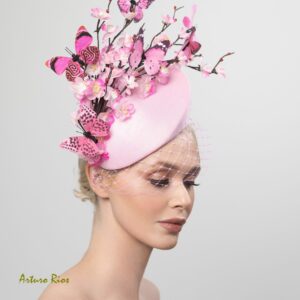
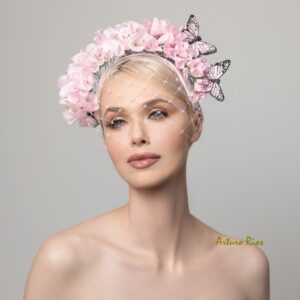
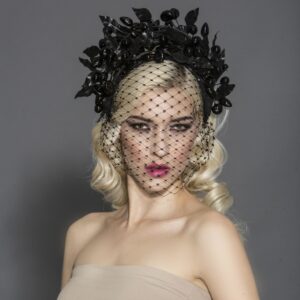
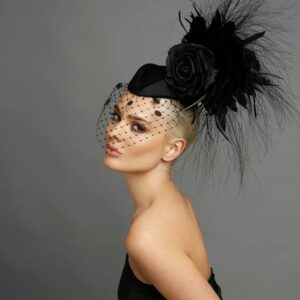
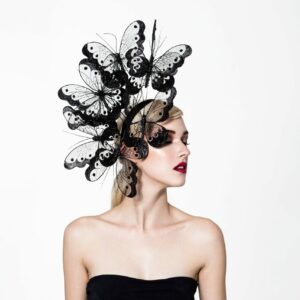
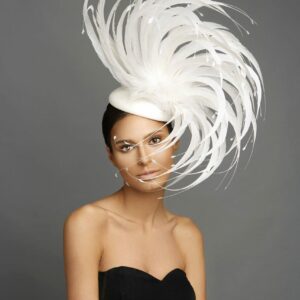
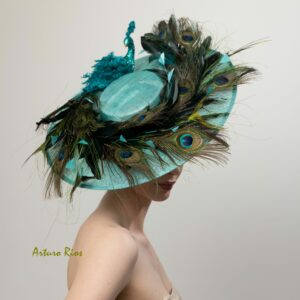
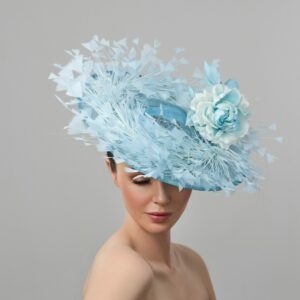
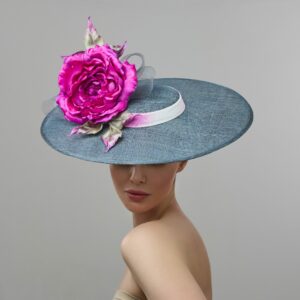
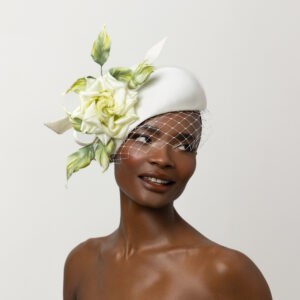
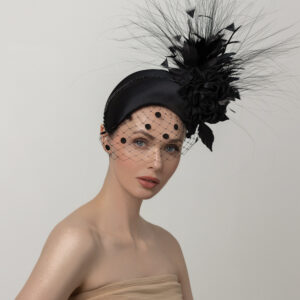
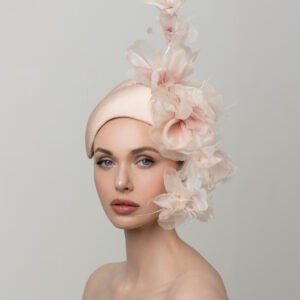
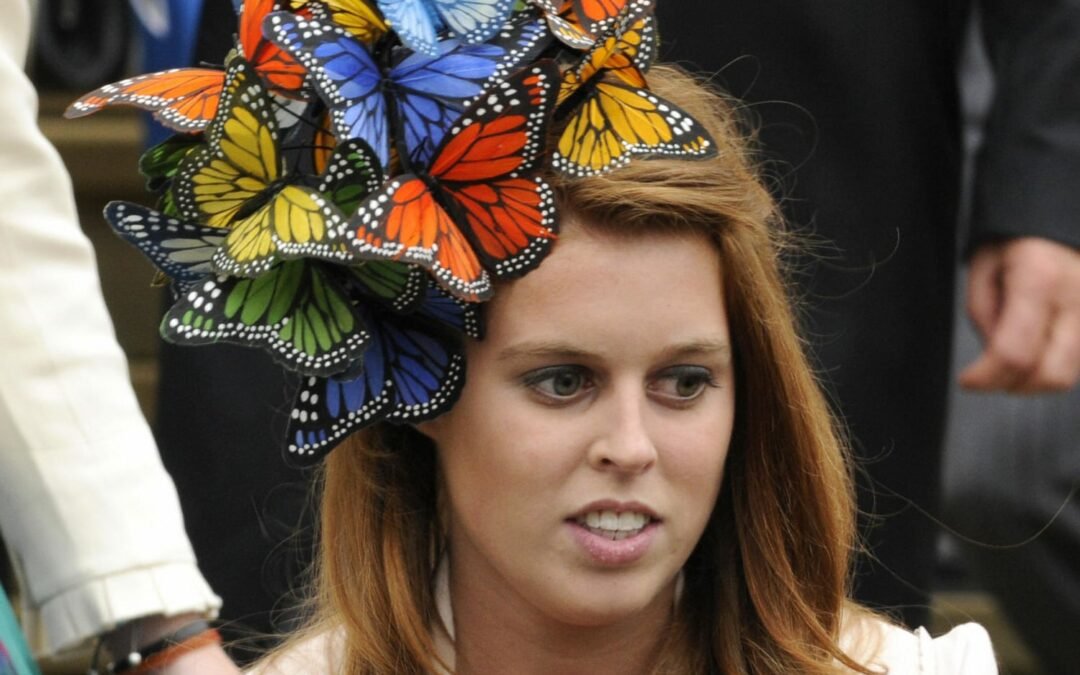
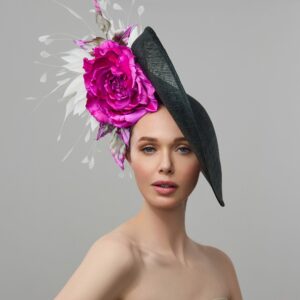
Fascinators have a brief history. Originally, the term was coined by Stephen Jones in the 70s.

In part, the term comes from the way fascinators are attached to the head, that is, fastened by a ribbon or a clip.

But that wasn’t all that Jones had in mind when coming up with the name for his new hats. He was thinking about calling these headpieces something whimsical that would describe their uniqueness and extravagance.

The fastening part played a role, as it reminded him of the word “fascinating.” Hence, a fascinator.

Source: Gold Coast Couture

“The drama and pure folly of fascinators make them unique in millinery.” Arturo states. “They very literally are the crowning touch to a truly outstanding style choice. Fascinators are not just for royal events and derbies. They are very good choices for formal events, daytime social gatherings and weddings.” 

An Elegant Focal Point

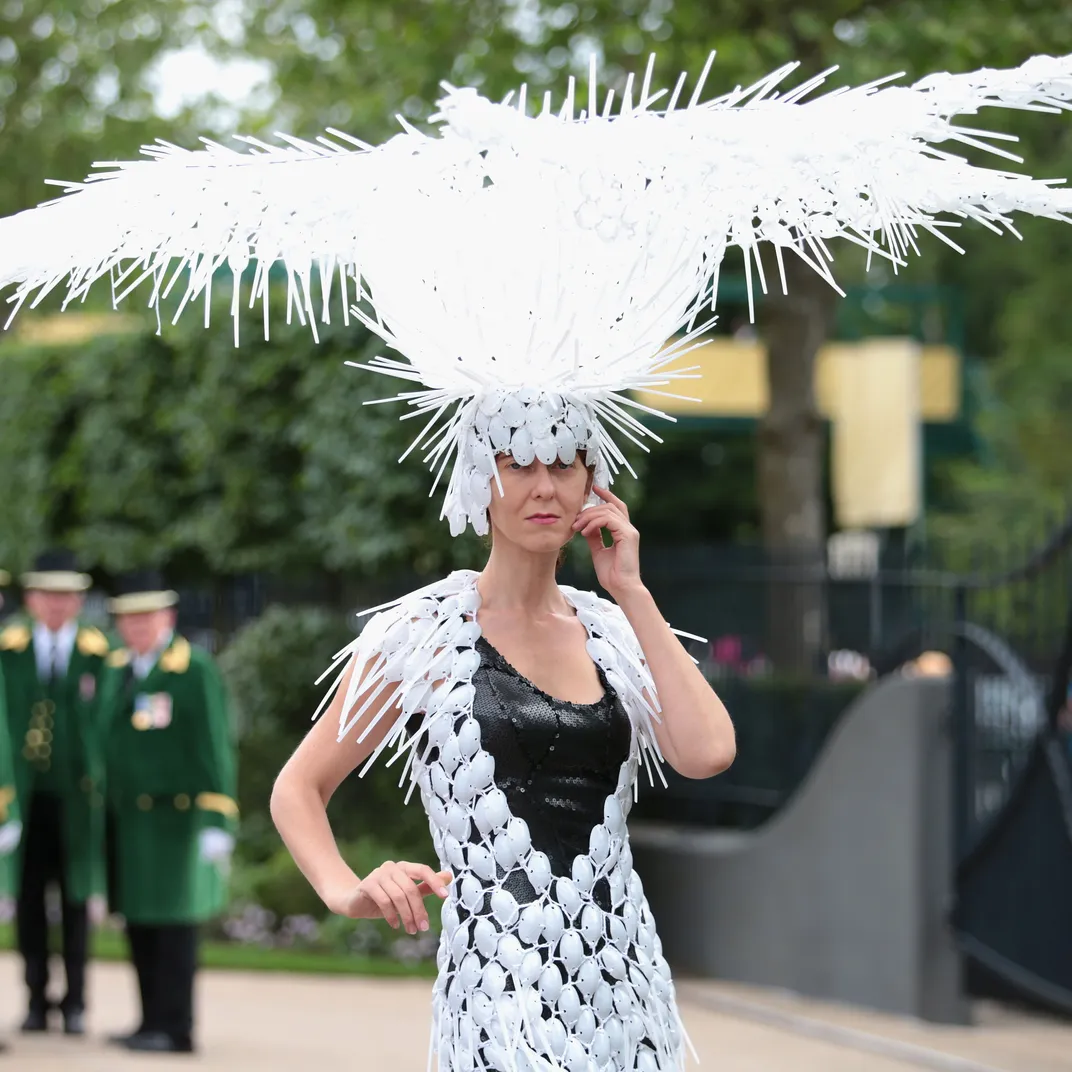
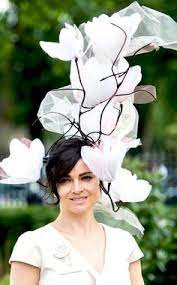
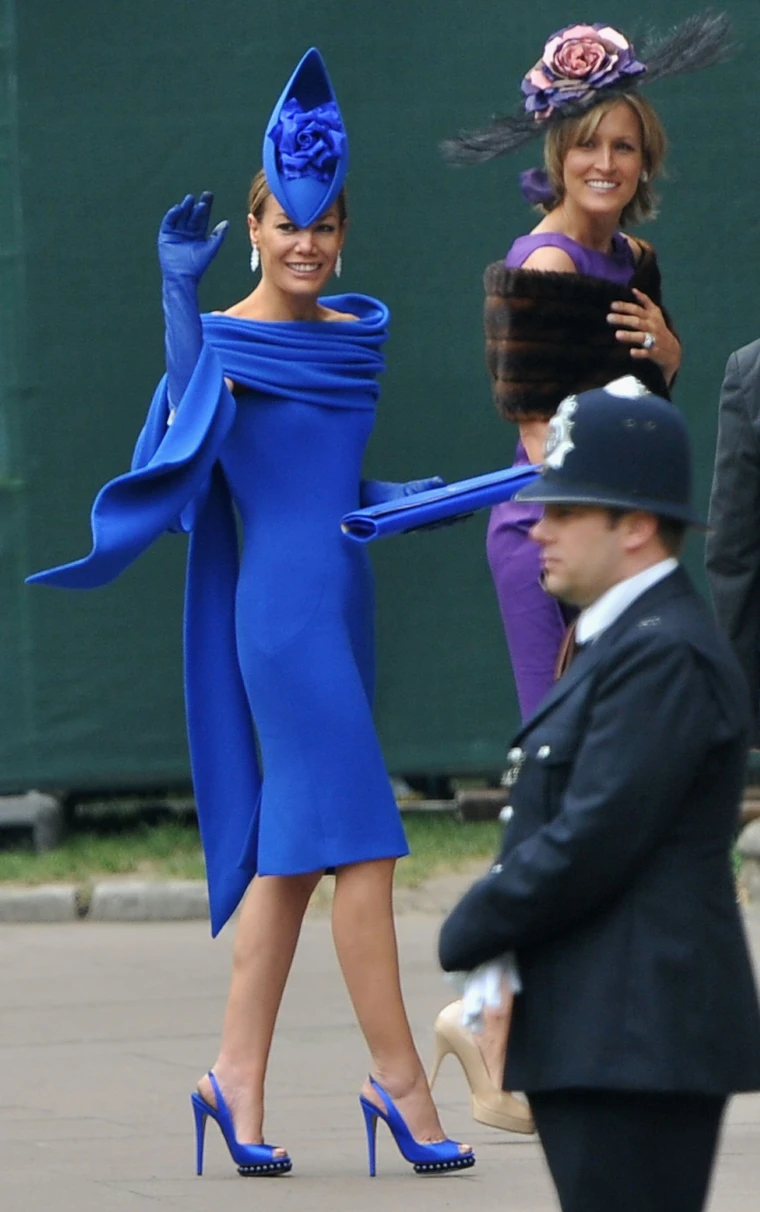
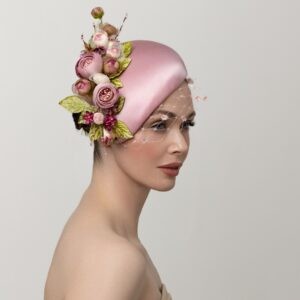
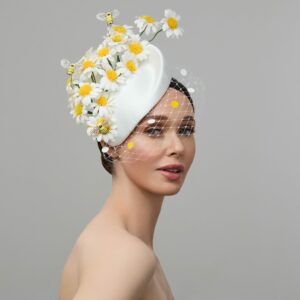
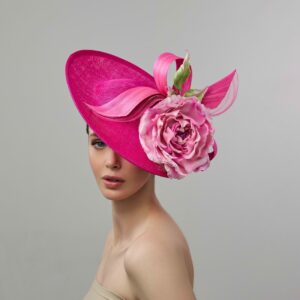
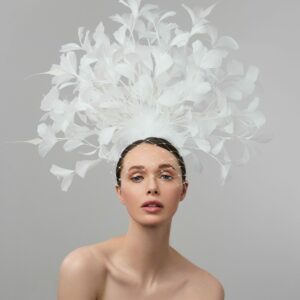
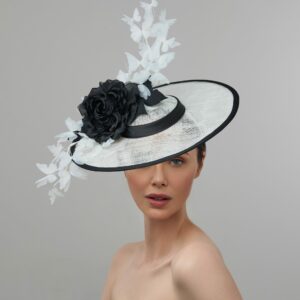
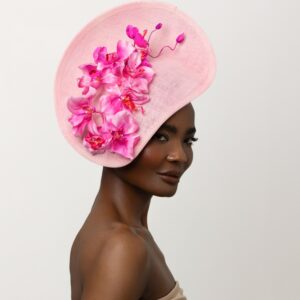
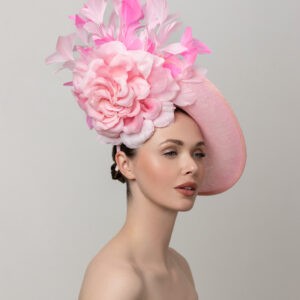
The purpose of a fascinator is not about function; fashion and style are the key points. Fascinators offer little or no protection from the elements as compared to other hats. They exist simply to be fabulous. They draw the eye, focus others’ attention and do so elegantly and with style. Fascinators exist simply to, well, fascinate.

Untethered by boring functions, these hats can soar and push boundaries. They can be stunningly complex or simply frivolous; diminutive or monumental in size. The appeal is broad. The Royals have taken a liking to them. Brides adore them. Socialites and celebrities have a keen interest in them.


|

It was named in the 1960s, re-emerged with heightened artistry in the late 70s, and today is worn by both royals and the fashion forward. It traces back through the centuries, perhaps to the moment in the 1770s when on a whim Marie Antoinette planted some feathers—ostrich and peacock—into her pomaded hair. It may go back further still, to the first female hominid who saw something beguiling—a fern frond, a butterfly wing—and stuck it on her head, well, fascinatingly.

A Brief History of Fascinators: Vanity Fair

Fascinators also allow an individual’s style to break traditional millinery boundaries. “They’re also just fun to wear,” Arturo states. “Each fascinator is a personal statement.”

We think an educated client (never a "customer") is preferred. Arturo also believes in being generous with his knowkledge as others have been generous with theirs to him.

This article is part of our series that explores and celebrates different aspects of millinery. Arturo Rios has created new techniques, forms and modes of constructing the world's finest hats and he wants to share and open the discussion with you.

We welcome everyone to discover how millinery is expanding, changing and evolving. Let us know your thoughts!


Classic Forms

Millinery has a long history. In this series of posts, we delve deeper into the specifics of each type of hat. Pillboxes, fascinator and derby hats are just the beginning. And Arturo wants to assist in your discovery!

Techniques

Hat-making has it's own vocabulary; definitions, terms, slang. We're here to talk about the components that make great hats.

Colors

Arturo has a unique sense of flowers. He also uses his deep understanding of how colors work and how they influence us.
Classic Forms: Saucers

Classic Forms: Saucers

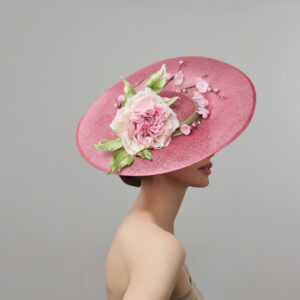
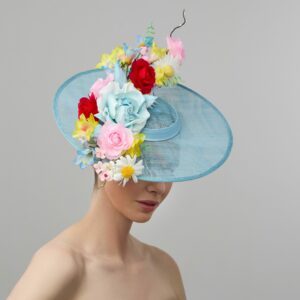
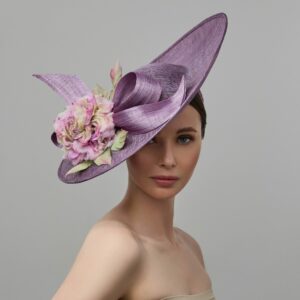
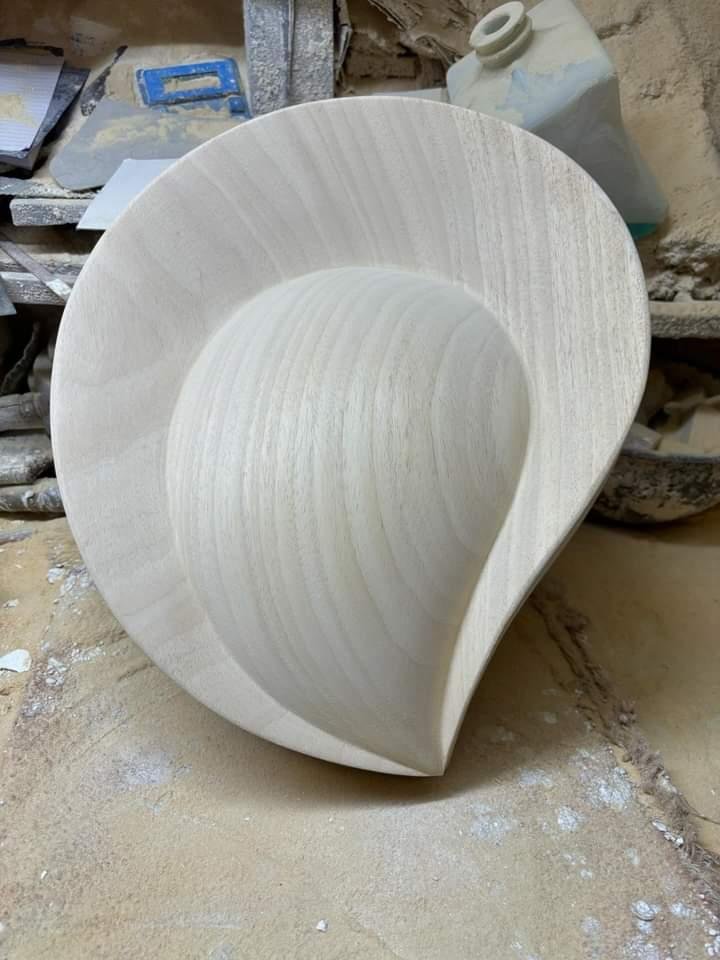
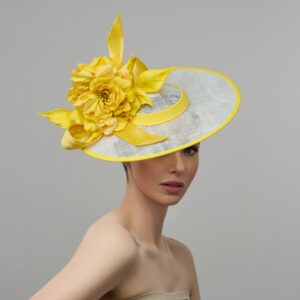
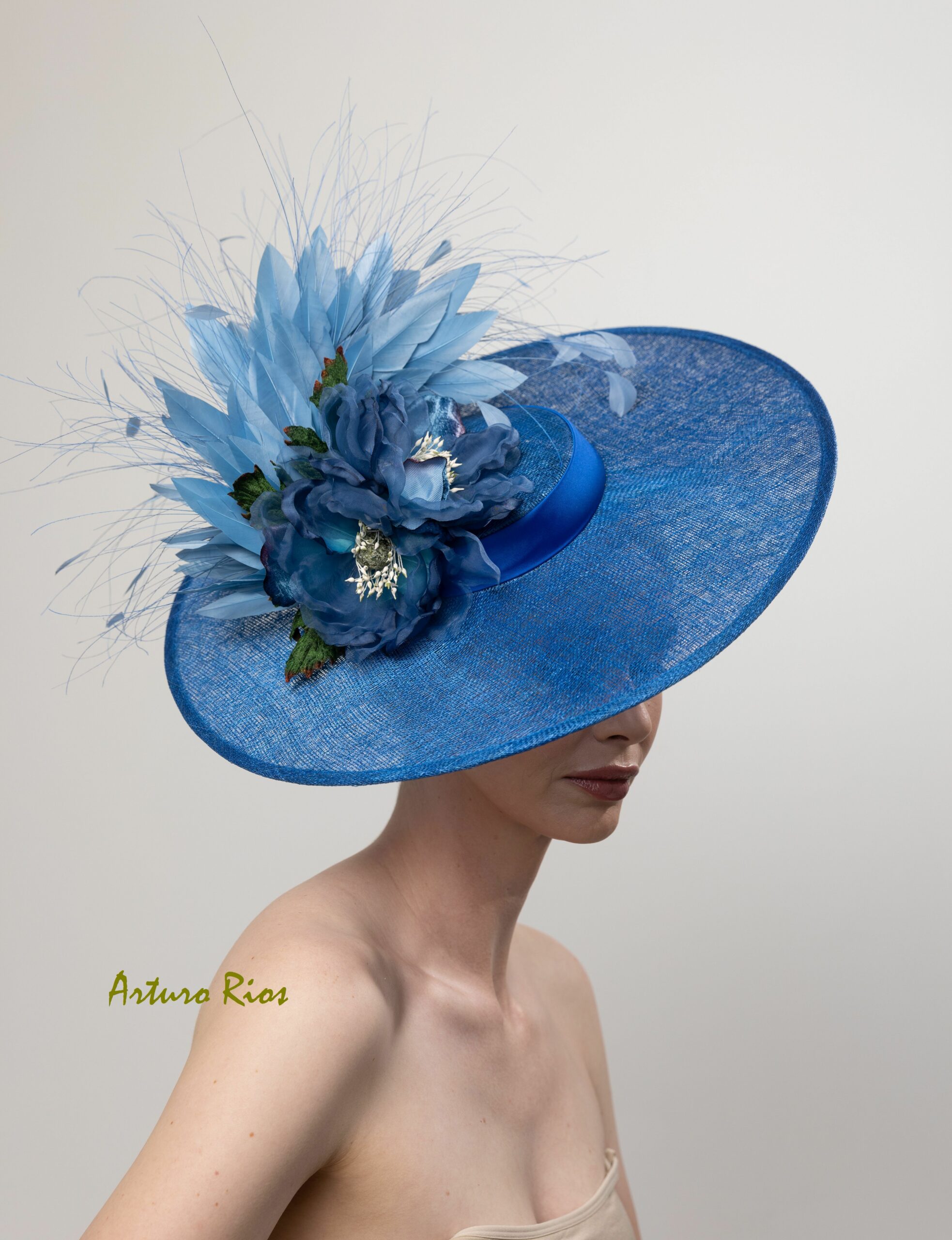
The saucer form ("disc form" is a slight variation) in millinery is relatively new. The style can be traced to a trend in widening the brim of the hat to create a distinct profile while accommodating increasingly dramatic and sophisticated aadornment such as silk flowers, archetectural elements and a widening assortment of structural elements and accessories.

Arturo is experimenting with this form in detail while constructing his upcoming collection:

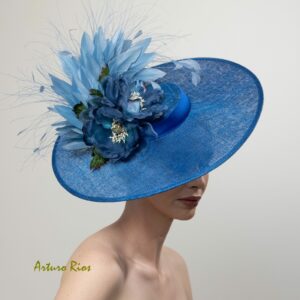
"Saucers are one of my favorite base forms to play with. The expansive shape is very dramatic. When I use bright colors and adorn the hat with equally colorful, fun accessories, they're a great choice for daytime events. If using more subdued colors and more discreet decorative items like silk flowers, crystals or feathers, they do make a stunning and elegant choice for more sophisticated evening and formal occasions."

Arturo Rios

We think an educated client (never a "customer") is preferred. Arturo also believes in being generous with his knowkledge as others have been generous with theirs to him.

This article is part of our series that explores and celebrates different aspects of millinery. Arturo Rios has created new techniques, forms and modes of constructing the world's finest hats and he wants to share and open the discussion with you.

We welcome everyone to discover how millinery is expanding, changing and evolving. Let us know your thoughts!


Classic Forms

Millinery has a long history. In this series of posts, we delve deeper into the specifics of each type of hat. Pillboxes, fascinator and derby hats are just the beginning. And Arturo wants to assist in your discovery!

Techniques

Hat-making has it's own vocabulary; definitions, terms, slang. We're here to talk about the components that make great hats.

Colors

Arturo has a unique sense of flowers. He also uses his deep understanding of how colors work and how they influence us.
Classic Forms: The Veil

Classic Forms: The Veil

The Historical Importance of the Veil

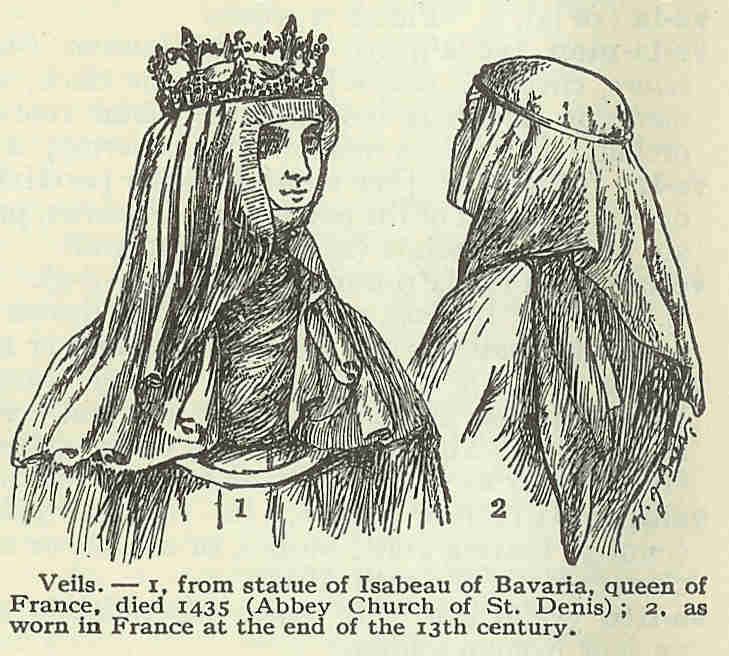
For centuries, European women have worn sheer veils, but only under certain circumstances.

Sometimes a veil of this type was draped over and pinned to the bonnet or hat of a woman in mourning, especially at the funeral and during the subsequent period of "high mourning". They would also have been used, as an alternative to a mask, as a simple method of hiding the identity of a woman who was traveling to meet a lover, or doing anything she did not want other people to find out about. More pragmatically, veils were also sometimes worn to protect the complexion from sun and wind damage (when untanned skin was fashionable), or to keep dust out of a woman's face, much as the keffiyeh (worn by men) is used today.

The practice of veiling is especially associated with women and sacred objects, though in some cultures, it is men, rather than women, who are expected to wear a veil. Besides its enduring religious significance, veiling continues to play a role in some modern secular contexts, such as wedding customs.

Gallery

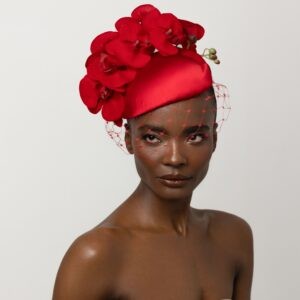
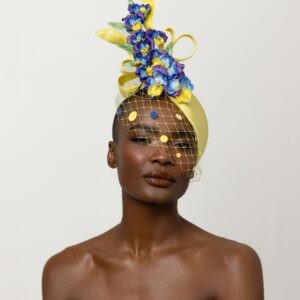
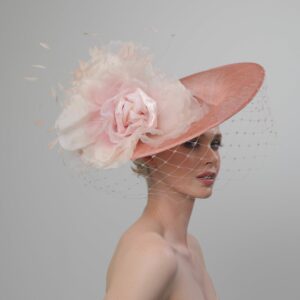
A partial gallery of Arturo's most recent hats featuring veils:

Modern Veils

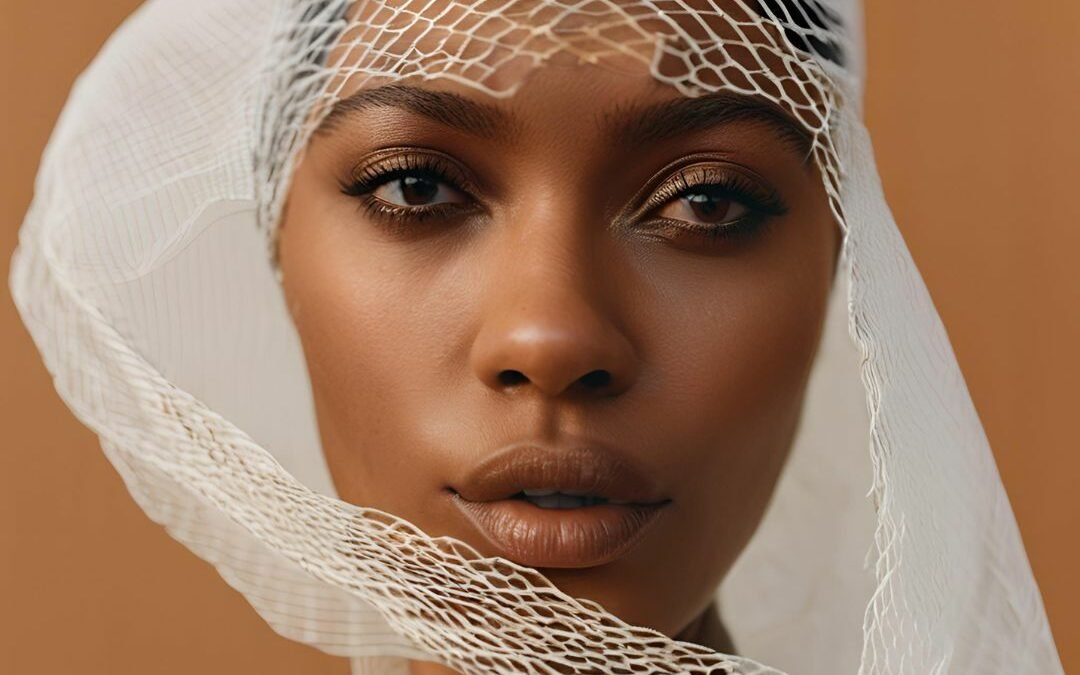
The veils used in modern millinery carry far less religious and cultural weight. They are primarily decorative. Their impact, however is not diminished.

"They are an important part of the whole hat's silhouette," explains Arturo. "It is there to add to the form of the hat while drawing attention to the face. This is what good design does — it enhances the whole, it does not conceal it."

Almost all of the veils designed by Arturo Rios feature subtle, yet distinguishing embellishments. Swarovski crystals, paillettes and elaborate stitching are some techniques that set Arturo's hats apart.

Interested in more?

We're beginning an occasional series entitled Classic Forms which will explore the fundamental aesthetics of millinery.

Stay up to date and be alerted when we add more items to this collection. Sign up to the right.

[forminator_form id="11266"]

Classic Forms: The Pillbox Hat

Classic Forms: The Pillbox Hat

Beginning in the 1930s the basic pillbox design was employed by milliners, or hatmakers, who created a new style of head covering: the pillbox hat, a smallish, brimless round hat that featured straight sides and a level top. Pillbox hats were popular because of their simplicity and elegance. They most often came in solid colors and were usually unadorned with accessories except for a colored net veil, or a single pin or jewel. They were, however, made of an array of materials, some of which were elaborately designed. These included green wool with ornate gold cording; black velvet, smothered in black beads; and white organdy, a transparent fabric, with attached overlapping organdy petals and silk rose bouquets. Pillbox hats might also be made out of the furs of mink, lynx, fox, or leopard skin. 

Musician Bob Dylan (1941–) incorporated the image of the latter into a song about a jilted lover, "Leopard-Skin Pillbox Hat" (1966)

Encyclopedia of Fashion

"For the upcoming collection, I'll be introducing new fascinators shapes, pillboxes, berets and headbands.
To form the classic pillbox, we use blocks that are made in England. These are being adjusted and exclusively customized for our collection.
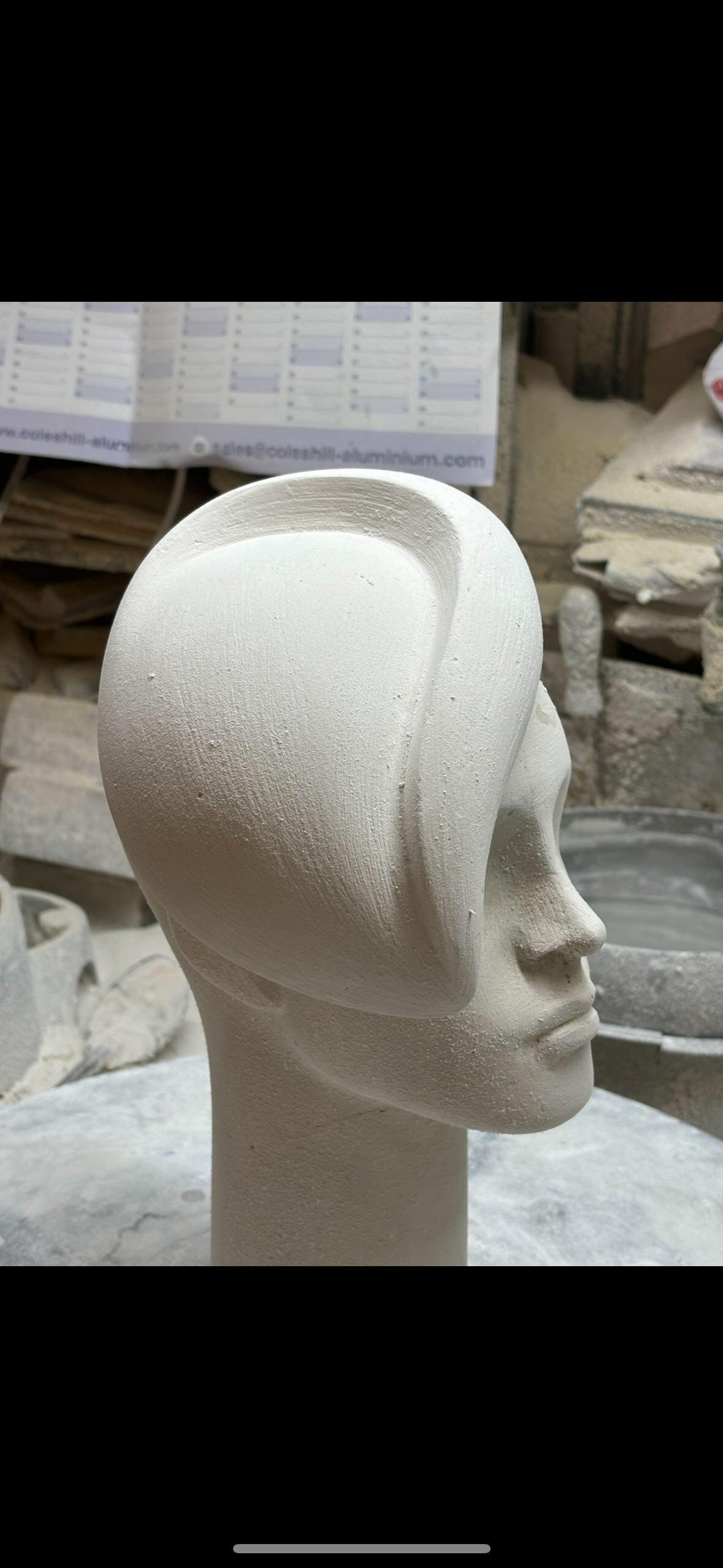
The shape is called a "percher beret," with a thin, pointed end and a high peak at the top. This shape fits perfectly on the head and creates a striking profile.
The pillbox shape has been used by many members of the Royal Family through the years."
— AR

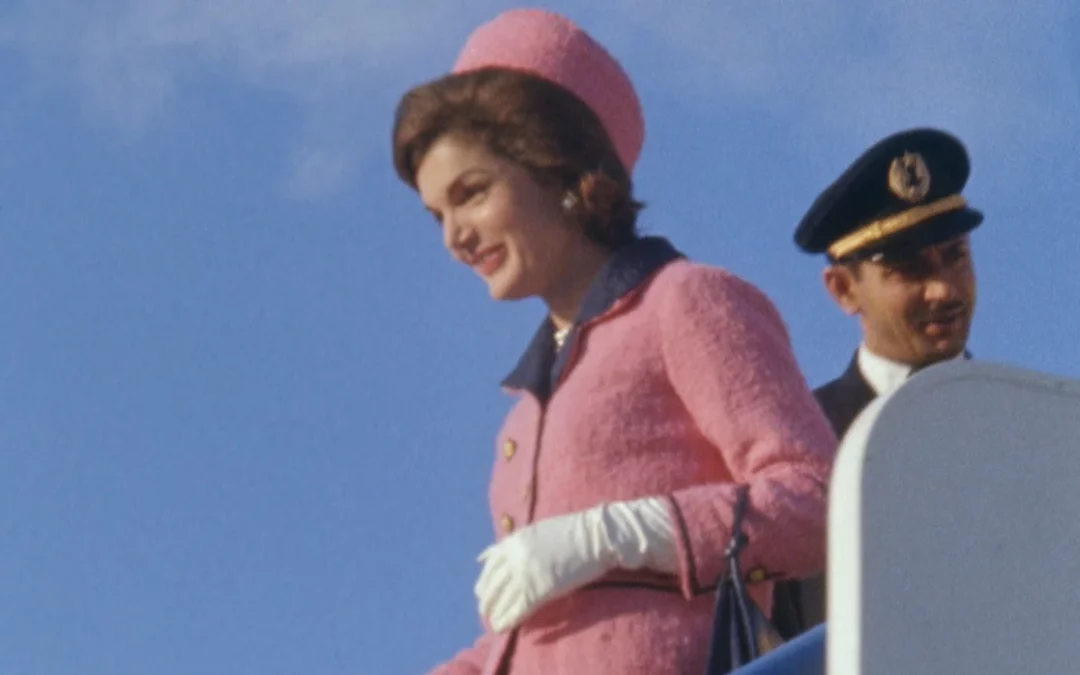
The popularity of the pillbox hat increased during the post–World War II (1939–45) era and reached its peak at the 1961 inauguration of President John F. Kennedy (1917–1963), when his wife, Jacqueline Kennedy (1929–1994), wore a simple, unadorned bone wool pillbox hat designed by Halston (1932–1990). Previously, Mrs. Kennedy did not favor hats of any kind, but she was so taken by Halston's design that the pillbox hat became her trademark. She even was wearing a pink one on November 22, 1963, as she cradled her husband in her arms moments after he was shot while riding in a Dallas, Texas, motorcade. The cheerful femininity of Jackie Kennedy's pink suit and pillbox hat are ironic reminders of that tragic day.

We think an educated client (never a "customer") is preferred. Arturo also believes in being generous with his knowkledge as others have been generous with theirs to him.

This article is part of our series that explores and celebrates different aspects of millinery. Arturo Rios has created new techniques, forms and modes of constructing the world's finest hats and he wants to share and open the discussion with you.

We welcome everyone to discover how millinery is expanding, changing and evolving. Let us know your thoughts!


Classic Forms

Millinery has a long history. In this series of posts, we delve deeper into the specifics of each type of hat. Pillboxes, fascinator and derby hats are just the beginning. And Arturo wants to assist in your discovery!

Techniques

Hat-making has it's own vocabulary; definitions, terms, slang. We're here to talk about the components that make great hats.

Colors

Arturo has a unique sense of flowers. He also uses his deep understanding of how colors work and how they influence us.
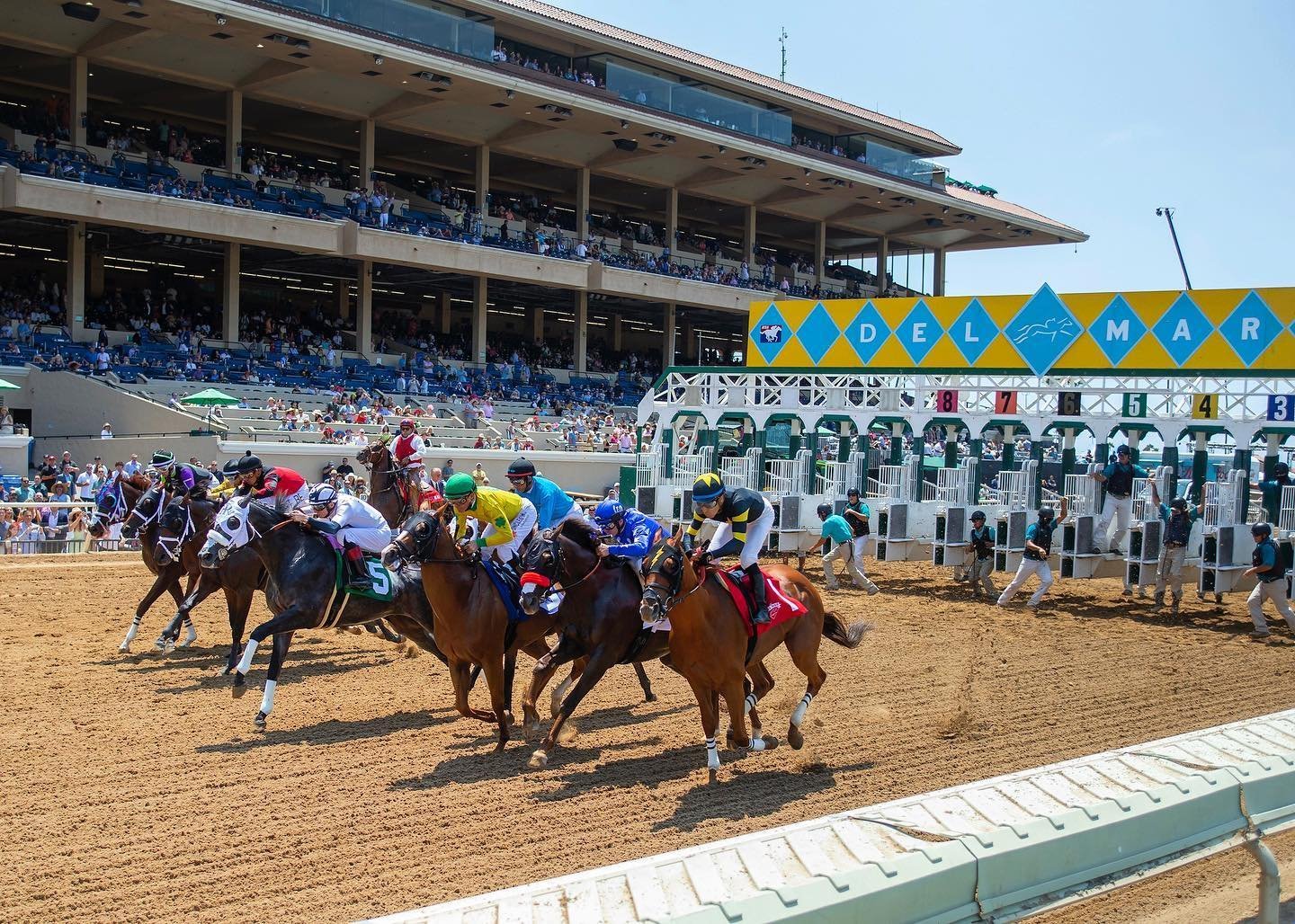
Opening Day: Del Mar

Opening Day: Del Mar

Opening Day

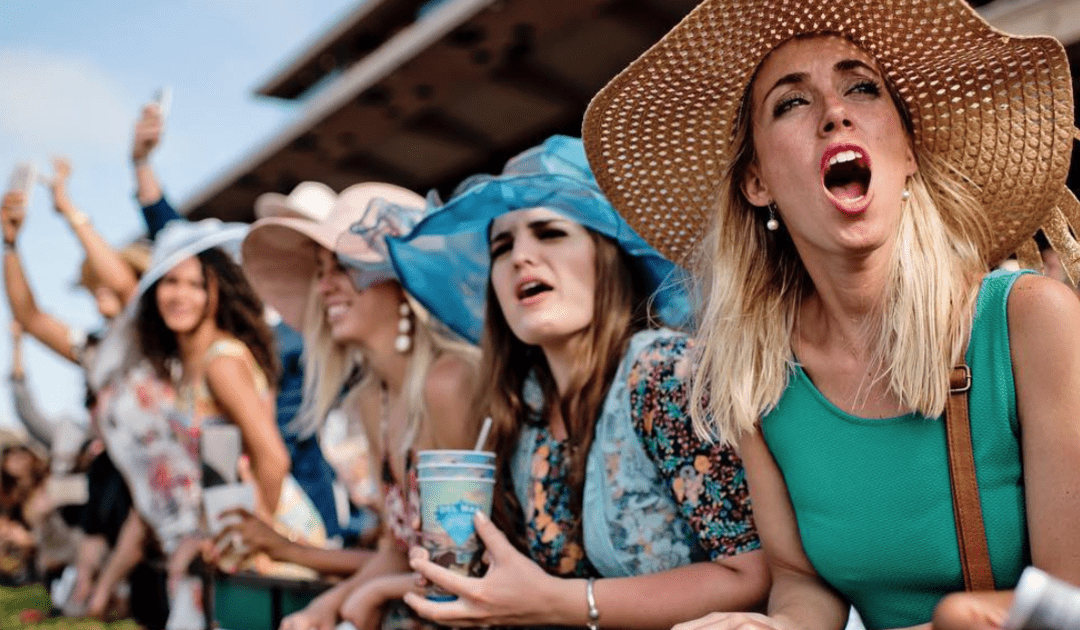
The season at Del Mar runs from July 20 - Sept 8 & Oct 31 - Dec 1, 2024. One of the largest draws each year for the Del Mar racetrack has become Opening Day with its Hats Contest and multiple parties

This year's categories are: Best Racing Theme, Most Glamorous, Best Fascinator, and Best Flowers.

Showing 1–8 of 22 resultsSorted by latest

History

After opening of the Santa Anita Park racetrack in Arcadia, California on Christmas Day 1934, William A. Quigley, a resident of La Jolla, formed the idea of starting a racetrack on the Del Mar Fairgrounds. He pitched this to Bing Crosby, and they founded the Del Mar turf Club on May 6, 1936. Bing Crosby was at the gate to personally greet the fans. On August 12, 1938, the Del Mar Thoroughbred Club hosted a $25,000 winner-take-all match race between Charles S. Howard's Seabiscuit and the Binglin Stable's colt, Ligaroti. In an era when horse racing ranked second in popularity with Americans to Major League Baseball, the match race was the first nationwide broadcast of a Thoroughbred race by NBC radio.In the race, Seabiscuit was ridden by jockey George Woolf and Ligaroti by Noel Richardson. In front of a record crowd that helped make Del Mar race track a success, Seabiscuit won by a nose.

By 1940, Del Mar became a summer playground for many Hollywood stars. Between 1942 and 1944, the facility was closed due to the Second World War. Initially, the grounds were used for training by the United States Marine Corps, then as a manufacturing site for parts to B-17 bombers.

The first Bing Crosby Stakes was held at Del Mar in 1946 and that same year the Santa Fe Railroad began offering a racetrack special bringing spectators, bettors, and horses to Del Mar from Los Angeles. Throughout the late 1940s and 1950s, the track became the Saratoga of the West for summer racing. The track had large purses for many stakes, many of which were won by the famous jockey Bill Shoemaker.

Throughout the 1960s and 1970s, Del Mar was one of the premier racetracks in the country. The track attempted to run a fall meet in the 1960s but later canceled it after lackluster results. This allowed for the creation of the Oak Tree Racing Association at the Santa Anita race track.