UPDATED: 2025-2026 Racing Schedule

UPDATED: 2025-2026 Racing Schedule

This season's races are going to one of the biggest celebrations around.

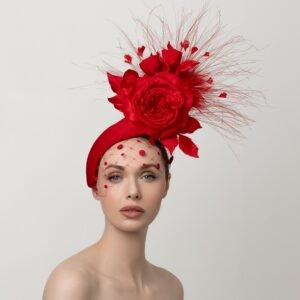
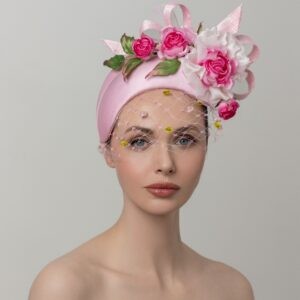
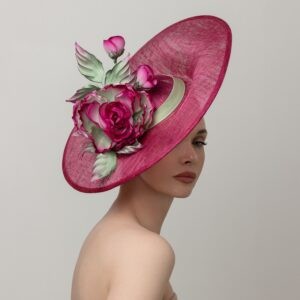
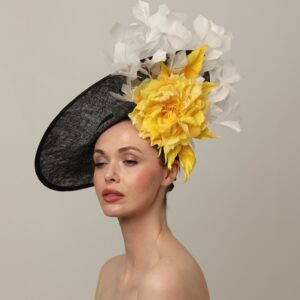
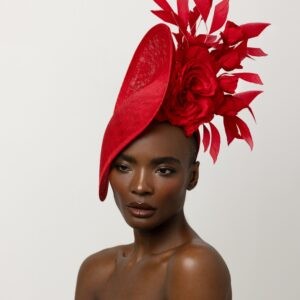
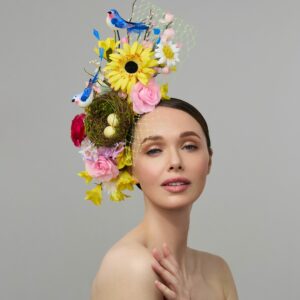
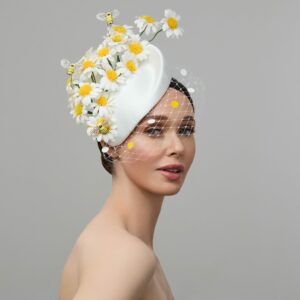
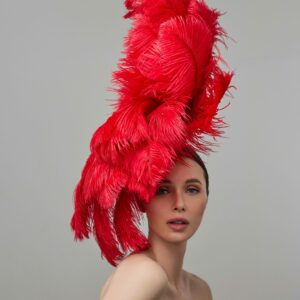
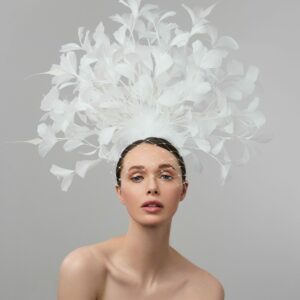
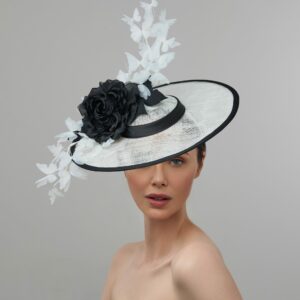
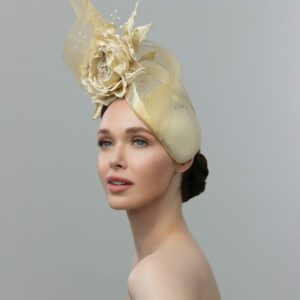
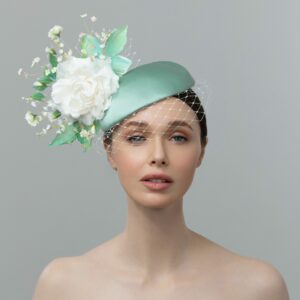
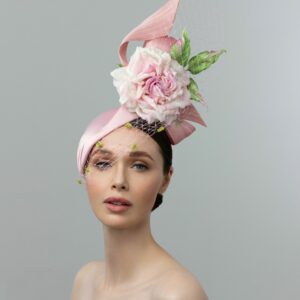
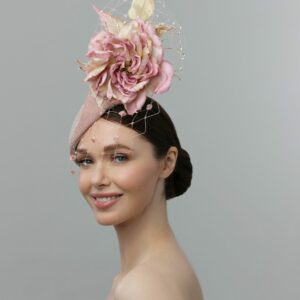
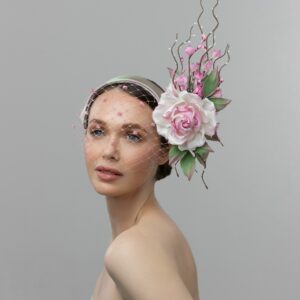
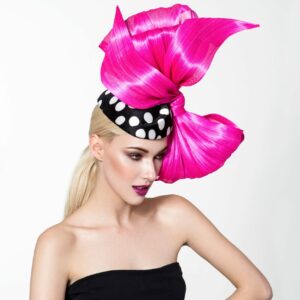
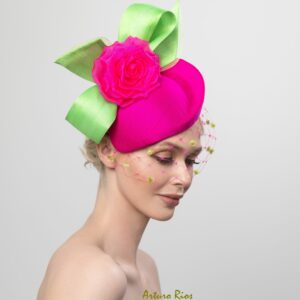
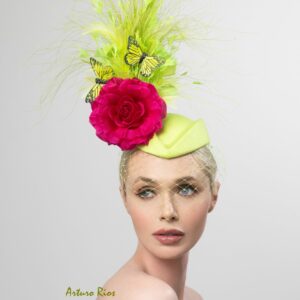
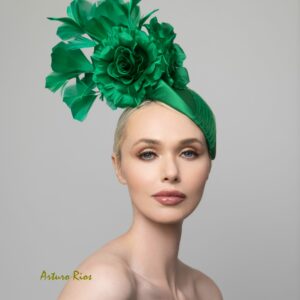
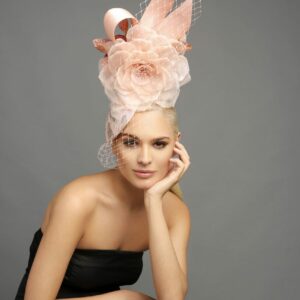
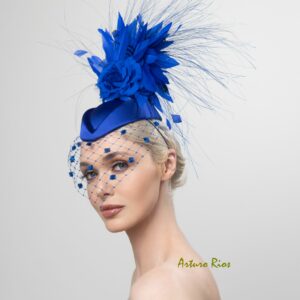
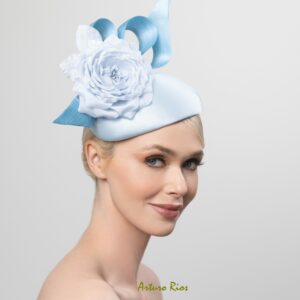
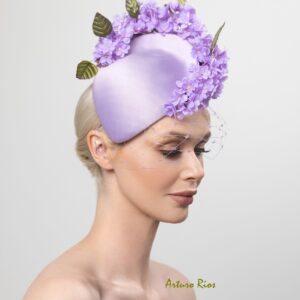
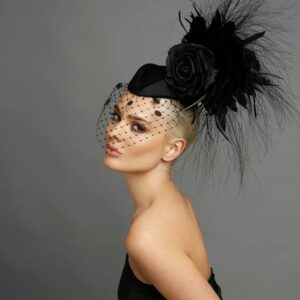
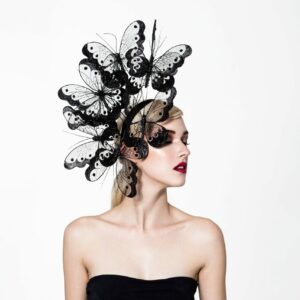
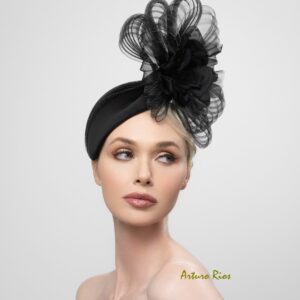
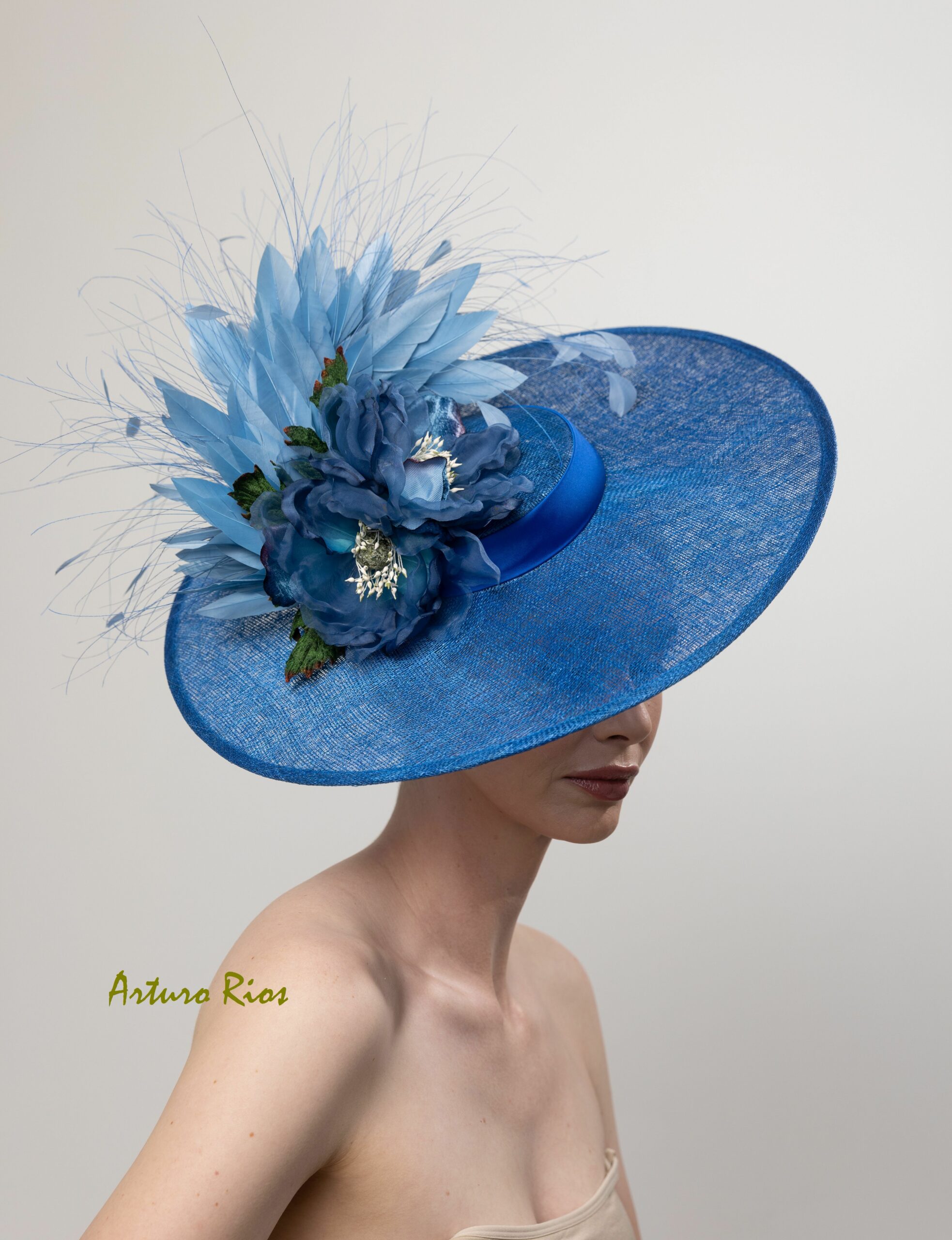
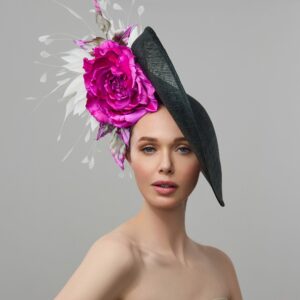
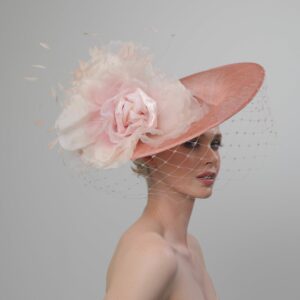
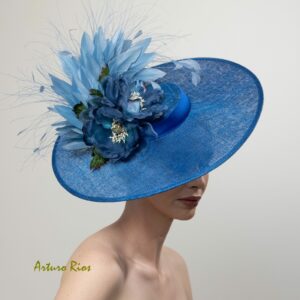
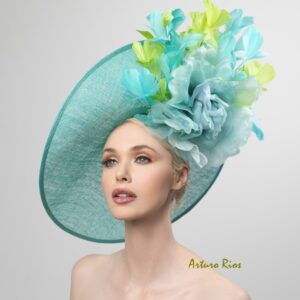
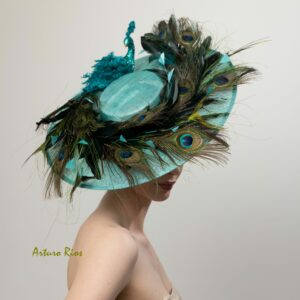
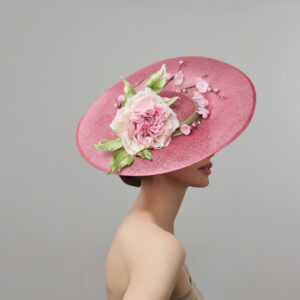
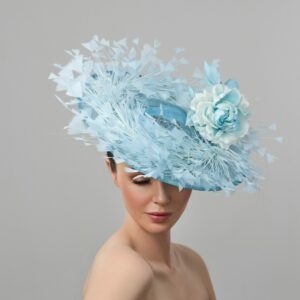
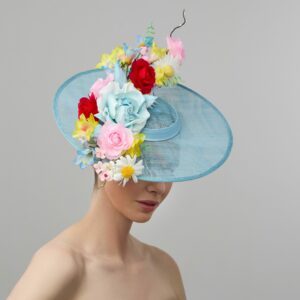
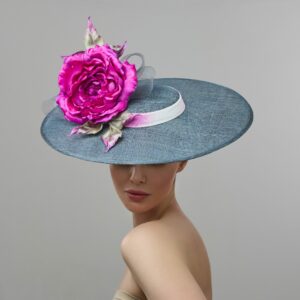
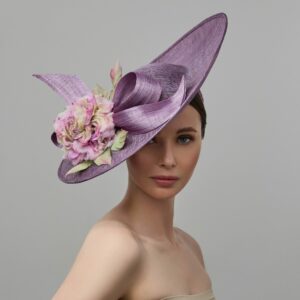
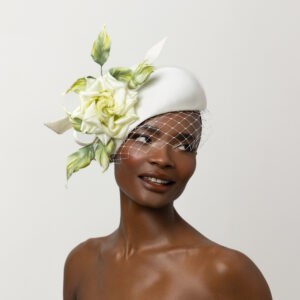
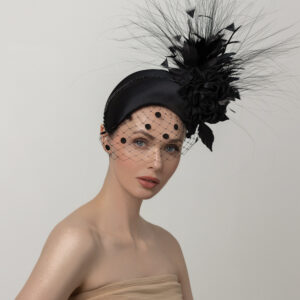
We're excited to let you look your best (and win a few awards yourself). Each race has a distinct feel and we've captured those with a wide variety of derby hats, fascinators and choice of elegant, fun and even formal pieces.

International Race Schedule

2025 Feb 22 Saudi Cup King Abdulaziz Racetrack, Riyadh, Saudi Arabia
2025 Mar 14 Cheltenham Gold Cup Cheltenham racecourse, Evesham Road, Cheltenham
2025 Apr 5 Dubai World Cup Meydan Racecourse, Dubai, UAE
2025 Apr 5 Grand National Aintree Racecourse in Liverpool
2025 May 3 Kentucky Derby Louisville, Kentucky, US
2025 May 17 Preakness Stakes Pimlico Race Course in Baltimore, Maryland, USA
2025 June 7 Belmont Stakes Saratoga Race Course, New York, USA
2025 June 6 Epsom Derby Epsom Downs Racecourse, Surrey, England
2025 June 20 Royal Ascot Gold Cup Ascot Racecourse, Berkshire, England
2025 Oct 5 Prix de l'Arc de Triomphe Longchamp Racecourse; Paris, France
2025 Oct 18 The Everest Randwick Racecourse, Sydney, Australia
2025 Nov 1 Breeders Cup Del Mar, San Diego, USA
2025 Nov 4 Melbourne Cup Flemington Racecourse, Victoria, Australia
2026 Feb ? Saudi Cup King Abdulaziz Racetrack, Riyadh, Saudi Arabia
2026 Mar ? Cheltenham Gold Cup Cheltenham racecourse, Evesham Road, Cheltenham
2026 Mar ? Dubai World Cup Meydan Racecourse, Dubai, UAE
2026 Apr ? Grand National Aintree Racecourse in Liverpool
2026 May ? Kentucky Derby Louisville, Kentucky, US
2026 May 16 Preakness Stakes Pimlico Race Course in Baltimore, Maryland, USA
2026 June ? Belmont Stakes Saratoga Race Course, New York‎, USA
2026 June ? Epsom Derby Epsom Downs Racecourse, Surrey, England
2026 June ? Royal Ascot Gold Cup Ascot Racecourse, Berkshire, England
2026 Oct ? Prix de l'Arc de Triomphe Longchamp Racecourse; Paris, France
2026 Oct ? The Everest Randwick Racecourse, Sydney, Australia
2026 Nov ? Breeders Cup Del Mar, San Diego, USA
2026 Nov 3 Melbourne Cup Flemington Racecourse, Victoria, Australia

courtesy of TopEndSports.com

Previous Derby Events

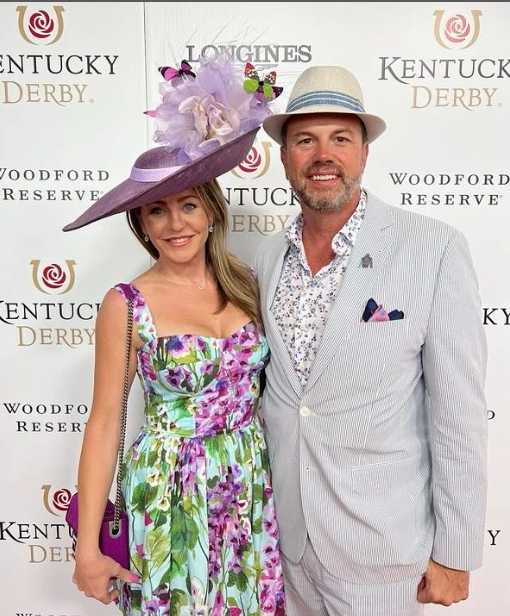
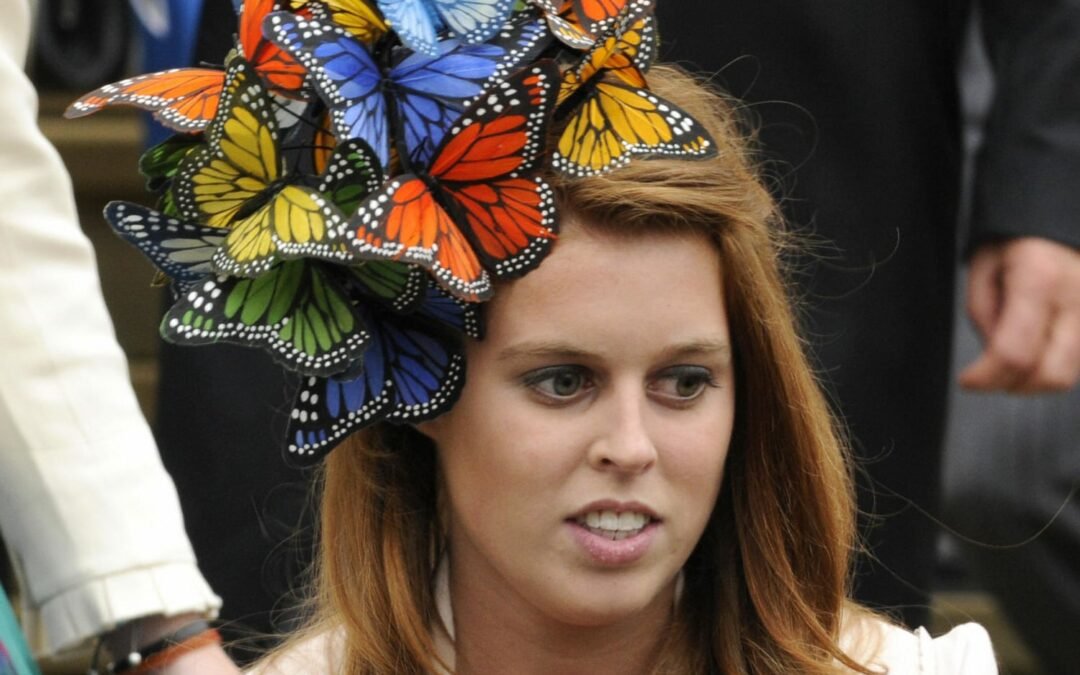
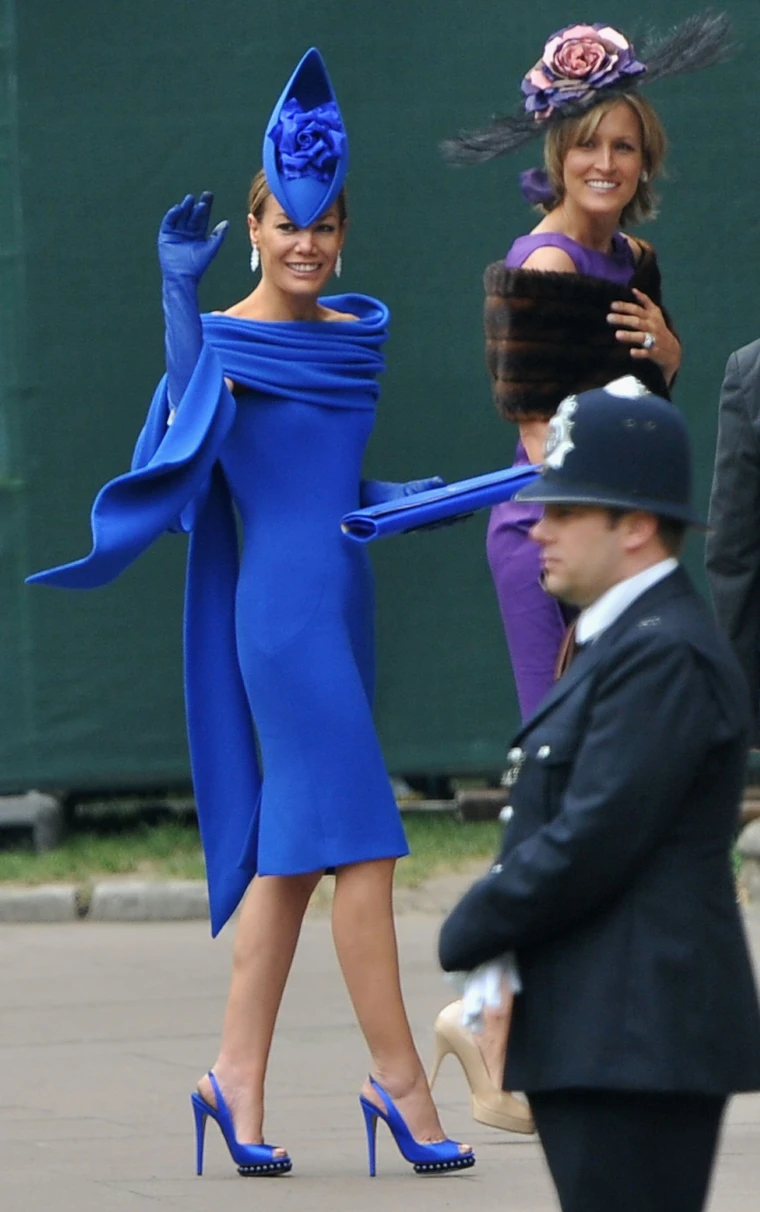
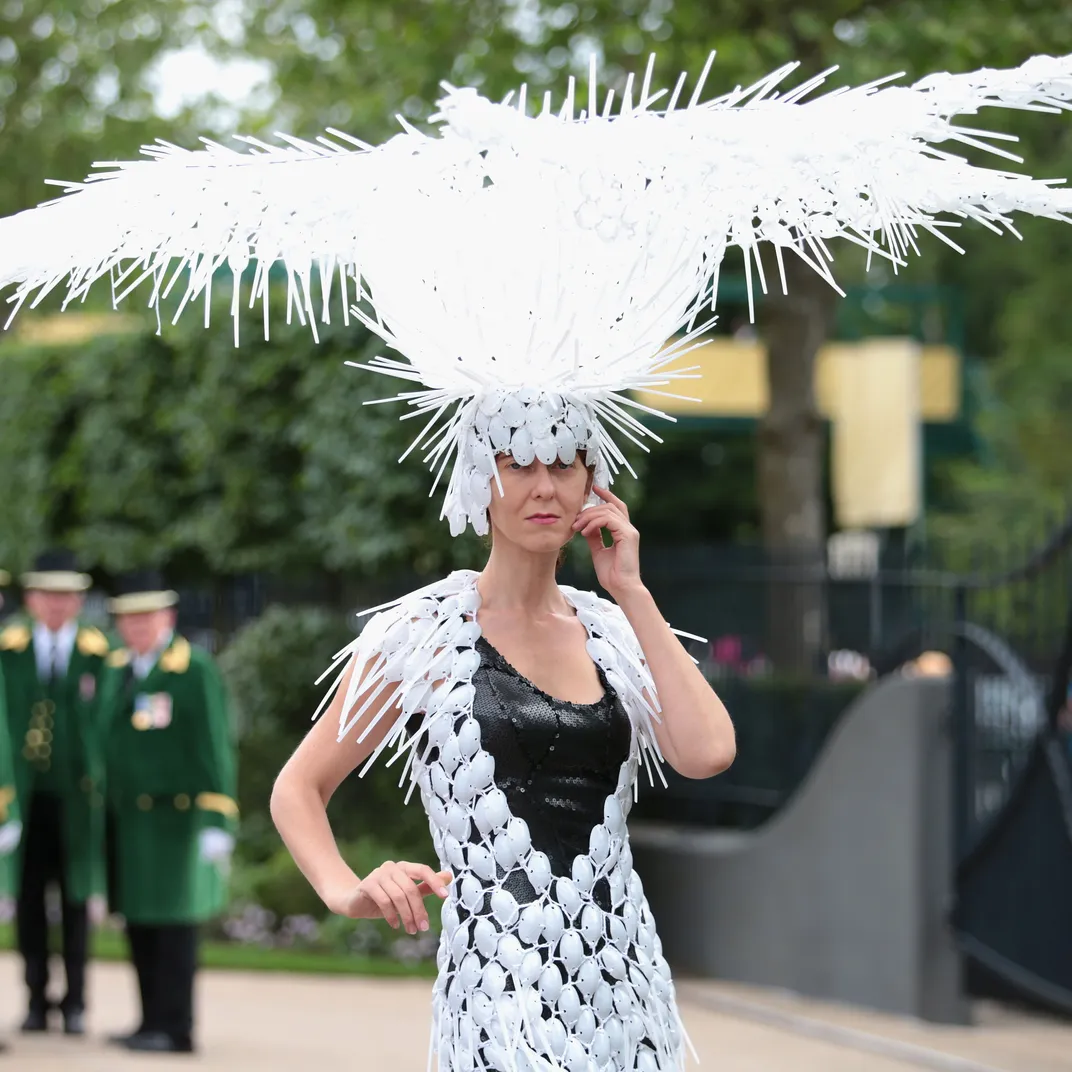
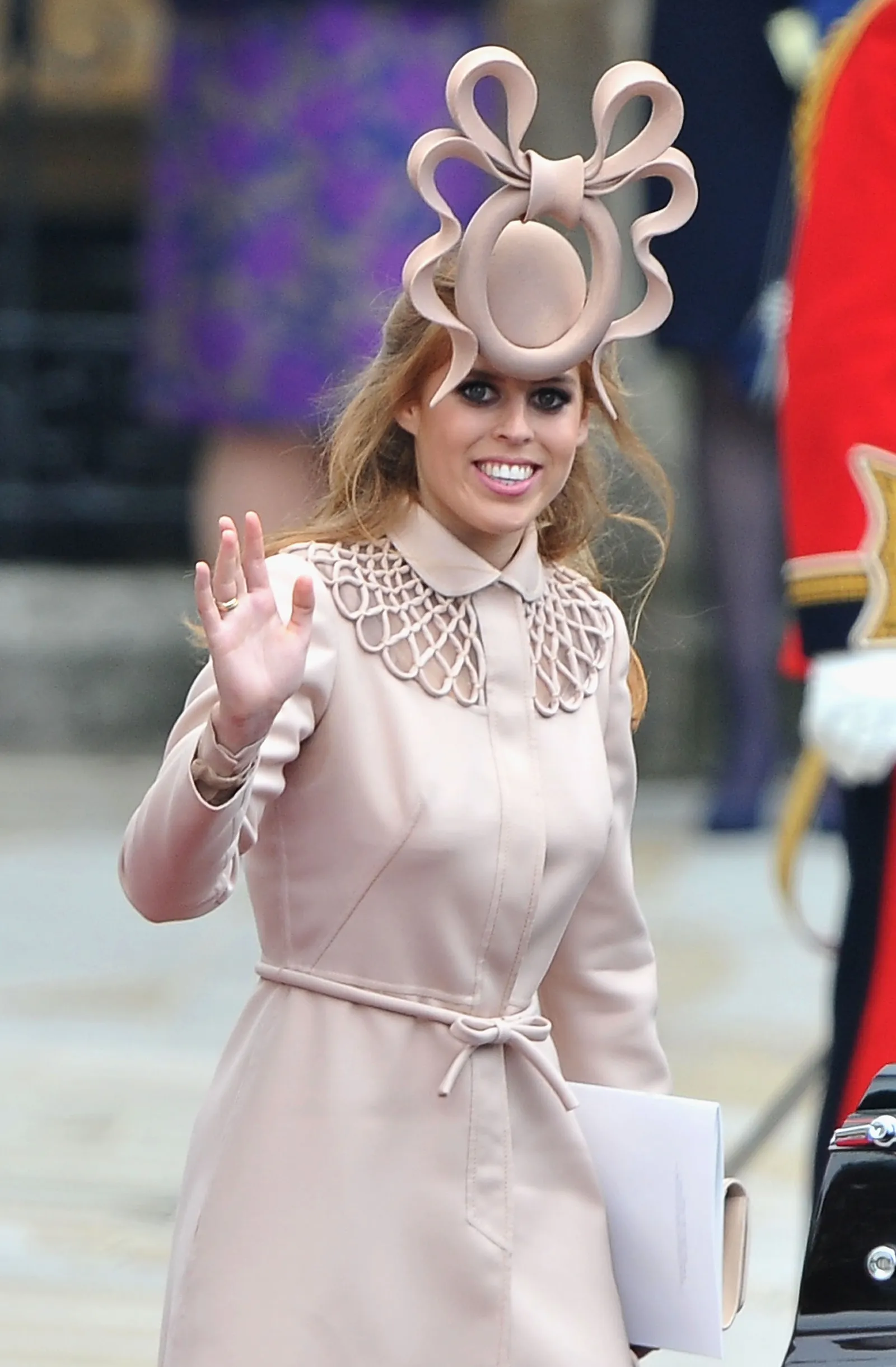
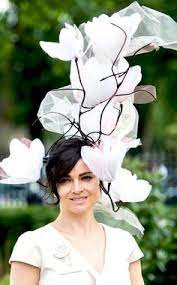
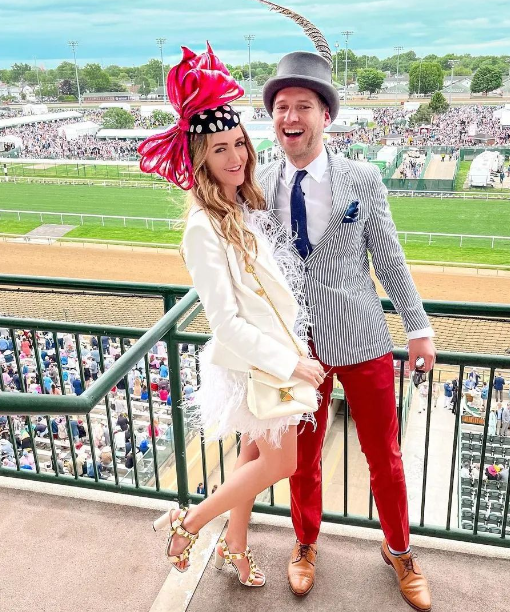
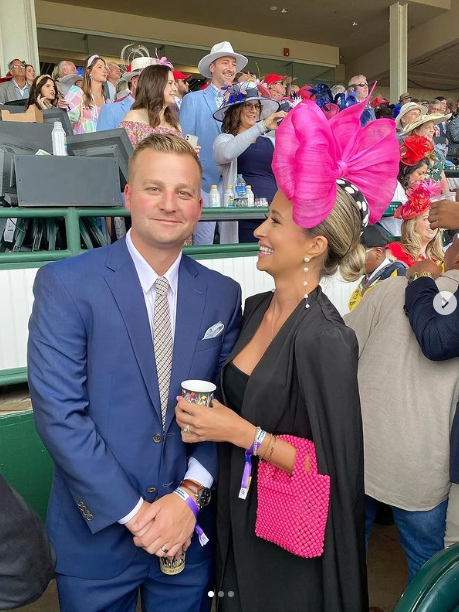
We love helping our clients look their best at all races. Here are a few pics of previous clients at racing events.
The Responsible Use of Feathers

The Responsible Use of Feathers

The Sustainable Sourcing of Feathers

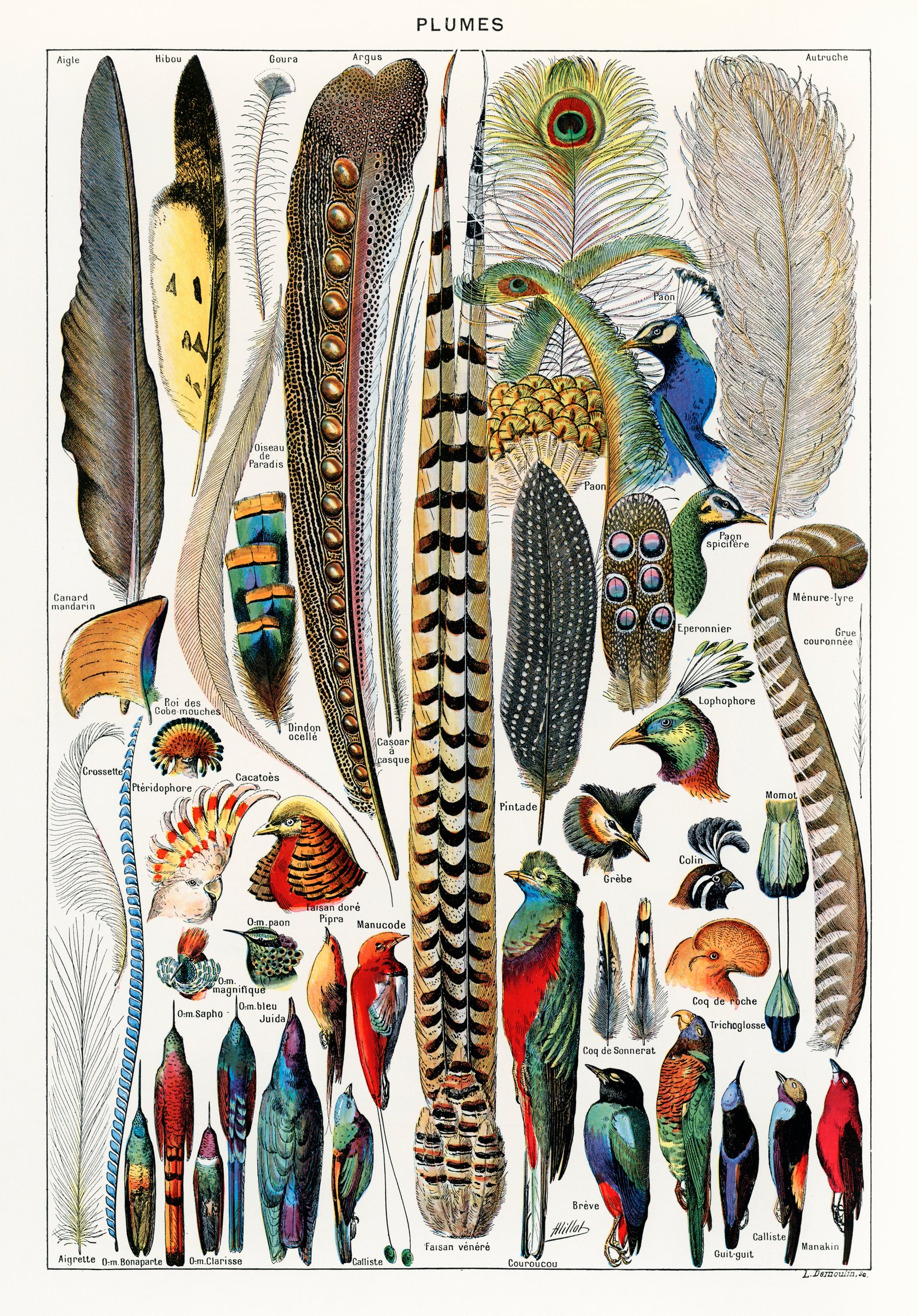
Plumes - Feathers (1900) by Adolphe Millot (1857-1921), a collection of different plume types.

The use of feathers in millinery has a long history.

Feathers were first used to decorate hats in Europe in the early 14th century. By the 16th century, feathers were a popular accessory for the wealthy in fashion centers like Milan (from which "millinery" is derived) Paris, Vienna, Florence, and Prague. 
Feathers became more widespread in fashion in the late 18th century due to the Industrial Revolution, which made luxuries more accessible to the masses. Milliners, or hat makers, used new technology to create vibrant designs that added drama to women's fashion. Feathers became a status symbol and were produced on an industrial scale throughout the 1800s.
The demand for bird feathers grew to such a height that ostrich feathers were traded at twice their weight in gold in the late 1800s. The consequences of such unsustainable trade quickly decimated bird species valued for their feathers.

In 1896 the American socialite and amateur naturalist Harriet Hemenway and her cousin Minna Hall led a boycott of feathered hats which attracted 900 participants.The action led to the formation of the National Audubon Society and passage of the Weeks-McLean Law (the Migratory Bird Act), which outlawed market hunting and the interstate transport of birds.

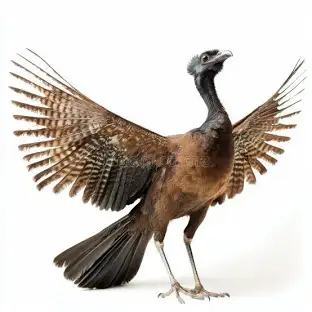
the Lyrebird

the Egret

Egrets were almost extinct in the 1900s, hunted for their graceful, long, white feathers. Today, the bird is protected and their numbers have rebounded. Unfortunately, the Lyre bird in Australia did not meet a similar outcome and is still dangerously close to extinction.

All birds naturally shed their feathers about once a year. This is the preferred method of collection as it causes no stress on bird populations and is by far the most humane sourcing of exotic feathers. We work with local US farmers who raise white peacocks and collect the molted feathers. Exotic feathers from around the world are all purchased through permitted brokers who are fully compliant with domestic and international laws and conventions.

We currently source our feathers from a distributor in the US, who has the proper permits and strictly obeys regulation with the appropriate US agencies. These fathers are tightly controlled and we review the accuracy of their permitted use.
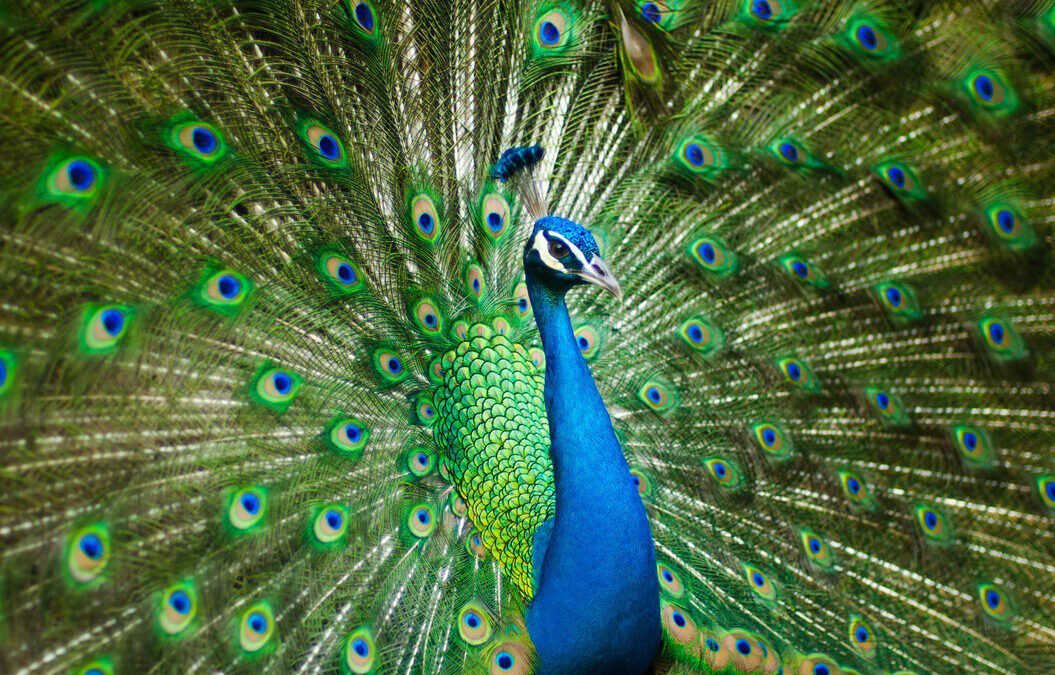
Our current collection of fascinators feature ostrich, goose, peacock and other rare species which are certified 100% cruelty-free and are sustainably gathered.

The ethics of down feathers are controversial, with some sourcing practices being inhumane, but ethically sourced and certified down is available. You can identify ethical down by looking for certifications like the Responsible Down Standard (RDS) or Global Traceable Down Standard (GTDS), which ensure no live-plucking or force-feeding occurs and that animals are not harmed. Alternatively, you can choose products with recycled or pre-loved down, which avoids new animal welfare issues entirely.  

Showing 1–3 of 22 resultsSorted by latest

"It is personally important to me that our feathers are used responsibly and sustainability to preserve their outstanding beauty and broad variety," says Arturo. "They inspire such beautiful designs. And they are truly a unique gift from Nature."
Arturo Rios
Audubon Society

Read about this outstanding organization, founded in 1905.

Classic Forms: Fascinators

Classic Forms: Fascinators

Fascinators have a brief history. Originally, the term was coined by Stephen Jones in the 70s.

In part, the term comes from the way fascinators are attached to the head, that is, fastened by a ribbon or a clip.

But that wasn’t all that Jones had in mind when coming up with the name for his new hats. He was thinking about calling these headpieces something whimsical that would describe their uniqueness and extravagance.

The fastening part played a role, as it reminded him of the word “fascinating.” Hence, a fascinator.

Source: Gold Coast Couture

“The drama and pure folly of fascinators make them unique in millinery.” Arturo states. “They very literally are the crowning touch to a truly outstanding style choice. Fascinators are not just for royal events and derbies. They are very good choices for formal events, daytime social gatherings and weddings.” 

An Elegant Focal Point

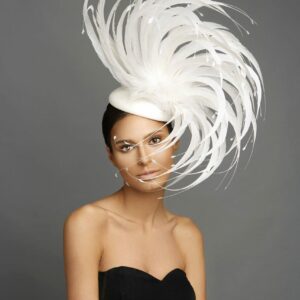
The purpose of a fascinator is not about function; fashion and style are the key points. Fascinators offer little or no protection from the elements as compared to other hats. They exist simply to be fabulous. They draw the eye, focus others’ attention and do so elegantly and with style. Fascinators exist simply to, well, fascinate.

Untethered by boring functions, these hats can soar and push boundaries. They can be stunningly complex or simply frivolous; diminutive or monumental in size. The appeal is broad. The Royals have taken a liking to them. Brides adore them. Socialites and celebrities have a keen interest in them.


|

It was named in the 1960s, re-emerged with heightened artistry in the late 70s, and today is worn by both royals and the fashion forward. It traces back through the centuries, perhaps to the moment in the 1770s when on a whim Marie Antoinette planted some feathers—ostrich and peacock—into her pomaded hair. It may go back further still, to the first female hominid who saw something beguiling—a fern frond, a butterfly wing—and stuck it on her head, well, fascinatingly.

A Brief History of Fascinators: Vanity Fair

Fascinators also allow an individual’s style to break traditional millinery boundaries. “They’re also just fun to wear,” Arturo states. “Each fascinator is a personal statement.”

We think an educated client (never a "customer") is preferred. Arturo also believes in being generous with his knowkledge as others have been generous with theirs to him.

This article is part of our series that explores and celebrates different aspects of millinery. Arturo Rios has created new techniques, forms and modes of constructing the world's finest hats and he wants to share and open the discussion with you.

We welcome everyone to discover how millinery is expanding, changing and evolving. Let us know your thoughts!


Classic Forms

Millinery has a long history. In this series of posts, we delve deeper into the specifics of each type of hat. Pillboxes, fascinator and derby hats are just the beginning. And Arturo wants to assist in your discovery!

Techniques

Hat-making has it's own vocabulary; definitions, terms, slang. We're here to talk about the components that make great hats.

Colors

Arturo has a unique sense of flowers. He also uses his deep understanding of how colors work and how they influence us.

Classic Forms: Saucers

Classic Forms: Saucers

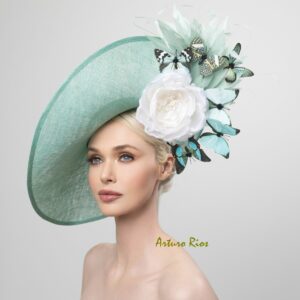
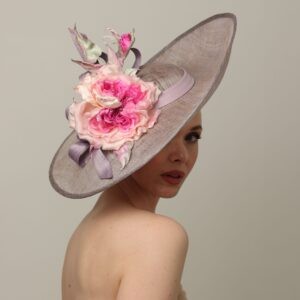
The saucer form ("disc form" is a slight variation) in millinery is relatively new. The style can be traced to a trend in widening the brim of the hat to create a distinct profile while accommodating increasingly dramatic and sophisticated aadornment such as silk flowers, archetectural elements and a widening assortment of structural elements and accessories.

Arturo is experimenting with this form in detail while constructing his upcoming collection:

"Saucers are one of my favorite base forms to play with. The expansive shape is very dramatic. When I use bright colors and adorn the hat with equally colorful, fun accessories, they're a great choice for daytime events. If using more subdued colors and more discreet decorative items like silk flowers, crystals or feathers, they do make a stunning and elegant choice for more sophisticated evening and formal occasions."
Arturo Rios

We think an educated client (never a "customer") is preferred. Arturo also believes in being generous with his knowkledge as others have been generous with theirs to him.

This article is part of our series that explores and celebrates different aspects of millinery. Arturo Rios has created new techniques, forms and modes of constructing the world's finest hats and he wants to share and open the discussion with you.

We welcome everyone to discover how millinery is expanding, changing and evolving. Let us know your thoughts!


Classic Forms

Millinery has a long history. In this series of posts, we delve deeper into the specifics of each type of hat. Pillboxes, fascinator and derby hats are just the beginning. And Arturo wants to assist in your discovery!

Techniques

Hat-making has it's own vocabulary; definitions, terms, slang. We're here to talk about the components that make great hats.

Colors

Arturo has a unique sense of flowers. He also uses his deep understanding of how colors work and how they influence us.

Classic Forms: The Veil

Classic Forms: The Veil

The Historical Importance of the Veil

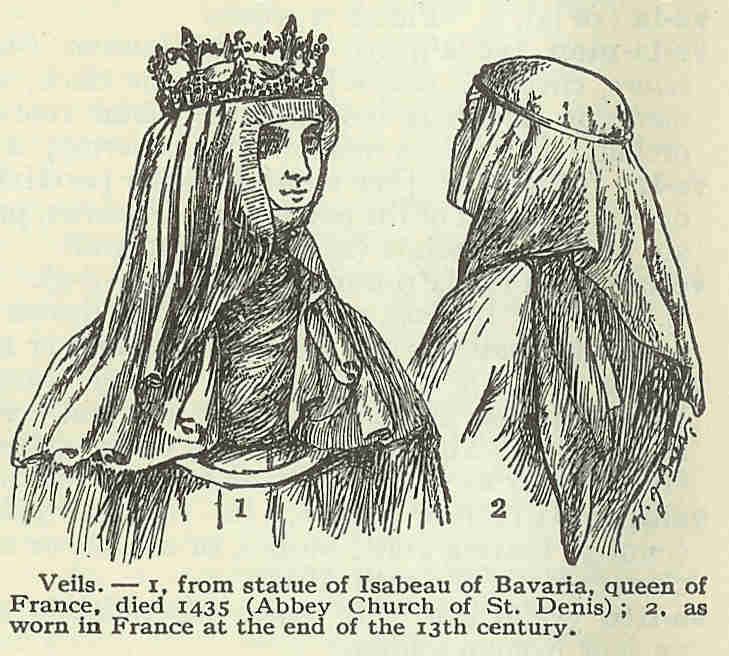
For centuries, European women have worn sheer veils, but only under certain circumstances.

Sometimes a veil of this type was draped over and pinned to the bonnet or hat of a woman in mourning, especially at the funeral and during the subsequent period of "high mourning". They would also have been used, as an alternative to a mask, as a simple method of hiding the identity of a woman who was traveling to meet a lover, or doing anything she did not want other people to find out about. More pragmatically, veils were also sometimes worn to protect the complexion from sun and wind damage (when untanned skin was fashionable), or to keep dust out of a woman's face, much as the keffiyeh (worn by men) is used today.

The practice of veiling is especially associated with women and sacred objects, though in some cultures, it is men, rather than women, who are expected to wear a veil. Besides its enduring religious significance, veiling continues to play a role in some modern secular contexts, such as wedding customs.

Gallery

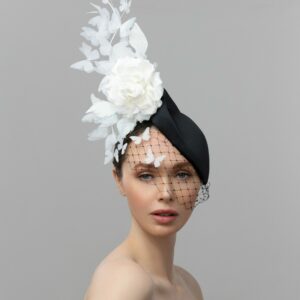
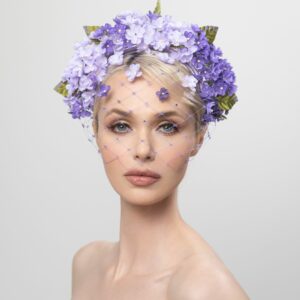
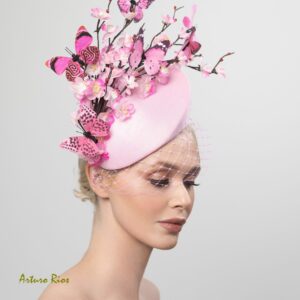
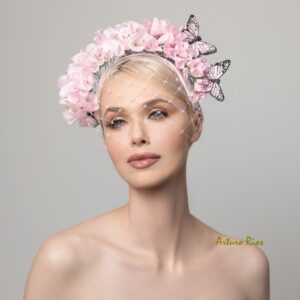
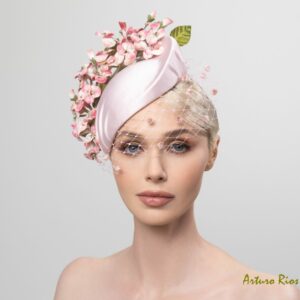
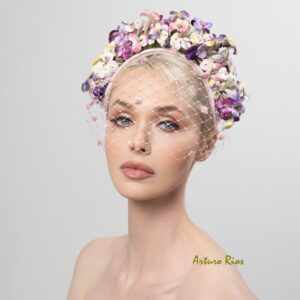
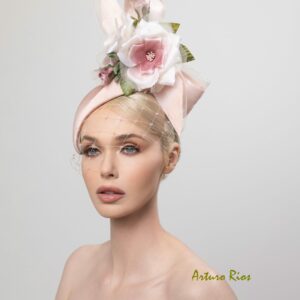
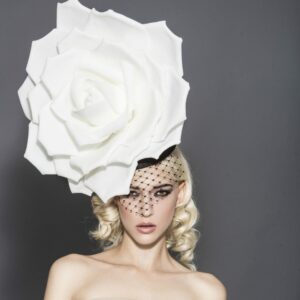
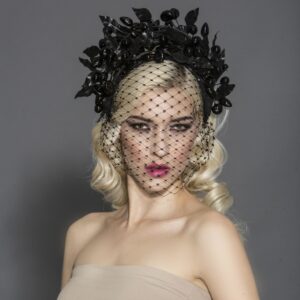
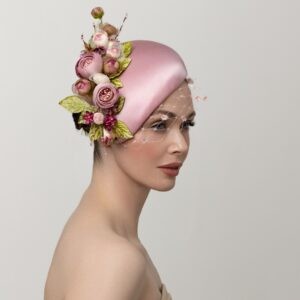
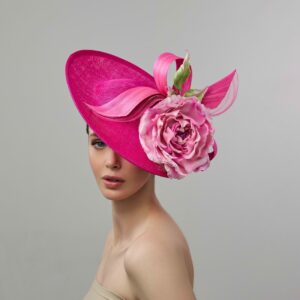
A partial gallery of Arturo's most recent hats featuring veils:

Modern Veils

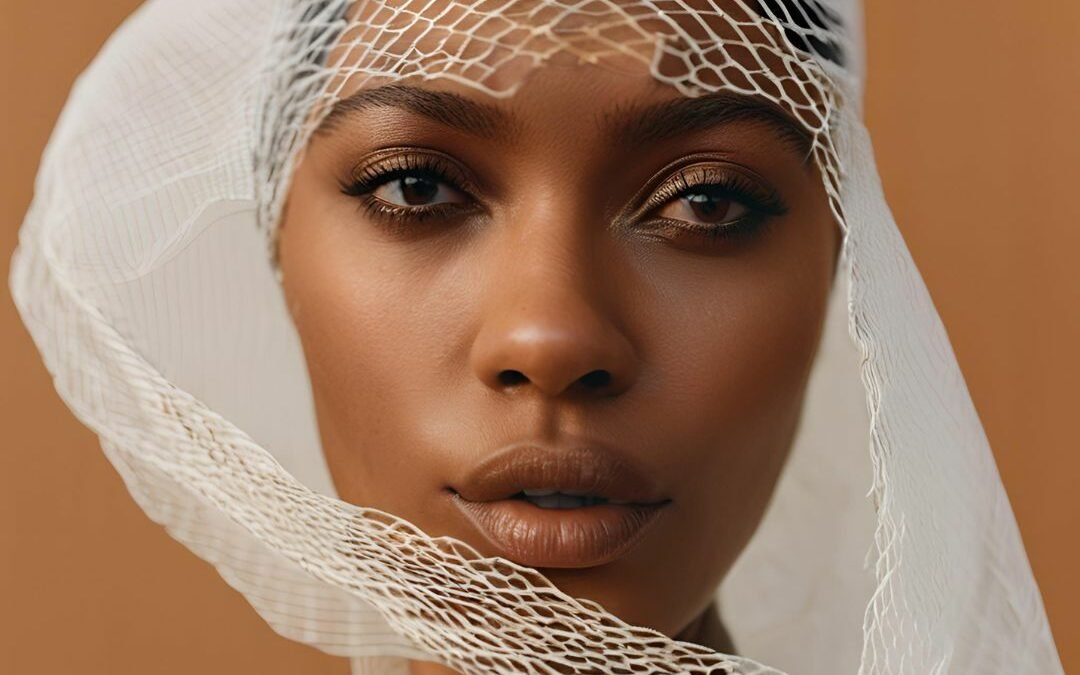
The veils used in modern millinery carry far less religious and cultural weight. They are primarily decorative. Their impact, however is not diminished.

"They are an important part of the whole hat's silhouette," explains Arturo. "It is there to add to the form of the hat while drawing attention to the face. This is what good design does — it enhances the whole, it does not conceal it."

Almost all of the veils designed by Arturo Rios feature subtle, yet distinguishing embellishments. Swarovski crystals, paillettes and elaborate stitching are some techniques that set Arturo's hats apart.
Interested in more?

We're beginning an occasional series entitled Classic Forms which will explore the fundamental aesthetics of millinery.

Stay up to date and be alerted when we add more items to this collection. Sign up to the right.

[forminator_form id="11266"]